Ultraman Tiga Ep. 37: Flower

Directed by Akio Jissoji. Written by Akio Jissoji, Akio Satsukawa. Airdate May 17, 1997.

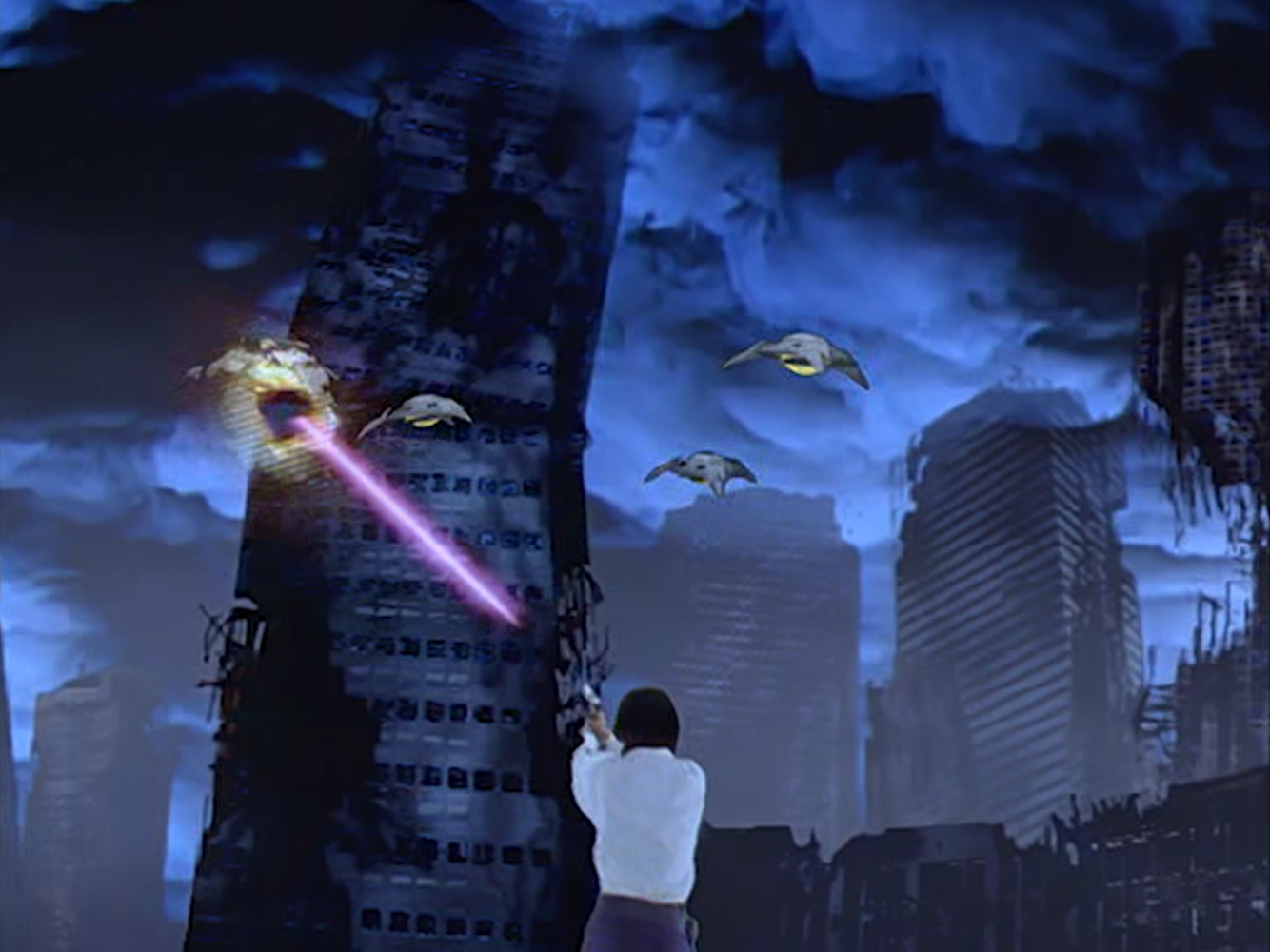
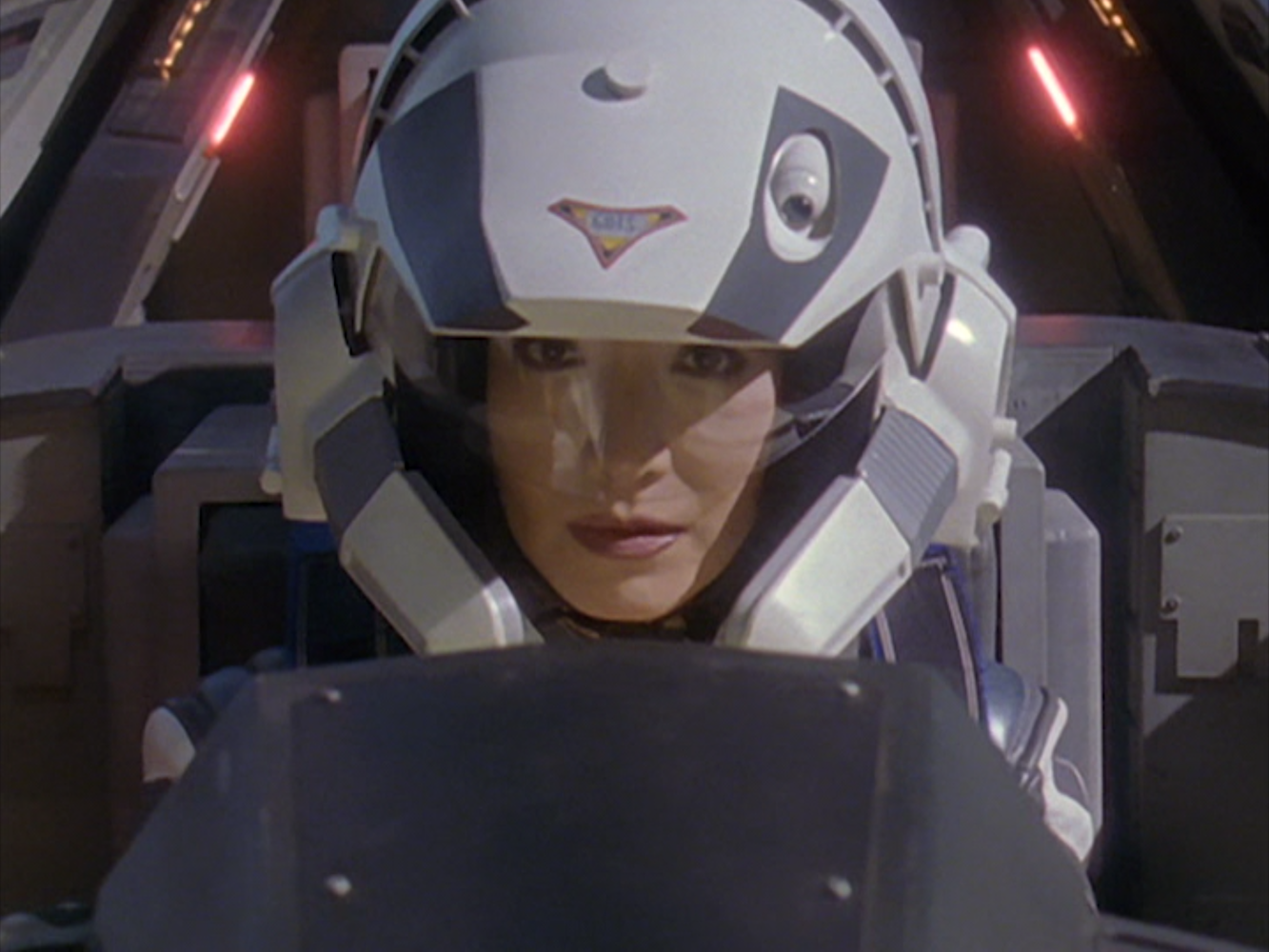
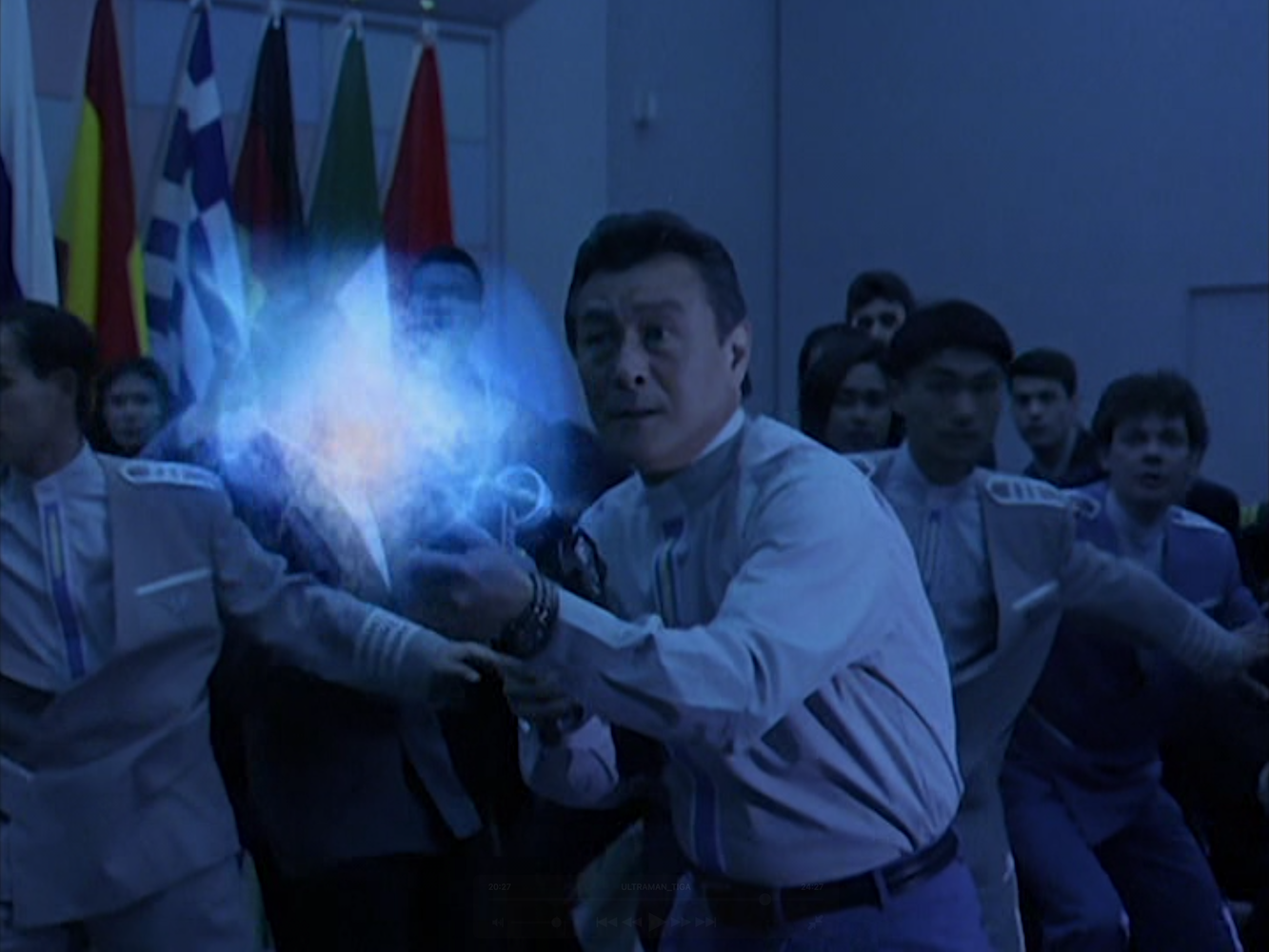
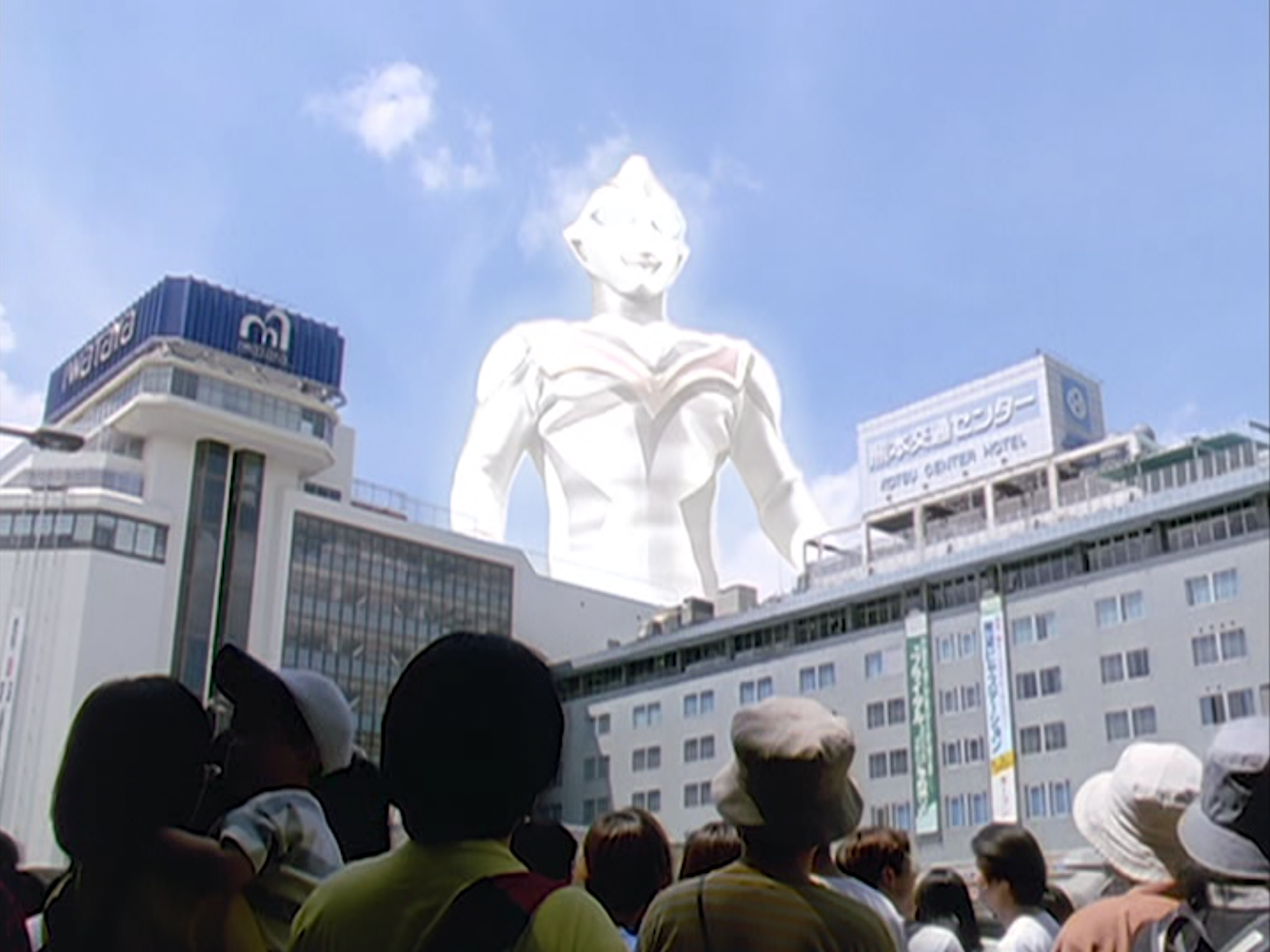
Akio Jissoji returns to direct an episode of an Ultra television series for the first time since Ultraseven’s “The Saucers Have Come” — a gap of almost three decades. (He did direct Ultra Q the Movie: Legend of the Stars in 1990.) Have the years mellowed his eccentric visual style and storytelling techniques? Nope! During his break from television, Jissoji has been directing experimental short films, and he’s gotten even weirder. 

Continue reading “Ultraman Tiga Ep. 37: Flower”

Ultraman Tiga Ep. 36: Smile Across Space and Time

Directed by Teruyoshi Ishii. Written by Masakazu Migit, Keiichi Hasegawa. Airdate May 10, 1997.

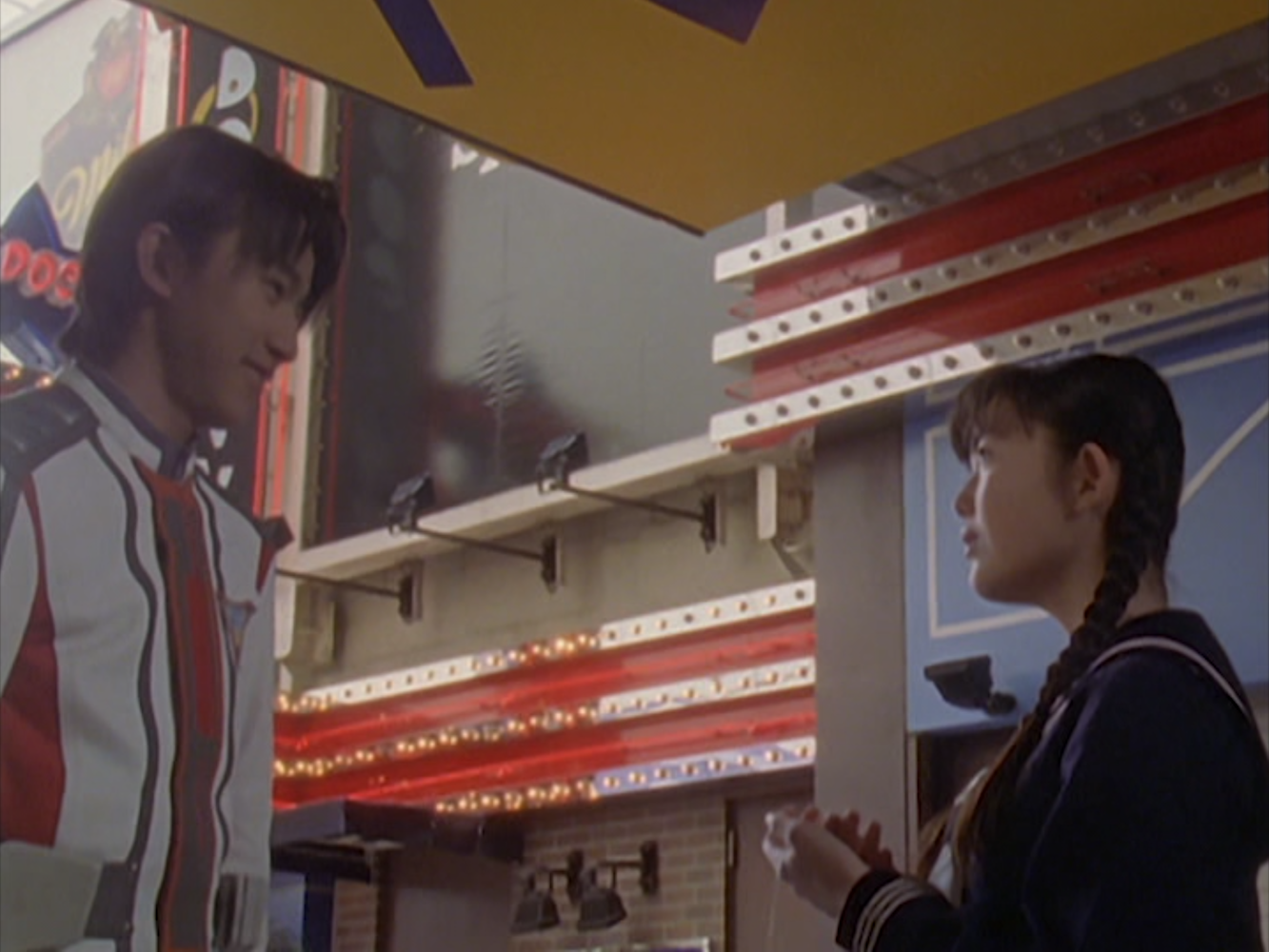
Yazumi finally gets an episode of his own. The “guy in the chair” of GUTS, the agent who didn’t even get to go into the field until episode 23, now takes the spotlight. Aside from “One Vanishing Moment,” where he flaunted a militaristic attitude, Yazumi has always come across as the quietest, most restrained member of GUTS. Perhaps that’s why Captain Iruma kept him in the operations chair most of the time rather than fighting monsters in the field.

Continue reading “Ultraman Tiga Ep. 36: Smile Across Space and Time”

Ultraman Tiga Ep. 35: Sleeping Beauty

Directed by Teruyoshi Ishii. Written by Chiaki J. Konaka. Airdate May 3, 1997.

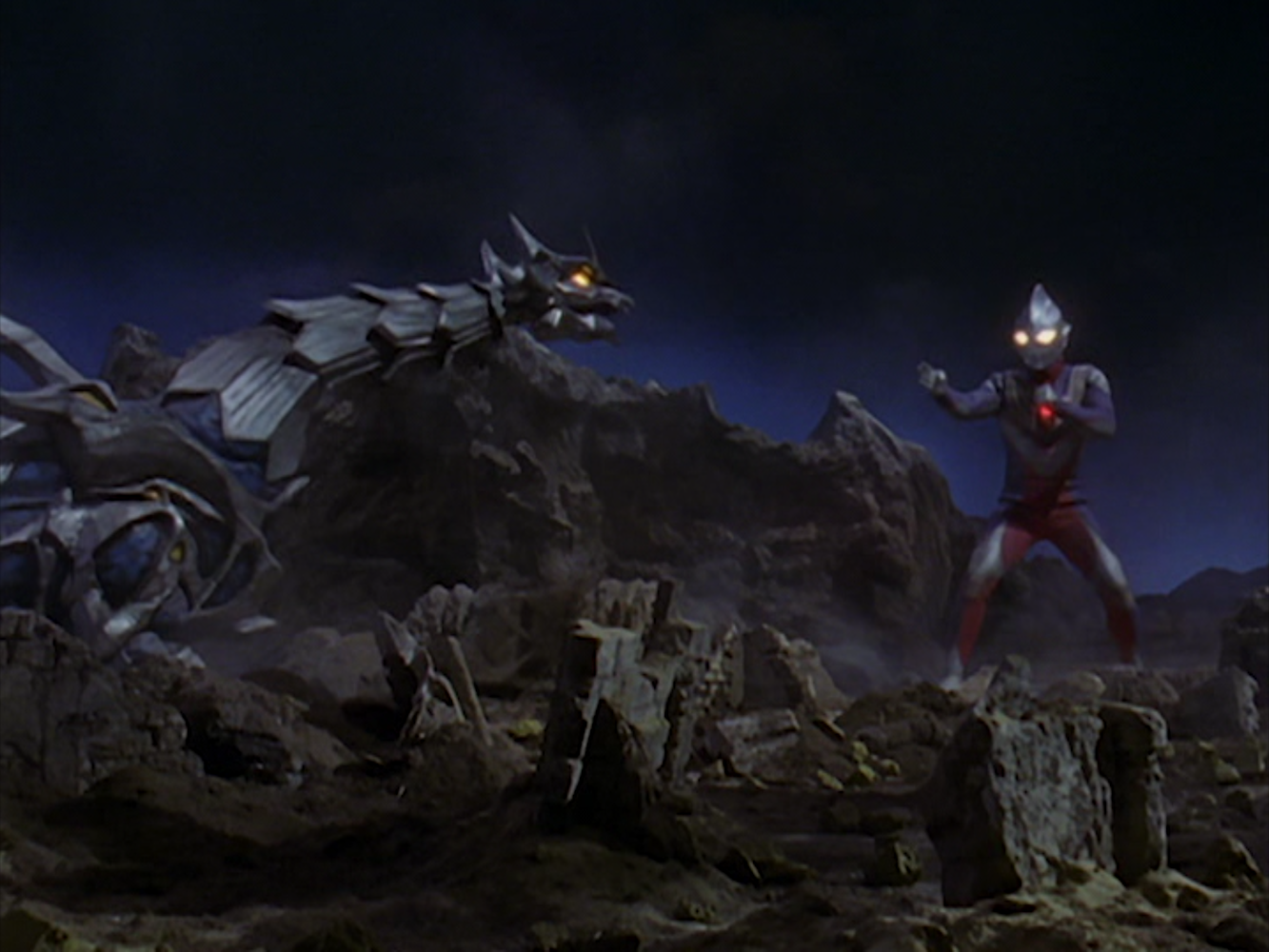
The previous episode left open questions about the alien entity responsible for the assault on the Terran Peace Consortium’s summit in the Cliomos Islands. This episode picks up soon afterward. The TPC East Asia Base is investigating an alien body in cryostasis (codename: Sleeping Beauty) that was transferred from the West Asia Base. The alien — which resembles a typical “gray” but with green skin — has been in stasis for more than two decades. An alloy discovered near it is identical to the material of the bioweapon used in the attack on the TPC summit. 

Continue reading “Ultraman Tiga Ep. 35: Sleeping Beauty”

Ultraman Tiga Ep. 34: To the Farthest South

Directed by Hirochika Muraishi. Written by Chiaki J. Konaka. Airdate April 26, 1997.

The politics and history of the Terran Peace Consortium have materialized in several Ultraman Tiga episodes so far: “The Devil’s Prophecy,” “The Day When the Monster Appeared,” and “The Battle of Zelda Point.” This is the first episode to make TPC politics its centerpiece. It foregrounds two figures who represent the opposing poles of the organization’s purpose: the dovish Commissioner Sawai (Tamio Kawachi) and the hawkish Director Yoshioka (Ken Okabe). 

Continue reading “Ultraman Tiga Ep. 34: To the Farthest South”

Ultraman Tiga Ep. 33: Vampire City

Directed by Hirochika Muraishi. Written by Keiichi Hasegawa. Airdate April 19, 1997.

Ultraman Tiga is doing another horror episode, this time with a different brand of fear: the ‘90s noir vampire flick. Welcome back to the days of leather-clad cool vampires who do backflips and make their lairs in deserted nightclubs. The episode goes all-in with a trendy vampire tale, and pulls it off, making for a superior Tiga episode to pick for Halloween than the show’s actual, bespoke Halloween episode

Continue reading “Ultraman Tiga Ep. 33: Vampire City”

Ultraman Tiga Ep. 32: The Battle of Zelda Point

Directed by Tsugumi Kitaura. Written by Ai Ota. Airdate April 12, 1997.

Ai Ota’s third script for Ultraman Tiga continues her style of crafting fantasy stories with childlike slants. But these are not necessarily “childish” stories. “The Battle of Zelda Point” is built on a horrible tragedy: the death of a young girl and her father’s belief that he was responsible. The episode has its bleak moments, but it also has a fairy-tale quality and a transcendent conclusion that prevent the heavy subject matter from overpowering the tone. 

Continue reading “Ultraman Tiga Ep. 32: The Battle of Zelda Point”

Ultraman Tiga Ep. 31: GUTS Base Under Attack

Directed by Tsugumi Kitaura. Written by Hideyuki Kawakami. Airdate April 5, 1997.

An alien lifeform capable of imitating humans and absorbing their abilities infiltrates the GUTS base, posing a potential threat to all life on Earth. In other words, Ultraman Tiga is doing its own riff on the science-fiction classics The Invasion of the Body Snatchers (both the ‘56 and ‘78 versions) and John Carpenter’s The Thing. The premise also makes for a convenient money-saving “bottle show” that sticks to the standing TPC headquarters sets and doesn’t require any guest stars.

Continue reading “Ultraman Tiga Ep. 31: GUTS Base Under Attack”

Ultraman Tiga Ep. 30: The Monster Zoo

Directed by Masaki Harada. Written by Kazunori Saito. Airdate March 29, 1997.

Rena asked Daigo out at the height of the apocalyptic events of “The Devil’s Judgement.” This episode opens on the apparent outcome of that: the two are on a date at a rural zoo on a pleasant sunny day. A zoo seems the right weekend getaway for them. (Although the two of them making jokes that the cows resemble Horii is a touch rude.) Anyway, because this is Ultraman Tiga, Rena and Daigo’s date is interrupted when a giant monster bursts through the zoo grounds.

Continue reading “Ultraman Tiga Ep. 30: The Monster Zoo”

Ultraman Tiga Ep. 29: Memory of a Pale Night

Directed by Masaki Harada. Written by Keiichi Hasegawa. Airdate March 22, 1997.

Shinjoh is going on an important test flight, so Daigo is stuck taking Shinjoh’s sister Mayumi to see a show from current pop sensation, Maya Cruz. (It’s not a date, he insists, making sure Rena hears this.) Daigo admits that he doesn’t even know who this Maya Cruz is, which shocks Horii, a Cruz superfan. Of course Horii is a superfan of the big pop star of the moment. Horii’s basically twelve years old and we love him for that. 

Continue reading “Ultraman Tiga Ep. 29: Memory of a Pale Night”