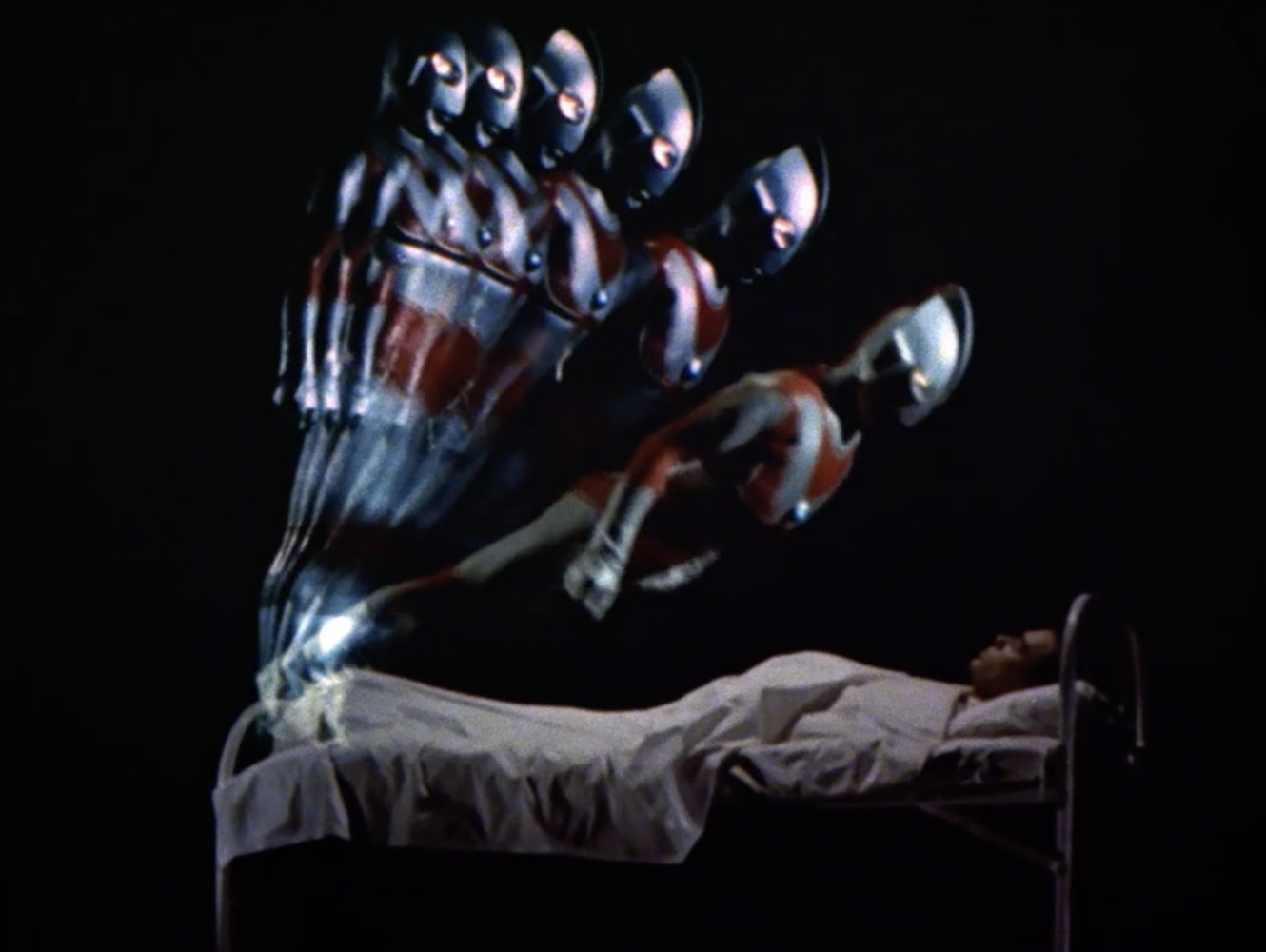
Ultraseven Ep. 45: The Saucers Have Come

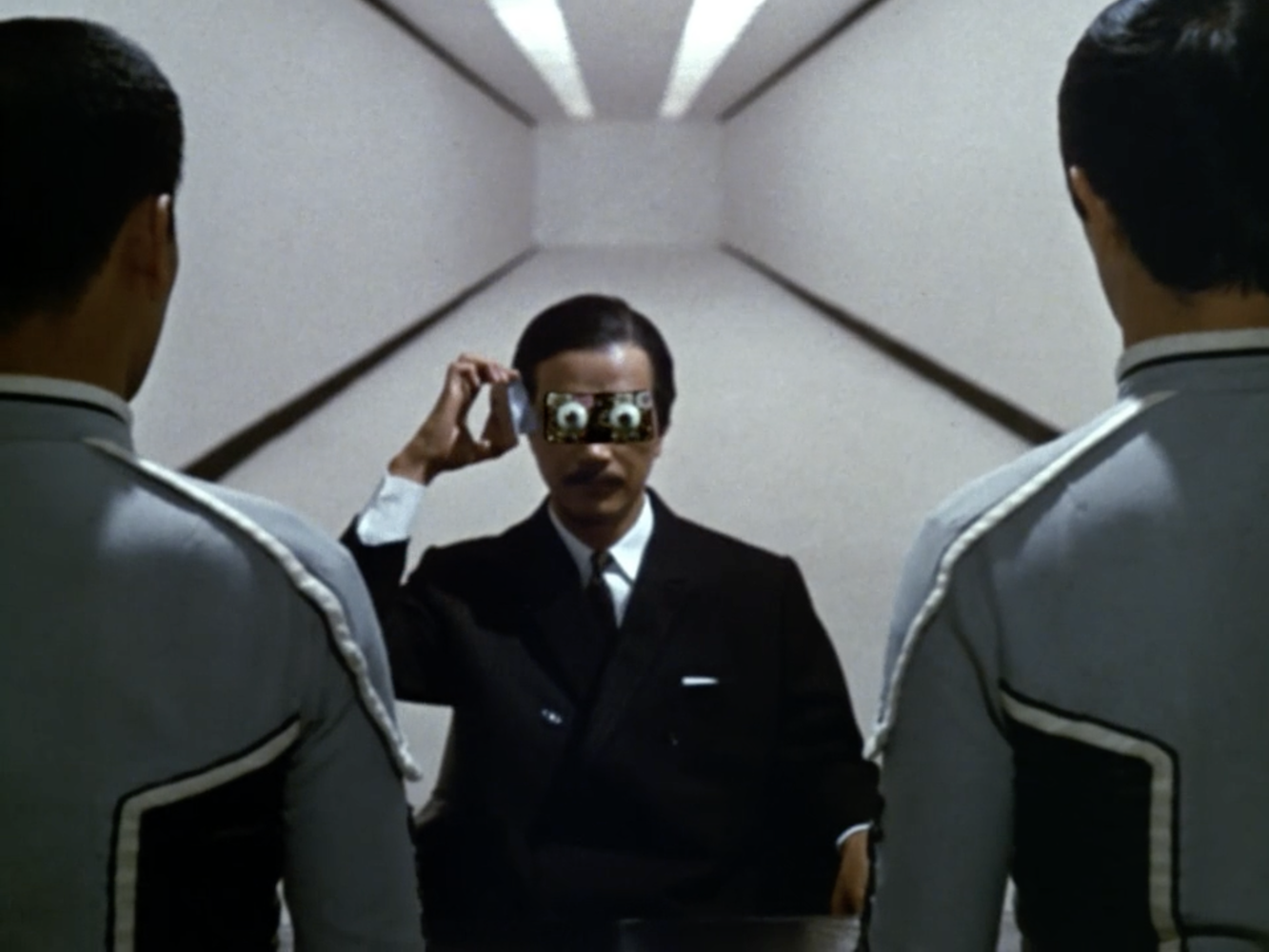
Written and Directed by Akio Jissoji.1 Airdate August 11, 1968.

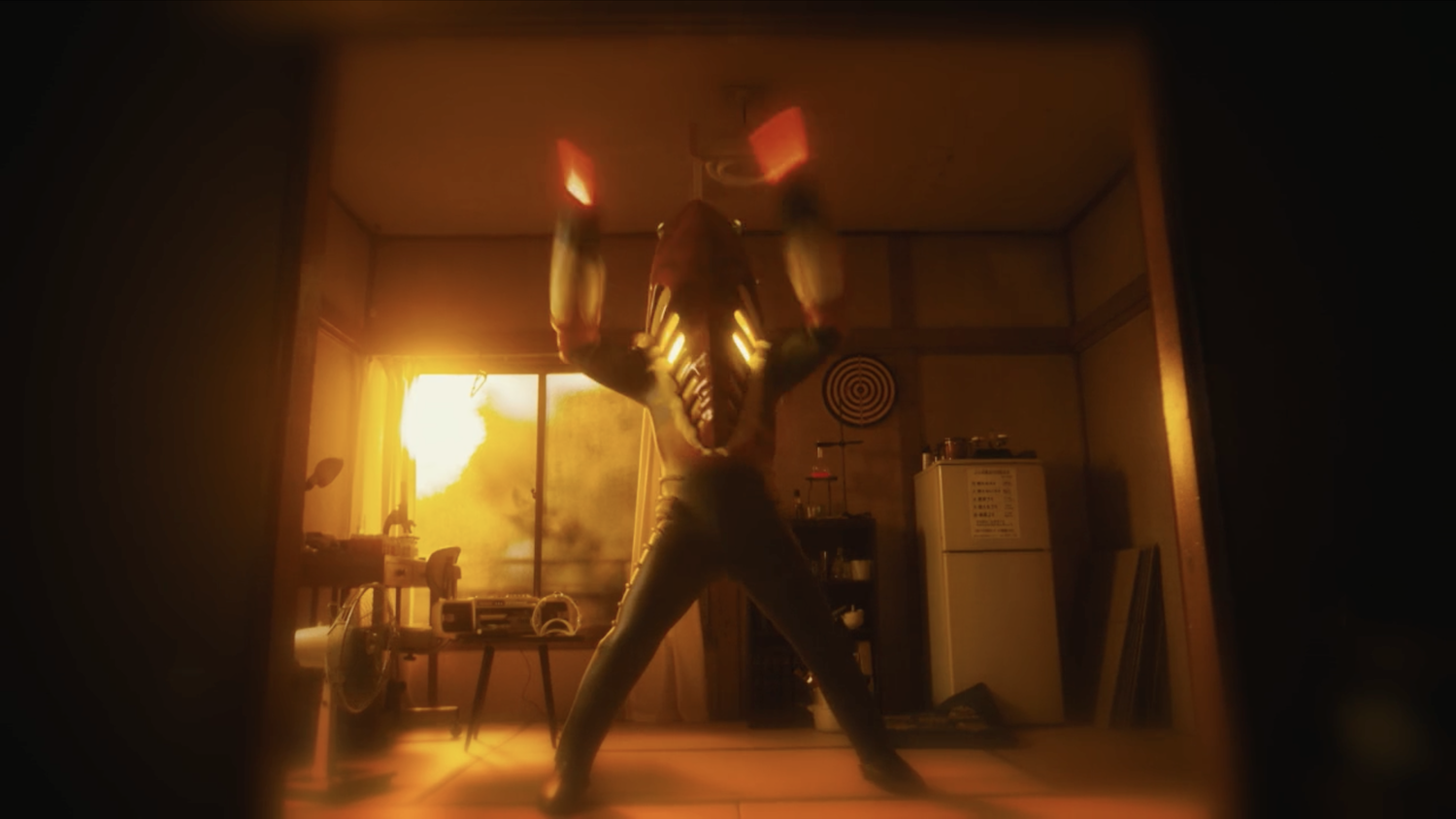
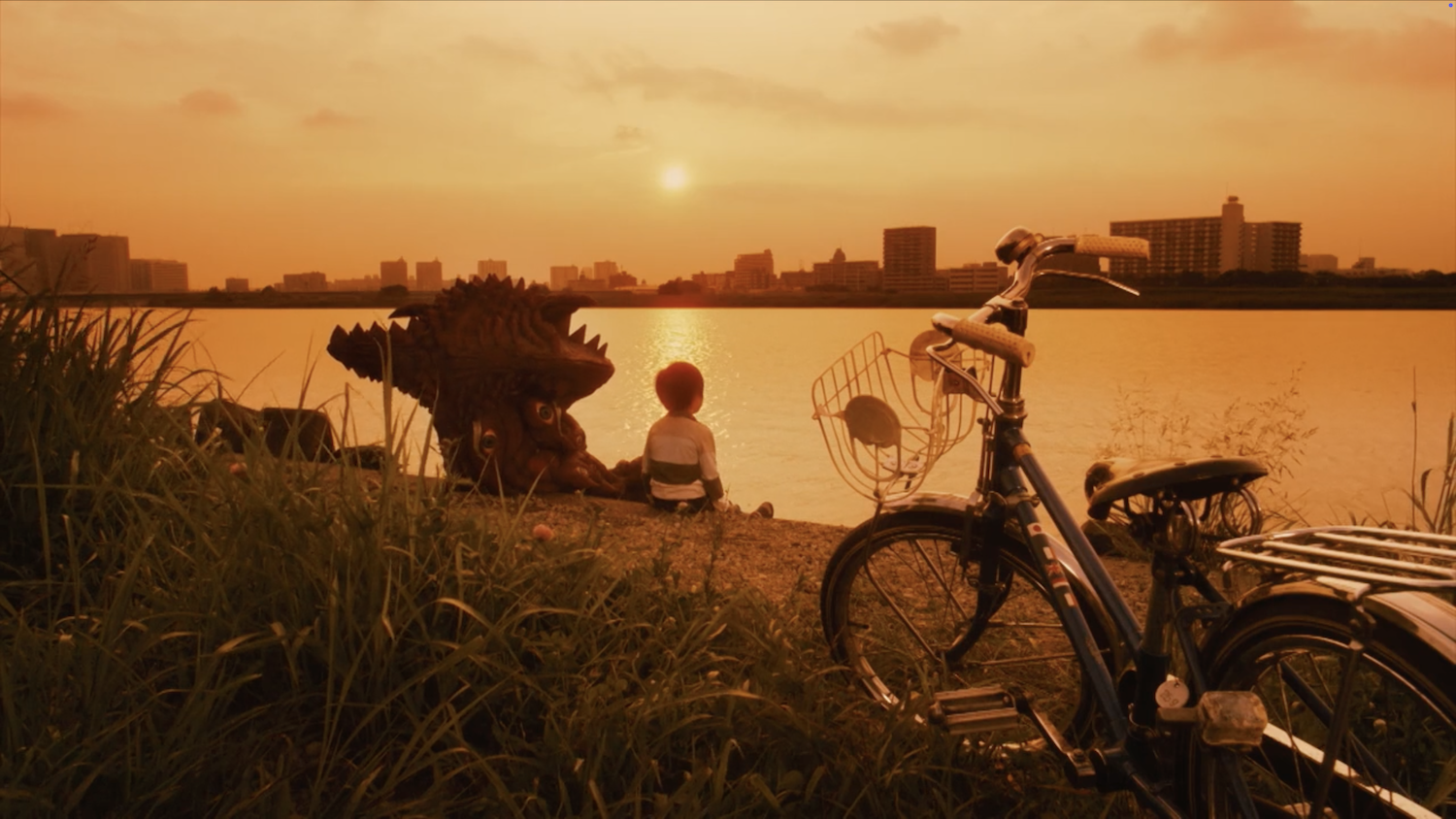
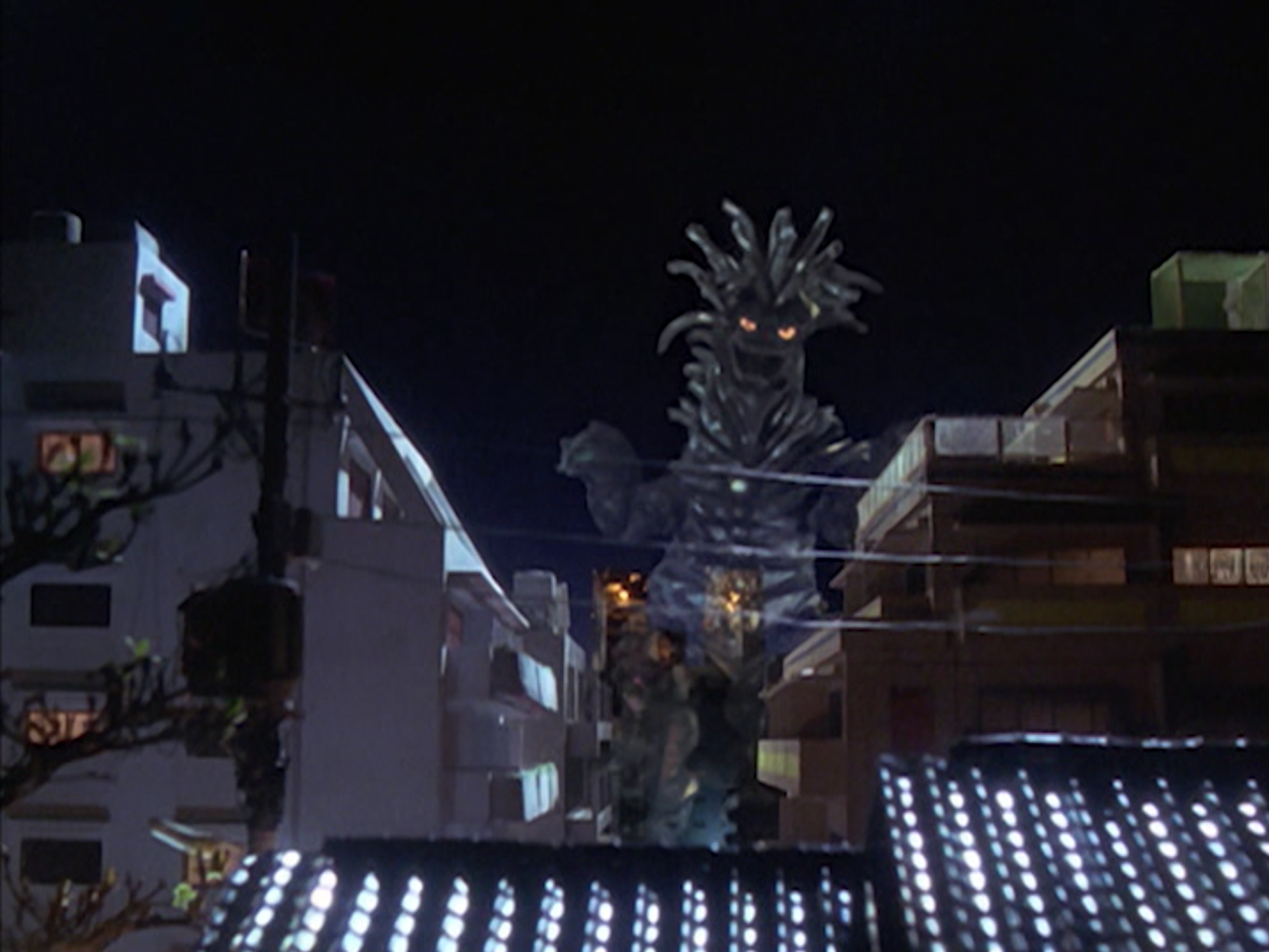
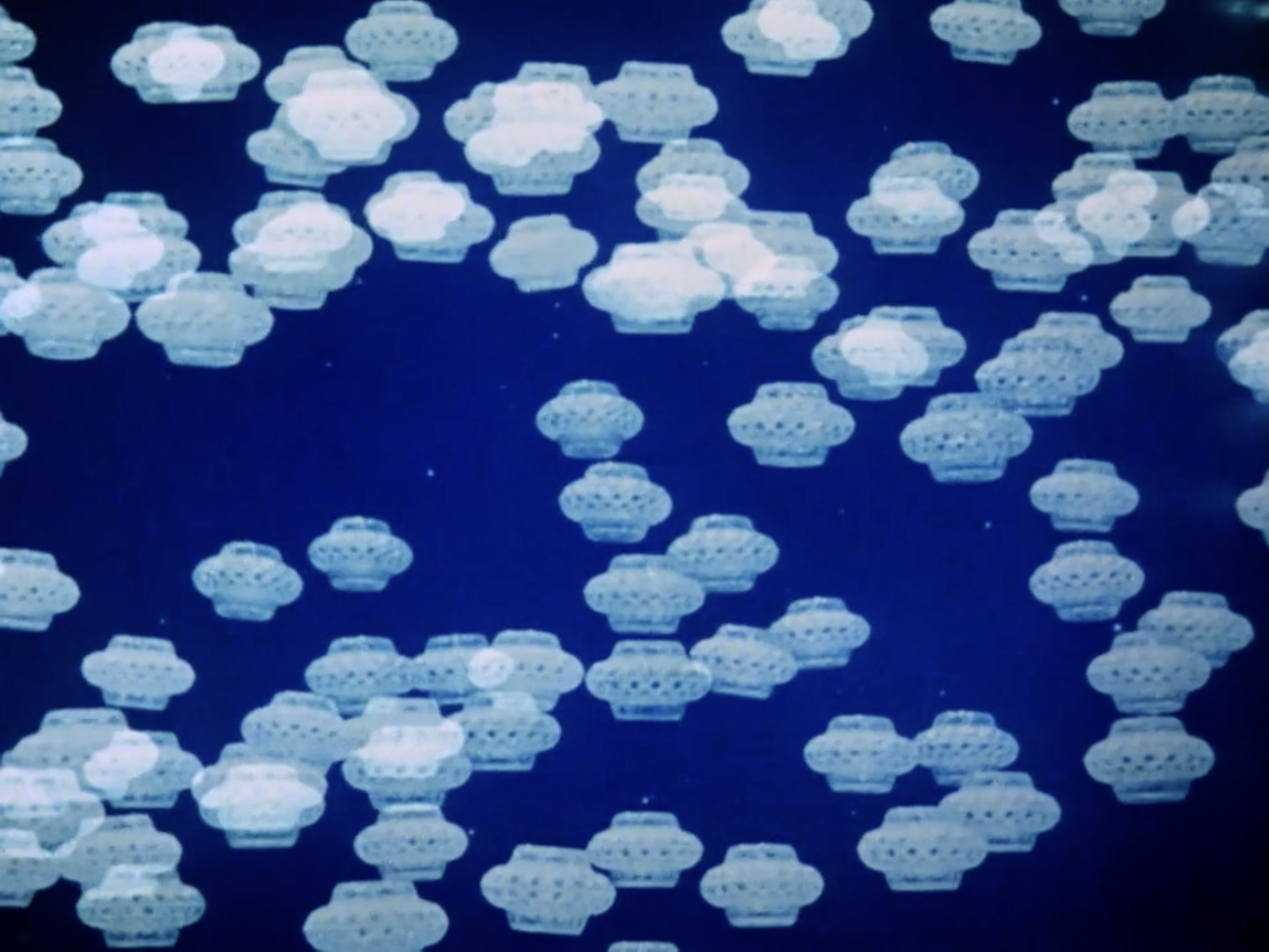
Our favorite lunatic artist, Akio Jissoji, is back for one last blast in the Showa era. After this, Jissoji won’t direct another Ultra television episode until 1997: “Flower” for Ultraman Tiga. For his temporary farewell, he’s brought along his usual stylistic hits that make his episodes visually rich and strange. He’s got some classical music, too. That’s become another Jissoji trademark. 

Continue reading “Ultraseven Ep. 45: The Saucers Have Come”

Ultraseven Ep. 43: Nightmare of Planet No. 4

Directed by Akio Jissoji. Written by Shozo Uehara. Airdate July 27, 1968.

Last week, we had director Kazuho Mitsuta’s masterpiece. This week, we have director Akio Jissoji’s masterpiece: a dystopian planetary tale unlike anything in the Ultra Series before or since. A mix of The Twilight Zone, Star Trek, Planet of the Apes, and Jean-Luc Godard’s Alphaville. It’s the most brutal episode of the show, and it’s astonishing to me that it ever got on the air. The network must have given up on Ultraseven ever pulling back a younger audience, because this is an unapologetic work of adult science fiction. Children hoping for giant monster fun won’t enjoy seeing fascist firing squads mow down dozens of innocent people. 

Continue reading “Ultraseven Ep. 43: Nightmare of Planet No. 4”

Ultraseven Ep. 42: Ambassador of the Nonmalt

Directed by Kazuho Mitsuta. Written by Tetsuo Kinjo. Airdate July 21, 1968.

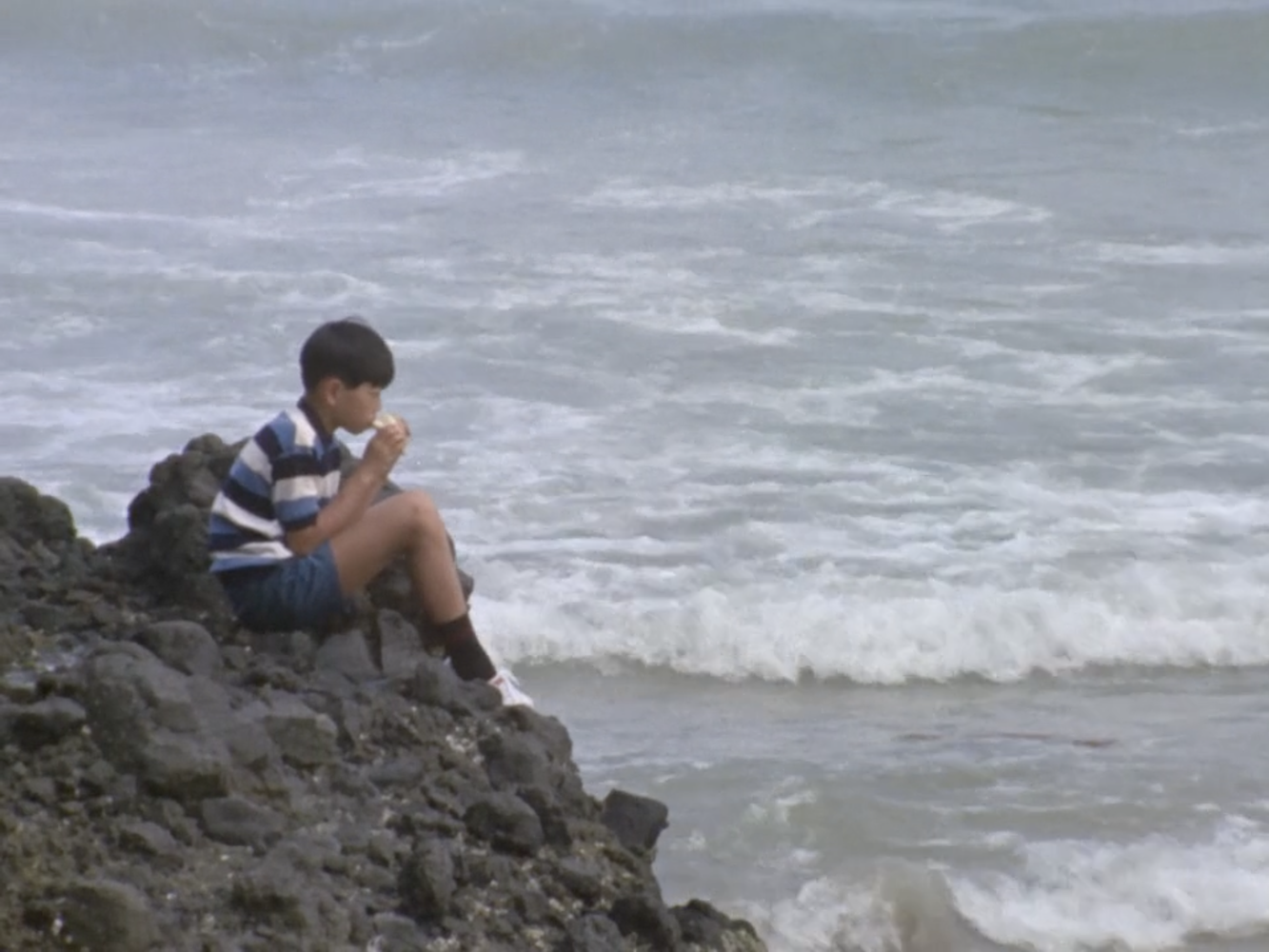
Dan and Anne are enjoying a trip to the beach, their romance nudging forward. Across the waves, they can see Seahorse Ocean Base, which is conducting research to create seafloor farms and cities. A young boy approaches Anne and warns her that the Ultra Guard must stop this interference with the ocean floor, or “something bad will happen.” He dashes off before Anne can find out who he is. Immediately afterward, Seahorse Base explodes and sinks, taking with it Mansanari Nihei’s brief cameo role as a technician. 

Continue reading “Ultraseven Ep. 42: Ambassador of the Nonmalt”

Ultraseven Ep. 39 & 40: The Seven Assassination Plan

Directed by Toshihiro Iijima. Written by Keisuke Fujikawa. Airdate June 30 & July 7, 1968.

Alien races have targeted Ultraseven before, both in his giant form and as Dan Moroboshi. But Alien Guts has an elevated kill plan. As monochrome footage plays of Seven battling a kaiju (not stock footage; it’s new, with a monster called Aron), Alien Guts carefully analyzes Seven’s abilities and lays out their plot. Killing Dan isn’t sufficient. They must defeat Ultraseven in a public, humiliating way to break Earth’s resistance. It’s kin to the opening of From Russia With Love, as SPECTRE plots the ultimate defeat and debasement of another “Seven,” 007. The tone is set from the opening scene: this is going to be a major event, a two-parter that will push Seven and the Ultra Guard to their limits. It wildly succeeds.

Continue reading “Ultraseven Ep. 39 & 40: The Seven Assassination Plan”

Ultraman Tiga Ep. 28: One Vanishing Moment

Directed and Written by Kyota Kawasaki. Airdate March 15, 1997.

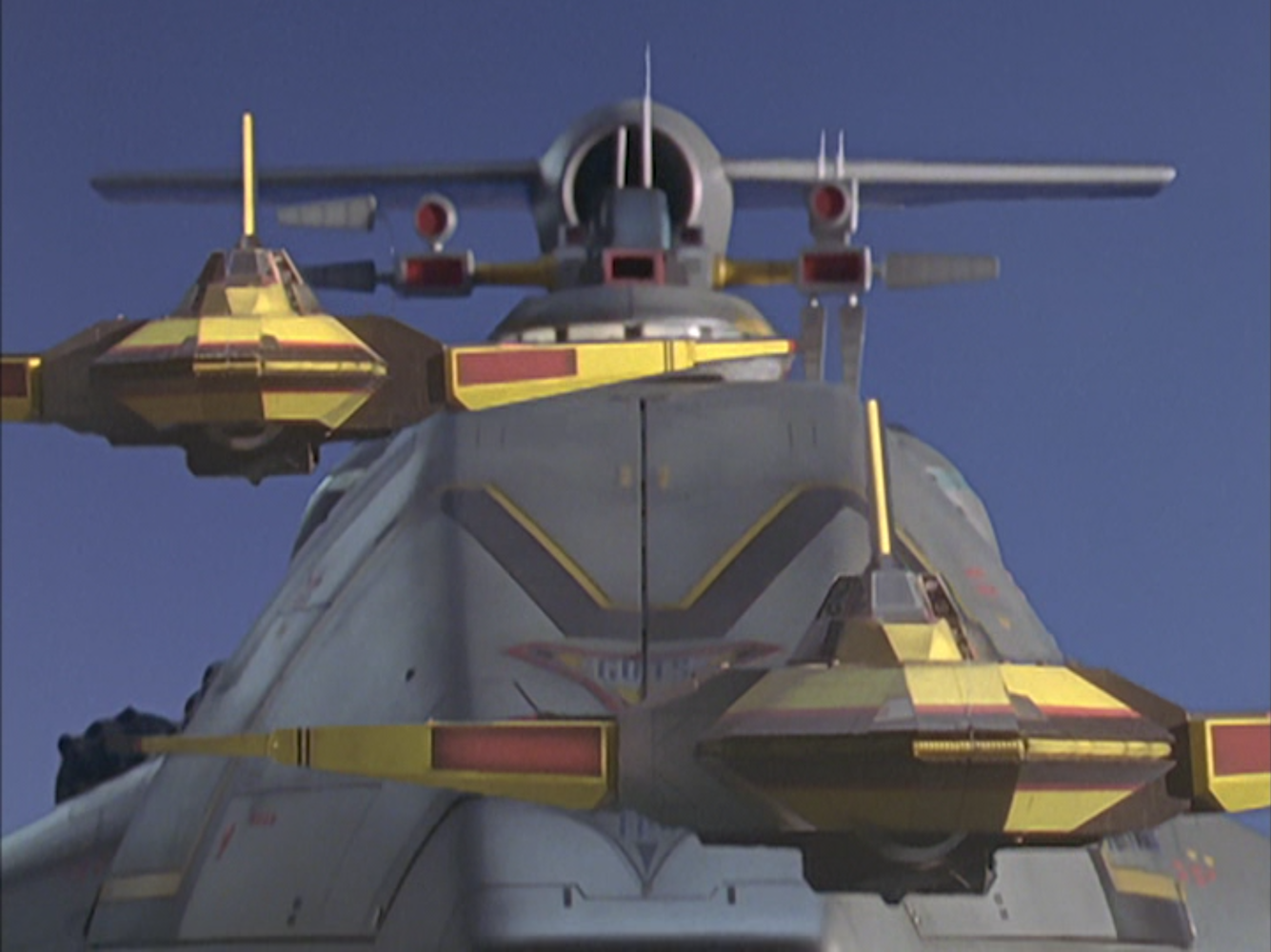
We start big. We start explosive. GUTS and TPC’s ground forces are waging a furious battle against giant monster Jobarieh. The action is pitched on a large scale, with the tanks and GUTS Wings in full assault mode. They manage to drive Jobarieh into a temporary stasis, which is good news, because they have another major operation that’s just about to go into action.

Continue reading “Ultraman Tiga Ep. 28: One Vanishing Moment”

Ultraman Ep. 37: A Little Hero

Directed by Kazuho Mitsuta. Written by Tetsuo Kinjo. Airdate March 26, 1967.

Friendly monster Pigmon debuted in “The Monster Anarchy Zone,” Ultraman’s first classic episode. The kids who watched the show loved the little creature. It was natural for Pigmon to return, even though the monster died sacrificing itself in its first appearance. With the series’ best writing-directing team at the helm — Tetsuo Kinjo and Kazuho Mitsuta — Pigmon’s return engagement is one of the most emotionally charged episodes. It also sets up the show’s upcoming conclusion, which raises heavy questions about the whole premise of Ultraman.

Continue reading “Ultraman Ep. 37: A Little Hero”

Ultraman Tiga Ep. 25: The Devil’s Judgement

Directed by Hirochika Muraishi. Written by Chiaki J. Konaka. Airdate Feb. 22, 1997.

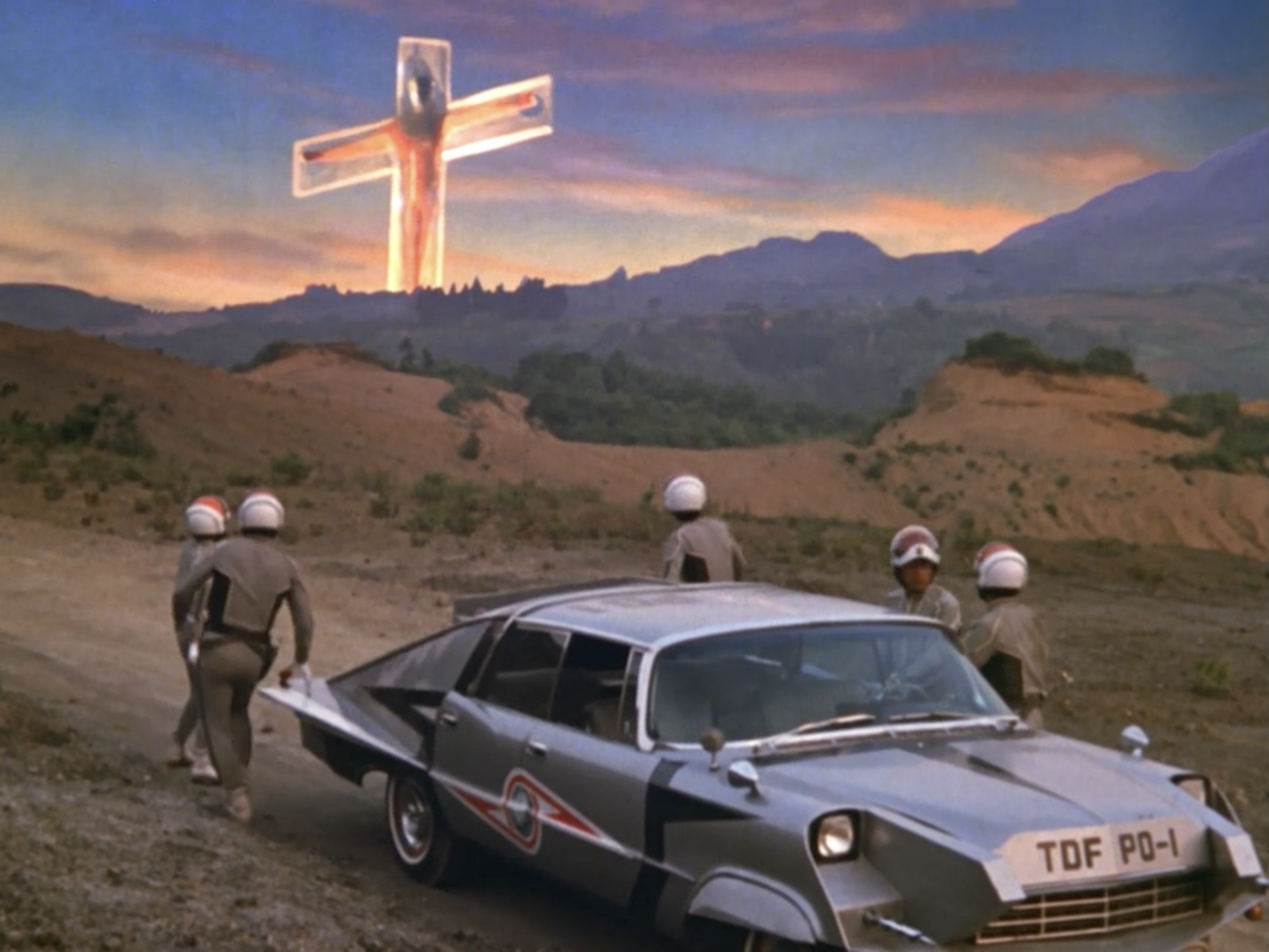
This sequel to “The Devil’s Prophecy” expands and improves on the original in every way. This is the episode Chiaki J. Konaka was destined to write: a religious-themed horror epic. We’ve had horror on Ultraman Tiga before, such as “The Fog Is Coming,” but this apocalyptic tale exists on a higher plane. It’s a powerful character study for Iruma, shows GUTS operating at their best as a team, delivers a hopeful message about human unity in the midst of terrifying times, peaks in a thrilling battle scene, and even nudges Rena and Daigo’s romantic relationship to the next stage. The best episode of Ultraman Tiga yet.

Continue reading “Ultraman Tiga Ep. 25: The Devil’s Judgement”

Ultraman Ep. 35: The Monster Graveyard

Directed by Akio Jissoji. Written by Mamoru Sasaki. Airdate March 12, 1967.

As soon as large numbers of children started to watch Ultra Q — a development TBS and Tsuburaya Productions didn’t predict — this episode was inevitable. Kids love monsters, and when Ultra Q changed into Ultraman, the kids got even more monsters. But as the youngsters rooted for Ultraman to defeat the monsters of the week, they also started to feel affection for those monsters. The show developed along with its young viewers, showing empathy toward these strange creatures in episodes like “Terrifying Cosmic Rays” and “Phantom of the Snow Mountains.” At last came “The Monster Graveyard,” a heartfelt and humorous memorial for all the innocent beasts who gave their lives in battle with Ultraman so children could be entertained. 

Continue reading “Ultraman Ep. 35: The Monster Graveyard”

Ultraman Ep. 34: A Gift From the Sky

Directed by Akio Jissoji. Written by Mamoru Sasaki. Airdate March 5, 1967.

Have you ever watched an episode of Ultraman and thought, “This is fun, but I wish the show was structured more like a Road Runner cartoon?” Good news, there’s an episode just for you! Really, an episode for everyone, because “A Gift From the Sky” is a hilarious farce that flattens the show’s formula into a prolonged Sisyphean comedy. It’s the episode with the line “Aim for its butthole” and where Hayata mistakenly tries to use a spoon to transform into Ultraman. 

Continue reading “Ultraman Ep. 34: A Gift From the Sky”

Ultraman Ep. 33: The Forbidden Words

Directed by Toshitsugu Suzuki. Written by Tesuo Kinjo. Airdate Feb. 26, 1967.

Meet the third of the great trio of Ultraman alien villains: Alien Mefilas. Not as famous as Alien Baltan. Not as tricky as Alien Zarab. But he’s the top of the heap: a baddie who’s the Ultra Universe’s hybrid of Mister Mxyzptlk and Galactus. He’s here to play word games, tempt humans with power, and crush the spirit of an entire planet — and brute force may not be enough to stop him.

Continue reading “Ultraman Ep. 33: The Forbidden Words”