Ultraseven Ep. 41: Challenge From Underwater

Directed by Kazuho Mitsuta. Written by Bunzo Wakatsuki. Airdate July 14, 1968.

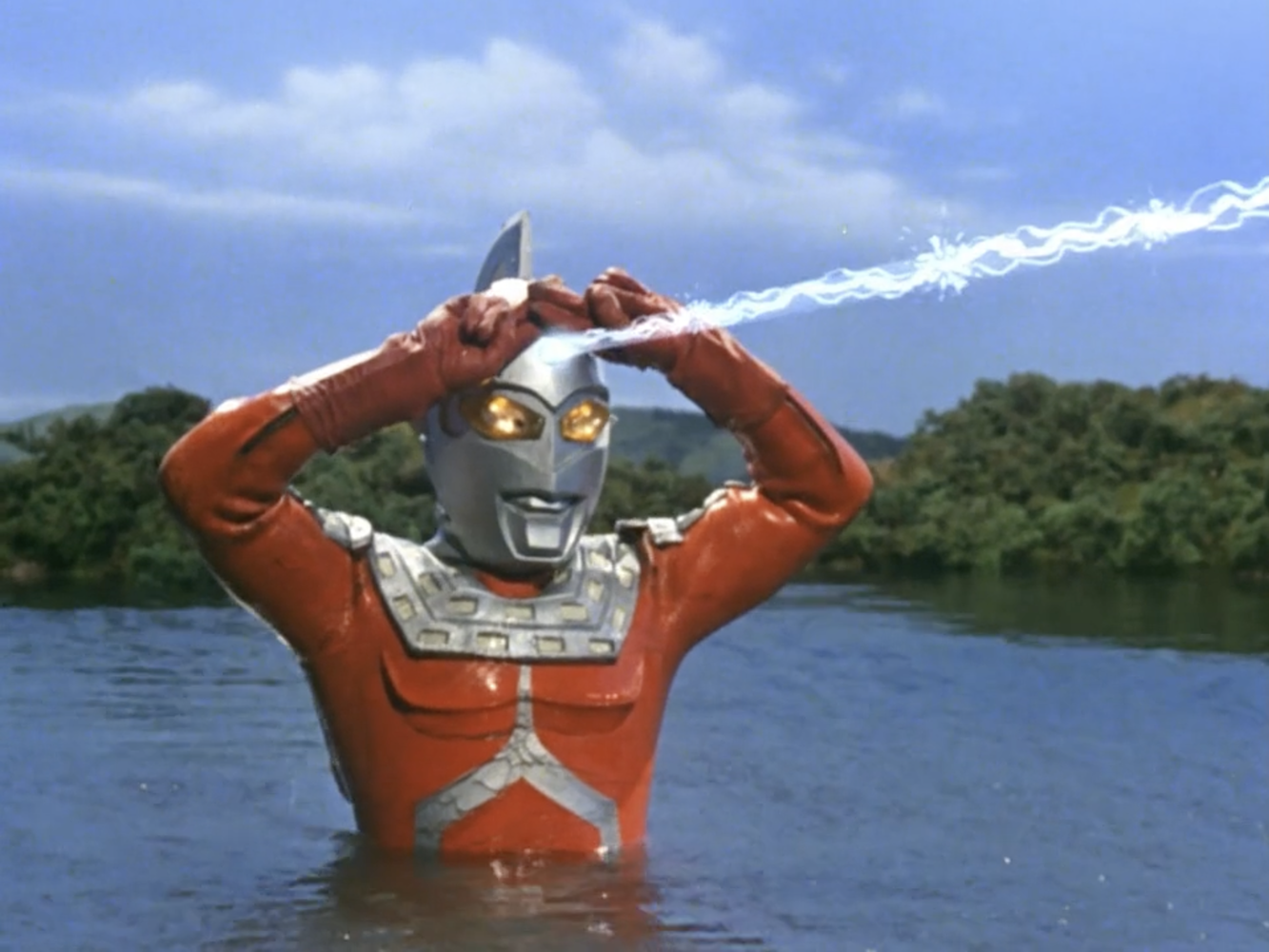
As “Challenge From Underwater” begins, it feels like it could be an episode of Ultra Q shot in color. We meet a team of amateur paranormal investigators who have come to Lake Ishu to follow rumors of sightings of water creatures called kappa. It’s hard not to see this “Japan Kappa Club” as an analog to the Ultra Q cast. Their leader, Sumitani (Masami Taura), is a science-fiction author like Jun; the one woman in the group, Fujishima (Kazuko Miyakawa), is a photographer like Yuriko. The difference is that these people treat probing into the unknown as a lark, nothing to be taken seriously. Sumitani even says they’d like to date kappa — a damn weird thing to admit.

Continue reading “Ultraseven Ep. 41: Challenge From Underwater”

Ultraman Ginga S Ep. 3: The Lone Warrior

Directed by Koichi Sakamoto. Written by Akio Miyoshi. Airdate July 29, 2013.

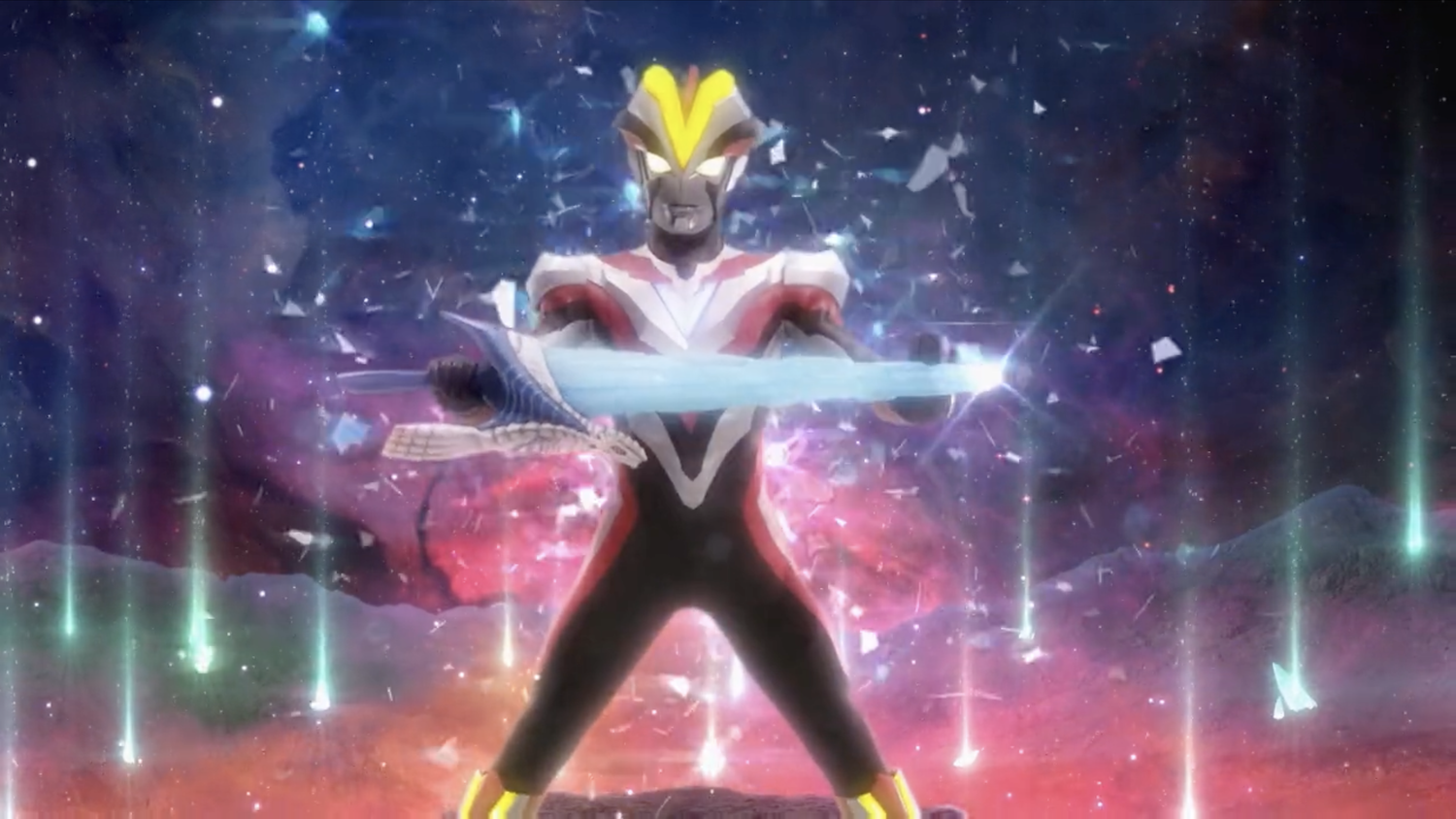
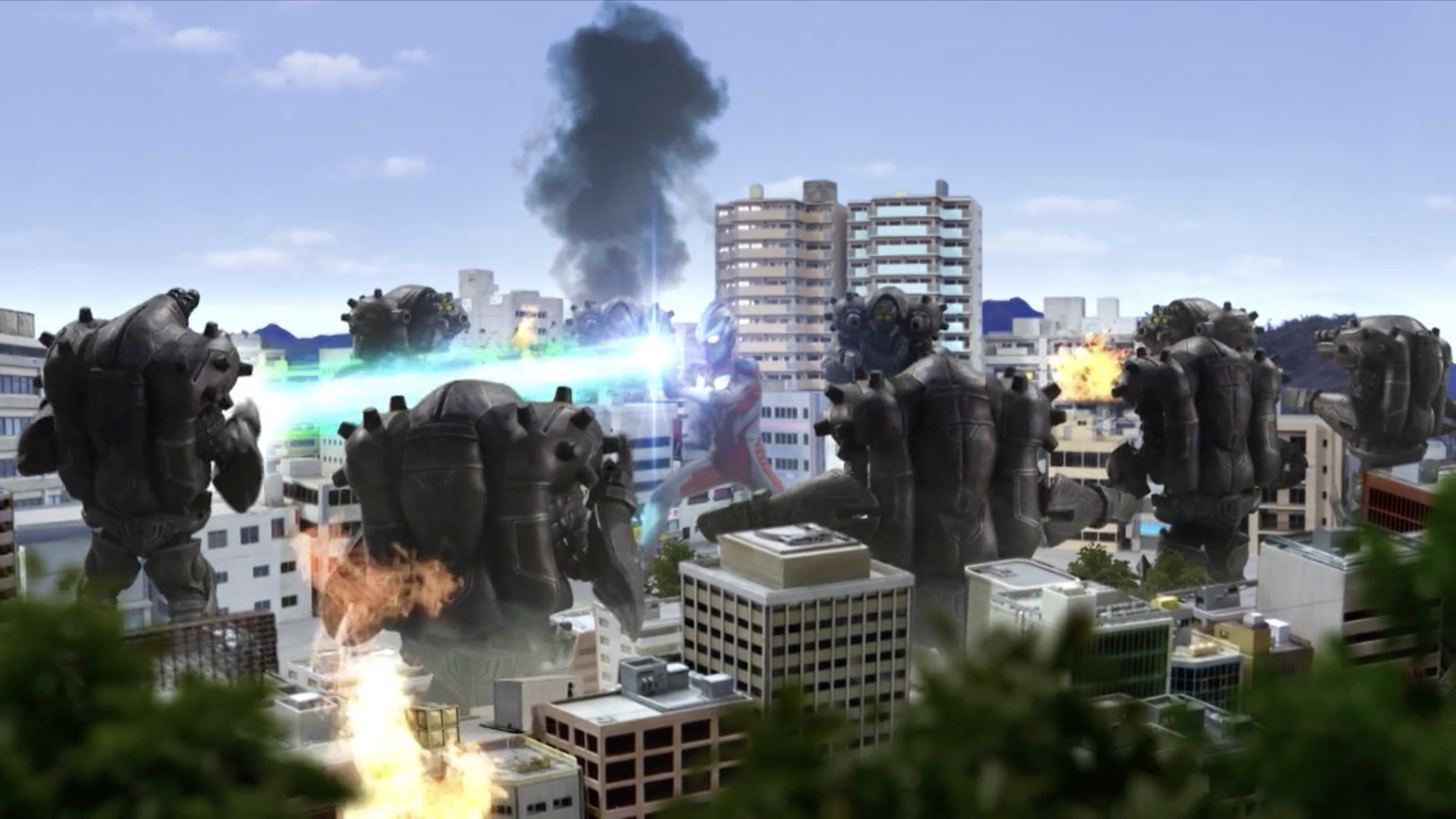
The production team on Ultraman Ginga S wants you to know they definitely have a bigger budget than the previous show. See? They’ve got a battle in the middle of a city where Ginga and Victory take on a horde of Imperializer robots. You never got anything that large in plain old Ultraman Ginga, didja? Sure, the digital copy-paste is obvious, and the Victorians’ underground realm is mostly a flat green-screen limbo. But look at how much more of everything there is! How much more of it takes up the episode!

Continue reading “Ultraman Ginga S Ep. 3: The Lone Warrior”

Ultraman Tiga Ep. 29: Memory of a Pale Night

Directed by Masaki Harada. Written by Keiichi Hasegawa. Airdate March 22, 1997.

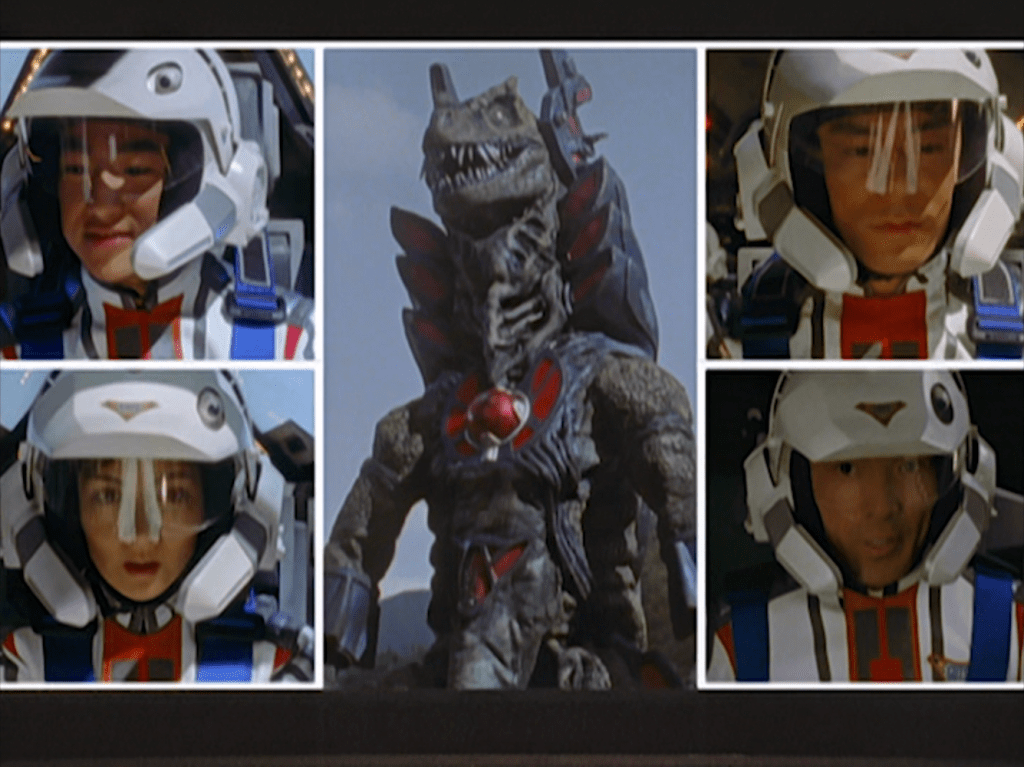
Shinjoh is going on an important test flight, so Daigo is stuck taking Shinjoh’s sister Mayumi to see a show from current pop sensation, Maya Cruz. (It’s not a date, he insists, making sure Rena hears this.) Daigo admits that he doesn’t even know who this Maya Cruz is, which shocks Horii, a Cruz superfan. Of course Horii is a superfan of the big pop star of the moment. Horii’s basically twelve years old and we love him for that. 

Continue reading “Ultraman Tiga Ep. 29: Memory of a Pale Night”

Ultraman Tiga Ep. 24: Go! Monster Expedition Squad

Directed by Yasushi Okada. Written by Yasushi Hirano. Airdate Feb. 15, 1997.

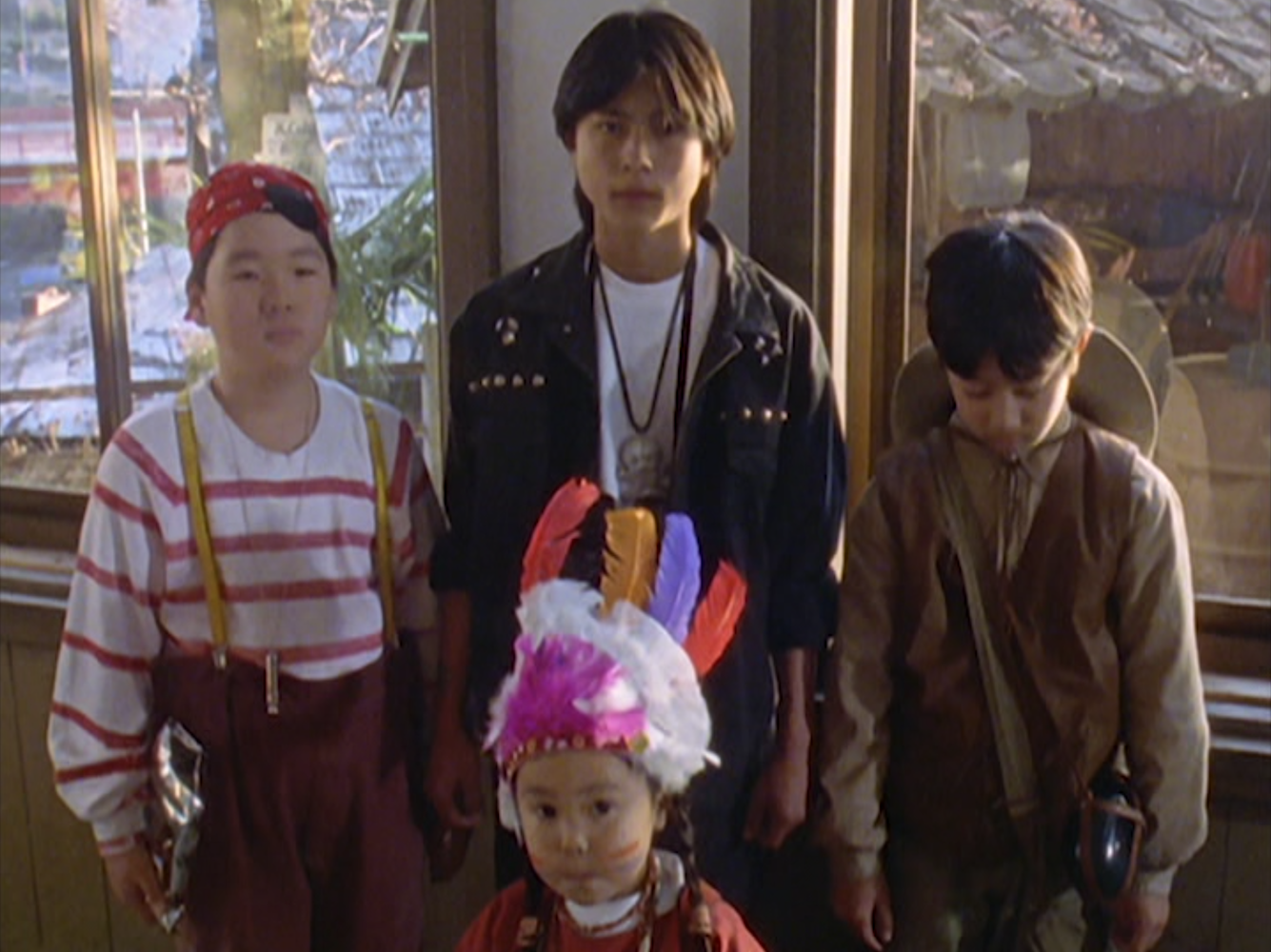
Children have appeared in several key roles in Ultraman Tiga so far, but this is the first episode to give kids the starring roles. In a return to the style of the Showa era — those wild days when mobs of unsupervised children roamed freely among the monster-haunted cities — we have a child gang at the center of the story. These monster-hunting kids don’t capture the anarchic spirit of the Golden Age child mobs, but they add touches of interest and humor to what’s otherwise a tame, routine monster-of-the-week affair. 

Continue reading “Ultraman Tiga Ep. 24: Go! Monster Expedition Squad”

Ultraman Ginga Ep. 4: The Idol Is Ragon

Directed by Tomoo Haraguchi. Written by Kenichi Araki. Airdate July 24, 2013.

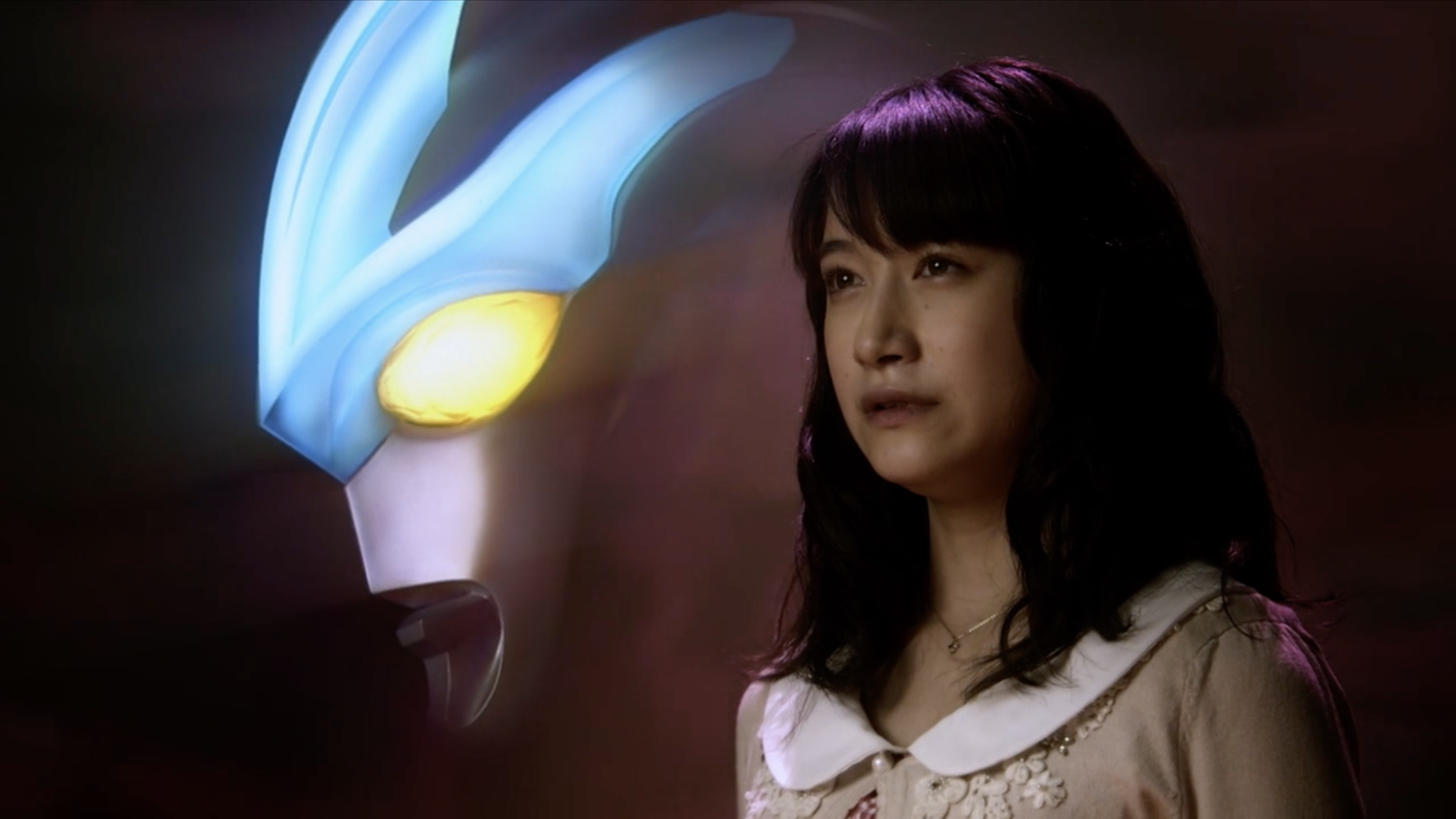
The fourth of the show’s leads, Chigusa Kuno (played by the mononymous Kiara), now gets her own episode to explore her dreams and frustrations. Chigusa wants to be an idol, a type of Japanese popular entertainer. Considering how exploitative and manipulative the Japanese idol system is — it’s basically indentured servitude to a management agency that controls your professional and personal life — this isn’t an ambition I’d wish on anyone. But it’s a dream that makes sense for a teen girl like Chigusa. At several points in the episode, we see her dancing in one of the empty school rooms, practicing and imagining what it might be like to be an idol, and her longing for that lifestyle seems legitimate and heartfelt.

Continue reading “Ultraman Ginga Ep. 4: The Idol Is Ragon”

Ultraman Ginga Ep. 2: A Midsummer Night’s Dream

Directed by Yuichi Abe. Written by Keiichi Hasegawa. Airdate July 17, 2013.

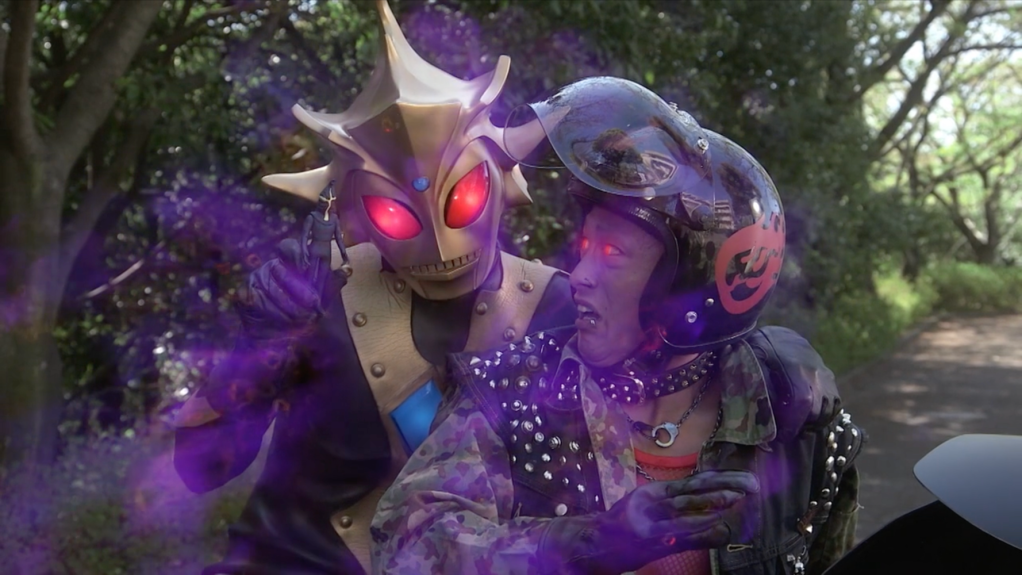
The second outing for Ultraman Ginga is a minor improvement over the rough first episode. It’s standard for Ultra shows to have stronger second episodes because they need to jam less set-up into a half-hour. “A Midsummer Night’s Dream” gives us more time with our new protagonists, Hikaru and Misuzu, to establish their relationship, and there’s an odd but enjoyable villain. Not a kaiju or alien villain, but a nutball motorcyclist who likes to run people over for committing crimes. Like being too flirtatious.

Continue reading “Ultraman Ginga Ep. 2: A Midsummer Night’s Dream”

Ultraman Ep. 29: Challenge to the Underground

Directed by Samaji Nonagase. Written by Tetsuo Kinjo and Ryu Minamikawa. Airdate Jan. 29, 1967.

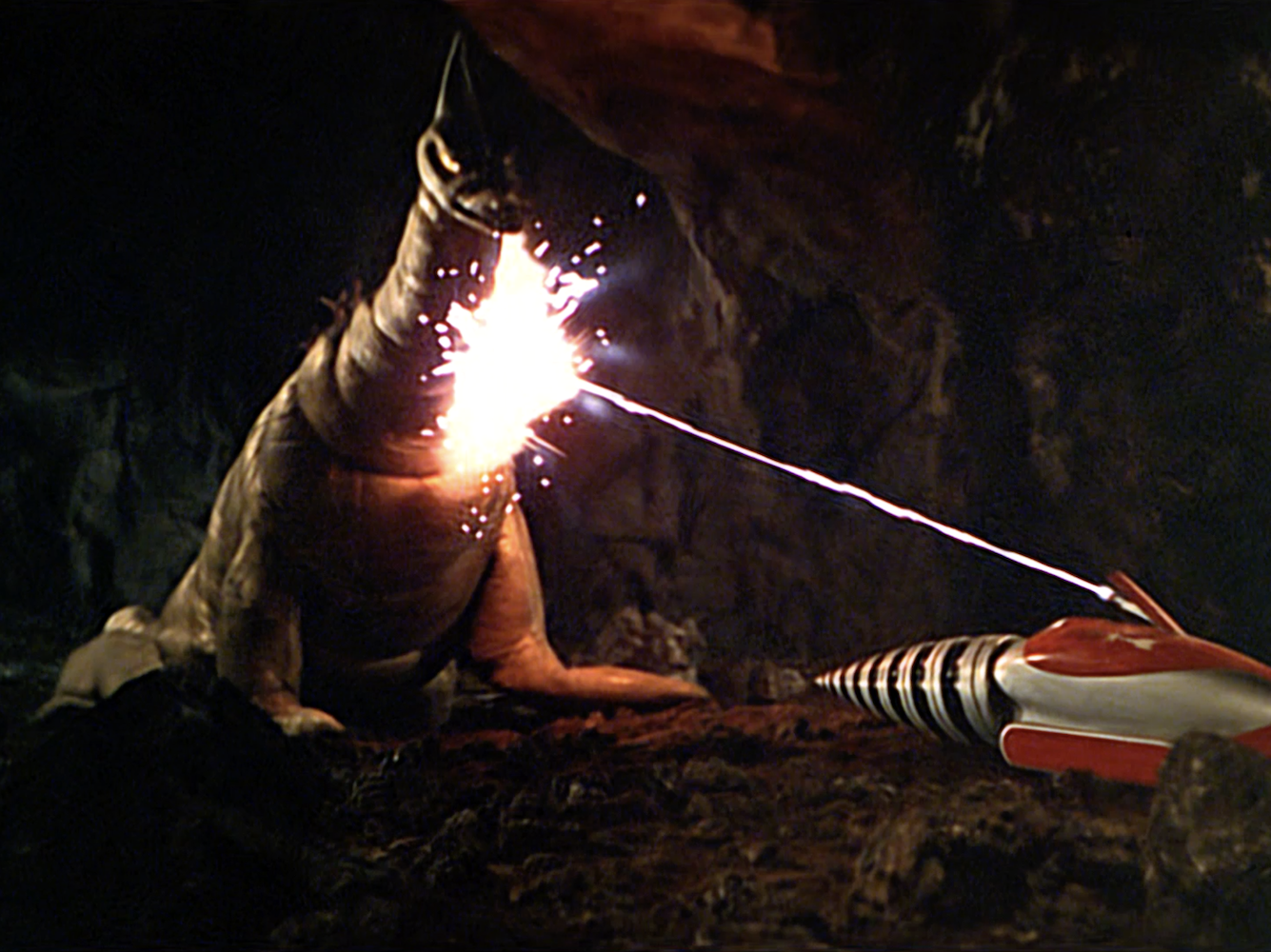
After a string of great episodes, Ultraman was due for something on the routine side. When Goldon, a gold-consuming monster, bursts from the side of Mt. Otayama only seconds into the episode, it signals that “Challenge to the Underground” is going to be fairly standard monster-centric material. Which it is, but the average Ultraman episode is still a decent time.

Continue reading “Ultraman Ep. 29: Challenge to the Underground”

Ultraman Tiga Ep. 14: The Unleashed Target

Directed by Hirochika Muraishi. Written by Kazuyoshi Nakazaki and Hirochika Muraishi. Airdate Dec. 7, 1996.

One fine day in Tokyo, the Ultraman Tiga creative team was lounging around, bandying about ideas for a show that didn’t have a strong overall plan from the beginning. Writer Kazuyoshi Nakazaki said, “Hey, you know what’s a great movie? The Predator.” Writer-director Hirochika Muraishi, answered, “Yeah, it’s a bit like that short story ‘The Most Dangerous Game.’ ” And right there and then the two sat down at a computer and hashed out the script for “The Unleashed Target.”

Continue reading “Ultraman Tiga Ep. 14: The Unleashed Target”

Ultra Q Ep. 23: Fury of the South Sea

Directed by Samaji Nonagase. Written by Tetsuo Kinjo. Airdate June 5, 1966.

In the world of Japanese special-effects films, the mid-‘60s was the time to go on Pacific island vacations. This was when the Godzilla series left the cities to jet off for two budget-friendly South Seas adventures, Ebirah, Horror of the Deep (1966) and Son of Godzilla (1967). Around this time, Ultra Q took its own trip to the islands, although on an even tighter TV budget. The crew could only afford a recycled octopus prop and stock footage lifted from King Kong vs. Godzilla (1962) to create its giant monster of the week.

Continue reading “Ultra Q Ep. 23: Fury of the South Sea”