

With my review series for Ultraseven completed, here’s a full episode guide with links to each of the individual reviews.
Continue reading “Ultraseven: The Complete Episode Review Guide”With my review series for Ultraseven completed, here’s a full episode guide with links to each of the individual reviews.
Continue reading “Ultraseven: The Complete Episode Review Guide”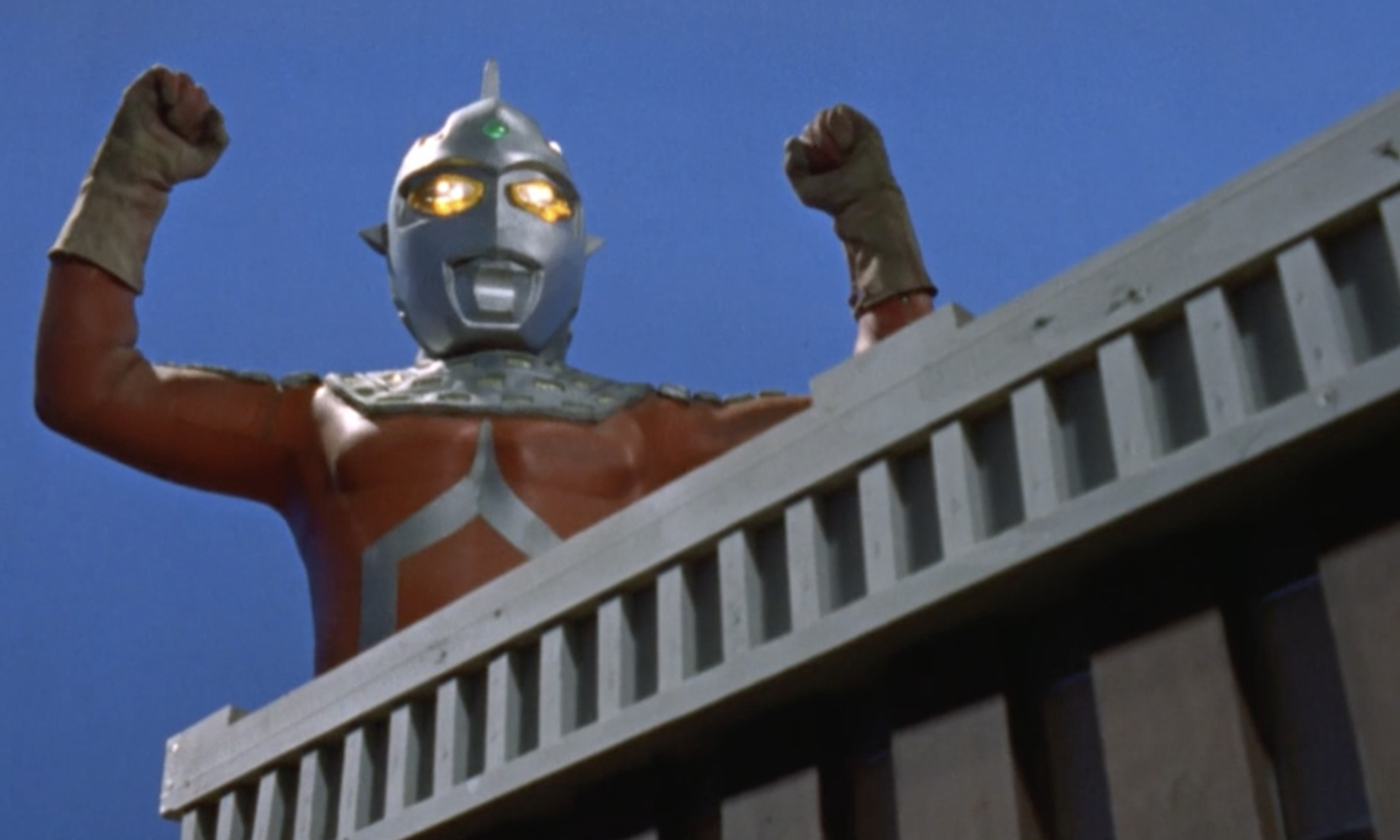
It’s strange and a bit bewildering to think this site hasn’t even reached its second-year anniversary, and I’m already writing the closing post for Ultraseven. Although I’m not tackling the Ultra franchise in strictly chronological order (I’m currently reviewing shows from the 1990s and 2010s), I always intended from the inception of this project to start with the “original trilogy”: Ultra Q, Ultraman, and Ultraseven. I closed out Ultra Q just under a year ago with a post about my favorite episodes, and followed with the post about my favorite episodes of Ultraman in the first month of this year.1
Continue reading “My Favorite Ultraseven Episodes”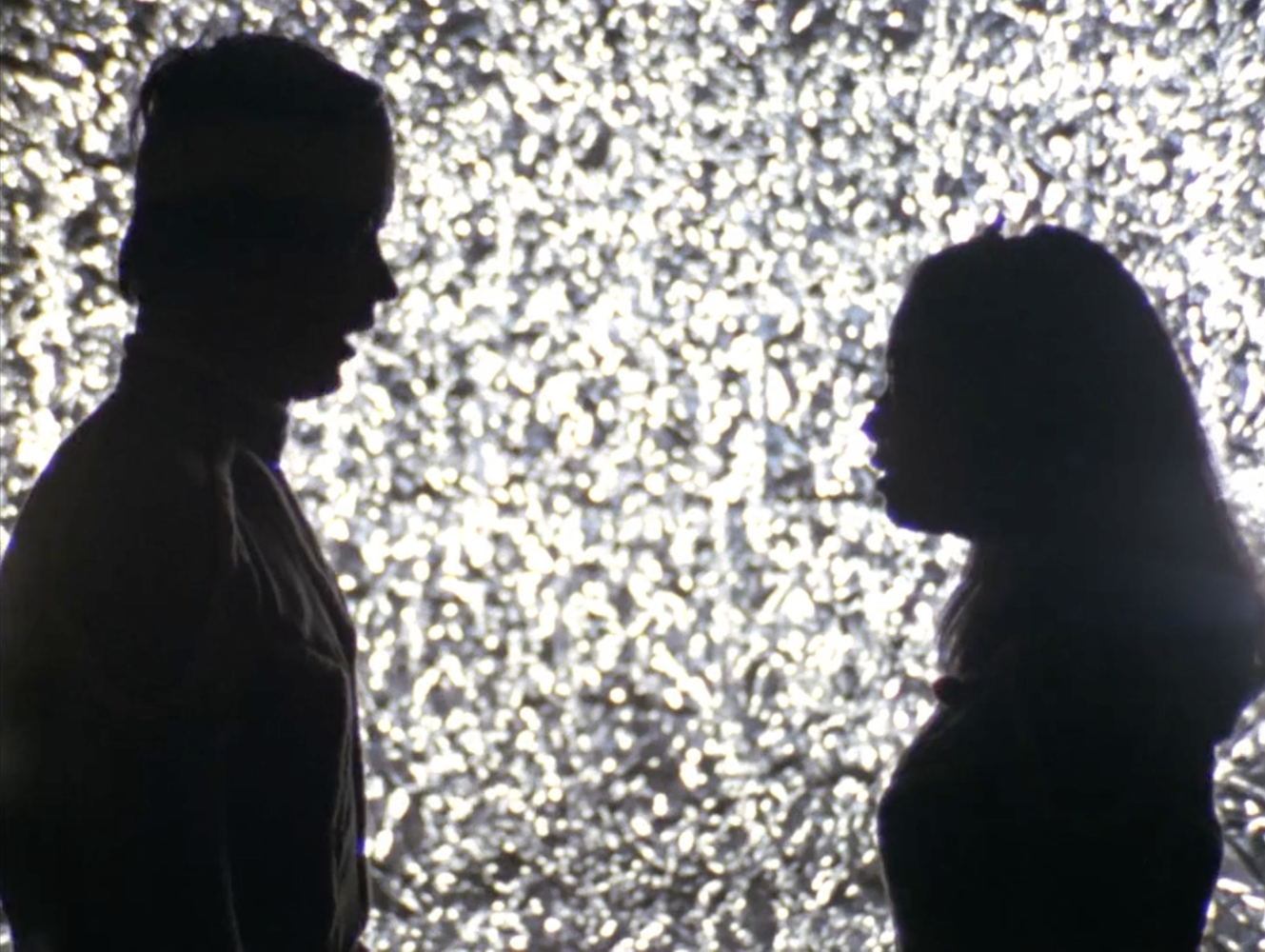
Directed by Kazuho Mitsuta. Written by Tetsuo Kinjo. Airdate Sep. 1 & 8, 1968.
For the 50th anniversary of the Ultra Series in 2016, the Japan Broadcasting Corporation (NHK) polled fans on their favorite episodes. The winner: “The Biggest Invasion in History, Part 2.” No surprise. Few fans would say this is anything less than the best finale of any Ultra show.
Continue reading “Ultraseven Ep. 48 & 49: The Biggest Invasion in History”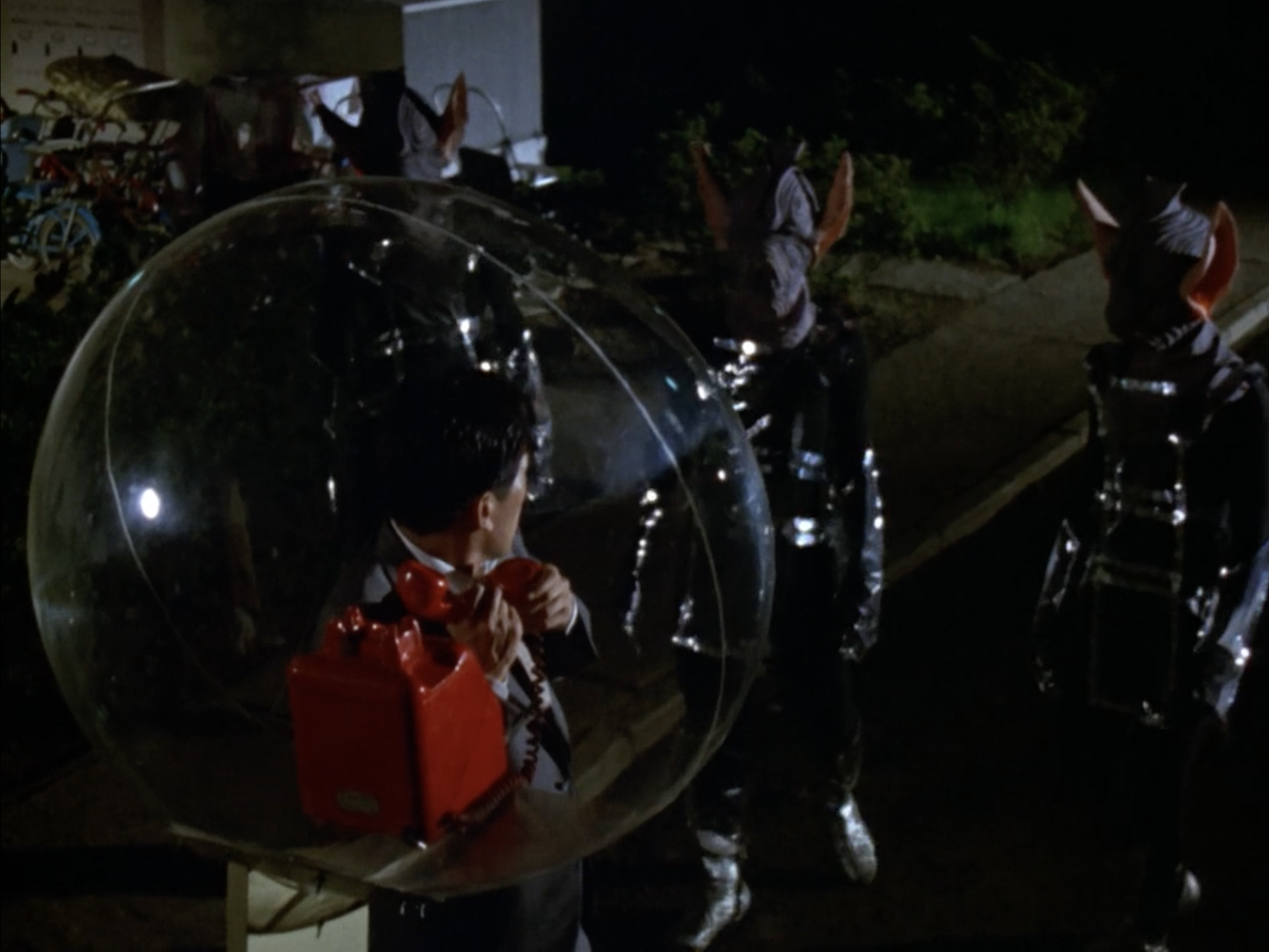
Directed by Tatsumi Ando. Written by Shozo Uehara. Airdate August 25, 1968.
We’ve arrived at the last episode of Ultraseven before the epic two-part finale. What better way to pass the time than with a throwback to the beginning? “Who Are You?” feels like it could’ve been developed from an unused Ultra Q script, and it wouldn’t take much work to turn it back into one. This moody, low-key episode is a pleasant reminder of the franchise’s origins — to the point that I almost wish it were even more like Ultra Q.
Continue reading “Ultraseven Ep. 47: Who Are You?”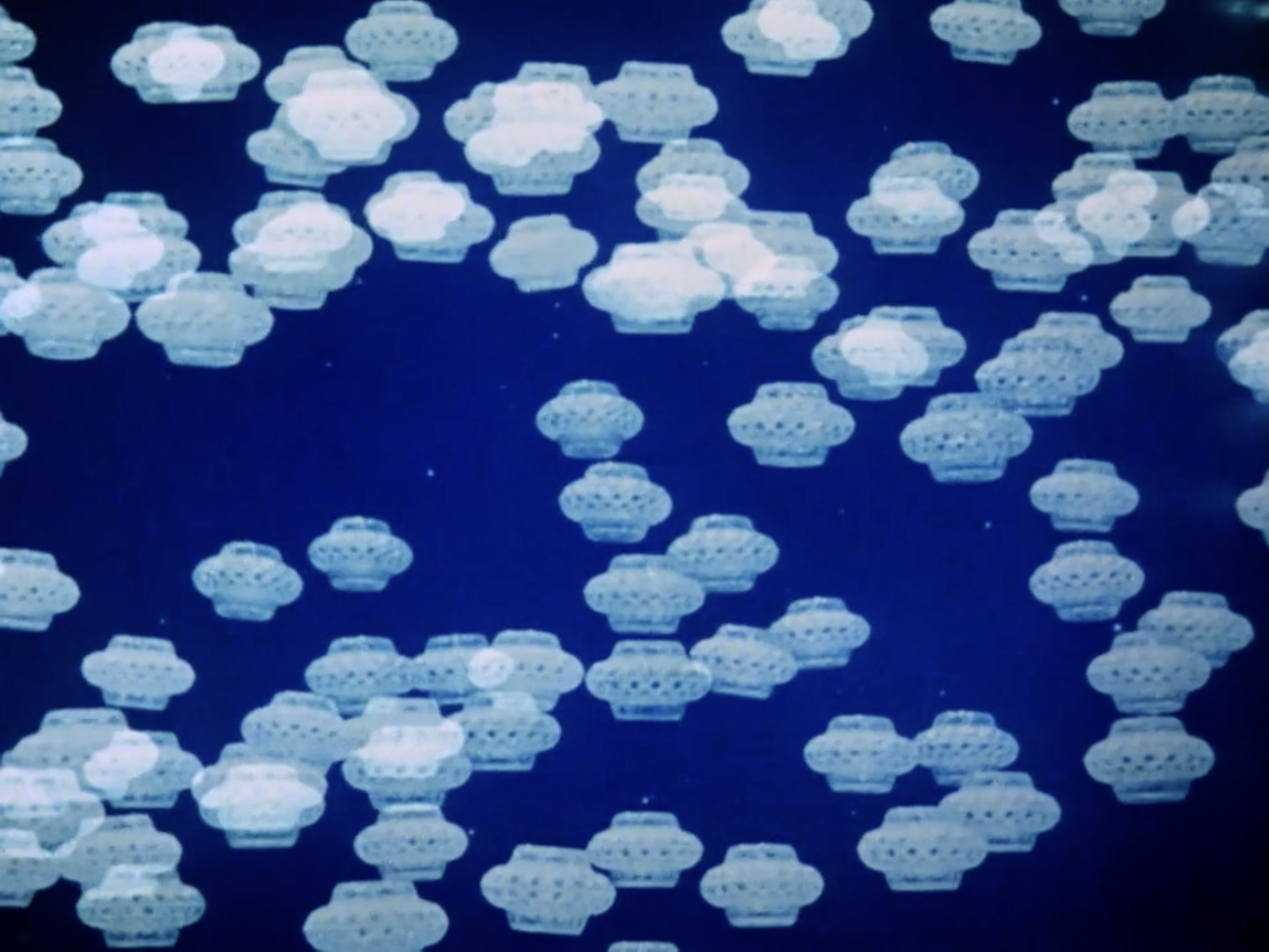
Written and Directed by Akio Jissoji.1 Airdate August 11, 1968.
Our favorite lunatic artist, Akio Jissoji, is back for one last blast in the Showa era. After this, Jissoji won’t direct another Ultra television episode until 1997: “Flower” for Ultraman Tiga. For his temporary farewell, he’s brought along his usual stylistic hits that make his episodes visually rich and strange. He’s got some classical music, too. That’s become another Jissoji trademark.
Continue reading “Ultraseven Ep. 45: The Saucers Have Come”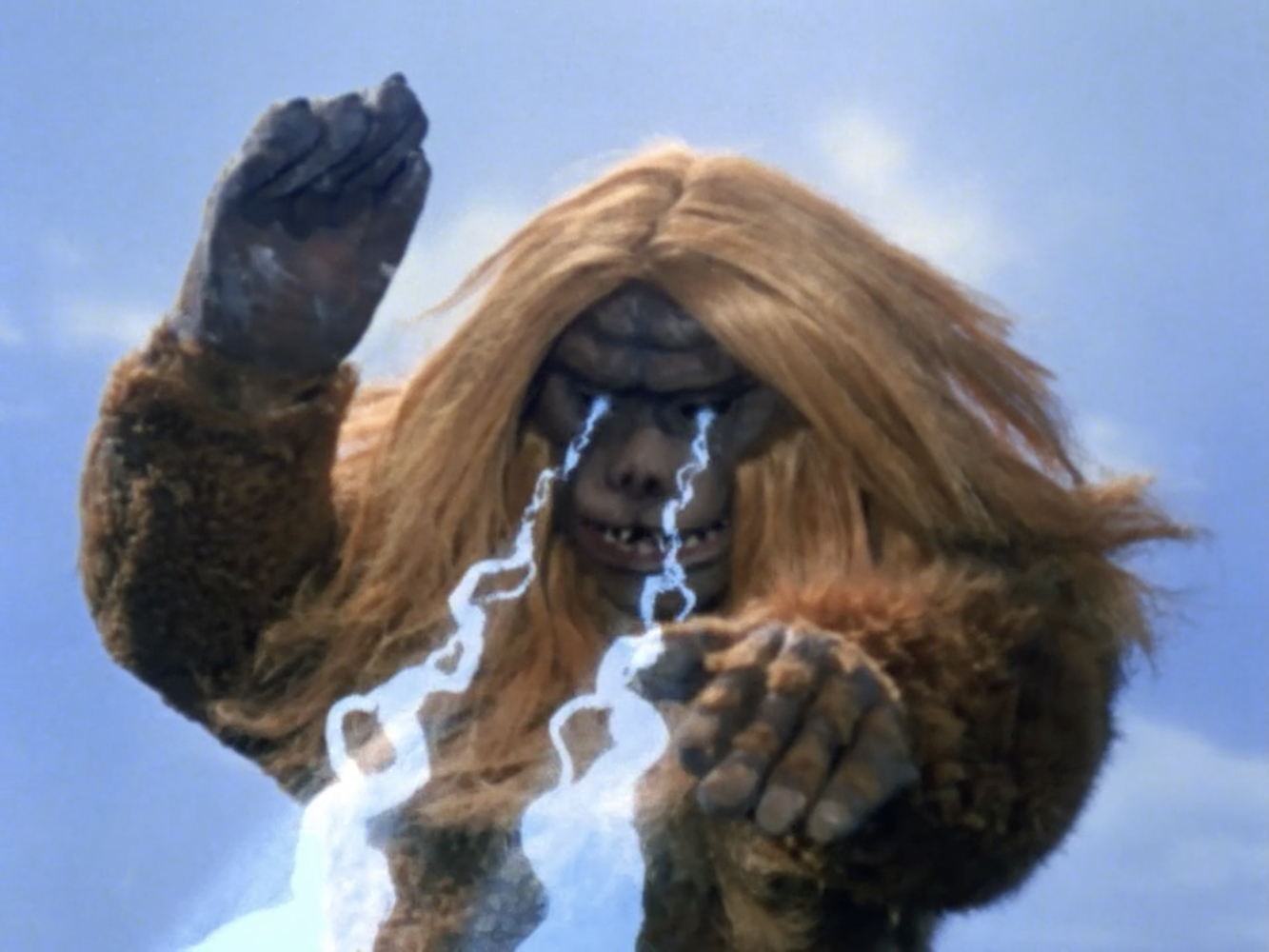
Directed by Toshitsugu Suzuki. Written by Shozo Uehara, Shinichi Ichikawa. Airdate August 4, 1968.
After the double-tap of “Ambassador of the Nonmalt” and “Nightmare of Planet No. 4” — two of the greatest, most intelligent episodes in the entire Ultra Series — Ultraseven needed something lighter. That’s exactly what “The Terrifying Super Ape-Man” delivers. Like “Nightmare of Planet No. 4,” it takes inspiration from the recent runaway popularity of Planet of the Apes, but in a more superficial way. Rather than explore the future horrors of a human race reduced to obsolescence, just put a super-ape in the episode. Add a dash of 1930s mad scientist horror for flavor. Stir and double strain over a final Ultra fight. It’s no classy craft cocktail, but it’s a decent highball.
Continue reading “Ultraseven Ep. 44: The Terrifying Super Ape-Man”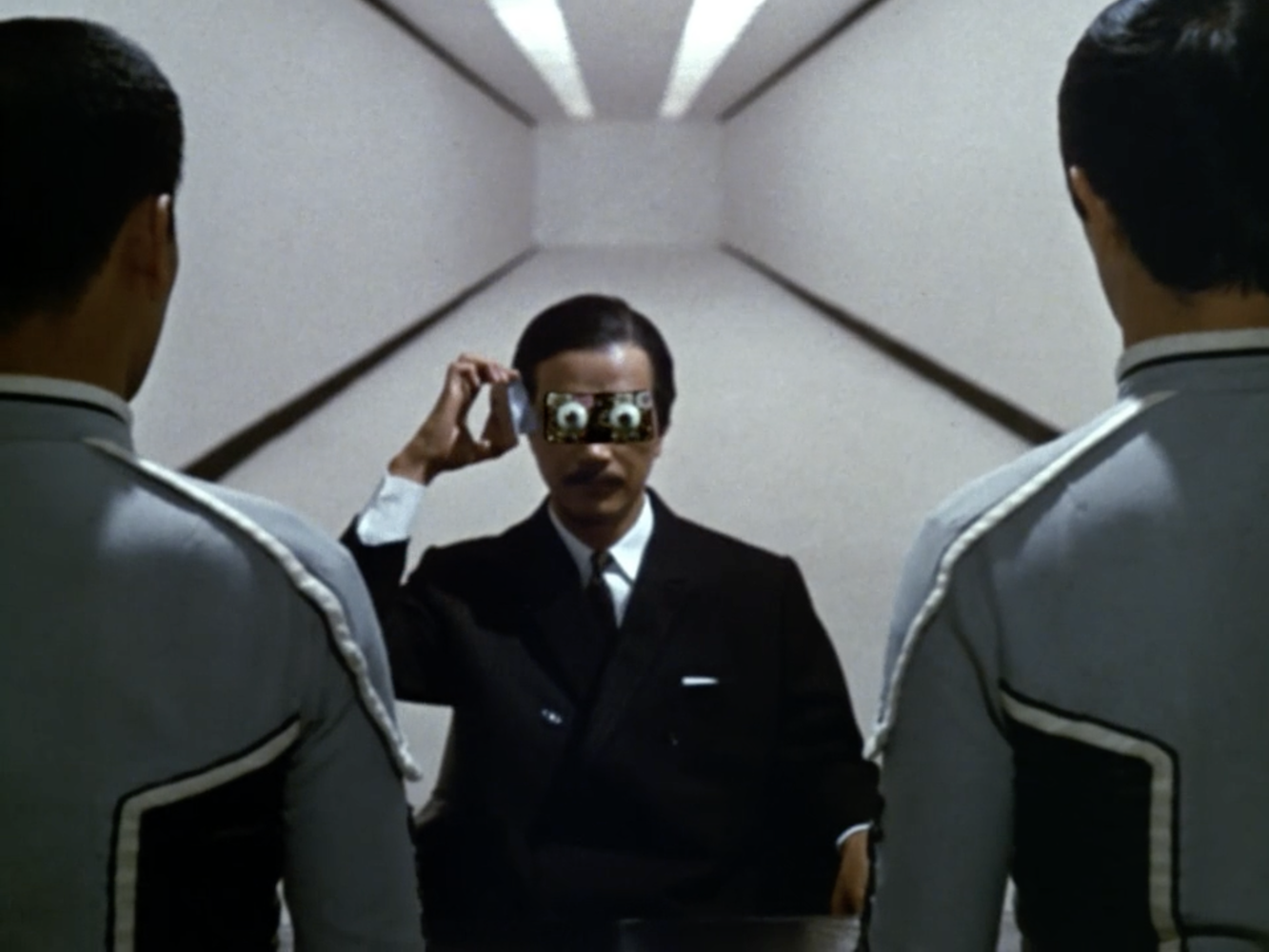
Directed by Akio Jissoji. Written by Shozo Uehara. Airdate July 27, 1968.
Last week, we had director Kazuho Mitsuta’s masterpiece. This week, we have director Akio Jissoji’s masterpiece: a dystopian planetary tale unlike anything in the Ultra Series before or since. A mix of The Twilight Zone, Star Trek, Planet of the Apes, and Jean-Luc Godard’s Alphaville. It’s the most brutal episode of the show, and it’s astonishing to me that it ever got on the air. The network must have given up on Ultraseven ever pulling back a younger audience, because this is an unapologetic work of adult science fiction. Children hoping for giant monster fun won’t enjoy seeing fascist firing squads mow down dozens of innocent people.
Continue reading “Ultraseven Ep. 43: Nightmare of Planet No. 4”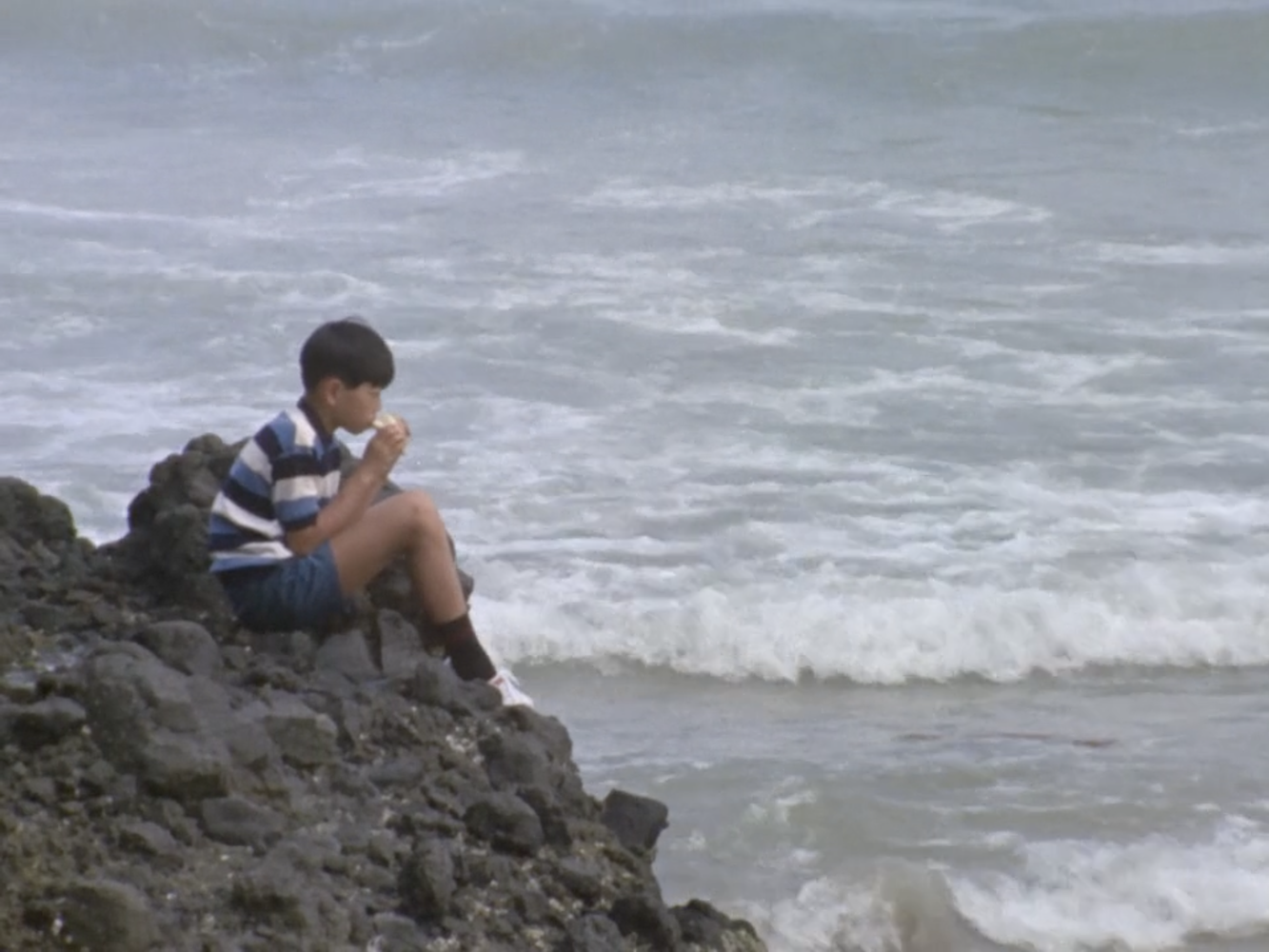
Directed by Kazuho Mitsuta. Written by Tetsuo Kinjo. Airdate July 21, 1968.
Dan and Anne are enjoying a trip to the beach, their romance nudging forward. Across the waves, they can see Seahorse Ocean Base, which is conducting research to create seafloor farms and cities. A young boy approaches Anne and warns her that the Ultra Guard must stop this interference with the ocean floor, or “something bad will happen.” He dashes off before Anne can find out who he is. Immediately afterward, Seahorse Base explodes and sinks, taking with it Mansanari Nihei’s brief cameo role as a technician.
Continue reading “Ultraseven Ep. 42: Ambassador of the Nonmalt”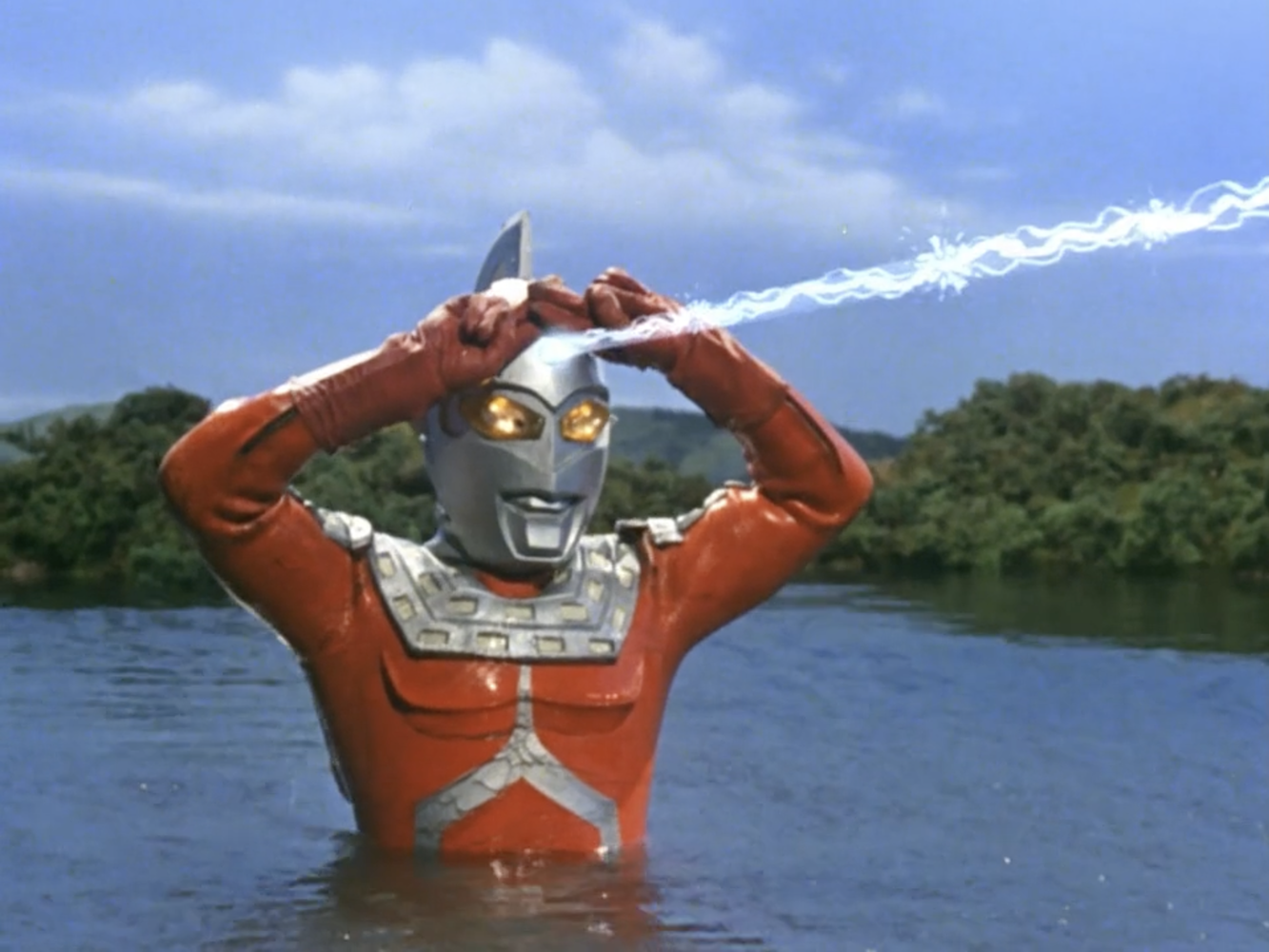
Directed by Kazuho Mitsuta. Written by Bunzo Wakatsuki. Airdate July 14, 1968.
As “Challenge From Underwater” begins, it feels like it could be an episode of Ultra Q shot in color. We meet a team of amateur paranormal investigators who have come to Lake Ishu to follow rumors of sightings of water creatures called kappa. It’s hard not to see this “Japan Kappa Club” as an analog to the Ultra Q cast. Their leader, Sumitani (Masami Taura), is a science-fiction author like Jun; the one woman in the group, Fujishima (Kazuko Miyakawa), is a photographer like Yuriko. The difference is that these people treat probing into the unknown as a lark, nothing to be taken seriously. Sumitani even says they’d like to date kappa — a damn weird thing to admit.
Continue reading “Ultraseven Ep. 41: Challenge From Underwater”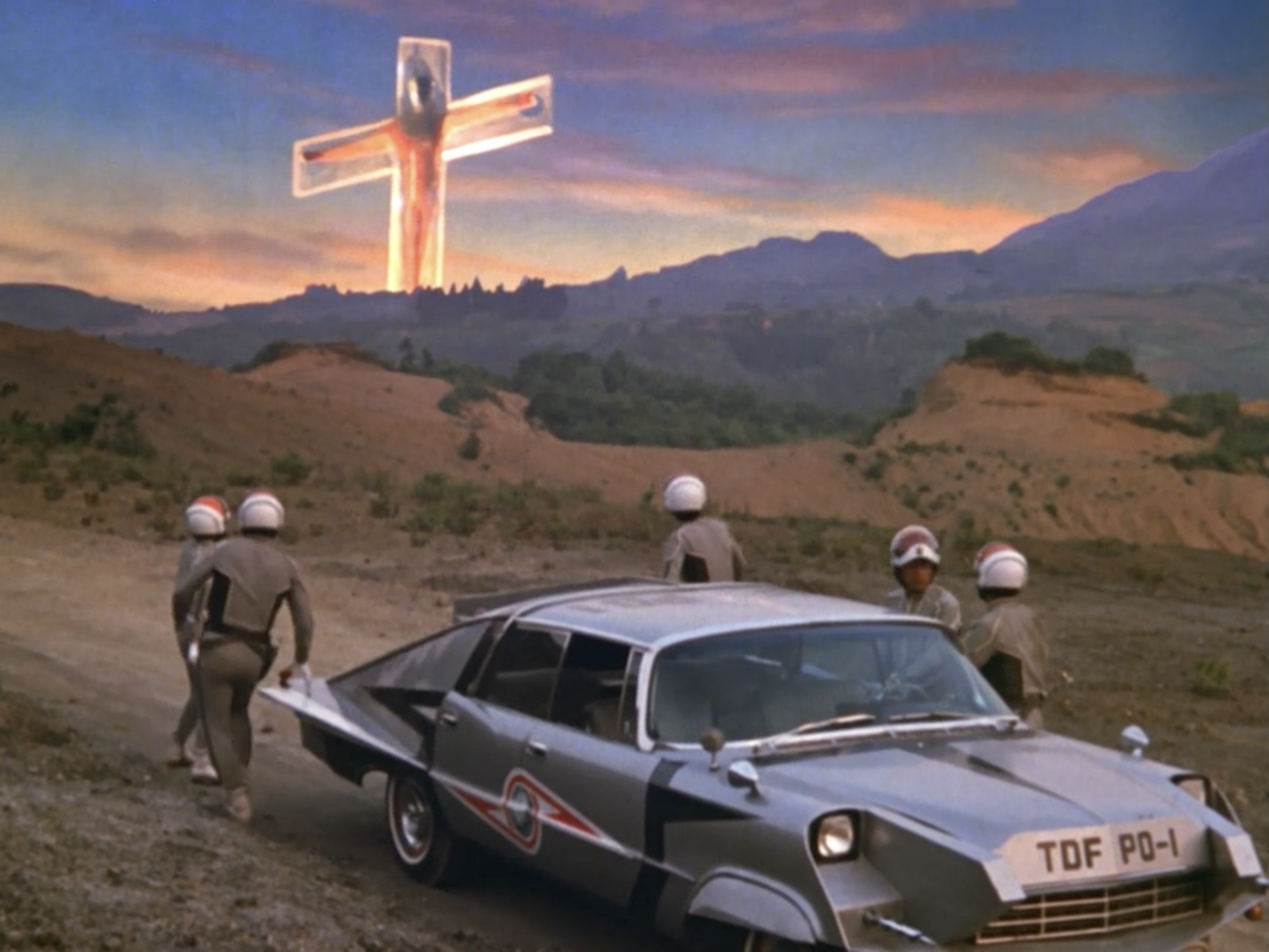
Directed by Toshihiro Iijima. Written by Keisuke Fujikawa. Airdate June 30 & July 7, 1968.
Alien races have targeted Ultraseven before, both in his giant form and as Dan Moroboshi. But Alien Guts has an elevated kill plan. As monochrome footage plays of Seven battling a kaiju (not stock footage; it’s new, with a monster called Aron), Alien Guts carefully analyzes Seven’s abilities and lays out their plot. Killing Dan isn’t sufficient. They must defeat Ultraseven in a public, humiliating way to break Earth’s resistance. It’s kin to the opening of From Russia With Love, as SPECTRE plots the ultimate defeat and debasement of another “Seven,” 007. The tone is set from the opening scene: this is going to be a major event, a two-parter that will push Seven and the Ultra Guard to their limits. It wildly succeeds.
Continue reading “Ultraseven Ep. 39 & 40: The Seven Assassination Plan”
