Ultraman Tiga Ep. 42: The City Where the Girl Disappeared

Directed by Tsugumi Kitaura. Written by Keiichi Hasegawa. Airdate June 21, 1997.

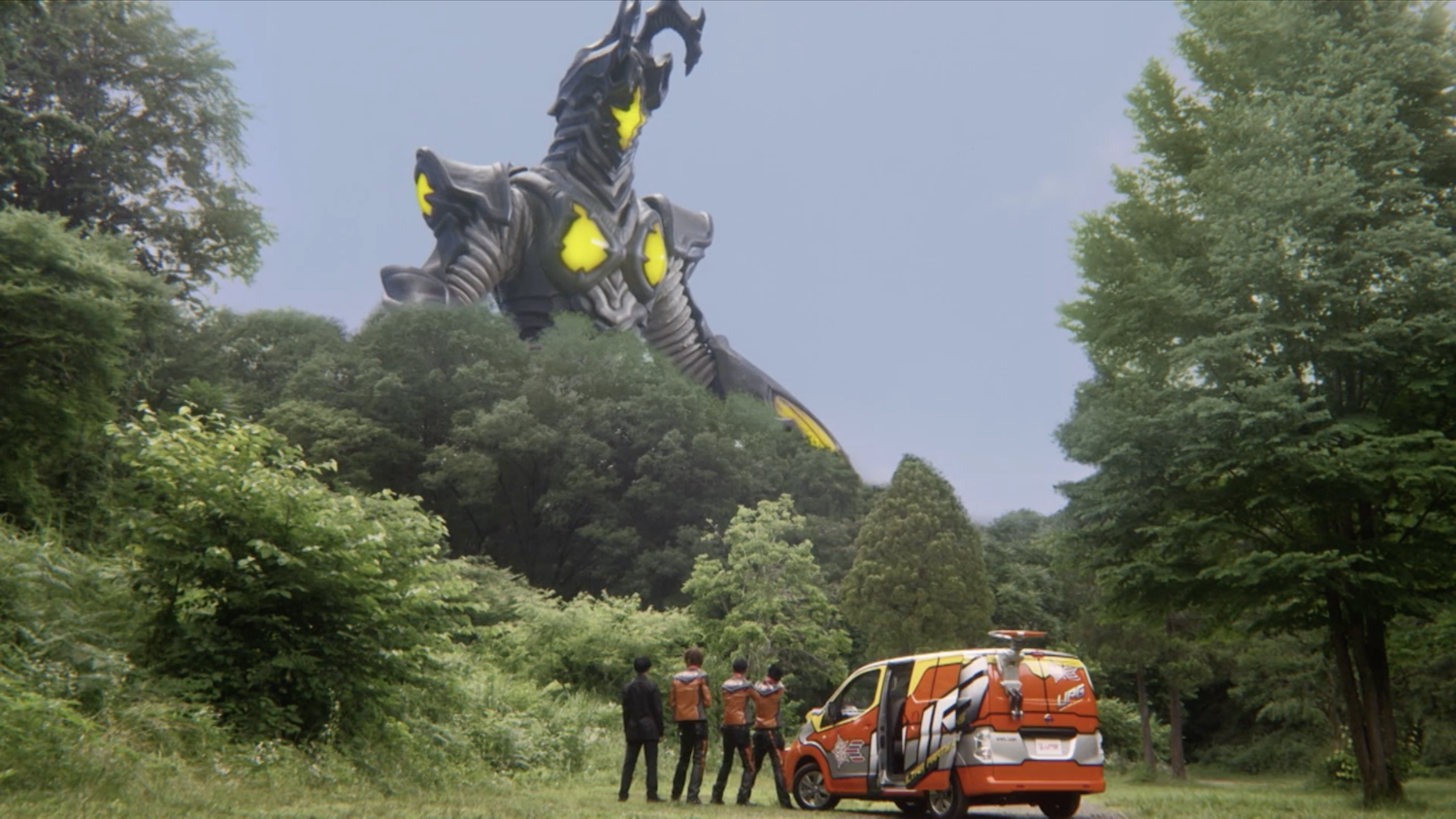
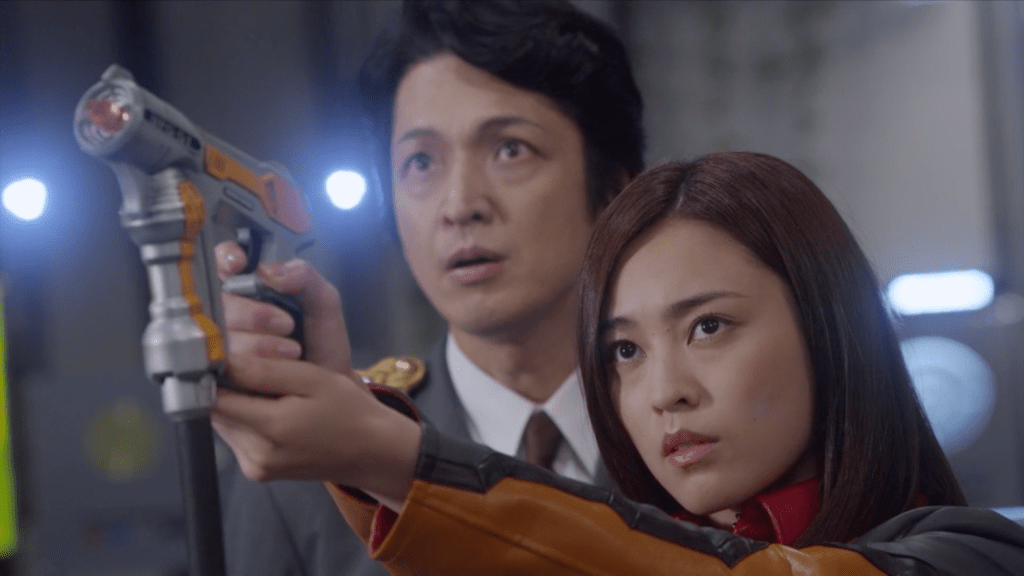
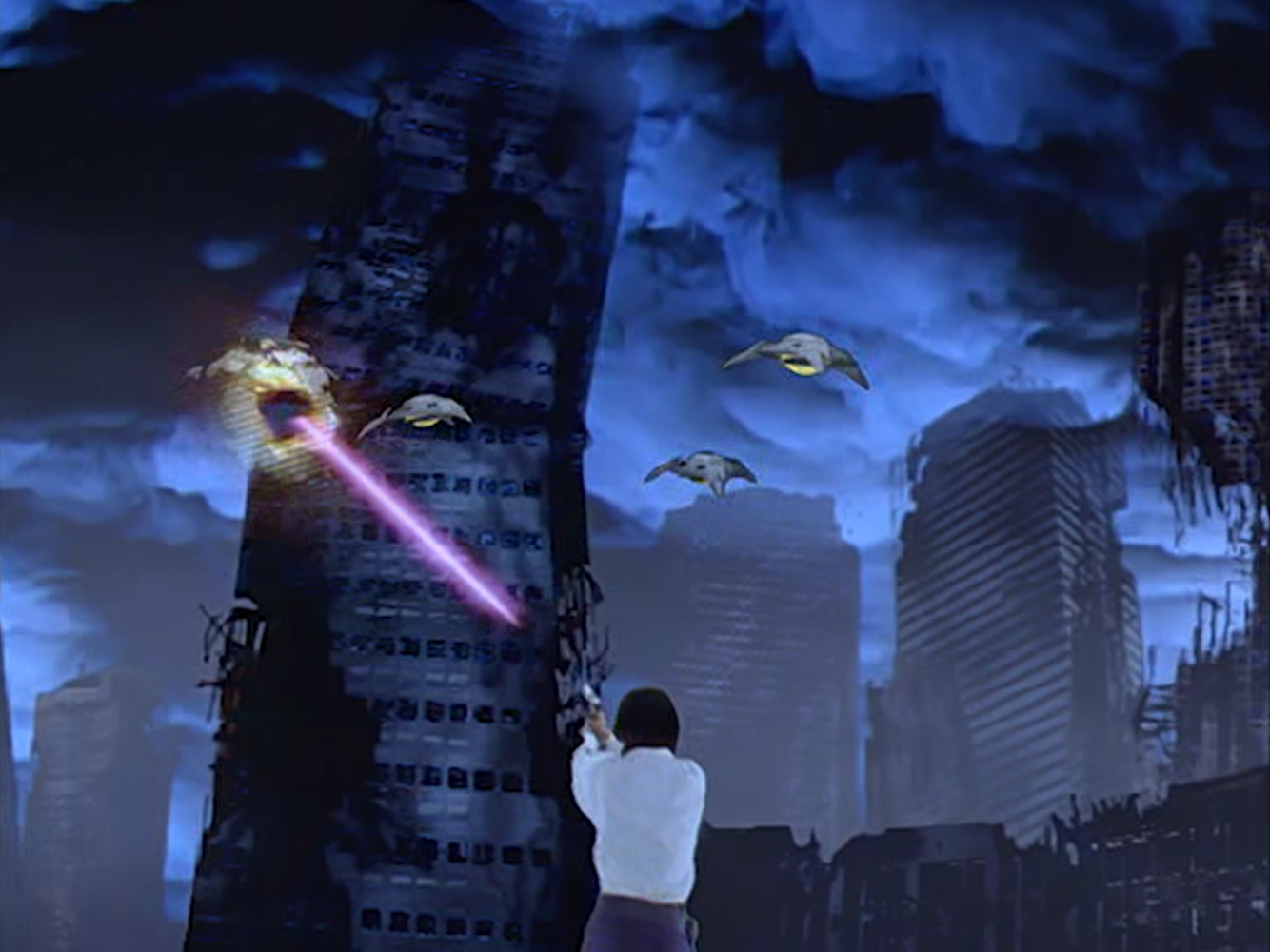
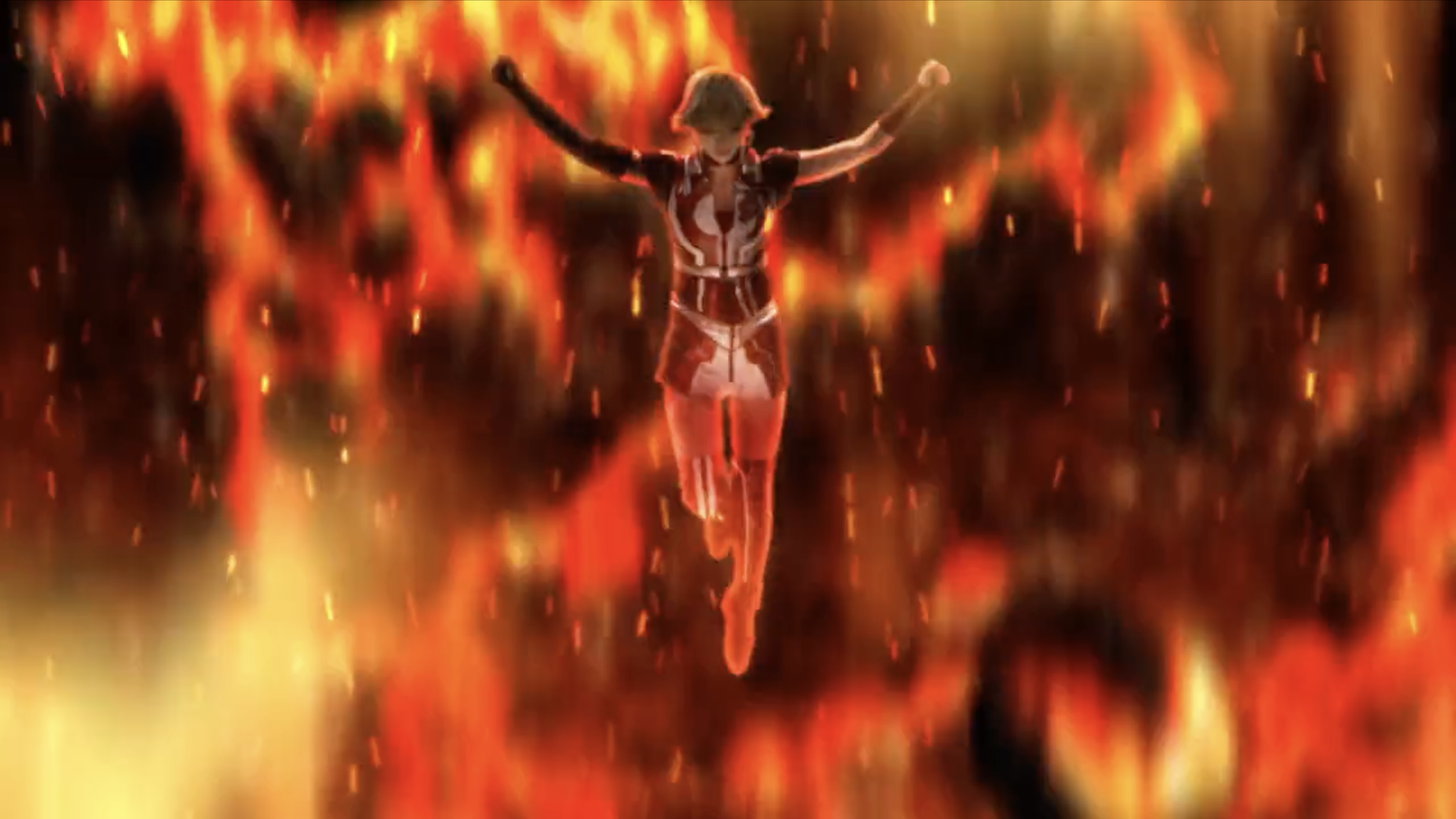
The digital effects in Ultraman Tiga are one of its major flaws. They hit their nadir in this episode, where they account for around 90% of the visual effects, leaving only a fraction for old-fashioned suitmation action in the finale, where Tiga takes on the giant robot form of an artificial intelligence called, no kidding, “Karen.”

Continue reading “Ultraman Tiga Ep. 42: The City Where the Girl Disappeared”

Ultraman Ginga S Ep. 12: To Meet You

Directed by Kiyotaka Taguchi. Written by Sotaro Hayashi. Airdate Nov. 25, 2013.

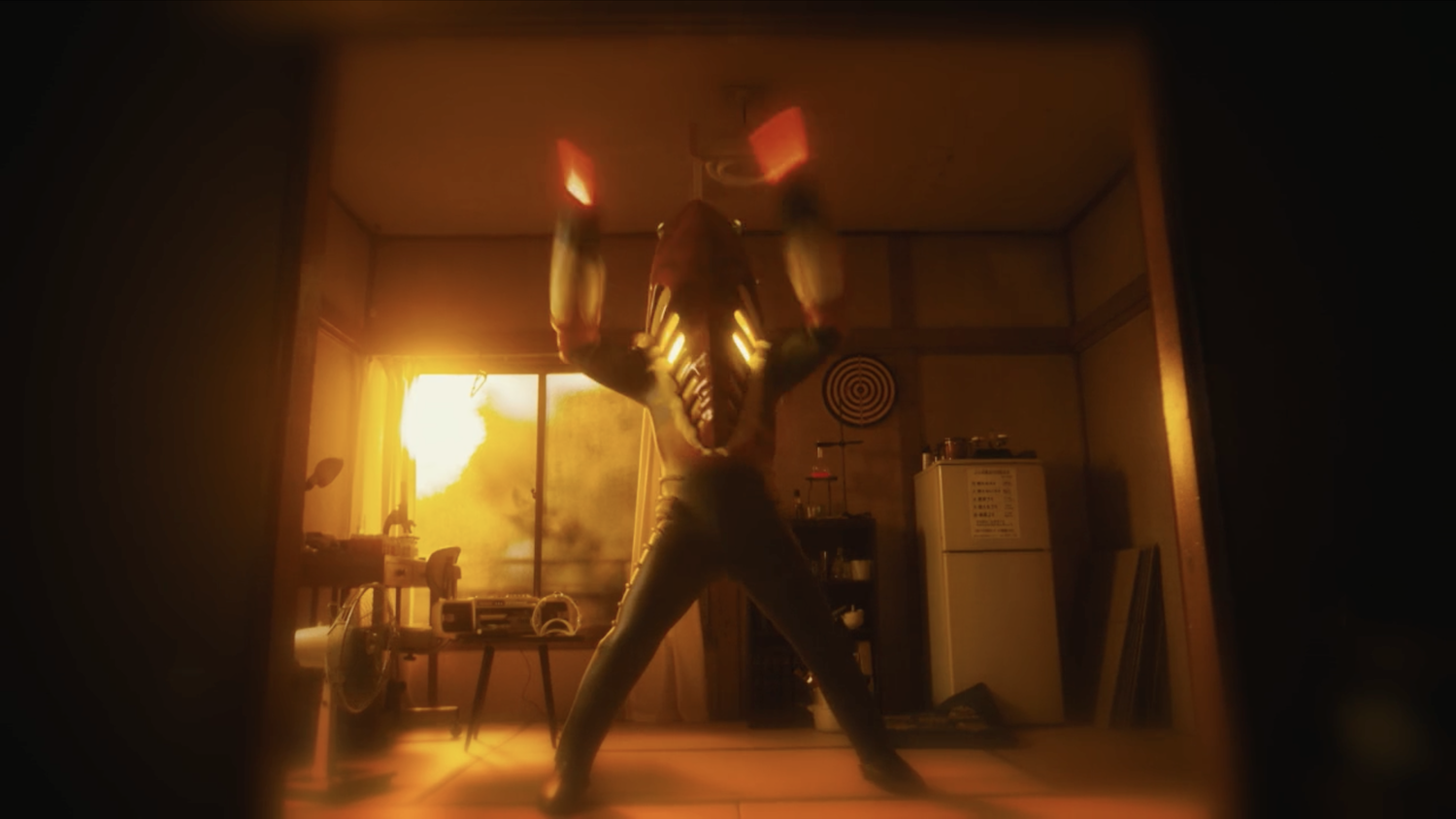
Ultraman Ginga S follows an excellent standalone episode driven by bizarre comedy and a sweet story with … another excellent standalone episode, one that pokes into the weird corners of Ultra history while also telling a sweet story. I’m not certain what was happening in the show’s creative department that led to this explosion of terrific episodes honoring the finest Showa-era programs. But I’m thrilled it happened. Kiyotaka Taguchi directed both episodes, and he clearly wanted to honor the legacy of the franchise.

Continue reading “Ultraman Ginga S Ep. 12: To Meet You”

Ultraman Tiga Ep. 41: A Friend From Space

Directed by Tsugumi Kitaura. Written by Ai Ota. Airdate June 14, 1997.

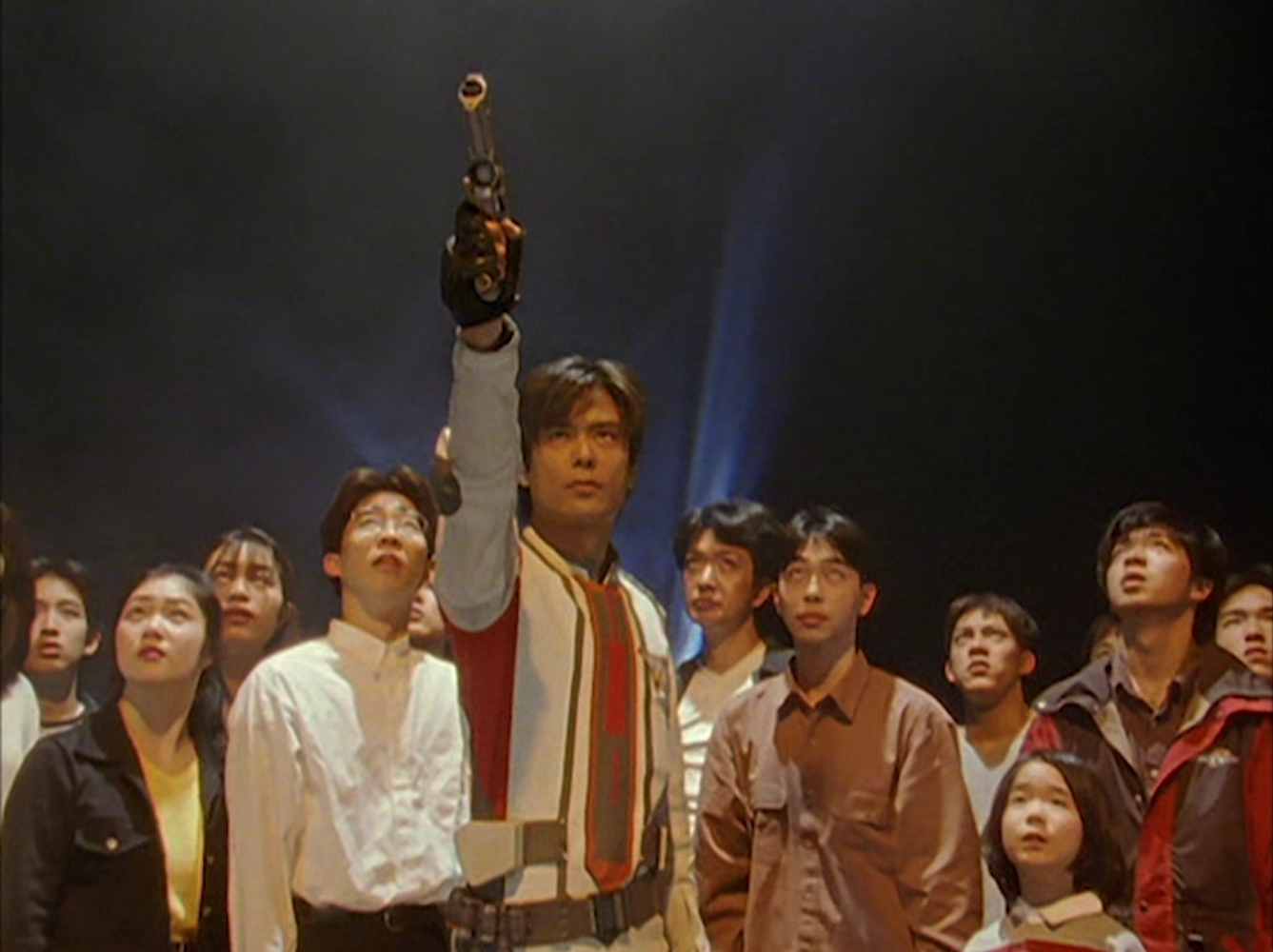
The fourth and final Ultraman Tiga script from Ai Ota. Her previous episodes show her talent for stories with fairy-tale and fantasy slants, similar to Ultraman Taro but without the Showa-era crackpot absurdity. “Deban’s Turn” is a delightful children’s story, while “The Battle of Zelda Point” takes a sombrous approach to what could have been a simple girl-and-her-pet fable. Good stuff, and Ota would continue to write other enjoyable scripts for future Heisei Ultra shows. 

Continue reading “Ultraman Tiga Ep. 41: A Friend From Space”

My Favorite Ultraseven Episodes

It’s strange and a bit bewildering to think that this site hasn’t even reached its second-year anniversary, and already I’m writing the closing post for Ultraseven. Although I’m not tackling the Ultra franchise in strictly chronological order (I’m currently reviewing shows from the 1990s and 2010s), I always intended from the inception of this project to start with the “original trilogy”: Ultra Q, Ultraman, and Ultraseven. I closed out Ultra Q just under a year ago with a post about my favorite episodes, and followed with the post about my favorite episodes of Ultraman in the first month of this year.1

Continue reading “My Favorite Ultraseven Episodes”

Ultraseven Ep. 48 & 49: The Biggest Invasion in History

Directed by Kazuho Mitsuta. Written by Tetsuo Kinjo. Airdate Sep. 1 & 8, 1968.

For the 50th anniversary of the Ultra Series in 2016, the Japan Broadcasting Corporation (NHK) polled fans on their favorite episodes. The winner: “The Biggest Invasion in History, Part 2.” No surprise. Few fans would say this is anything less than the best finale of any Ultra show. 

Continue reading “Ultraseven Ep. 48 & 49: The Biggest Invasion in History”

Ultraman Ginga S Ep. 11: Gan-Q’s Tears

Directed by Kiyotaka Taguchi. Written by Takao Nakano. Airdate Nov. 18, 2013.

The New Generation Heroes era gets its first genuinely fantastic episode. Recalling some of the great one-off episodes of the series, “Gan-Q’s Tears” steps away from the usual world of defense teams and Ultra warriors. It finds new characters to make into the protagonists of a story that’s both comically weird and quietly heartfelt.

Continue reading “Ultraman Ginga S Ep. 11: Gan-Q’s Tears”

Ultraman Tiga Ep. 40: Dream

Directed by Akio Jissoji. Written by Akio Jissoji, Akio Satsukawa. Airdate June 7, 1997.

Director Akio Jissoji is primarily interested in the visual style of his episodes, less in their narratives. His greatest Ultra Series episode, Ultraseven’s “Nightmare of Planet No. 4,” is essentially a guided tour rather than a full-fledged story. His previous Ultraman Tiga episode, “Flower,” is an exercise in stage aesthetics stretched over the thin framework of an alien invasion. “Dream,” Jissoji’s second Tiga episode, comprises his usual visual hallmarks: image collages, canted angles, diffused lighting, off-center framing, cartoonish sound effects, and classical music. But it also has a strong story driving it. Not a complex story, but one that supports and enhances Jissoji’s preferred style. The result is arguably the director’s best work for the Heisei Ultra shows.

Continue reading “Ultraman Tiga Ep. 40: Dream”

Ultraman Ginga S Ep. 10: The Holy Sword of the Future

Directed by Yoshikazu Ishii. Written by Akio Miyoshi. Airdate Nov. 11, 2013.

Watching this episode brought into focus a recurring problem with the New Generation Heroes shows: they frequently struggle to deliver major emotional payoffs in stories with big stakes. This issue isn’t as noticeable or grating as the prolonged, numbing fight scenes or the glut of transparent merchandising. But it’s still a major stumbling block that keeps me from feeling fully engaged with this phase of the Ultra Series. “The Holy Sword of the Future” is the first of the New Gen episodes that sets up a shattering moment — a significant story event in a semi-serialized narrative — only to then settle for a six-out-of-ten execution. For a story this important, that’s far too low. 

Continue reading “Ultraman Ginga S Ep. 10: The Holy Sword of the Future”

Ultraseven Ep. 47: Who Are You?

Directed by Tatsumi Ando. Written by Shozo Uehara. Airdate August 25, 1968.

We’ve arrived at the last episode of Ultraseven before the epic two-part finale. What better way to pass the time than with a throwback to the beginning? “Who Are You?” feels like it could’ve been developed from an unused Ultra Q script, and it wouldn’t take much work to turn it back into one. This moody, low-key episode is a pleasant reminder of the franchise’s origins — to the point that I almost wish it were even more like Ultra Q

Continue reading “Ultraseven Ep. 47: Who Are You?”