Ultraman Tiga Ep. 37: Flower

Directed by Akio Jissoji. Written by Akio Jissoji, Akio Satsukawa. Airdate May 17, 1997.

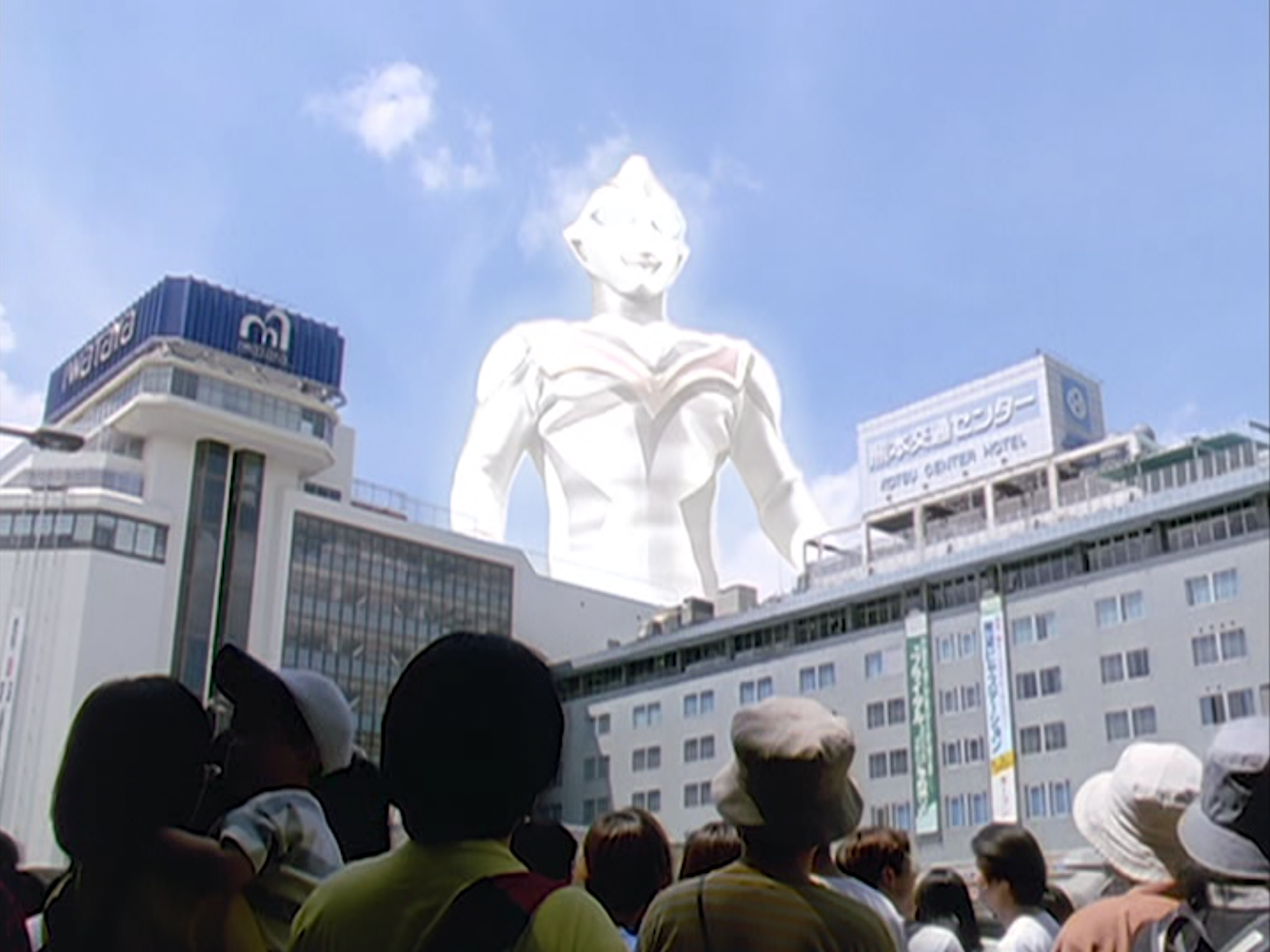
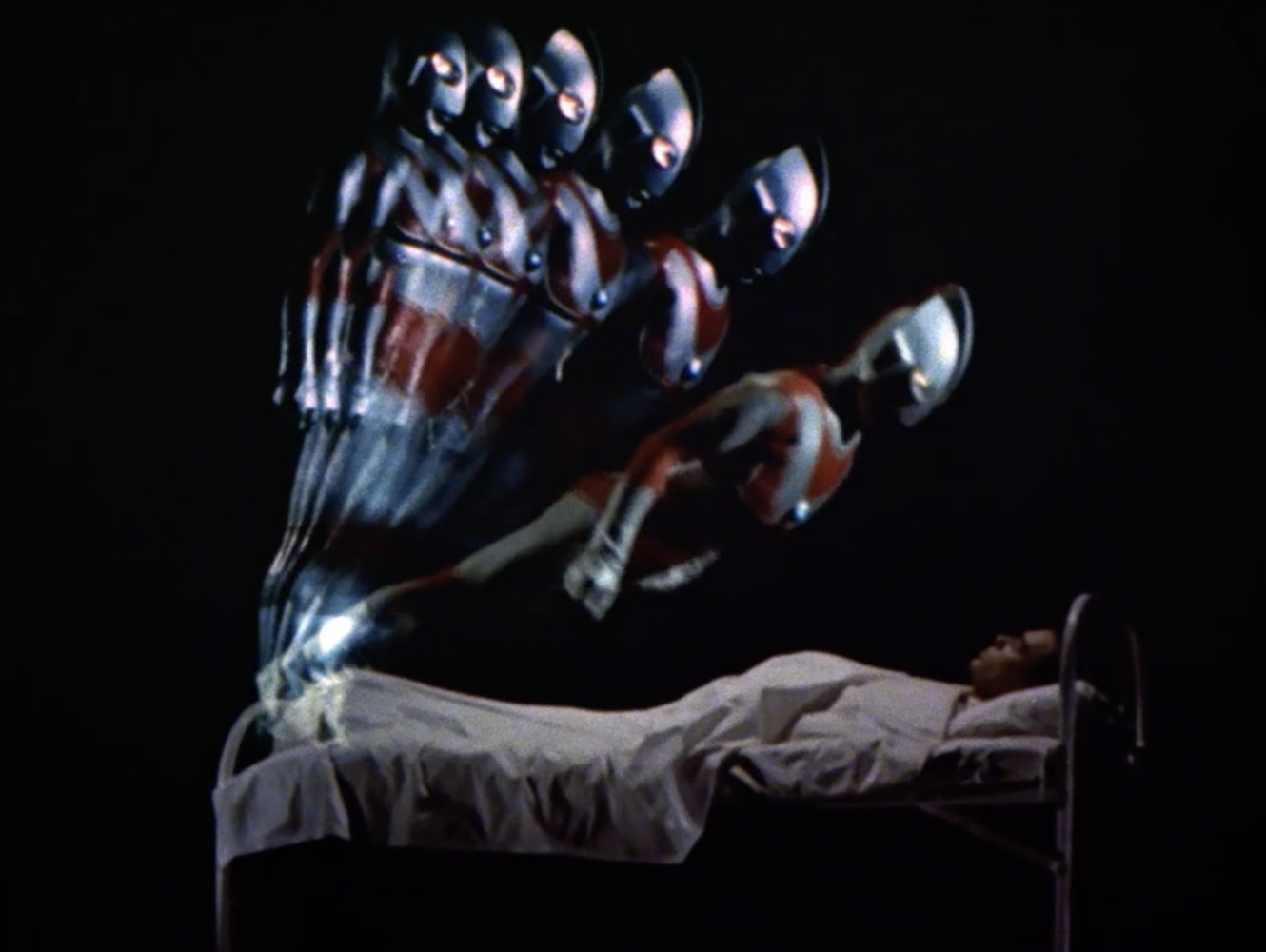
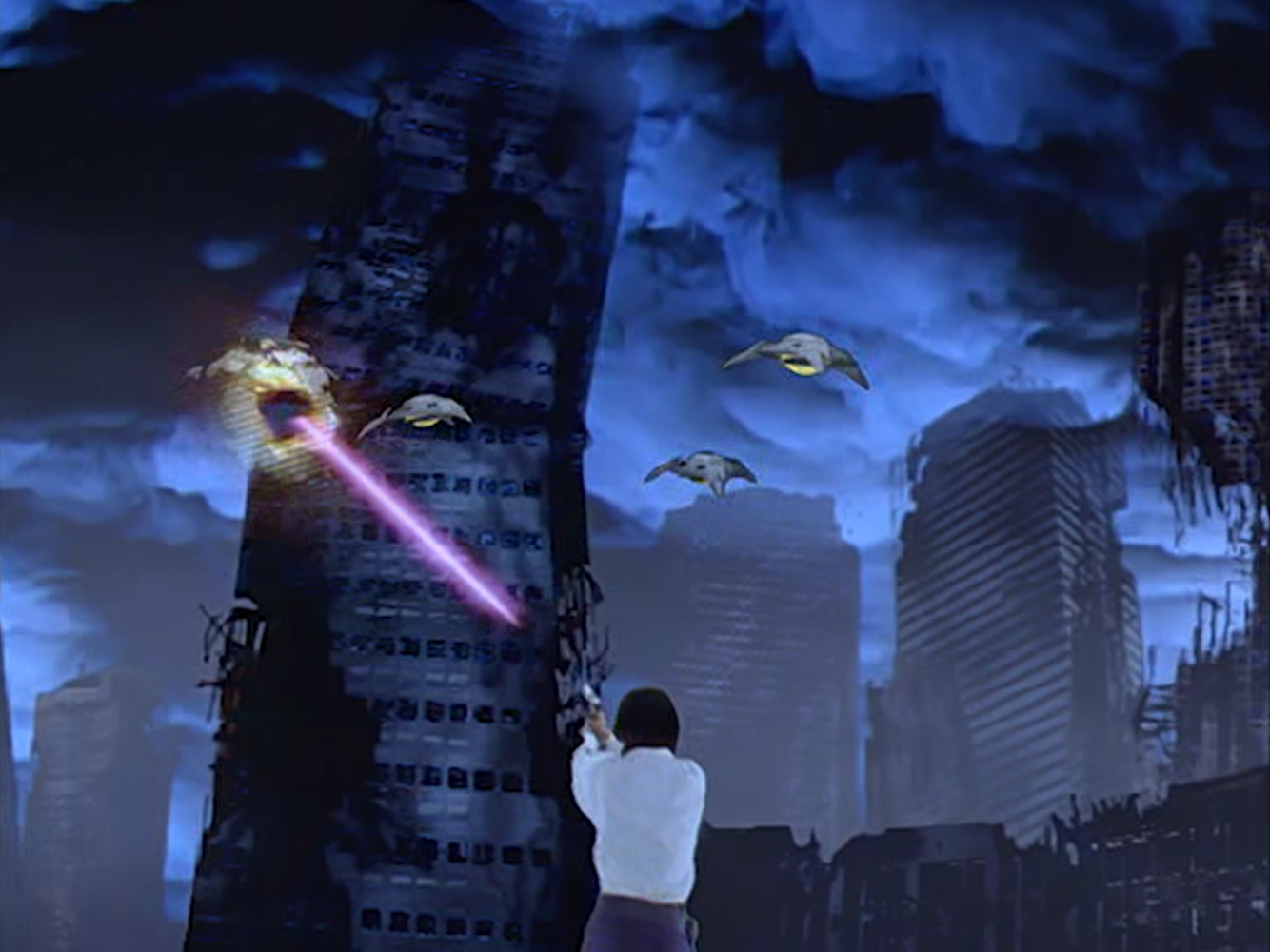
Akio Jissoji returns to direct an episode of an Ultra television series for the first time since Ultraseven’s “The Saucers Have Come” — a gap of almost three decades. (He did direct Ultra Q the Movie: Legend of the Stars in 1990.) Have the years mellowed his eccentric visual style and storytelling techniques? Nope! During his break from television, Jissoji has been directing experimental short films, and he’s gotten even weirder. 

Continue reading “Ultraman Tiga Ep. 37: Flower”

Ultraseven Ep. 44: The Terrifying Super Ape-Man

Directed by Toshitsugu Suzuki. Written by Shozo Uehara, Shinichi Ichikawa. Airdate August 4, 1968.

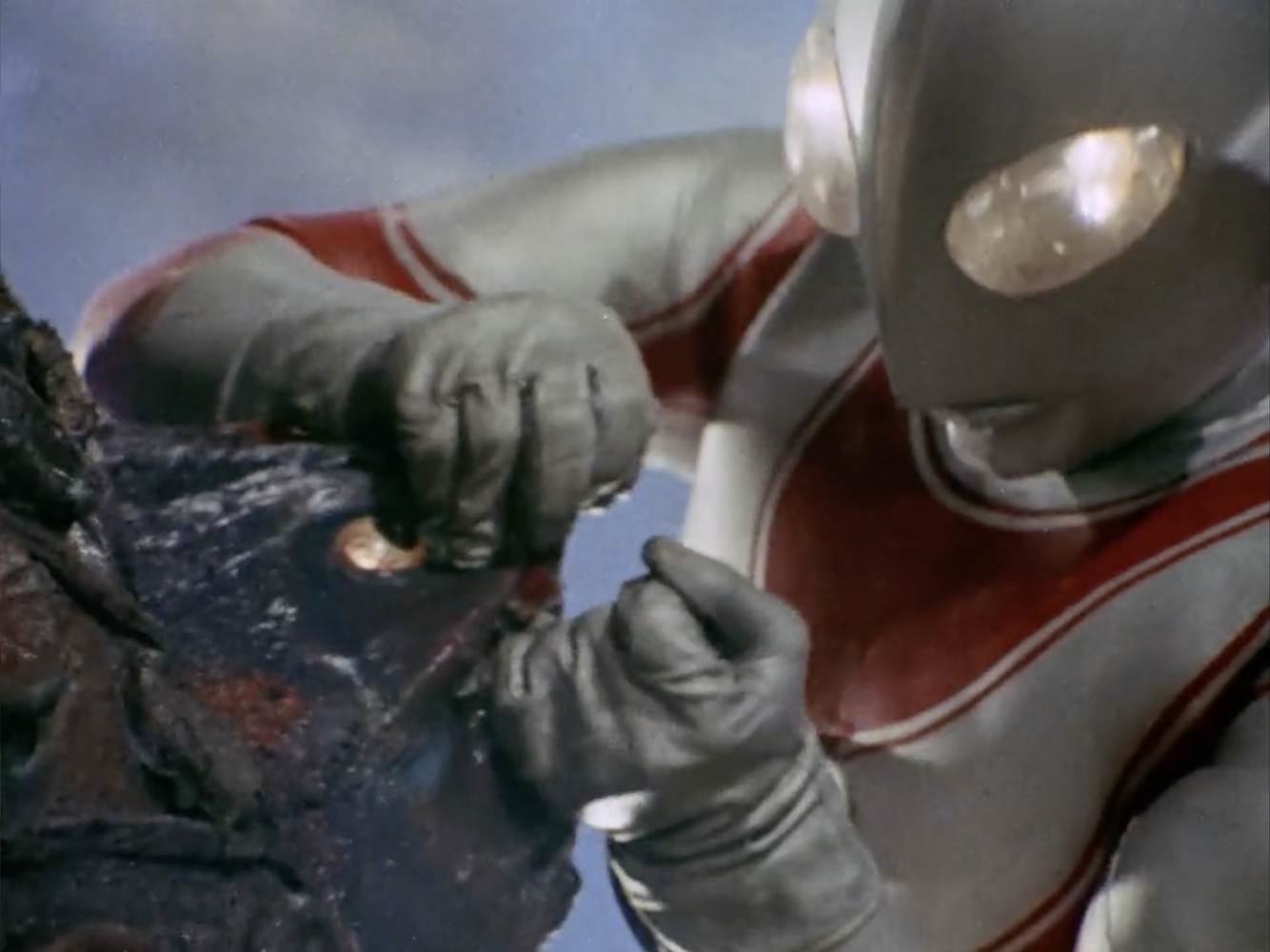
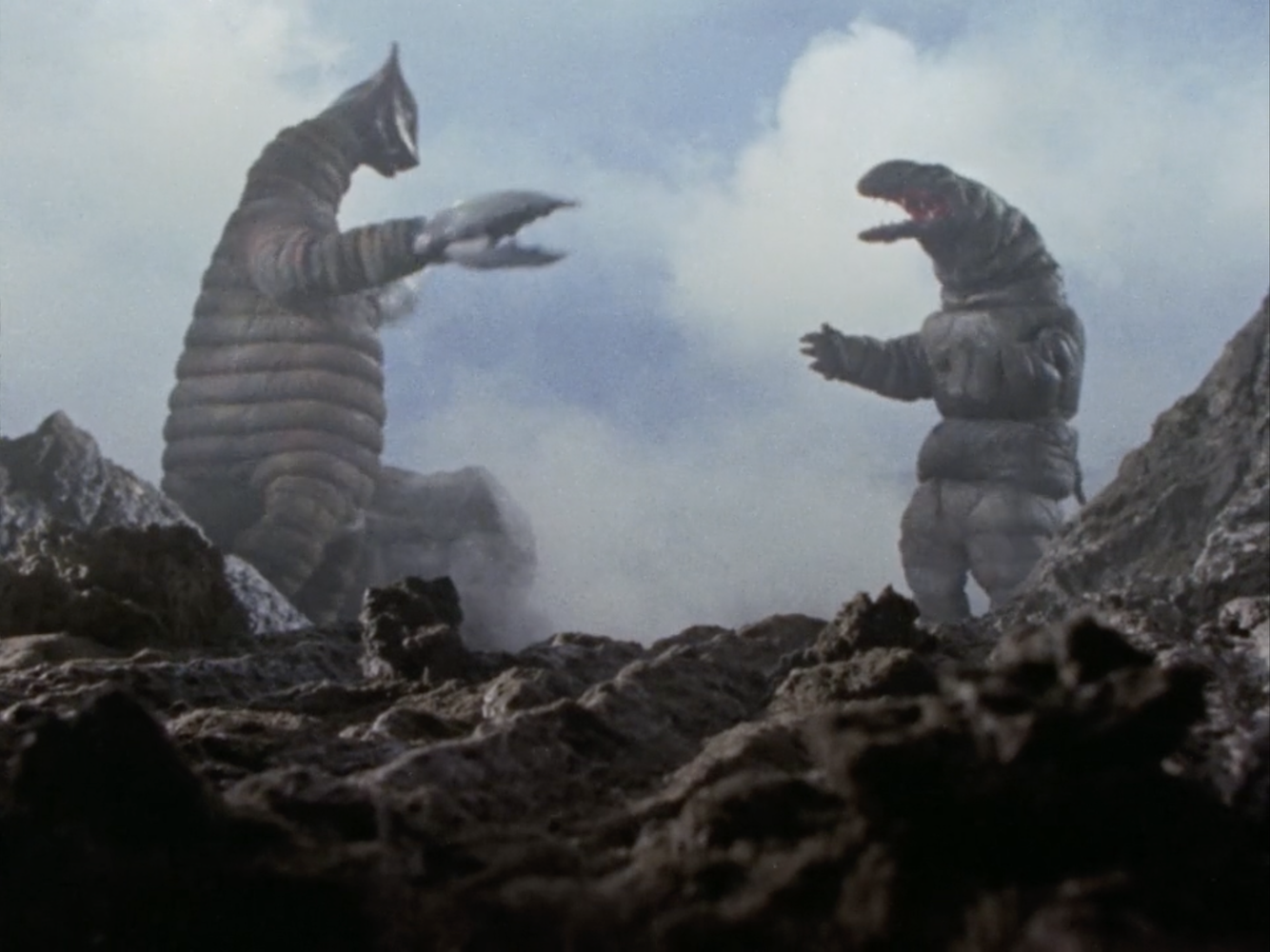
After the double-tap of “Ambassador of the Nonmalt” and “Nightmare of Planet No. 4” — two of the greatest, most intelligent episodes in the entire Ultra Series — Ultraseven needed something lighter. That’s exactly what “The Terrifying Super Ape-Man” delivers. Like “Nightmare of Planet No. 4,” it takes inspiration from the recent runaway popularity of Planet of the Apes, but in a more superficial way. Rather than explore the future horrors of a human race reduced to obsolescence, just put a super-ape in the episode. Add a dash of 1930s mad scientist horror for flavor. Stir and double strain over a final Ultra fight. It’s no classy craft cocktail, but it’s a decent highball.

Continue reading “Ultraseven Ep. 44: The Terrifying Super Ape-Man”

Ultraman Ginga S Ep. 6: The Forgotten Past

Directed by Kiyotaka Taguchi. Written by Hisako Kurosawa. Airdate August 19, 2013.

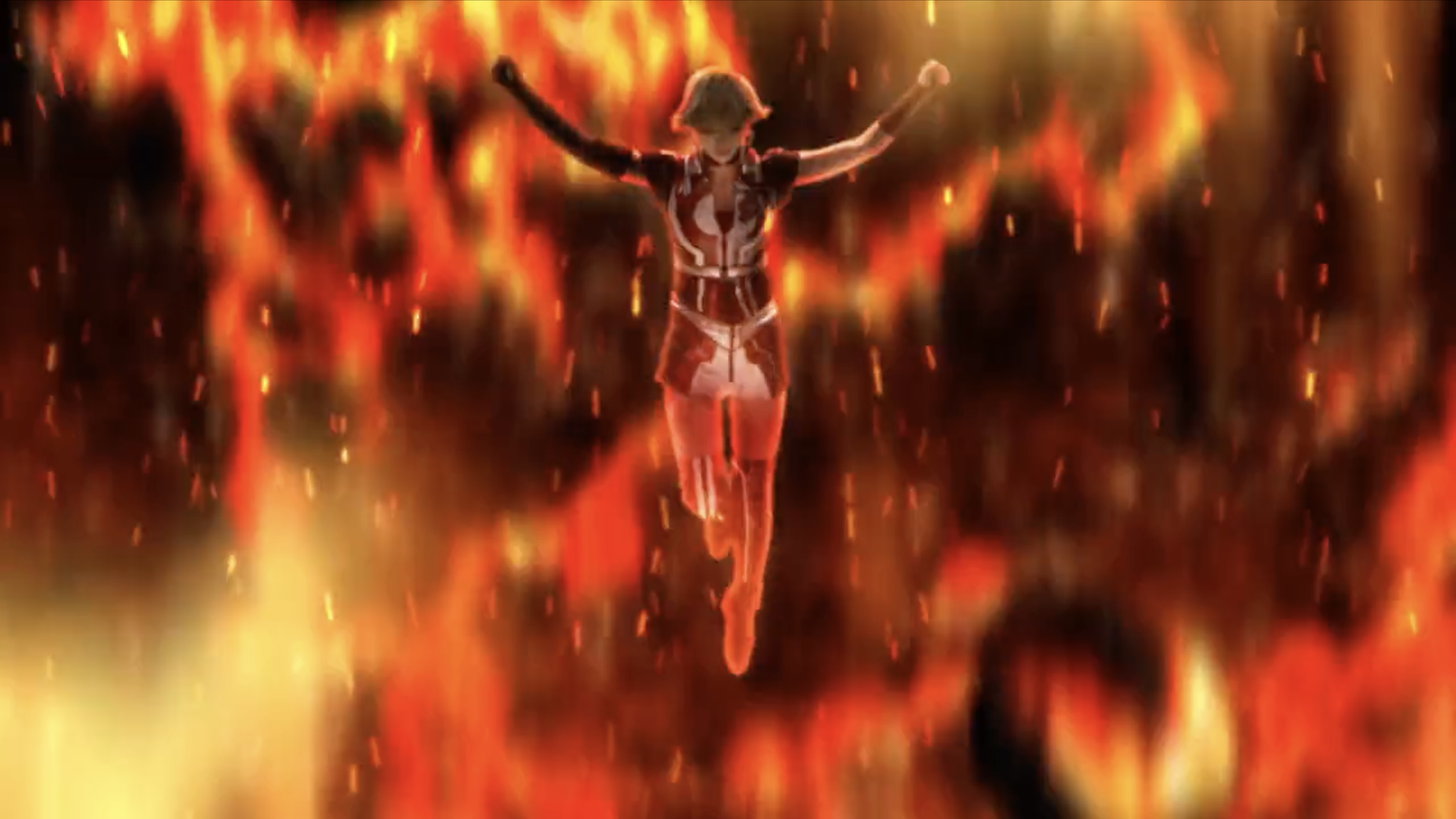
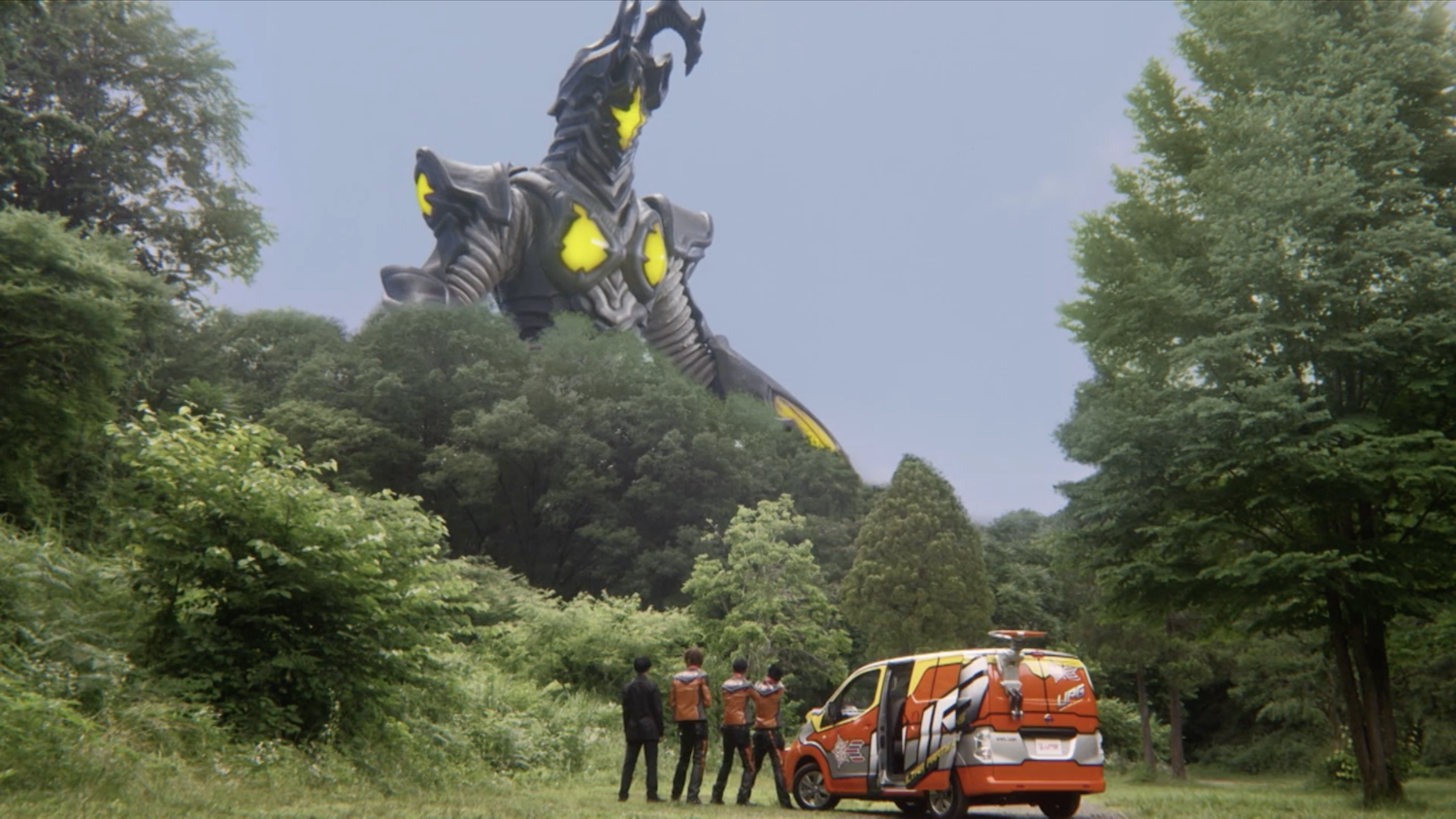
Shepardon, the giant monster defender of the Victorians, gets its first major role in the show. Shephardon has already taken part in several battles, but now it displays real personality as a pivotal part of a story about the history of the Victorians. Since Shepardon is one of the best parts of Ultraman Ginga S — a fantastic kaiju design that combines the friendliness of a cute dog with genuine dinosaurian menace — I approve of it getting more attention. I’m also glad to have more backstory on the Victorians, though the episode doesn’t go deep enough into what may have been an extremely dark epoch in their history.

Continue reading “Ultraman Ginga S Ep. 6: The Forgotten Past”

Ultraman Tiga Ep. 36: Smile Across Space and Time

Directed by Teruyoshi Ishii. Written by Masakazu Migit, Keiichi Hasegawa. Airdate May 10, 1997.

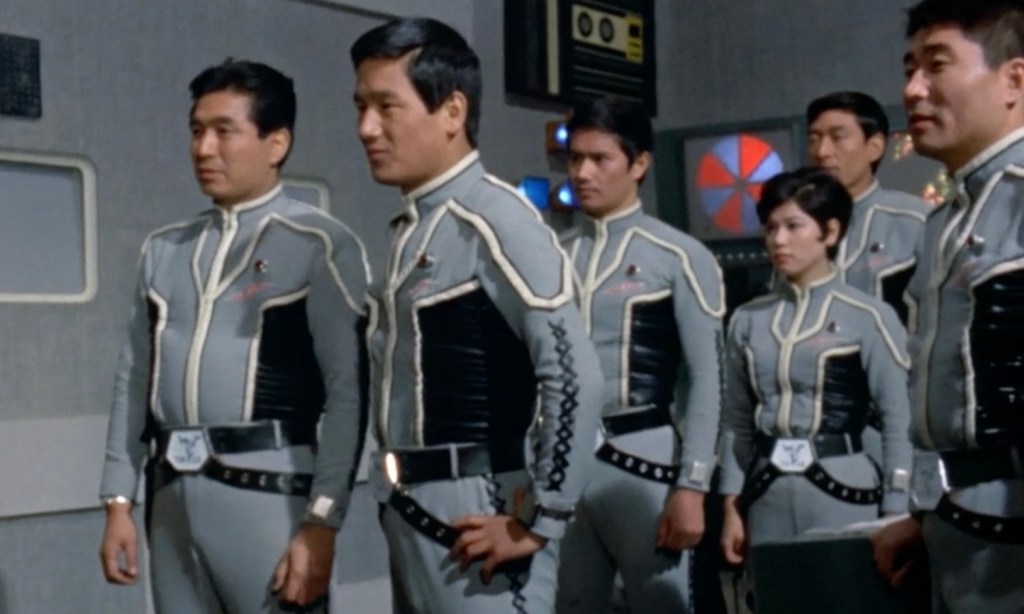
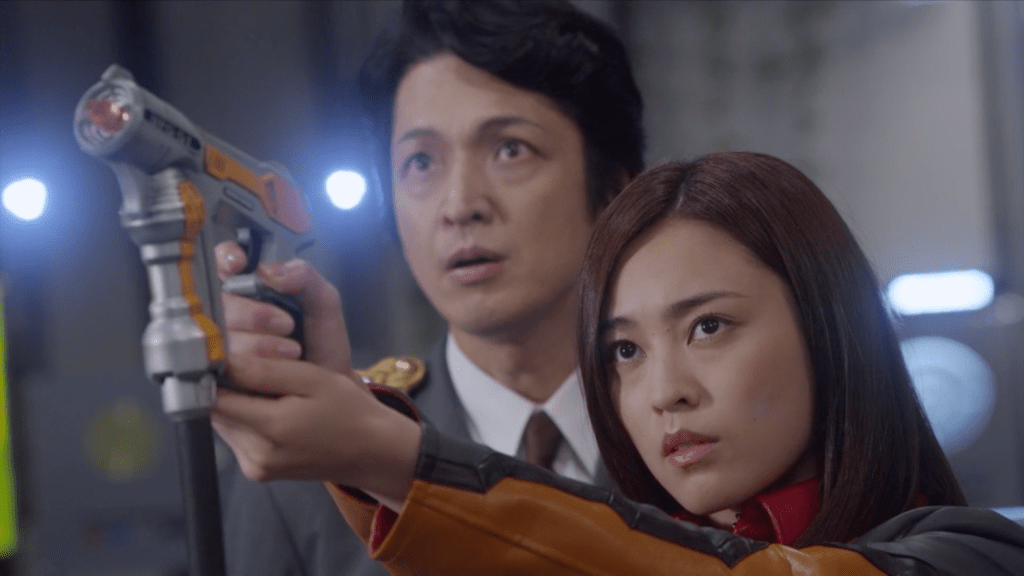
Yazumi finally gets an episode of his own. The “guy in the chair” of GUTS, the agent who didn’t even get to go into the field until episode 23, now takes the spotlight. Aside from “One Vanishing Moment,” where he flaunted a militaristic attitude, Yazumi has always come across as the quietest, most restrained member of GUTS. Perhaps that’s why Captain Iruma kept him in the operations chair most of the time rather than fighting monsters in the field.

Continue reading “Ultraman Tiga Ep. 36: Smile Across Space and Time”

Ultraseven Ep. 43: Nightmare of Planet No. 4

Directed by Akio Jissoji. Written by Shozo Uehara. Airdate July 27, 1968.

Last week, we had director Kazuho Mitsuta’s masterpiece. This week, we have director Akio Jissoji’s masterpiece: a dystopian planetary tale unlike anything in the Ultra Series before or since. A mix of The Twilight Zone, Star Trek, Planet of the Apes, and Jean-Luc Godard’s Alphaville. It’s the most brutal episode of the show, and it’s astonishing to me that it ever got on the air. The network must have given up on Ultraseven ever pulling back a younger audience, because this is an unapologetic work of adult science fiction. Children hoping for giant monster fun won’t enjoy seeing fascist firing squads mow down dozens of innocent people. 

Continue reading “Ultraseven Ep. 43: Nightmare of Planet No. 4”

Ultraman Tiga Ep. 35: Sleeping Beauty

Directed by Teruyoshi Ishii. Written by Chiaki J. Konaka. Airdate May 3, 1997.

The previous episode left open questions about the alien entity responsible for the assault on the Terran Peace Consortium’s summit in the Cliomos Islands. This episode picks up soon afterward. The TPC East Asia Base is investigating an alien body in cryostasis (codename: Sleeping Beauty) that was transferred from the West Asia Base. The alien — which resembles a typical “gray” but with green skin — has been in stasis for more than two decades. An alloy discovered near it is identical to the material of the bioweapon used in the attack on the TPC summit. 

Continue reading “Ultraman Tiga Ep. 35: Sleeping Beauty”

Ultraseven Ep. 42: Ambassador of the Nonmalt

Directed by Kazuho Mitsuta. Written by Tetsuo Kinjo. Airdate July 21, 1968.

Dan and Anne are enjoying a trip to the beach, their romance nudging forward. Across the waves, they can see Seahorse Ocean Base, which is conducting research to create seafloor farms and cities. A young boy approaches Anne and warns her that the Ultra Guard must stop this interference with the ocean floor, or “something bad will happen.” He dashes off before Anne can find out who he is. Immediately afterward, Seahorse Base explodes and sinks, taking with it Mansanari Nihei’s brief cameo role as a technician. 

Continue reading “Ultraseven Ep. 42: Ambassador of the Nonmalt”

Ultraman Ginga S Ep. 4: The Meaning of Strength

Directed by Yoshikazu Ishii. Written by Aya Takei. Airdate August 6, 2013.

Although Sho is the co-lead of Ultraman Ginga S, this is the first episode to dig beneath his tough-guy loner exterior. Sho is a fundamentally different person from the gregarious Hikaru, and that difference risks turning him unlikable, even with two young sidekicks, Lepi and Sakuya, looking up to him. Sho needs a few dashes of doubt and maybe a major defeat to leaven his stubbornness.

Continue reading “Ultraman Ginga S Ep. 4: The Meaning of Strength”

Ultraman Tiga Ep. 34: To the Farthest South

Directed by Hirochika Muraishi. Written by Chiaki J. Konaka. Airdate April 26, 1997.

The politics and history of the Terran Peace Consortium have materialized in several Ultraman Tiga episodes so far: “The Devil’s Prophecy,” “The Day When the Monster Appeared,” and “The Battle of Zelda Point.” This is the first episode to make TPC politics its centerpiece. It foregrounds two figures who represent the opposing poles of the organization’s purpose: the dovish Commissioner Sawai (Tamio Kawachi) and the hawkish Director Yoshioka (Ken Okabe). 

Continue reading “Ultraman Tiga Ep. 34: To the Farthest South”