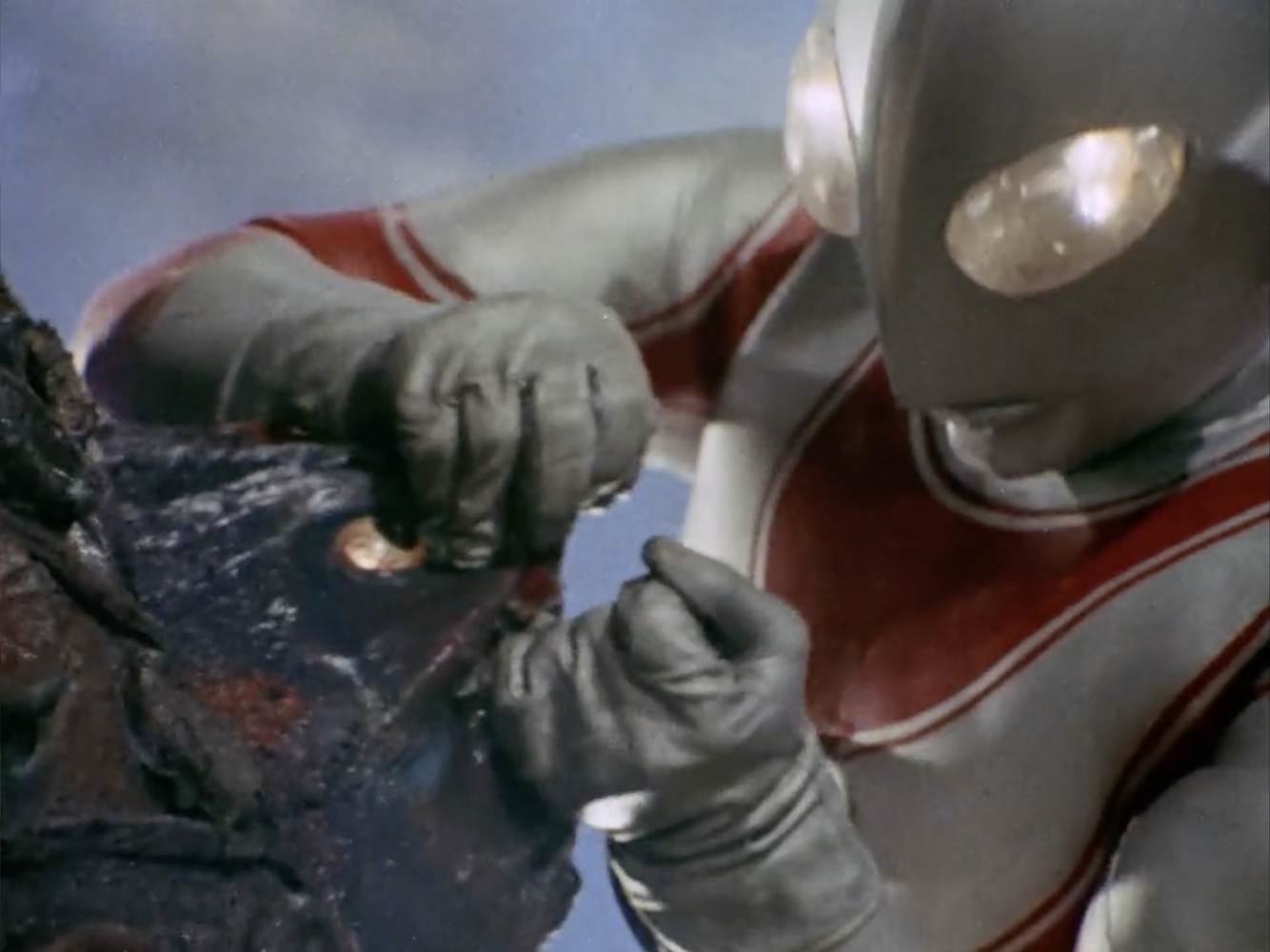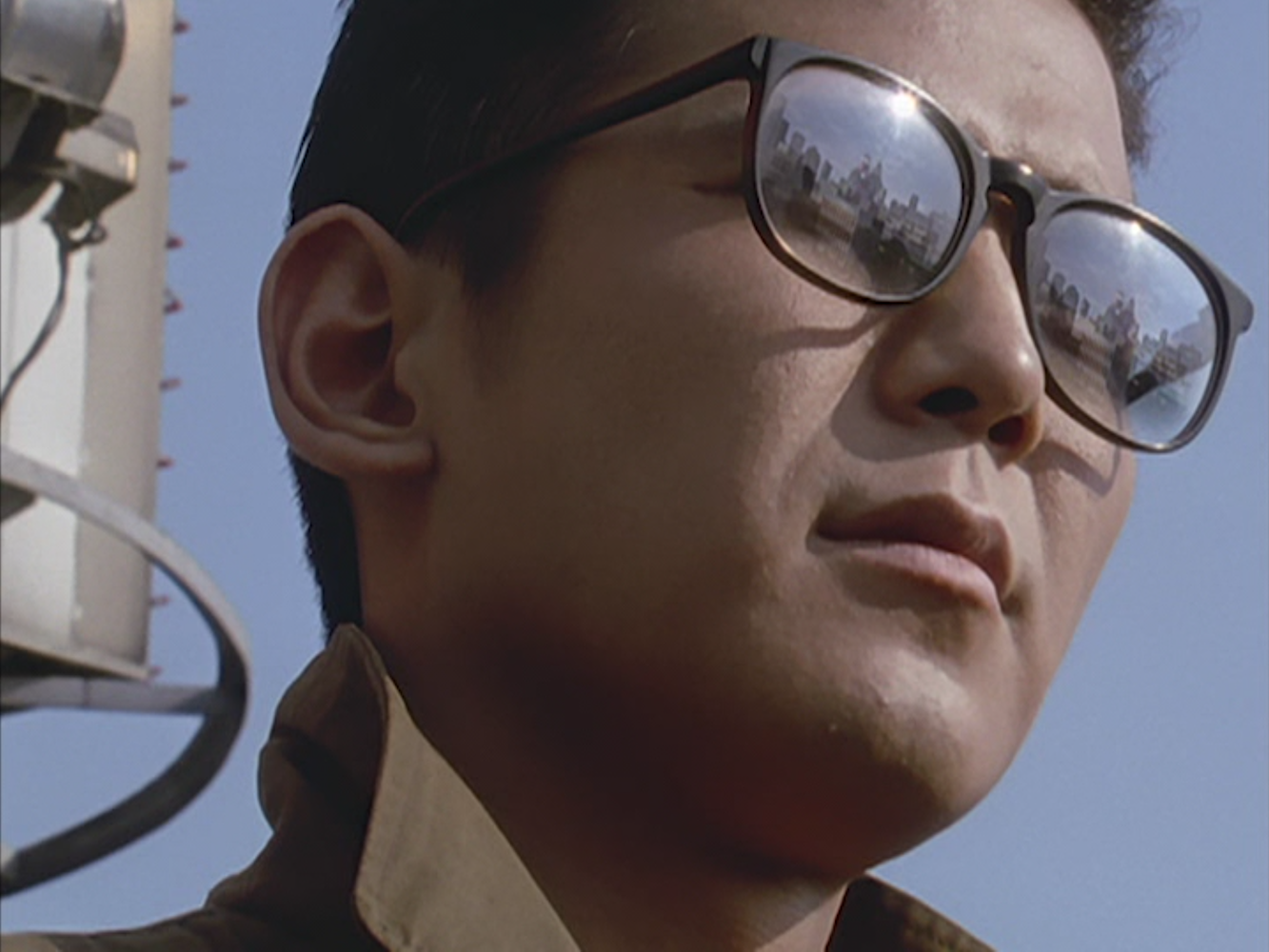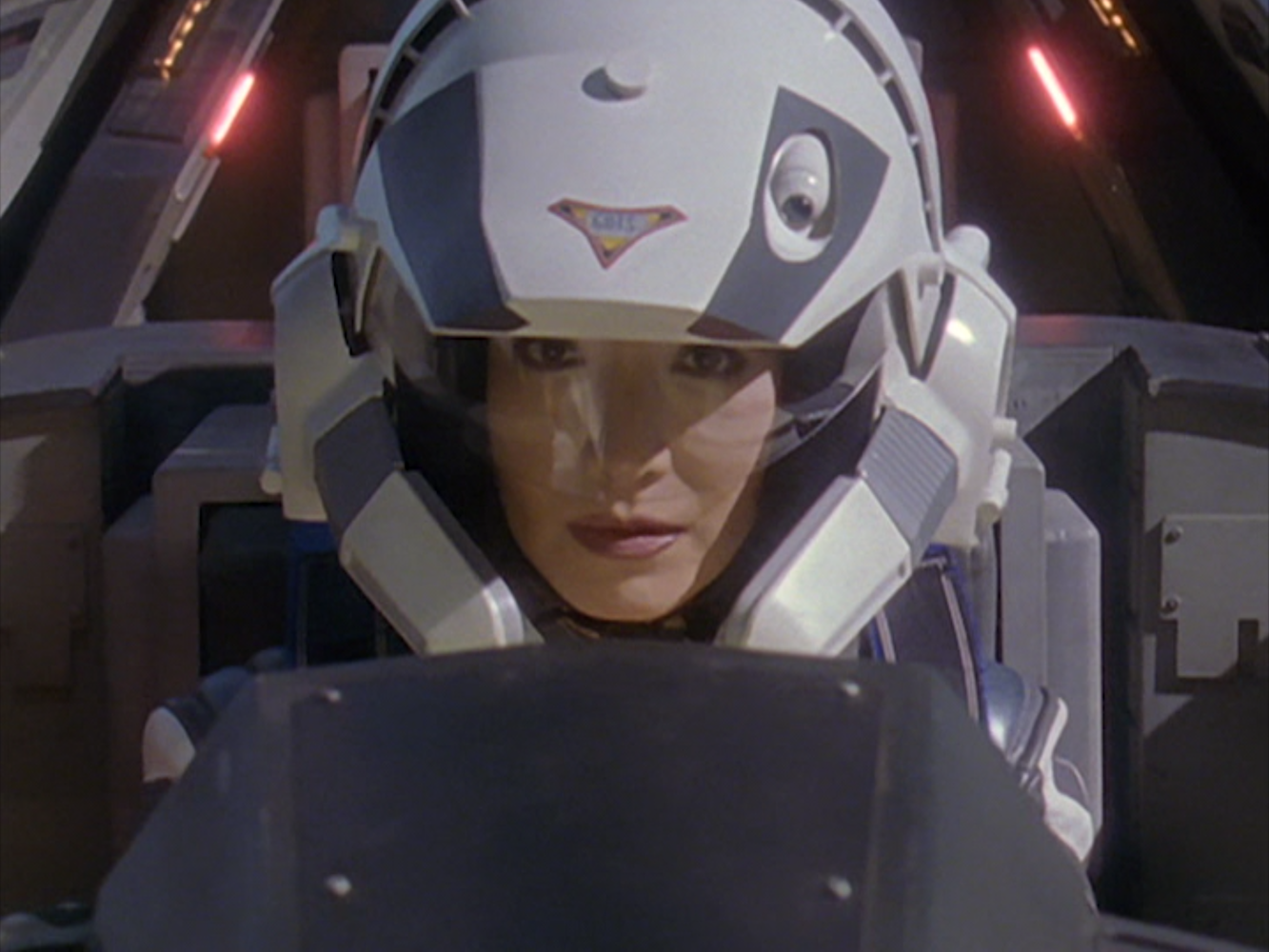
Ultraman Tiga Ep. 34: To the Farthest South

Directed by Hirochika Muraishi. Written by Chiaki J. Konaka. Airdate April 26, 1997.

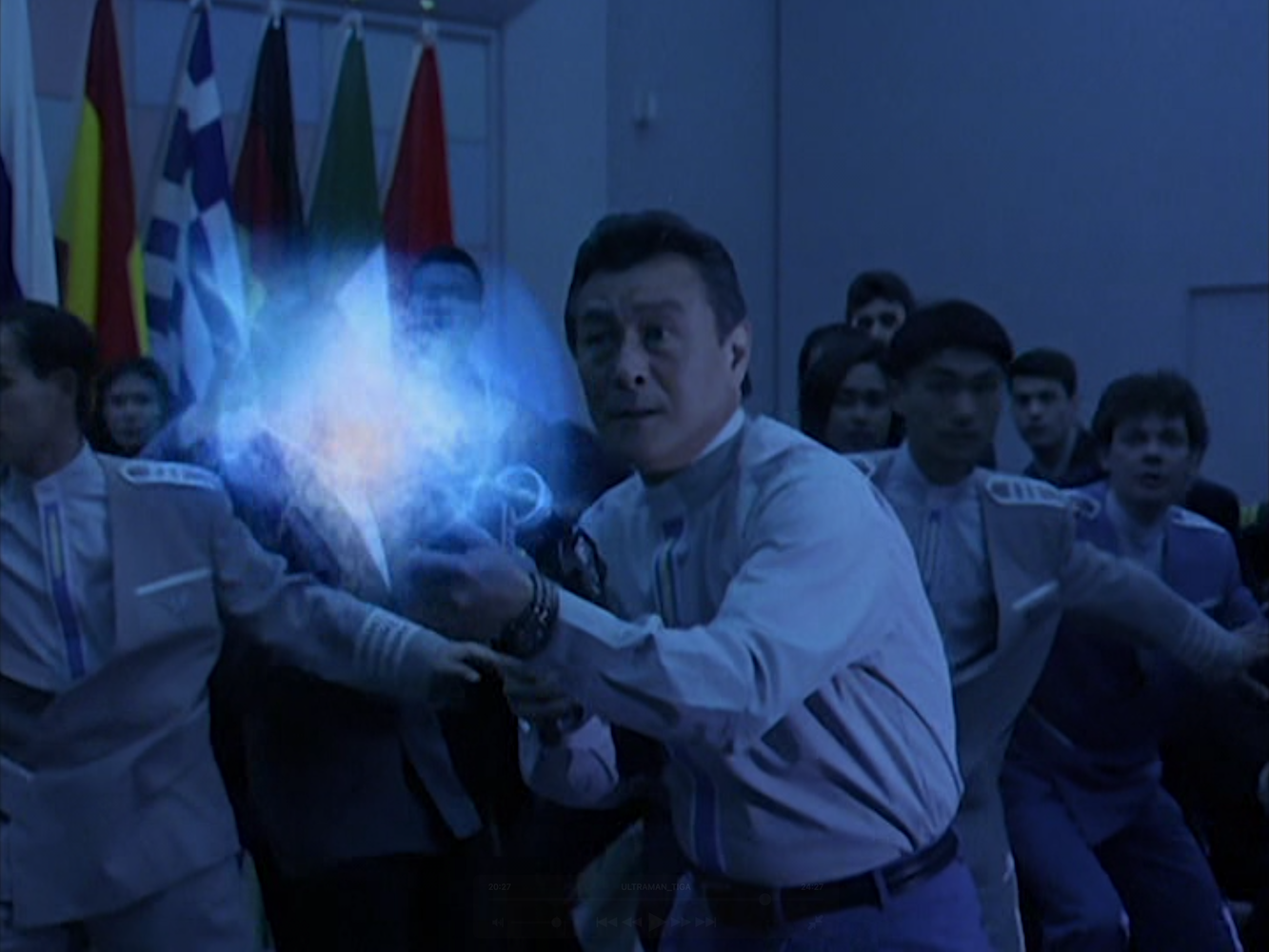
The politics and history of the Terran Peace Consortium have materialized in several Ultraman Tiga episodes so far: “The Devil’s Prophecy,” “The Day When the Monster Appeared,” and “The Battle of Zelda Point.” This is the first episode to make TPC politics its centerpiece. It foregrounds two figures who represent the opposing poles of the organization’s purpose: the dovish Commissioner Sawai (Tamio Kawachi) and the hawkish Director Yoshioka (Ken Okabe). 

Continue reading “Ultraman Tiga Ep. 34: To the Farthest South”

Ultraman Tiga Ep. 32: The Battle of Zelda Point

Directed by Tsugumi Kitaura. Written by Ai Ota. Airdate April 12, 1997.

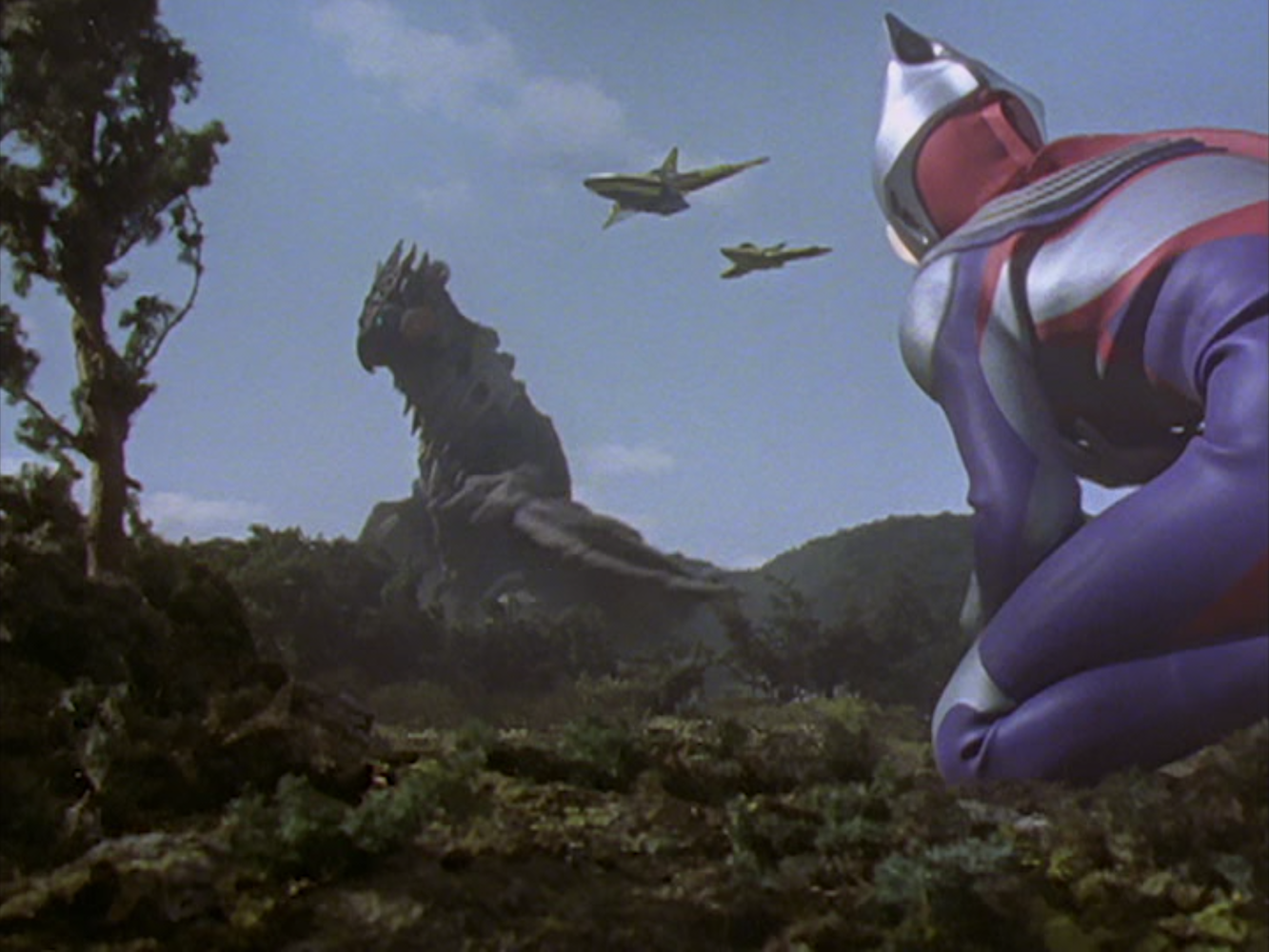
Ai Ota’s third script for Ultraman Tiga continues her style of crafting fantasy stories with childlike slants. But these are not necessarily “childish” stories. “The Battle of Zelda Point” is built on a horrible tragedy: the death of a young girl and her father’s belief that he was responsible. The episode has its bleak moments, but it also has a fairy-tale quality and a transcendent conclusion that prevent the heavy subject matter from overpowering the tone. 

Continue reading “Ultraman Tiga Ep. 32: The Battle of Zelda Point”

Ultraseven Ep. 38: The Courageous Battle

Directed by Toshihiro Iijima. Written by Mamoru Sasaki. Airdate June 23, 1968.

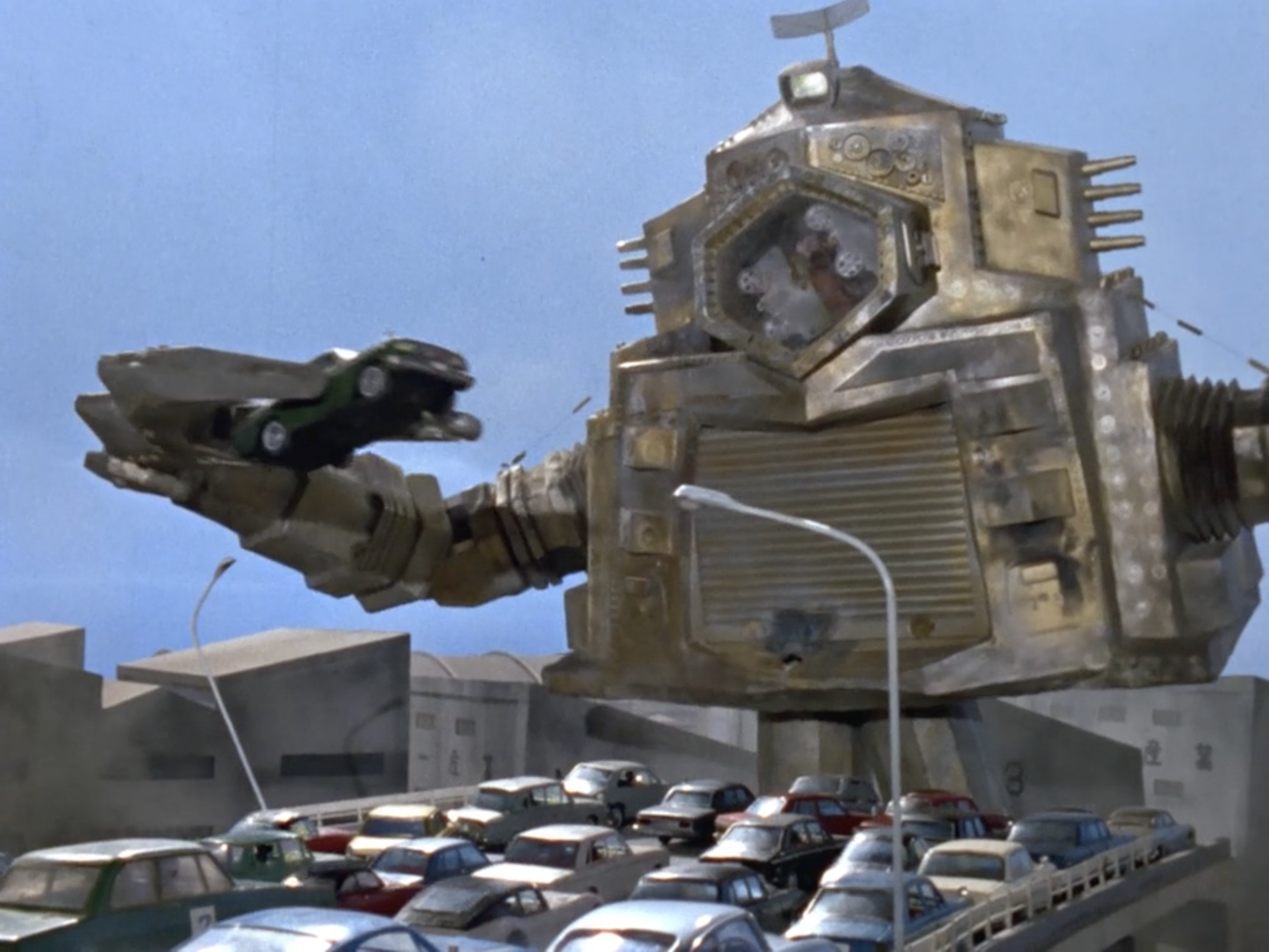
Ultraseven has the fewest kid-centered episodes of the classic-era Ultra programs. This is one of the exceptions (along with “The Eye That Shines in the Darkness”). Dan promises a boy who’s terrified about his upcoming heart surgery that he’ll be with him at the hospital during the procedure. But wouldn’t you know it: a giant alien robot starts attacking traffic jams to consume cars. That will sure cut into Dan’s free time. Dan has to go hit a home run for the kid or something.

Continue reading “Ultraseven Ep. 38: The Courageous Battle”

Ultraseven Ep. 34: The Vanishing City

Directed by Hajime Tsuburaya. Written by Tetsuo Kinjo. Airdate May 26, 1968.

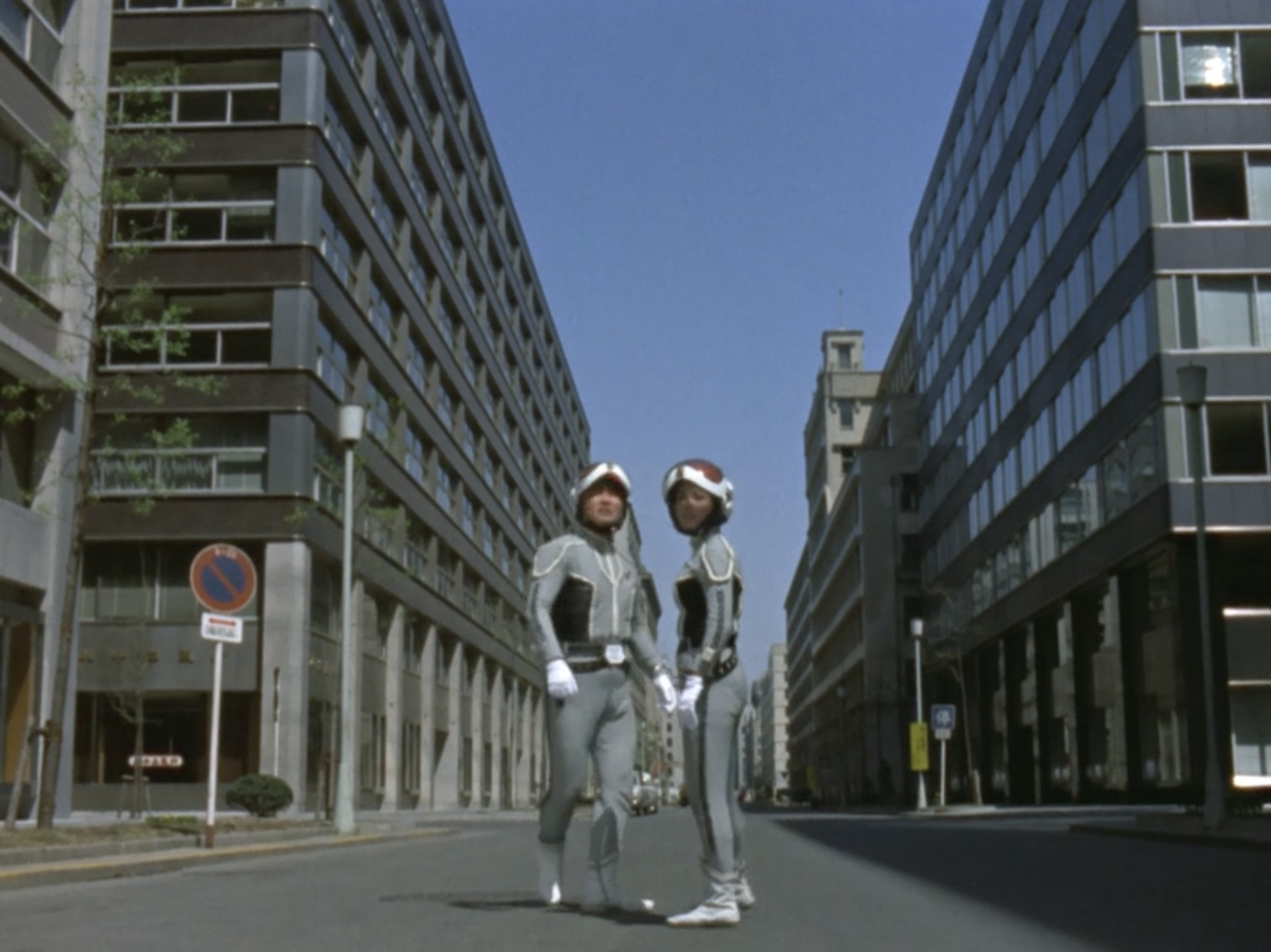
Several Ultraseven episodes have a tricky time balancing the mysterious science-fiction stories of its original premise with the spectacle of kaiju fights and space duels that viewers expect from something titled “Ultra.” Some episodes split the difference and go for mood in the first half, big action in the second. “The Vanishing City” executes one of the better mergers of Ultra Q eerie SF mystery and Ultraman supersized action. The tone of weirdness is consistent, even when the climax is Seven pursuing a roly-poly hedgehog monster through the labyrinthine streets of an empty city stolen by aliens who need real estate.

Continue reading “Ultraseven Ep. 34: The Vanishing City”

Ultraman Ep. 39: Farewell, Ultraman

Directed by Hajime Tsuburaya. Written by Tetsuo Kinjo. Airdate April 9, 1967.

Ultra Q didn’t have a conclusion and wasn’t built to have one. Ultraman, however, was designed from the start to reach a finale. It’s since become a tradition for Ultra shows to have a big close-out episode that ends the saga of the current Ultra warrior’s sojourn on Earth. “Farewell, Ultraman” is not the greatest of these finales, but the creative team gets plenty right with an epic story that gives Ultraman and the Science Special Search Party fitting conclusions. The episode also introduces one of the most spectacular continuing adversaries of the franchise, Space Dinosaur Zetton, which in no way resembles a dinosaur.

Continue reading “Ultraman Ep. 39: Farewell, Ultraman”

Ultraman Ep. 38: Spaceship Rescue Command

Directed by Hajime Tsuburaya. Written by Shozo Uehara. Airdate April 2, 1967.

Here we are, at the penultimate episode of Ultraman, and it’s enlightening to look back at the earliest episodes for comparison. At the start of the show’s run, the network and sponsor were tight with money, which kept the visual effects limited. The Tsuburaya Pro VFX team did fine work with what they had, but early episodes like “Five Seconds Before the Explosion” and “The Secret of the Miroganda” visibly suffer from the budgetary deficiency. 

Continue reading “Ultraman Ep. 38: Spaceship Rescue Command”

Ultraman Ep. 36: Don’t Shoot, Arashi!

Directed by Kazuho Mitsuta. Written by Masahiro Yamada. Airdate March 19, 1967.

Science Patrol Member Daisuke Arashi is one of the character templates of the Ultra Series: the action-oriented, shoot-first defense team member who’s always ready to rumble with the monster of the week, whether it’s a smart move or not. This archetype has shown up many times since. The action-guy In Ultraseven, Furuhashi, is even played by the same actor who plays Arashi, Sandayu Dokumamushi. Defense teams need a person like this to balance the more peaceful and utopian approach the shows often take. There has to be someone around to say, “Let’s just shoot the damn thing!” even if that tactic rarely works. And poor Arashi has so often been wrong about shooting first.

Continue reading “Ultraman Ep. 36: Don’t Shoot, Arashi!”

Ultraseven Ep. 28: The 700 Kilometer Run

Directed by Kazuho Mitsuta. Written by Shozo Uehara. Airdate April 14, 1968.

We have something special for you today, Ultra fans! My distinguished regular readers and guests, children of all ages, please direct your attention to the starting line of Day One of a 700 kilometer race. (That’s 435 miles for all my US-based readers.) I present to you … Dino Tank!

Continue reading “Ultraseven Ep. 28: The 700 Kilometer Run”

Ultraman Tiga Ep. 21: Deban’s Turn

Directed by Tsugumi Kitaura. Written by Ai Ota. Airdate Jan. 25, 1997.

Are you ready for a “cute mascot monster” episode? The same way that many Ultra shows seek their own version of Ultraman’s “My Home Is Earth,” they also try to come up with their own “Kanegon’s Cocoon” or “A Little Hero.” How well does “Deban’s Turn” meet the goals of the cute monster tale? Extremely well. Deban doesn’t reach the heights of Kanegon or Pigmon, or even Hanejiro from Ultraman Dyna. But this story of a monster who finds acceptance among a troupe of clowns and can defeat the rage powers of a demon beast is charming and heartwarming. 

Continue reading “Ultraman Tiga Ep. 21: Deban’s Turn”

Ultraman Ep. 28: Human Specimens 5 & 6

Directed by Samaji Nonagase. Written by Masahiro Yamada. Airdate Jan. 22, 1967.

Samaji Nonagase was one of the more prolific early Ultra directors. While he doesn’t receive as much attention as fan-favorite directors Akio Jissoji and Kazuho Mitsuta, he helmed several classic episodes: “Kanegon’s Cocoon” (Ultra Q), “The Monster Anarchy Zone” (Ultraman), and “The Secret of the Lake” (Ultraseven). He also wrote scripts under the pen name Ryu Minamikawa. He was fascinated by Alfred Hitchcock and liked to add gradually building tension to some of his episodes, such as the home-invasion story of “Project Blue.” “Human Specimen 5 & 6” is Nonagase’s best exploration of the suspense-centered story, and it helped to establish the future tone of Ultraseven and its parade of weird, crafty alien invaders.

Continue reading “Ultraman Ep. 28: Human Specimens 5 & 6”