Ultraman Ginga S Ep. 15: Adventure Called Life

Directed by Koichi Sakamoto. Written by Hirotoshi Kobayashi. Airdate Dec. 19, 2013.

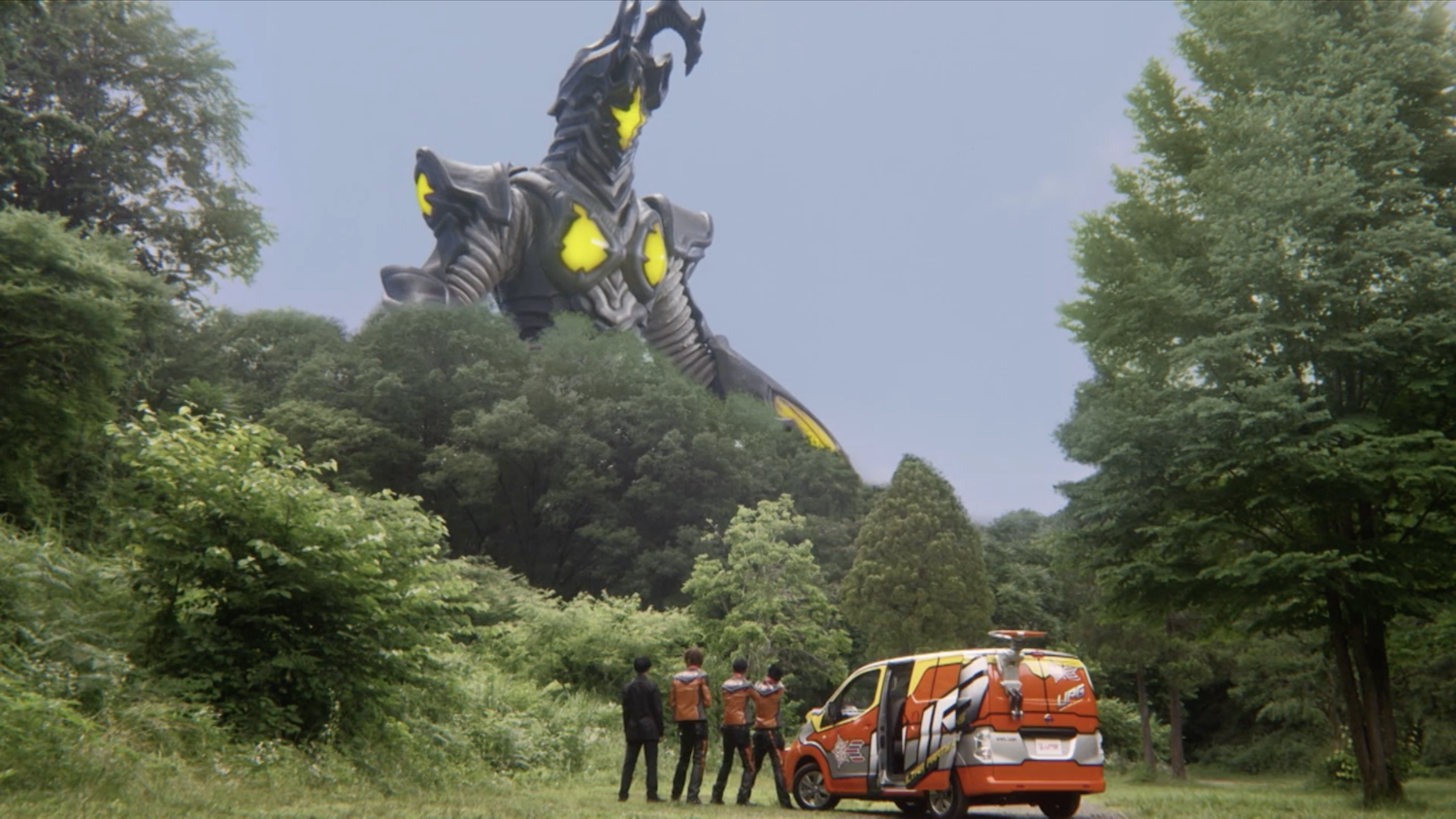
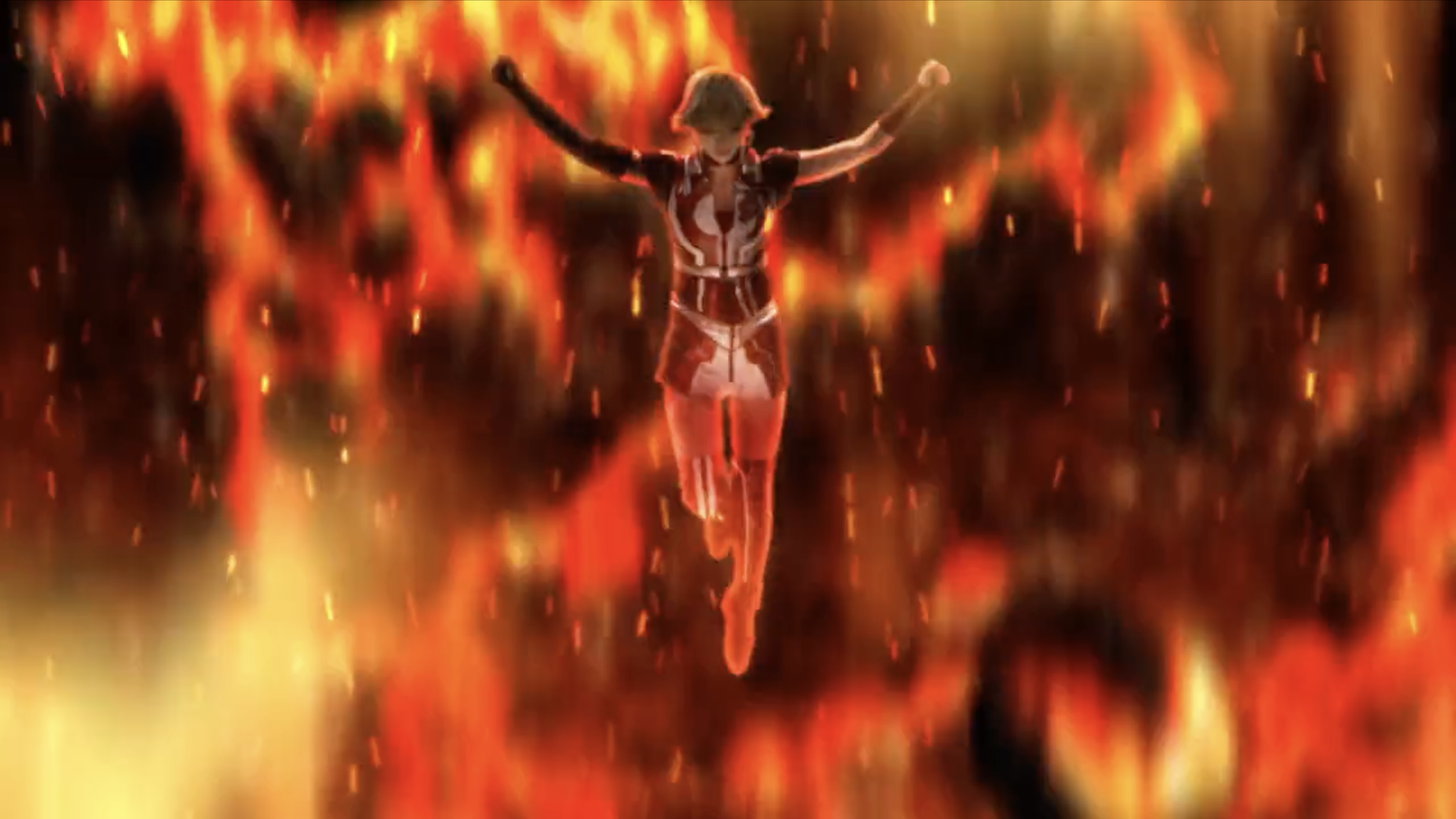
We launch into the final two episodes of Ultraman Ginga S with the biggest action spectacle yet in the New Generation Heroes era. Ultraman Ginga and Ultraman Victory, their abilities to transform almost depleted, take on “Vict Lugiel,” Alien Chibull’s monstrous tool created from Dark Lugiel’s body. Their big-city battle looks like it cost more than the entire budget of the first season.

Continue reading “Ultraman Ginga S Ep. 15: Adventure Called Life” →
Return of Ultraman Ep. 2: Takkong’s Great Counterattack

Directed by Ishiro Honda. Written by Shozo Uehara. Airdate April 9, 1971.

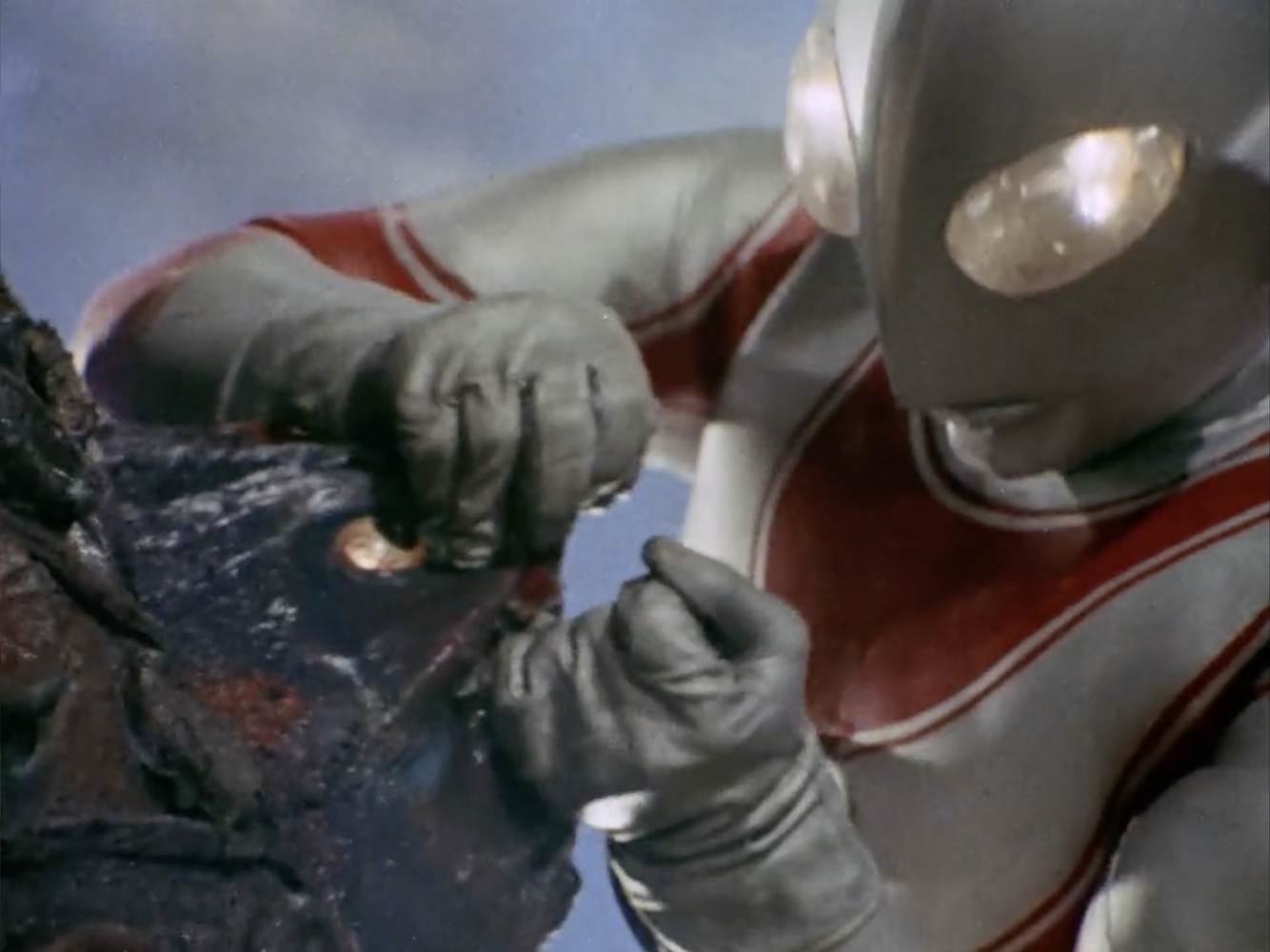
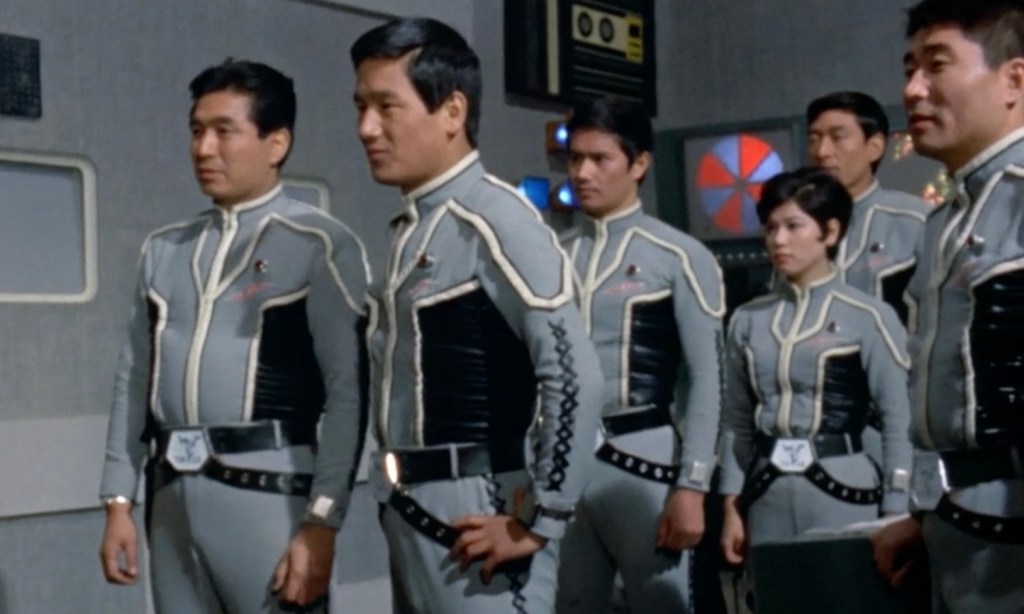
This is excellent follow-up to the premiere episode does exactly what’s necessary to deepen the show’s dramatic approach: it gives its new hero the space to completely fail. As a neophyte member of MAT and a man with no high-tech monster-fighting combat experience, Hideki Go ought to take time to ease into his new duties and learn from his captain and comrades. Instead, Go’s enhanced Ultra abilities (even when in human form) drive him to hubris and foolhardiness that endanger others and temporarily get him fired. Fired from MAT by Captain Kato and fired by Ultraman, who refuses to let Go transform. 

Continue reading “Return of Ultraman Ep. 2: Takkong’s Great Counterattack” →

Ultraman Ginga S Ep. 14: Resurrection of Lugiel

Directed by Kazuya Konaka. Written by Yuji Kobayashi. Airdate Dec. 9, 2013.

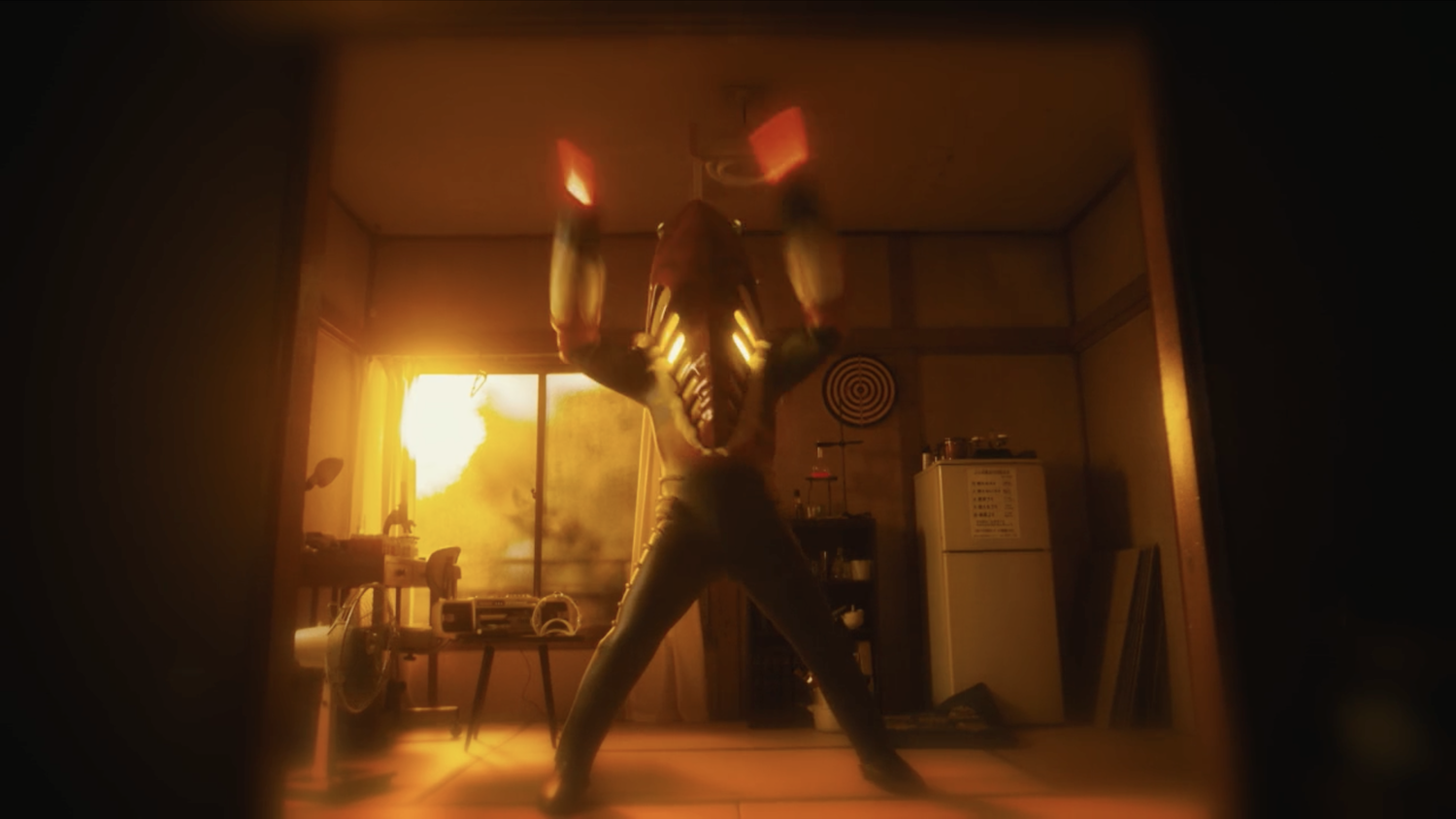
As the title proclaims (spoilers, Tsuburaya Pro!), this is the episode where Alien Chibull has finally collected enough Victorium to resurrect the body of Dark Lugiel. Except the episode isn’t about that until the coda. This is really the “Resurrection of Zetton,” a classic kaiju trotted out as a stopgap measure so the show can do a rehash of several earlier scenes and conflicts before moving into its finale. It’s moderately exciting — Zetton, even as a plot device, is a fun adversary — but most of it is jogging in place. 

Continue reading “Ultraman Ginga S Ep. 14: Resurrection of Lugiel” →

Return of Ultraman Ep. 1: All Monsters Attack

Directed by Ishiro Honda. Written by Shozo Uehara. Airdate April 2, 1971.

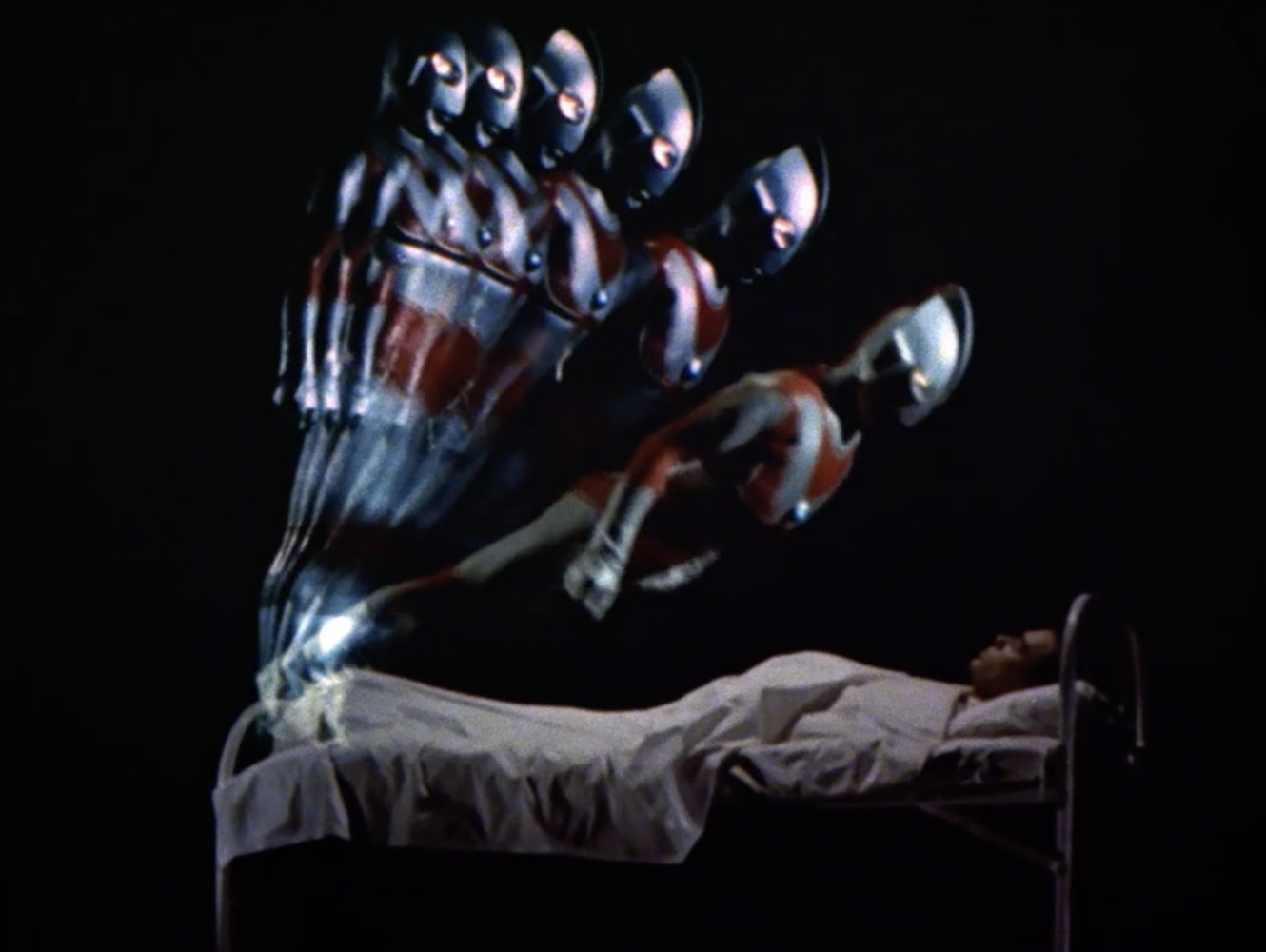
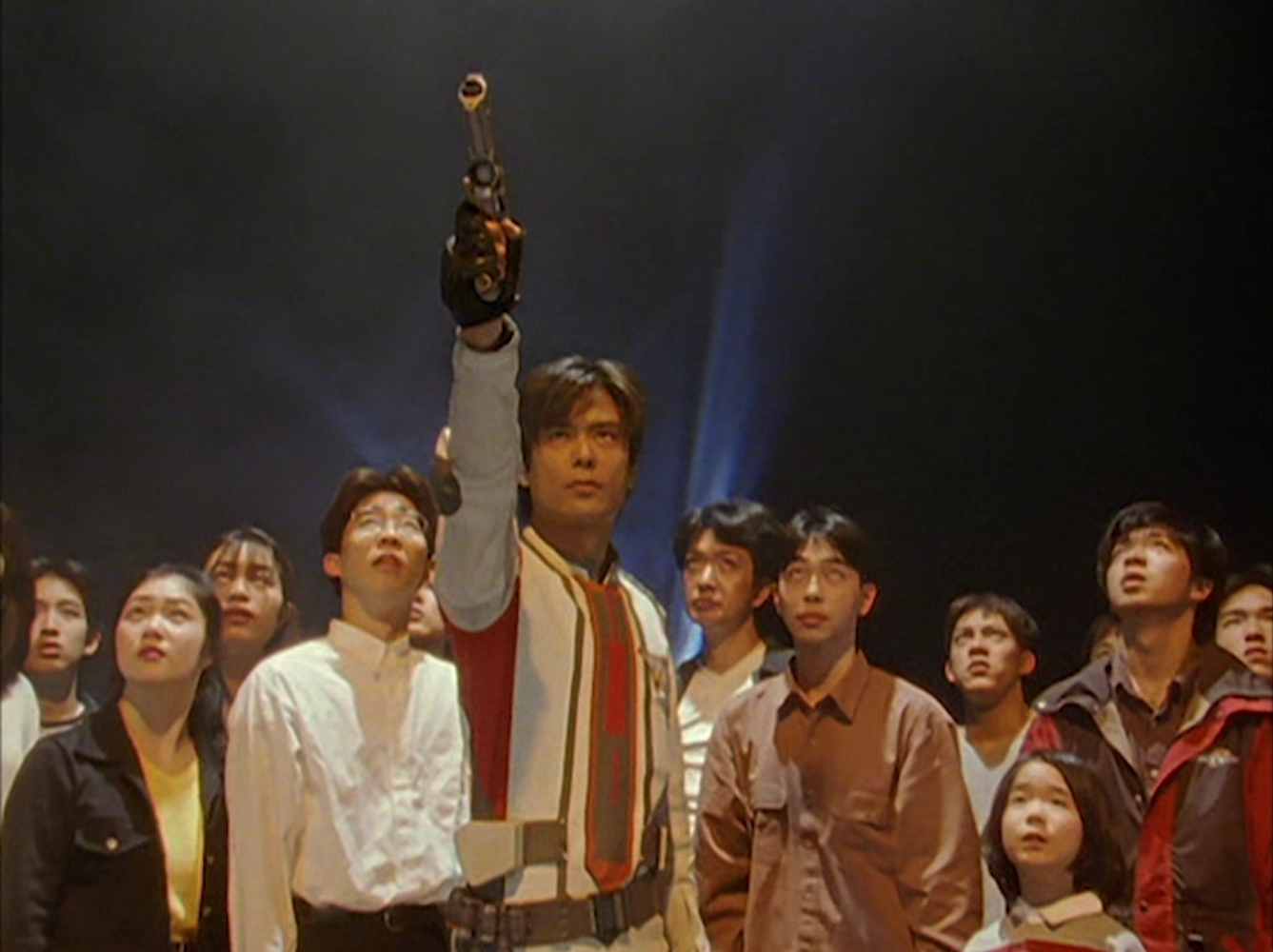
Return of Ultraman explodes onto the scene with one of the best premiere episodes of the Showa era — and possibly of the entire franchise. The episode covers all the necessary setup for a debut: it establishes the defense team, introduces the hero, merges the hero with an Ultra, stages a big kaiju fight, has the hero join the defense team, and generally defines its world. The episode accomplishes all this with a natural flow that never seems rushed or overstuffed. It also features terrific action and a complete emotional journey for its new hero, Hideki Go, race car driver and soon-to-be member of the defense team, establishing the show’s slant toward human drama. 

Continue reading “Return of Ultraman Ep. 1: All Monsters Attack” →

Return of Ultraman: An Introduction

Eiji Tsuburaya intended to conclude the Ultra Series with Ultraseven. Tsuburaya Productions moved on to new science fiction and fantasy programs, such as Mighty Jack and Operation Mystery. These shows were popular with critics but drew smaller audiences than the Ultra trilogy. Eiji Tsuburaya began developing a concept for a new Ultraman show, sketching an outline for a program titled Return of Ultraman. 

Continue reading “Return of Ultraman: An Introduction” →

Ultraman Ginga S Ep. 13: Split! UPG

Directed by Kazuya Konaka. Written by Aya Takei. Airdate Dec. 2, 2013.

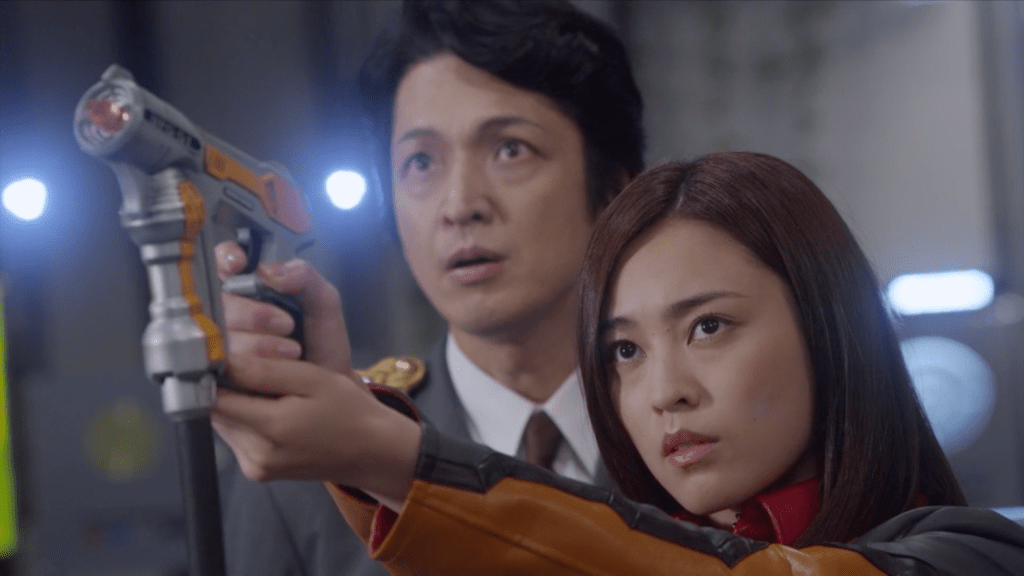
After two episodes of nutty, wonderful fun, Ultraman Ginga S switches to a story about UPG politics to set up the final stretch of episodes. The Defense Organization governing the UPG steps in to seize control of operations. They kick out all the members (with one important exception) and escalate UPG’s anti-alien measures by unleashing a secret weapon that’s been in the base the whole time: a Victorium-powered laser cannon.

Continue reading “Ultraman Ginga S Ep. 13: Split! UPG” →

Ultraman Tiga Ep. 42: The City Where the Girl Disappeared

Directed by Tsugumi Kitaura. Written by Keiichi Hasegawa. Airdate June 21, 1997.

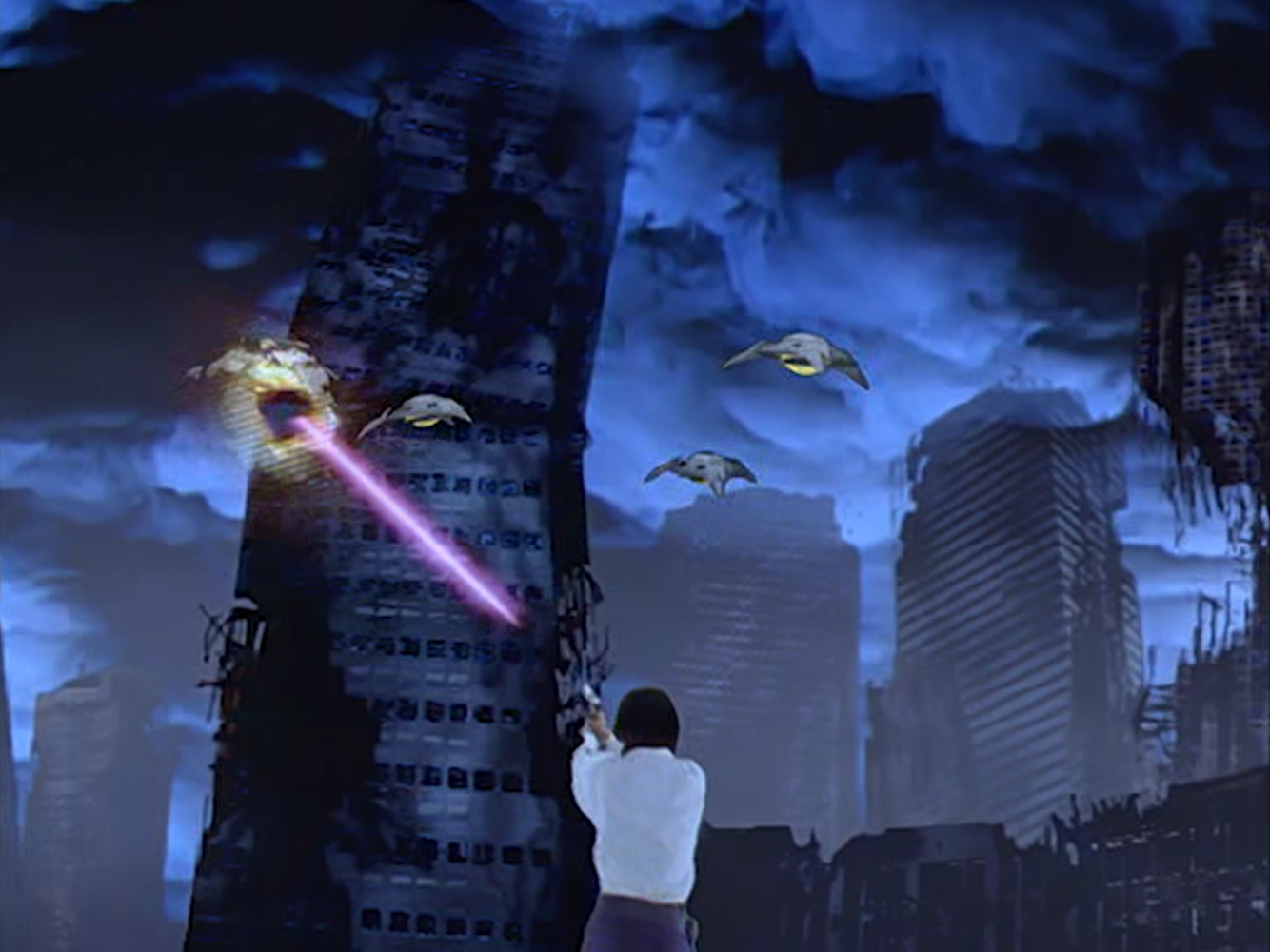
The digital effects in Ultraman Tiga are one of its major flaws. They hit their nadir in this episode, where they account for around 90% of the visual effects, leaving only a fraction for old-fashioned suitmation action in the finale, where Tiga takes on the giant robot form of an artificial intelligence called, no kidding, “Karen.”

Continue reading “Ultraman Tiga Ep. 42: The City Where the Girl Disappeared” →

Ultraman Ginga S Ep. 12: To Meet You

Directed by Kiyotaka Taguchi. Written by Sotaro Hayashi. Airdate Nov. 25, 2013.

Ultraman Ginga S follows an excellent standalone episode driven by bizarre comedy and a sweet story with … another excellent standalone episode, one that pokes into the weird corners of Ultra history while also telling a sweet story. I’m not certain what was happening in the show’s creative department that led to this explosion of terrific episodes honoring the finest Showa-era programs. But I’m thrilled it happened. Kiyotaka Taguchi directed both episodes, and he clearly wanted to honor the legacy of the franchise.

Continue reading “Ultraman Ginga S Ep. 12: To Meet You” →

Ultraman Tiga Ep. 41: A Friend From Space

Directed by Tsugumi Kitaura. Written by Ai Ota. Airdate June 14, 1997.

The fourth and final Ultraman Tiga script from Ai Ota. Her previous episodes show her talent for stories with fairy-tale and fantasy slants, similar to Ultraman Taro but without the Showa-era crackpot absurdity. “Deban’s Turn” is a delightful children’s story, while “The Battle of Zelda Point” takes a sombrous approach to what could have been a simple girl-and-her-pet fable. Good stuff, and Ota would continue to write other enjoyable scripts for future Heisei Ultra shows. 

Continue reading “Ultraman Tiga Ep. 41: A Friend From Space” →