Directed by Kiyotaka Taguchi. Written by Sotaro Hayashi. Airdate Nov. 25, 2013.
Ultraman Ginga S follows an excellent standalone episode driven by bizarre comedy and a sweet story with … another excellent standalone episode, one that pokes into the weird corners of Ultra history while also telling a sweet story. I’m not certain what was happening in the show’s creative department that led to this explosion of terrific episodes honoring the finest Showa-era programs. But I’m thrilled it happened. Kiyotaka Taguchi directed both episodes, and he clearly wanted to honor the legacy of the franchise.
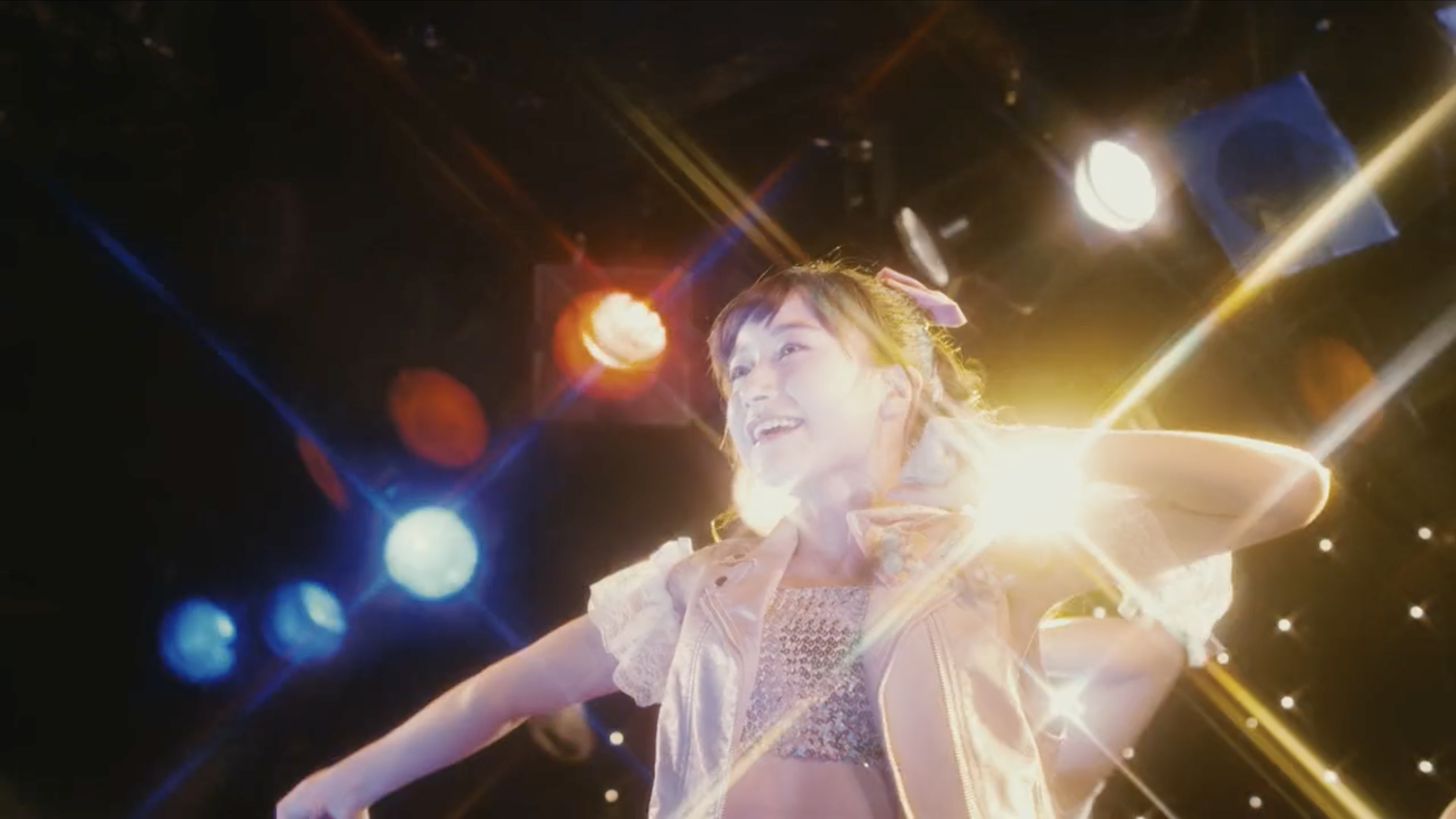
Chigusa Kuno (Kiara), one of the leads of Ultraman Ginga, gets her guest-star opportunity. When we last saw Chigusa, she was chasing her dream of becoming a pop idol. In the time gap between Ginga and Ginga S, she achieved that dream. She’s drawing huge crowds and topping the charts with a song about Ultraman Ginga — which is actually just the theme song from the previous show. It’s a good theme, so I’m not complaining.
UPG agent Gouki, of all people, is a huge Chigusa stan. When the singer comes to town, Gouki convinces Hikaru and Arisa to swing by one of her rehearsal shows during a regular UPG patrol. It’s odd that Hikaru, one of Chigusa’s closest friends, isn’t the one who recommends visiting her, but it’s fun to see the usually stiff Gouki go fan-brained. It recalls Horii’s fandom for Maya Cruz in “Memory of a Pale Night.”
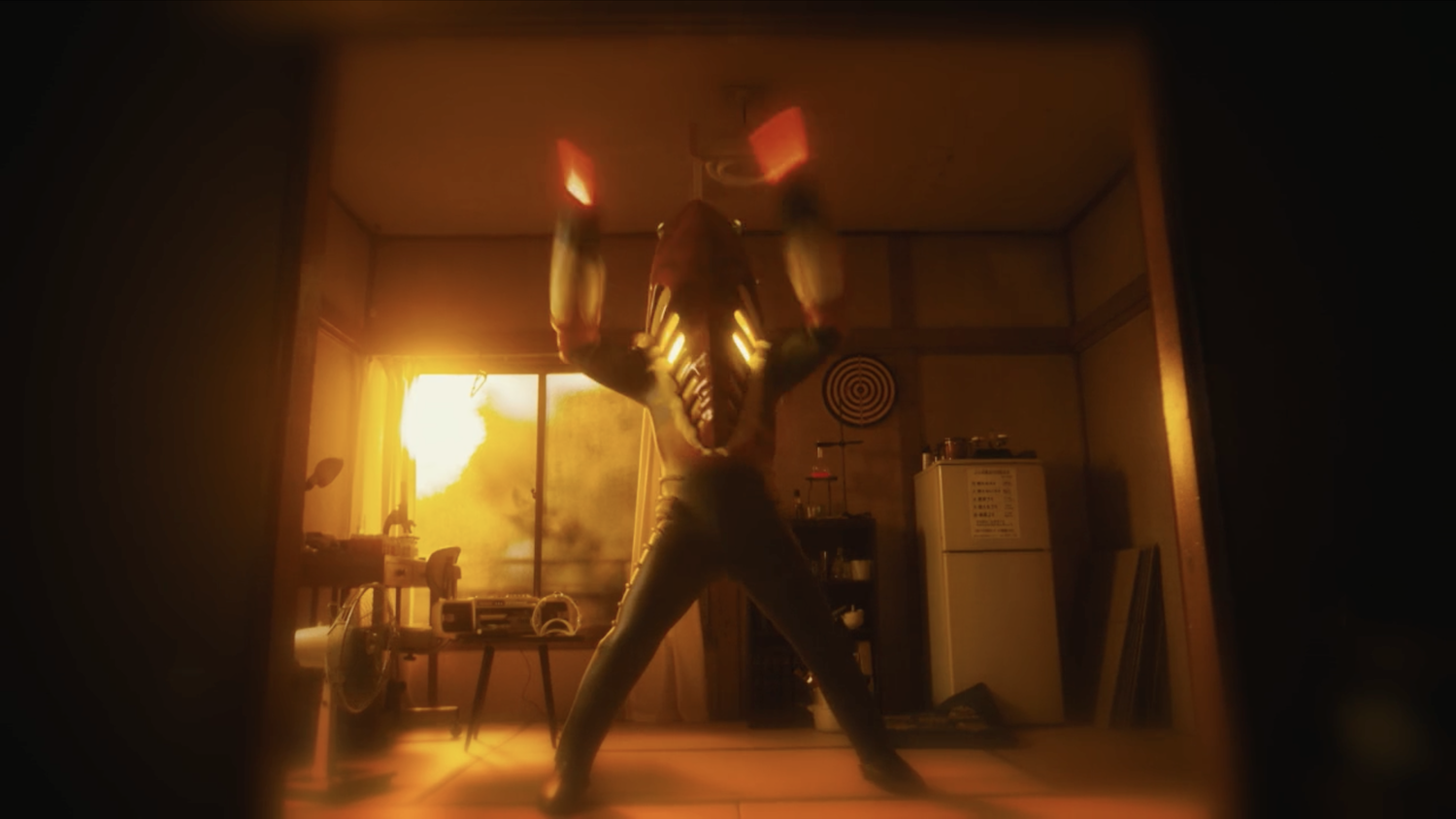
Chigusa may be the episode’s prominent guest star, but she isn’t the main character. The protagonist is Tamba, “Mr. Tambourine” (Kohei Shiotsuka), the enthusiastic leader of Chigusa’s fan club. Tamba is actually Alien Metron in disguise. The alien arrived on Earth a year ago as part of a scheme to use the musical idol phenomenon to erode humans’ faith in one another. His plan involves creating a set of special lights for Chigusa’s concerts that will turn her fans violent.
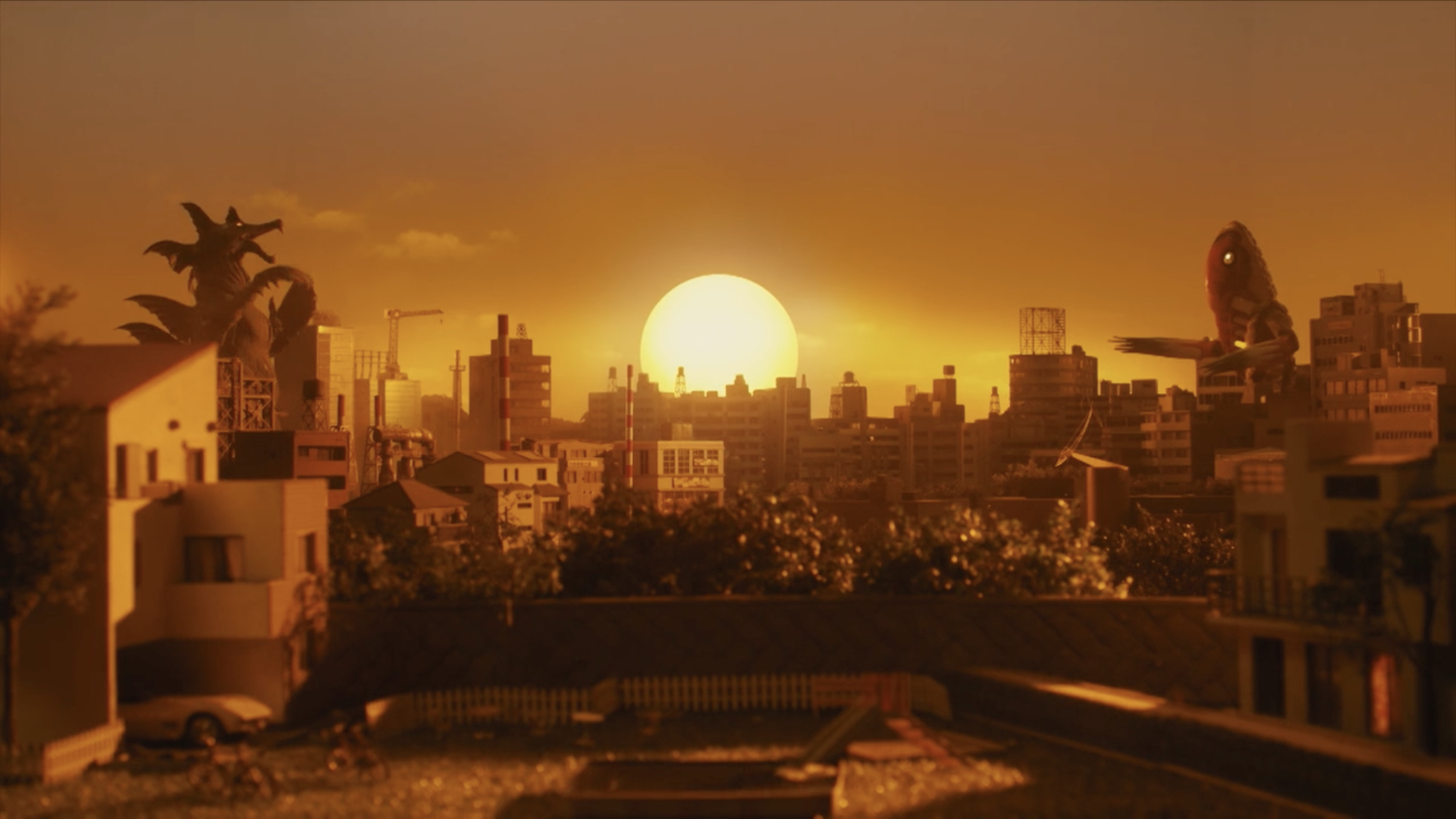
Alien Metron’s appearance here and his devious scheme are nods to the influential Ultraseven episode “The Marked Town,” where Alien Metron uses toxic cigarettes to make humans fly into berserk rages. “To Meet You” uses that episode’s famous crepuscular palette to push the homage further.
However, “To Meet You” isn’t a rote copy of “The Marked Town” looking for an easy nostalgia hit. Instead, it inverts the original and does something fresh.
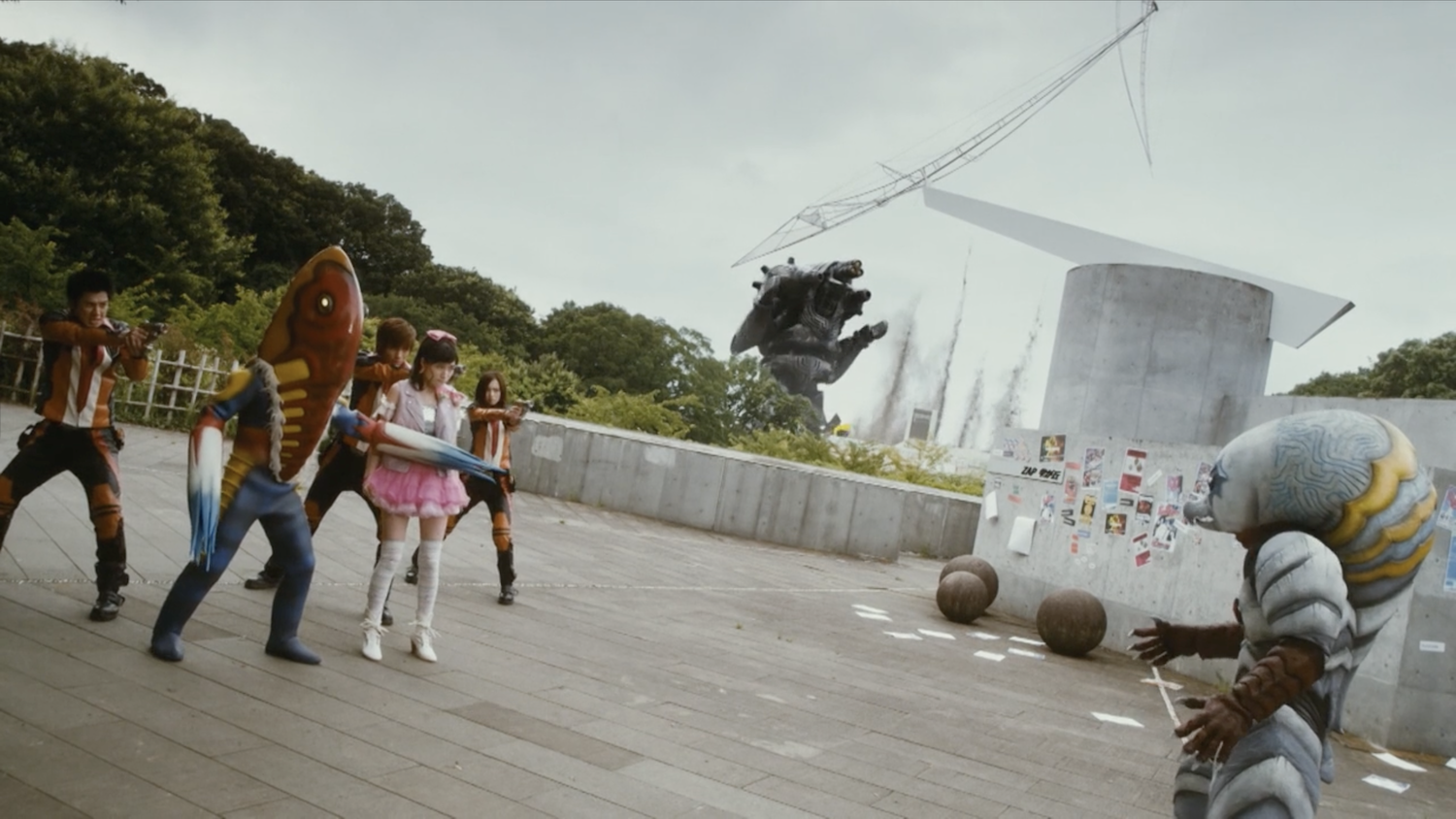
Alien Metron’s scheme fails. The joy of the music and people celebrating together overcomes the deadly lights, and then it overcomes Alien Metron. He ditches his conquest plans and becomes Tamba, Chigusa’s biggest fan. When Alien Guts tries to kidnap Chigusa while hunting for a new vein of Victorium, Tamba/Metron comes to her defense. He eventually joins forces with Ultraman Ginga and Ultraman Victory to stop Alien Guts’s next kaiju weapon, fish monster Muruichi.
Tamba’s musical captivation has hints of cultish fervor. Tamba says he was “taken in” by the J-pop scene, like a type of mass hysteria. Arisa throws cold water on the obsessions that drive the idol phenomenon, calling it “a world beyond my understanding.” Her ambivalence makes sense: J-pop idol culture is controversial, and the system is notorious for its alleged abuses and exploitation of its artists. But in a science-fiction television show aimed at younger viewers who likely have their own favorite pop idols, I’m not expecting deep criticism of the J-pop world. This is Ultraman Ginga S, not Satoshi Kon’s Perfect Blue.
The first two-thirds of the episode contain plenty of treats beyond the fun story and music. Ultraman Victory fights an Imperializer in a scene with numerous shots reflected off the sides of buildings. Chigusa passionately tells the despondent Alien Metron how much his love for her music means to her as she chases the UPG car that’s taking him away. Alien Guts turns into a full comedy villain who’s just so darn irritated with the heroes: “Your straightforwardness bores me!” “All of you have standard lines!”
The only downside is due to budget limitations. Chigusa’s pop performances are rehearsals that take place in a private club exclusively for her fan club — because that saves money compared to staging a full concert. A few dozen extras in a basement, that’s all Chigusa gets.
Then, to my great surprise (even on rewatch), the finale explodes with the best kaiju fight yet in the New Generation Heroes era. The battle of the two Ultra warriors and Alien Metron against Muruichi is a massive thrill, with superb choreography, cinematography, and miniature effects. It’s actually a double homage to classic shows. The sunset backdrop and initial staging are drawn from “The Marked Town.” The single long-take clash with Muruichi comes from Return of Ultraman’s beloved episode “The Monster Tamer and the Boy,” where Muruichi debuted.
The big fight eventually swings into the sublimely ridiculous, and I love it. It’s a great culmination of Tamba/Metron’s character arc, and it draws Chigusa’s pop star career back to center stage after she was briefly sidelined. The coda is goofy as well, but perfectly sweet: music as a unifier that helps people realize the best parts of themselves. “As long as you share a fascination, it doesn’t matter who you are,” Hikaru observes as Alien Metron shakes it on the dance floor while nobody minds that a crazy-looking alien is among them.
Even as someone with no interest in J-pop, Chigusa’s version of the Ultraman Ginga theme really grew on me, so it works great as a closing. No alien invader can overcome the energy of a really fun dance party. This optimism mixed with absurdity reminds me why I love the Ultra series.
Rating: Classic
Previous: Gan-Q’s Tears
Next: Split! UPG