Directed by Kazuho Mitsuta. Written by Tetsuo Kinjo. Airdate Sep. 1 & 8, 1968.
For the 50th anniversary of the Ultra Series in 2016, the Japan Broadcasting Corporation (NHK) polled fans on their favorite episodes. The winner: “The Biggest Invasion in History, Part 2.” No surprise. Few fans would say this is anything less than the best finale of any Ultra show.
Are these my favorite episodes? Maybe not — there are several contenders for that honor. But … by the Star of Ultra, this is everything you want in a series finale. The stakes are tremendous, both for Dan personally and for the whole world. It features one of the most famous single scenes in Japanese TV history. The kaiju is terrific, the fights are awesome, the spectacle is titanic. Things blow up — oh boy, do things blow up. All the recurring cast members make appearances (hi, Kenji Sahara!). The story weaves together the drama of the entire run into a powerful farewell message. And it leaves viewers with a wistful sense of having experienced something truly special — not just in these episodes, but in all of Ultraseven.
Before the titular invasion begins, we find our hero, Dan Moroboshi, facing a crisis. He’s feeling extremely ill and weakened. He can’t sleep, and his professional skills have declined to almost nothing. He tries to hide his condition from the rest of the Ultra Guard, which nearly leads him into a fatal mistake as he and Kurata (Kiriyama’s TPC pal from Space Station V3, making his third appearance) are aerially pursuing a UFO.

Dan learns what’s happening when he has a vision of his Ultra superior from his homeworld in Nebula M78. His chief informs him that he’s suffered too many injuries as Ultraseven. He must return to his home. He barely has the energy left to transform into Seven again and may die if he attempts it.
The timing is not good because it looks as if an enormous alien invasion is ramping up. Dan risks destroying himself if he attempts to help the Ultra Guard as they face the threat from Alien Ghose, a race with the potential to destroy all human life on Earth with their underground missiles.
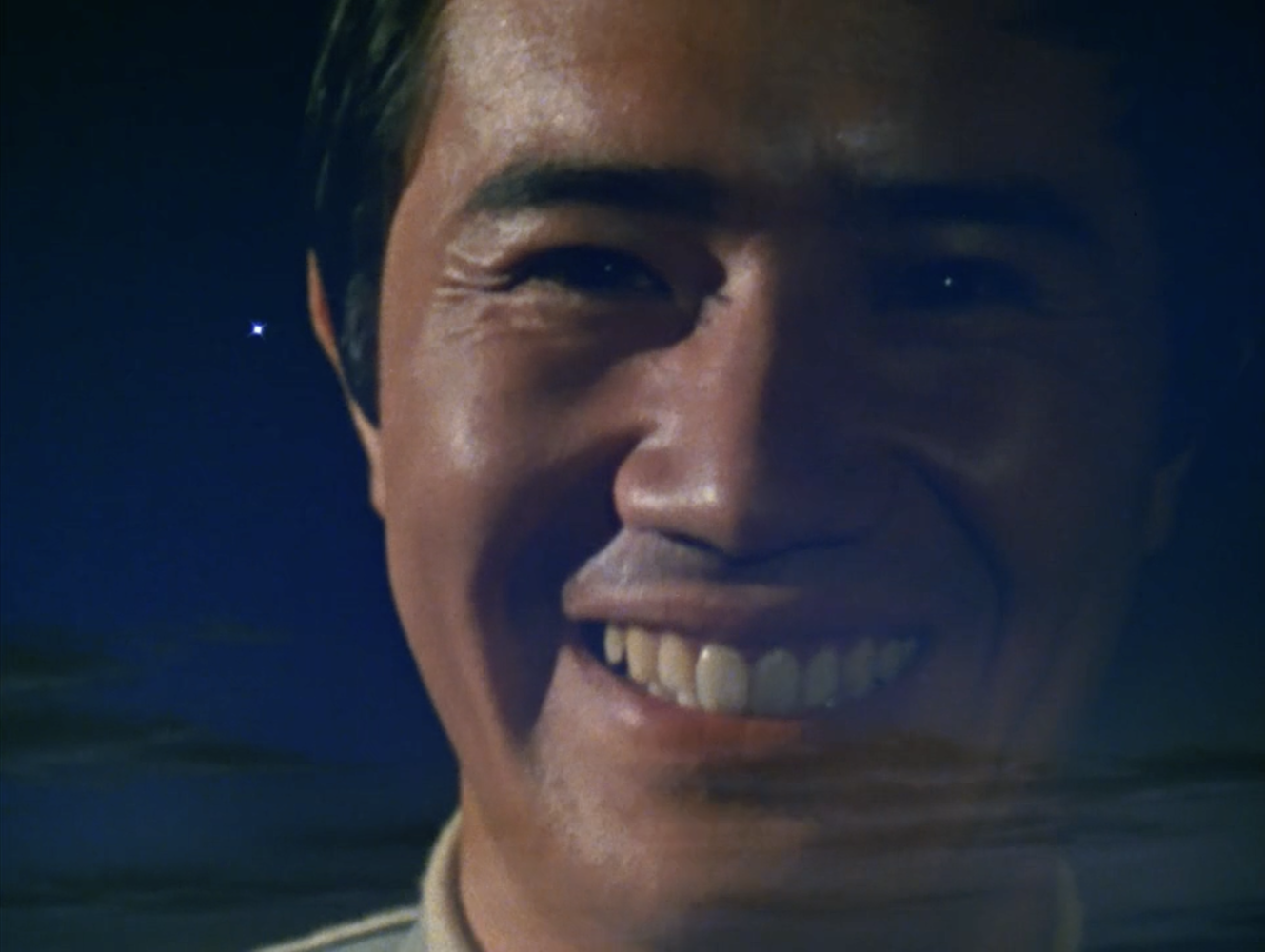
Part 1 mostly deals with Dan’s personal danger, although it does conclude with a fight against Alien Ghose’s attack kaiju, the fantastic and fierce two-headed monster Pandon. It’s strong work from actor Kohji Moritsugu, who makes Dan feel desperate and genuinely close to death. The inclusion of Kurata creates more friction, since he lacks the rest of the Ultra Guard’s attachment to their comrade and is able to accuse Dan of incompetence and even desertion.
With the core drama laid down, Part 2 ramps up the invasion to epic levels for the blowout. The title of these episodes is not hyperbole. Alien Ghose aren’t into half-measures; no alien invasion of this scope and ferocity has been seen before or since in the franchise. The episode’s death toll is easily in the millions. The damage Alien Ghose inflict on Earth is so catastrophic (we lose a few Alpha World Cities…) that it’s difficult to believe the sequel shows, starting with Return of Ultraman, could be taking place in the same timeline.

Director Kazuho Mitsuta and writer Tetsuo Kinjo put all they had into making this a superlative exit for the show. Along with the massive explosive mayhem of Alien Ghose’s attack (some of which was achieved through footage borrowed from Toho’s 1961 film The Last War), the story explores Dan’s dedication to protecting Earth, his deeper relationship to Anne, and the Ultra Guard coming through in a unified front with all their resources (i.e., cool vehicles) put into action. The double finale of a race against the clock and a last showdown with Pandon is perfectly constructed on the page and screen to give audiences the most exciting and emotional payoff possible. Again, the word “biggest” is appropriate here.
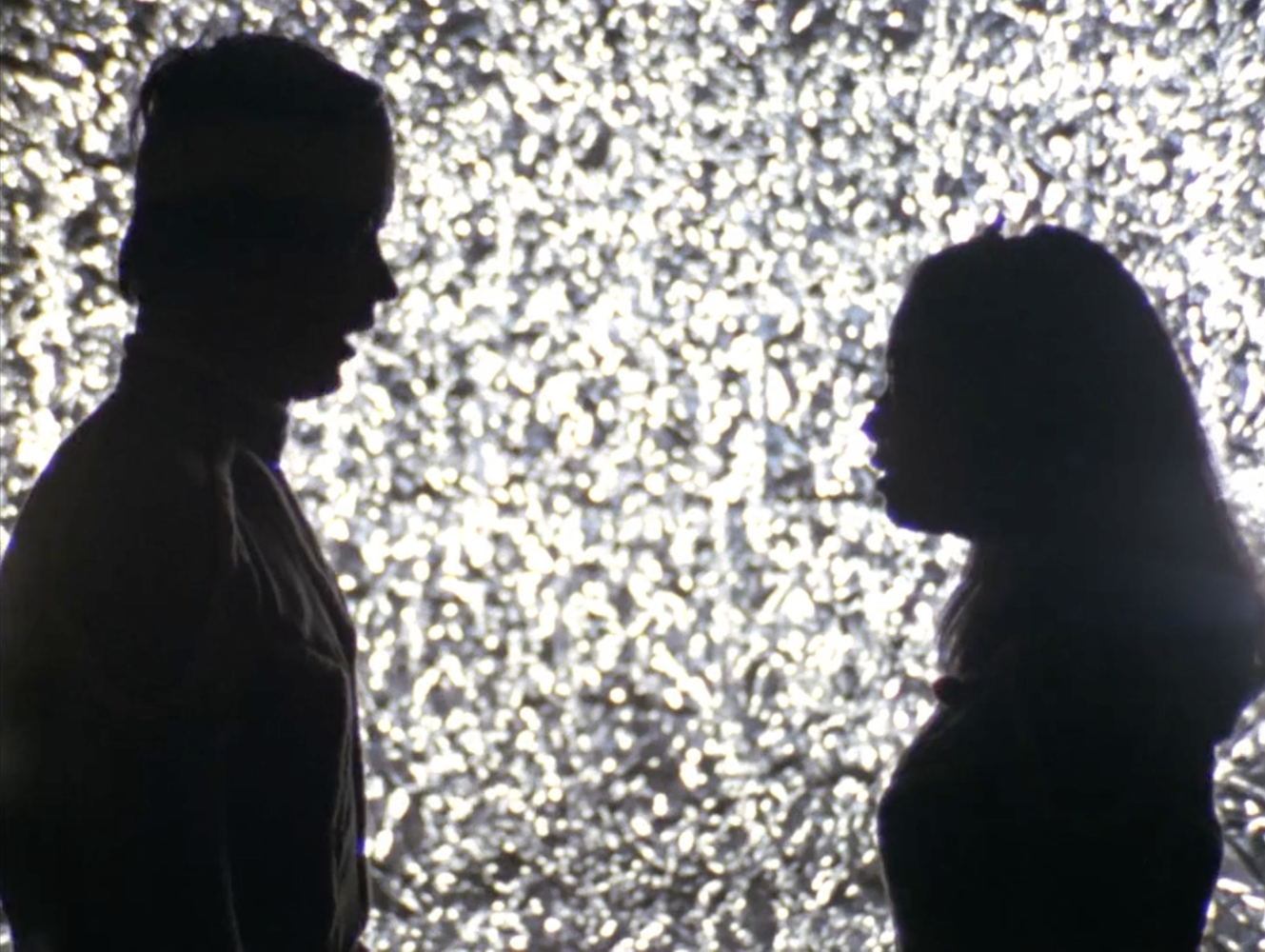
Amidst all this is one of the best-remembered visuals in Japanese television. Dan and Anne finally have the talk, and the background changes to a captivating wall of flashing light, and the music switches to Schumann’s Piano Concerto in A Minor. It’s a brief scene, but the power of Mitsuta’s visuals and Kinjo’s dialogue make it stand out. It becomes the springboard that powers the episode into its huge climax.
The ending has several similarities to Ultraman’s final episode. We have a weakened Ultra informed by his superior that he cannot stay on Earth any longer, and a defense team that rises up to take the protection of Earth into their own hands. This ending hits harder, however. The personal stakes for Dan are graver than they were for Hayata (Ultraman only borrowed Hayata’s body; Dan is Ultraseven), the global threat from the invasion is clearer, and Dan’s relationship with Anne makes the coda more powerful.

I’ve frequently written about Kazuho Mitsuta and Tetsuo Kinjo and their essential contributions to the Ultra Series. Whether collaborating or working independently, they were two of the greatest explorers of the world of Ultra. Although I don’t consider this two-parter their peak work (that would be “Ambassador of the Nonmalt”), it is the ideal way for them to bid farewell. Nowhere else does their personal commitment to the creative potential of these shows burn brighter.
Sadly, this classic team would not work together again. Kinjo contributed only one more script to the Ultra Series (Return of Ultraman’s “Poison Gas Monster Appears”) before his untimely death in a 1976 accident at his home in Okinawa. Mitsuta directed a handful of other Ultra episodes, notably an homage to his own work from the classic era in Ultraman Tiga’s “Star of Ultra.” As of this writing, he’s still alive in his late 80s.
As “The Biggest Invasion in History” fades off the screen, it feels like an era has ended; the close of what started with the first episode of Ultra Q, less than three years earlier. The death of Eiji Tsuburaya in 1970 created a hard break between the original trilogy of shows and the rest of the Ultra Series. It feels as if the entire creative team — particularly Mitsuta and Kinjo — was aware they were wrapping up something important, a show that would remain a favorite sixty years later.
Rating: Classic
Previous: Who Are You?
Next: My Favorite Ultraseven Episodes