This site is approaching its second anniversary, and I’ve kept up a steady schedule of posting new reviews twice a week. Which, honestly, surprises me. More surprising is the continually growing number of visitors from across the world who are popping in to read my opinions on a Japanese superhero franchise.
It’s strange and a bit bewildering to think this site hasn’t even reached its second-year anniversary, and I’m already writing the closing post for Ultraseven. Although I’m not tackling the Ultra franchise in strictly chronological order (I’m currently reviewing shows from the 1990s and 2010s), I always intended from the inception of this project to start with the “original trilogy”: Ultra Q, Ultraman, and Ultraseven. I closed out Ultra Q just under a year ago with a post about my favorite episodes, and followed with the post about my favorite episodes of Ultraman in the first month of this year.1
Directed by Kazuho Mitsuta. Written by Tetsuo Kinjo. Airdate Sep. 1 & 8, 1968.
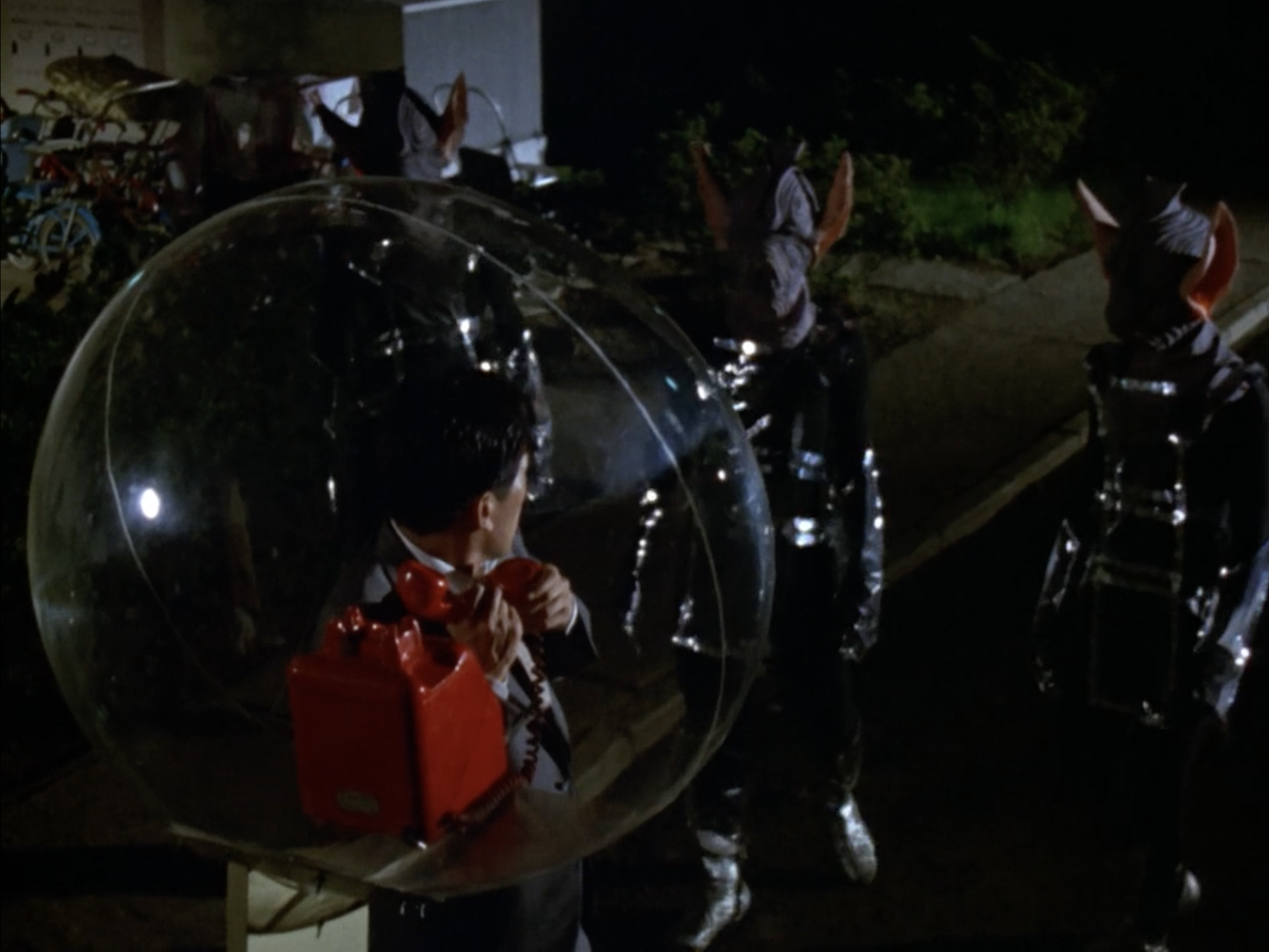
For the 50th anniversary of the Ultra Series in 2016, the Japan Broadcasting Corporation (NHK) polled fans on their favorite episodes. The winner: “The Biggest Invasion in History, Part 2.” No surprise. Few fans would say this is anything less than the best finale of any Ultra show.
Directed by Kiyotaka Taguchi. Written by Takao Nakano. Airdate Nov. 18, 2013.
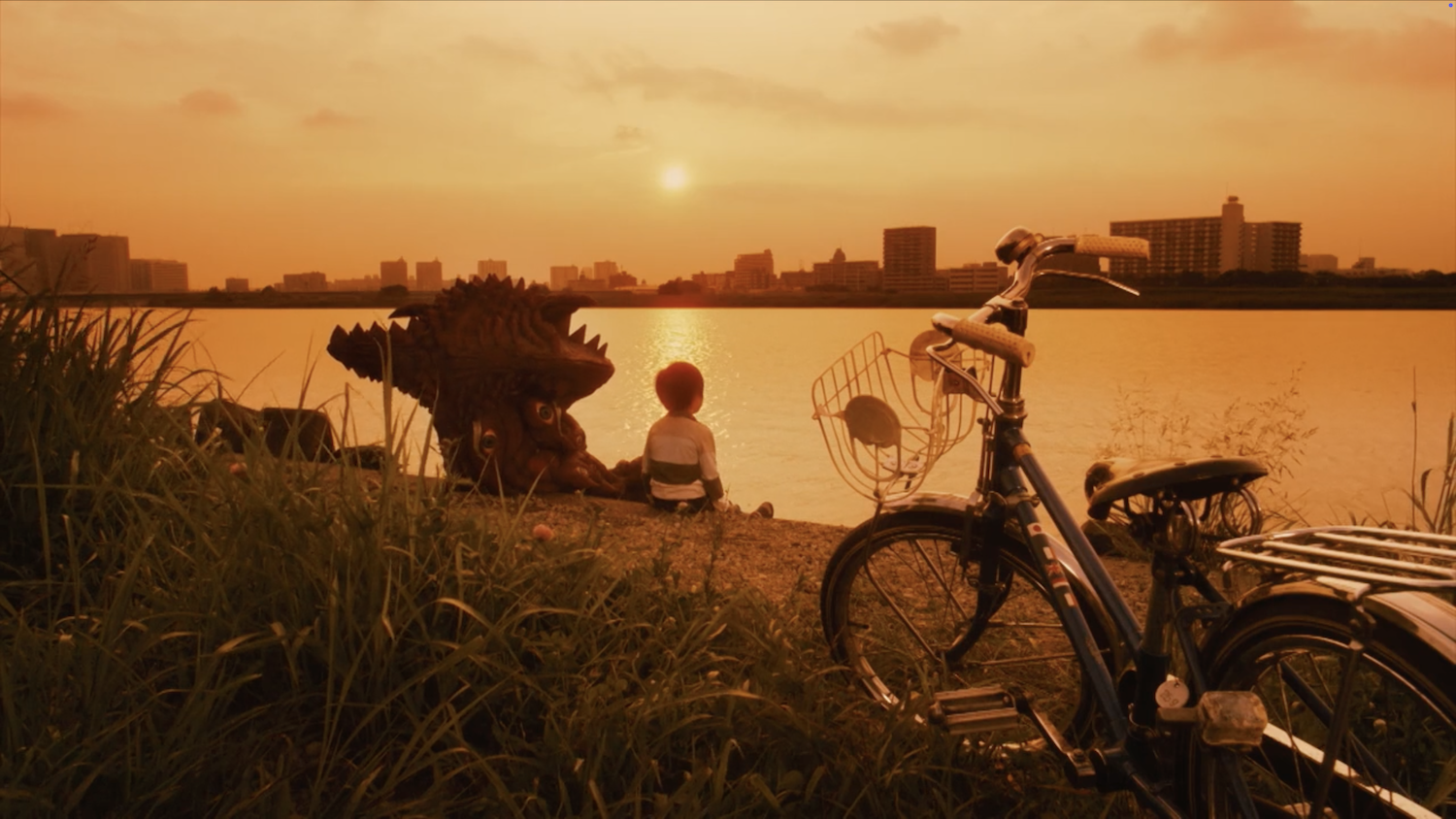
The New Generation Heroes era gets its first genuinely fantastic episode. Recalling some of the great one-off episodes of the series, “Gan-Q’s Tears” steps away from the usual world of defense teams and Ultra warriors. It finds new characters to make into the protagonists of a story that’s both comically weird and quietly heartfelt.
Directed by Akio Jissoji. Written by Akio Jissoji, Akio Satsukawa. Airdate June 7, 1997.
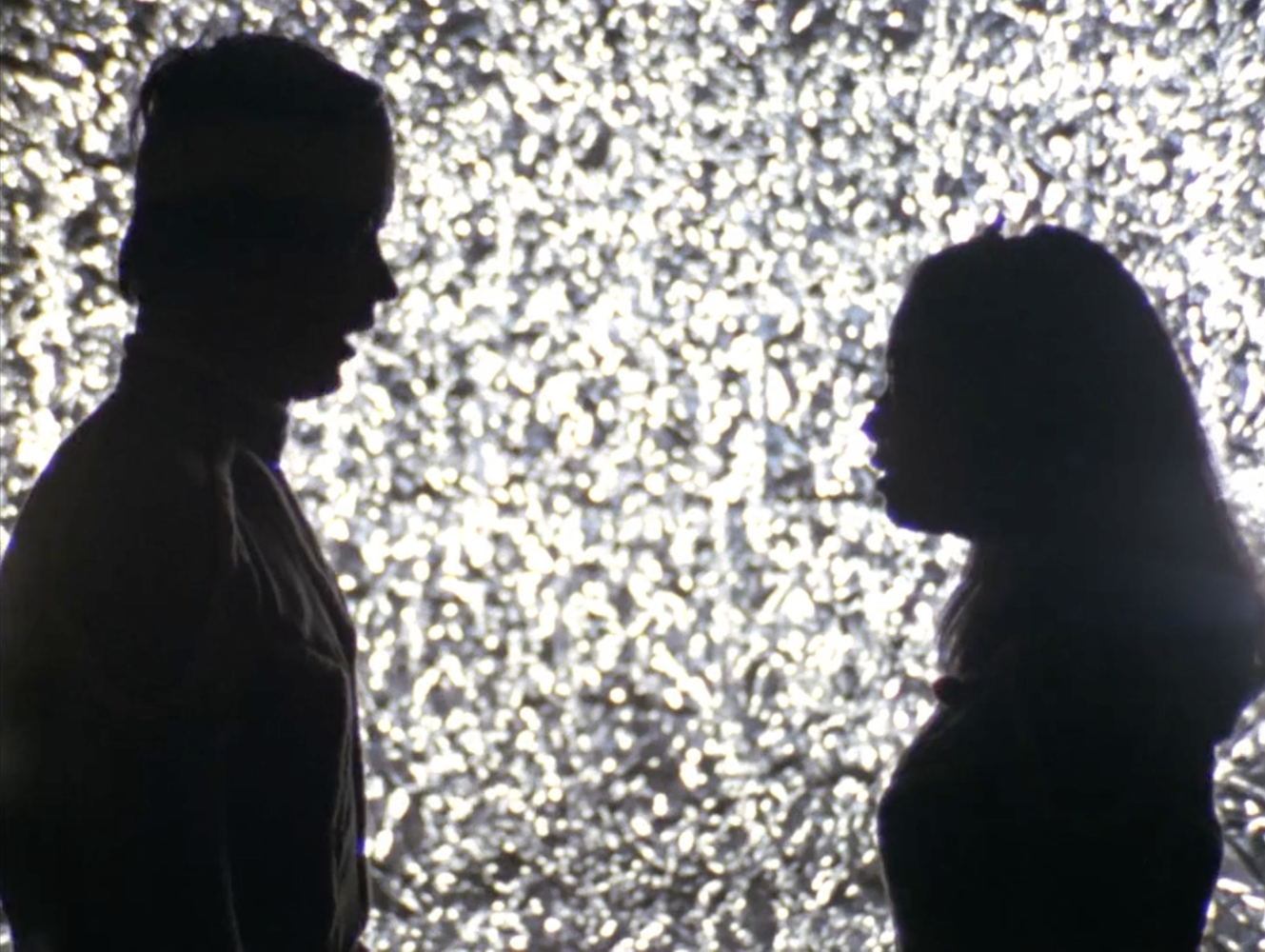
Director Akio Jissoji is primarily interested in the visual style of his episodes, less in their narratives. His greatest Ultra Series episode, Ultraseven’s “Nightmare of Planet No. 4,” is essentially a guided tour rather than a full-fledged story. His previous Ultraman Tiga episode, “Flower,” is an exercise in stage aesthetics stretched over the thin framework of an alien invasion. “Dream,” Jissoji’s second Tiga episode, comprises his usual visual hallmarks: image collages, canted angles, diffused lighting, off-center framing, cartoonish sound effects, and classical music. But it also has a strong story driving it. Not a complex story, but one that supports and enhances Jissoji’s preferred style. The result is arguably the director’s best work for the Heisei Ultra shows.
Directed by Yoshikazu Ishii. Written by Akio Miyoshi. Airdate Nov. 11, 2013.
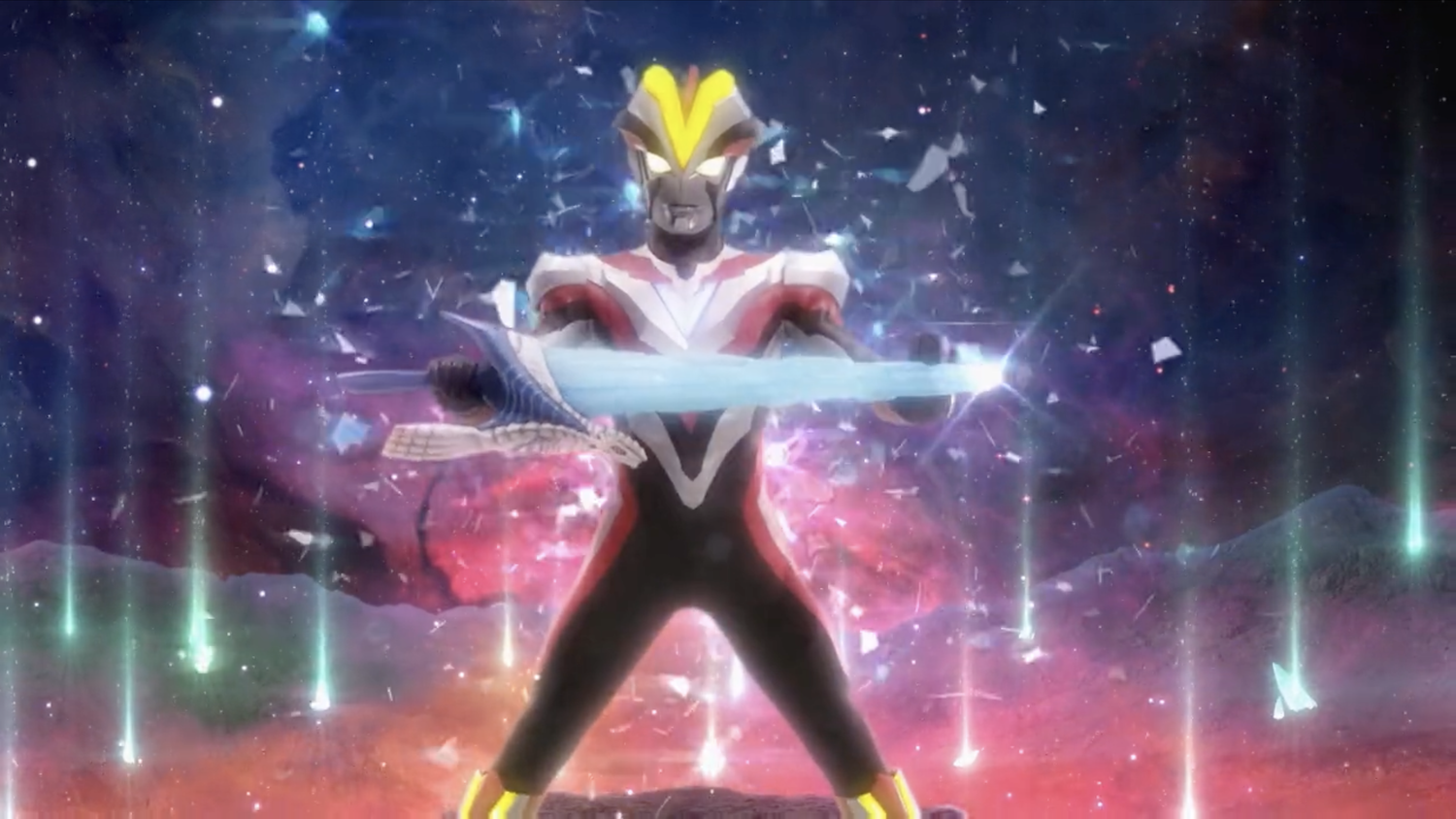
Watching this episode brought into focus a recurring problem with the New Generation Heroes shows: they frequently struggle to deliver major emotional payoffs in stories with big stakes. This issue isn’t as noticeable or grating as the prolonged, numbing fight scenes or the glut of transparent merchandising. But it’s still a major stumbling block that keeps me from feeling fully engaged with this phase of the Ultra Series. “The Holy Sword of the Future” is the first of the New Gen episodes that sets up a shattering moment — a significant story event in a semi-serialized narrative — only to then settle for a six-out-of-ten execution. For a story this important, that’s far too low.
Directed by Tatsumi Ando. Written by Shozo Uehara. Airdate August 25, 1968.
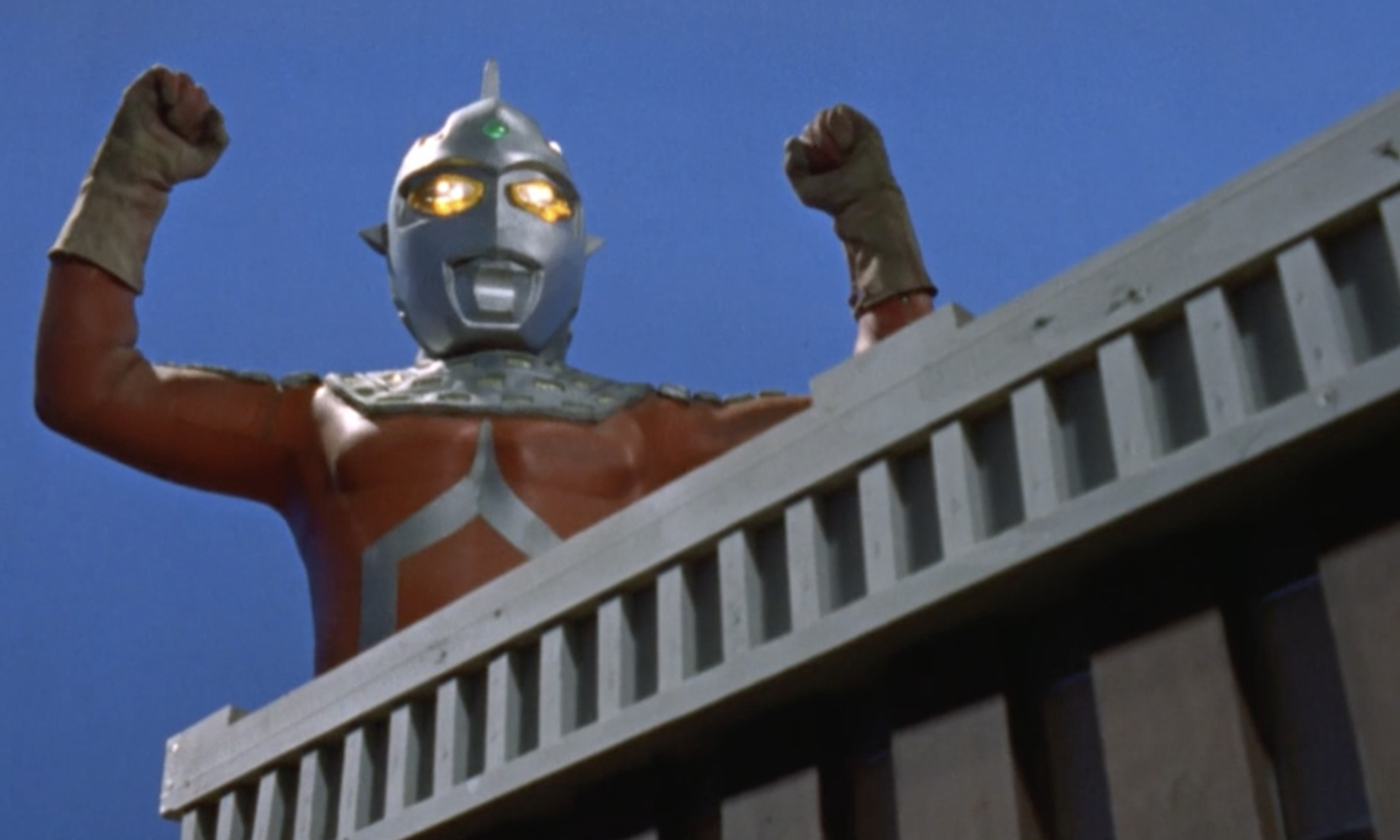
We’ve arrived at the last episode of Ultraseven before the epic two-part finale. What better way to pass the time than with a throwback to the beginning? “Who Are You?” feels like it could’ve been developed from an unused Ultra Q script, and it wouldn’t take much work to turn it back into one. This moody, low-key episode is a pleasant reminder of the franchise’s origins — to the point that I almost wish it were even more like Ultra Q.
Directed by Kyota Kawasaki. Written by Keiichi Hasegawa. Airdate May 31, 1997.
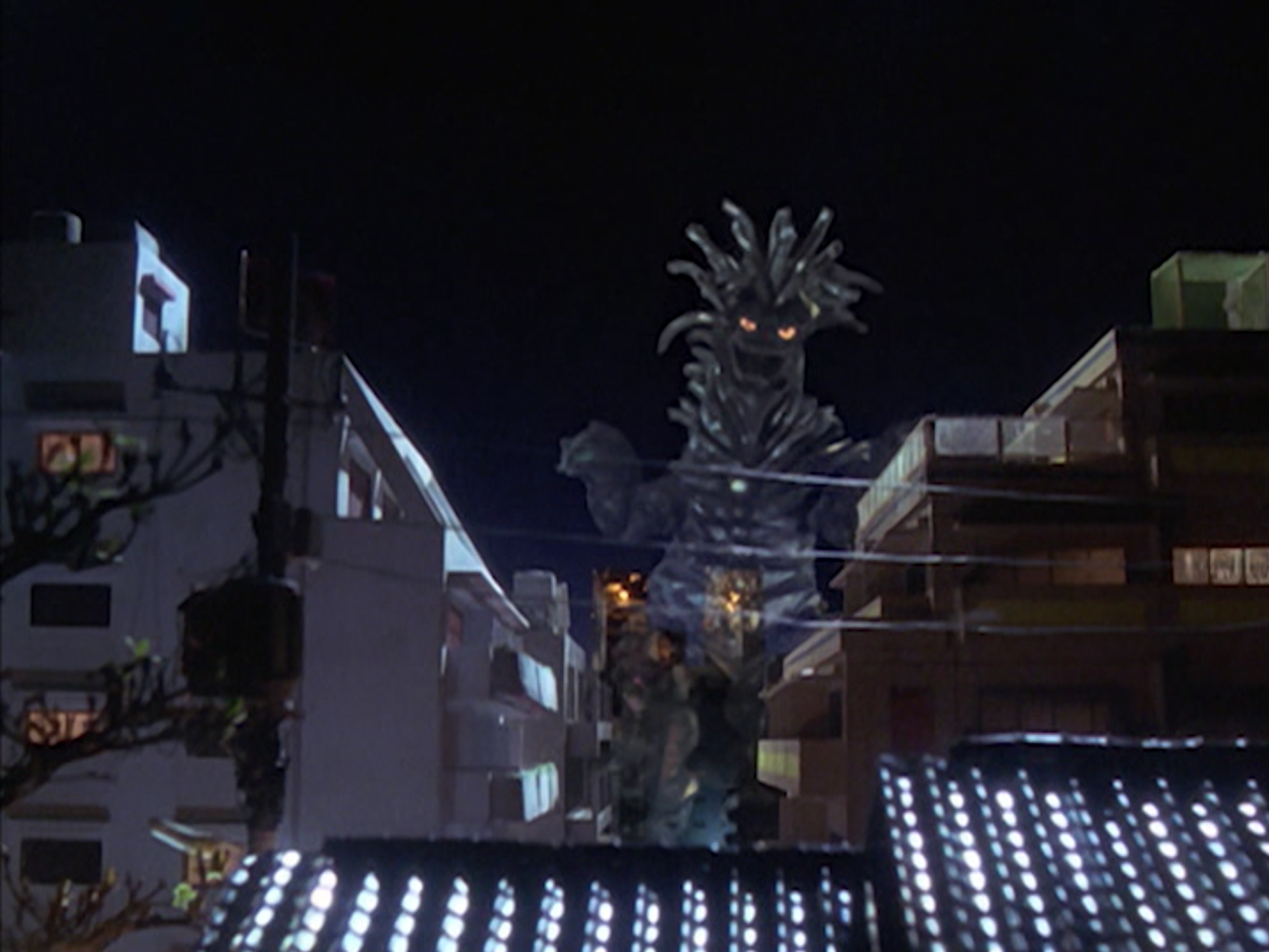
Another kaiju, Galra, has come to wreck the city. Galra belongs to the same ancient monster group as Golza and Melba, able to tunnel underground and materialize suddenly. It has high resistance to damage, making it a tough opponent for GUTS and Ultraman Tiga to stop.
Galra, however, isn’t the episode’s main adversary. A man who lives in a shabby apartment is the real enemy.
Directed by Yoshikazu Ishii. Written by Hisako Kurosawa. Airdate Nov. 4, 2013.
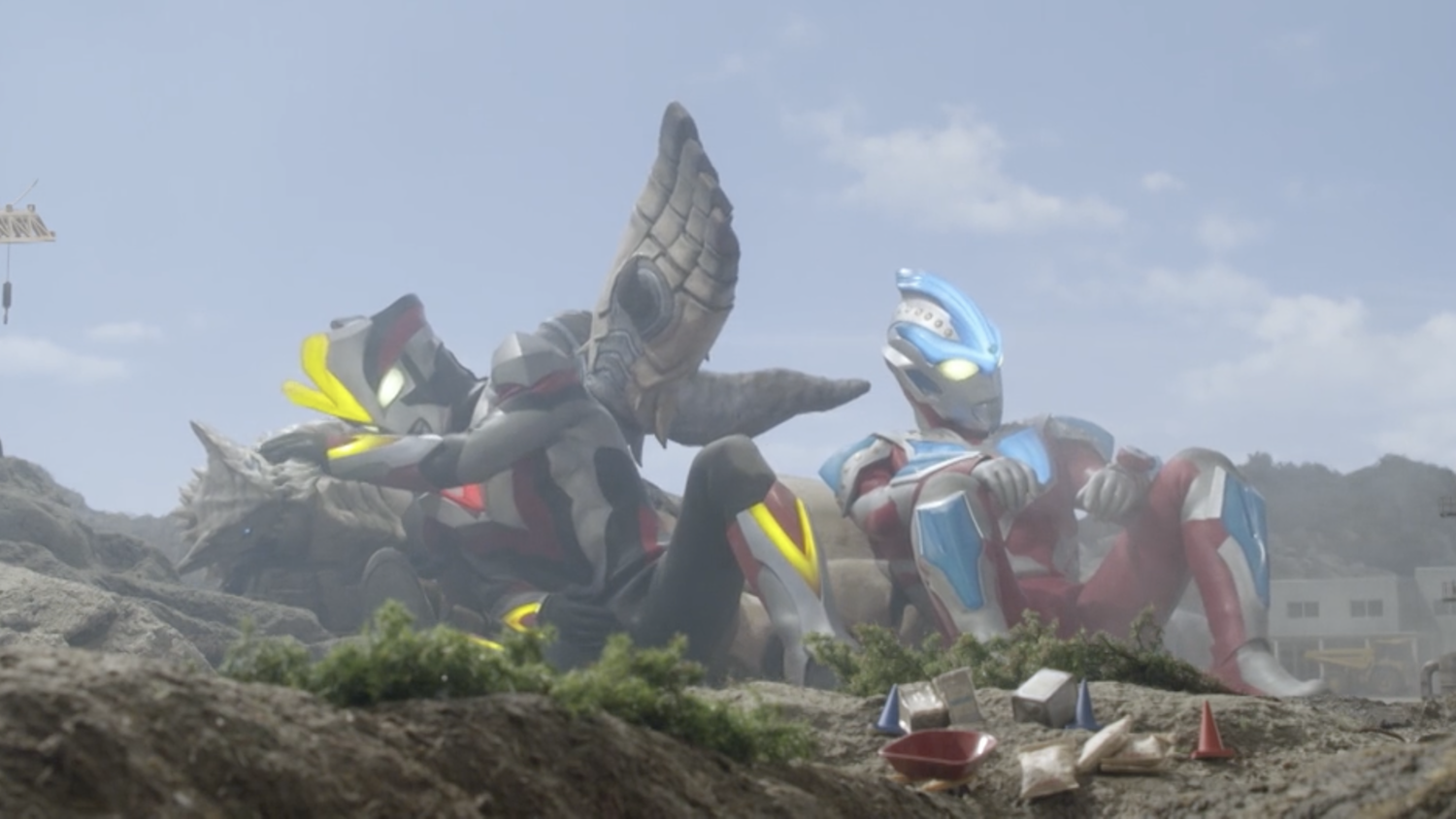
Ultraman Ginga S returns after a two-month break to start its second half, and it has plenty on its agenda. One of the leads from Ultraman Ginga, Misuzu Isurugi (Miyatake Mio), drops in as a guest star. Alien Chibull openly plots to animate and control the corpse of Dark Lugiel on the Moon. Most importantly, Android One Zero is now liberated from Alien Chibull’s control after her master rejected her as a “useless piece.”