Directed by Masanori Kakehi. Written by Shozo Uehara. Airdate April 16, 1971.
After two episodes made under the guidance of Ishiro Honda, arguably the greatest director of kaiju cinema in history, Return of Ultraman starts to settle into its regular routine of human-focused drama and more realistic monsters. (A loose definition of “realistic,” admittedly. Terrestrial kaiju, rather than aliens.) How does it go? I think it goes well. Audiences at the time, however, did not. I’ll get to that.
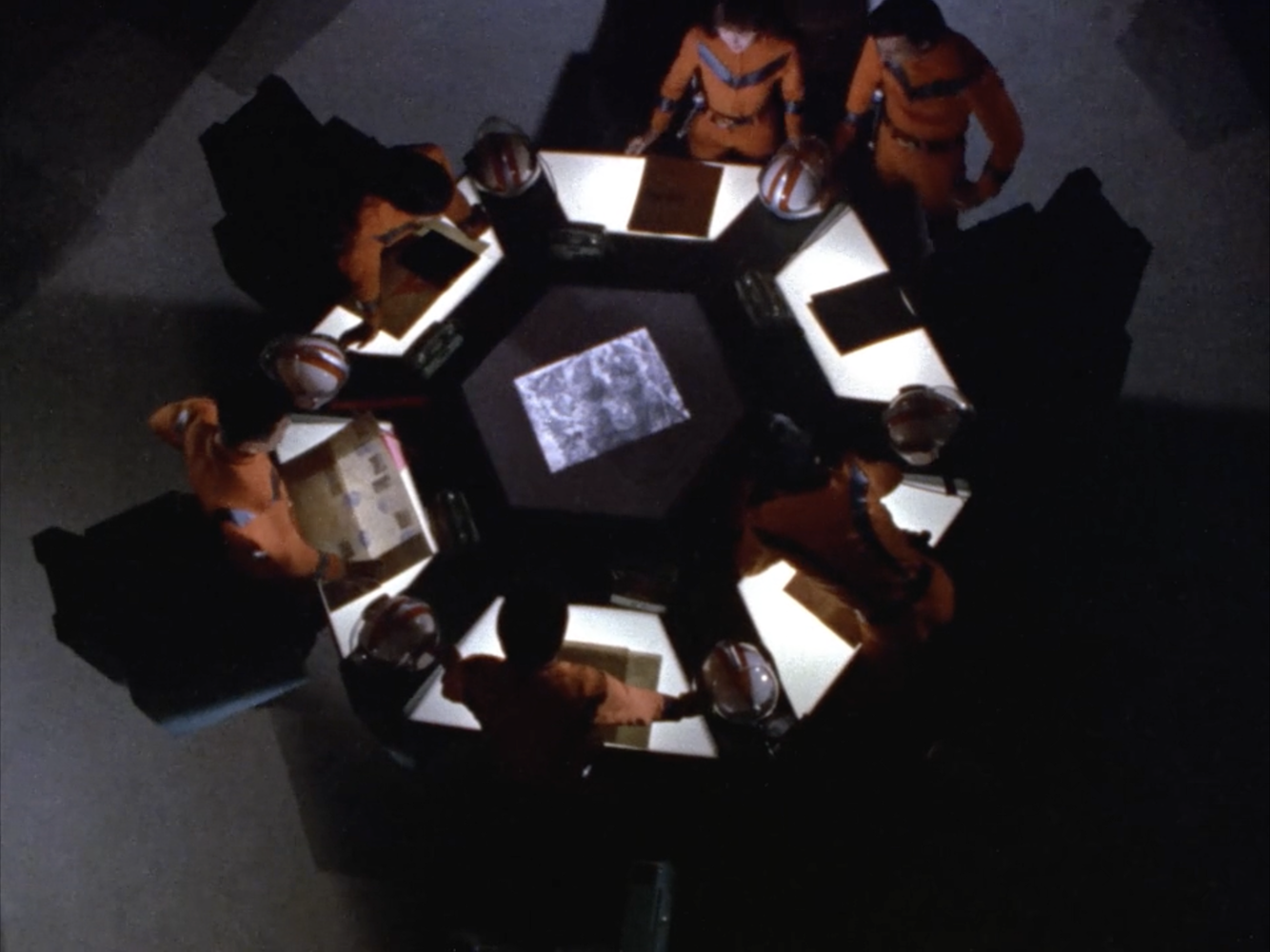
Hideki Go is again in conflict with his teammates. The showrunners seem to have decided that this would be the main theme of the first run of Return of Ultraman episodes. This time, Go isn’t being arrogant about his abilities. He believes his Ultra-enhanced senses overheard a monster’s roar while he and Ueno were on a flight mission over Mt. Kirifuki. The mountain has a sinister reputation, and some MAT members think Go has let the legends override his common sense. Kishida, who’s established himself as MAT’s strictest member and the most antagonistic toward Go, is particularly barbed in his criticism.
But Go is correct. Viewers know this because they witness two mountain climbers die after encountering the kaiju Sadolar in the opening scene. (Plus, viewers know there’s going to be a monster in the episode anyway, so of course Go is right.) The rest of the team still doesn’t believe Go because they can’t uncover any solid evidence of a monster at the site.
Captain Kato seeks to resolve the conflict by investigating Mt. Kirifuki himself. On foot. This is a reckless choice for the captain to make, but Kato is trying to preserve peace on his team. Ordering MAT to search the mountain again based on what seems like Go’s hunch would likely make the other members even angrier. So off the Captain goes, alone. Nothing could possibly go wrong…
When Captain Kato doesn’t return to base, Go surmises that he went to Mt. Kirifuki and heads out to rescue him. The rest of the team chooses not to go, thinking Go is chasing another fantasy. (In fact, they don’t seem too motivated to search for the captain at all. MAT doesn’t show itself in top form in this episode.)
As Go climbs Mt. Kirifuki, a flashback reveals an important piece of his backstory: his father died on a mountain-climbing expedition when Go was a child. If the party searching for his father had gone just a bit farther, they might have rescued him. The memory drives Go to continue searching for the captain, whom he eventually finds trapped near where two kaiju are locked in battle.
I enjoy the scenes of MAT investigating Go’s suspicions and the conflict that grows from it, but I also understand why younger viewers tuning in might have found it too dry. It’s more procedural and adult-oriented than anything in Ultraman. Time dedicated to the anti-monster team not believing in a monster… yes, I can feel my inner child growing restless watching that. “When are we getting to the monster!” Not for a while, poor child: the monster action doesn’t start until the last five minutes. Until then, most of the physical action is mountain climbing.
Something else the kids may not have enjoyed: Go teaching his girlfriend, Aki, how to play the guitar, and Aki pining for more private moments with him. (“But just for ten, no, five minutes, will you sing with me?”) The domestic scenes with the Sakata family are some of the best parts of Return of Ultraman, but the show hasn’t figured out the best way to integrate them into a world of giant monsters.
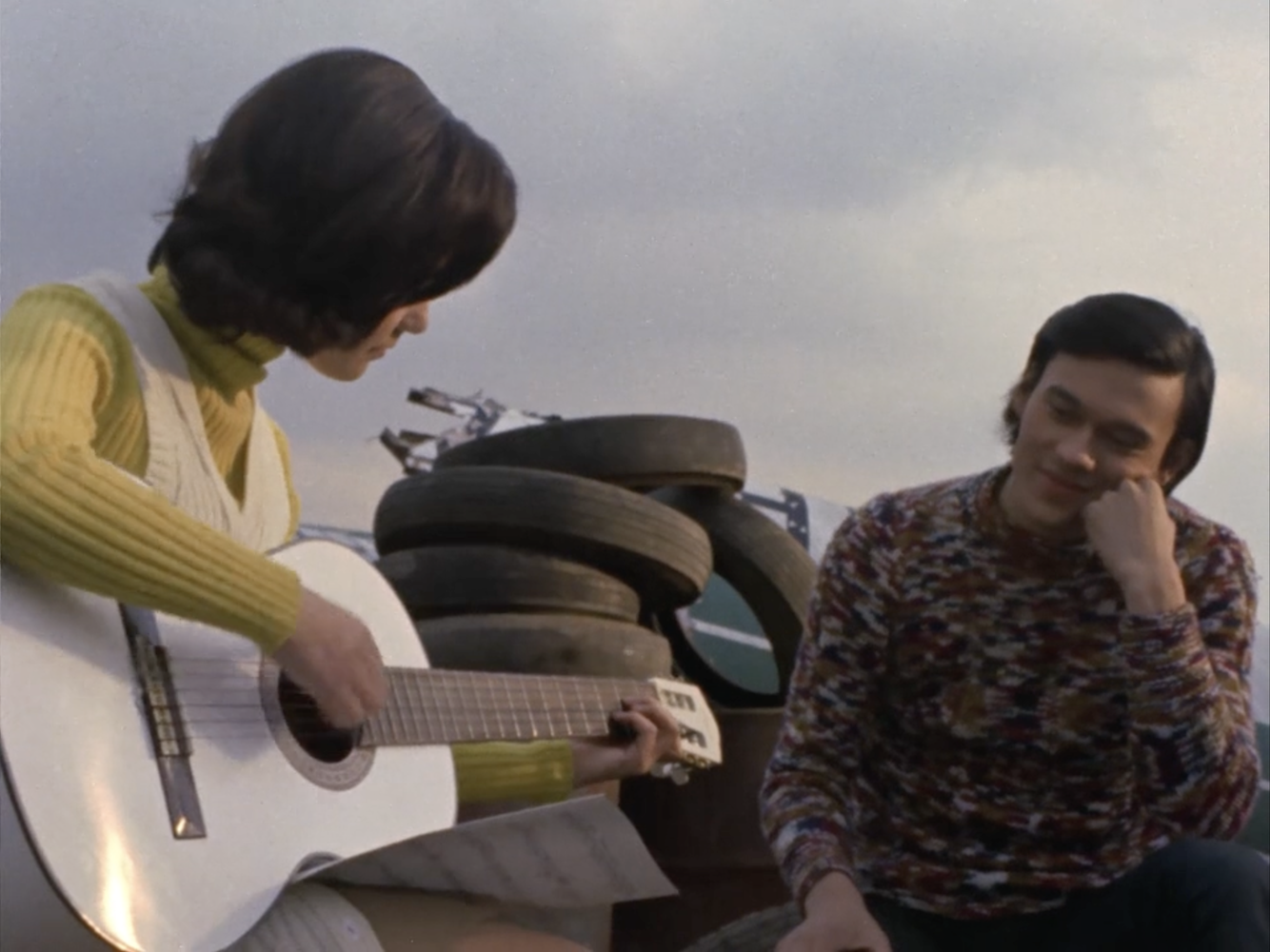
Again, this isn’t a complaint I have about the episode. Go struggling to enjoy a day off, working with Ken on a race car, and then helping Aki with the guitar, all while he’s still hearing the monster’s roar — that’s an effective, quiet piece of drama. The scene with Aki is terrific, the best in the episode, and it gives Aki more character than she’s often allowed. It just wasn’t the best strategy for a show that needed to lure in a monster-hungry audience as soon as possible.
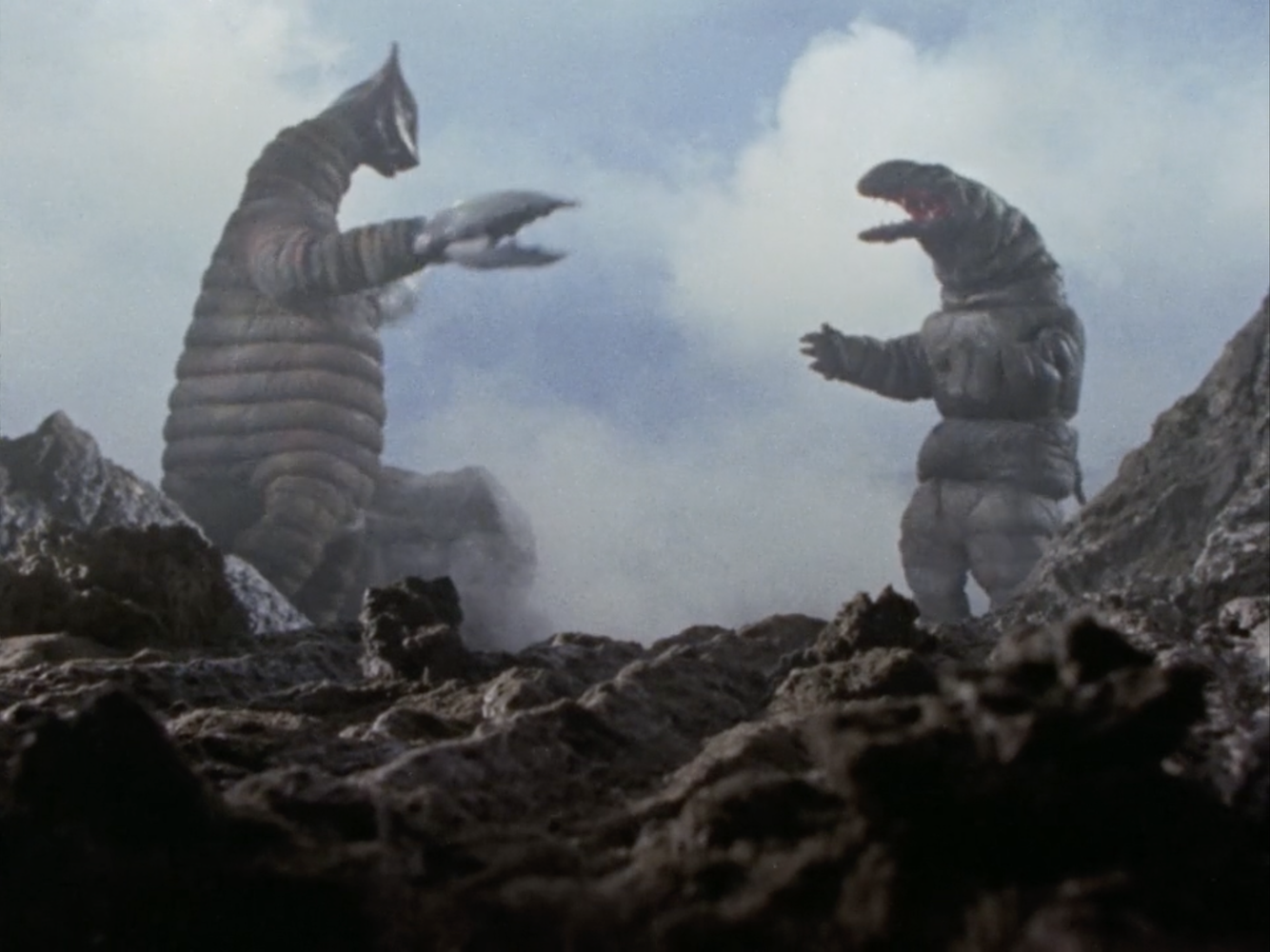
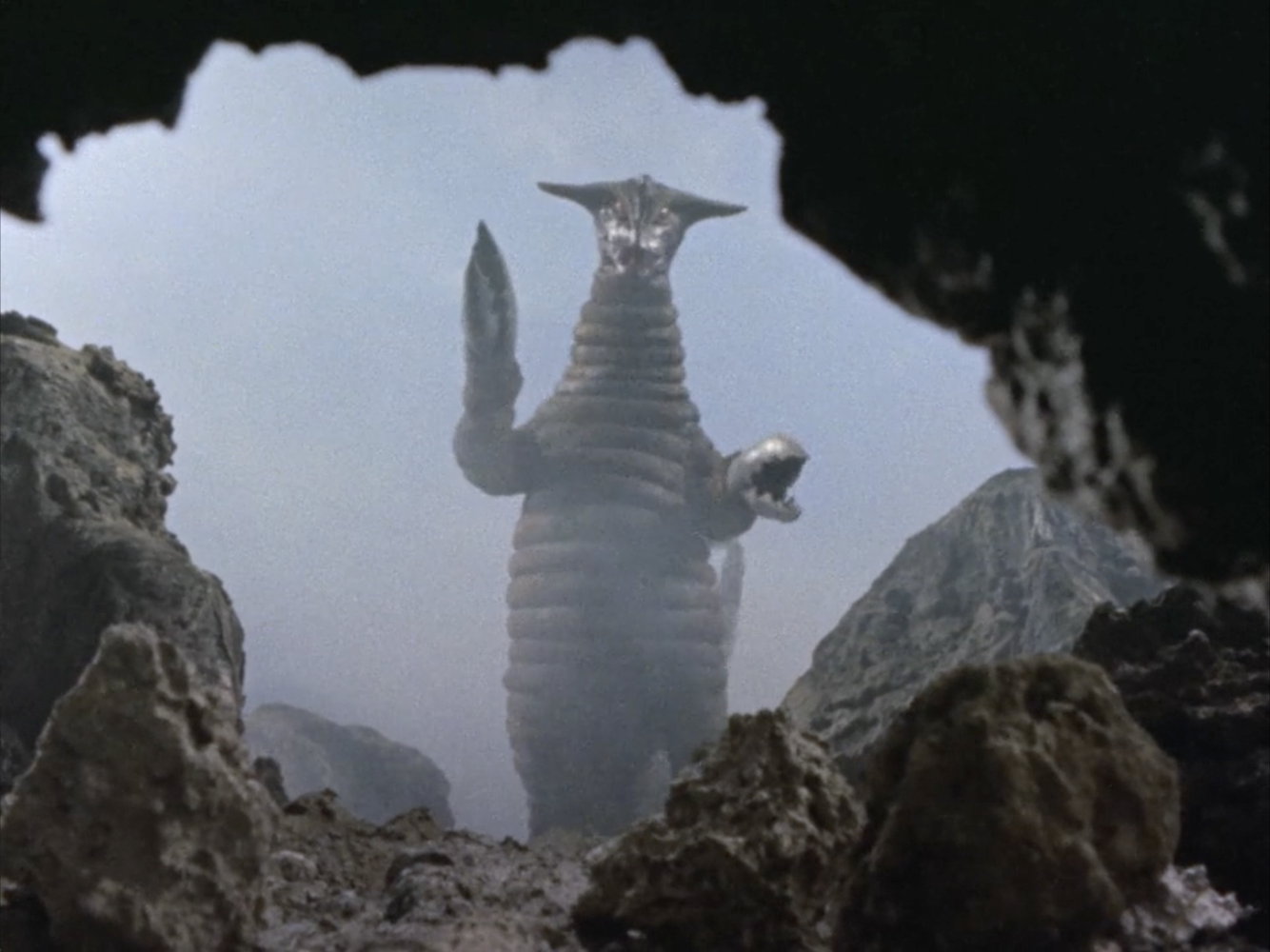
Sadolar is the first kaiju of the show to become a big player in the Ultra Universe. There will be quite a few more — Return of Ultraman is a damn superstar monster factory — and Sadolar makes the most of its limited screen time with a feisty personality and great design.
Sadolar’s monster opponent, Detton, has had a less stellar career. Detton was originally meant to be Telesdon (from the Ultraman episode “Overthrow the Surface”), which makes sense as the two monsters have strong similarities. The Telesdon suit wasn’t in great shape, however, so it was modified to create this new monster, and the result is basically a lumpy, uglier Sadolar.
This episode shows that, if I’m offered a story with modest yet effective monster action and solid human drama, I’ll gladly take that over a major kaiju slugfest. I can see why this type of episode didn’t click with viewers hoping for the thrills of Ultraman and why the show altered direction, but it appeals to me. I wish we had more grounded episodes like this in the current Ultra shows.
Rating: Good
Previous: Takkong’s Great Counterattack
Next: Fatal Attack! Meteor Kick