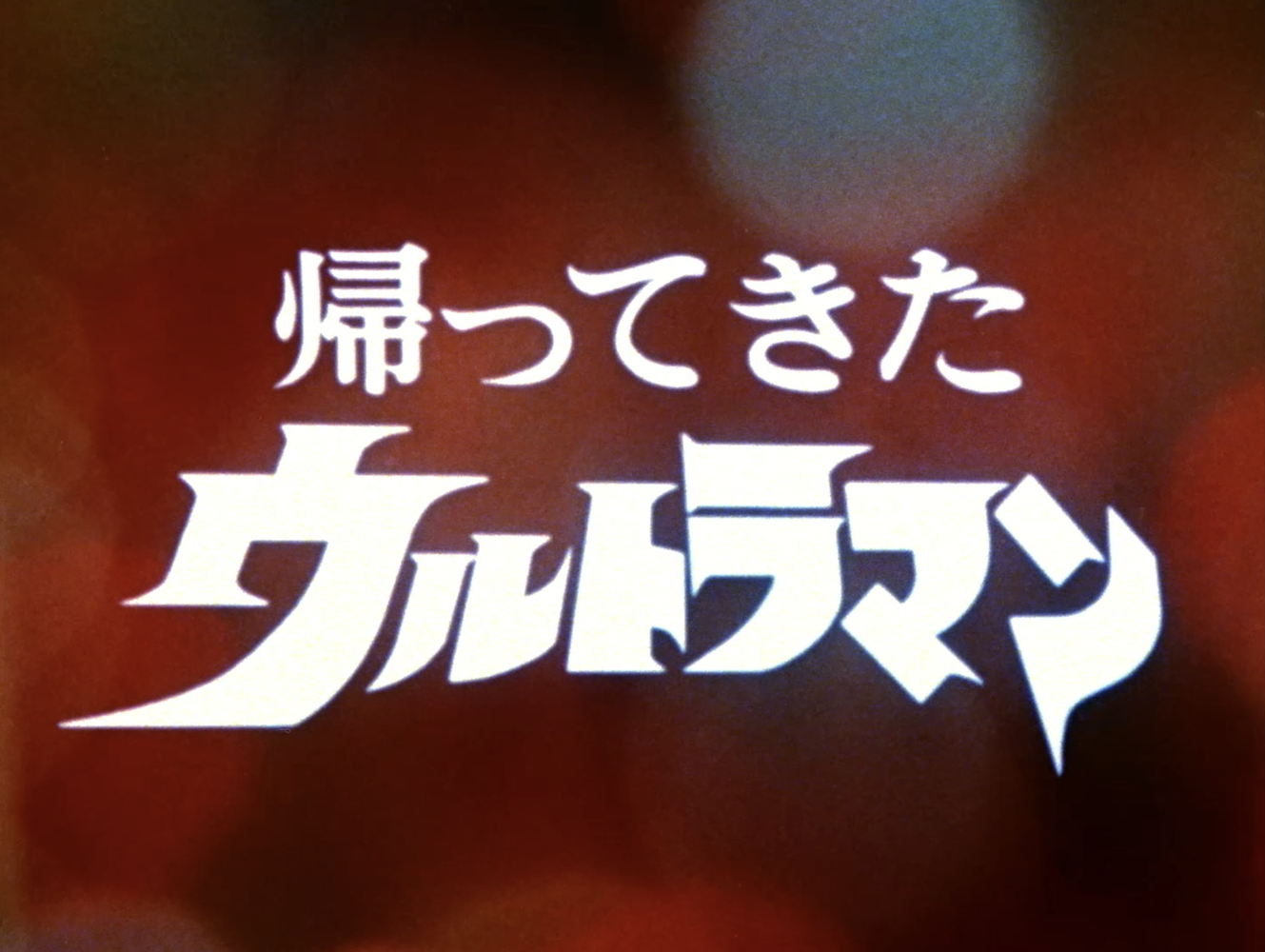
Eiji Tsuburaya intended to conclude the Ultra Series with Ultraseven. Tsuburaya Productions moved on to new science fiction and fantasy programs, such as Mighty Jack and Operation Mystery. These shows were popular with critics but drew smaller audiences than the Ultra trilogy. Eiji Tsuburaya began developing a concept for a new Ultraman show, sketching an outline for a program titled Return of Ultraman.
Eiji Tsuburaya died in January 1970. His son, Hajime, who had worked extensively on the Ultra Series as a director, took over as president of Tsuburaya Productions. The company was in a transitional phase, and Hajime had to produce a new show to prove to partners such as Toho and the Tokyo Broadcasting System (TBS) that the company remained viable. Ultraman merchandise was selling better than ever, reruns of the original trilogy were pulling in strong ratings, and fans were increasingly vocal about getting a new show. Hajime Tsuburaya took his father’s Return of Ultraman outline and prepared to restart the company’s most famous property for a new decade.
When Return of Ultraman premiered in the spring of 1971, it got off to a sluggish start. But audiences soon responded. After an epic two-parter and a few key changes and guest stars, viewership grew rapidly. By the last third of the show’s run, Return of Ultraman had become one of the most popular programs on Japanese television. It sold barge-loads of merchandise and ignited a second boom (the Henshin, or “transforming,” boom) of tokusatsu shows that spread across television in the early ‘70s. This success ensured that the Ultra franchise would have a long life — and still be around today.
Setting the Stage for “Shinman” (a.k.a. Ultraman Jack)
Eiji Tsuburaya’s earliest concept was a direct sequel to Ultraman. Shin Hayata, the original Ultra host, would return, along with several original members of the Science Patrol. Hayata would pass the Beta Capsule to a new host and train him as Ultraman. However, the marketing department requested a new, distinct Ultraman character to increase merchandise sales. After all, why sell one Ultraman when you can sell two?
The final storyline was worked out by producer Yoji Hashimoto and writer Shozo Uehara. Uehara, a key creative figure in the original trilogy, served as the show’s main writer. Uehara and Hashimoto set the series at an indeterminate time after Ultraseven, when Earth has enjoyed a period of relative peace from monsters and aliens. When kaiju start to re-emerge, a new Ultraman arrives on Earth and merges with a car mechanic named Hideki Go. Go then joins the newest iteration of the defense team, MAT (Monster Attack Team).
On the surface, the show’s core concept was a “back-to-basics” one. Episodes followed a monster-of-the-week format, similar to Ultraman, and scaled back the science-fiction elements and monsterless genre experiments of Ultraseven.
The show that eventually emerged over its run, however, was not a simple rehash of Ultraman. Some of the differences are small, such as Go transforming into Ultraman through force of will rather than using a device like the Beta Capsule. The biggest changes include a major mid-series shift in the status quo and a greater focus on the hero’s personal life outside of the defense team. Hideki Go is not an idealized hero like Shin Hayata and Dan Moroboshi. He’s fallible and inexperienced, sometimes impulsive and arrogant, but he grows and learns through the series.
The emphasis on human drama was meant to appeal to older viewers, who made up a significant part of the audience for reruns of the earlier shows. The series expanded from its initial narrow focus on terrestrial kaiju to introduce space monsters and aliens, broadening its appeal to attract kid viewers without losing its unique human drama.
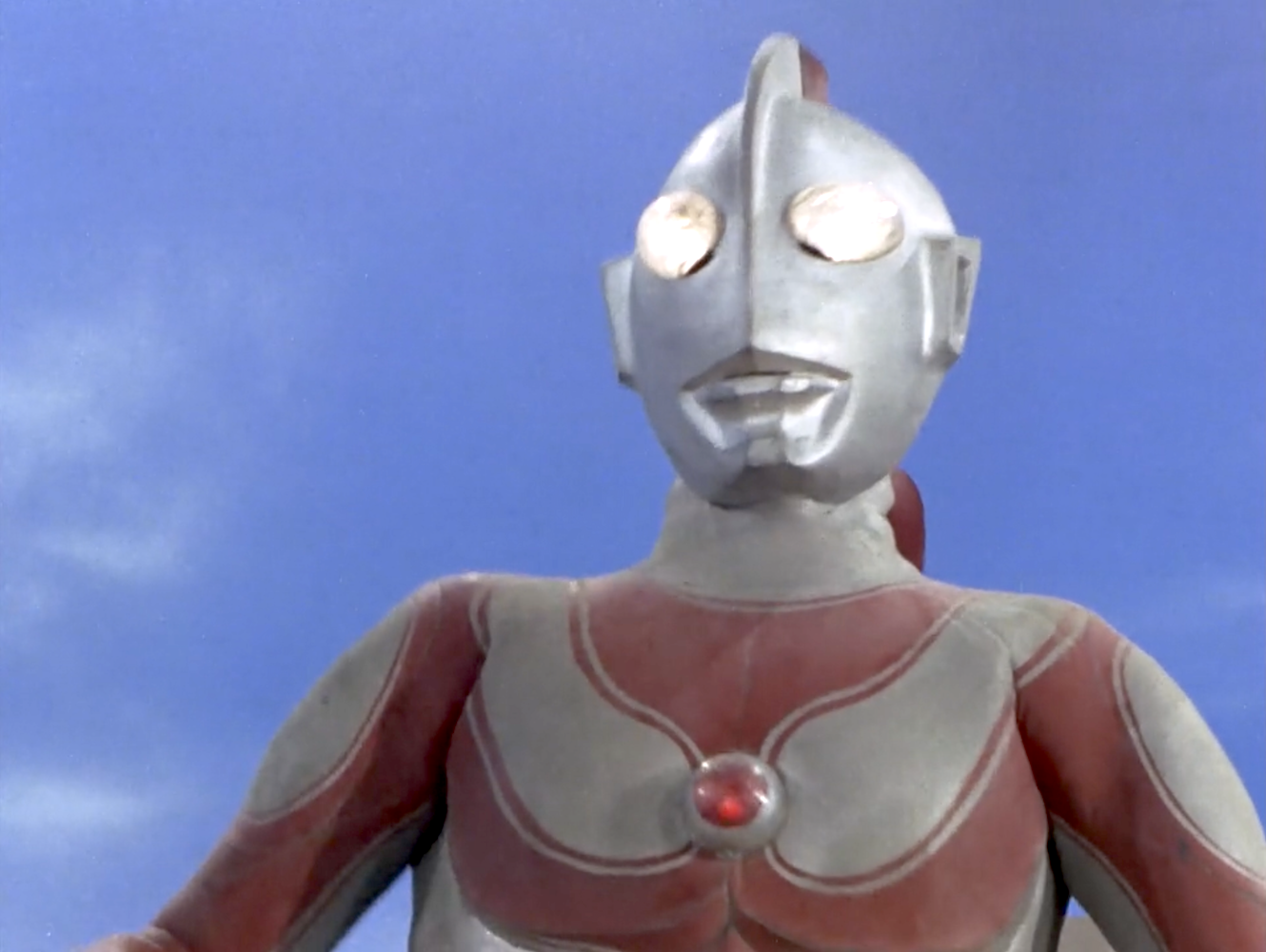
The new Ultraman received several cosmetic alterations to make him distinct from the 1966 original: a revamped chest pattern with a pinstripe, a glossier texture to the silver portions, and prominent gloves. This character was simply referred to as “Ultraman” during the show’s original run. He picked up several nicknames to distinguish him from Ultraman ‘66, such as “New Ultraman” (Shinman). In 1984, Tsuburaya Pro held a contest to give this Ultraman an official name. Children submitted suggestions, and Tsuburaya Pro chose the name “Ultraman Jack.”1
Hideki Go, MAT & the Sakatas
Characterization is one of the strengths of Return of Ultraman, though most of it is centered on Hideki Go and the Sakata family, rather than on the defense team.
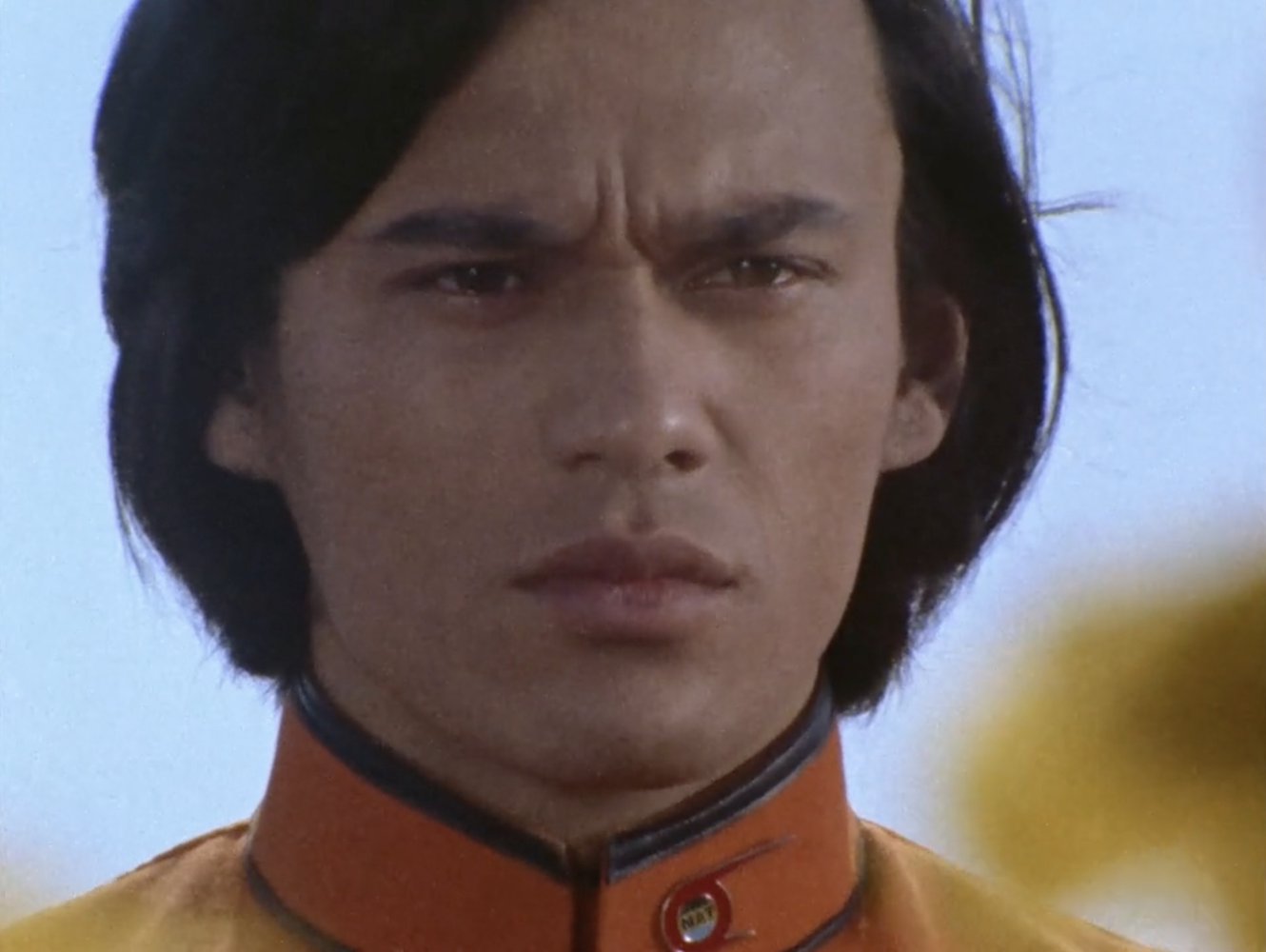
Hideki Go (played by Jiro Dan) is the secret ingredient of the series. He’s my favorite of the original Ultra hosts. Where Shin Hayata from Ultraman and Dan Moroboshi from Ultraseven are straight-arrow professionals, Go is rough around the edges and often temperamental. He has a strong sense of right and wrong and a willingness to sacrifice himself — something the series establishes from his first appearance. But his flaws often interfere, and sometimes lead Ultraman to deny Go the ability to transform. Go is frequently in the tricky position of balancing his roles as a member of MAT, as Ultraman, and as a member of his adoptive family, the Sakatas.
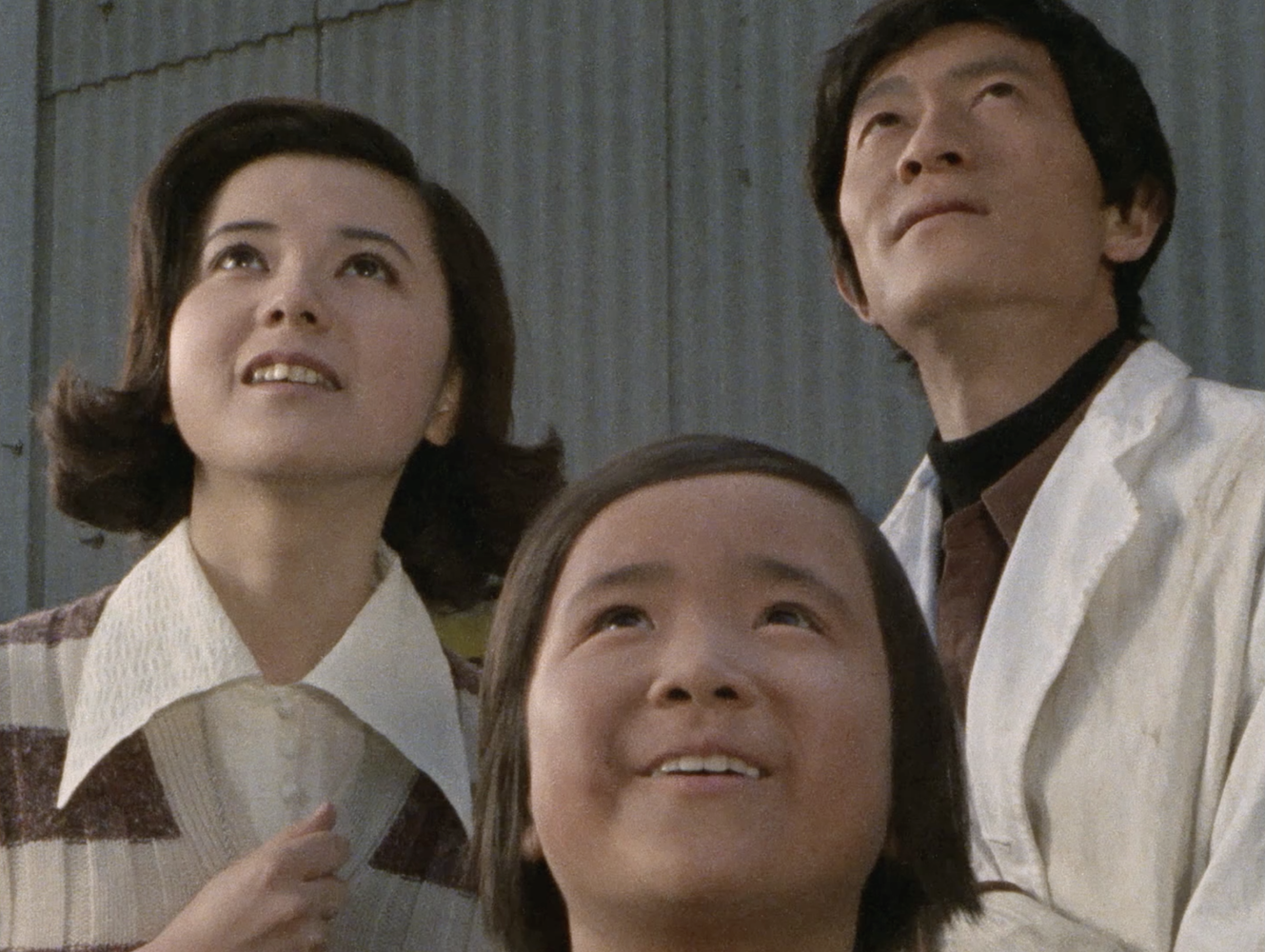
The Sakatas are among the best elements of Return of Ultraman and a major reason the series stands out in the Showa era. Ken Sakata (Shin Kishida) is an auto mechanic and former top-ranked racer who had to quit the sport after a leg injury sustained in an accident five years ago. He’s the heart of the show, a wise older mentor figure to Go who offers a perspective removed from the world of MAT. Go works closely with Ken in his auto shop and is dating Ken’s younger sister, Aki Sakata (Rumi Sakakibara). Go is also close to the youngest Sakata sibling, Jiro (Hideki Kawaguchi), an imaginative 11-year-old who is one of the franchise’s best child leads.
MAT is part of the United Nations’ Terrestrial Defense Organization, headquartered in an underwater base in Tokyo Bay. As defense teams go, MAT is fairly standard, with a few interesting personalities and dynamics among its members, but nothing approaching the vivid characters of the Science Patrol in Ultraman or GUTS in Ultraman Tiga.
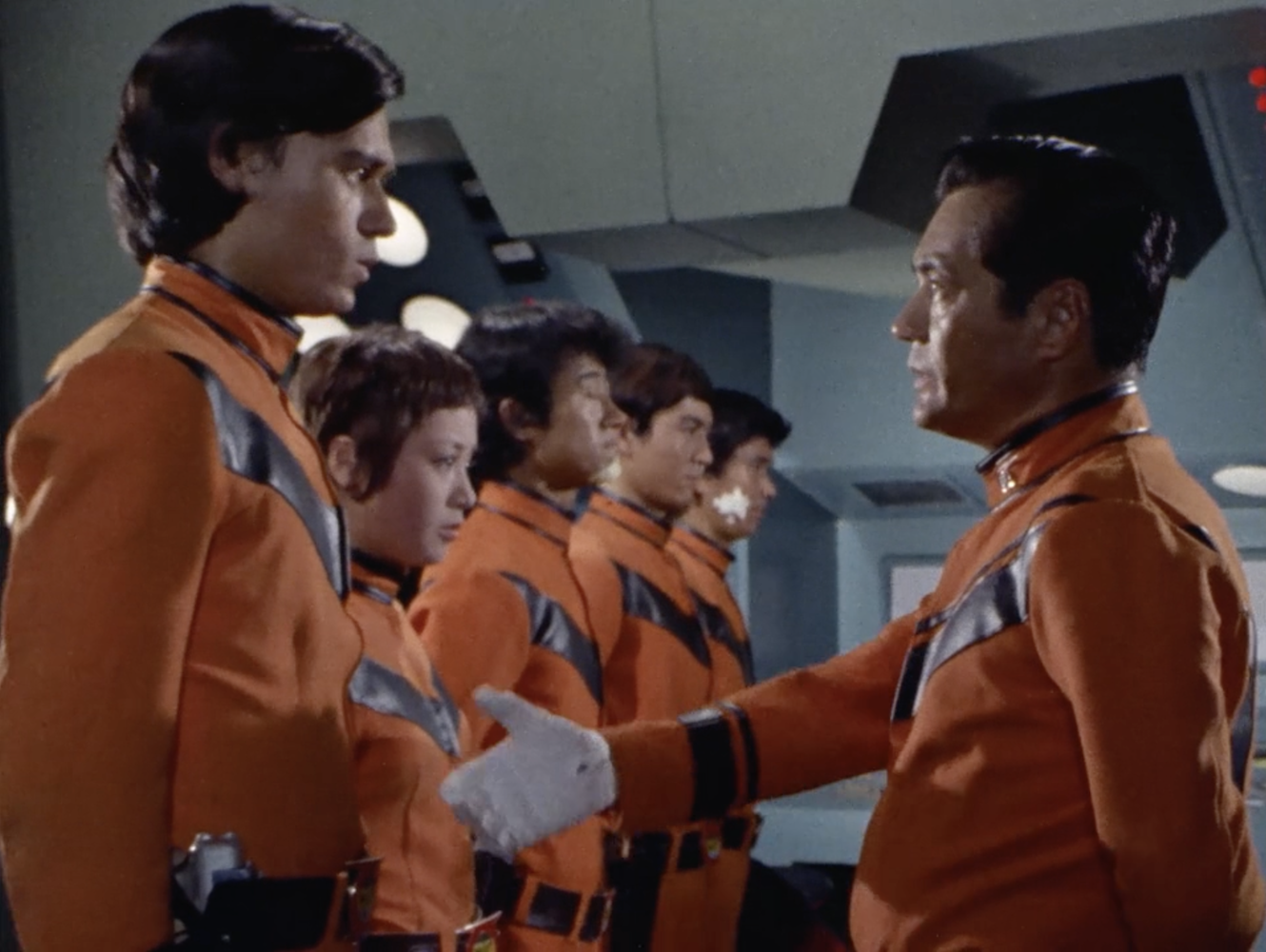
The initial roster of MAT consists of Captain Katsuhiro Kato (Nobuo Tsukamoto), Vice-Captain Takeshi Minami (Shunsuke Ikeda), Fumio Kishida (Ken Nishida), Ippei Ueno (Ko Mitsui), and Yuriko Oka (Mika Katsuragi). Due to scheduling conflicts with actor Nobuo Tsukamoto, Captain Kato was written out of the show in episode 22, “Leave This Monster to Me.” He was replaced by Captain Ibuki Ryu (Jun Negami), whose more aggressive leadership style makes him MAT’s most memorable member.
There’s one other “member” of MAT deserving mention: their theme music. Written by series composer Toru Fuyuki, returning from his stellar work on Ultraseven, the MAT theme features a male chorus singing the nonsense syllables “wandaba” in a loop. It’s a catchy groove, and the “wandaba” music style would develop into a regular part of the franchise.
The Escalation of a Tokusatsu Smash
Return of Ultraman wasn’t an immediate hit when it came out. The human drama and lack of urban destruction scenes, due to budget constraints, weren’t appealing to children. The ratings started to improve after an epic two-parter, “Terror of the Tsunami Monster,” followed by the introduction of space kaiju and a guest spot by Ultraseven that, for the first time, cemented continuity with earlier shows. The show’s budget increased as the audience grew.
The show reached a creative zenith with a run of episodes known as “The Autumn Masterpiece Series” (episodes 31–35), soon followed by a two-part story that upended the status quo in a shocking fashion. Return of Ultraman was now a runaway hit, with merchandise flying off the shelves and each episode drawing some of the strongest ratings in Ultra history.
Helping toy sales was a rich roster of new kaiju. Return of Ultraman excelled at human drama, but it didn’t let the younger viewers down when it came to monsters. Some of the most beloved kaiju and seijin in the franchise debuted here: Bemstar, Black King, Alien Nackle, Sadolar, Twin Tail, Muruchi, and Gudon.
Final Thoughts Before the Return
When I first started watching Return of Ultraman, I worried that Eiji Tsuburaya’s absence would diminish some of the magic of the original trilogy. Fortunately, Tsuburaya’s family and his other successors proved more than capable of continuing his legacy, and they turned out a surprisingly high-quality show. There are some slow, dry patches near the beginning, when the money was still tight, but it’s never unwatchable. Hideki Go is too compelling a character to let the show become flat-out dull.
Then, once it picks up, Return of Ultraman delivers some of the most purely enjoyable Ultra entertainment ever put on TV. At its peak — the Autumn Masterpiece Series and the shattering Alien Nackle two-parter — its episodes rank among the greatest in the franchise’s history. And there are so many terrific kaiju.
I’m looking forward to revisiting the first post-Eiji Tsuburaya Ultra show and sharing the experience. The original Ultra trilogy will always be special to me, but Return of Ultraman isn’t far behind in my affections, and I’m eager to give it a closer examination.
Next: All Monsters Attack
- For these reviews, I’ll stick to the original nomenclature and refer to the hero simply as “Ultraman,” adding modifiers when necessary. For later shows and movies in which the character appears, I’ll switch to calling him “Ultraman Jack.” ↩︎

