Directed by Ishiro Honda. Written by Shozo Uehara. Airdate April 9, 1971.
This is excellent follow-up to the premiere episode does exactly what’s necessary to deepen the show’s dramatic approach: it gives its new hero the space to completely fail. As a neophyte member of MAT and a man with no high-tech monster-fighting combat experience, Hideki Go ought to take time to ease into his new duties and learn from his captain and comrades. Instead, Go’s enhanced Ultra abilities (even when in human form) drive him to hubris and foolhardiness that endanger others and temporarily get him fired. Fired from MAT by Captain Kato and fired by Ultraman, who refuses to let Go transform.
The episode opens with Go in training with his new comrades in kendo, karate, and shooting. He discovers that Ultraman’s superpowers have enhanced his human abilities, making him an expert at any task he tries. He rapidly turns arrogant, to Kishida’s particular annoyance.
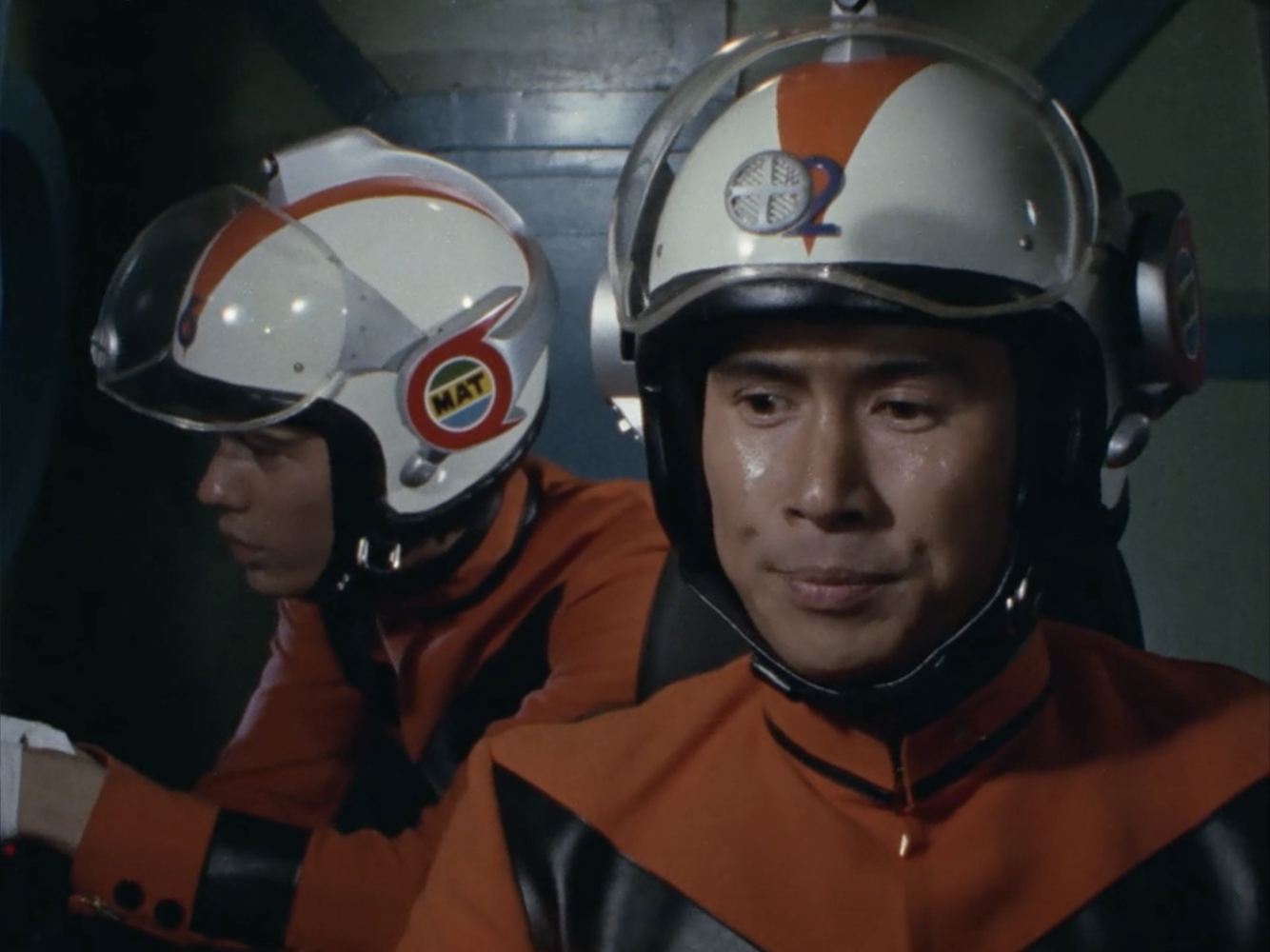
When Takkong, the oil kaiju from the previous episode, appears and attacks MAT’s underwater base, Go’s cockiness makes him overreach and immediately fire bombs at the monster from the MAT Sub, going against Captain Kato’s plan. (“What’s one or two monsters?” he shouts as he grabs control of the firing mechanism from Minami.) Go’s violation of MAT’s teamwork principles nearly kills Minami when Takkong retaliates. It’s then that Go decides to become Ultraman — and finds that he can’t.
Go’s failure to transform into Ultraman during a key moment of action, the point when Ultraman would usually arrive on the scene, is a major moment for the series. This has never happened before. Any transforming troubles in Ultraman and Ultraseven were due to external events like losing the Beta Capsule or strength-sapping cold. Here, the Ultra warrior refuses to let Go transform because he attempts it after a series of selfish incidents, culminating in a rash move that almost kills a teammate and gets him dismissed from MAT.
Later Ultra shows often feature scenes where the host and the Ultra warrior communicate when there’s any trouble with their link, usually photographed as a vision where the two can come face-to-face in a nebulous mental realm. Nothing so direct happens here: Go must discover on his own why he couldn’t transform.
I prefer this subtler approach; there’s no need to spell out what’s happening for the audience, and keeping Ultraman hidden and ambiguous gives Go more to ponder and eventually to achieve. Go’s imperfections are one of his major appeals as the lead, and the episode gives actor Jiro Dan an opportunity to expand viewers’ understanding of Hideki Go early in the show’s run.
Some personality is starting to emerge from the other members of MAT, though at this point, new viewers may find themselves confused about who’s who. Kishida, who we’ll later learn comes from a military family and has connections to senior officials in MAT, has the most strained relationship with Dan so far. Minami, on the other hand, is calm and forgiving. Unfortunately, he sticks out his neck for Dan at exactly the wrong time and gets caught lying to protect him.
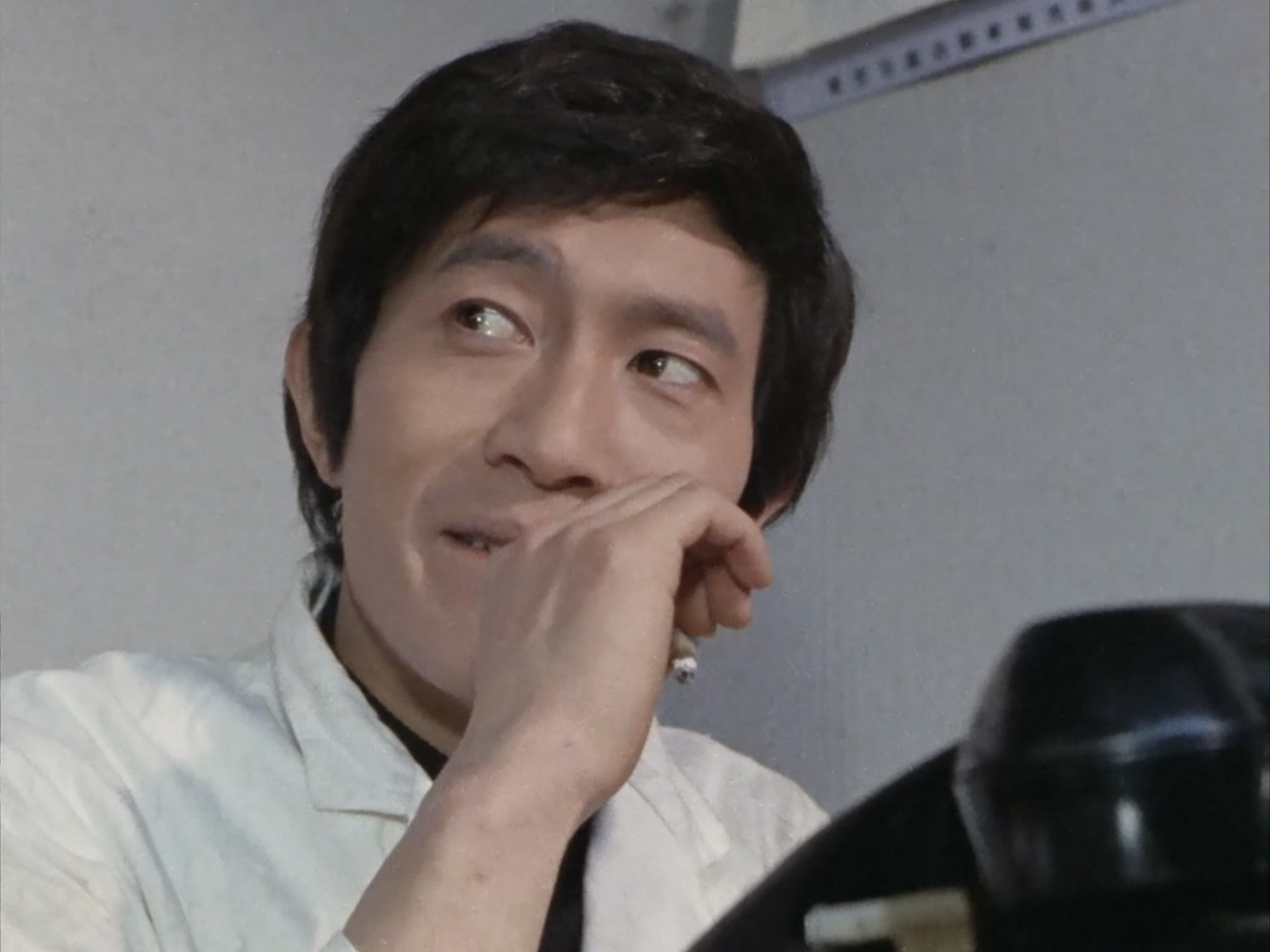
The best character scene, however, belongs to Shin Kishida as Ken Sakata, who proves his MVP status. Go’s encounters with his captain and his teammates are rough, but his low point comes when he returns to Ken’s auto shop, proposing they start work on a new race car, the Meteor 2. Even though Ken longs to build a winning race car, he tells Go he no longer wishes to work with him. He claims it’s because Go will soon be too old to be a viable racer, but Kishida’s performance makes it clear he’s actually disappointed with Go’s selfish behavior and his failure in MAT. He doesn’t truly reject Go: he gives him the push he needs to reconsider what it means to be a hero. Go understands he must first try as hard as he can as Hideki Go before he relies on the powers of Ultraman.
Ishiro Honda, returning to direct the second episode, invests this scene as well as the other human-centered ones with the same knack for natural human drama that he’s known for. It’s sequences like this that make Return of Ultraman stand out in the classic Ultra show lineup.
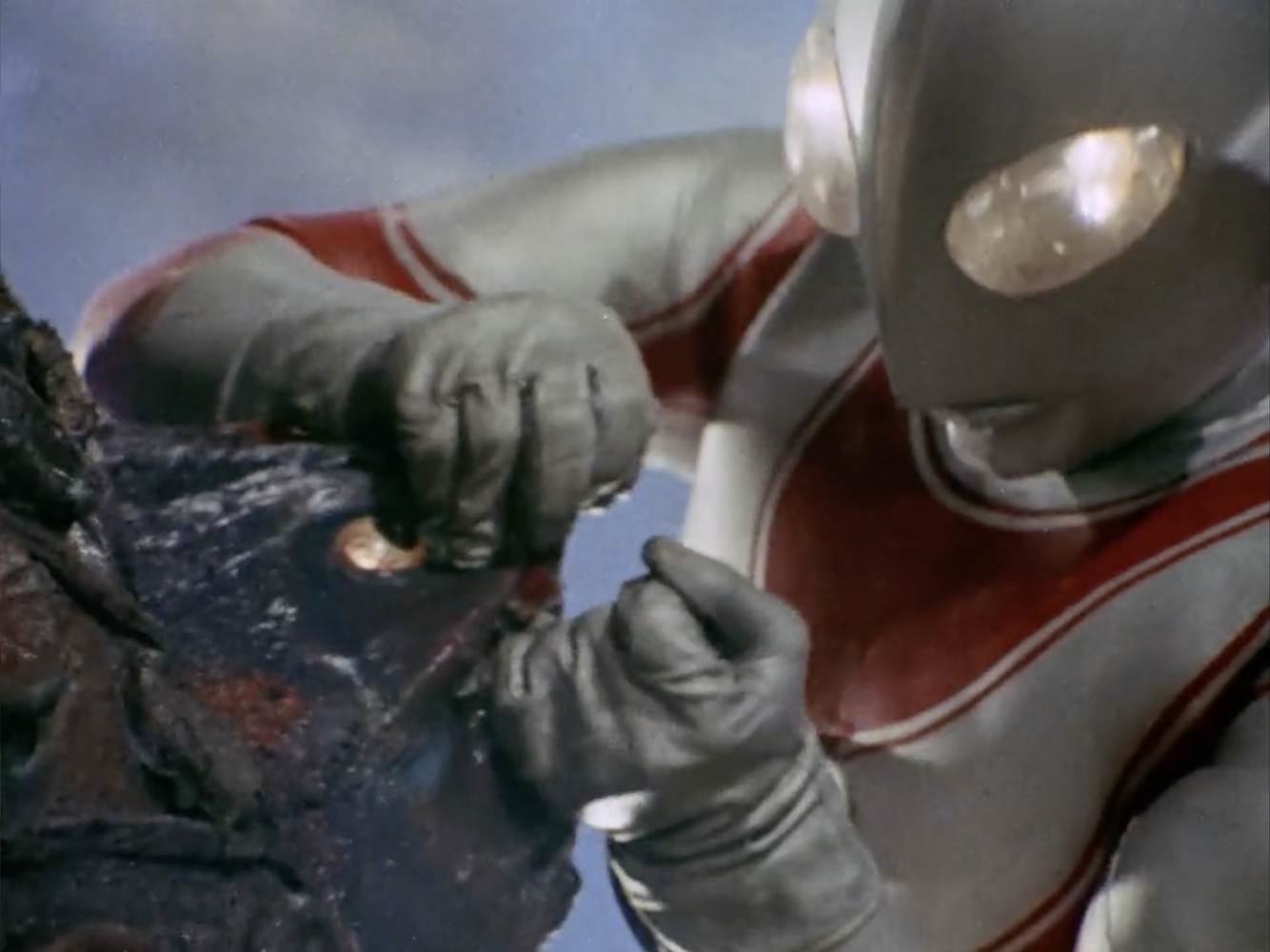
Although I’ve given this episode high praise for its writing, direction, and acting, I can see why younger viewers began drifting away from the show early on. Despite some quality miniatures at the refinery and during Takkong’s attack on the underwater base, the monster action is not the highlight. Takkong isn’t the center of the episode; the story’s not really about the monster at all. A great deal of the episode is “adults talking,” and the children who tuned in specifically to see a monster fight wouldn’t get much satisfaction from the brief final battle between Ultraman and Takkong.
I admit the balance is a bit off, though that imbalance tilts in a direction I like. Without this solid dramatic ground, even at the expense of some action and spectacle, the rest of the show wouldn’t work as well. Hideki Go isn’t simply Ultraman: he must earn the right to be Ultraman.
Rating: Great
Previous: All Monsters Attack
Next: The Monster Realm of Terror
 The Ultra Project