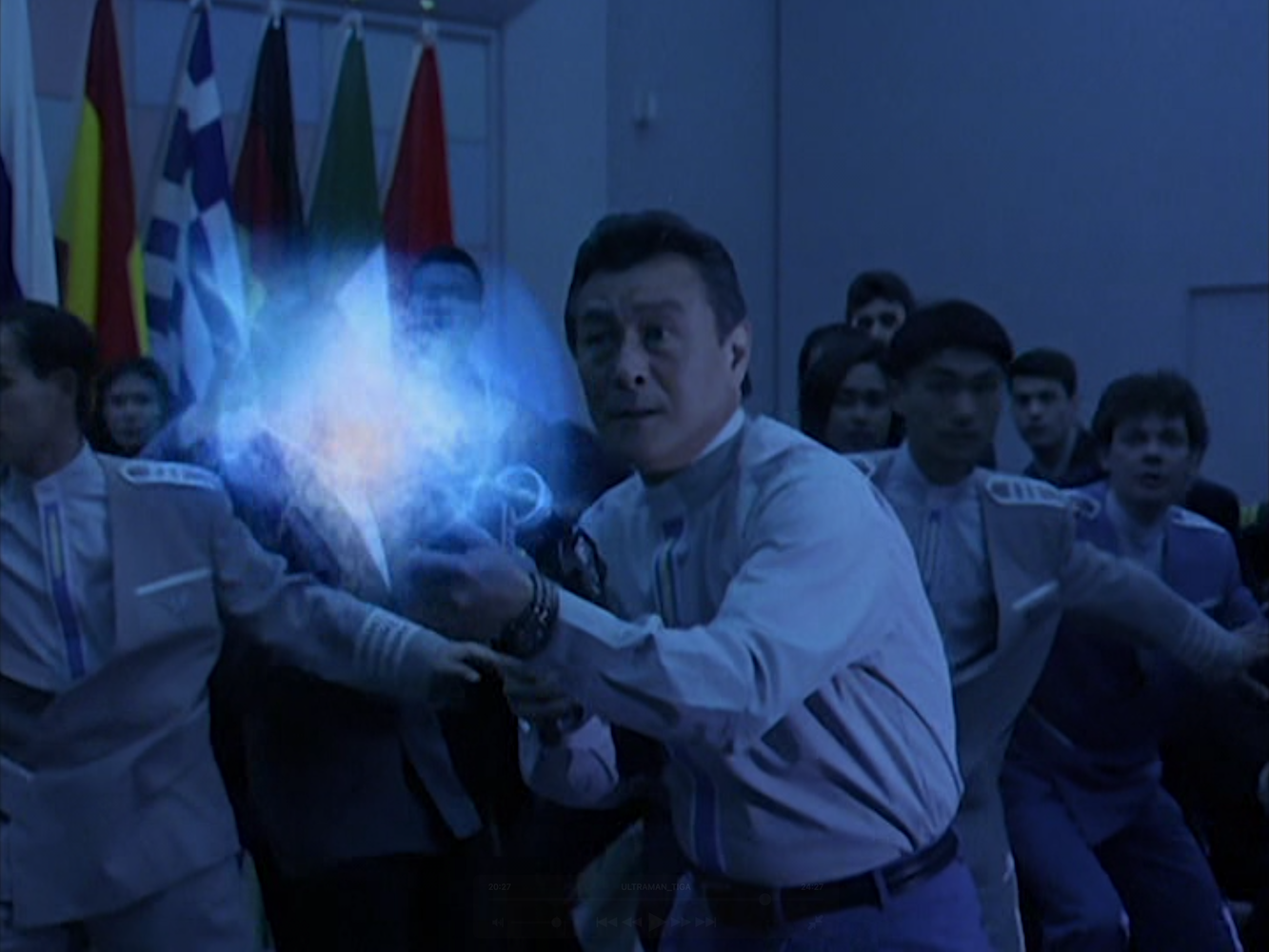
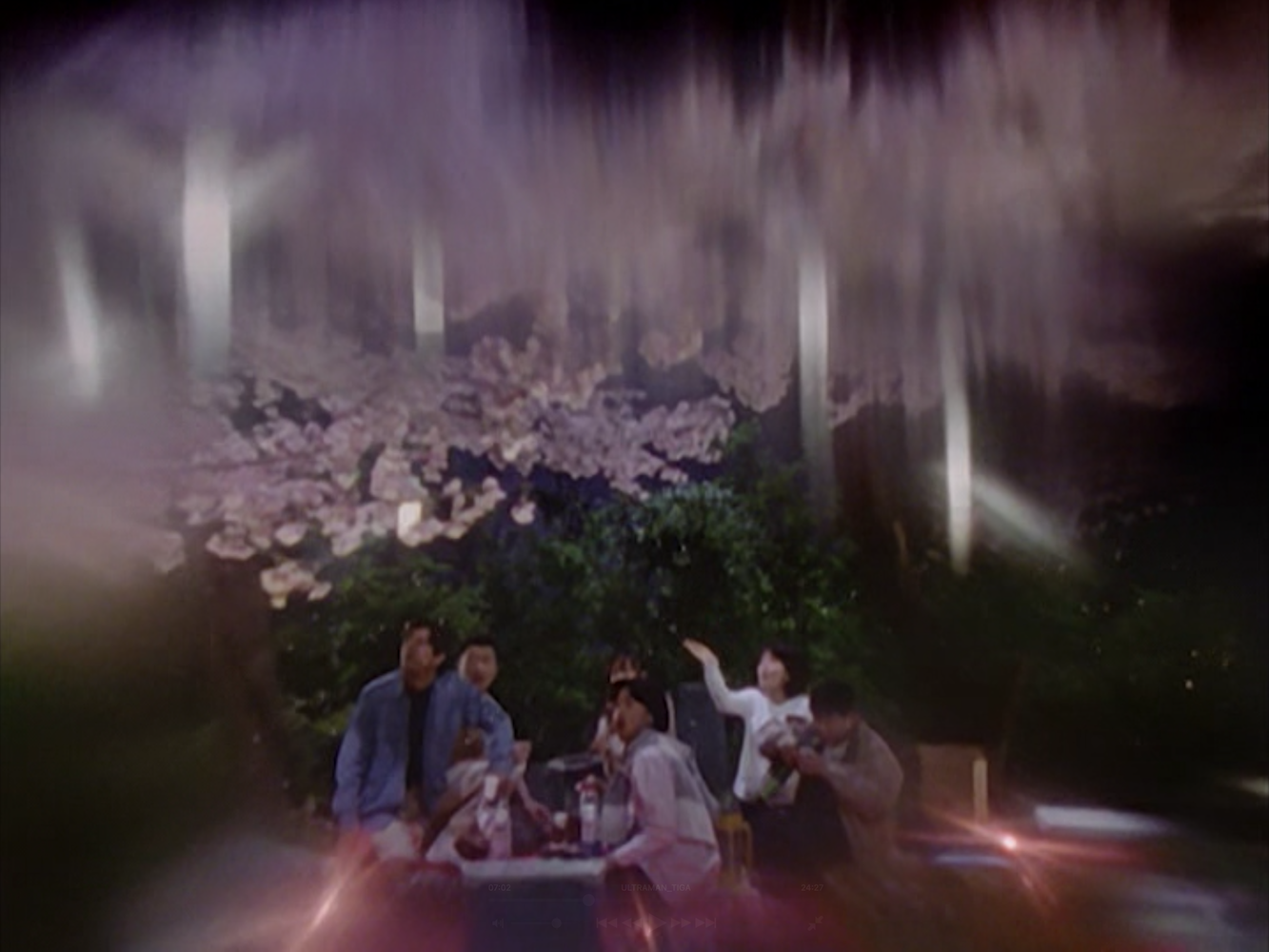
Ultraman Tiga Ep. 32: The Battle of Zelda Point

Directed by Tsugumi Kitaura. Written by Ai Ota. Airdate April 12, 1997.

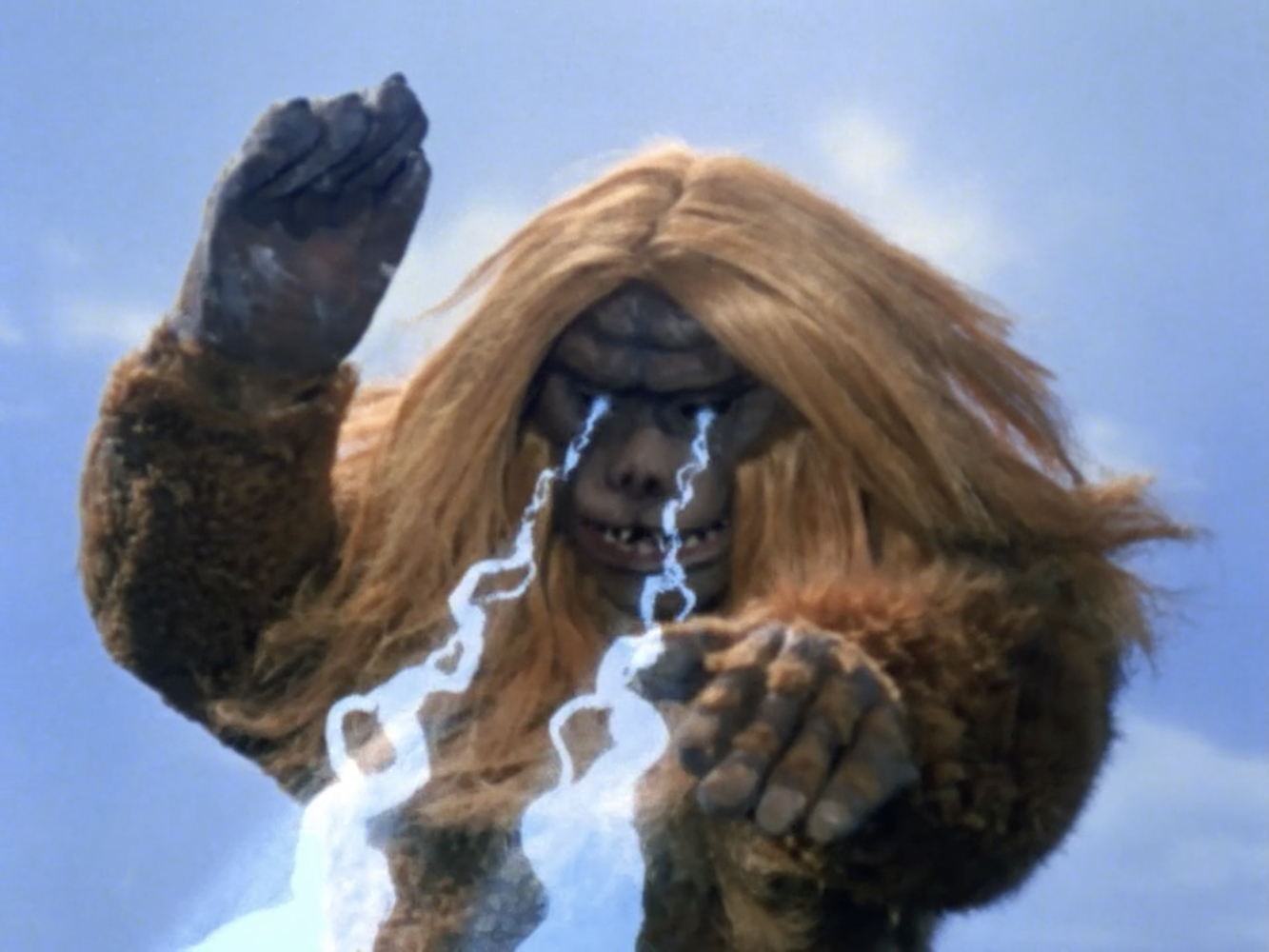
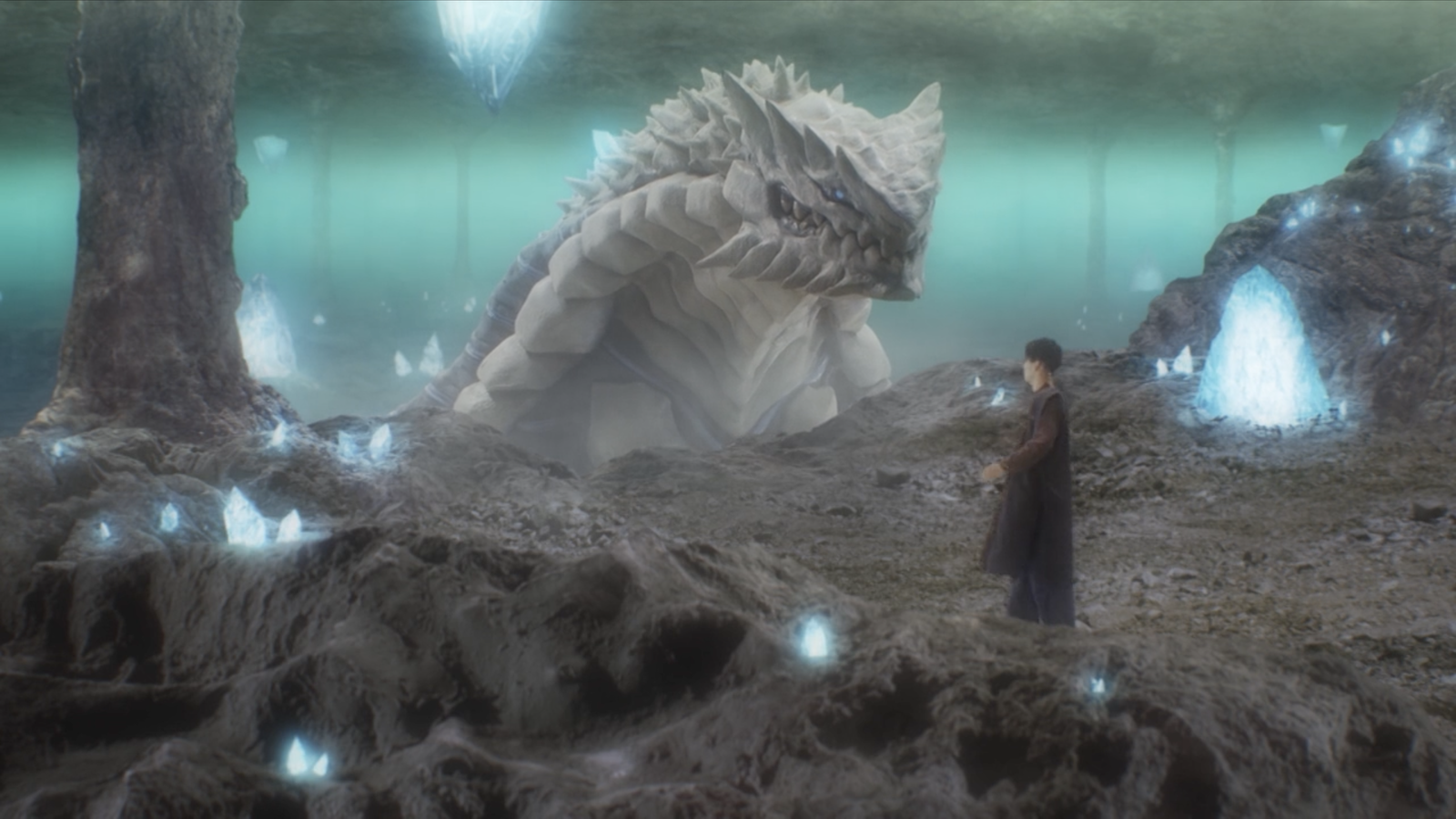
Ai Ota’s third script for Ultraman Tiga continues her style of crafting fantasy stories with childlike slants. But these are not necessarily “childish” stories. “The Battle of Zelda Point” is built on a horrible tragedy: the death of a young girl and her father’s belief that he was responsible. The episode has its bleak moments, but it also has a fairy-tale quality and a transcendent conclusion that prevent the heavy subject matter from overpowering the tone. 

Continue reading “Ultraman Tiga Ep. 32: The Battle of Zelda Point”

Ultraseven Ep. 38: The Courageous Battle

Directed by Toshihiro Iijima. Written by Mamoru Sasaki. Airdate June 23, 1968.

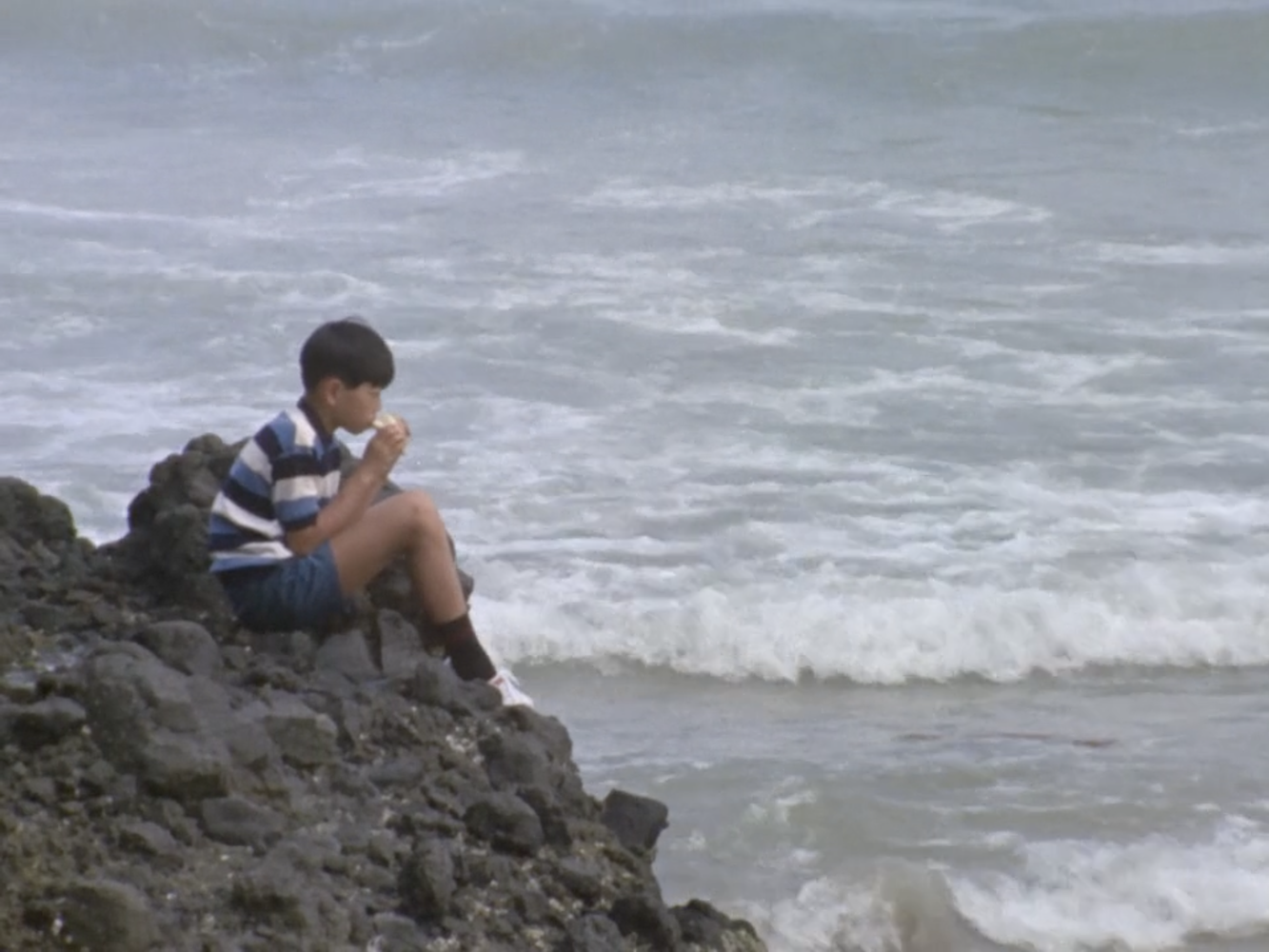
Ultraseven has the fewest kid-centered episodes of the classic-era Ultra programs. This is one of the exceptions (along with “The Eye That Shines in the Darkness”). Dan promises a boy who’s terrified about his upcoming heart surgery that he’ll be with him at the hospital during the procedure. But wouldn’t you know it: a giant alien robot starts attacking traffic jams to consume cars. That will sure cut into Dan’s free time. Dan has to go hit a home run for the kid or something.

Continue reading “Ultraseven Ep. 38: The Courageous Battle”

Ultraman Ginga S Ep. 1: The Power to Open the Way

Directed by Koichi Sakamoto. Written by Yuji Kobayashi. Airdate July 15, 2014.

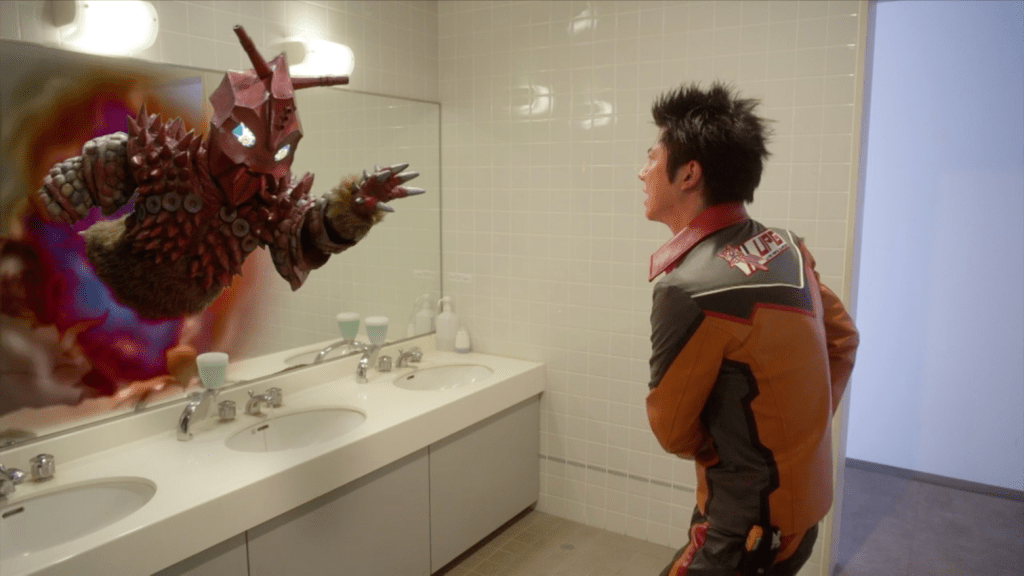
It’s time for a refresh of Ultraman Ginga that takes the renewed public interest in the Ultra Series and boosts it. The new creative team — showrunners Yuji Kobayashi and Takao Nakano, series director Koichi Sakamoto — has the important job of impressing the viewers who came from the previous show with something bigger, wilder, and better-budgeted. 

Continue reading “Ultraman Ginga S Ep. 1: The Power to Open the Way”

Ultraman Tiga Ep. 31: GUTS Base Under Attack

Directed by Tsugumi Kitaura. Written by Hideyuki Kawakami. Airdate April 5, 1997.

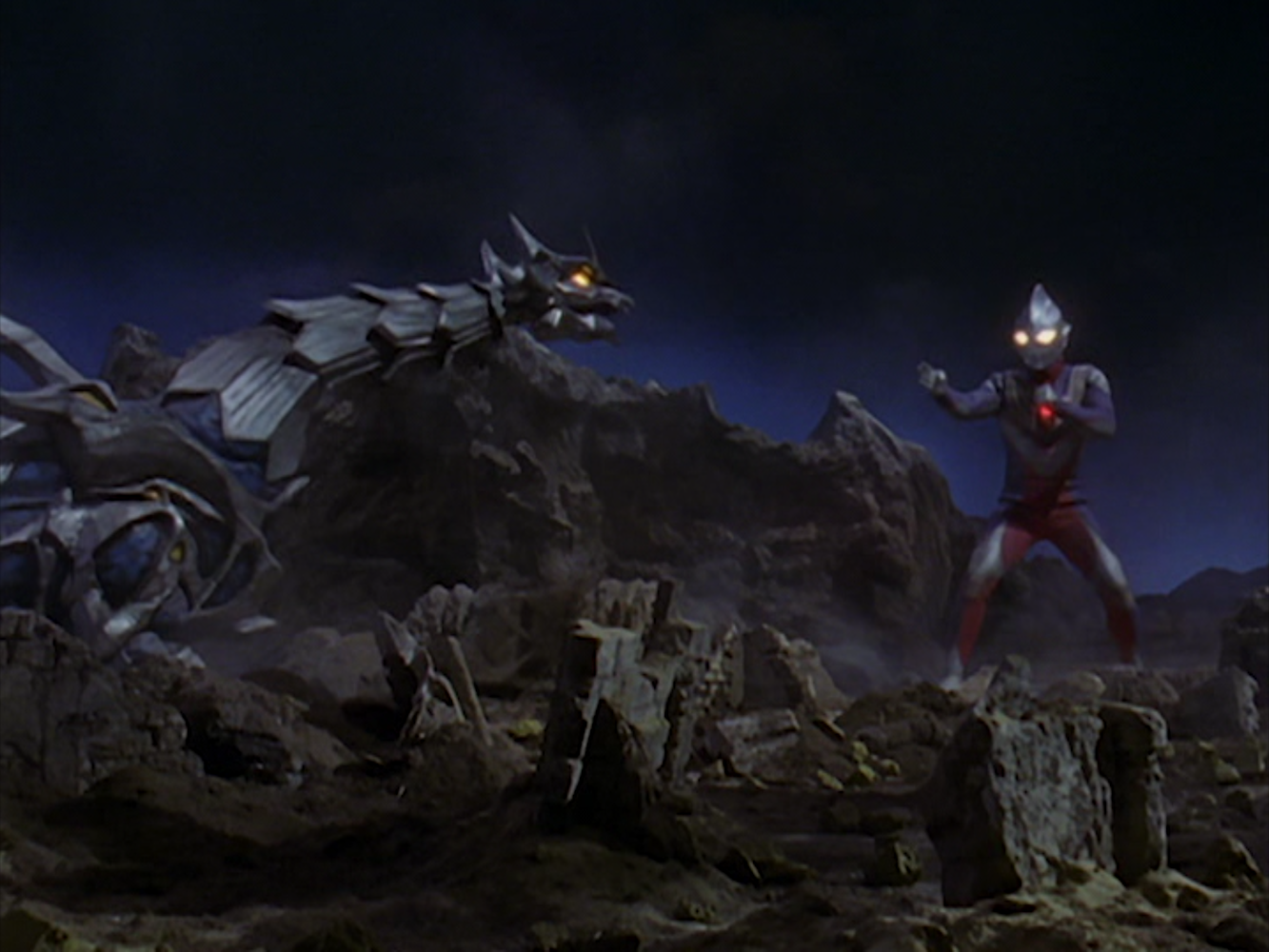
An alien lifeform capable of imitating humans and absorbing their abilities infiltrates the GUTS base, posing a potential threat to all life on Earth. In other words, Ultraman Tiga is doing its own riff on the science-fiction classics The Invasion of the Body Snatchers (both the ‘56 and ‘78 versions) and John Carpenter’s The Thing. The premise also makes for a convenient money-saving “bottle show” that sticks to the standing TPC headquarters sets and doesn’t require any guest stars.

Continue reading “Ultraman Tiga Ep. 31: GUTS Base Under Attack”

Ultraseven Ep. 37: The Stolen Ultra Eye

Directed by Toshitsugu Suzuki. Written by Shinichi Ichikawa. Airdate June 16, 1968.

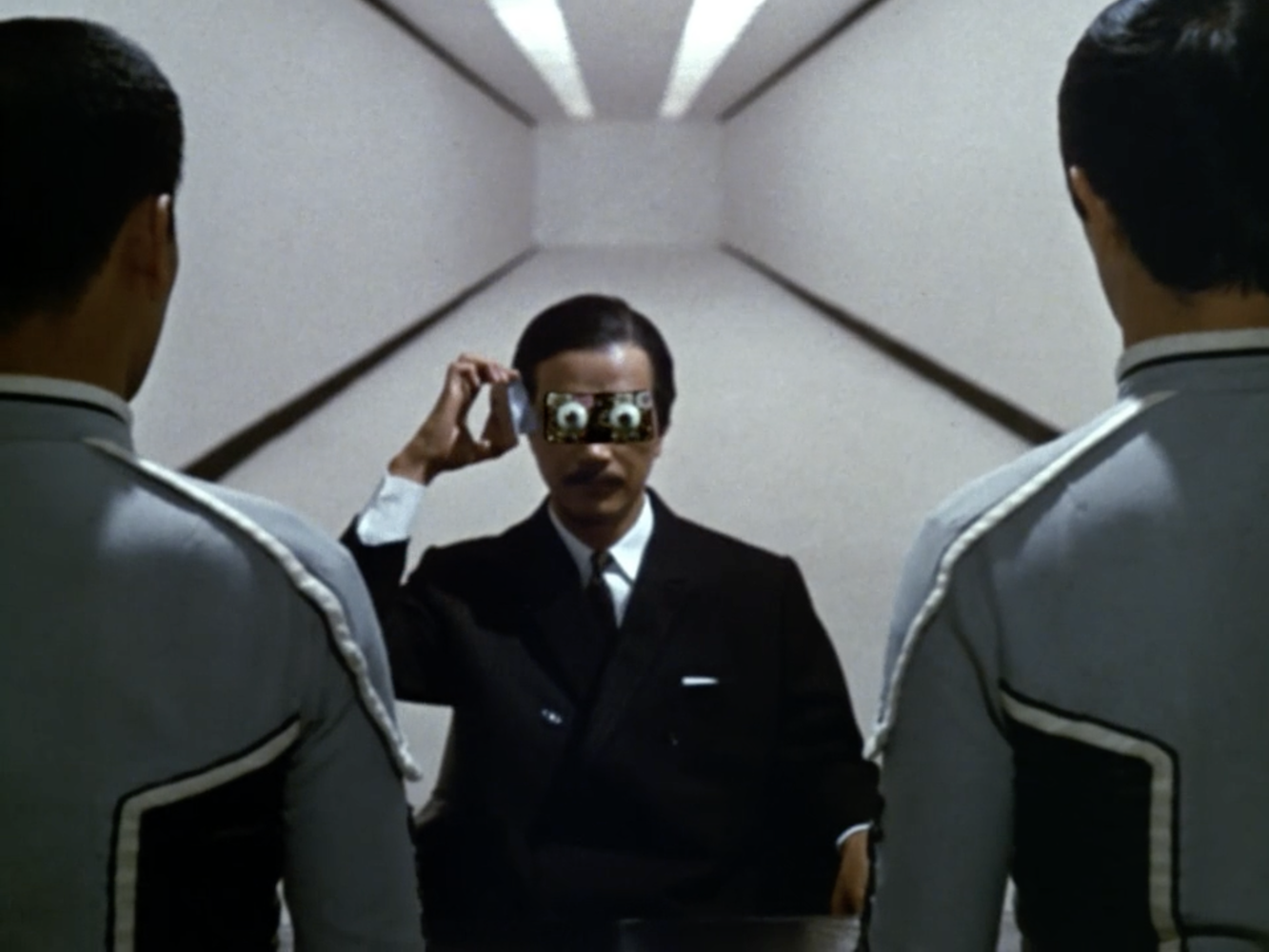
As the prelude to another dastardly alien attack on Earth, an attractive young woman deceives the Ultra Guard and steals Dan’s transforming device. We’ve seen something like this beforemore than once — but this episode features an interesting twist in how the aliens operate that shows the developing dramatic maturity of Ultraseven

Continue reading “Ultraseven Ep. 37: The Stolen Ultra Eye”

Ultraman Ginga Ep. 11: The Future of Yours

Directed by Yuichi Abe. Written by Keiichi Hasegawa. Airdate Dec. 18, 2013.

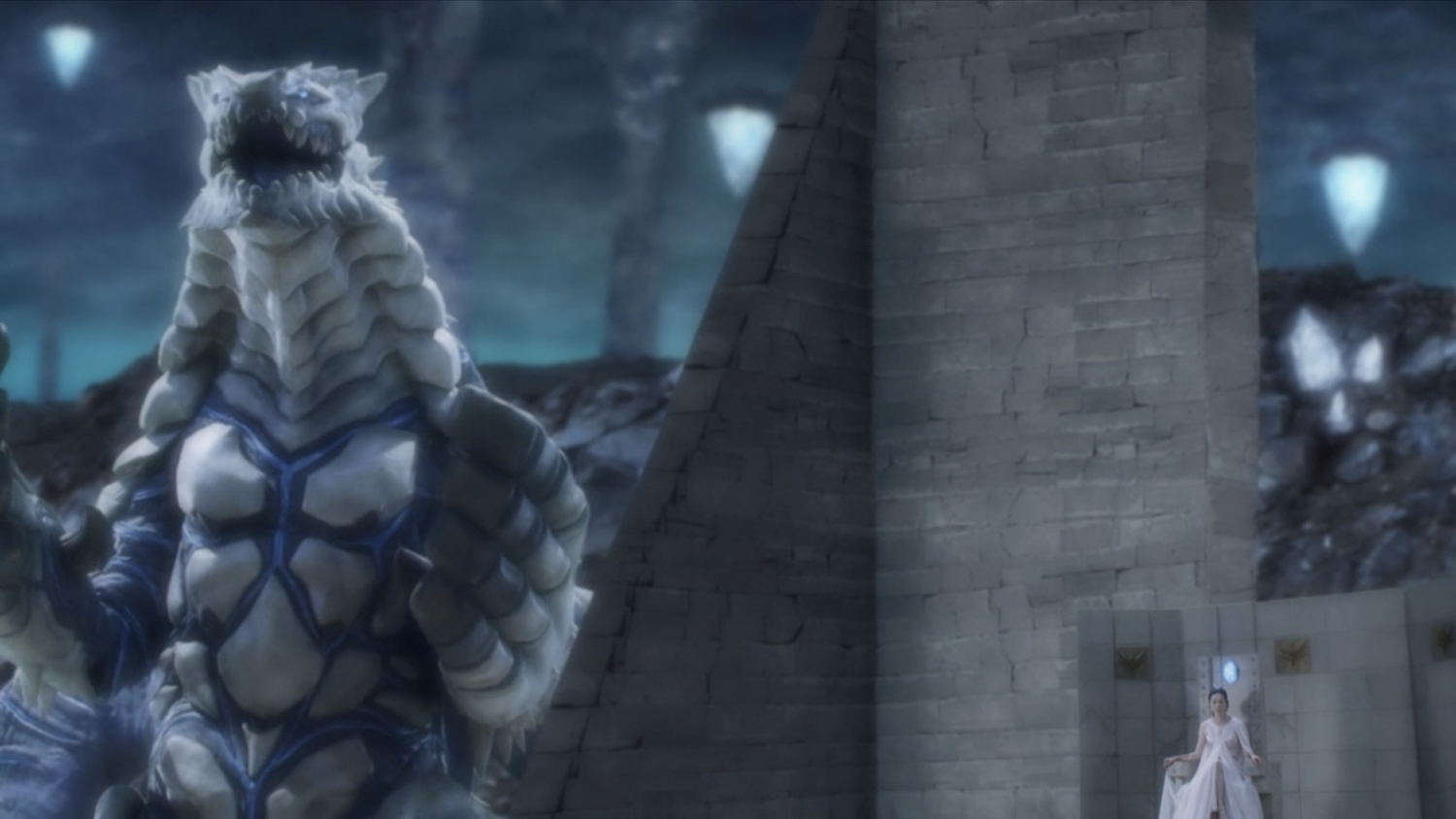
We’ve reached the finale of the first New Generation Heroes show. It’s been a short journey: eleven episodes plus a special. We’ve spent most of that time hanging out at an abandoned elementary school, watching Ultraman Ginga and his allies fight monsters in a nearby field. It’s often been glaringly underfunded, even impoverished. The themes are uneven. The drama is frequently juvenile. But this last episode, the resolution of the Dark Spark Saga and confrontation with the Ruler of the Dark, is absolutely … pretty good. Good enough to keep the Ultra Series moving forward in this new era. That’s what Ultraman Ginga was trying to achieve in the first place, so congratulations.

Continue reading “Ultraman Ginga Ep. 11: The Future of Yours”

Ultraman Tiga Ep. 30: The Monster Zoo

Directed by Masaki Harada. Written by Kazunori Saito. Airdate March 29, 1997.

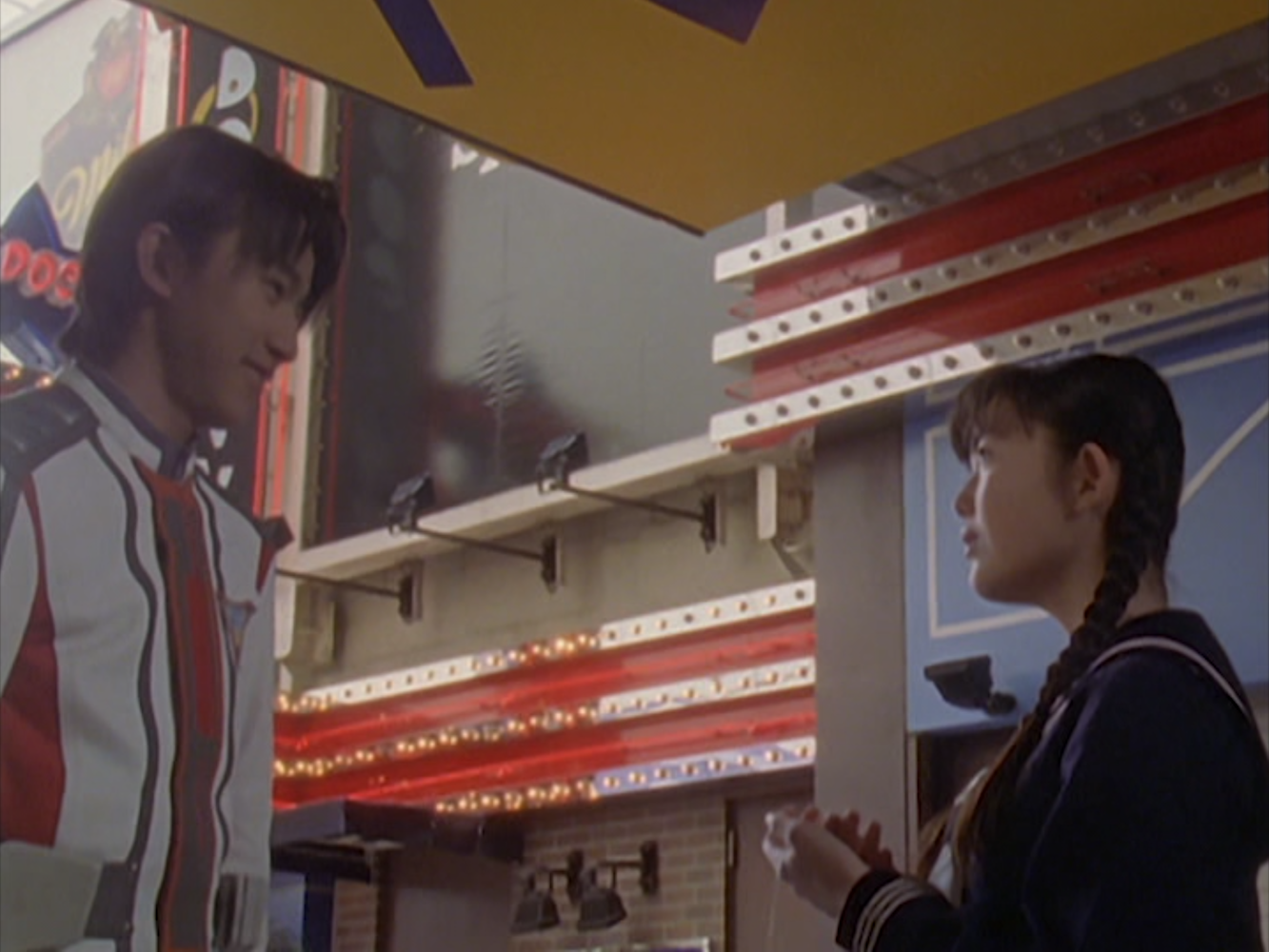
Rena asked Daigo out at the height of the apocalyptic events of “The Devil’s Judgement.” This episode opens on the apparent outcome of that: the two are on a date at a rural zoo on a pleasant sunny day. A zoo seems the right weekend getaway for them. (Although the two of them making jokes that the cows resemble Horii is a touch rude.) Anyway, because this is Ultraman Tiga, Rena and Daigo’s date is interrupted when a giant monster bursts through the zoo grounds.

Continue reading “Ultraman Tiga Ep. 30: The Monster Zoo”

Ultraseven Ep. 36: A Lethal 0.1 Seconds

Directed by Samaji Nonagase. Written by Hiroyasu Yamaura. Airdate June 9, 1968.

Samaji Nonagase is back directing a suspense-filled episode that goes full ‘60s spy-fi. This is as close as Ultraseven gets to turning into a straightforward action show. There’s a special effects finale where Seven battles an alien ship, but the actual peak of the action is the lethal fraction of a second in the title — and it’s a duel of human vs. human, revolver vs. revolver. 

Continue reading “Ultraseven Ep. 36: A Lethal 0.1 Seconds”

Ultraman Ginga Ep. 10: Darkness and Light

Directed by Yuichi Abe. Written by Akira Tanizaki. Airdate Dec. 11, 2013.

The theme that Ultraman Ginga has prominently played up over its run is the pursuit of personal dreams and how important it is to have a dream and try to live it. That’s a good crowd-tested message for an adventure program, plus it’s effective with younger viewers. 

Continue reading “Ultraman Ginga Ep. 10: Darkness and Light”

Monster Theater: The Son of Kong (1933)

Directed by Ernest B. Schoedsack. Written by Ruth Rose. Starring Robert Armstrong, Helen Mack, Frank Reicher, John Marston.

The Son of Kong is a semi-forgotten film. Nobody writes much about it. People don’t watch King Kong and then immediately think, “Hey, now let’s watch Son of Kong.” Yet it’s a direct sequel, made by most of the same crew, with several returning cast members. It followed fast on the heels of the original, reaching theaters a mere six months later. Why isn’t it better known to the public?

Continue reading “Monster Theater: The Son of Kong (1933)”