Directed by Yoshikazu Ishii. Written by Aya Takei. Airdate August 6, 2013.
Although Sho is the co-lead of Ultraman Ginga S, this is the first episode to dig beneath his tough-guy loner exterior. Sho is a fundamentally different person from the gregarious Hikaru, and that difference risks turning him unlikable, even with two young sidekicks, Lepi and Sakuya, looking up to him. Sho needs a few dashes of doubt and maybe a major defeat to leaven his stubbornness.
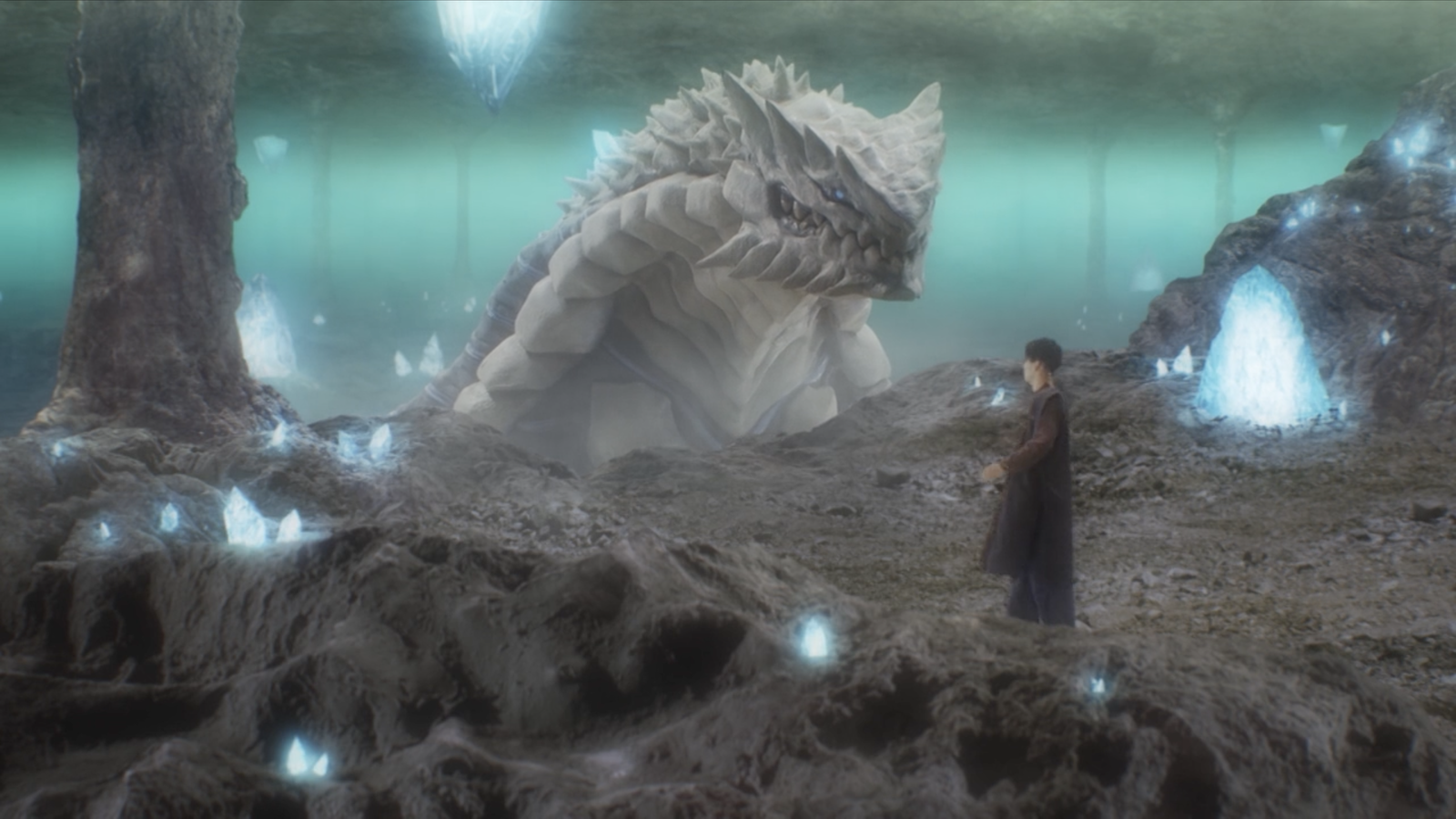
That defeat arrives when Android One Zero summons the next kaiju to help steal Victorium Crystals for her boss: Sadolar, a classic monster first introduced in Return of Ultraman. Sho transforms into Ultraman Victory, but he discovers his power-ups — like Eleking’s tail and EX Red King’s arm — no longer work. Victory can’t stop Sadolar, and Ginga has to leap in for the save. Before the battle, Sho started to question whether it was right for him to use the abilities of the same monsters who are attacking his civilization. This doubt apparently caused his powers to fizzle.
I like Sho’s hesitancy about borrowing the powers of destructive monsters. It’s not just because it’s an interesting, justified conflict; it could also mean dropping these power-ups entirely so we don’t have to sit through extra time-sucking transformation sequences. However, toys still need to be sold, so of course, Sho will eventually overcome his reluctance to use abilities taken from defeated from monsters.
This doubt over kaiju weapons is only the beginning of Sho’s struggle. He starts to question his approach as a hero and whether he has the strength to win battles on his own. Queen Kisara of the Victorians urges him to speak to Hikaru because “he has what you don’t.”
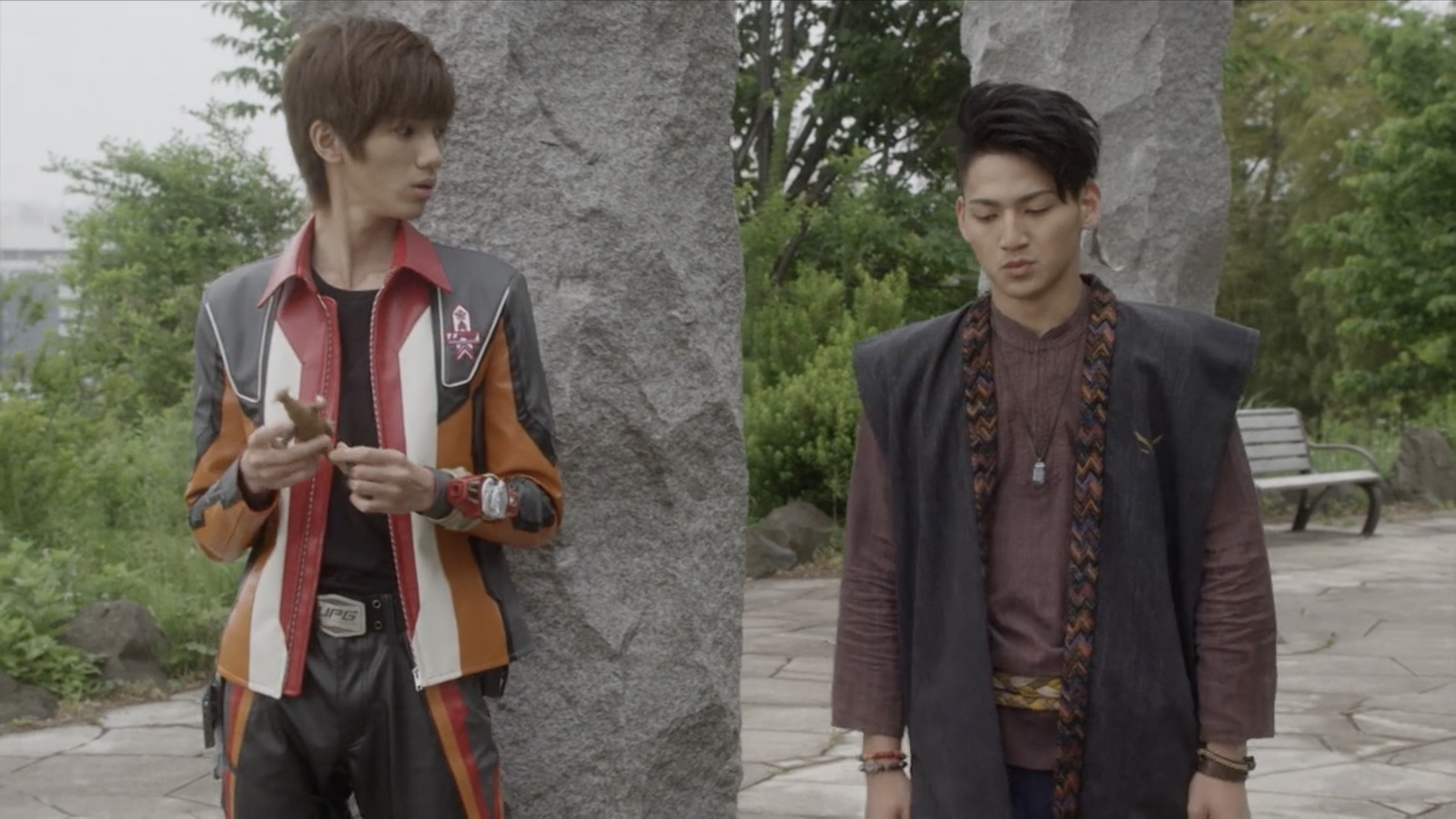
This leads to the first time Sho and Hikaru really talk to each other. Up to this point in Ginga S, Sho has mostly shouted at Hikaru and done his best not to listen to his unofficial partner in the war against Alien Chibull. Sho is still belligerent when he approaches Hikaru with the “Whaddya got that I ain’t got?” question, but it’s an important advance for the character, as well as the best dramatic scene in the series so far.
The division between Hikaru and Sho comes down to Hikaru relying on allies and Sho’s belief that strength means fighting on your own. Sho claims that he fights “seriously,” and that Hikaru’s method of working with others somehow isn’t serious. Since the Ultra franchise is always about working with others — it’s one of its core tenets — Sho is obviously meant to be in the wrong.
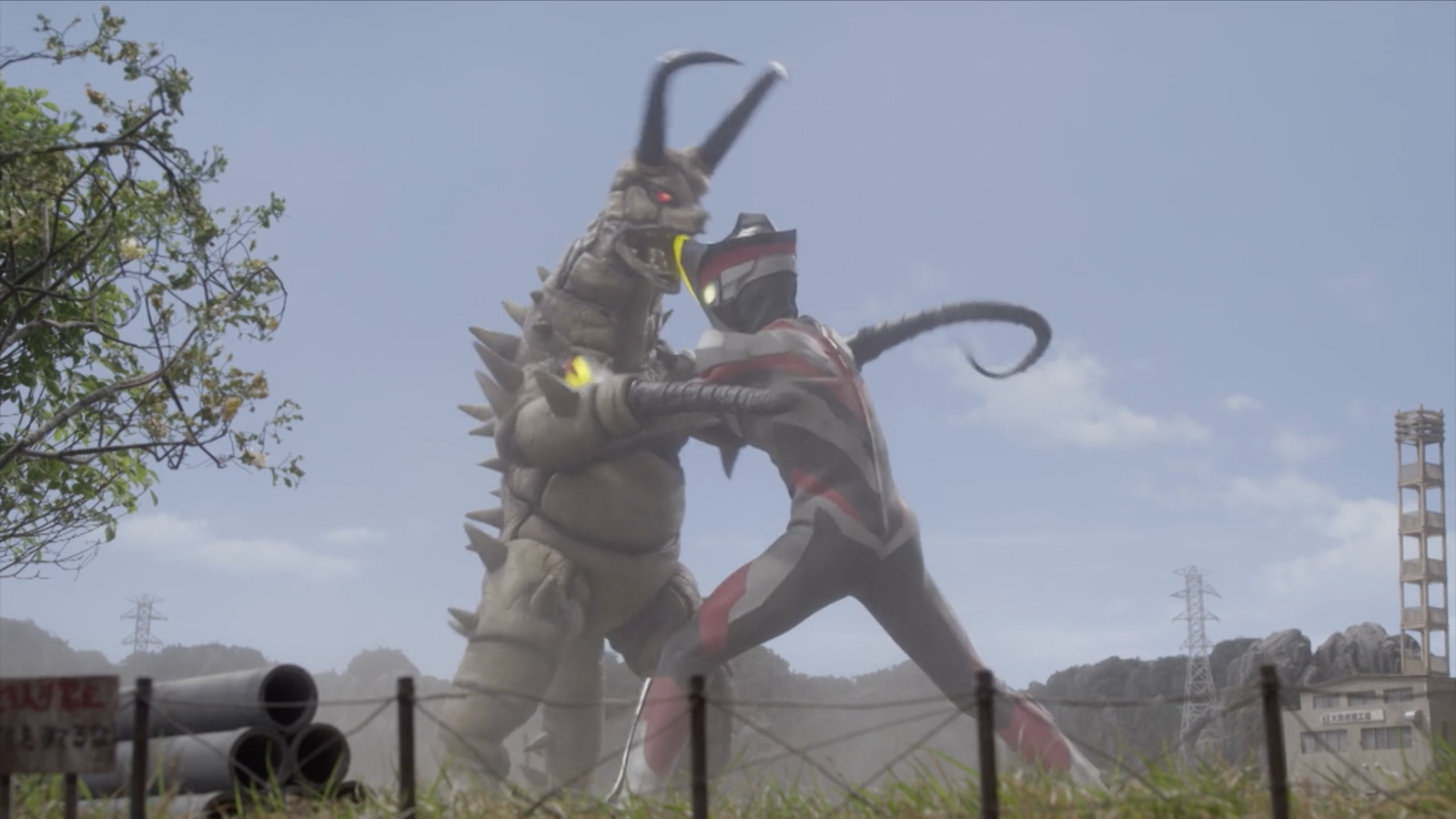
The action scenes are designed to support these themes, something that the action-overloaded episodes often lack. Sho learns a lesson about accepting help during an almost fatal fight with another classic kaiju from Return of Ultraman, whiplash beast Gudon. In an interesting change-up, Ginga doesn’t take part in this battle. Instead, Hikaru finds a different way to provide assistance. He’s not the only one who backs up Victory: there are also assists from Shephardon and young Lepi. It’s a big “Help Sho!” lovefest.
The message of relying on friends is an elementary one, but it never feels too maudlin. That’s partially because the fight between Gudon and Ultraman Victory is actually quite brutal. Without help, I think Victory might have been cooked. Gudon is a great kaiju, and its slashing whip-arms make for a tactile fight. The action staging makes it feel like Victory could lose. When help finally arrives, it feels earned.
There’s one “off” moment during the otherwise solid finale: Hikaru hesitates about whether to join the battle to help Victory. He says he wants to honor Sho’s desire to fight on his own, but I don’t buy it. Hikaru is always ready to help, and his job as Ginga is to fight destructive monsters. He’s not going to stay out of a battle with a deadly kaiju and risk lives just because Sho is having a crisis of selfishness.
Hikaru has his own major development in the episode: trying to explain to teammates Arisa and Gouki why he’s now wearing the ridiculous-looking Strium Brace. Ultra hosts don’t often have to make excuses for the weird alien transformation devices they carry around. But the Strium Brace looks especially goofy — because it’s actually a cheap toy — so Hikaru and Tomoya trying to claim it’s a giant alarm clock to stop Hikaru from oversleeping is fun lampshading.
Sho hasn’t entirely won me over yet, but we have plenty more episodes to see him develop. This is a good stride forward and the right blend of drama and action I want from a New Generation Heroes show.
Rating: Good
Previous: The Lone Warrior
Next: Friend and Devil