Ultraseven Ep. 24: Return to the North!

Directed by Kazuho Mitsuta. Written by Shinichi Ichikawa. Airdate March 17, 1968.

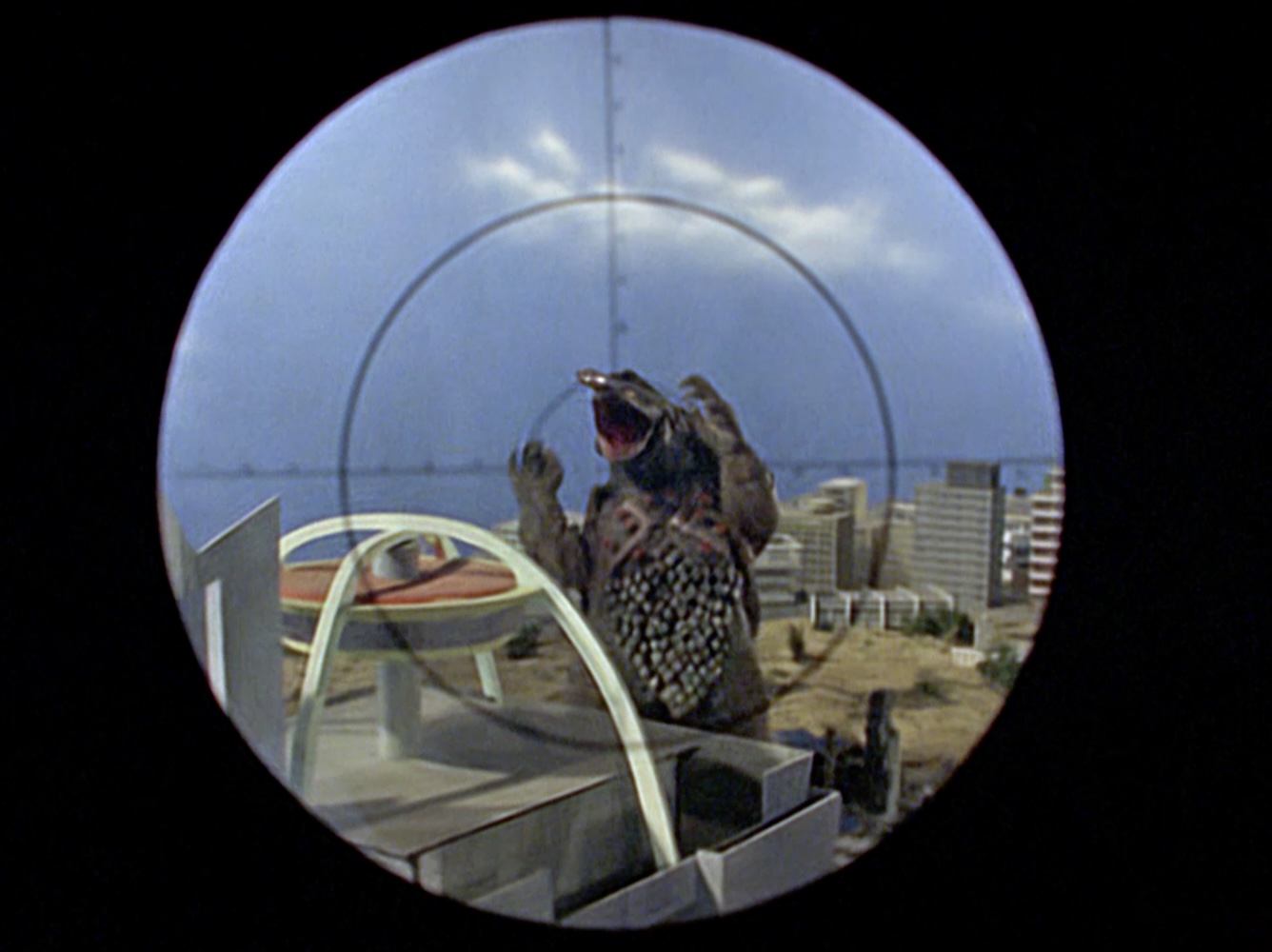
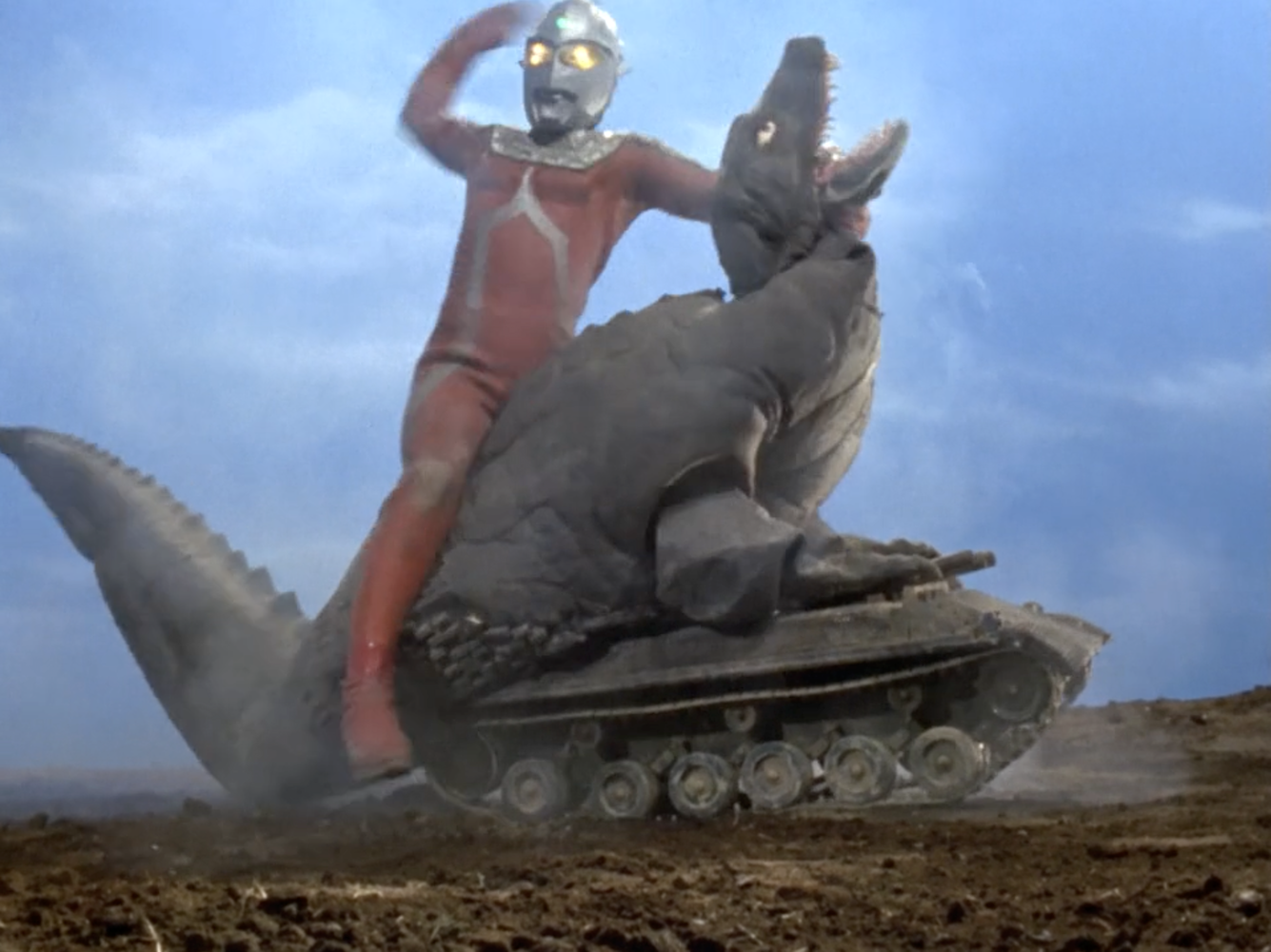
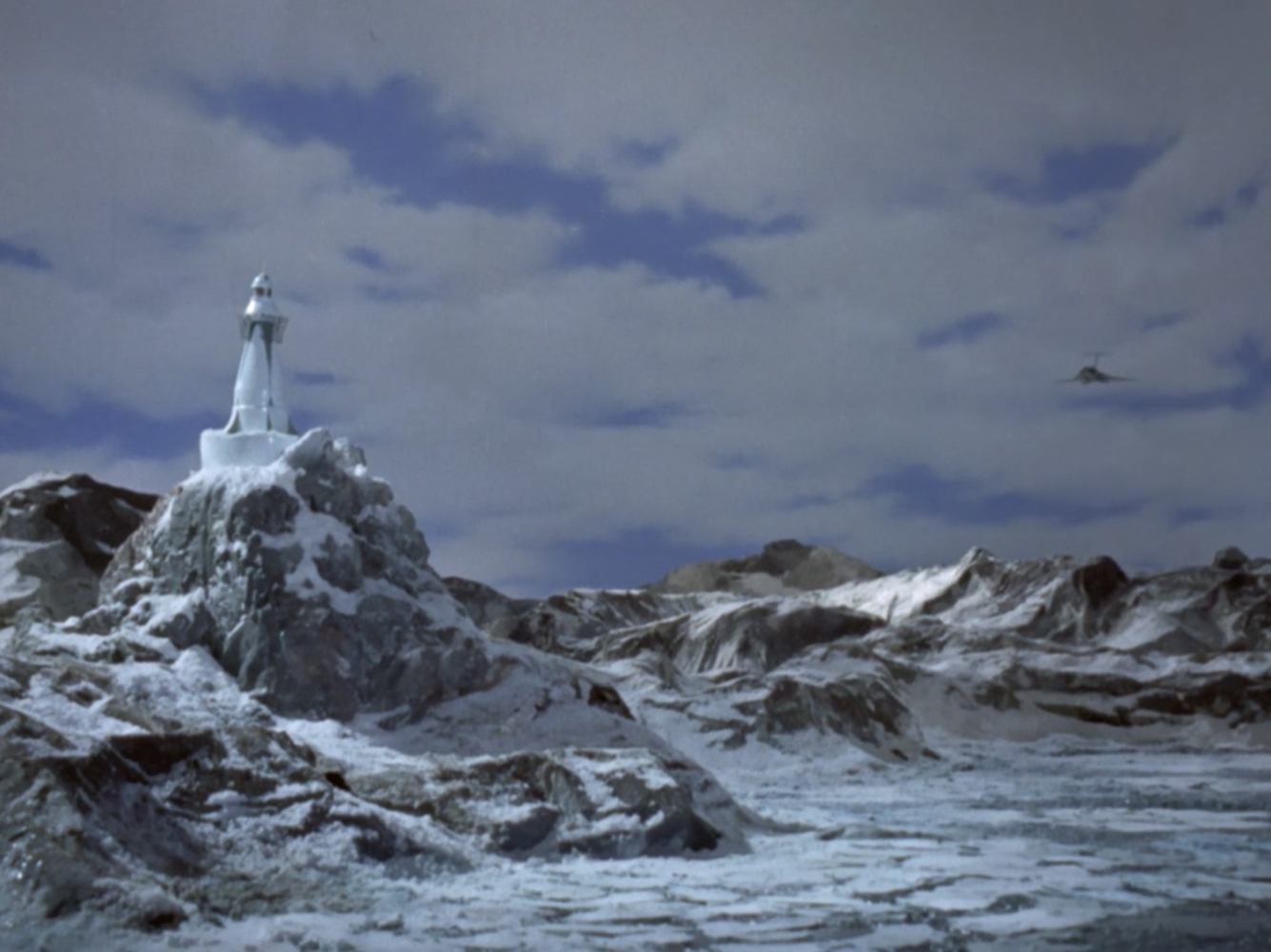
It’s rare to have an Ultraseven episode focused on a drama about an individual Ultra Guard member. There are occasional shows that let a particular character take the spotlight, such as “Search for Tomorrow,” which put Captain Kiriyama in conflict with his own team. But “Return to the North!” goes further: it examines the personal life of a member outside of the Ultra Guard. Surprisingly, the UG member picked for the starring role is Shigeru Furuhashi, the team’s “shoot first” action guy. 

Continue reading “Ultraseven Ep. 24: Return to the North!”

Ultraman Tiga Ep. 16: The Revived Demon

Directed by Kyota Kawasaki. Written by Hideyuki Kawakami. Airdate Dec. 21, 1996.

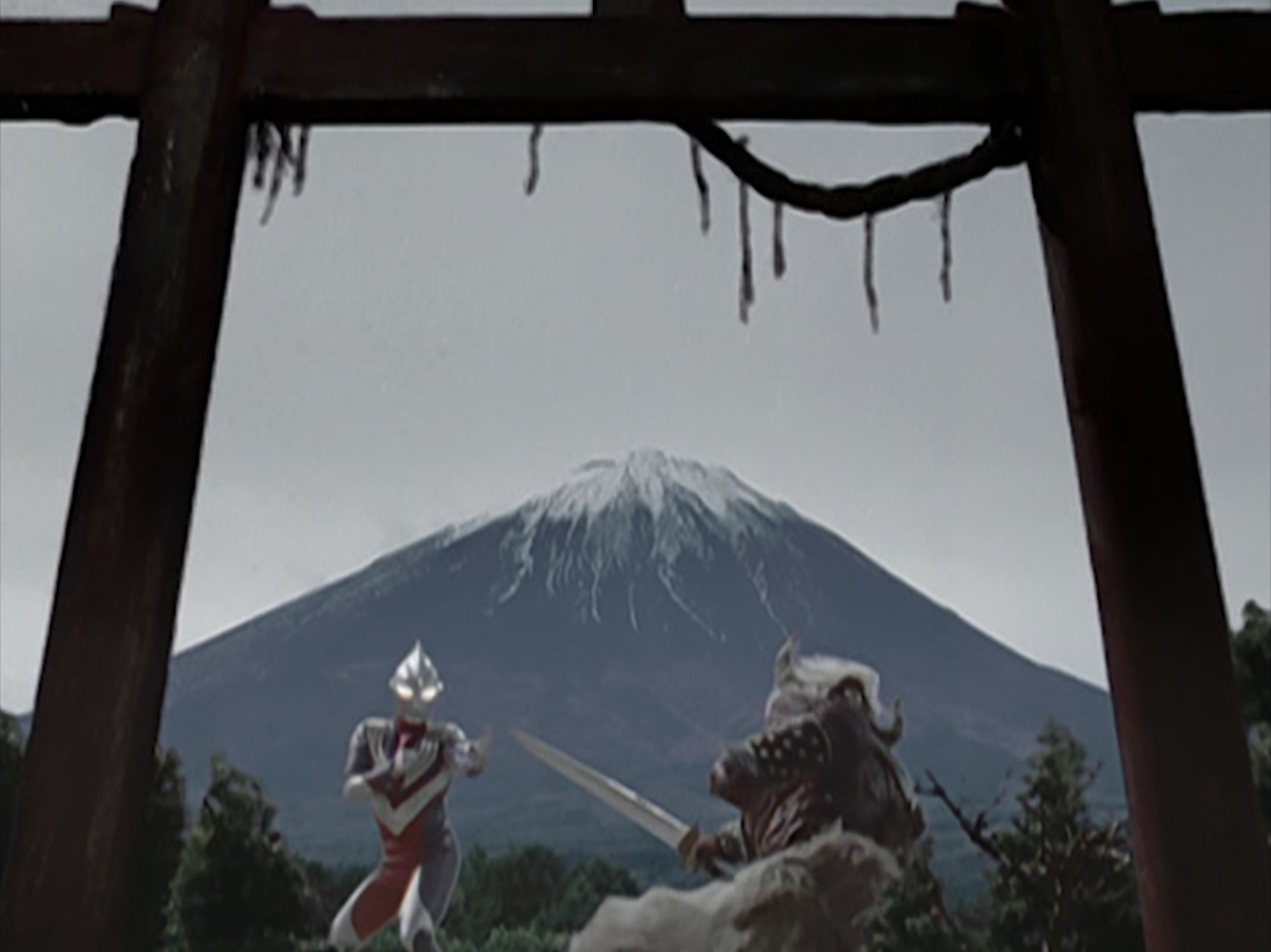
After a hint of the supernatural in the previous episode, Ultraman Tiga goes into a full-fledged fantasy drawn from Japanese legends and the country’s feudal era. The Showa era Ultra shows rarely visited this time period, mostly because the networks didn’t want to limit international sales by making the shows “too Japanese.” Thankfully, the Heisei era loosened up on this so that the more fantastical world of samurais, shoguns, ogres, and demons could burst through to Ultraman’s world. “The Revived Demon” is among the best of these types of episodes, and it’s one of director Kawasaki’s most impressive outings on Tiga

Continue reading “Ultraman Tiga Ep. 16: The Revived Demon”

Ultraman Tiga Ep. 15: Phantom Dash

Directed by Kyota Kawasaki. Written by Kazuo Tsuburaya and Junki Takegami. Airdate Dec. 14, 1996.

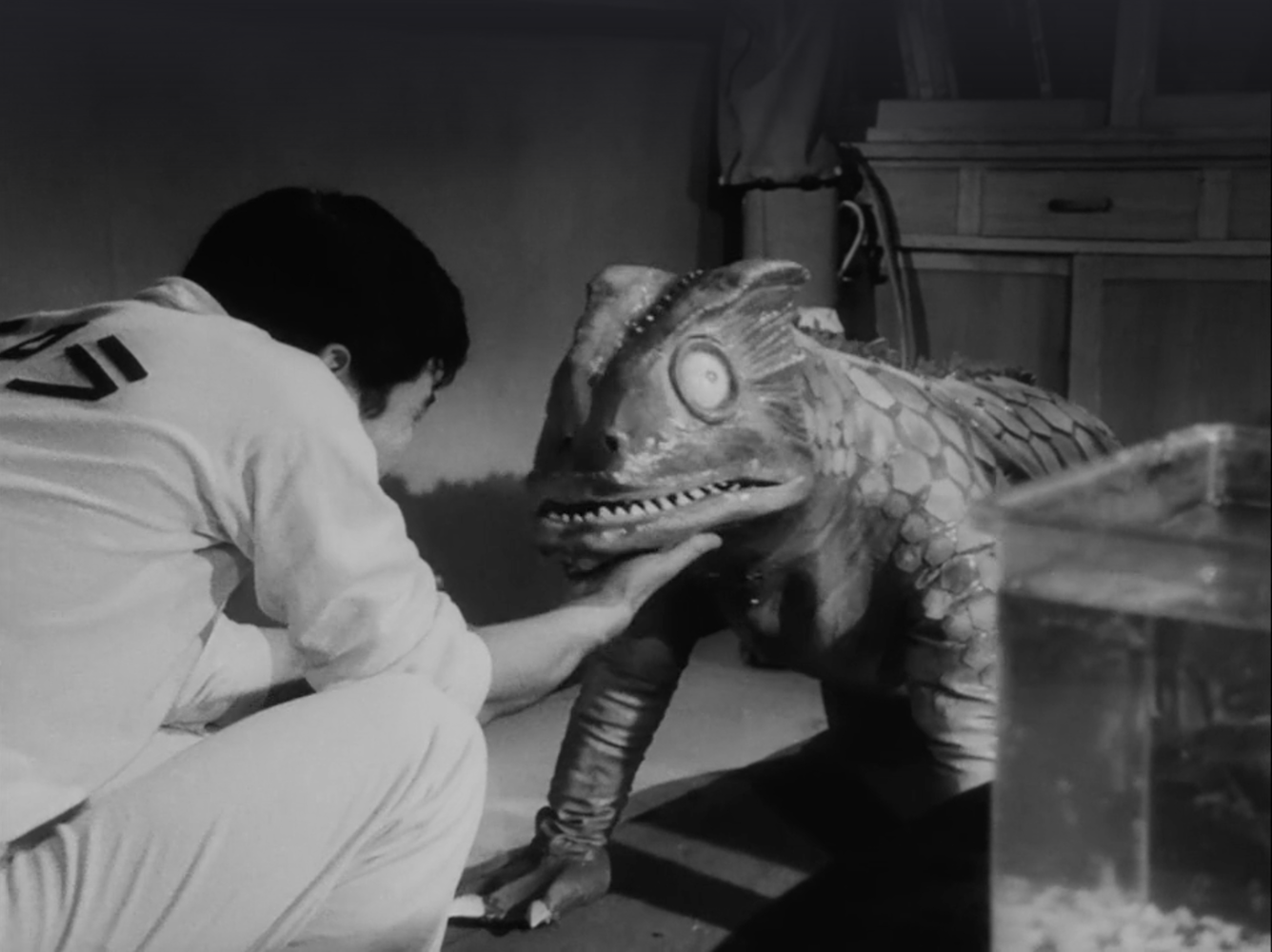
Gazort and the Clitters are back, everyone! Gazort still looks fantastic, arguably Ultraman Tiga’s most memorable kaiju. However, like the first episode with Gazort, the monster is less the star and more the catalyst for a character study. Horri was at the center of “Second Contact.” Now Shinjoh takes over as the pivotal figure, sharing the spotlight with his sister Mayumi (Kei Ishibashi). The mix of a great monster encore, an emotional character-driven story, and a touch of the weird makes for one of the best Ultraman Tiga episodes so far.

Continue reading “Ultraman Tiga Ep. 15: Phantom Dash”

Ultra Q Ep. 27: The Disappearance of Flight 206

Directed by Koji Kajita. Written by Tetsuo Kinjo and Hiroyasu Yamaura. Airdate July 3, 1966.

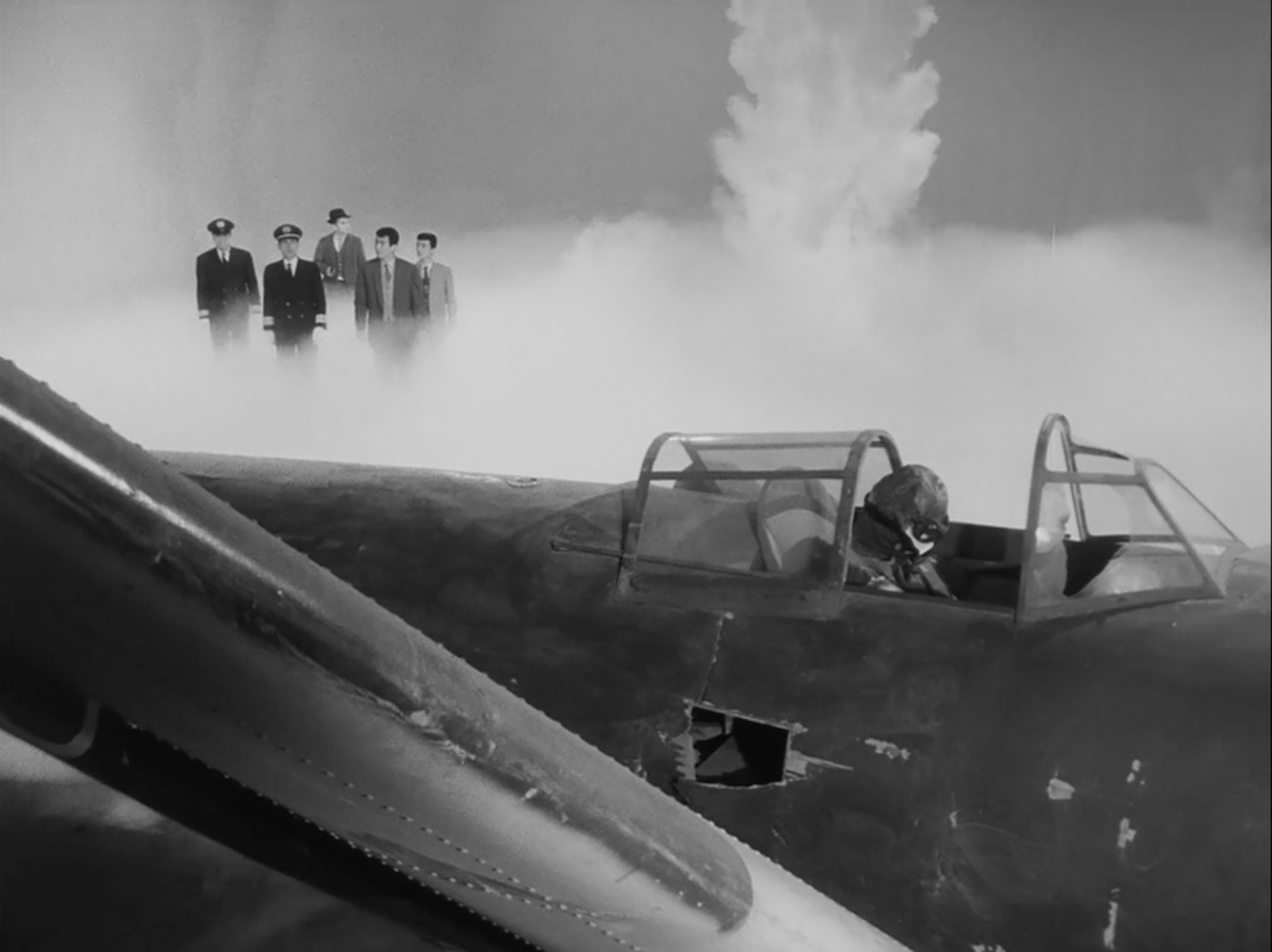
Jun and Ippei are returning from pilot training in Hong Kong aboard the maiden flight of a supersonic jet. The last time Ultra Q took a ride on the inaugural run of a super-speed vehicle, it was in “The Underground Super Express Goes West.” It was not a smooth trip. This second trip on emerging high-speed technology also goes wrong fast. Flight 206 gets dragged into a mysterious whirlpool in the sky and vanishes, leaving poor Yuriko and Professor Ichinotani at the airport baffled by yet another uncanny occurrence in the Unbalanced Zone.

Continue reading “Ultra Q Ep. 27: The Disappearance of Flight 206”

Ultra Q Ep. 26: Blazing Glory

Directed by Kazuho Mitsuta. Written by Toshihiro Iijima. Airdate June 26, 1966.

Director Kazuho Mitsuta’s second aired episode (although produced before “Space Directive M774”) is his first classic. Mitsuta had a knack for intense character-driven stories told with cinematic flair. His episodes look fantastic without being ostentatious. “Blazing Glory” shows Mitsuta operating at a high level and delivering the best possible episode from one of Ultra Q’s most dramatic, human stories.

Continue reading “Ultra Q Ep. 26: Blazing Glory”

Ultra Q Ep. 25: The Devil Child

Directed by Koji Kajita. Written by Kyoko Kitazawa and Ken Kumagai. Airdate June 19, 1966.

The massive success of Ring (1998) ignited the J-Horror boom of the late 1990s and 2000s, but the unique style of Japanese horror has a long history. Several key supernatural horror films came out in the 1960s: Onibaba (1964), Kwaidan (1965), and Kuroneko (1968). “The Devil Child” is Ultra Q’s contribution to Japanese ghost lore of this era. It combines the concept of the dangerous ghost child with science-fiction elements for that peculiar Ultra Q mix. It’s one of the show’s eeriest and subtlest achievements.

Continue reading “Ultra Q Ep. 25: The Devil Child”

Ultra Q Ep. 24: The Statue of Goga

Directed by Samaji Nonagase. Written by Shozo Uehara. Airdate June 12, 1966.

The James Bond craze has hit Japan. Time for an Ultra episode to go full espionage. The accouterments of a ‘60s spy film are all over this half hour: A wealthy villain with a hidden underground base filled with stolen artwork. Secret agents with numbered codenames who wear shades indoors. Lethal henchmen in slick suits. A swanky female spy loaded with gizmos. Wrist communication devices. Exploding cars. And, of course, a giant snail with a drill attachment. Well, this is Ultra Q, after all. 

Continue reading “Ultra Q Ep. 24: The Statue of Goga”

Ultraman Tiga Ep. 13: Human Collection

Directed by Hirochika Muraishi. Written by Minoru Kawasaki and Hirochika Muraishi. Airdate Nov. 30, 1996.

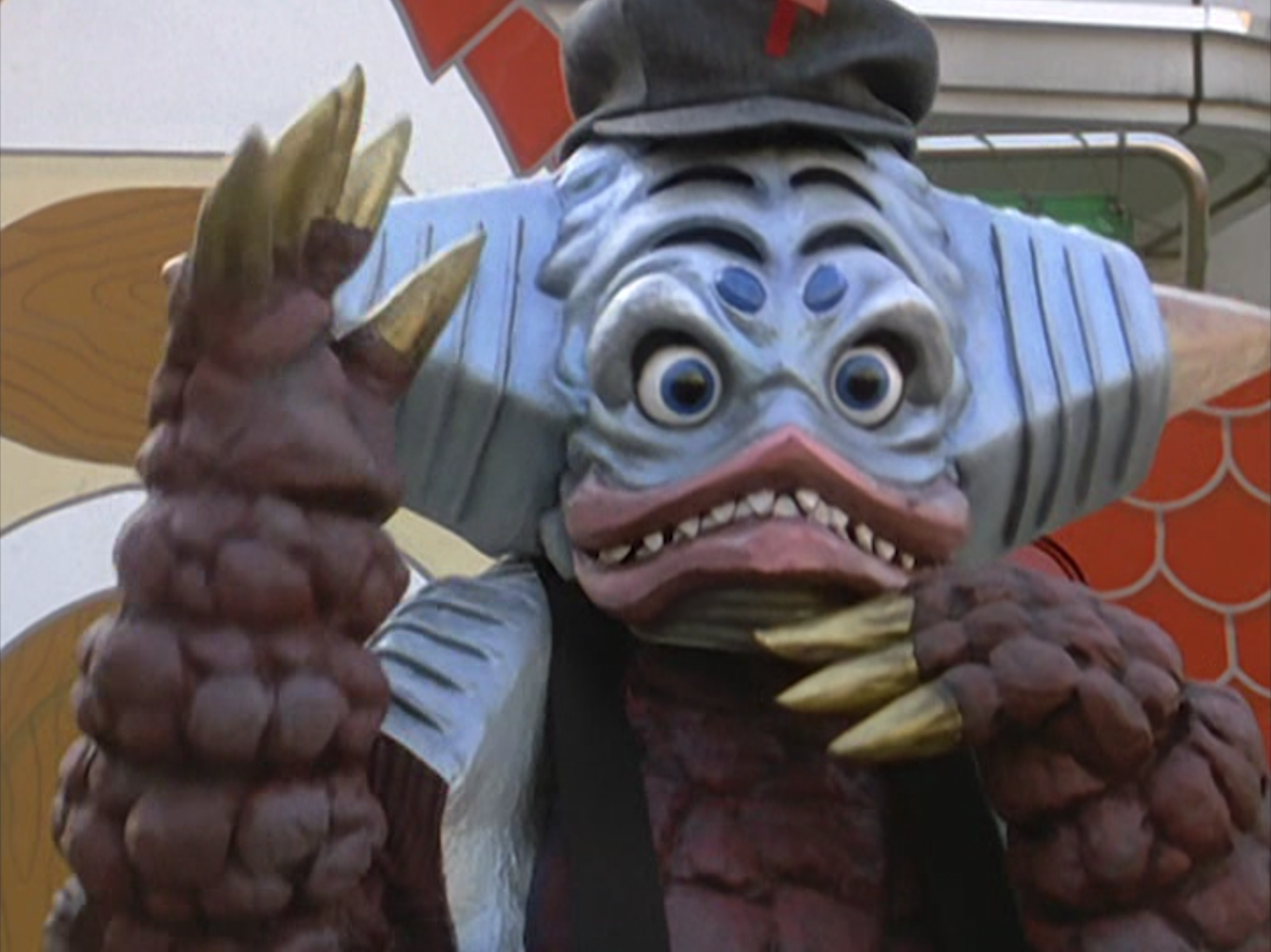
Young Shinichi is walking home alone one night — not an activity I recommend for third graders — when he sees a strange “crow man” using a ray gun to shrink and capture a pedestrian on the street. Thankfully, Shinichi is Shinjoh’s cousin, so he can call GUTS headquarters directly to inform them of the new threat. Because of a recent spate of vanishings in the area, Shinjoh and Daigo go to check out the kid’s story. They encounter the mystery crow-headed man, who uses his shrinking ray to nab Shinichi and then escape.

Continue reading “Ultraman Tiga Ep. 13: Human Collection”

Ultraman Ep. 18: Brother From Another Planet

Directed by Samaji Nonagase. Written by Tetsuo Kinjo and Samaji Nonagase. Airdate Nov. 13, 1966.

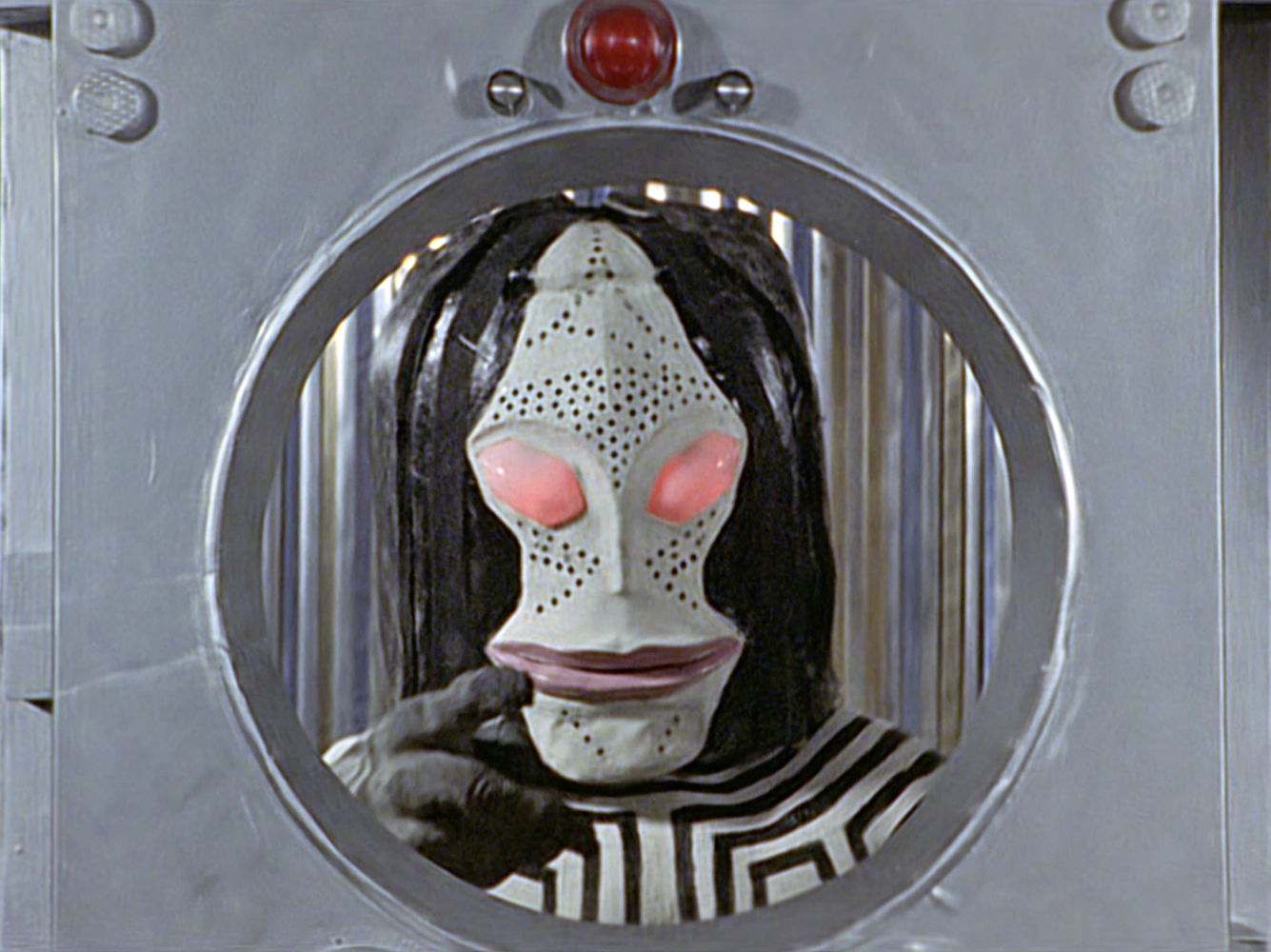
Ultraman has three classic sentient alien villains. We’ve already met Alien Baltan. Twice. Later we’ll meet Alien Mefilas, maker of dark deals. Today we meet Alien Zarab, who wants humanity to believe he’s their pal, the brother from another mother planet who’s looking out for Earth’s best interests — just like the aliens from the classic Twilight Zone episode “To Serve Man.” And look how well that turned out. 

Continue reading “Ultraman Ep. 18: Brother From Another Planet”