Ultraman Tiga Ep. 6: Second Contact

Directed by Kyota Kawasaki. Written by Chiaki J. Konaka. Airdate Oct. 12, 1996.

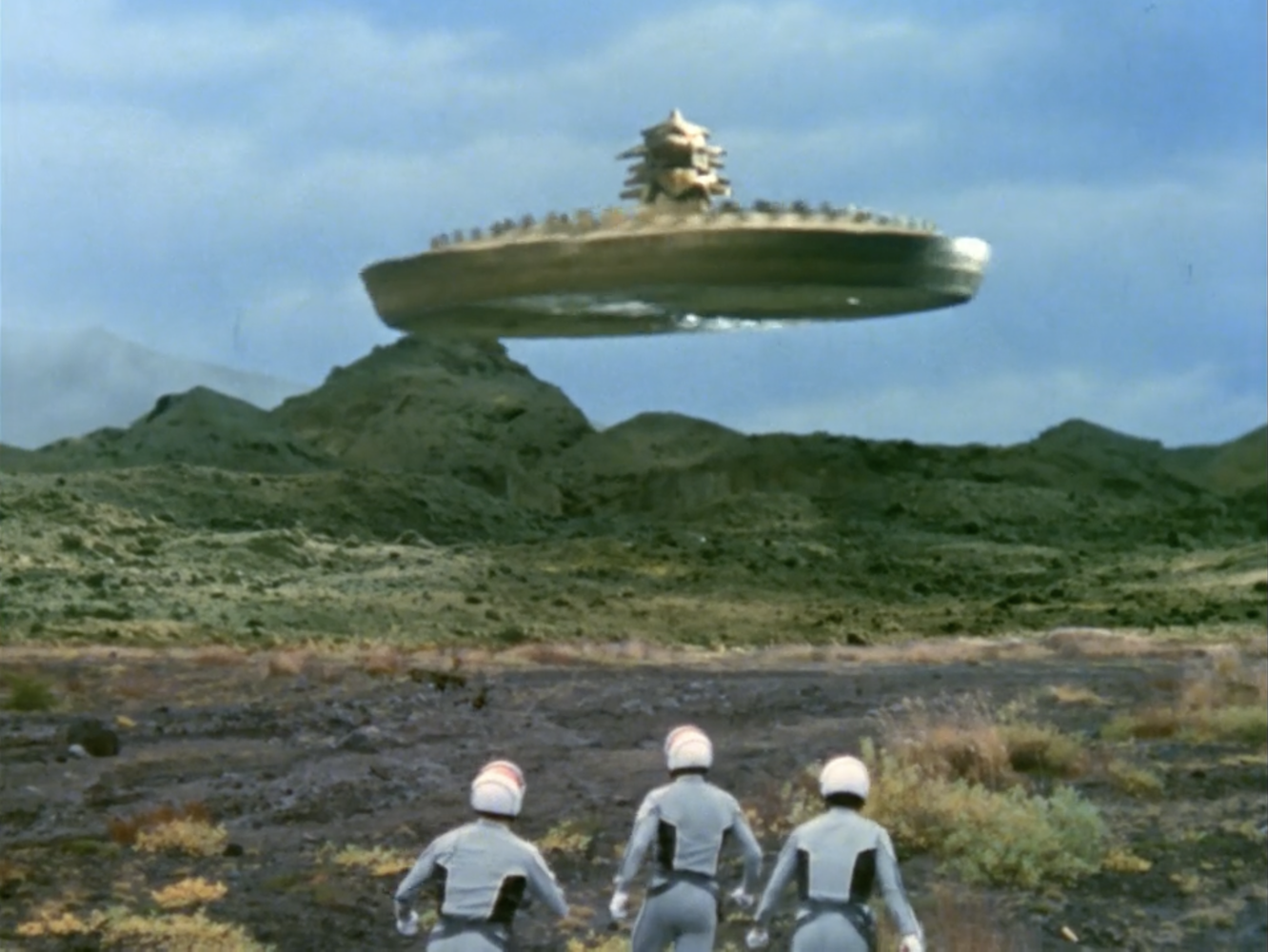
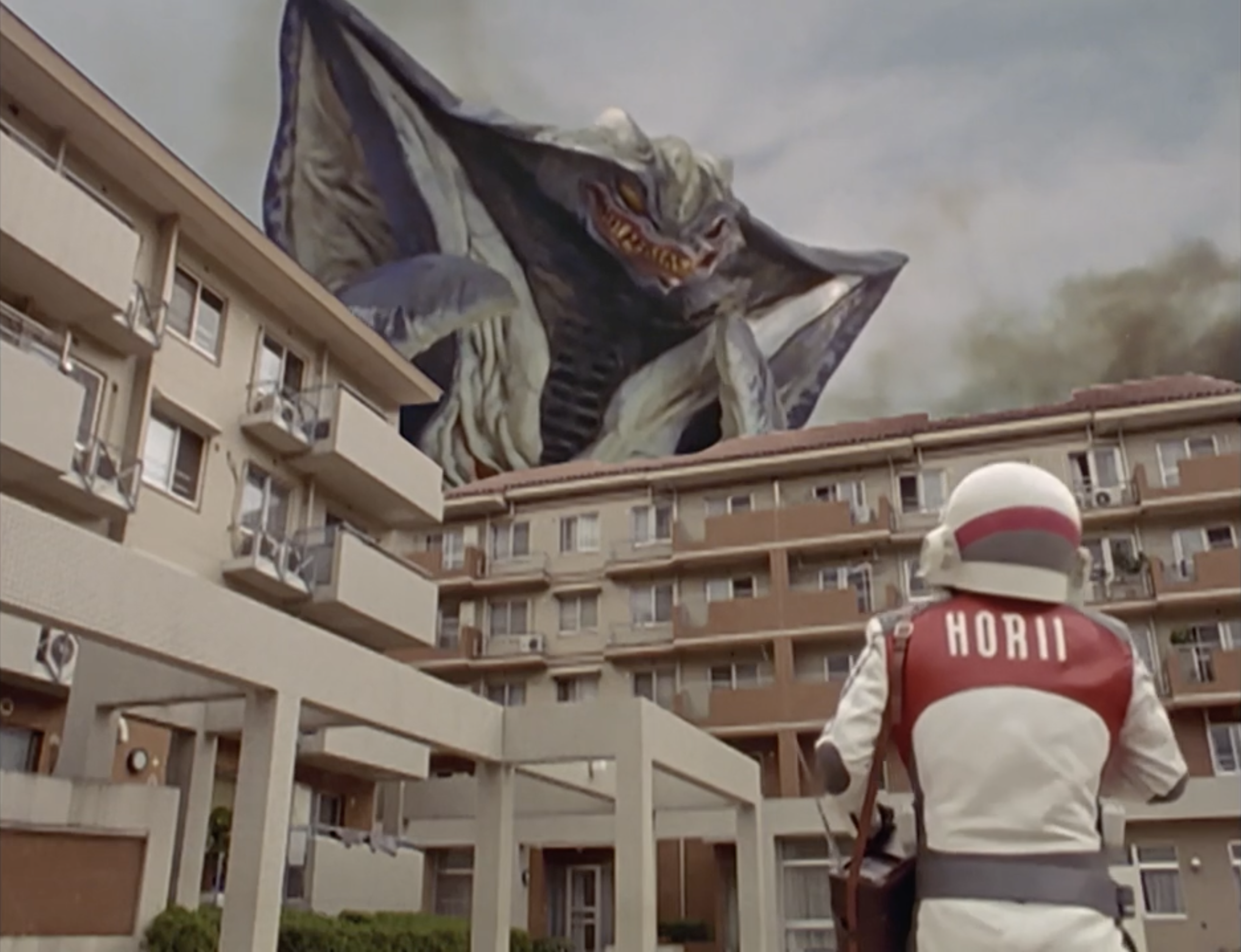
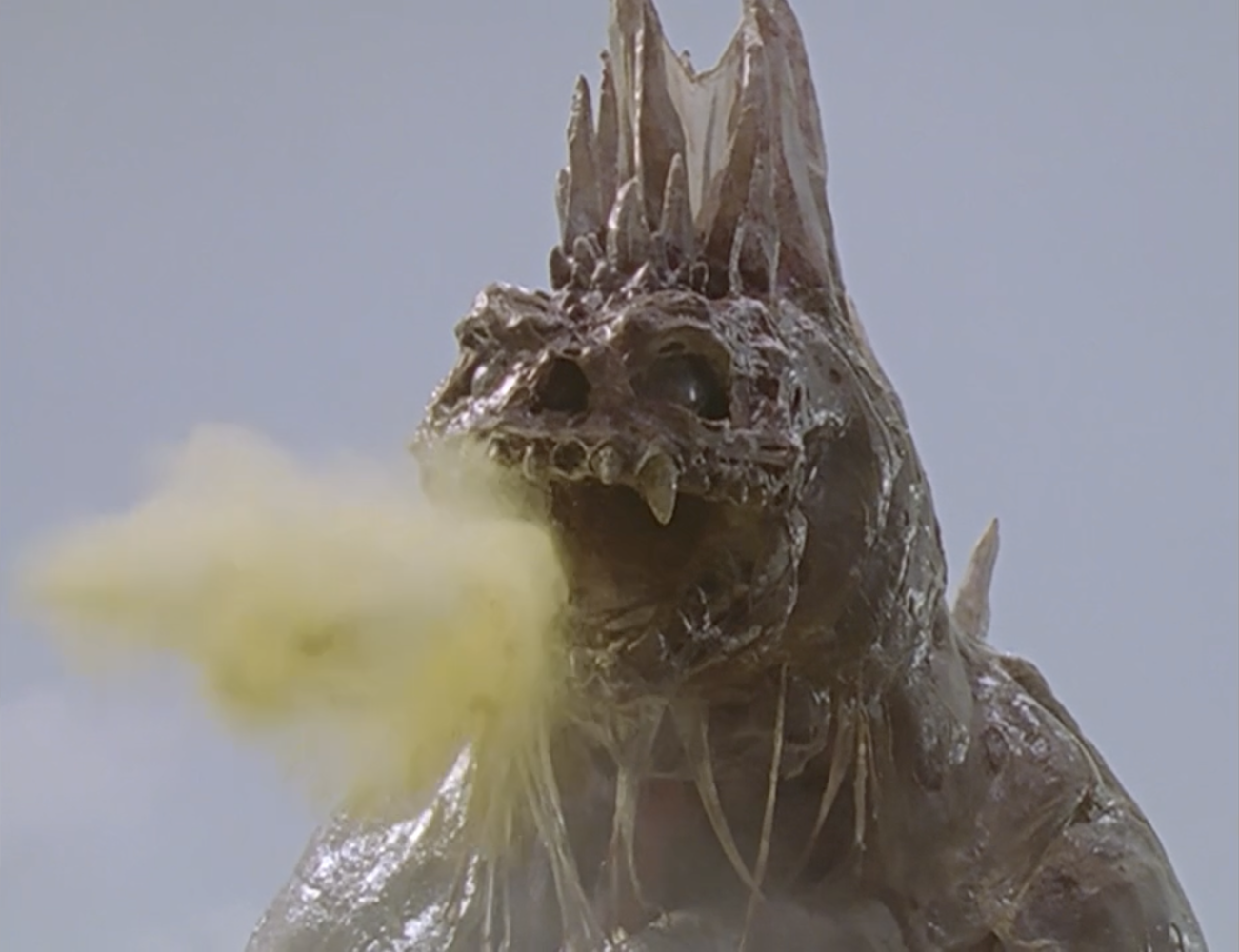
The first episode centered on Horii, GUTS’s resident scientist and comedy character. Like Ide from Ultraman, Horii is much more than just “the funny guy” in the ensemble. He shines in this episode as he tries to solve a monster problem that he has a deep personal connection to. Add in a cool kaiju, Gazort — one of the most memorable creatures to debut in the show — and you have the best episode of Ultraman Tiga so far. 

Continue reading “Ultraman Tiga Ep. 6: Second Contact”

Ultra Q Ep. 14: Tokyo Ice Age

Directed by Samaji Nonagase. Written by Masahiro Yamada. Airdate April 3, 1966.

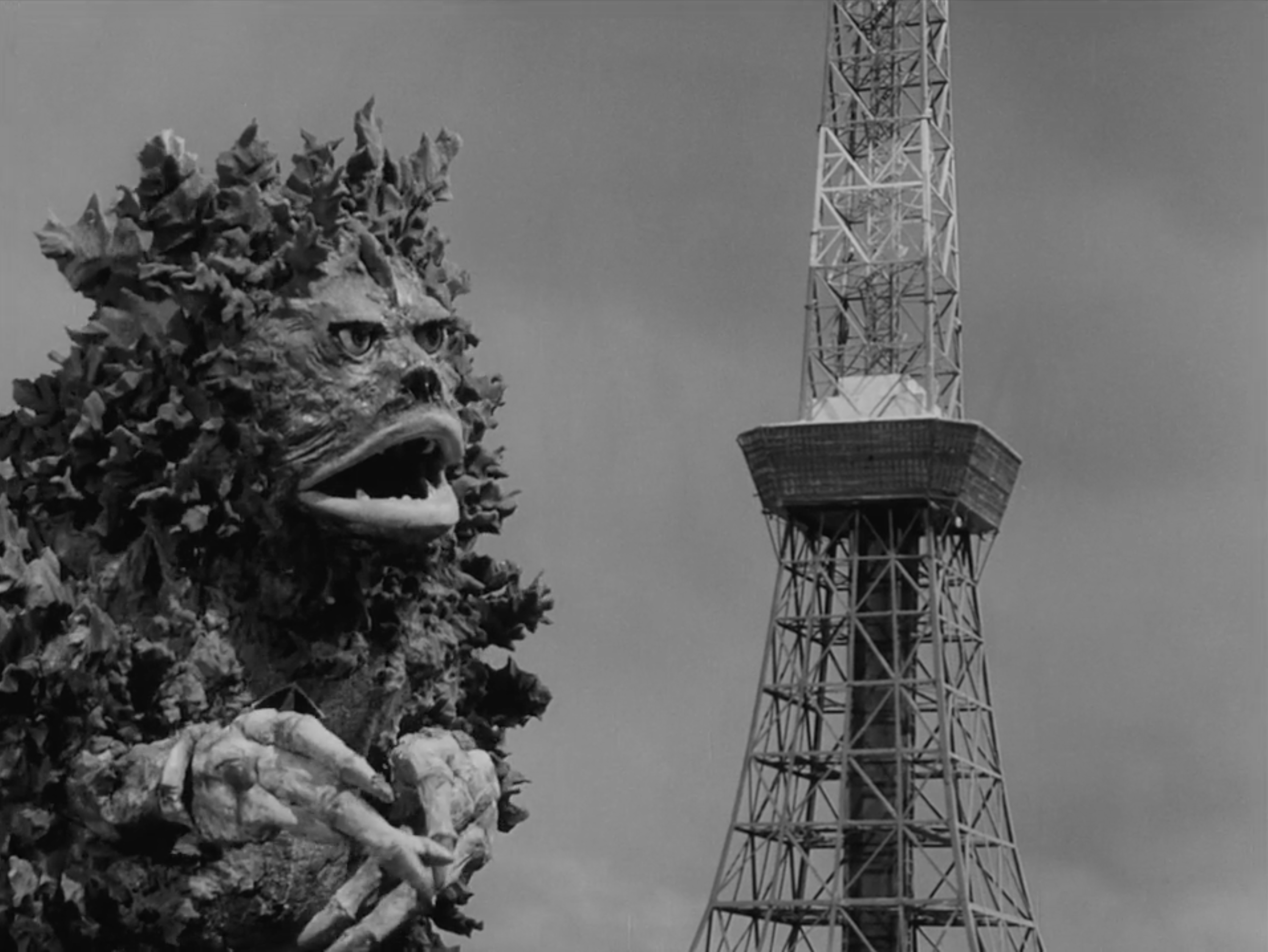
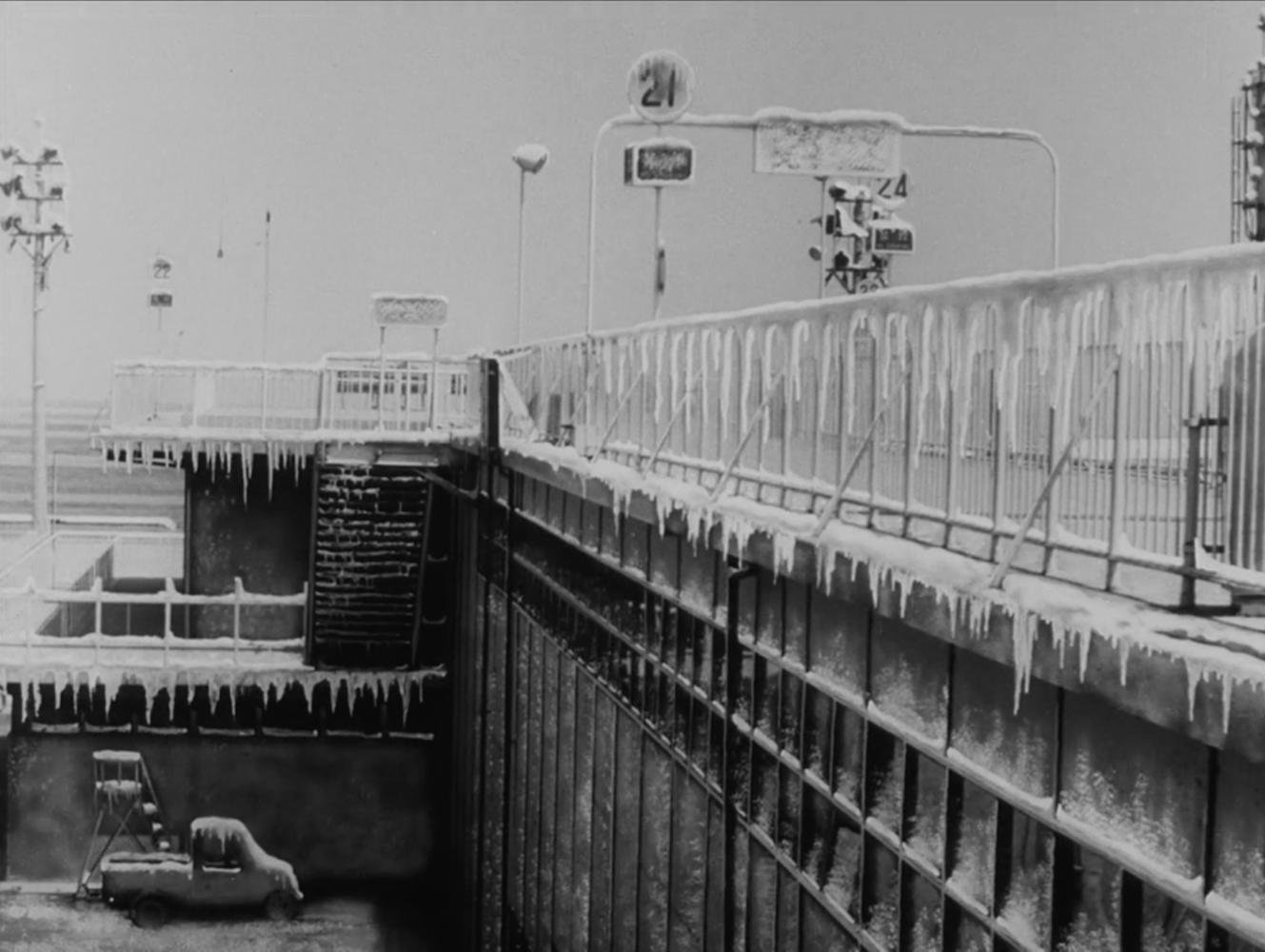
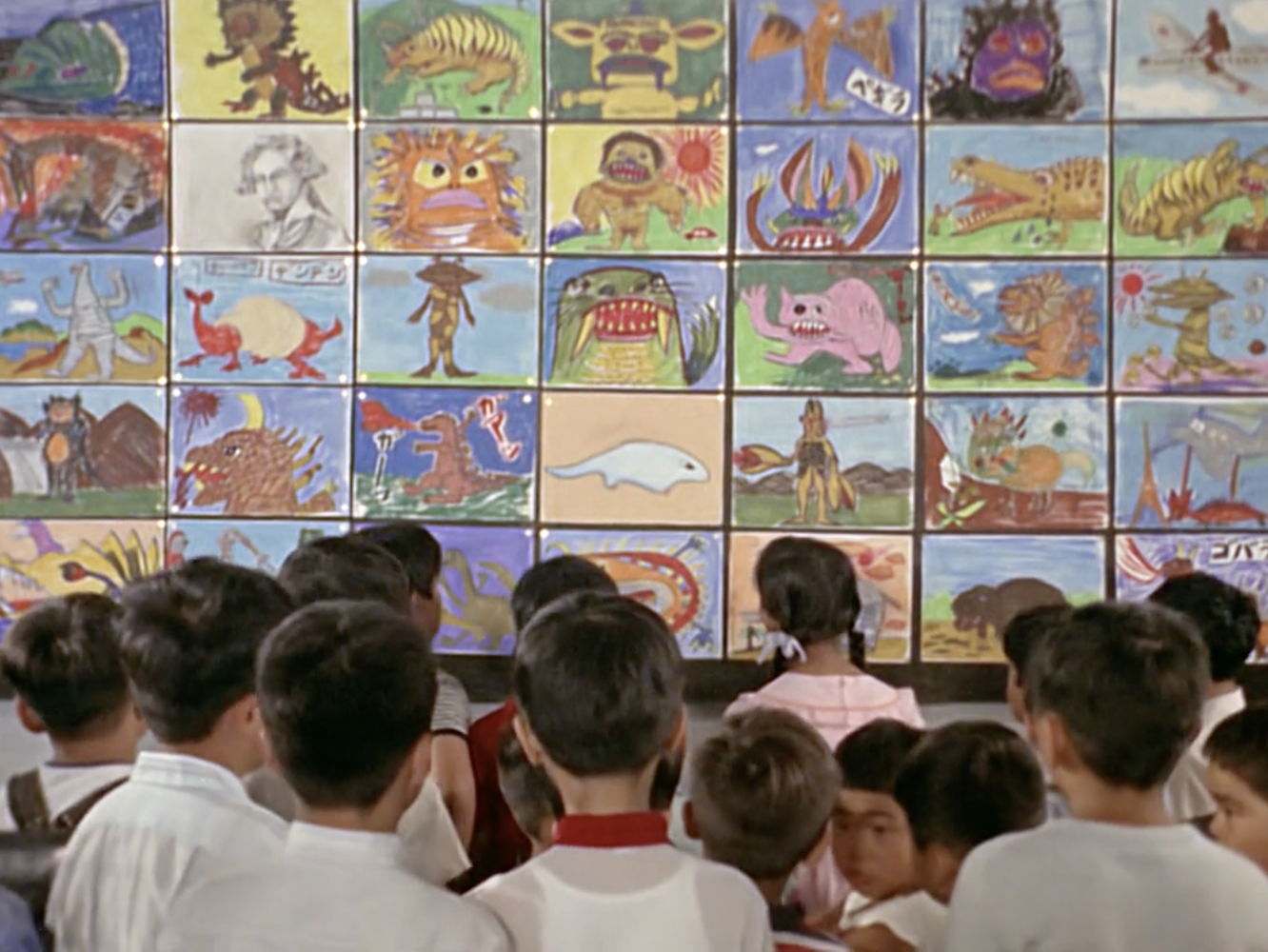
The most terrifying monster of all has arrived: climate change! Yes, scientists already knew about this encroaching global threat in 1966 and were sounding the alarm bells. They didn’t, however, warn that melting Antarctic ice combined with nuclear power plant accidents would force the deep-freeze monster Peguila north to wreck wintry havoc! Would more people have paid attention if they did? I think so.

Continue reading “Ultra Q Ep. 14: Tokyo Ice Age”

Ultraman Tiga Ep. 5: The Day When the Monster Appeared

Directed by Kyota Kawasaki. Written by Chiaki J. Konaka. Airdate Oct. 5, 1996.

Ultra warriors tend to blow up their monster opponents or fly them out to space to dispose of them. But what about the monsters they defeat that leave behind massive carcasses on land? “The Day When the Monster Appeared” takes a look at the disposal operation for one of these dead kaju — although this creature washed ashore rather than being a leftover after a fight with an Ultra.

Continue reading “Ultraman Tiga Ep. 5: The Day When the Monster Appeared”

Ultraseven Ep. 9: Operation Android Zero

Directed by Kazuho Mitsuta. Written by Shozo Uehara. Airdate Nov. 36, 1967.

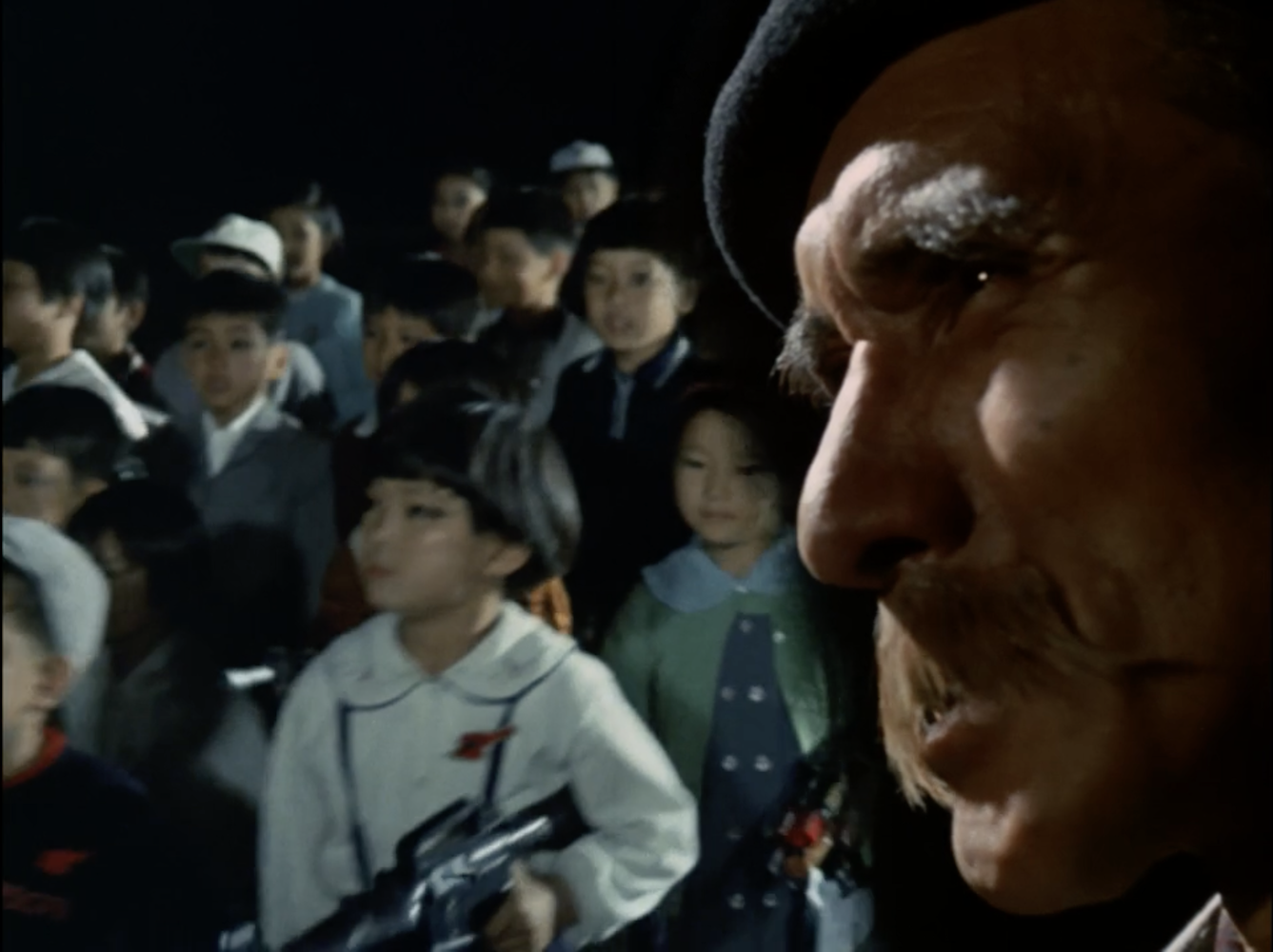
A small-scale episode, but that doesn’t mean it isn’t exciting. The devious alien of the week may not have a plan that will conquer the world — although he believes it will — but it’s a vile plan with disturbing relevance to the current day. All the action remains at human size with no giant monsters and no super-sized Ultraseven, but it’s superbly staged, paced, and shot. At times, it feels like a live-action version of a Batman: The Animated Series episode where Batman has to take down a villain who builds children’s toys that are actually lethal devices. 

Continue reading “Ultraseven Ep. 9: Operation Android Zero”

Ultraman Ep. 12: Cry of the Mummy

Directed by Hajime Tsuburaya. Written by Keisuke Fujikawa. Airdate Oct. 2, 1966.

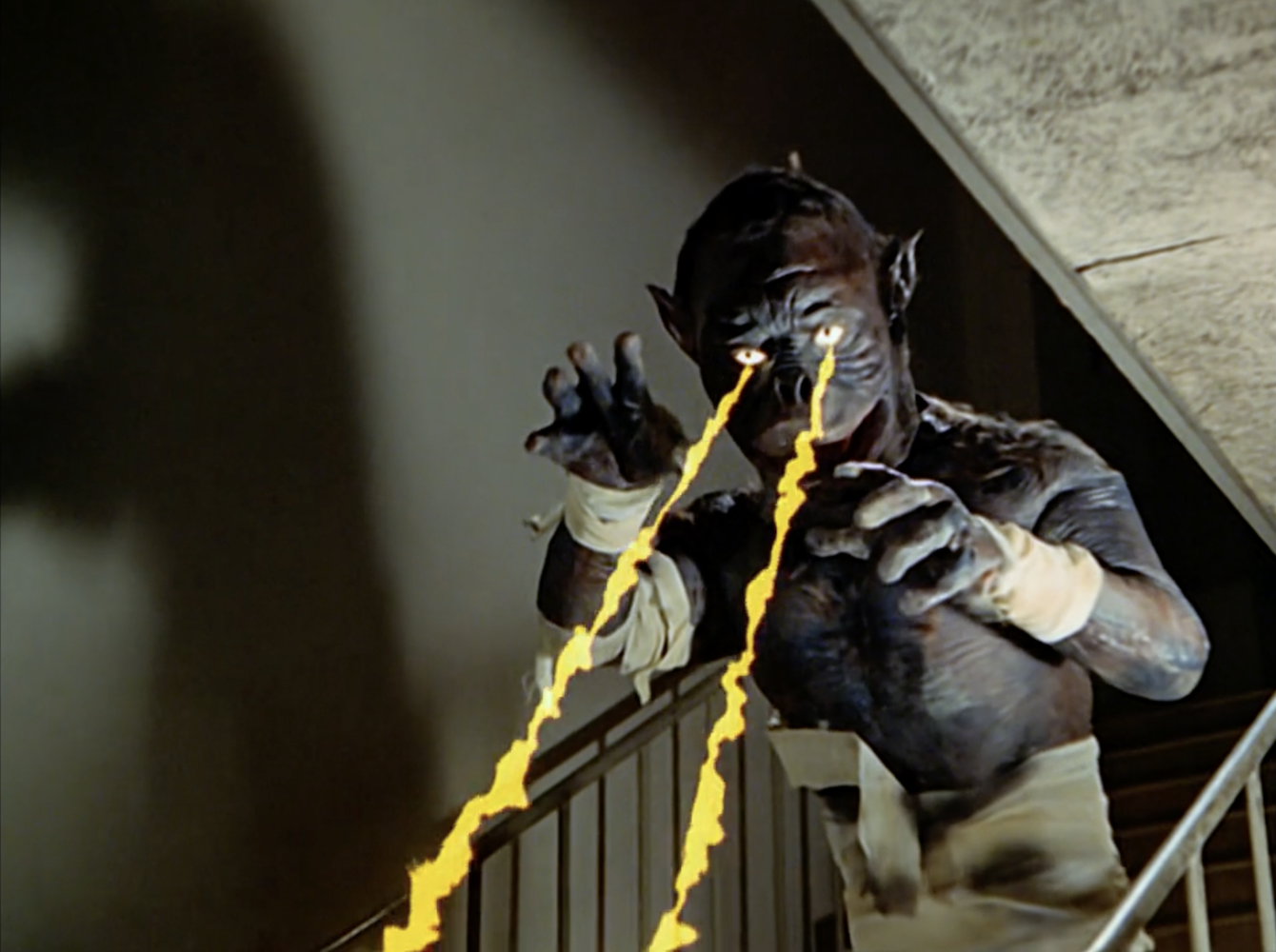
Another winner of an episode, the third in a row. We have a new story archetype to explore: the archeological adventure. The mummy of the title isn’t a traditional Egyptian mummy, although it has tomb wrappings, but a mysterious, possibly supernatural creature from prehistoric Japan. As a nice surprise, the Mummy Man doesn’t end up enlarging into the episode’s giant monster. No, there’s a much more impressive kaiju waiting in the wings to fill that role.

Continue reading “Ultraman Ep. 12: Cry of the Mummy”

Ultraman Ep. 10: The Mysterious Dinosaur Base

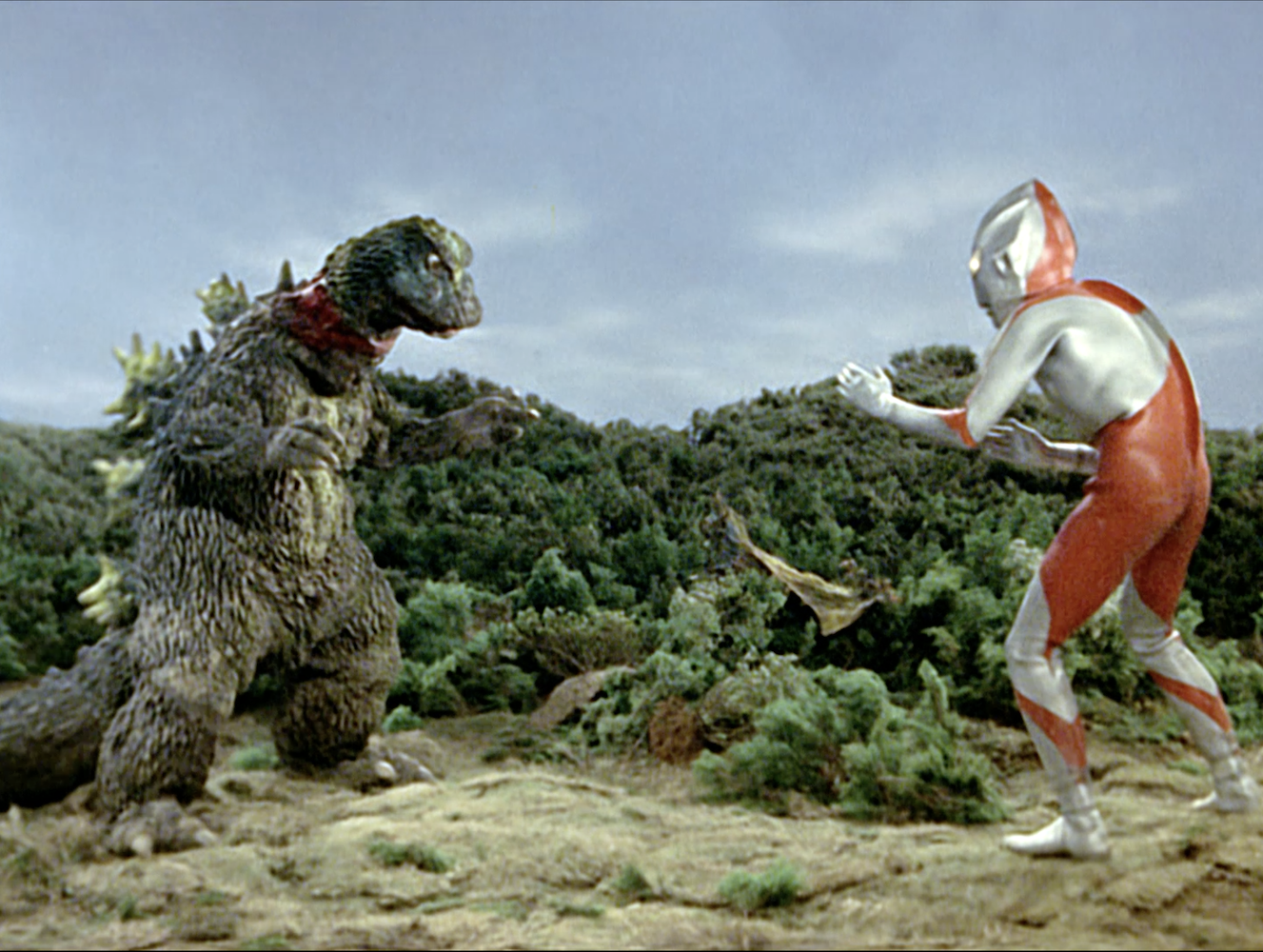
Godzilla vs. Ultraman in The Mysterious Dinosaur Base

Directed by Kazuho Mitsuta. Written by Tetsuo Kinjo. Airdate Sep. 18, 1966.

Ultraman vs. Godzilla! That’s it, that’s the review. Or as much a review as most people will need. 

Technically, Ultraman’s kaiju foe isn’t Godzilla. It’s a new monster named Jirahs (sometimes spelled Jirass). But … come on, it’s just a Toho Godzilla costume with a smattering of green paint and a neck frill. The frill eventually gets ripped off, making it even clearer you’re watching Ultraman vs. Godzilla. Using the Godzilla costume was a cost-saving maneuver, but nobody is going to complain about watching these titans of tokusatsu cross IP boundaries for a deathmatch.

Continue reading “Ultraman Ep. 10: The Mysterious Dinosaur Base”

Ultraman Tiga Ep. 1: Inheritance of Light

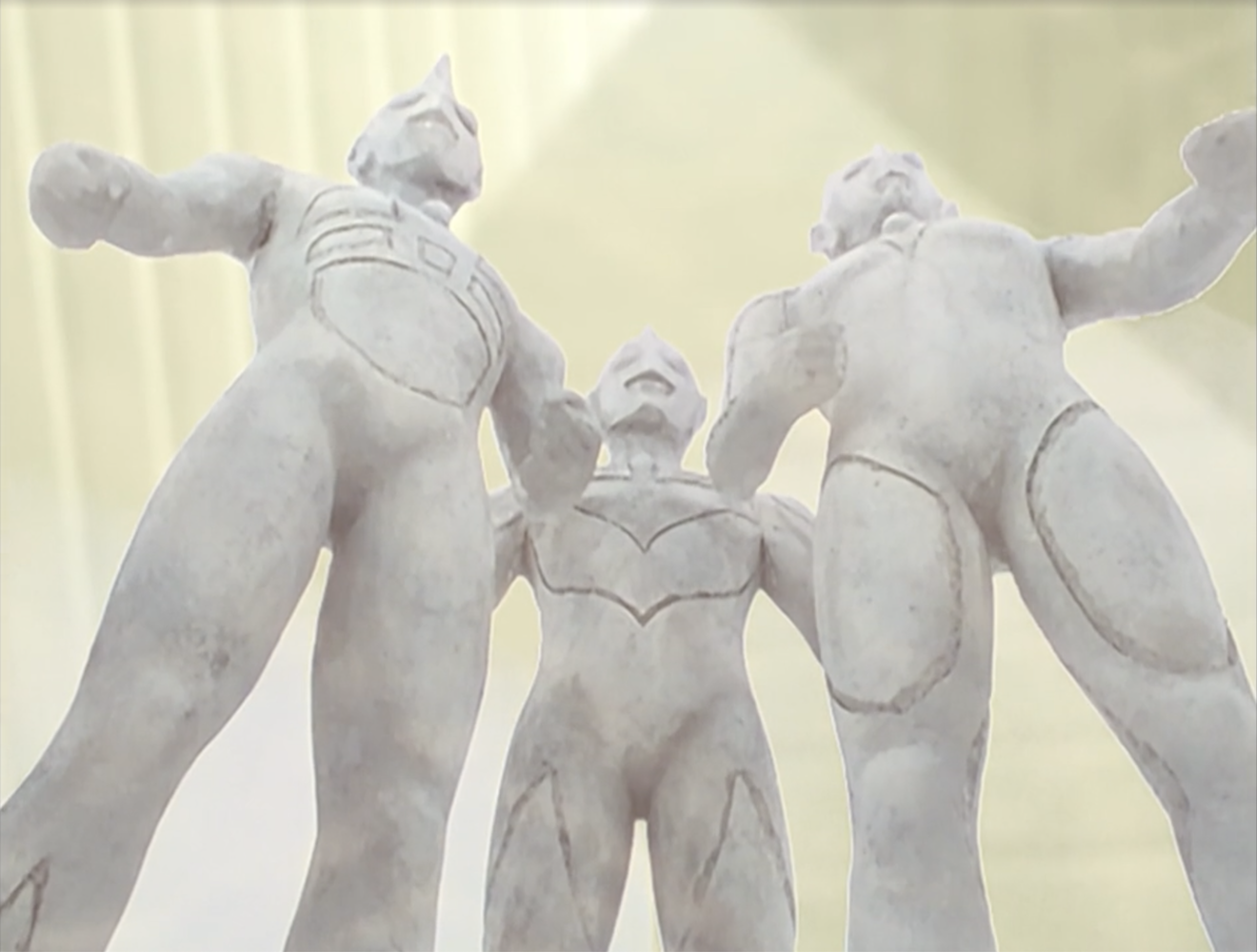
Ultraman Tiga Inheritance Light Ultra Statues

Directed by Shingo Matsubara. Written by Masakazu Migita. Airdate Sep. 7, 1996.

The first episode of an Ultra show has a heavy burden. It must establish the global situation, introduce a new defense team, merge the human hero with the Ultra Warrior, and then have enough time left over to celebrate with the action goodies. “Inheritance of Light” is one the best premiere episodes thanks to its efficiency, action, and visual effects that get the job done. It’s an impressive start, especially considering how fast the show had to come together. For viewers who may not have tuned into an Ultra show since the 1970s, Ultrman Tiga’s first episode was a reminder of why they loved Ultraman in the first place.

Continue reading “Ultraman Tiga Ep. 1: Inheritance of Light”

Ultraman Ep. 7: The Blue Stone of Baradhi

Directed by Samaji Nonagase. Written by Tetsuo Kinjo and Samaji Nonagase. Airdate August 28, 1966.

We pop out of the slump of middling episodes with a mini-epic that sends the Science Patrol to a lost city in the Middle East and expands upon the mythos of the Ultras. The mixture of 1930s pulp adventure and giant monster movie makes for a stand-out half hour. I also just enjoy it when an Ultra show sends its defense team outside of Japan to soak up some different backdrops.

Continue reading “Ultraman Ep. 7: The Blue Stone of Baradhi”

Ultraseven Ep. 3: Secret of the Lake

Directed by Samaji Nonagase. Written by Tetsuo Kinjo. Airdate Oct. 15, 1967.

This was the first Ultraseven episode produced, and it’s fascinating to see how much the crew already had a feel for the show’s possibilities and what made it different from Ultraman. It’s a better start than the first two episodes aired: “The Invisible Challenger” put the pieces in place, “The Green Terror” emphasized the serious mood, but “Secret of the Lake” demonstrates what Ultraseven can do when it swings into action with full confidence in its premise.

Continue reading “Ultraseven Ep. 3: Secret of the Lake”