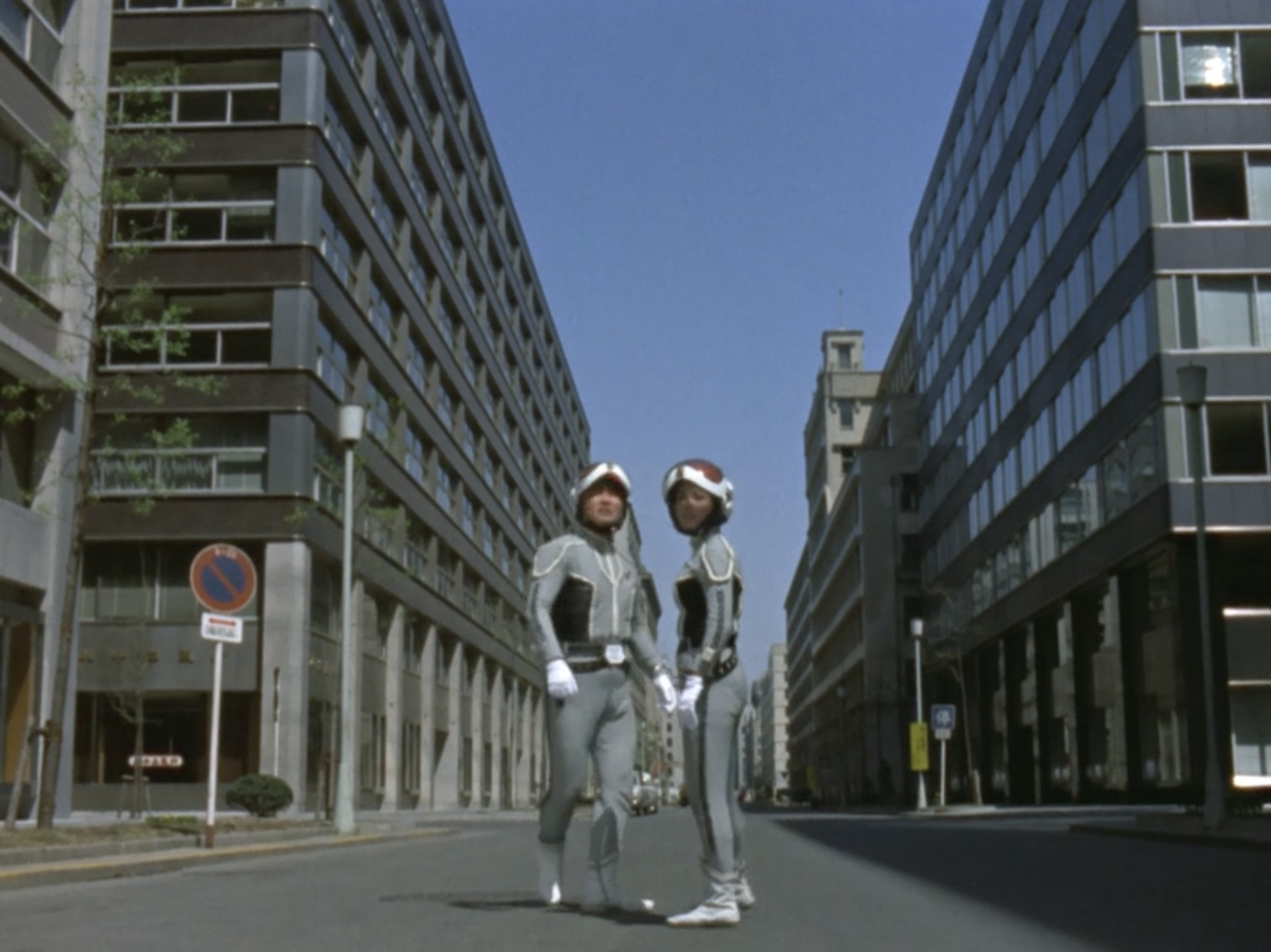
Ultraman Ep. 36: Don’t Shoot, Arashi!

Directed by Kazuho Mitsuta. Written by Masahiro Yamada. Airdate March 19, 1967.

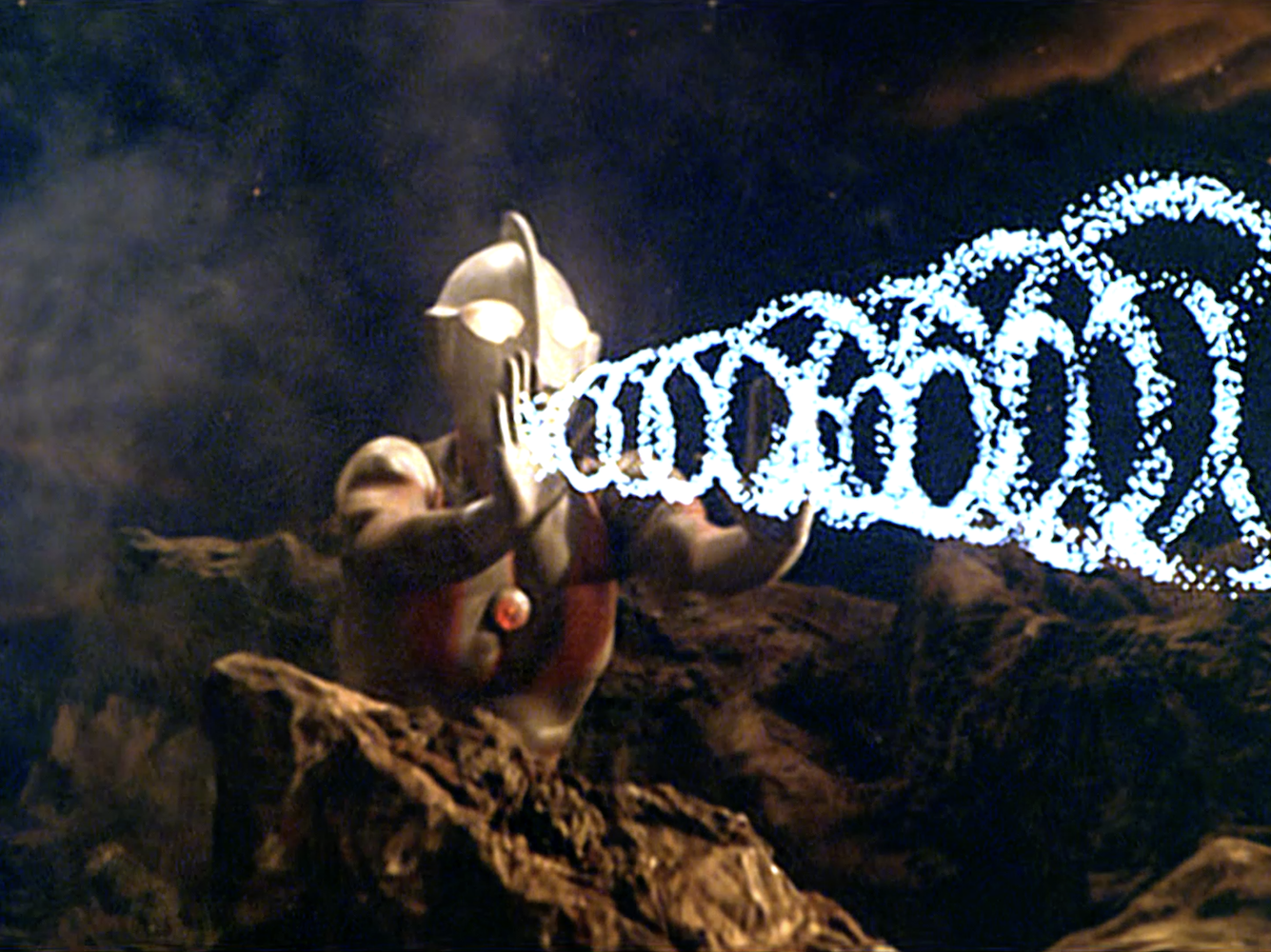
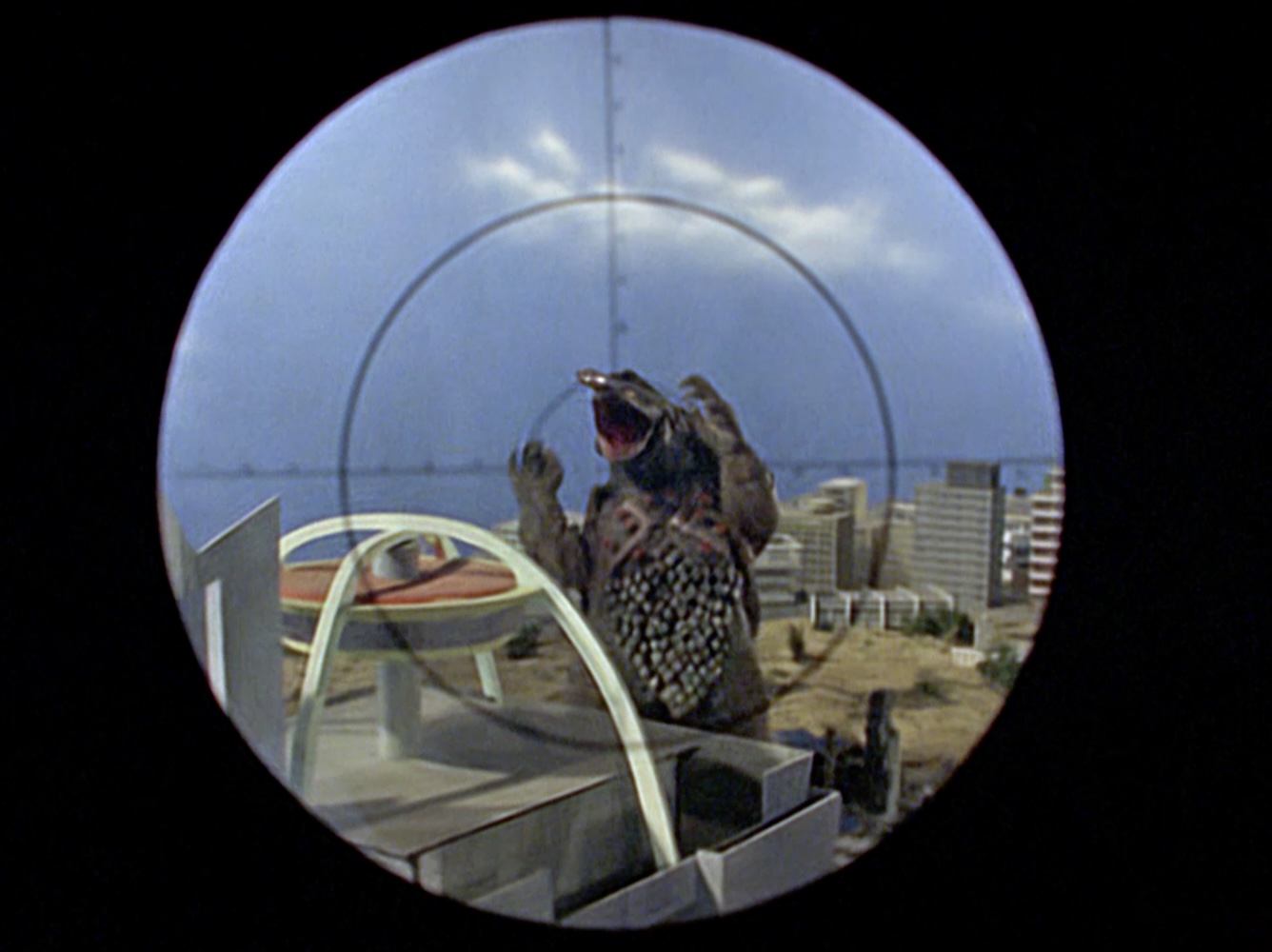
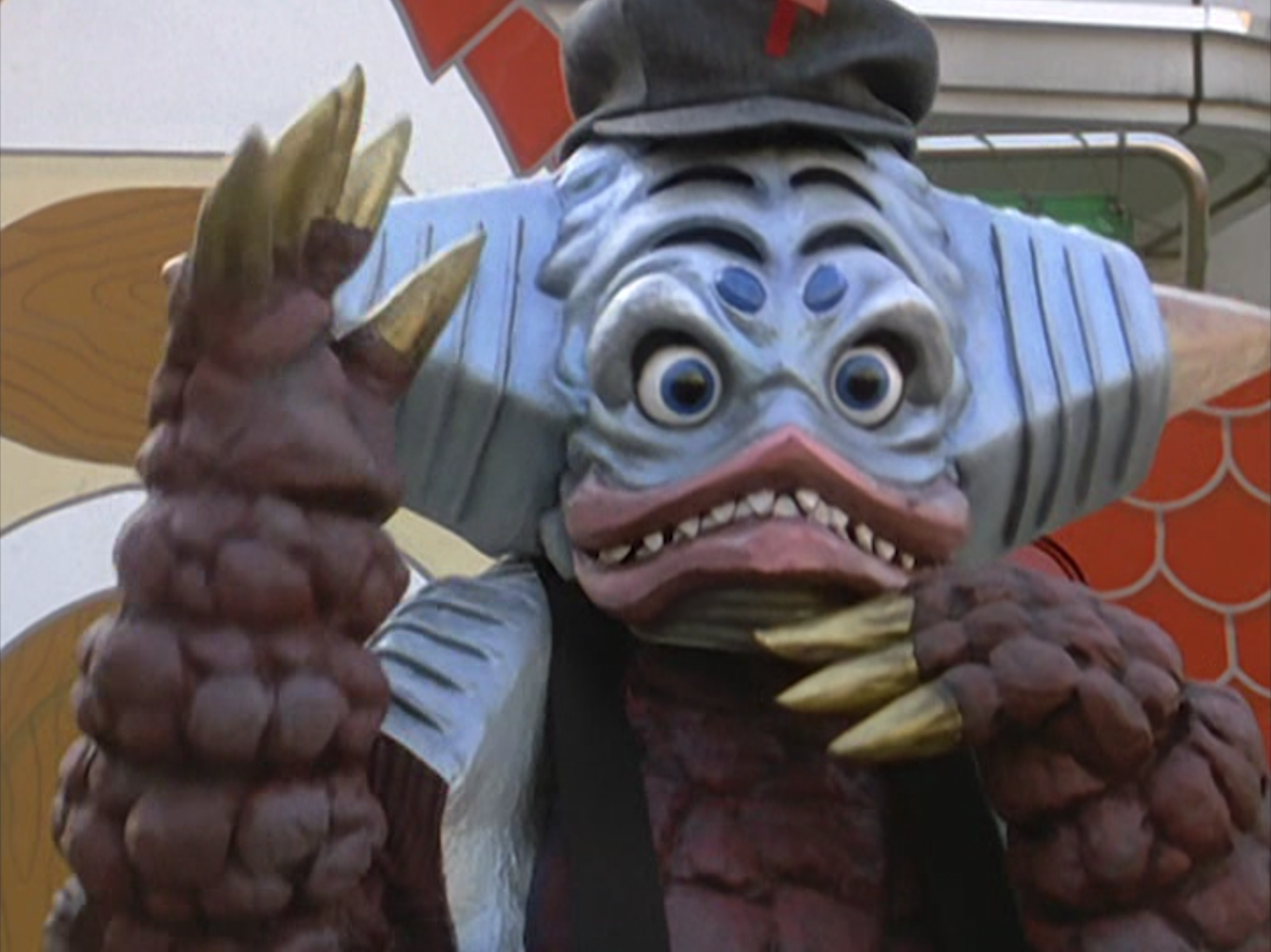
Science Patrol Member Daisuke Arashi is one of the character templates of the Ultra Series: the action-oriented, shoot-first defense team member who’s always ready to rumble with the monster of the week, whether it’s a smart move or not. This archetype has shown up many times since. The action-guy In Ultraseven, Furuhashi, is even played by the same actor who plays Arashi, Sandayu Dokumamushi. Defense teams need a person like this to balance the more peaceful and utopian approach the shows often take. There has to be someone around to say, “Let’s just shoot the damn thing!” even if that tactic rarely works. And poor Arashi has so often been wrong about shooting first.

Continue reading “Ultraman Ep. 36: Don’t Shoot, Arashi!”

Ultraseven Ep. 28: The 700 Kilometer Run

Directed by Kazuho Mitsuta. Written by Shozo Uehara. Airdate April 14, 1968.

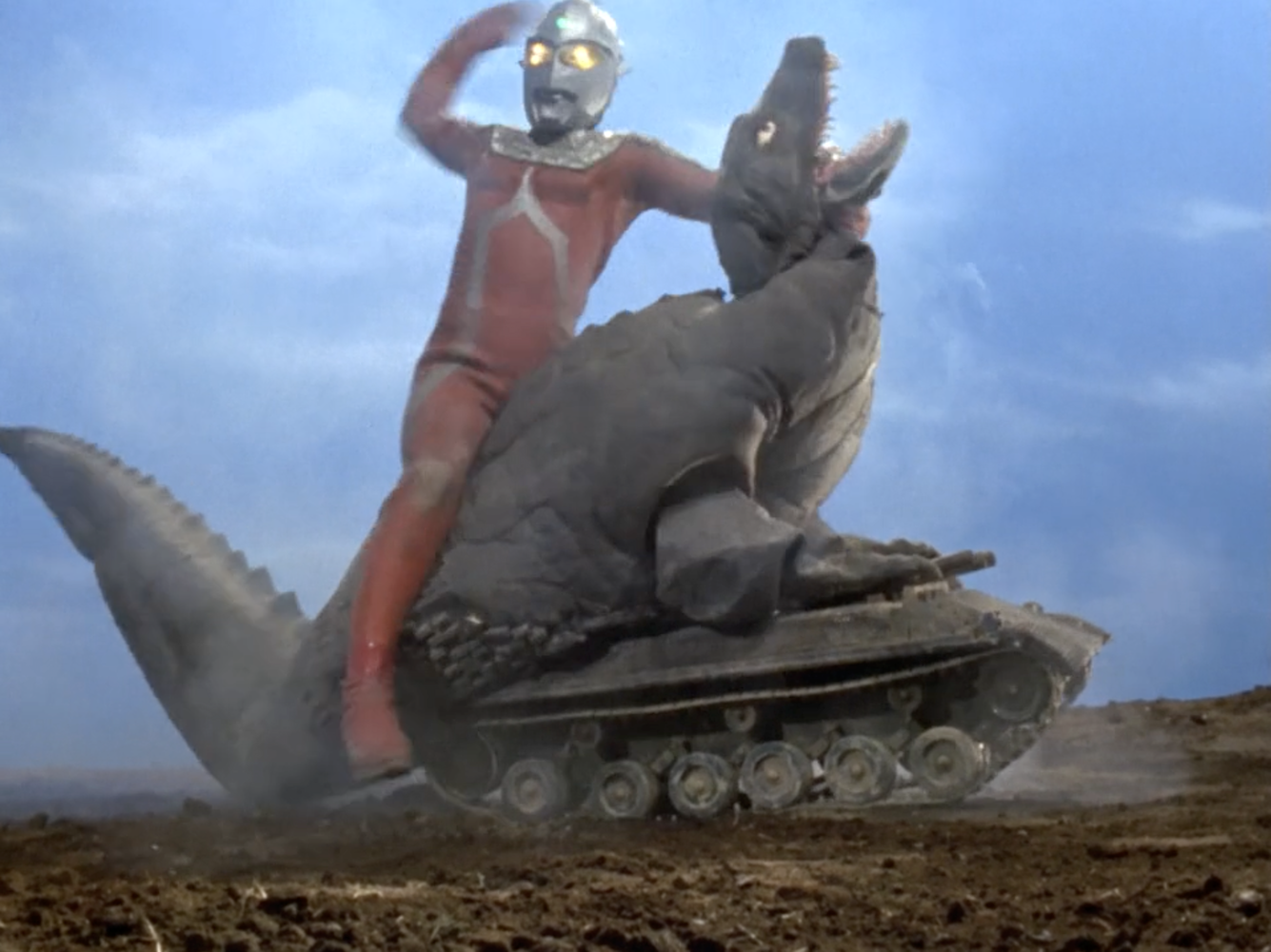
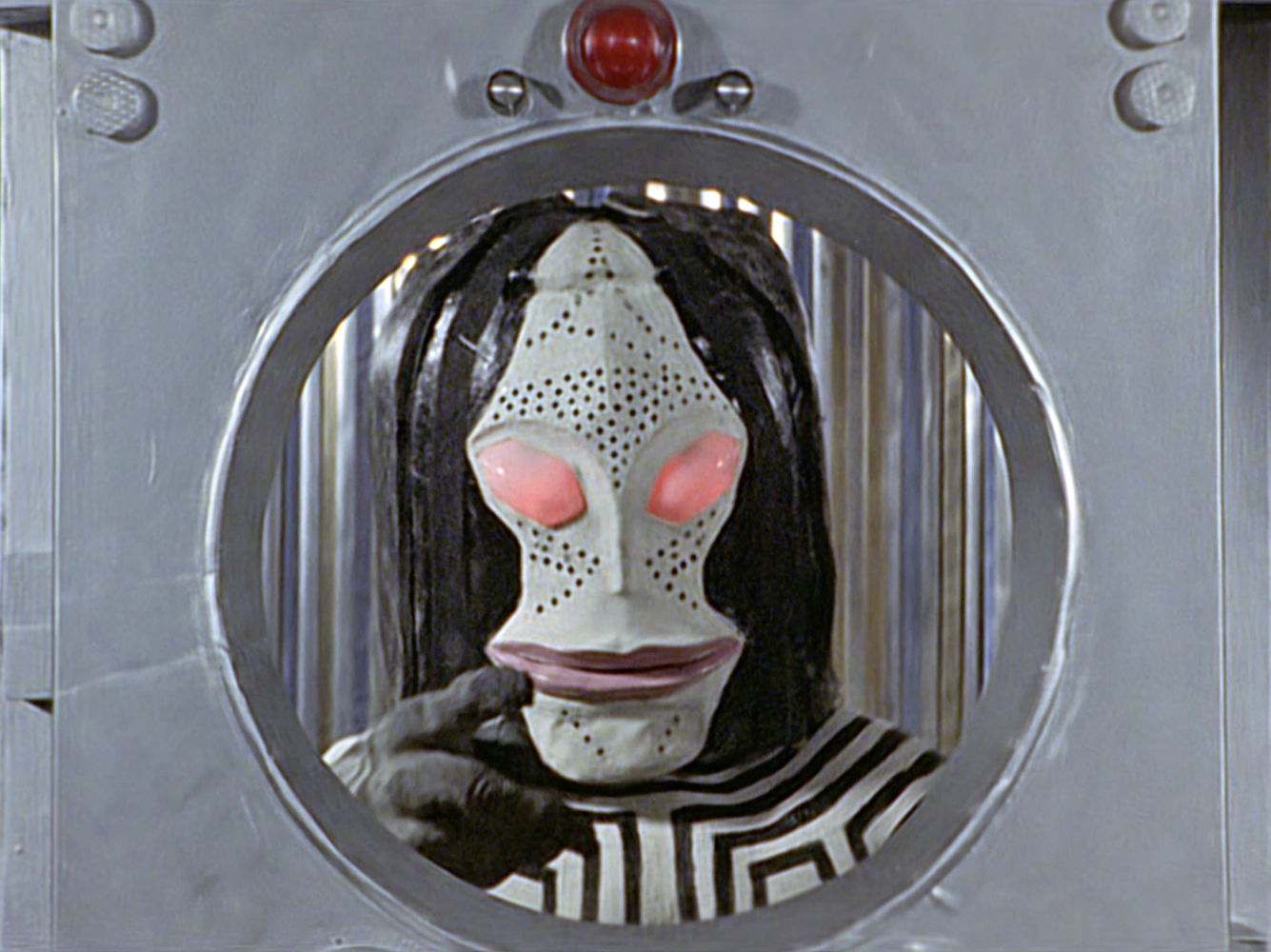
We have something special for you today, Ultra fans! My distinguished regular readers and guests, children of all ages, please direct your attention to the starting line of Day One of a 700 kilometer race. (That’s 435 miles for all my US-based readers.) I present to you … Dino Tank!

Continue reading “Ultraseven Ep. 28: The 700 Kilometer Run”

Ultraman Tiga Ep. 21: Deban’s Turn

Directed by Tsugumi Kitaura. Written by Ai Ota. Airdate Jan. 25, 1997.

Are you ready for a “cute mascot monster” episode? The same way that many Ultra shows seek their own version of Ultraman’s “My Home Is Earth,” they also try to come up with their own “Kanegon’s Cocoon” or “A Little Hero.” How well does “Deban’s Turn” meet the goals of the cute monster tale? Extremely well. Deban doesn’t reach the heights of Kanegon or Pigmon, or even Hanejiro from Ultraman Dyna. But this story of a monster who finds acceptance among a troupe of clowns and can defeat the rage powers of a demon beast is charming and heartwarming. 

Continue reading “Ultraman Tiga Ep. 21: Deban’s Turn”

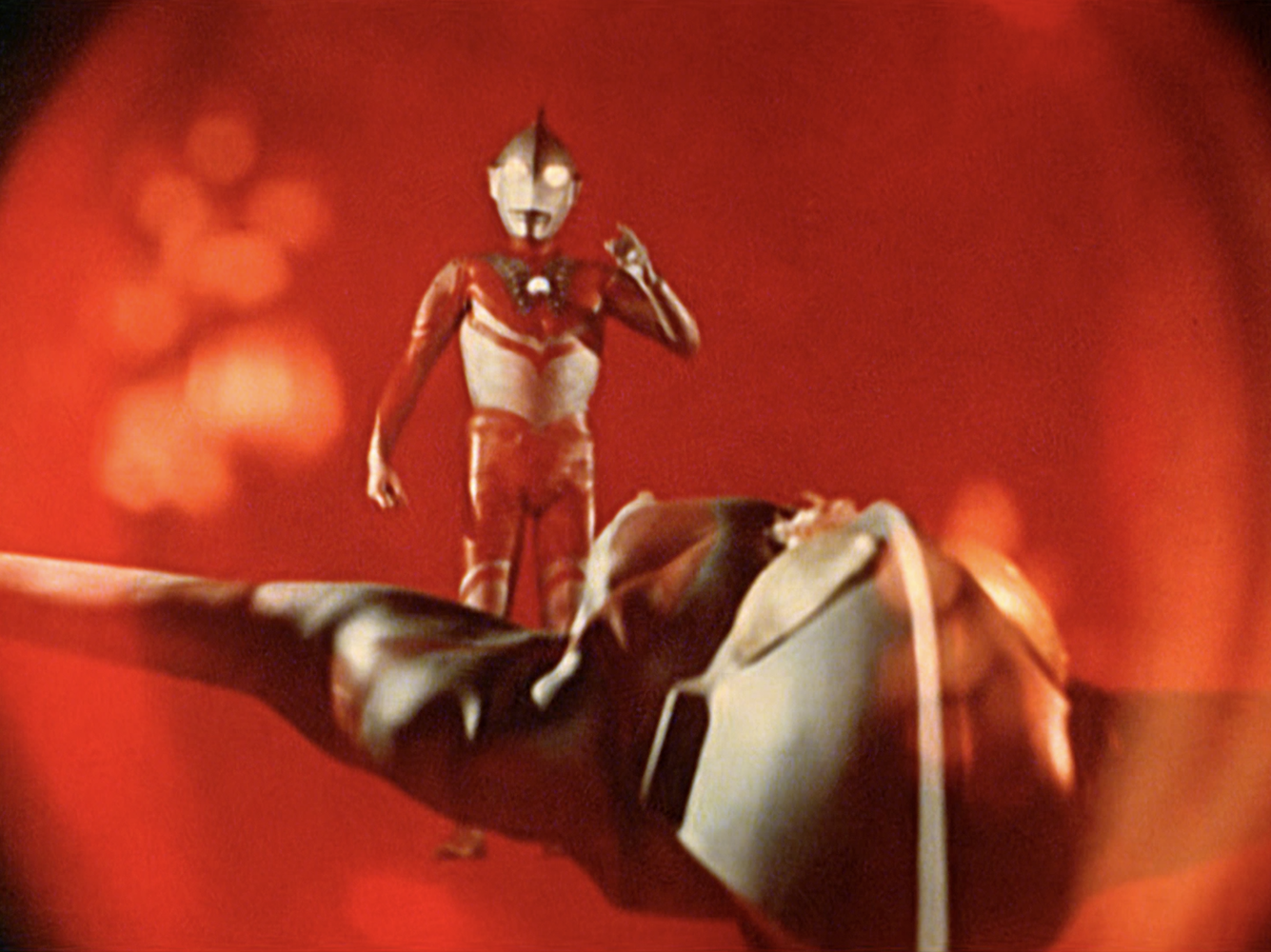
Ultraman Ep. 28: Human Specimens 5 & 6

Directed by Samaji Nonagase. Written by Masahiro Yamada. Airdate Jan. 22, 1967.

Samaji Nonagase was one of the more prolific early Ultra directors. While he doesn’t receive as much attention as fan-favorite directors Akio Jissoji and Kazuho Mitsuta, he helmed several classic episodes: “Kanegon’s Cocoon” (Ultra Q), “The Monster Anarchy Zone” (Ultraman), and “The Secret of the Lake” (Ultraseven). He also wrote scripts under the pen name Ryu Minamikawa. He was fascinated by Alfred Hitchcock and liked to add gradually building tension to some of his episodes, such as the home-invasion story of “Project Blue.” “Human Specimen 5 & 6” is Nonagase’s best exploration of the suspense-centered story, and it helped to establish the future tone of Ultraseven and its parade of weird, crafty alien invaders.

Continue reading “Ultraman Ep. 28: Human Specimens 5 & 6”

Ultraseven Ep. 24: Return to the North!

Directed by Kazuho Mitsuta. Written by Shinichi Ichikawa. Airdate March 17, 1968.

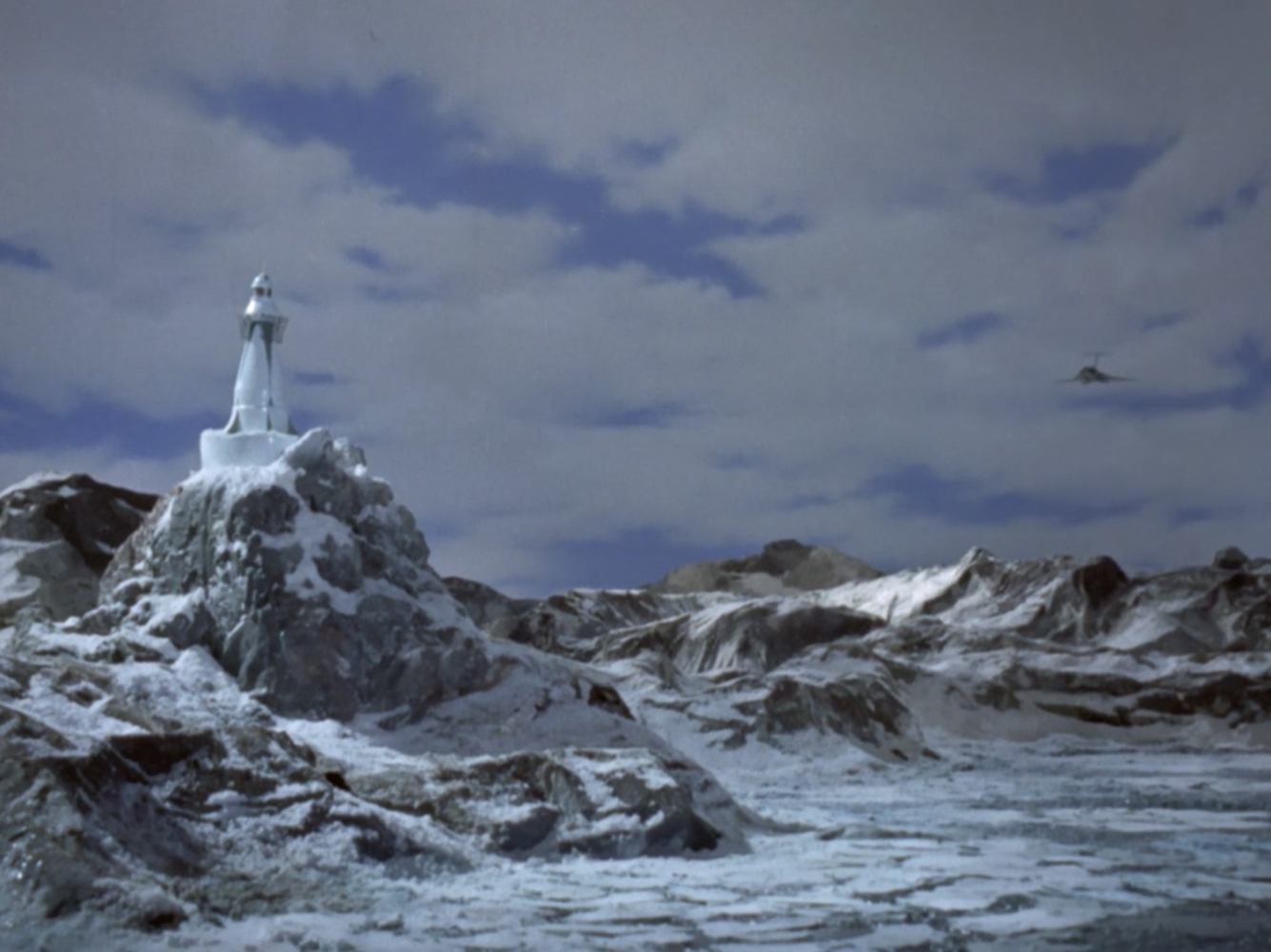
It’s rare to have an Ultraseven episode focused on a drama about an individual Ultra Guard member. There are occasional shows that let a particular character take the spotlight, such as “Search for Tomorrow,” which put Captain Kiriyama in conflict with his own team. But “Return to the North!” goes further: it examines the personal life of a member outside of the Ultra Guard. Surprisingly, the UG member picked for the starring role is Shigeru Furuhashi, the team’s “shoot first” action guy. 

Continue reading “Ultraseven Ep. 24: Return to the North!”

Ultraman Tiga Ep. 16: The Revived Demon

Directed by Kyota Kawasaki. Written by Hideyuki Kawakami. Airdate Dec. 21, 1996.

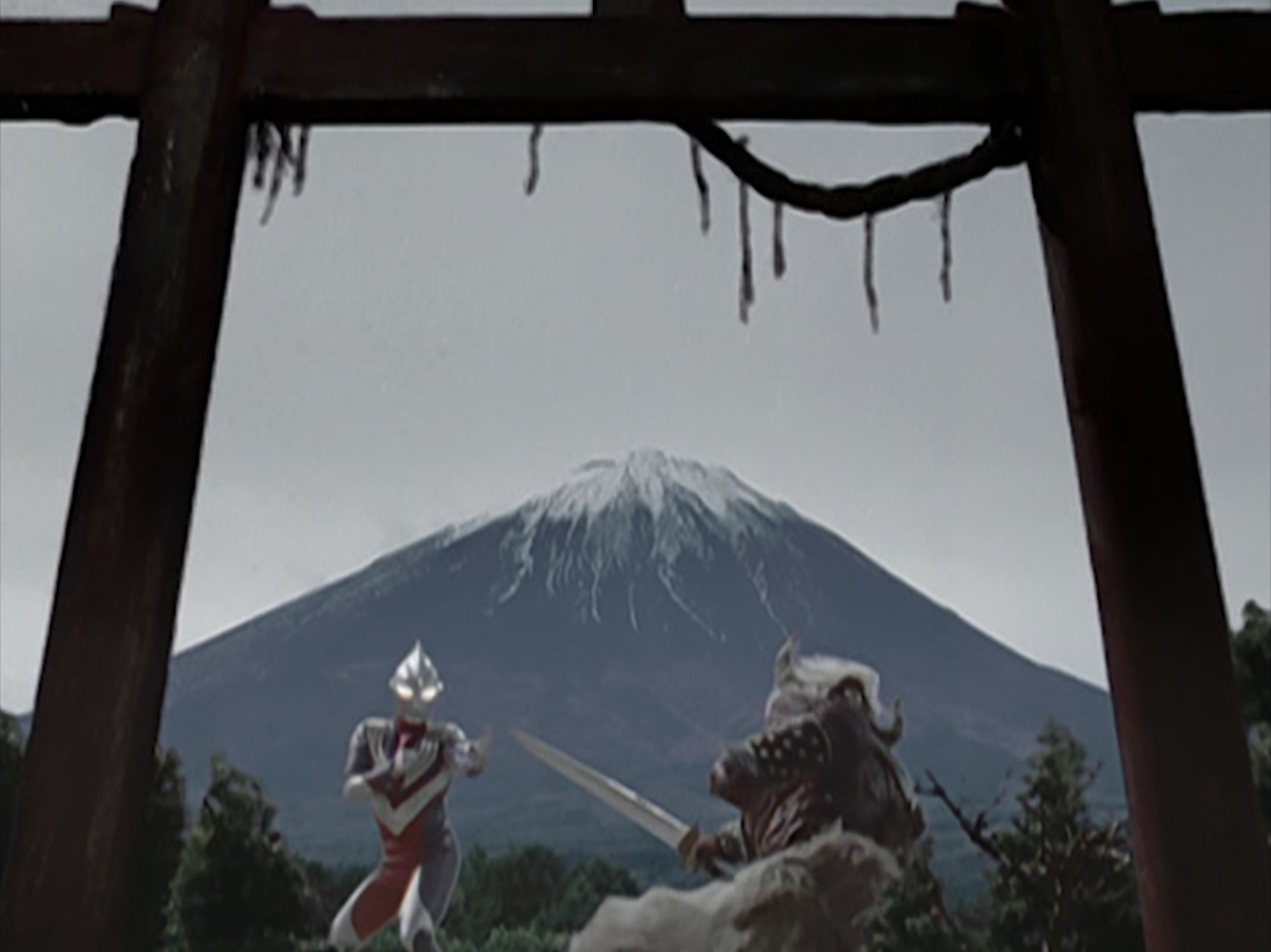
After a hint of the supernatural in the previous episode, Ultraman Tiga goes into a full-fledged fantasy drawn from Japanese legends and the country’s feudal era. The Showa era Ultra shows rarely visited this time period, mostly because the networks didn’t want to limit international sales by making the shows “too Japanese.” Thankfully, the Heisei era loosened up on this so that the more fantastical world of samurais, shoguns, ogres, and demons could burst through to Ultraman’s world. “The Revived Demon” is among the best of these types of episodes, and it’s one of director Kawasaki’s most impressive outings on Tiga

Continue reading “Ultraman Tiga Ep. 16: The Revived Demon”

Ultraman Tiga Ep. 15: Phantom Dash

Directed by Kyota Kawasaki. Written by Kazuo Tsuburaya and Junki Takegami. Airdate Dec. 14, 1996.

Gazort and the Clitters are back, everyone! Gazort still looks fantastic, arguably Ultraman Tiga’s most memorable kaiju. However, like the first episode with Gazort, the monster is less the star and more the catalyst for a character study. Horri was at the center of “Second Contact.” Now Shinjoh takes over as the pivotal figure, sharing the spotlight with his sister Mayumi (Kei Ishibashi). The mix of a great monster encore, an emotional character-driven story, and a touch of the weird makes for one of the best Ultraman Tiga episodes so far.

Continue reading “Ultraman Tiga Ep. 15: Phantom Dash”

Ultra Q Ep. 27: The Disappearance of Flight 206

Directed by Koji Kajita. Written by Tetsuo Kinjo and Hiroyasu Yamaura. Airdate July 3, 1966.

Jun and Ippei are returning from pilot training in Hong Kong aboard the maiden flight of a supersonic jet. The last time Ultra Q took a ride on the inaugural run of a super-speed vehicle, it was in “The Underground Super Express Goes West.” It was not a smooth trip. This second trip on emerging high-speed technology also goes wrong fast. Flight 206 gets dragged into a mysterious whirlpool in the sky and vanishes, leaving poor Yuriko and Professor Ichinotani at the airport baffled by yet another uncanny occurrence in the Unbalanced Zone.

Continue reading “Ultra Q Ep. 27: The Disappearance of Flight 206”

Ultra Q Ep. 26: Blazing Glory

Directed by Kazuho Mitsuta. Written by Toshihiro Iijima. Airdate June 26, 1966.

Director Kazuho Mitsuta’s second aired episode (although produced before “Space Directive M774”) is his first classic. Mitsuta had a knack for intense character-driven stories told with cinematic flair. His episodes look fantastic without being ostentatious. “Blazing Glory” shows Mitsuta operating at a high level and making the best possible episode from one of Ultra Q’s most dramatic, human tales.

Continue reading “Ultra Q Ep. 26: Blazing Glory”

Ultra Q Ep. 25: The Devil Child

Directed by Koji Kajita. Written by Kyoko Kitazawa and Ken Kumagai. Airdate June 19, 1966.

The massive success of Ring (1998) ignited the J-Horror boom of the late 1990s and 2000s, but the unique style of Japanese horror has a long history. Several key supernatural horror films came out in the 1960s: Onibaba (1964), Kwaidan (1965), and Kuroneko (1968). “The Devil Child” is Ultra Q’s contribution to Japanese ghost lore of this era. It combines the concept of the dangerous ghost child with science-fiction elements for that peculiar Ultra Q mix. It’s one of the show’s eeriest and subtlest achievements.

Continue reading “Ultra Q Ep. 25: The Devil Child”