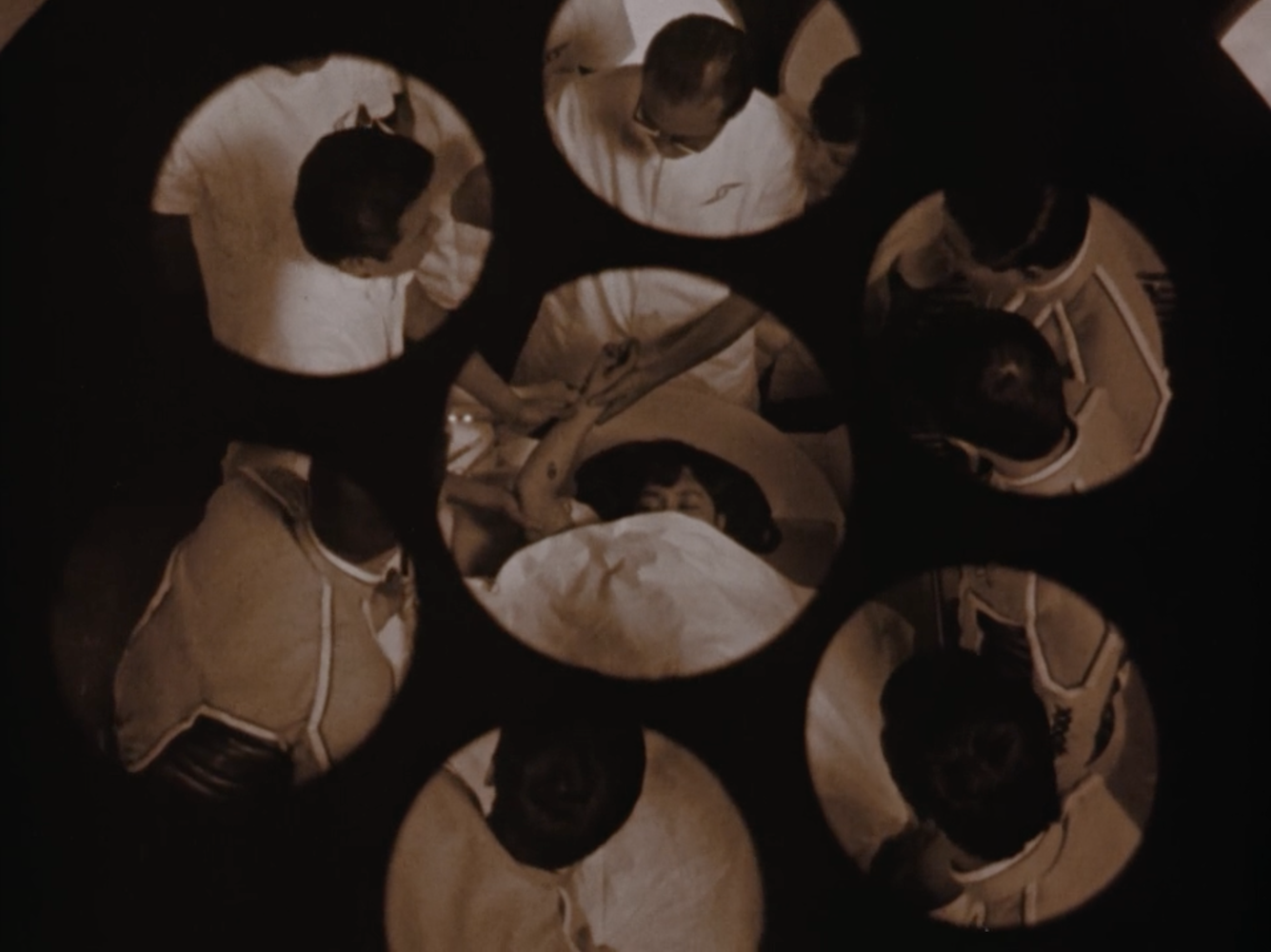
Ultraseven Ep. 22: The Human Farm

Directed by Toshitsugu Suzuki. Written by Hiroyasu Yamaura. Airdate March 3, 1968.

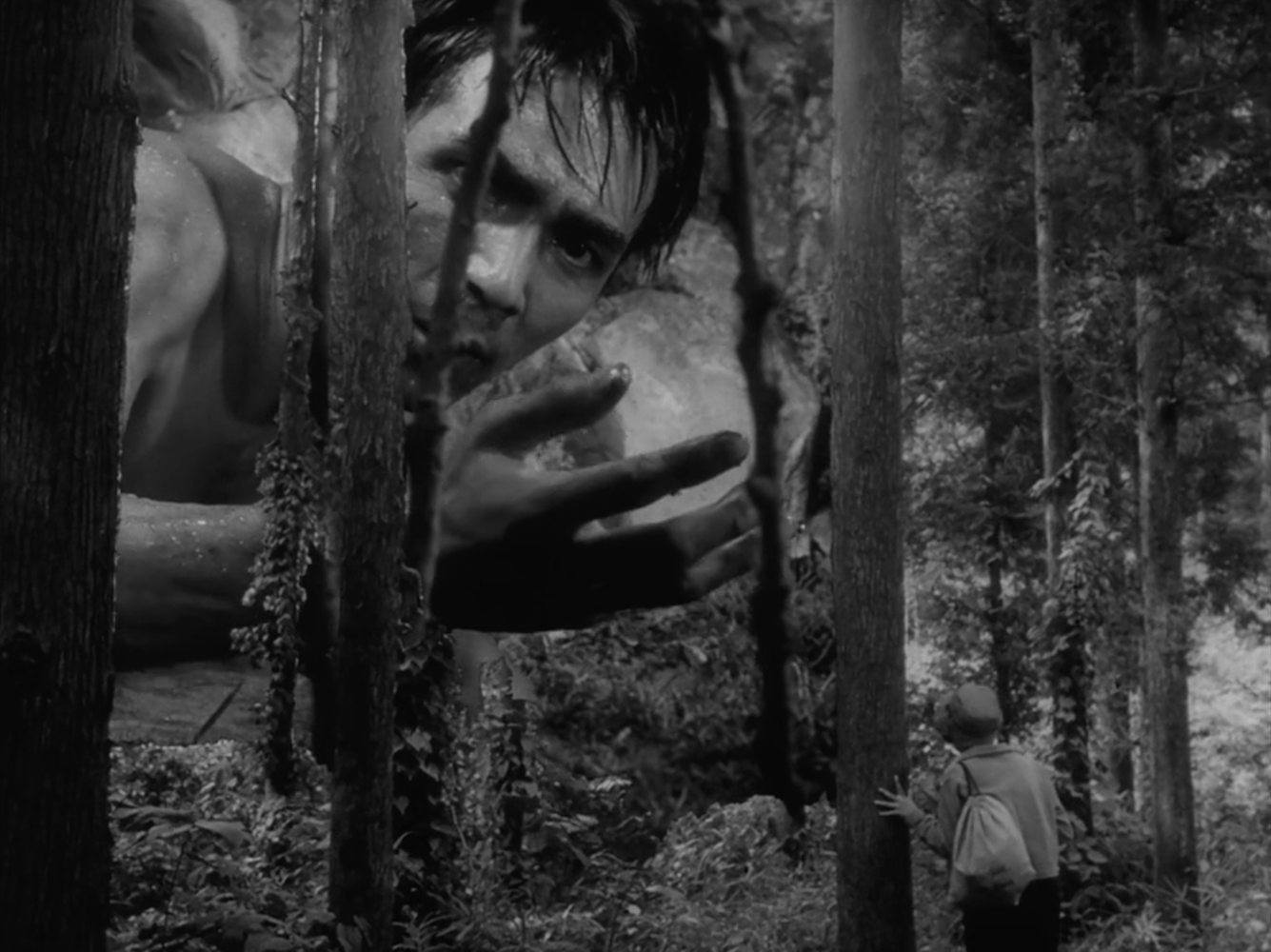
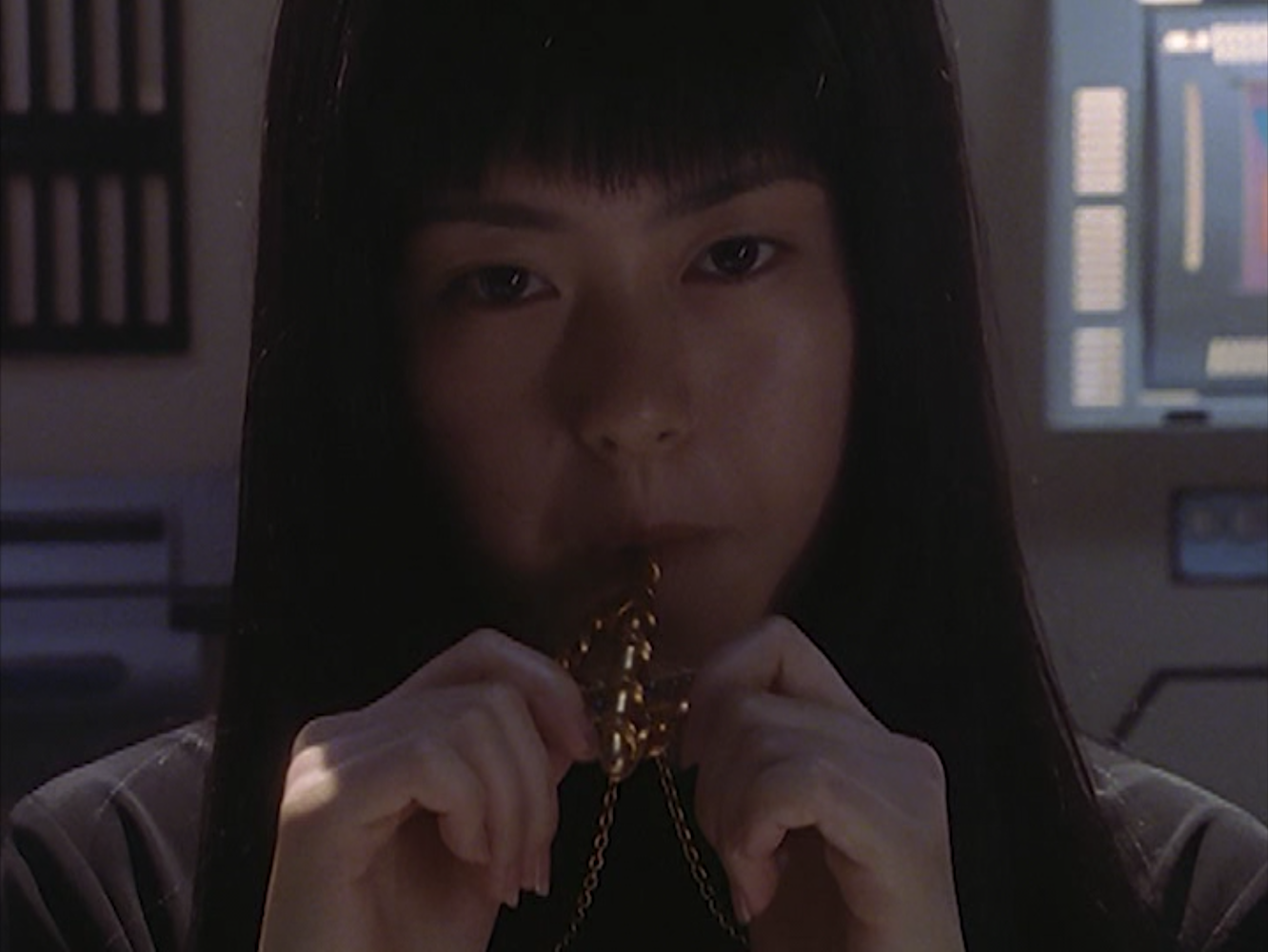
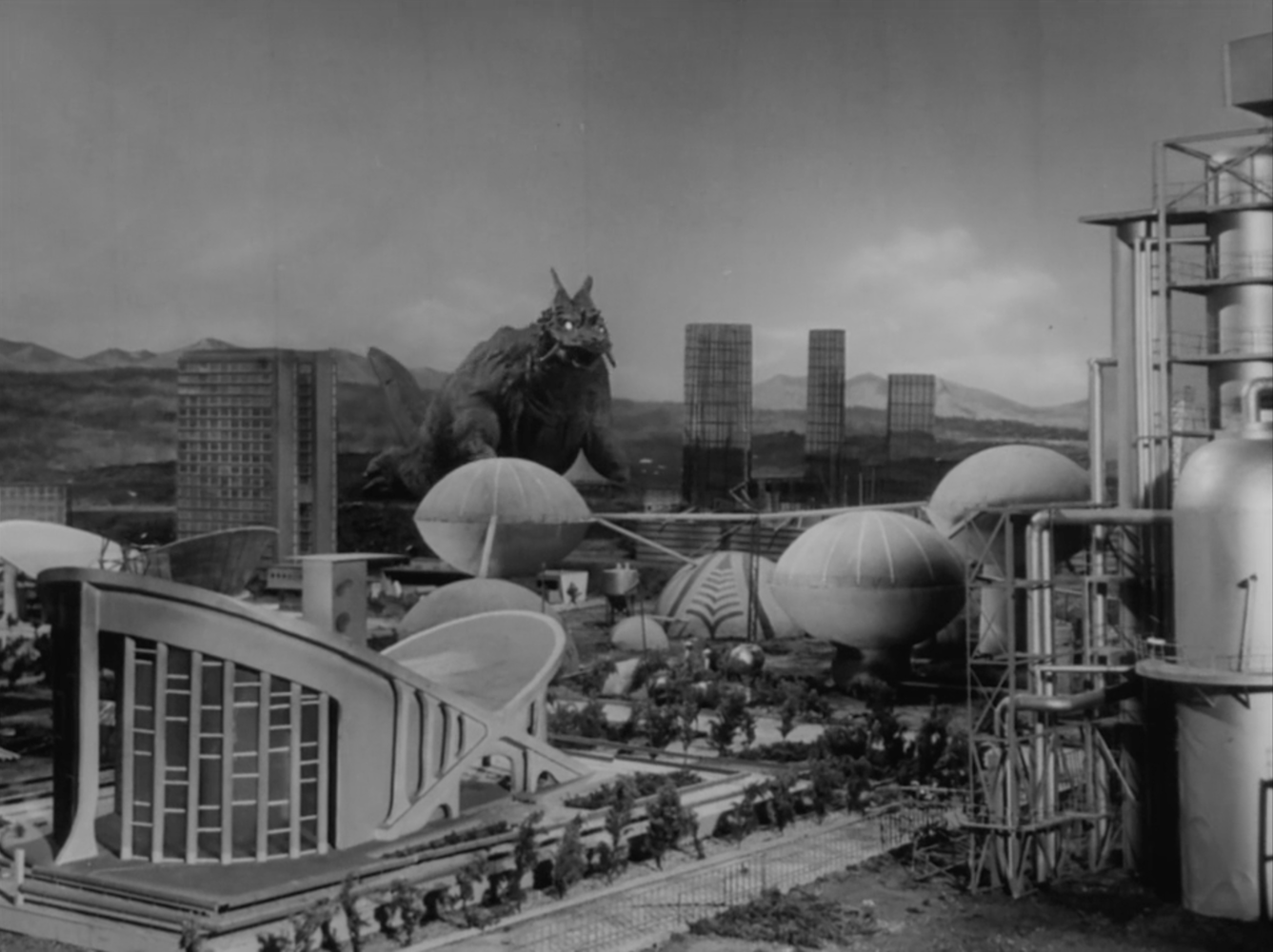
Ultraseven shifts to science-horror with an episode mirroring the more sober stories of Ultra Q. The general mood is subdued foreboding laced with body horror. Several unusual visual choices enhance the quiet dread. It’s ambitious, and the episode almost works — but the climax veers in a different direction that emphasizes big action. The finale may not include a giant monster fight, but it still feels like a conventional wrap-up, and that doesn’t gel with a story about aliens using women’s bodies as cultures for growing their food. 

Continue reading “Ultraseven Ep. 22: The Human Farm”
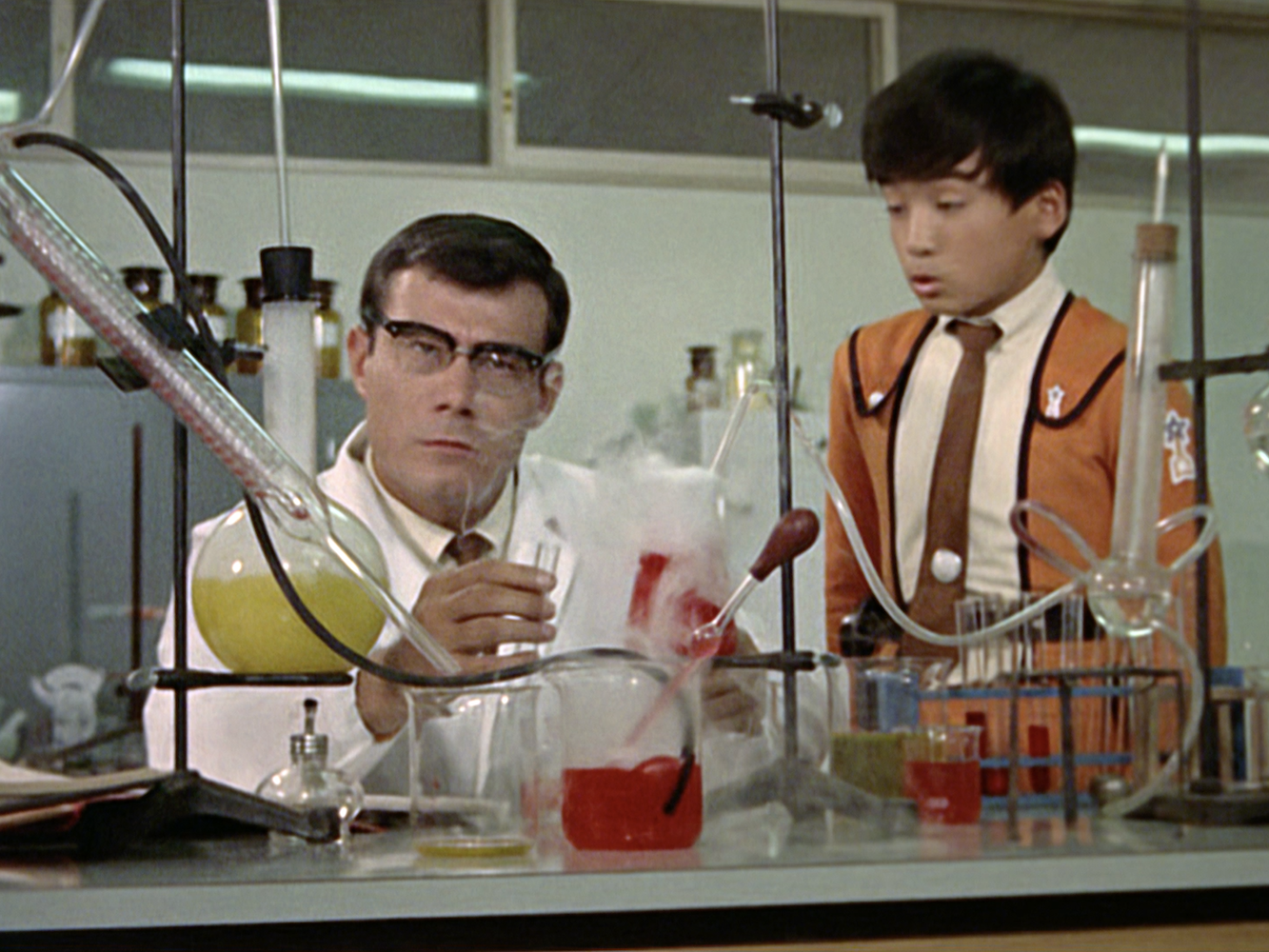
Ultraman Ep. 21: Breach the Wall of Smoke

Directed by Yuzo Higuchi. Written by Taro Kaido. Airdate Dec. 4, 1966.

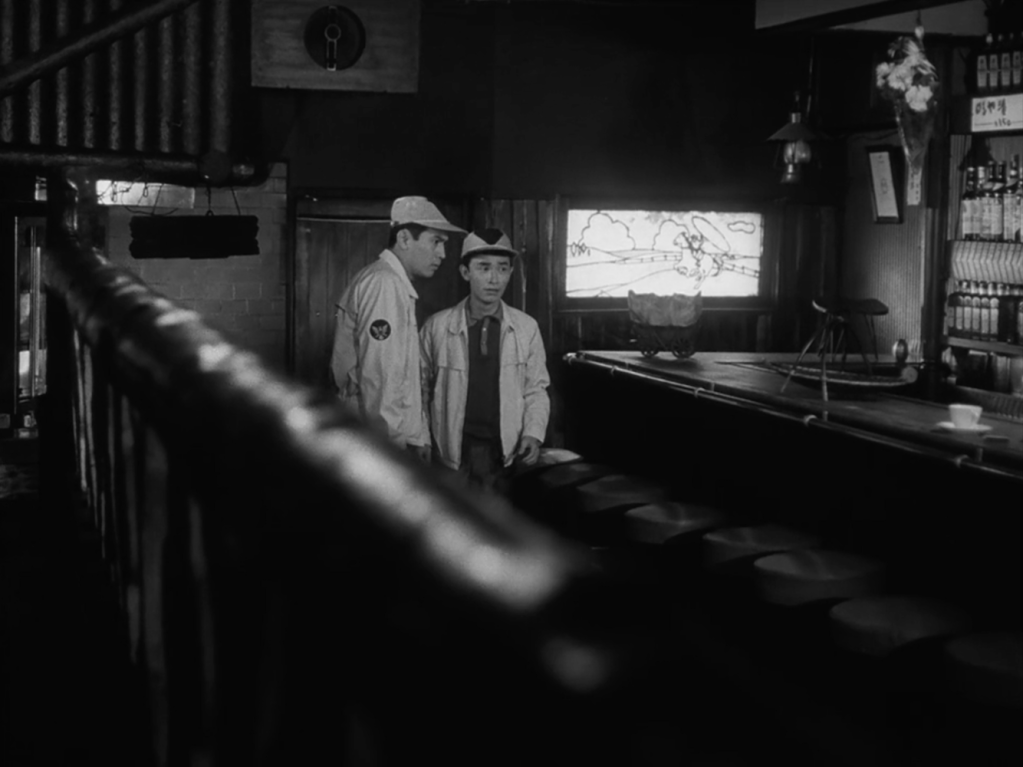
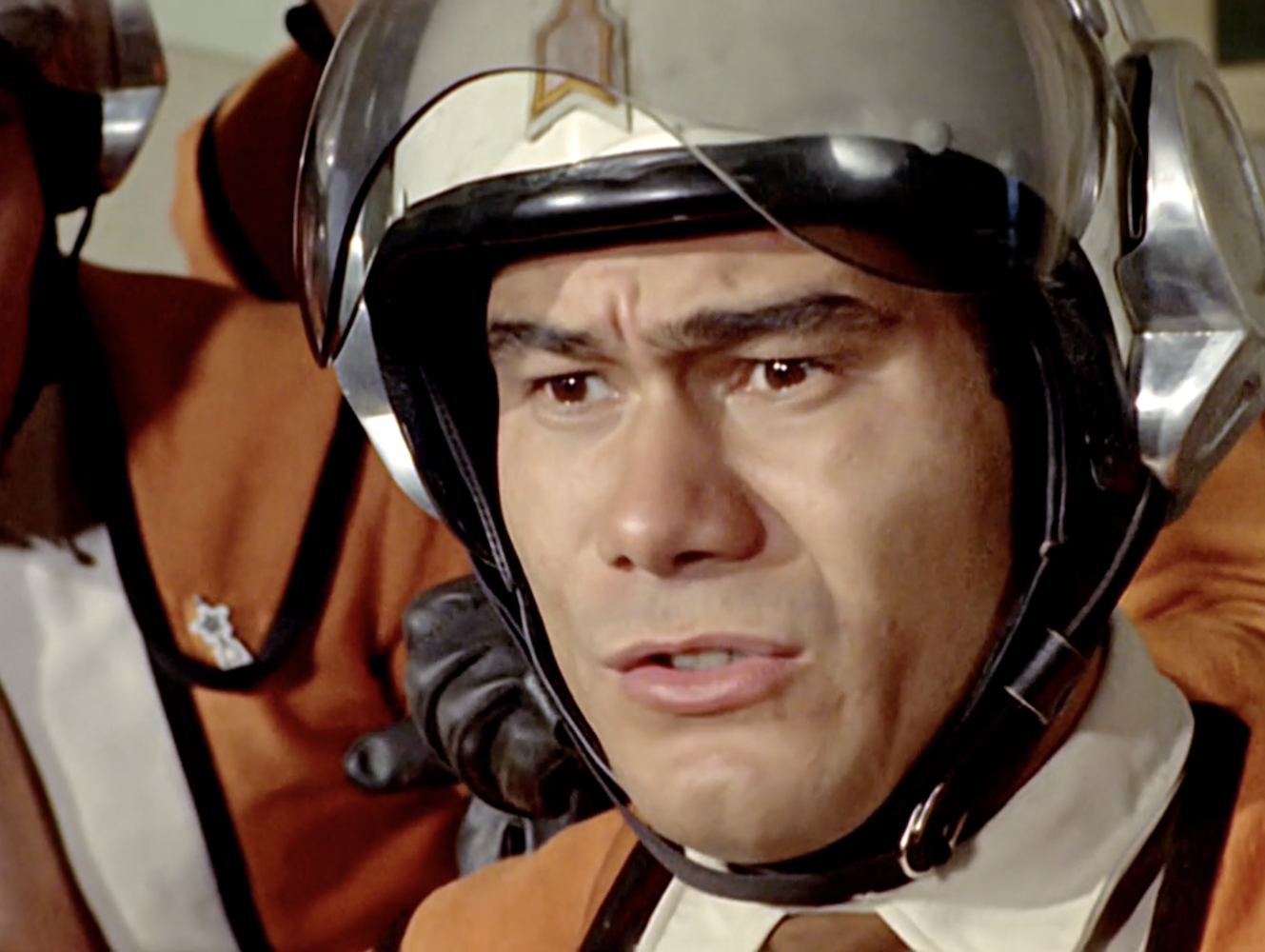
This is the Isamu Hoshino episode, the big starring role for the show’s 12-year-old mascot turned actual SSSP member. Hoshino already had a “save the day” moment in “Brother From Another Planet,” but this goes to the next level where he becomes the main character. Hoshino lands in the thick of the action, takes control of piloting the Sub VTOL, and figures out how to defeat the kaiju of the week. Your opinion of Hoshino and little kid heroics will strongly affect how you react to this episode. 

Continue reading “Ultraman Ep. 21: Breach the Wall of Smoke”

Toku Theater: Gamera vs. Viras (1968)

Directed by Noriaki Yuasa. Written by Niisan Takahashi.

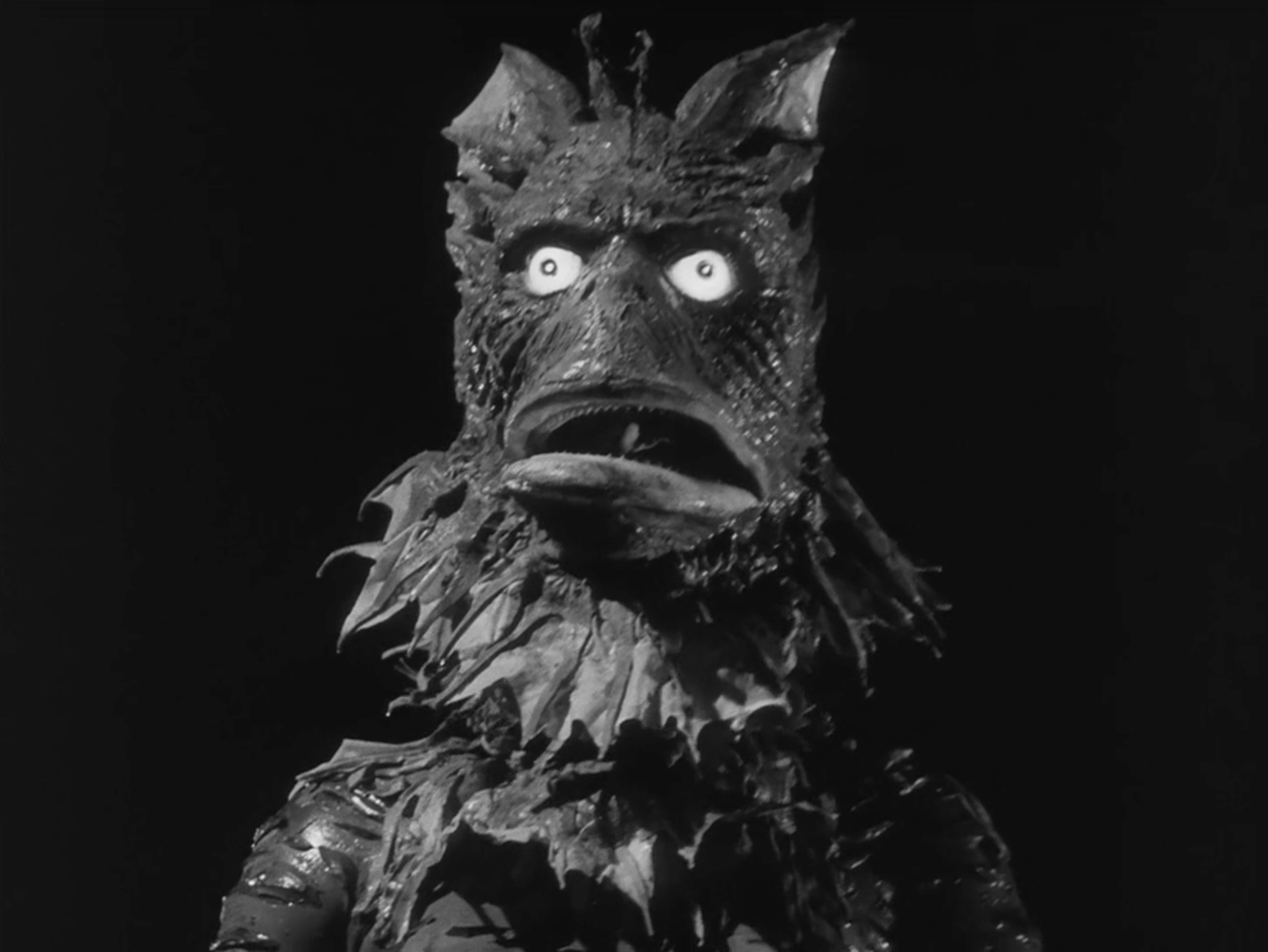
The fourth Gamera film adds the finishing touches, the final trio of elements that director Noriaki Yuasa and producer Hidemasa Nagata needed to complete the Gamera style: a Caucasian second child actor, Gamera’s catchy kiddie chant theme, and stock footage. The last of these isn’t a benefit.

Continue reading “Toku Theater: Gamera vs. Viras (1968)”

Ultra Q Ep. 22: Metamorphosis

Directed by Koji Kajita. Written by Kyoko Kitazawa. Story by Tetsuo Kinjo. Airdate May 29, 1966.

As we enter the last quarter mile of Ultra Q‘s run, we stumble across one of the first produced episodes. “Metamorphosis” was only the second episode shot, following “Mammoth Flower.” Even though it features a giant monster, a sure-thing for ratings, TBS decided to wait this late into the show’s run to put it on the air. 

Continue reading “Ultra Q Ep. 22: Metamorphosis”

Ultra Q Ep. 21: Space Directive M774

Directed by Kazuho Mitsuta. Written by Shozo Uehara. Airdate May 22, 1966.

This is Shozo Uehara’s debut as a writer for the Ultra franchise. His work is sparse for Ultra Q and Ultraman, although he penned the stone-cold classic Ultraman episode “The Monster Anarchy Zone.” It was later on Ultraseven and then as head writer on Return of Ultraman that he’d emerge as one of the most prolific and imaginative members of Tsuburaya Pro’s writing stable. 

Continue reading “Ultra Q Ep. 21: Space Directive M774”

Ultra Q Ep. 20: The Primordial Amphibian Ragon

Directed by Samaji Nonagase. Written by Hiroyasu Yamaura and Samaji Nonagase. Story by Shoji Otomo. Airdate May 15, 1966.

Yuriko is on assignment again, investigating an undersea volcanic explosion near the island of Iwame. She tells her boss Seki that she thinks this is a “mediocre” story, which seems ridiculous until you realize the giant monster and alien weirdness Yuri-chan has been dealing with for the past few months. Undersea volcano? Meh.

Continue reading “Ultra Q Ep. 20: The Primordial Amphibian Ragon”

Ultra Q Ep. 18: The Rainbow’s Egg

Directed by Toshihiro Iijima. Written by Masahiro Yamada. Airdate May 1, 1966.

Once upon a time, there was a giant monster movie called Frankenstein vs. Baragon (first released in the US as Frankenstein Conquers the World). Eiji Tsuburaya designed the quadruped kaiju Baragon for the film. Baragon then had a brief but busy career playing other monsters in Tsuburarya’s TV shows. The costume underwent four different redesigns through 1965–66 to help save money on building monster suits. Baragon made its makeover debut in “The Rainbow’s Egg,” where it plays the kaiju Pagos.

Continue reading “Ultra Q Ep. 18: The Rainbow’s Egg”

Toku Theater: Latitude Zero (1969)

Directed by Ishiro Honda. Written by Ted Sherdeman and Shinichi Sekizawa. Starring Joseph Cotten, César Romero, Richard Jaeckel, Akira Takarada, Patricia Medina.

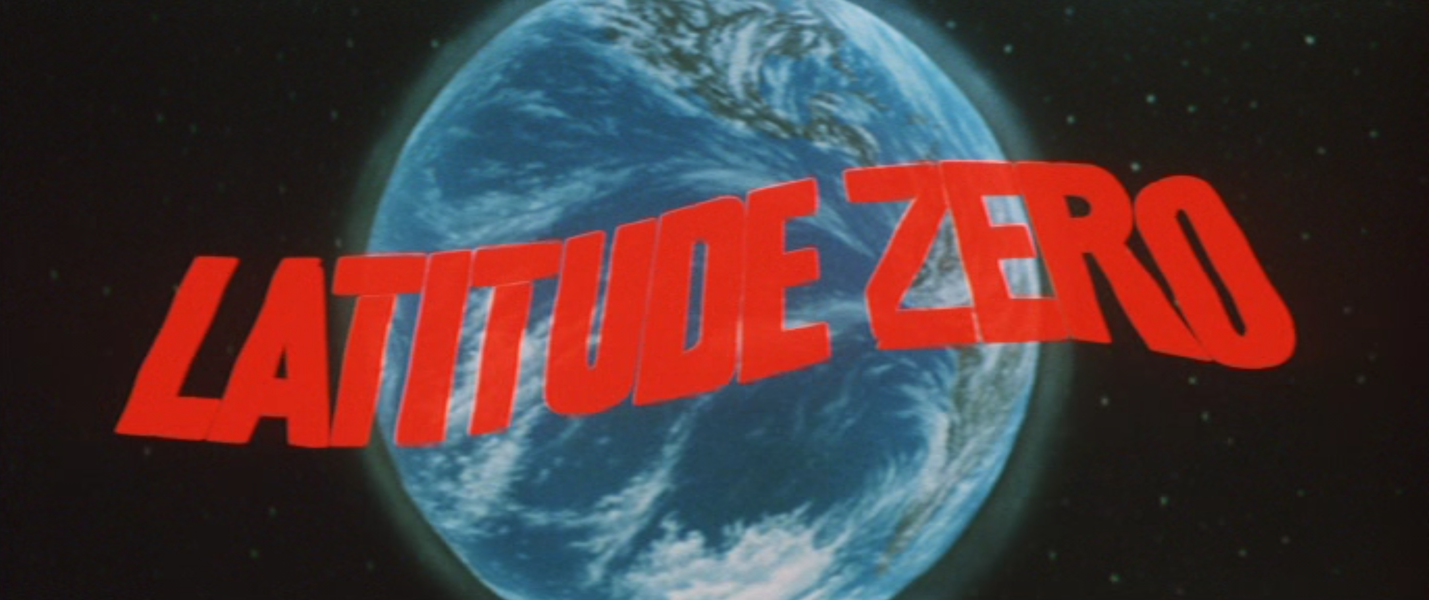
Latitude Zero is best known as the last science-fiction film that special effects wizard Eiji Tsuburaya worked on before his death. As final bows for a VFX artist go, it’s quite the spectacle: a science-fantasy epic with super-submarine duels, an underwater utopian city, giant rats and bats, a winged lion, laser-firing gloves, jet packs, massive pyrotechnics that blow up entire islands, and large matte painting vistas. Most of the effects are fantastic, and there are so many of them. The film is wall-to-wall with Tsuburaya’s trademark style. 

Continue reading “Toku Theater: Latitude Zero (1969)”

Ultraman Ep. 13: Oil S.O.S.

Directed by Hajime Tsuburaya. Written by Tetsuo Kinjo. Airdate Oct. 9, 1966.

Mitsuhiro Ide, the Science Patrol’s resident inventor, was intended as Ultraman’s comic character. Maybe in the beginning of the program’s development, the creators saw Ide as purely a comedy foil to add wacky zip to a monster show. However, something changed early on. My suspicion is that actor Masanari Nihei was responsible for Ide evolving into more than just comic relief. Ide never lost his humor, but he emerged as the show’s most complex character. 

Continue reading “Ultraman Ep. 13: Oil S.O.S.”