Ultraman Ep. 32: Endless Counterattack

Directed by Toshitsugu Suzuki. Written by Keisuke Fujikawa. Airdate Feb. 19, 1967.

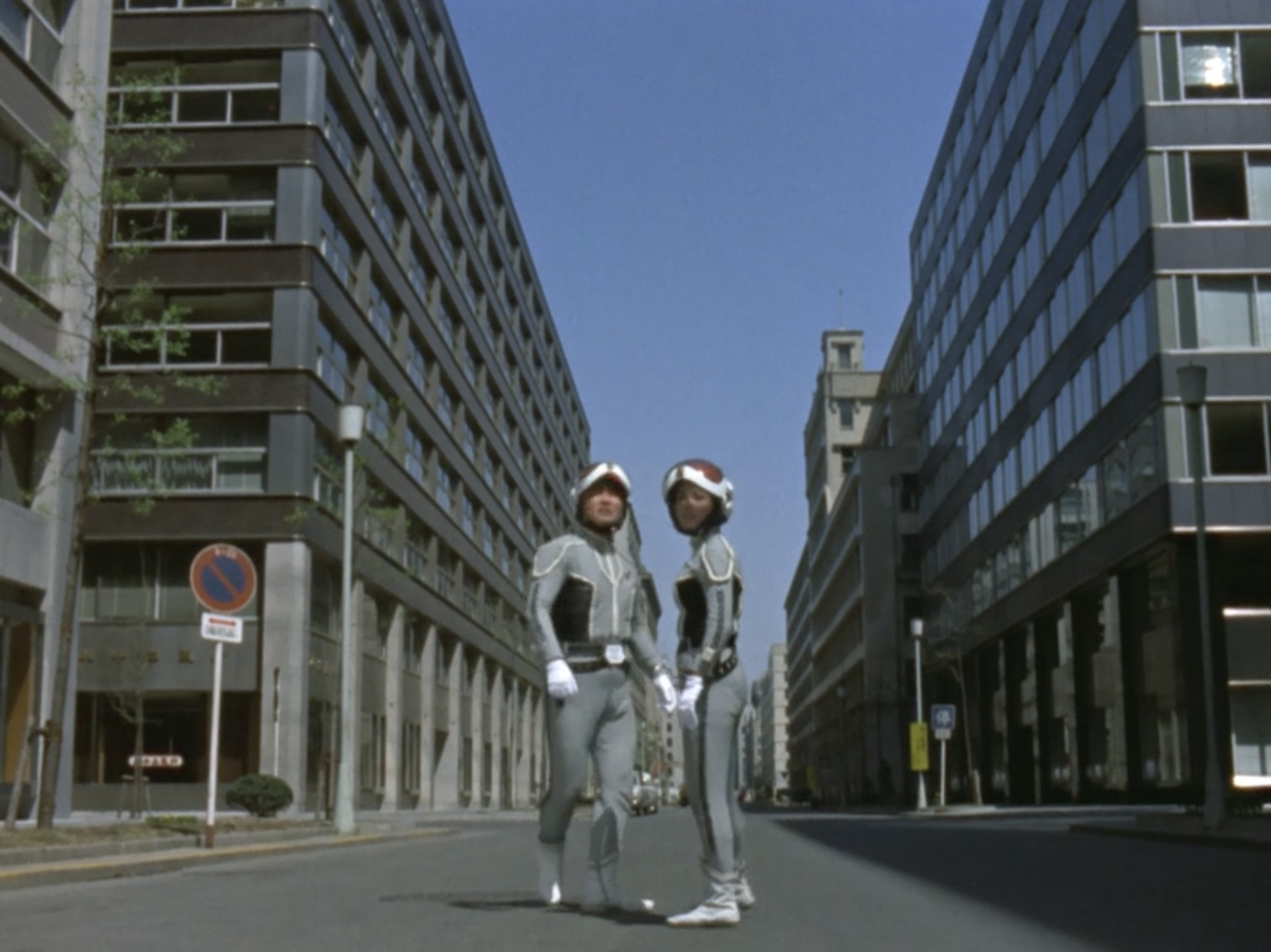
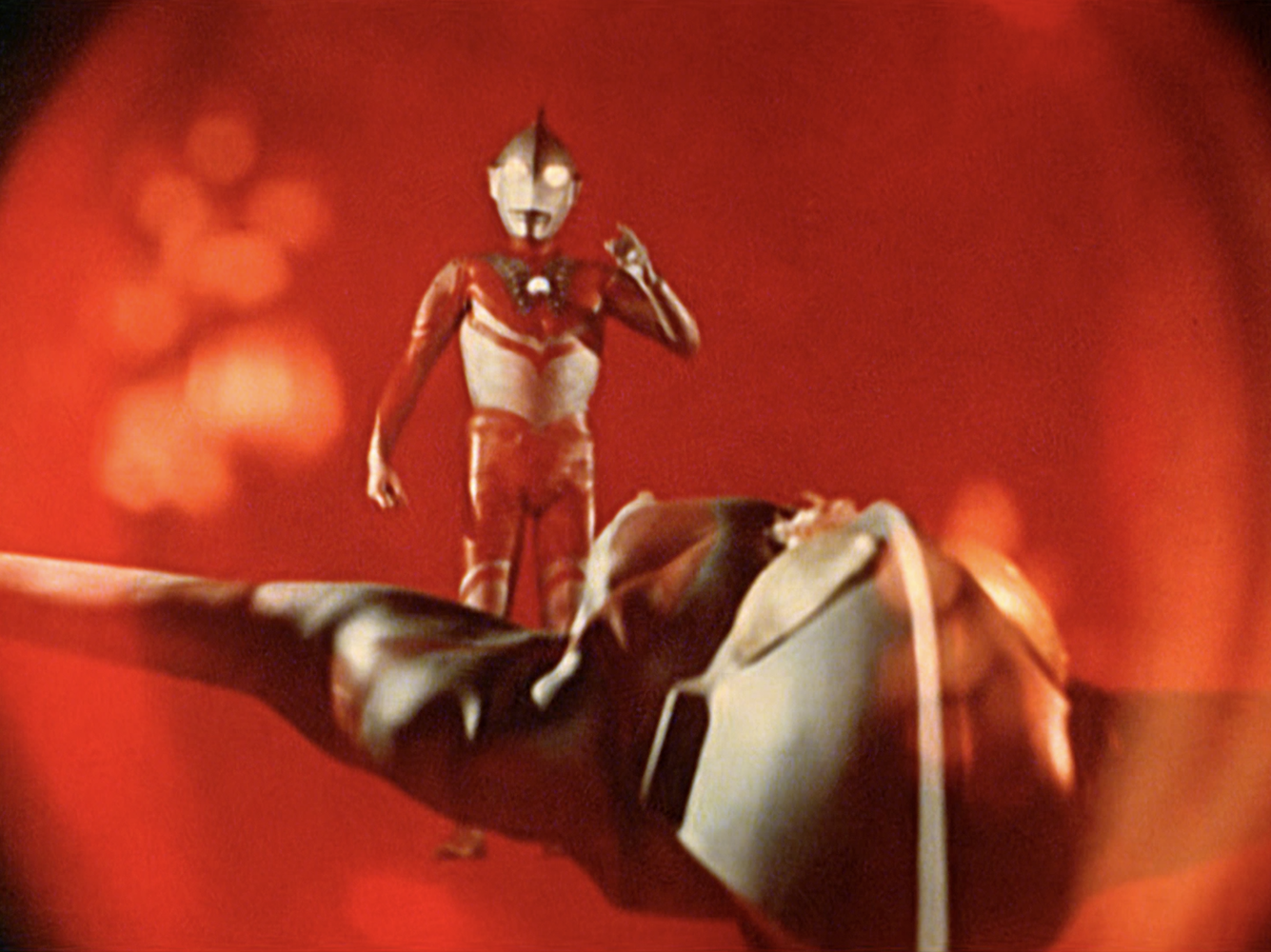
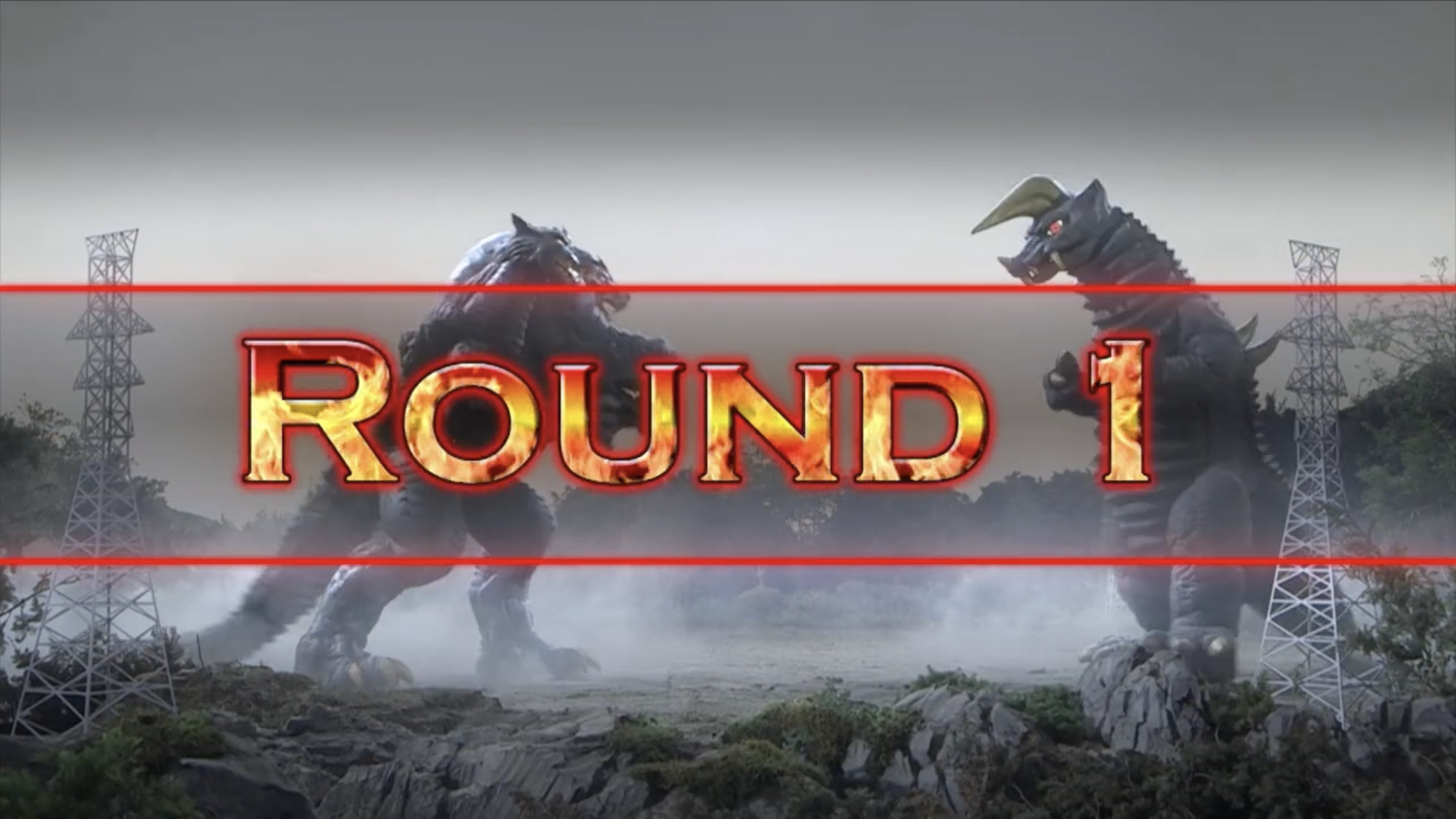
In what feels like a flashback to the earliest episodes, “Endless Counterattack” is a formulaic rampaging monster story with a structure similar to middle-of-the-road episodes like “Science Patrol, Move Out” and “Lightning Operation.” Giant monster Zumbolar appears in the wilds and causes massive destruction with its fiery powers. The Science Parol must find a way to stop it as it trundles toward Tokyo. Ide comes up with an invention, Hayata changes into Ultraman, and the problem is solved after a whole bunch of stuff goes kablooie. 

Continue reading “Ultraman Ep. 32: Endless Counterattack”

Ultraseven Ep. 28: The 700 Kilometer Run

Directed by Kazuho Mitsuta. Written by Shozo Uehara. Airdate April 14, 1968.

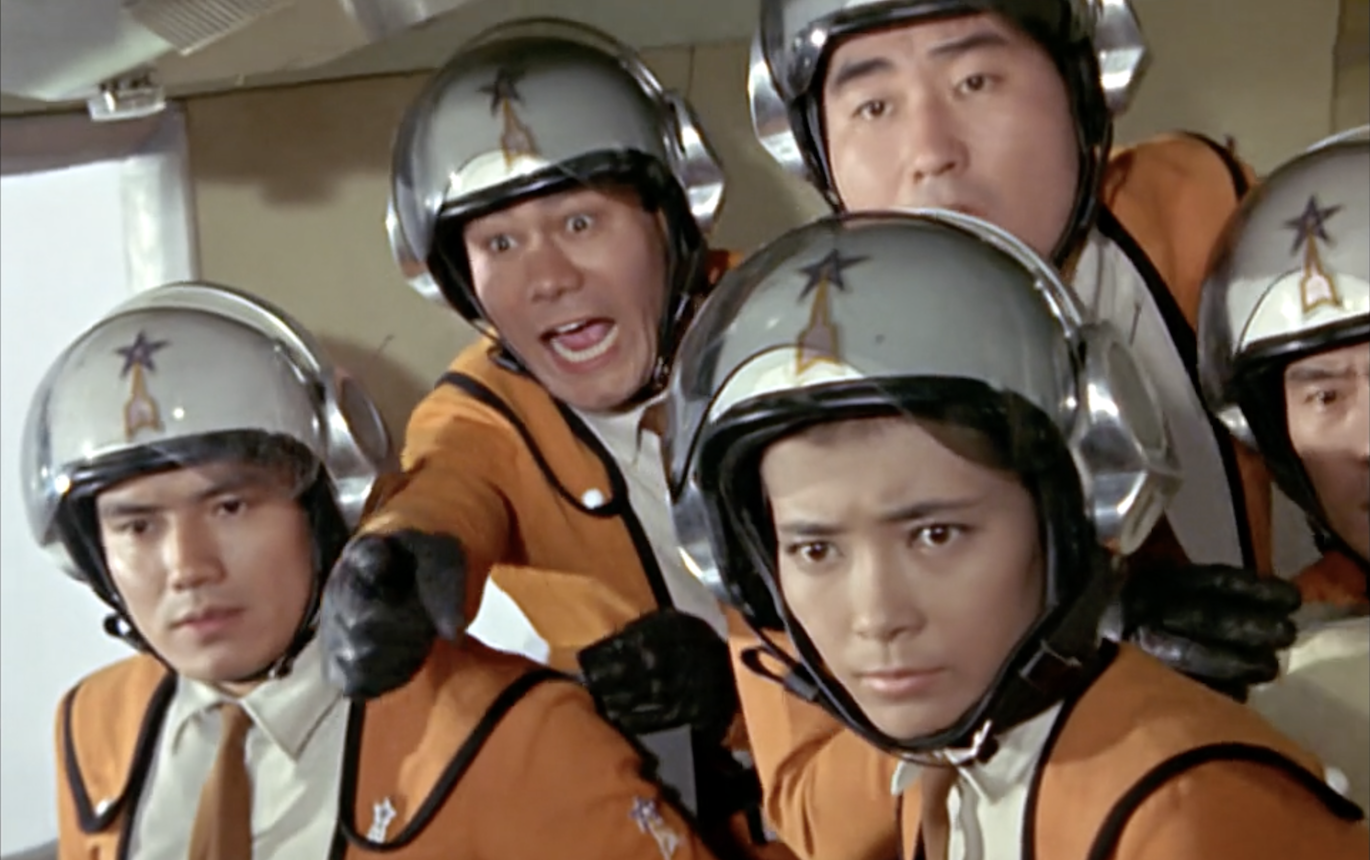
We have something special for you today, Ultra fans! My distinguished regular readers and guests, children of all ages, please direct your attention to the starting line of Day One of a 700 kilometer race. (That’s 435 miles for all my US-based readers.) I present to you … Dino Tank!

Continue reading “Ultraseven Ep. 28: The 700 Kilometer Run”

Ultraman Ginga Ep. 2: A Midsummer Night’s Dream

Directed by Yuichi Abe. Written by Keiichi Hasegawa. Airdate July 17, 2013.

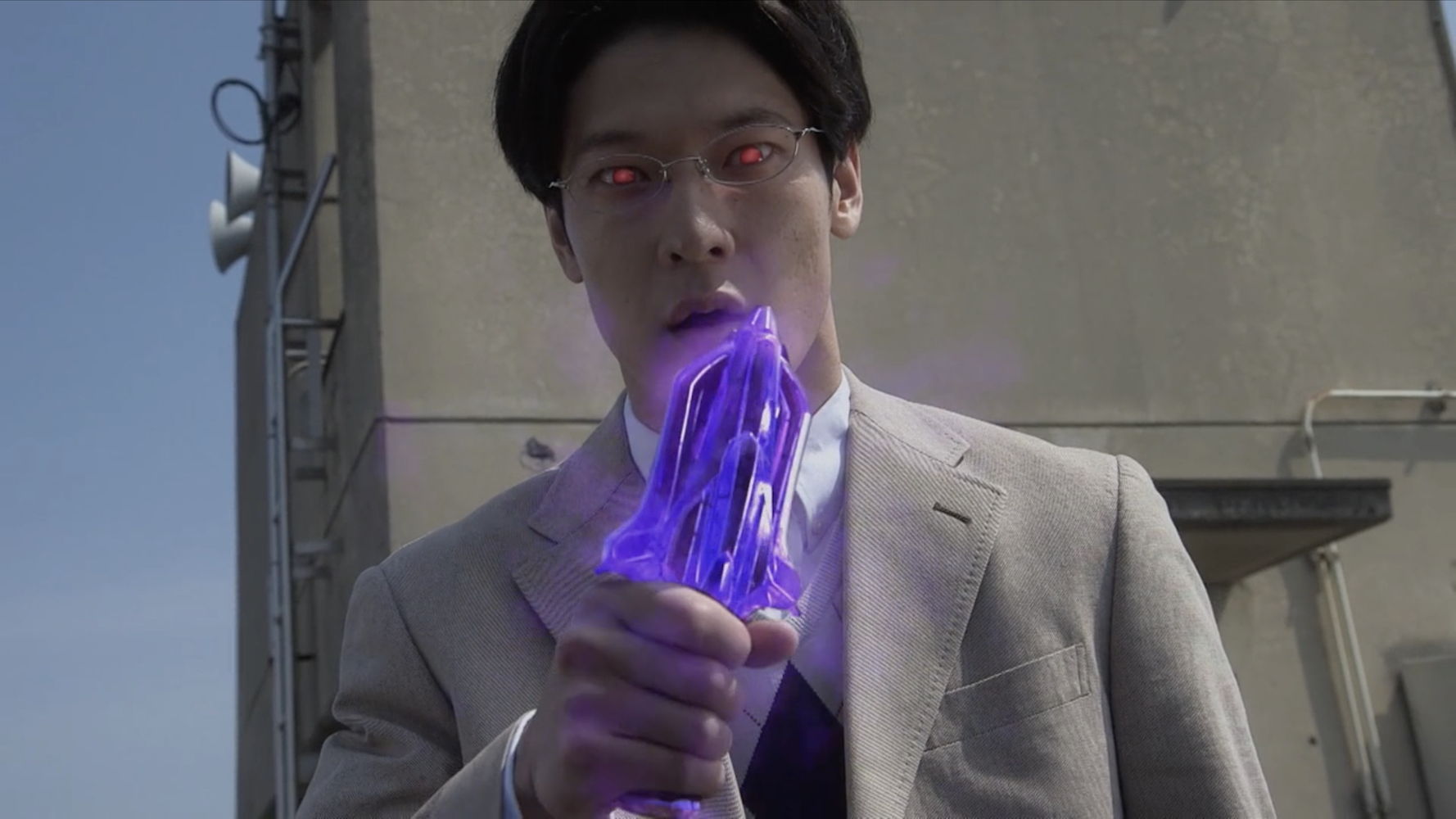
The second outing for Ultraman Ginga is a minor improvement over the rough first episode. It’s standard for Ultra shows to have stronger second episodes because they need to jam less set-up into a half-hour. “A Midsummer Night’s Dream” gives us more time with our new protagonists, Hikaru and Misuzu, to establish their relationship, and there’s an odd but enjoyable villain. Not a kaiju or alien villain, but a nutball motorcyclist who likes to run people over for committing crimes. Like being too flirtatious.

Continue reading “Ultraman Ginga Ep. 2: A Midsummer Night’s Dream”

Ultraman Tiga Ep. 21: Deban’s Turn

Directed by Tsugumi Kitaura. Written by Ai Ota. Airdate Jan. 25, 1997.

Are you ready for a “cute mascot monster” episode? The same way that many Ultra shows seek their own version of Ultraman’s “My Home Is Earth,” they also try to come up with their own “Kanegon’s Cocoon” or “A Little Hero.” How well does “Deban’s Turn” meet the goals of the cute monster tale? Extremely well. Deban doesn’t reach the heights of Kanegon or Pigmon, or even Hanejiro from Ultraman Dyna. But this story of a monster who finds acceptance among a troupe of clowns and can defeat the rage powers of a demon beast is charming and heartwarming. 

Continue reading “Ultraman Tiga Ep. 21: Deban’s Turn”

Ultraman Ep. 31: Who Goes There?

Directed by Yuzo Higuchi. Written by Taro Kaido. Airdate Feb. 12, 1967.

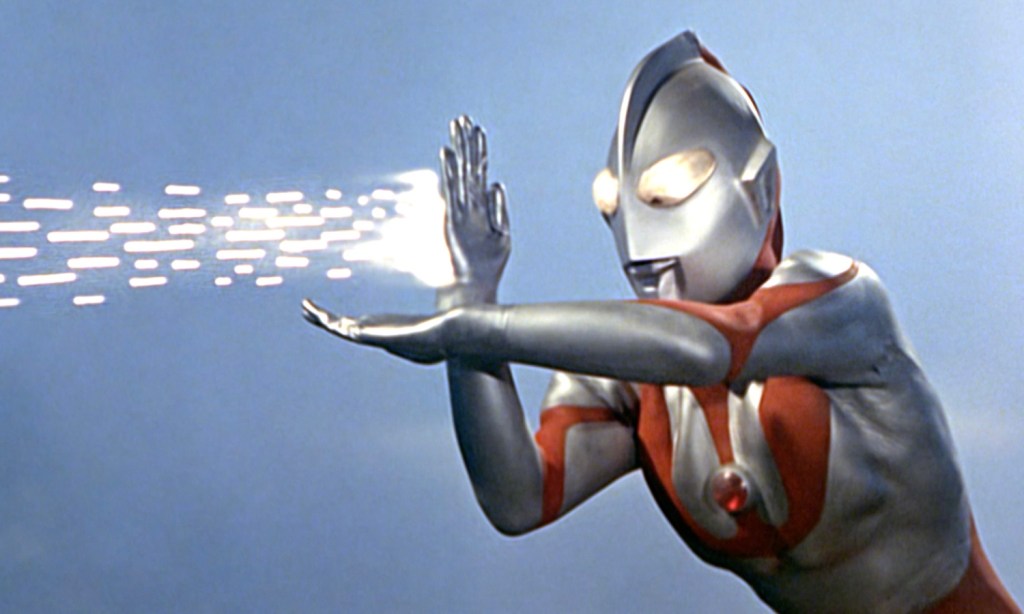
Ultraman’s fighting style evolved over the show’s run. Starting with a close-contact, grounded style, Ultraman became more agile and flexible as Bin Furuya, the actor inside the suit, got more accustomed to the costume. The fight choreography changed to match. Furuya picked “Who Goes There?” as a peak of this fighting evolution. He’s right: the battle between Ultraman and the giant Vampire Plant Keronia is among the most athletic and dynamic in the show. Furuya as Ultraman executes impressive full-body flips and flying double-leg kicks that must have required intense training and practice. Furuya was right to feel proud — all of it looks fantastic. 

Continue reading “Ultraman Ep. 31: Who Goes There?”

Ultraman Ginga / Ultraman Ginga S: An Introduction

The time has come to look at the Third Era of Ultra. Following Showa and Heisei comes the “New Generation Heroes” era. It’s the epoch we’re currently in1 — and it’s a divisive one. After a disruptive shift in the ownership and operation of Tsuburaya Productions, the Ultra Series transformed into something more slick, polished, corporate, risk-averse, and very eager to sell toys. Yet the New Gen shows have garnered many new fans, and they can truly be a good time. Occasionally a great time. 

How do the first shows of the New Generation Heroes era — Ultraman Ginga and its sequel/second season Ultraman Ginga S — fare? 

Continue reading “Ultraman Ginga / Ultraman Ginga S: An Introduction”

Ultraseven Ep. 27: Operation Cyborg

Directed by Toshitsugu Suzuki. Written by Keisuke Fujikawa. Airdate April 7, 1968.

While doing this website, I’ve discovered that writing about the best Ultra episodes is more difficult than writing about good or mediocre episodes. With a classic episode, there’s more to consider and explore and numerous ways to approach the writing. Discovering the ideal way to concisely discuss a complex, multilayered episode in an entertaining and clear way can be rough. It’s rewarding to get to that final version, but it takes serious effort. 

Continue reading “Ultraseven Ep. 27: Operation Cyborg”

Toku Theater: Gamera vs. Jiger (1970)

Directed by Noriaki Yuasa. Written by Niisan Takahashi.

The progression of the classic Gamera series doesn’t follow conventional movie franchise logic. This logic says that once a series completes the transformation into children’s entertainment, it will enter a period of steady decline — if it hasn’t already. Although Gamera vs. Guiron was psychedelic fun with little in the way of story to interfere with kids’ enjoyment, it should have signaled an irreversible trend toward lower budgets and sillier, simpler plots.

Continue reading “Toku Theater: Gamera vs. Jiger (1970)”

Ultraman Tiga Ep. 19 & 20: GUTS Into Space

Directed by Hirochika Muraishi. Written by Chiaki J. Konaka. Airdate Jan. 11 & 18, 1997.

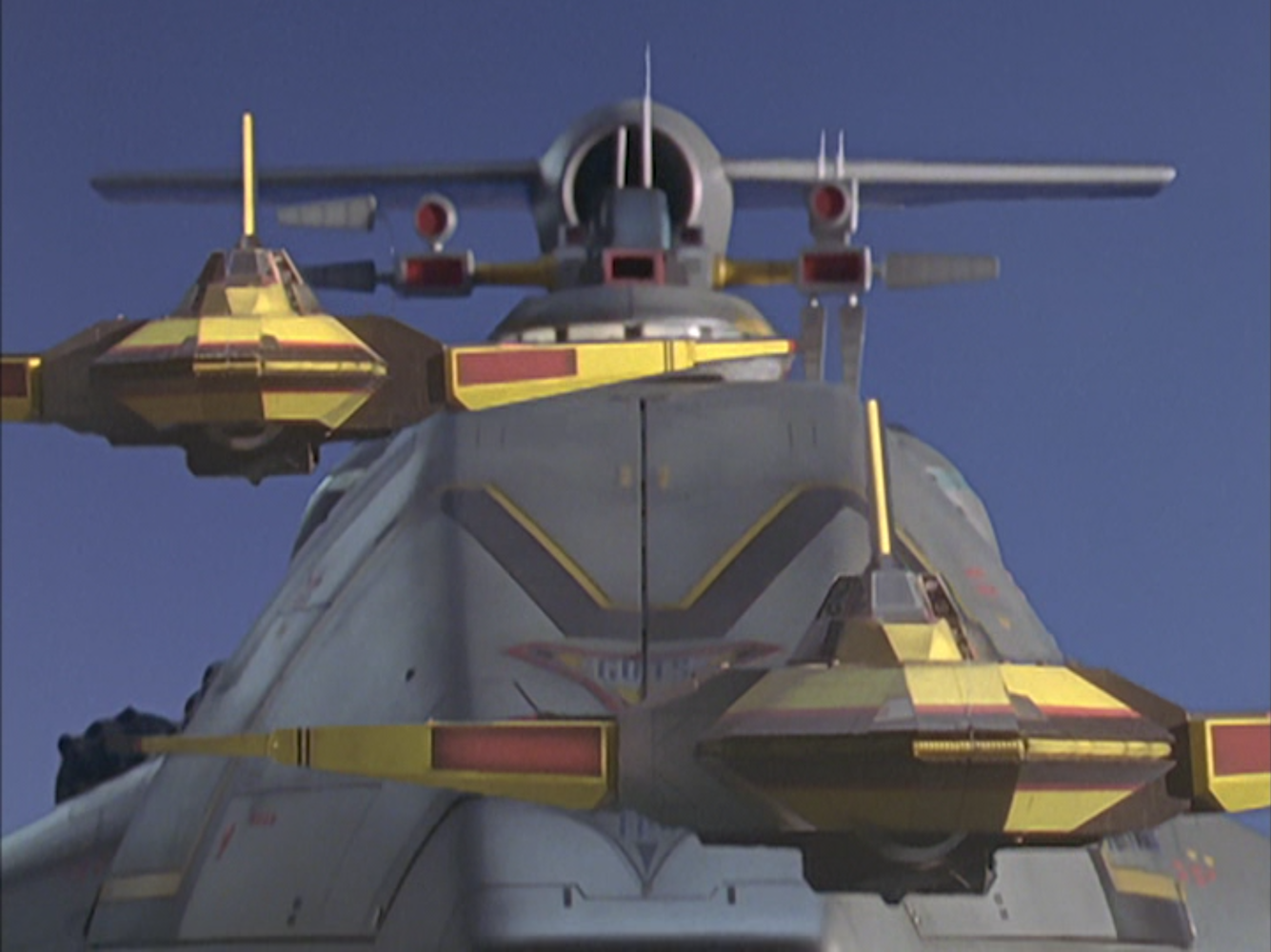
Ultraman Tiga and its sequel series Ultraman Dyna take place in the “World of Neo Frontier Space” timeline. Space travel and planetary colonization are key themes in these shows, although they usually occur in the background or serve as catalysts for episodes that are otherwise Earthbound. “GUTS Into Space,” Tiga’s first two-parter, finally sends the GUTS team into the Neo Frontier using a new piece of space-travel technology.

Continue reading “Ultraman Tiga Ep. 19 & 20: GUTS Into Space”