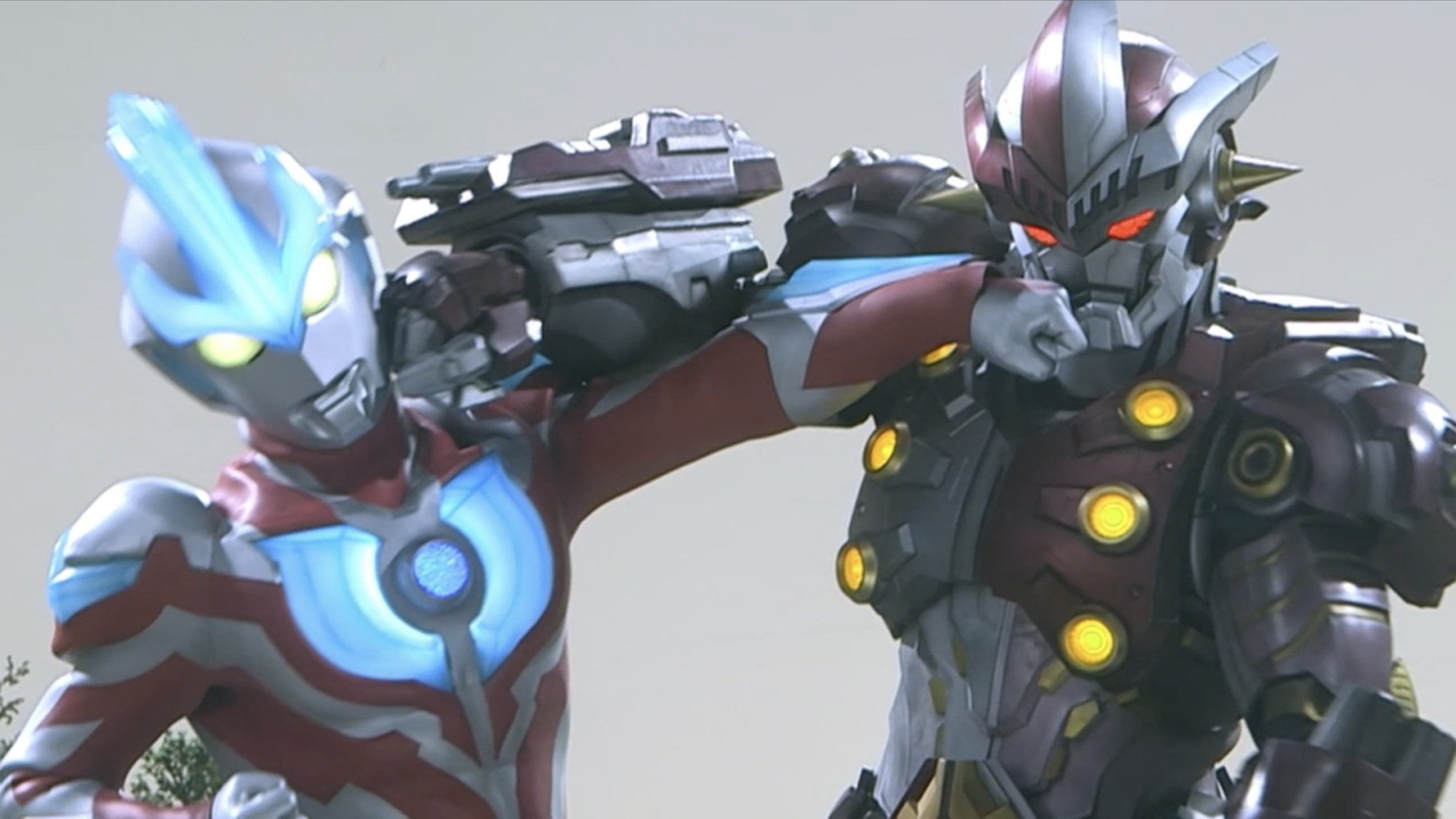
Ultraman Ginga / Ultraman Ginga S: An Introduction

The time has come to look at the Third Era of Ultra. Following Showa and Heisei comes the “New Generation Heroes” era. It’s the epoch we’re currently in* — and it’s a divisive one. After a disruptive shift in the ownership and operation of Tsuburaya Productions, the Ultra Series transformed into something more slick, polished, corporate, risk-averse, and very eager to sell toys. Yet the New Gen shows have garnered many new fans, and they can truly be a good time. Occasionally a great time. 

How do the first shows of the New Generation Heroes era — Ultraman Ginga and its sequel/second season Ultraman Ginga S — fare? 

Continue reading “Ultraman Ginga / Ultraman Ginga S: An Introduction”

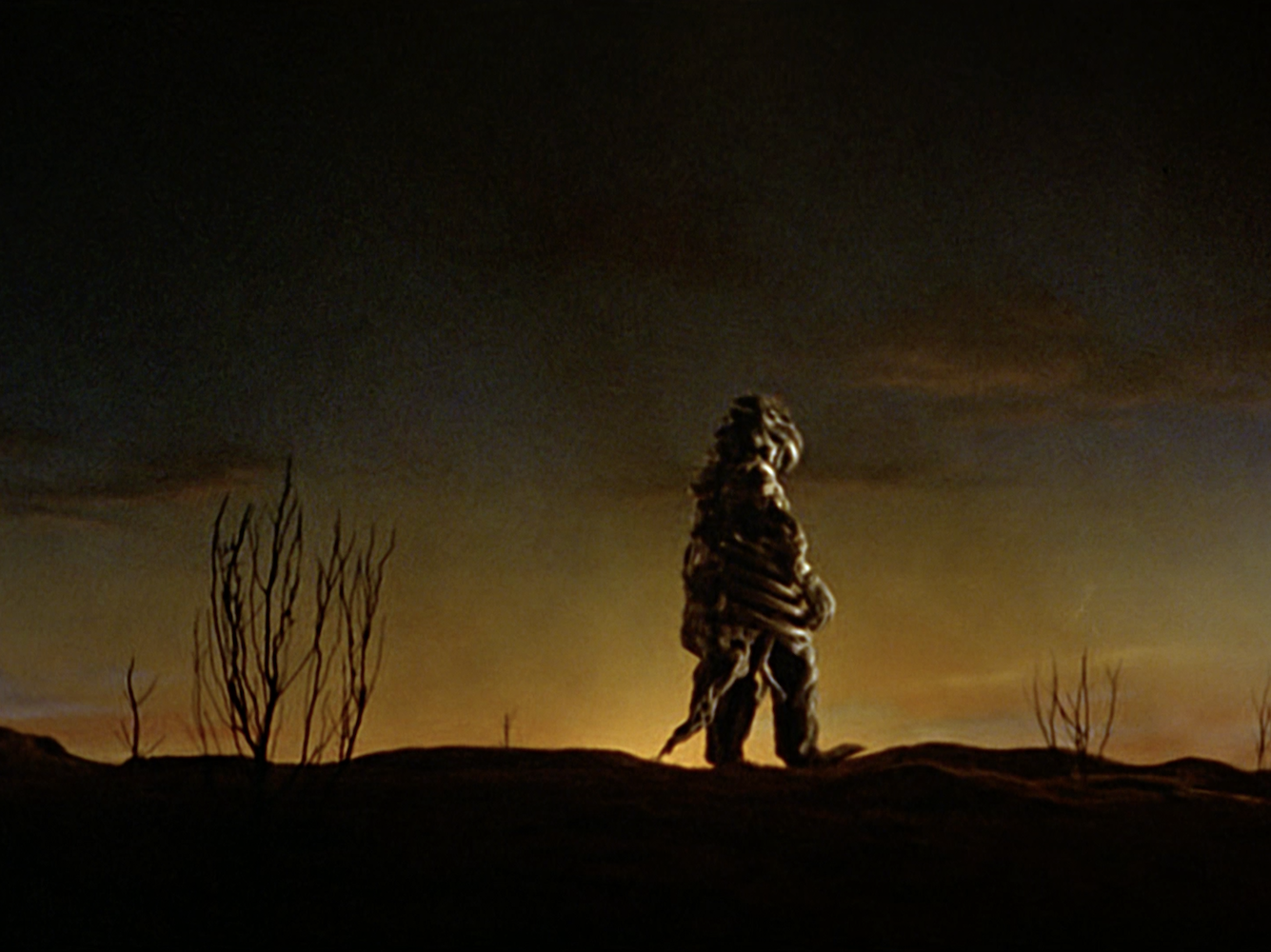
Ultraseven Ep. 27: Operation Cyborg

Directed by Toshitsugu Suzuki. Written by Keisuke Fujikawa. Airdate April 7, 1968.

While doing this website, I’ve discovered that writing about the best Ultra episodes is more difficult than writing about good or mediocre episodes. With a classic episode, there’s more to consider and explore and numerous ways to approach the writing. Discovering the ideal way to concisely discuss a complex, multilayered episode in an entertaining and clear way can be rough. It’s rewarding to get to that final version, but it takes serious effort. 

Continue reading “Ultraseven Ep. 27: Operation Cyborg”

Toku Theater: Gamera vs. Jiger (1970)

Directed by Noriaki Yuasa. Written by Niisan Takahashi.

The progression of the classic Gamera series doesn’t follow conventional movie franchise logic. This logic says that once a series completes the transformation into children’s entertainment, it will enter a period of steady decline — if it hasn’t already. Although Gamera vs. Guiron was psychedelic fun with little in the way of story to interfere with kids’ enjoyment, it should have signaled an irreversible trend toward lower budgets and sillier, simpler plots.

Continue reading “Toku Theater: Gamera vs. Jiger (1970)”

Ultraman Tiga Ep. 19 & 20: GUTS Into Space

Directed by Hirochika Muraishi. Written by Chiaki J. Konaka. Airdate Jan. 11 & 18, 1997.

Ultraman Tiga and its sequel series Ultraman Dyna take place in the “World of Neo Frontier Space” timeline. Space travel and planetary colonization are key themes in these shows, although they usually occur in the background or serve as catalysts for episodes that are otherwise Earthbound. “GUTS Into Space,” Tiga’s first two-parter, finally sends the GUTS team into the Neo Frontier using a new piece of space-travel technology.

Continue reading “Ultraman Tiga Ep. 19 & 20: GUTS Into Space”

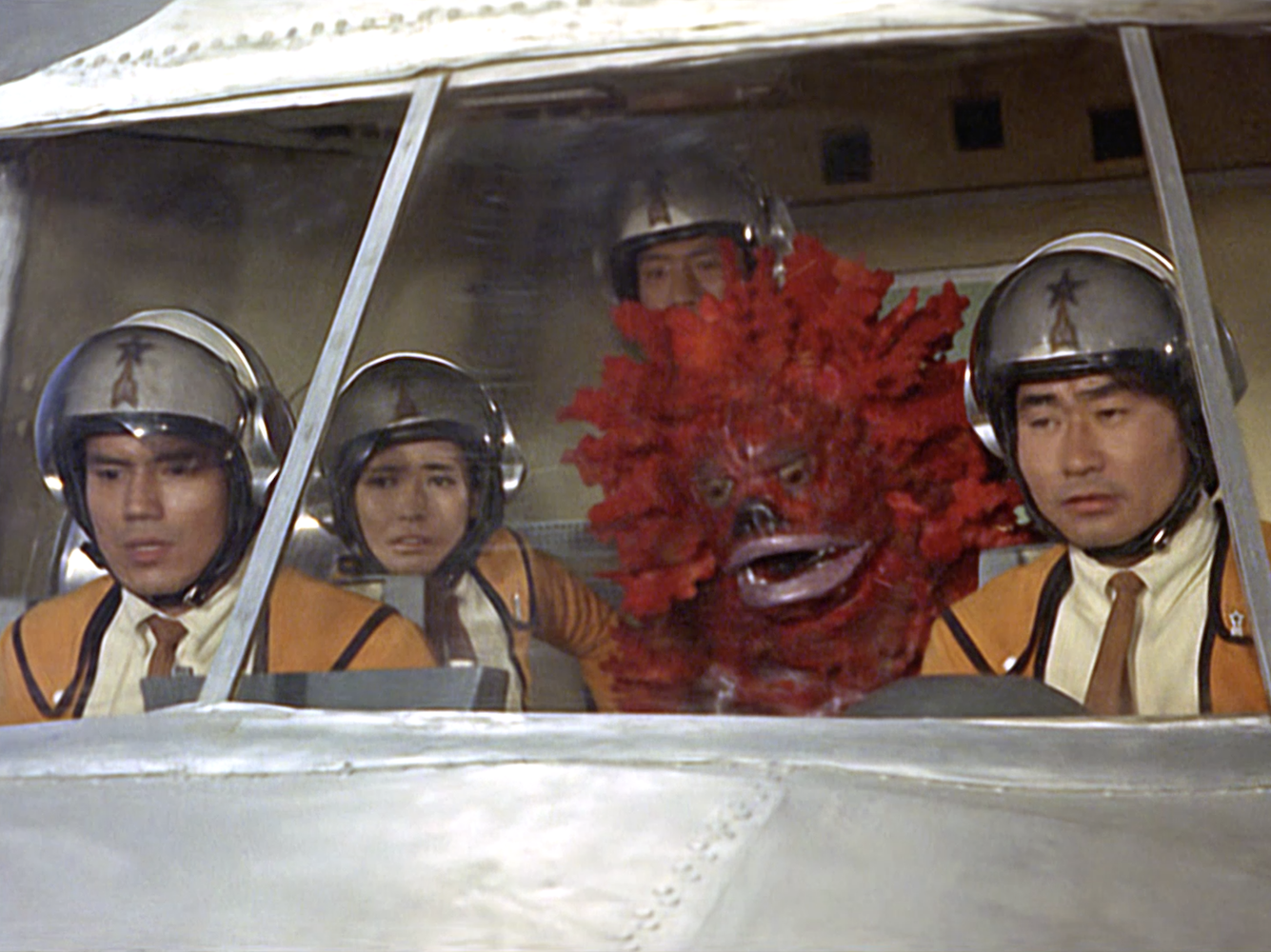
Ultraman Ep. 30: Phantom of the Snow Mountains

Directed by Yuzo Higuchi. Written by Tetsuo Kinjo. Airdate Feb. 5, 1967.

Tetsuo Kinjo contributed numerous excellent scripts to the first three Ultra shows. “Garmon Strikes Back,” “The Blue Stone of Baradhi,” and “The Ultra Guard Goes West” are some of his best straightforward action episodes. But Kinjo is best known for stories drawn from his childhood experience seeing the Japanese Empire’s oppression of the native Okinawans. In these scripts, Kinjo explored outsiders facing prejudice, sprinkling in elements of tragedy and the supernatural. “Phantom of the Snow Mountains” isn’t Kinjo’s finest script (I’d argue that’s Ultraseven’s “Ambassador of the Nonmalt”), but it may be his most representative: a sad, fable-like tale of a shunned girl and her connection to a possibly supernatural snowbeast. 

Continue reading “Ultraman Ep. 30: Phantom of the Snow Mountains”

Ultraseven Ep. 26: Super Weapon R1

Directed by Toshitsugu Suzuki. Written by Bunzo Wakatsuki. Airdate March 31, 1968.

The Cold War and fears of nuclear war lurk behind much of tokusatsu, especially in the Showa era. The movie that ignited the tokusatsu genre, Godzilla, is the quintessential cinematic nuclear metaphor, and Japan is the nation most acutely aware of the horrors of nuclear weapons as “deterrents.” The specter of the Cold War haunts many of Ultraseven’s tales of alien invaders. In “Super Weapon R1,” the subtext of the madness of the arms race becomes the text, the explicitly stated theme. This could’ve turned out heavy-handed. Here, it all works, resulting in one of the great and enduring Ultra episodes.

Continue reading “Ultraseven Ep. 26: Super Weapon R1”

Ultraman Tiga Ep. 18: Golza Strikes Back!

Directed by Shinichi Kamizawa. Written by Masakazu Migita. Airdate Jan. 4, 1997.

Ultra shows generally treat the impact of kaiju activity on the civilian population with a light hand. That’s appropriate, since the episodes would otherwise make for extremely dour entertainment, and many child viewers would have nightmares until they graduated high school. Doing something with the heaviness of the original Godzilla or Godzilla Minus One isn’t what Tsuburaya Productions was looking to achieve. 

Continue reading “Ultraman Tiga Ep. 18: Golza Strikes Back!”

The Ultra Project: Year One

It was a year ago that I took The Ultra Project live, announcing to the internet my creation of a website providing episode-by-episode reviews of the Japanese Ultra series. I’d already spent two months working on the site, writing the first batch of reviews, then doing a soft launch in late August. It wasn’t until after I posted the first Ultraseven episode review that I was ready to unveil the site to the, uhm, eager public.

Continue reading “The Ultra Project: Year One”

Ultraman Ep. 29: Challenge to the Underground

Directed by Samaji Nonagase. Written by Tetsuo Kinjo and Ryu Minamikawa. Airdate Jan. 29, 1967.

After a string of great episodes, Ultraman was due for something on the routine side. When Goldon, a gold-consuming monster, bursts from the side of Mt. Otayama only seconds into the episode, it signals that “Challenge to the Underground” is going to be fairly standard monster-centric material. Which it is, but the average Ultraman episode is still a decent time.

Continue reading “Ultraman Ep. 29: Challenge to the Underground”