Ultraman Ep. 30: Phantom of the Snow Mountains

Directed by Yuzo Higuchi. Written by Tetsuo Kinjo. Airdate Feb. 5, 1967.

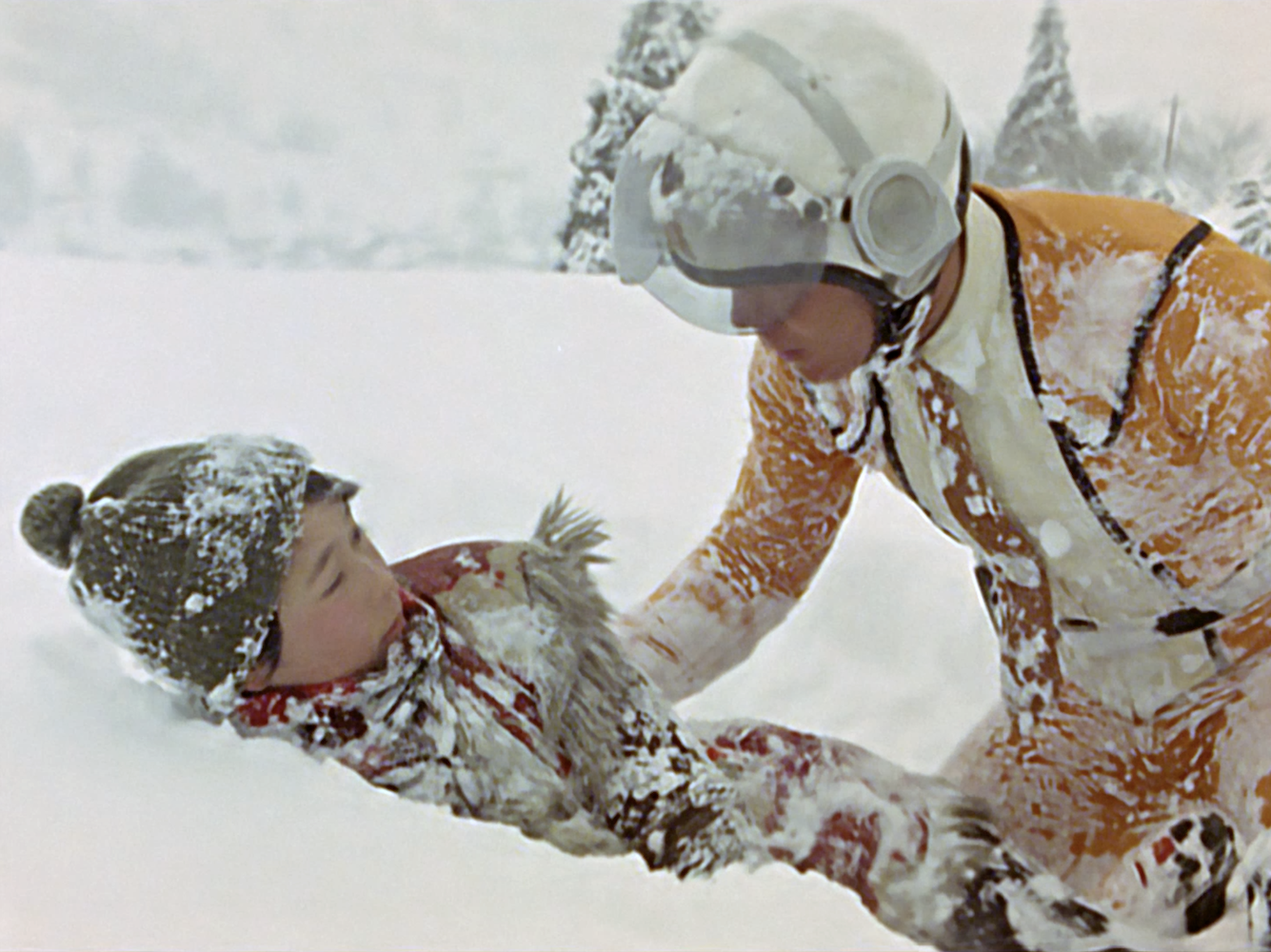
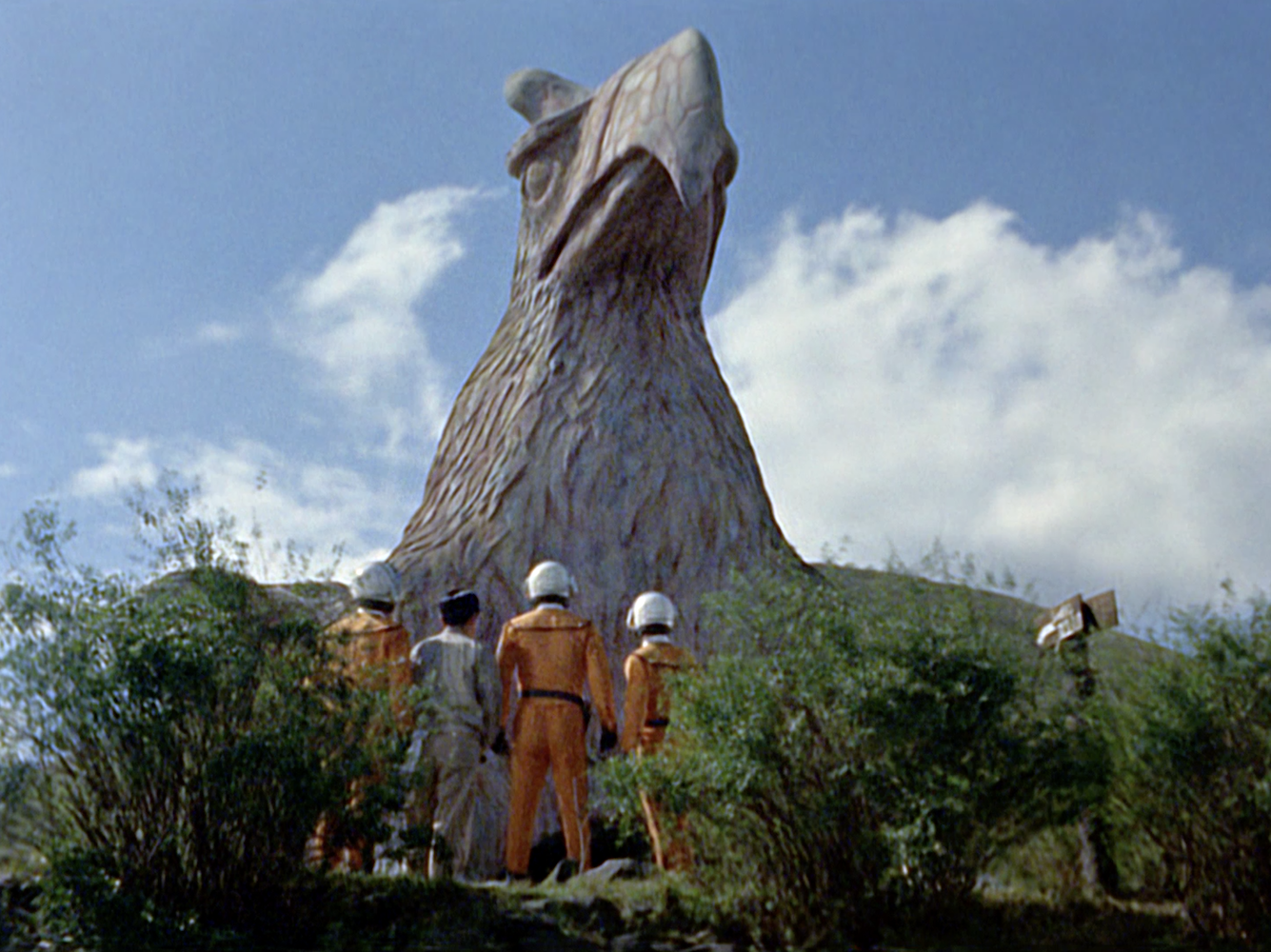
Tetsuo Kinjo contributed numerous excellent scripts to the first three Ultra shows. “Garmon Strikes Back,” “The Blue Stone of Baradhi,” and “The Ultra Guard Goes West” are some of his best straightforward action episodes. But Kinjo is best known for stories drawn from his childhood experience seeing the Japanese Empire’s oppression of the native Okinawans. In these scripts, Kinjo explored outsiders facing prejudice, sprinkling in elements of tragedy and the supernatural. “Phantom of the Snow Mountains” isn’t Kinjo’s finest script (I’d argue that’s Ultraseven’s “Ambassador of the Nonmalt”), but it may be his most representative: a sad, fable-like tale of a shunned girl and her connection to a possibly supernatural snowbeast. 

Continue reading “Ultraman Ep. 30: Phantom of the Snow Mountains”

Ultraman Ep. 29: Challenge to the Underground

Directed by Samaji Nonagase. Written by Tetsuo Kinjo and Ryu Minamikawa. Airdate Jan. 29, 1967.

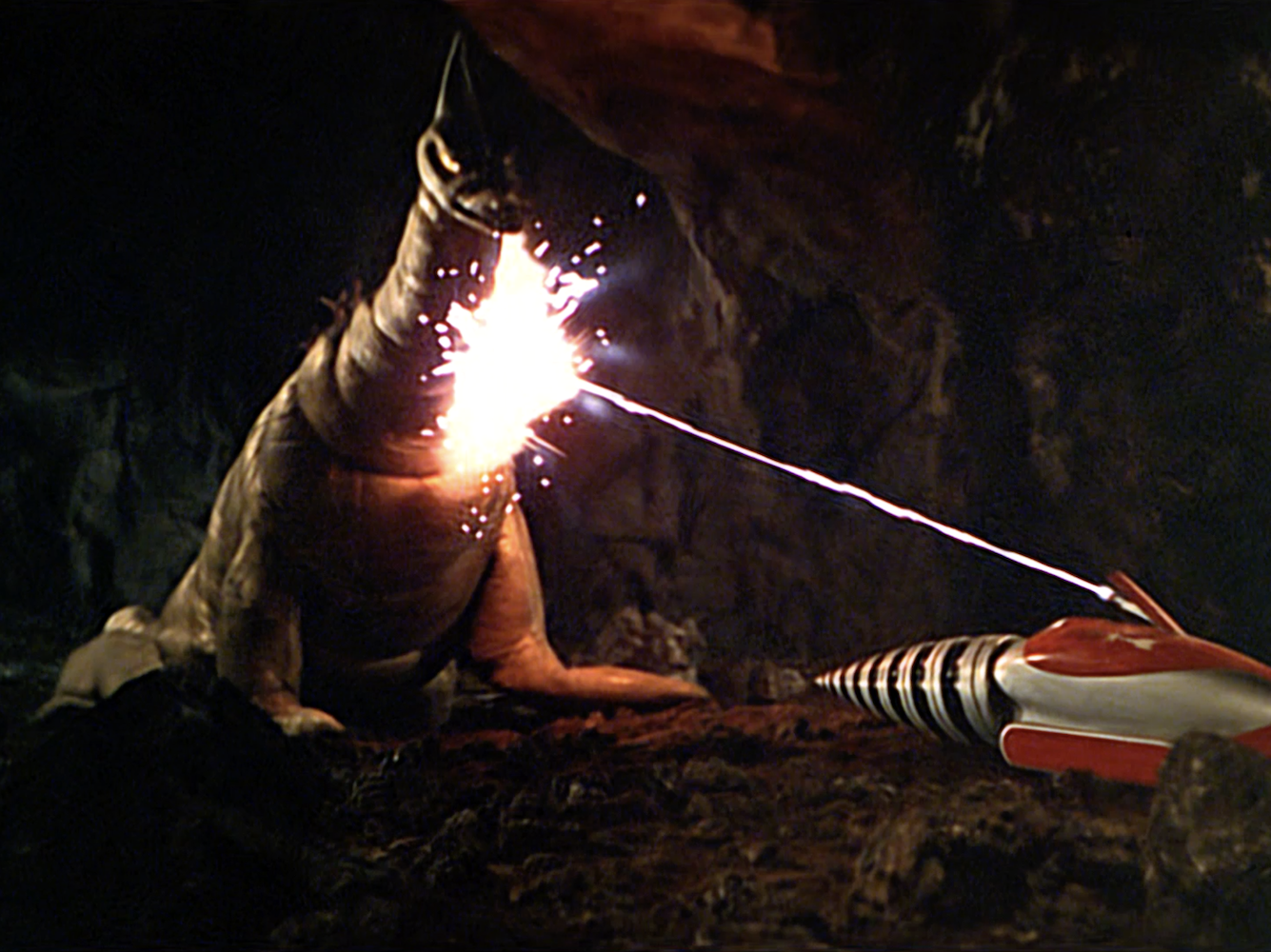
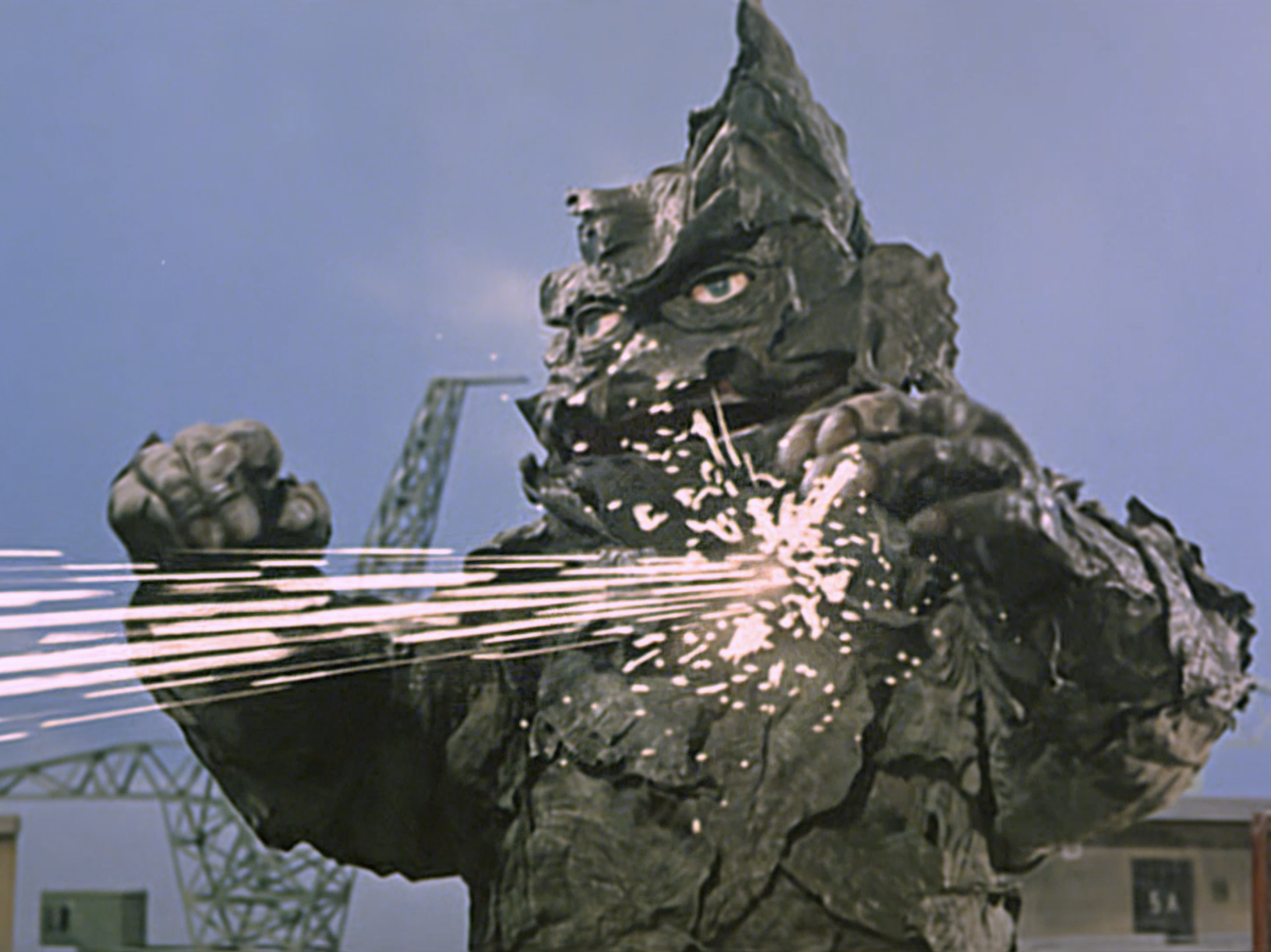
After a string of great episodes, Ultraman was due for something on the routine side. When Goldon, a gold-consuming monster, bursts from the side of Mt. Otayama only seconds into the episode, it signals that “Challenge to the Underground” is going to be fairly standard monster-centric material. Which it is, but the average Ultraman episode is still a decent time.

Continue reading “Ultraman Ep. 29: Challenge to the Underground”

Ultraman Ep. 28: Human Specimens 5 & 6

Directed by Samaji Nonagase. Written by Masahiro Yamada. Airdate Jan. 22, 1967.

Samaji Nonagase was one of the more prolific early Ultra directors. While he doesn’t receive as much attention as fan-favorite directors Akio Jissoji and Kazuho Mitsuta, he helmed several classic episodes: “Kanegon’s Cocoon” (Ultra Q), “The Monster Anarchy Zone” (Ultraman), and “The Secret of the Lake” (Ultraseven). He also wrote scripts under the pen name Ryu Minamikawa. He was fascinated by Alfred Hitchcock and liked to add gradually building tension to some of his episodes, such as the home-invasion story of “Project Blue.” “Human Specimen 5 & 6” is Nonagase’s best exploration of the suspense-centered story, and it helped to establish the future tone of Ultraseven and its parade of weird, crafty alien invaders.

Continue reading “Ultraman Ep. 28: Human Specimens 5 & 6”

Ultraman Ep. 26 & 27: The Monster Highness

Directed by Hajime Tsuburaya. Written by Tetsuo Kinjo and Bunzo Wakatsuki. Airdate Jan. 8 & 15, 1967.

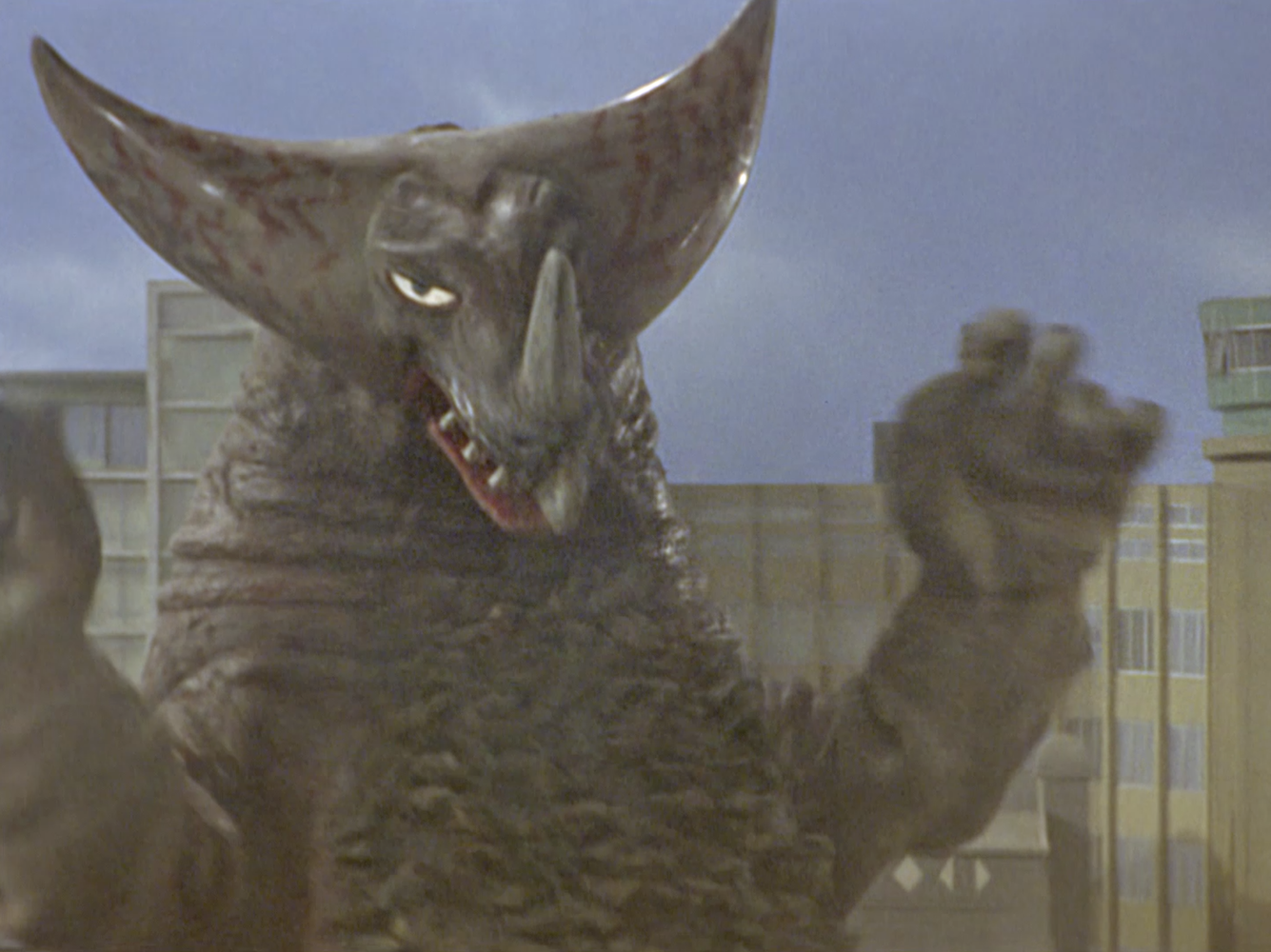
The unofficial promise Ultraman makes to viewers is that it will deliver the thrills of giant monster movies in a TV-sized package. No episodes achieve this better than the first two-parter* in Ultra Series history. “The Monster Highness” is a VFX extravaganza that introduces the most famous kaiju in the franchise and smashes the thrill button as hard as it can with kinetic fights, heavy military action, and mass-scale urban destruction. Children all over Japan were on edge after the cliffhanger of Part 1 where Ultraman suffered a true defeat, ensuring that Part 2 would become one of the most viewed episodes of any Ultra show. 

Continue reading “Ultraman Ep. 26 & 27: The Monster Highness”

Ultraman Ep. 25: Mysterious Comet Tsuifon

Directed by Toshihiro Iijima. Written by Bunzo Wakatsuki. Airdate Jan. 1, 1967.

In a scenario inspired by Ishiro Honda’s science-fiction epic Gorath (1962), a comet is hurtling toward Earth on a near-miss course. A near-miss is still too close: Comet Tsuifon’s cosmic rays may cause several missing older hydrogen bombs to detonate and annihilate life on the planet. After the comet makes its pass without causing an apocalypse, the Science Patrol determines there is still one missing bomb in danger of exploding. And that bomb was swallowed by a monster. And that monster is Red King. Oh dear gods, we’re all doomed…

Continue reading “Ultraman Ep. 25: Mysterious Comet Tsuifon”

Ultraman Ep. 24: Undersea Science Center

Directed by Toshihiro Iijima. Written by Keisuke Fujikawa. Airdate Dec. 25, 1966.

The Science Patrol is assigned to escort the president of the Science Public Corporation to the official activation of the new Undersea Science Center. Also along on the trip to the center is a special guest, young girl Jenny Childers. What should be a problem-free ceremony goes sideways when an ocean floor disruption cuts off the undersea center’s lifeline and floods its docking bay. Captain Muramatsu, President Yoshimura, Hoshino, and Jenny are now trapped in an underwater tomb. The rest of the SSSP races to rescue them before their oxygen supply runs out.

Continue reading “Ultraman Ep. 24: Undersea Science Center”

Ultraman Ep. 22: Overthrow the Surface

Directed by Akio Jissoji. Written by Mamoru Sasaki. Airdate Dec. 11, 1966.

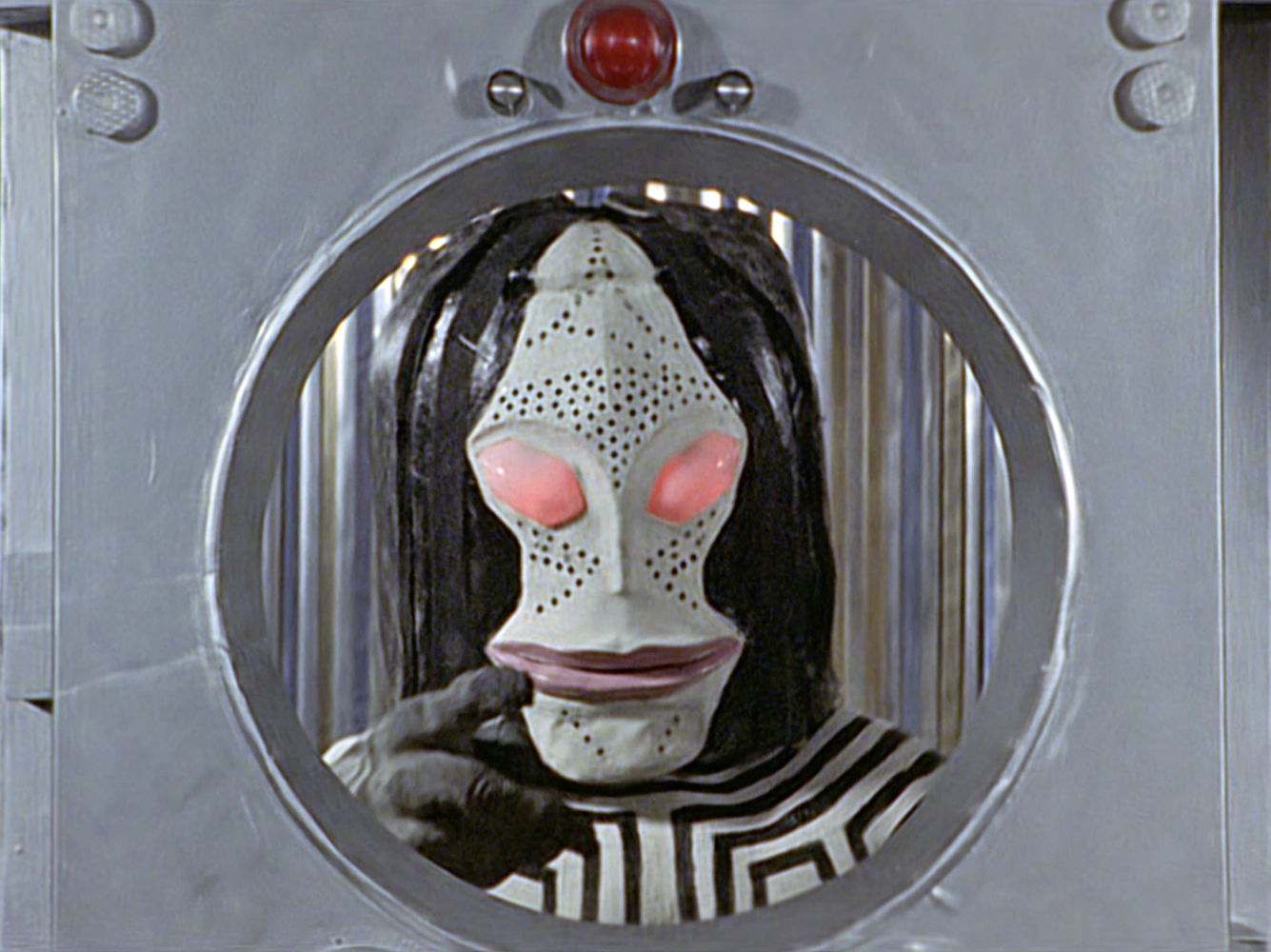
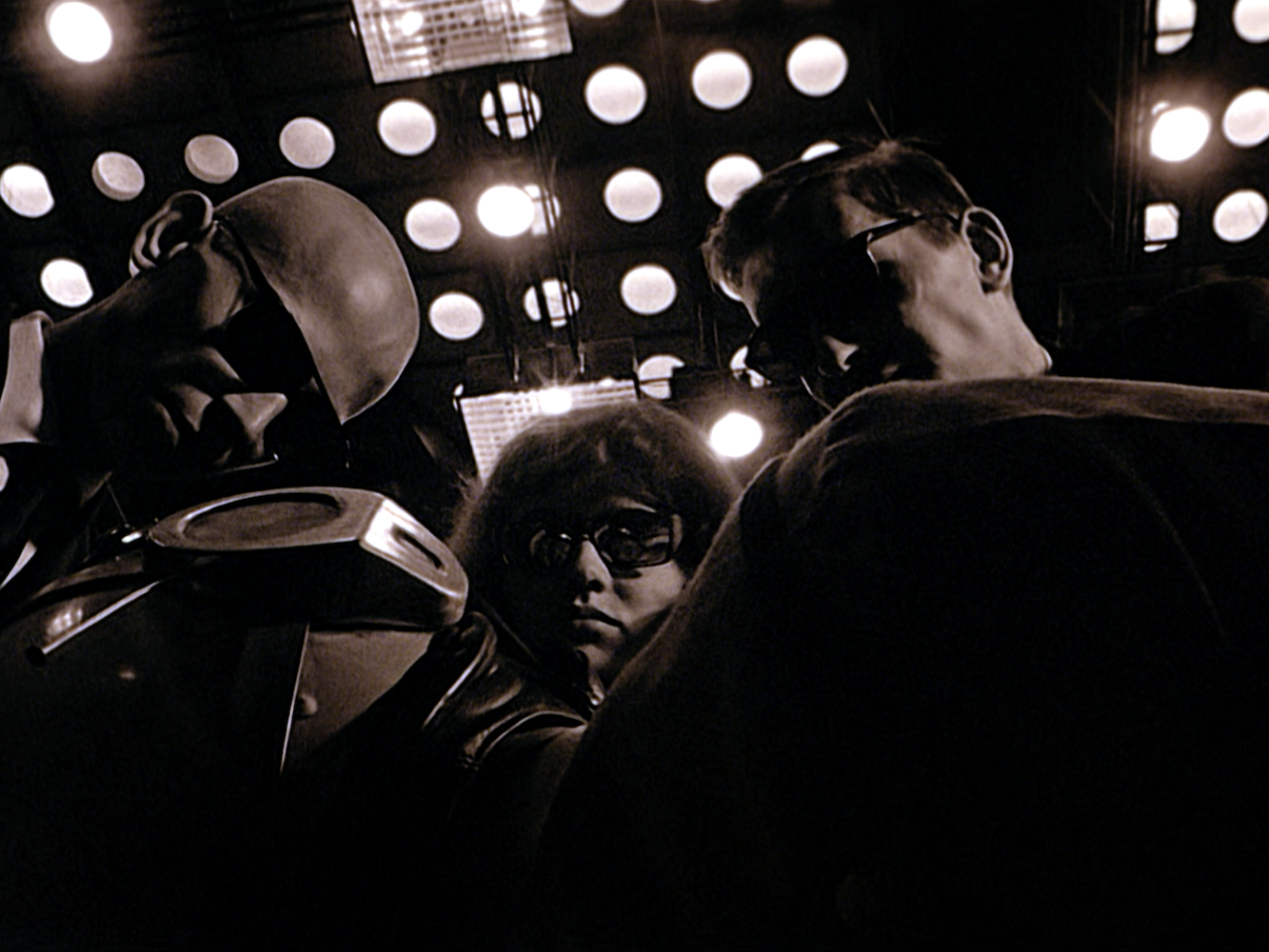
Akio Jissoji’s third Ultraman episode is when his characteristic style comes together … and then goes on a rampage. Heavily influenced by his viewing of Jean-Luc Godard’s Alphaville (1965), Jissoji cuts loose with his visuals: jittery handheld camera shots, rapid cutting, close-ups on faces and mouths, lights dimmed to almost nothing, bizarre angles, reflective surfaces, sepia photography, freeze frames. It would feel indulgent — and several of his later Ultra outings are definitely that — if it didn’t work so well for the tone of paranoia and panic he brings to this twist on the alien invasion story. 

Continue reading “Ultraman Ep. 22: Overthrow the Surface”

Ultraman Ep. 21: Breach the Wall of Smoke

Directed by Yuzo Higuchi. Written by Taro Kaido. Airdate Dec. 4, 1966.

This is the Isamu Hoshino episode, the big starring role for the show’s 12-year-old mascot turned actual SSSP member. Hoshino already had a “save the day” moment in “Brother From Another Planet,” but this goes to the next level where he becomes the main character. Hoshino lands in the thick of the action, takes control of piloting the Sub VTOL, and figures out how to defeat the kaiju of the week. Your opinion of Hoshino and little kid heroics will strongly affect how you react to this episode. 

Continue reading “Ultraman Ep. 21: Breach the Wall of Smoke”

Ultraman Ep. 20: Terror on Route 87

Directed by Yuzo Higuchi. Written by Tetsuo Kinjo. Airdate Nov. 27, 1966.

Screenwriter Tetsuo Kinjo had a knack for taking topical subjects and finding ways to transform them into workable Ultra scripts. “Monster-as-metaphor” is one of the most viable and enduring forms of social commentary in science fiction and horror, and Kinjo was adept at not making the commentary in his monster scripts too heavy-handed, even with a subject as grim as the alarming number of deaths of children in auto accidents. And yes, that’s the subject of “Terror on Route 87.” 

Continue reading “Ultraman Ep. 20: Terror on Route 87”