Ultraman Tiga Ep. 12: S.O.S. From the Bottom of the Sea

Directed by Shinichi Kamizawa. Written by Nobuhisa Kodama. Airdate Nov. 23, 1996.

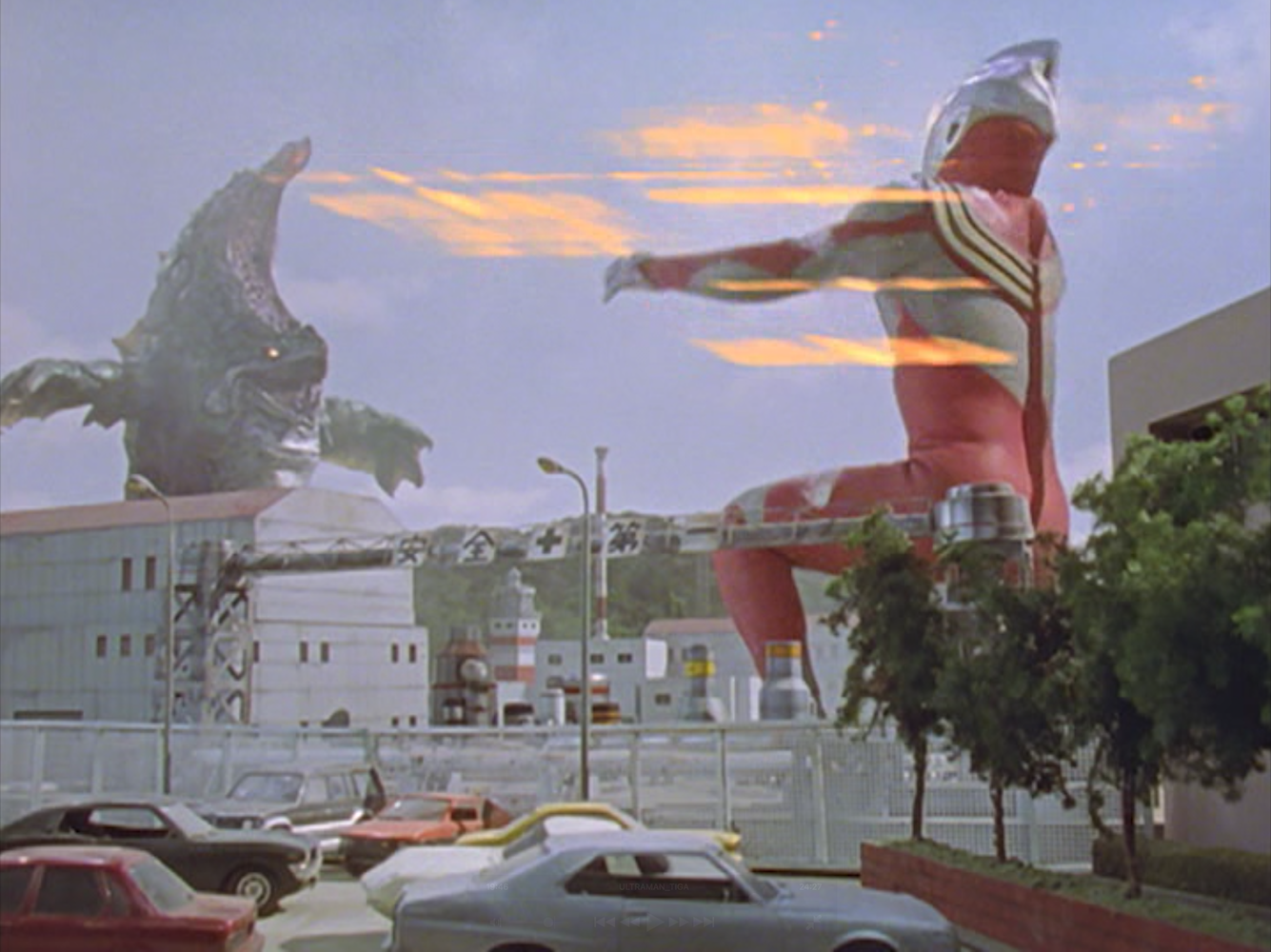
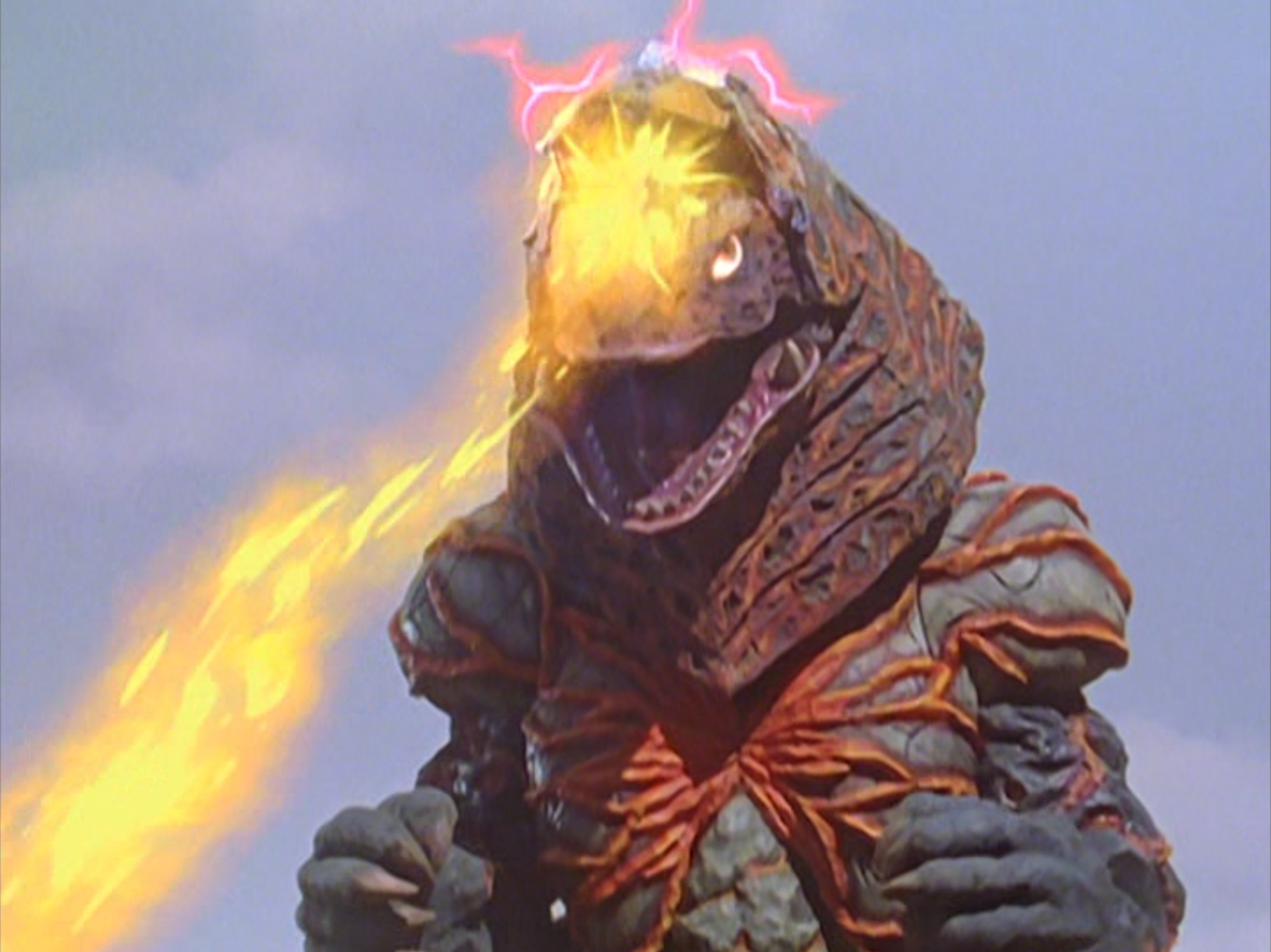
“Not all enemies come from distant space,” TPC head Sawai tells the GUTS team members as they face their newest adversary, mutated sea beast Leilons. Human tampering with the environment, such as the underwater nuclear testing that created Leilons, is a significant threat to life on Earth. A good message, one heard in many Ultra shows. But by the time Sawai gives his speech (and rests his hand on Rena’s shoulder for an uncomfortably long time), the episode has already given essentially the same speech multiple times.

Continue reading “Ultraman Tiga Ep. 12: S.O.S. From the Bottom of the Sea”

Ultraman Tiga Ep. 11: Requiem to the Darkness

Directed by Shinichi Kamizawa. Written by Junki Takegami. Airdate Nov. 15, 1996.

“You’re a highly creative inventor with a contagiously cheerful personality.” This is how one of Horii’s friends describes him in this episode. That’s an accurate, precise portrait. It explains why Horii works so well when he gets the role of the main character in an episode of Ultraman Tiga. He’s fun to be around, even when dealing with dark events. 

Continue reading “Ultraman Tiga Ep. 11: Requiem to the Darkness”

Ultraman Tiga Ep. 10: The Abandoned Amusement Park

Directed by Shingo Matsubara. Written by Hideyuki Kawakami. Airdate Nov. 9, 1996.

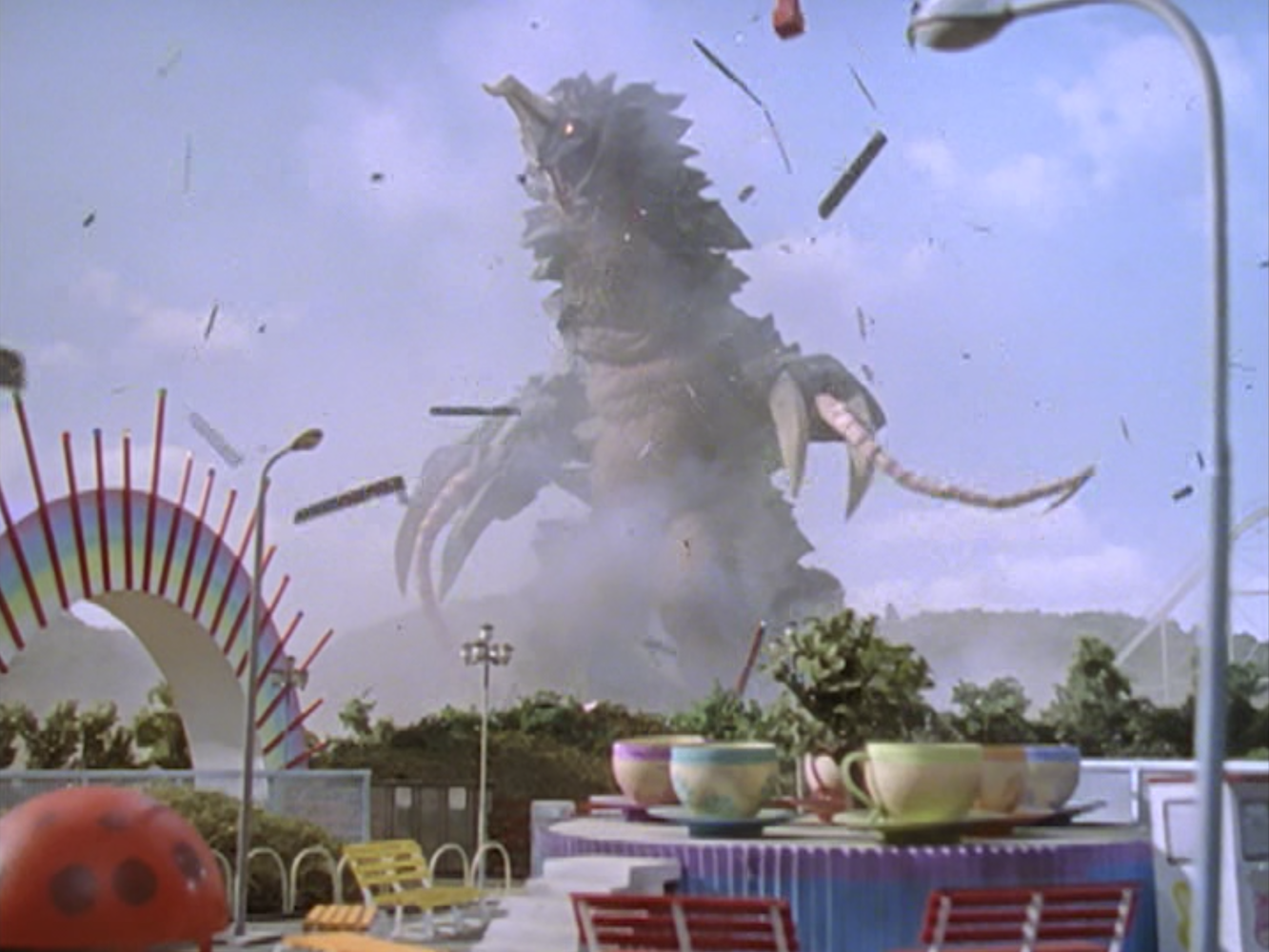
Many Ultra shows have scenes in amusement parks. I looked at the earliest one last month, Ultra Q’s “Challenge From the Year 2020.” For multiple reasons, amusement parks are ideal settings for the series. The special effects team can pack them full of creative and fun models to obliterate during monster fights. They make it easy to bring children into the story. And the general tone of amusement parks as spots for thrilling but safe fun matches much of the tone of many Ultra shows. The kick of a good roller coaster is what people expect when watching something like Ultraman Tiga.

Continue reading “Ultraman Tiga Ep. 10: The Abandoned Amusement Park”

Ultraman Tiga Ep. 8: On the Night of Halloween

Directed by Yasushi Okada. Written by Masakazu Migita. Airdate Oct. 26, 1996.

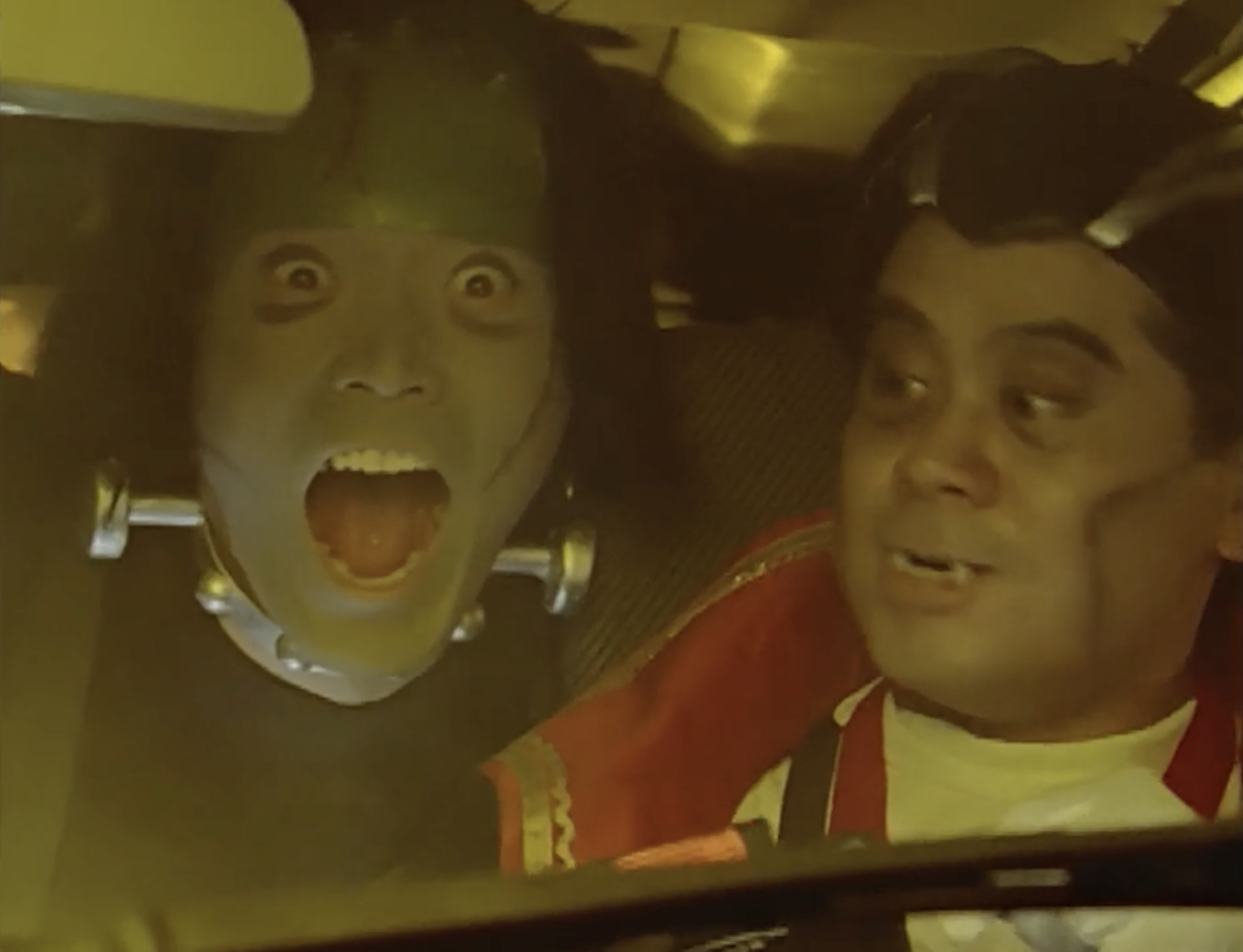
The perfect Ultra episode for Halloween is Ultra Q’s “Baron Spider.” I timed that review for the holiday last year. This actual Halloween-themed episode — one of the few in the Ultra series — is arriving in time for, uhm, the Ides of March. As much as I’d also like to land this review on Halloween for some synergy, it’s not a huge loss. As holiday flings go, this one’s minor. It’s mostly interesting for showing how Japan celebrated Halloween before the explosion of mass cosplay parties in the 2010s. 

Continue reading “Ultraman Tiga Ep. 8: On the Night of Halloween”

Ultraman Tiga Ep. 7: The Man Who Came Down to Earth

Directed by Yasushi Okada. Written by Hidenori Miyazawa. Airdate Oct. 19, 1996.

Rena has her first star-turn in a heavy father-daughter drama mixed with an alien invader story. Until now, most of what we’ve seen of Rena has been teases about her possible romance with Daigo. Now Daigo steps into the background — and to an extent, so does Ultraman Tiga — for Rena to work out her family issues parallel to combating a manipulative alien who also has family issues.

Continue reading “Ultraman Tiga Ep. 7: The Man Who Came Down to Earth”

Ultraman Tiga Ep. 6: Second Contact

Directed by Kyota Kawasaki. Written by Chiaki J. Konaka. Airdate Oct. 12, 1996.

The first episode centered on Horii, GUTS’s resident scientist and comedy character. Like Ide from Ultraman, Horii is much more than just “the funny guy” in the ensemble. He shines in this episode as he tries to solve a monster problem that he has a deep personal connection to. Add in a cool kaiju, Gazort — one of the most memorable creatures to debut in the show — and you have the best episode of Ultraman Tiga so far. 

Continue reading “Ultraman Tiga Ep. 6: Second Contact”

Ultraman Tiga Ep. 5: The Day When the Monster Appeared

Directed by Kyota Kawasaki. Written by Chiaki J. Konaka. Airdate Oct. 5, 1996.

Ultra warriors tend to blow up their monster opponents or fly them out to space to dispose of them. But what about the monsters they defeat that leave behind massive carcasses on land? “The Day When the Monster Appeared” takes a look at the disposal operation for one of these dead kaju — although this creature washed ashore rather than being a leftover after a fight with an Ultra.

Continue reading “Ultraman Tiga Ep. 5: The Day When the Monster Appeared”

Ultraman Tiga Ep. 4: Goodbye, Planet Earth

Directed by Hirochika Muraishi. Written by Hidenori Miyazawa. Airdate Sep. 28, 1996.

It’s a familiar science-fiction tale: a crew of astronauts on a mission becomes mutated by an alien force and returns to Earth as a deadly, rampaging monster. This is the story of the classic Ultraman episode “My Home Is Earth,” which borrowed it from The Quatermass Xperiment. (Yes, I’m bringing up that movie again. Its DNA is everywhere in the Ultra series, there’s no helping it.) The immense popularity of “My Home Is Earth” has caused many later Ultra shows to attempt their own versions. Here’s Ultraman Tiga’s take.

Continue reading “Ultraman Tiga Ep. 4: Goodbye, Planet Earth”

Ultraman Tiga Ep. 3: The Devil’s Prophecy

Directed by Hirochika Muraishi. Written by Chiaki J. Konaka. Airdate Sep. 21, 1996.

After two episodes without much character development for the GUTS team, we get a story focused on Captain Iruma and her personal and professional struggles. Megumi Iruma is my favorite character in Ultraman Tiga, and “The Devil’s Prophecy” shows how much she can shine. Defense team captains before her were stoic, occasionally boring, and at times borderline negligent. Iruma is the captain I’d feel most confident serving under. Maybe a tie with Captain Muramatsu from Ultraman, but I get to know far more about Iruma as a person. 

Continue reading “Ultraman Tiga Ep. 3: The Devil’s Prophecy”