Ultra Q Ep. 20: The Primordial Amphibian Ragon

Directed by Samaji Nonagase. Written by Hiroyasu Yamaura and Samaji Nonagase. Story by Shoji Otomo. Airdate May 15, 1966.

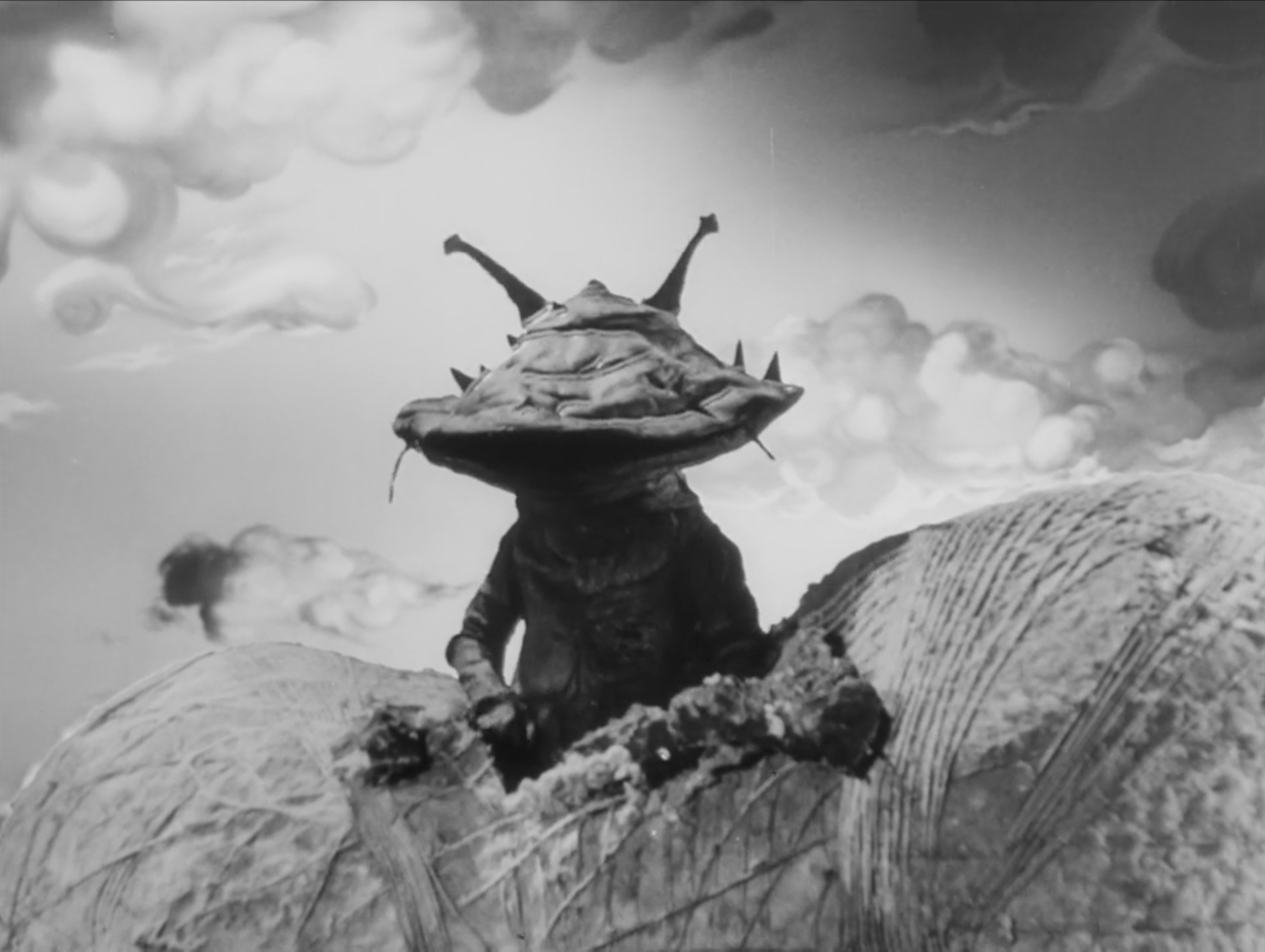
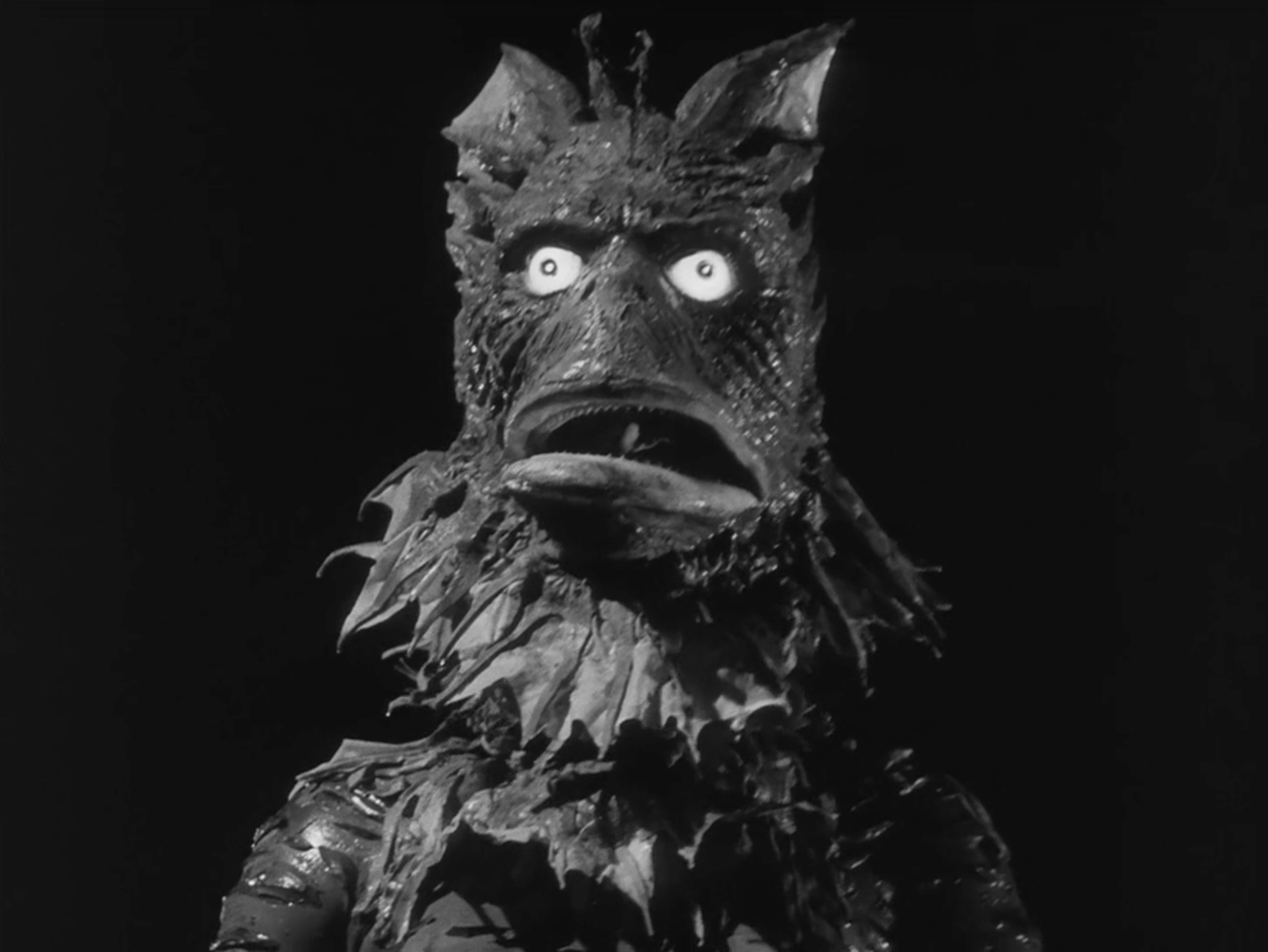
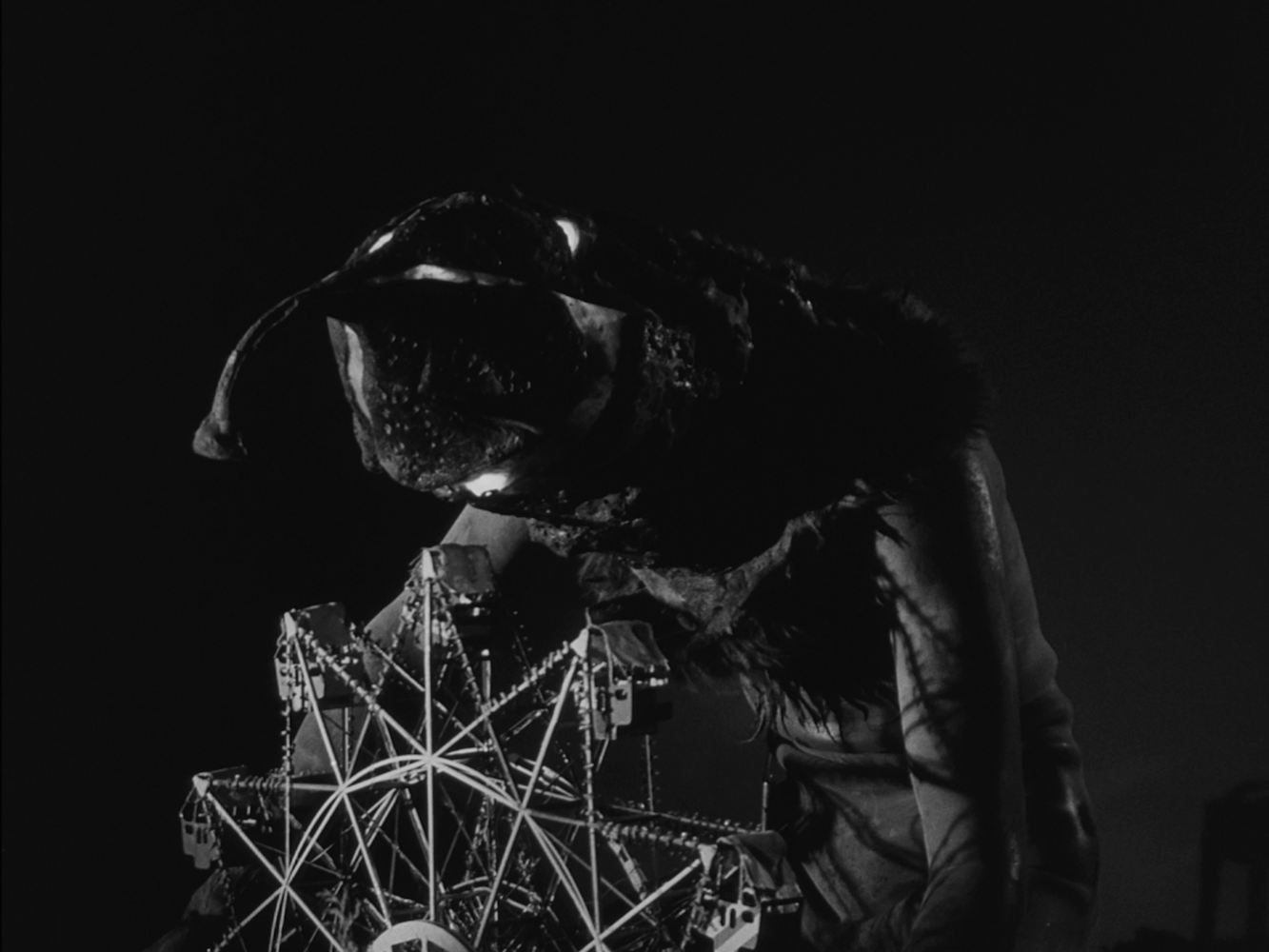
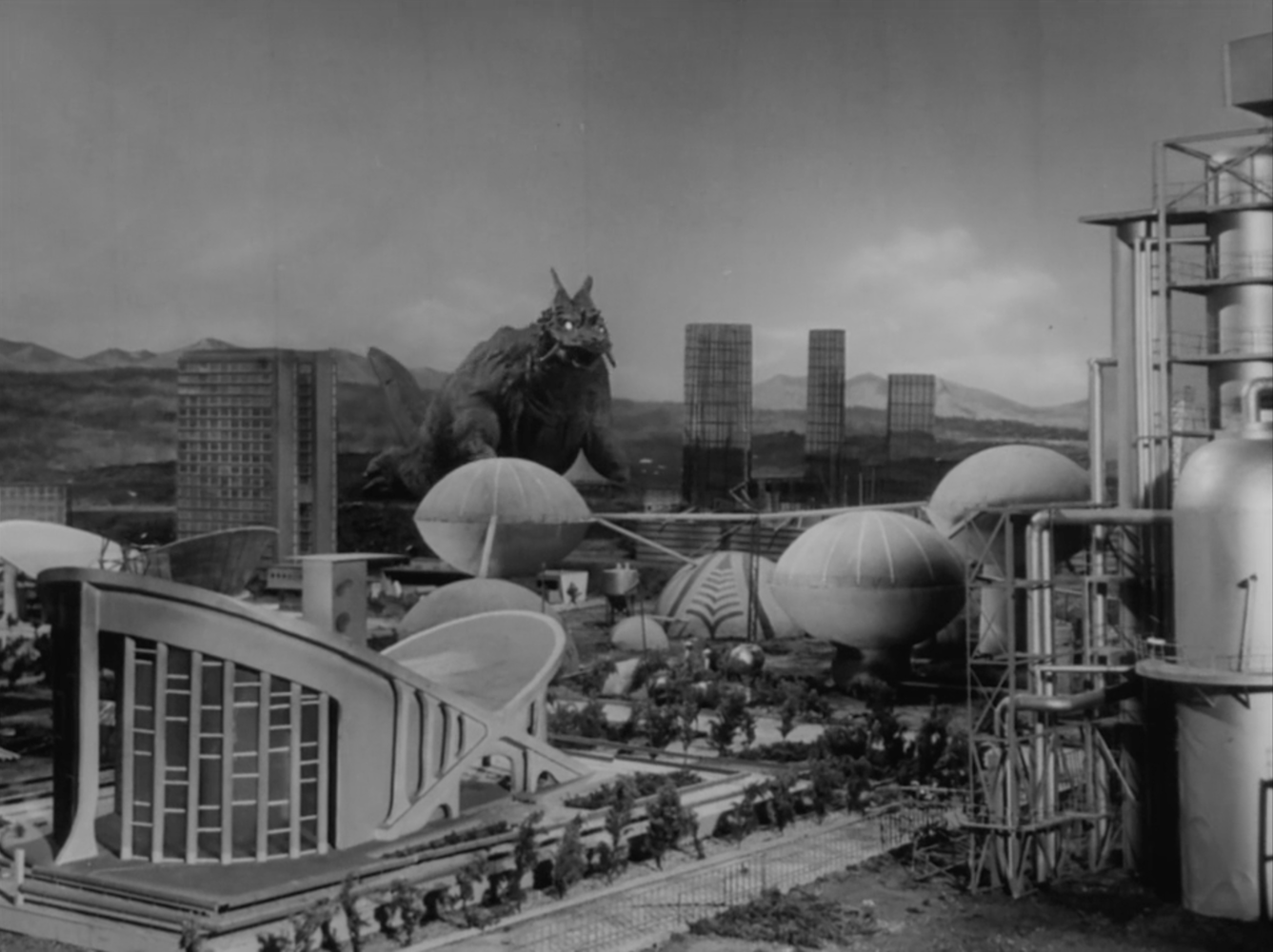
Yuriko is on assignment again, investigating an undersea volcanic explosion near the island of Iwame. She tells her boss Seki that she thinks this is a “mediocre” story, which seems ridiculous until you realize the giant monster and alien weirdness Yuri-chan has been dealing with for the past few months. Undersea volcano? Meh.

Continue reading “Ultra Q Ep. 20: The Primordial Amphibian Ragon”
Ultra Q Ep. 19: Challenge From the Year 2020

Directed by Toshihiro Iijima. Written by Tetsuo Kinjo and Toshihiro Iijima. Airdate May 8, 1966.

It’s redundant to write, “This is a weird episode of Ultra Q,” because weirdness is the show’s default setting. But this is a weird episode of Ultra Q. Not in the humorous fashion of “Kanegon’s Cocoon” or the crazy pinball machine of “The Underground Super Express Goes West.” This is the weird of dark science fiction where not much ends up making sense; intentional SF surrealism appears to be the point. I can’t say I understand much of what occurs in “Challenge From the Year 2020,” but I do like a lot of what I see. Your mileage may vary, either up or down.

Continue reading “Ultra Q Ep. 19: Challenge From the Year 2020”

Ultra Q Ep. 18: The Rainbow’s Egg

Directed by Toshihiro Iijima. Written by Masahiro Yamada. Airdate May 1, 1966.

Once upon a time, there was a giant monster movie called Frankenstein vs. Baragon (first released in the US as Frankenstein Conquers the World). Eiji Tsuburaya designed the quadruped kaiju Baragon for the film. Baragon then had a brief but busy career playing other monsters in Tsuburarya’s TV shows. The costume underwent four different redesigns through 1965–66 to help save money on building monster suits. Baragon made its makeover debut in “The Rainbow’s Egg,” where it plays the kaiju Pagos.

Continue reading “Ultra Q Ep. 18: The Rainbow’s Egg”

Ultra Q Ep. 17: The ⅛ Project

Directed by Hajime Tsuburaya. Written by Tetsuo Kinjo. Airdate April 24, 1966.

I’m guilty of calling Ultra Q “the Japanese Twilight Zone” or “Twilight Zone with Godzilla monsters,” even though I know that’s a superficial description that doesn’t capture the different sensibilities of creators Rod Serling and Eiji Tsubaraya. But The Twilight Zone was an influence on Ultra Q, and head writer Tetsuo Kinjo had an affinity for many of Serling’s favorite themes: using science fiction for social commentary and telling stories seen through the eyes of outsiders who are out of step with reality. In both ways, Kinjo’s “The ⅛ Project” is the most Twilight Zone-like episode of Ultra Q — and it still finds a way to include the concept of giant monsters in clever meta-commentary.

Continue reading “Ultra Q Ep. 17: The ⅛ Project”

Ultra Q Ep. 16: Garamon Strikes Back

Directed by Samaji Nonagase. Written by Tetsuo Kinjo. Airdate April 17, 1966.

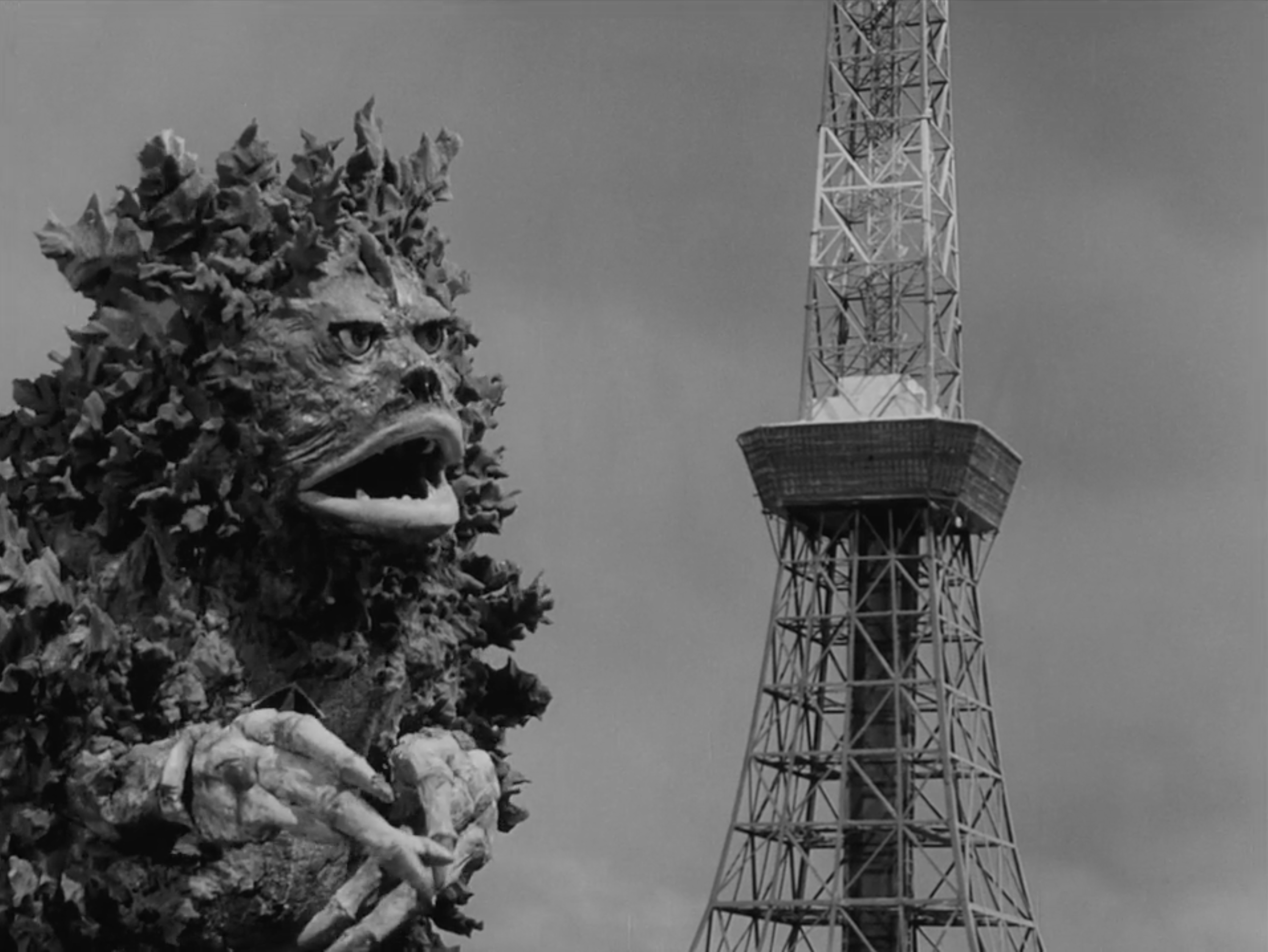
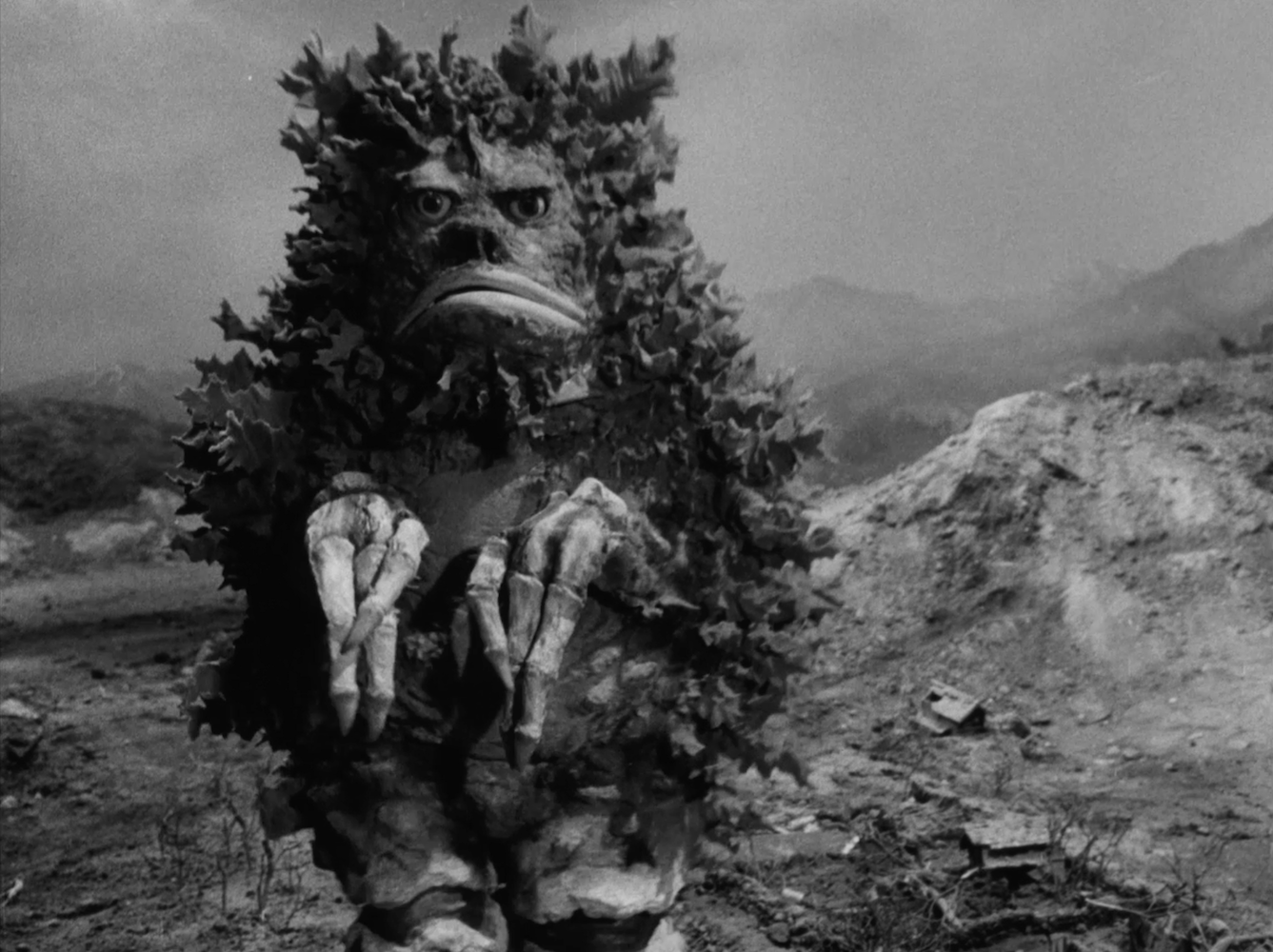
At this point in the timeline of the Ultra universe, the people of Tokyo have got to be fairly terrified, right? In the past few months, their city has almost been destroyed by 1) a humongous alien floating blob that nearly drained all of Tokyo’s energy; 2) a giant penguin-walrus thingy that brought along its own Ice Age; and now 3) multiple alien constructs half the size of Tokyo Tower that look like frazzled Pokémon characters with skeletal hands and legs. 

Continue reading “Ultra Q Ep. 16: Garamon Strikes Back”

Ultra Q Ep. 15: Kanegon’s Cocoon

Directed by Samaji Nonagase. Written by Masahiro Yamada. Airdate April 10, 1966.

After four giant monster episodes in a row, it’s time for something different. Really different. Something so out there it doesn’t even have room for any of the series leads. Spoilers ahead, but believe me, they don’t matter. In fact, go watch the episode right now and come back so we can share.

Continue reading “Ultra Q Ep. 15: Kanegon’s Cocoon”

Ultra Q Ep. 14: Tokyo Ice Age

Directed by Samaji Nonagase. Written by Masahiro Yamada. Airdate April 3, 1966.

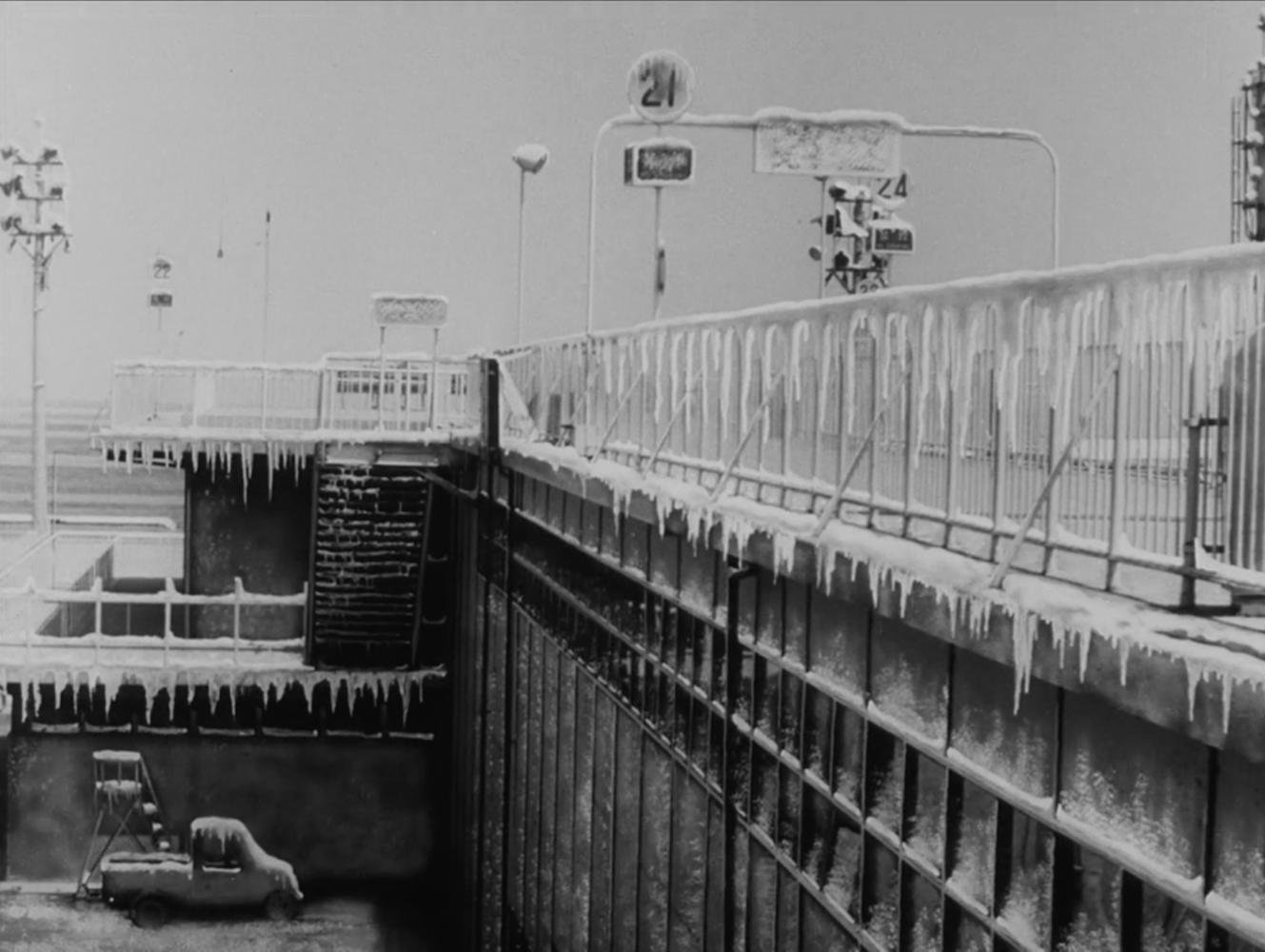
The most terrifying monster of all has arrived: climate change! Yes, scientists already knew about this encroaching global threat in 1966 and were sounding the alarm bells. They didn’t, however, warn that melting Antarctic ice combined with nuclear power plant accidents would force the deep-freeze monster Peguila north to wreck wintry havoc! Would more people have paid attention if they did? I think so.

Continue reading “Ultra Q Ep. 14: Tokyo Ice Age”

Ultra Q Ep. 13: Garadama

Directed by Hajime Tsuburaya. Written by Tetsuo Kinjo. Airdate March 27, 1966.

Children in the countryside discover a strange rock that fell from the sky — not the only time this will happen in the Ultra Series. They dutifully turn it over to their teachers, who then turn it over to Professor Ichinotani to investigate. Ichinotani discovers this mystery meteorite (or garadama as the locals refer to such phenomena) is made from an alien material known as Tilsonite. It’s not a monster egg, however, but the control device for the monster arriving in a larger meteorite that splashes down in a lake near a hydroelectric dam. Monster Garamon, an artificial alien construction, breaks loose from its stone transport. It starts to wreak havoc, and then … oh, you’ll have to wait for Part 2 to learn the rest.

Continue reading “Ultra Q Ep. 13: Garadama”

Ultra Q Ep. 12: I Saw a Bird

Directed by Harunosuke Nakagawa. Written by Masahiro Yamada. Airdate March 20, 1966.

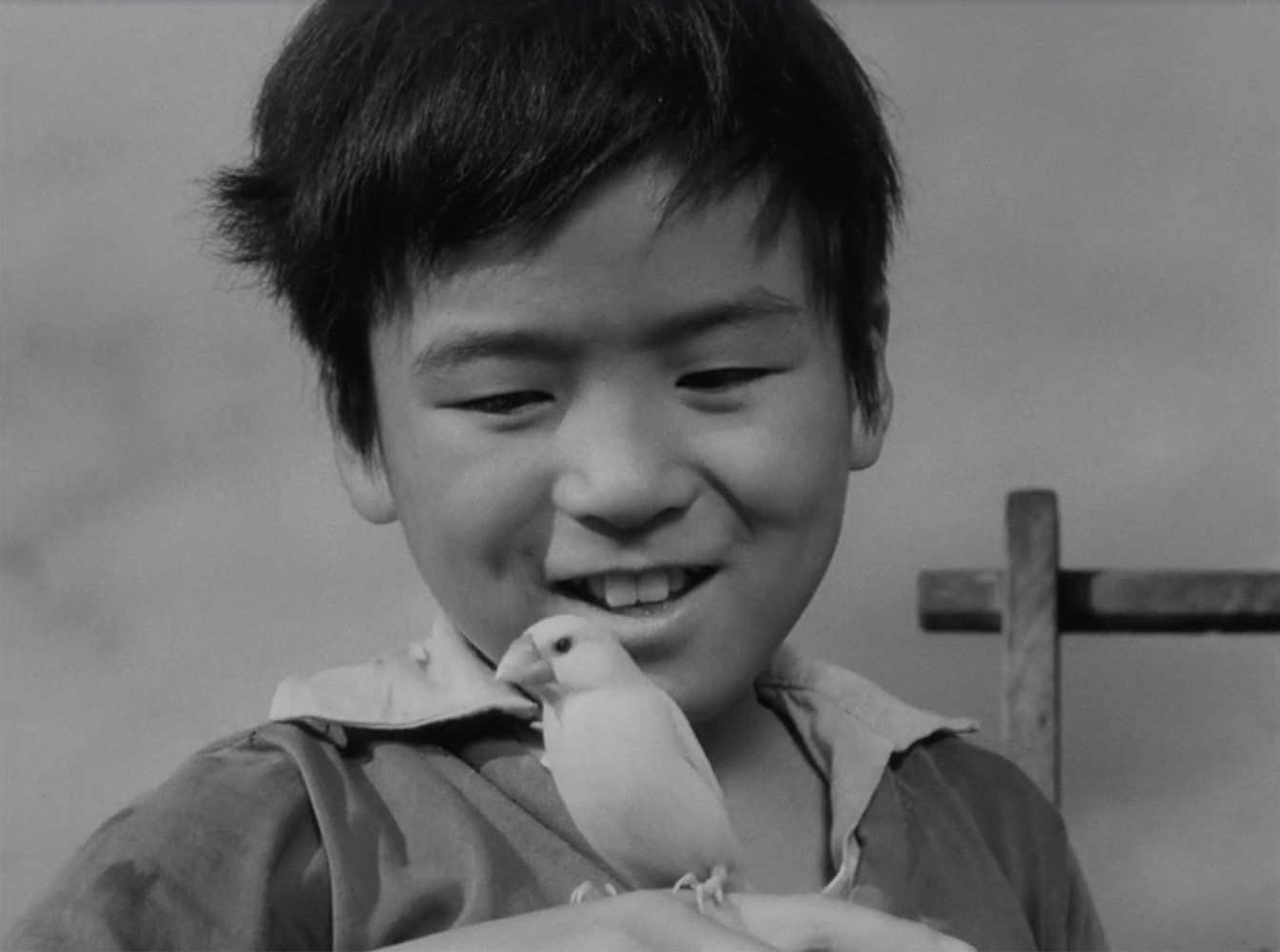
The simplistic title may sound like a children’s story. Which it is. But it’s not an ironic fairy tale like the hyper-looney “Grow Up! Little Turtle.” “I Saw a Bird” is a giant monster tale from the perspective of a child. The kaiju element is downplayed in favor of a bittersweet fable about a lonely boy and his bird. 

Continue reading “Ultra Q Ep. 12: I Saw a Bird”

Ultra Q Ep. 11: Balloonga

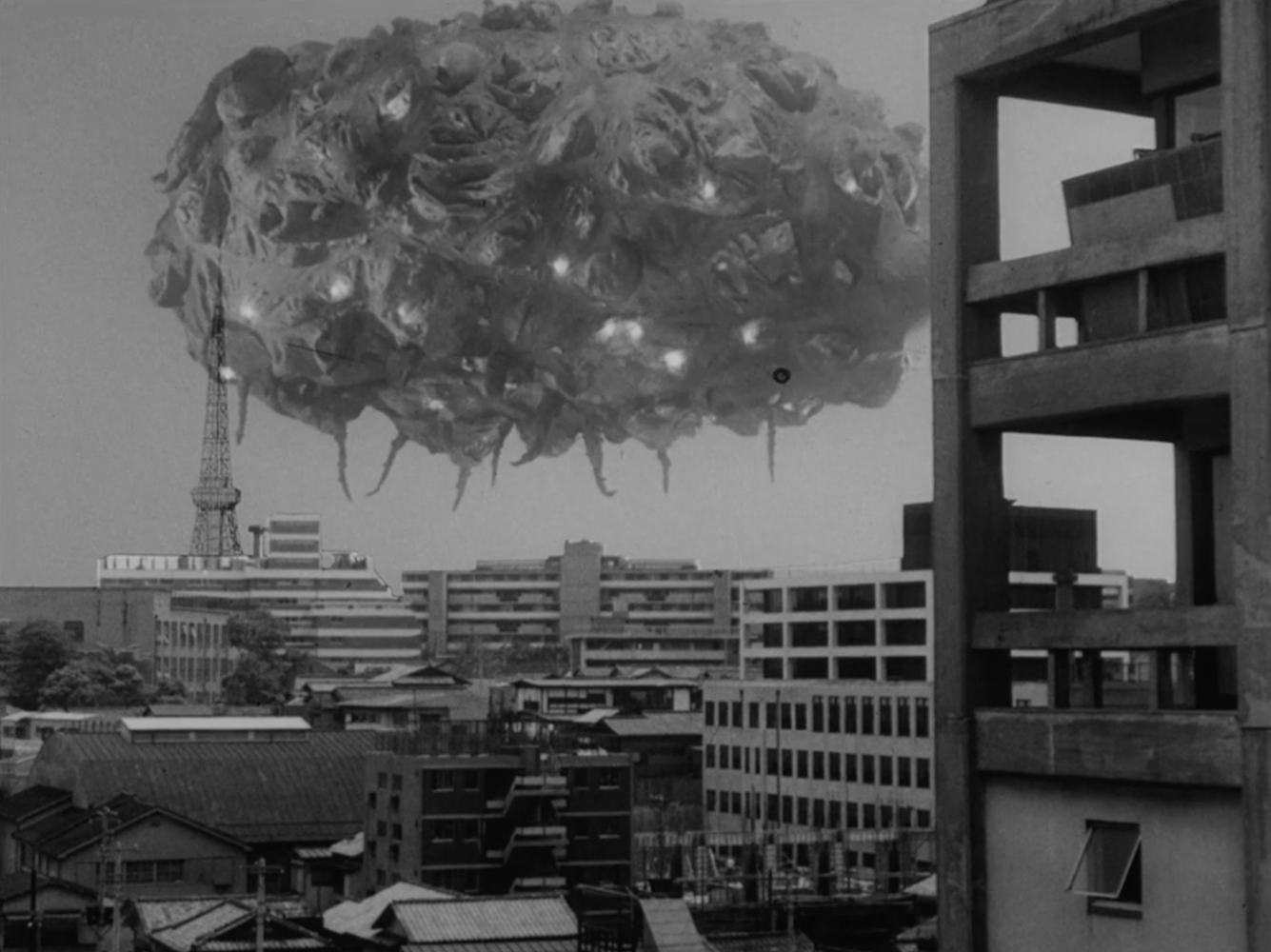
The giant form of Balloonga floats over Tokyo. Tokyo tower is visible, showing the creature's immense size.

Directed by Samaji Nonagase. Written by Kunio Torami. Airdate March 13, 1966.

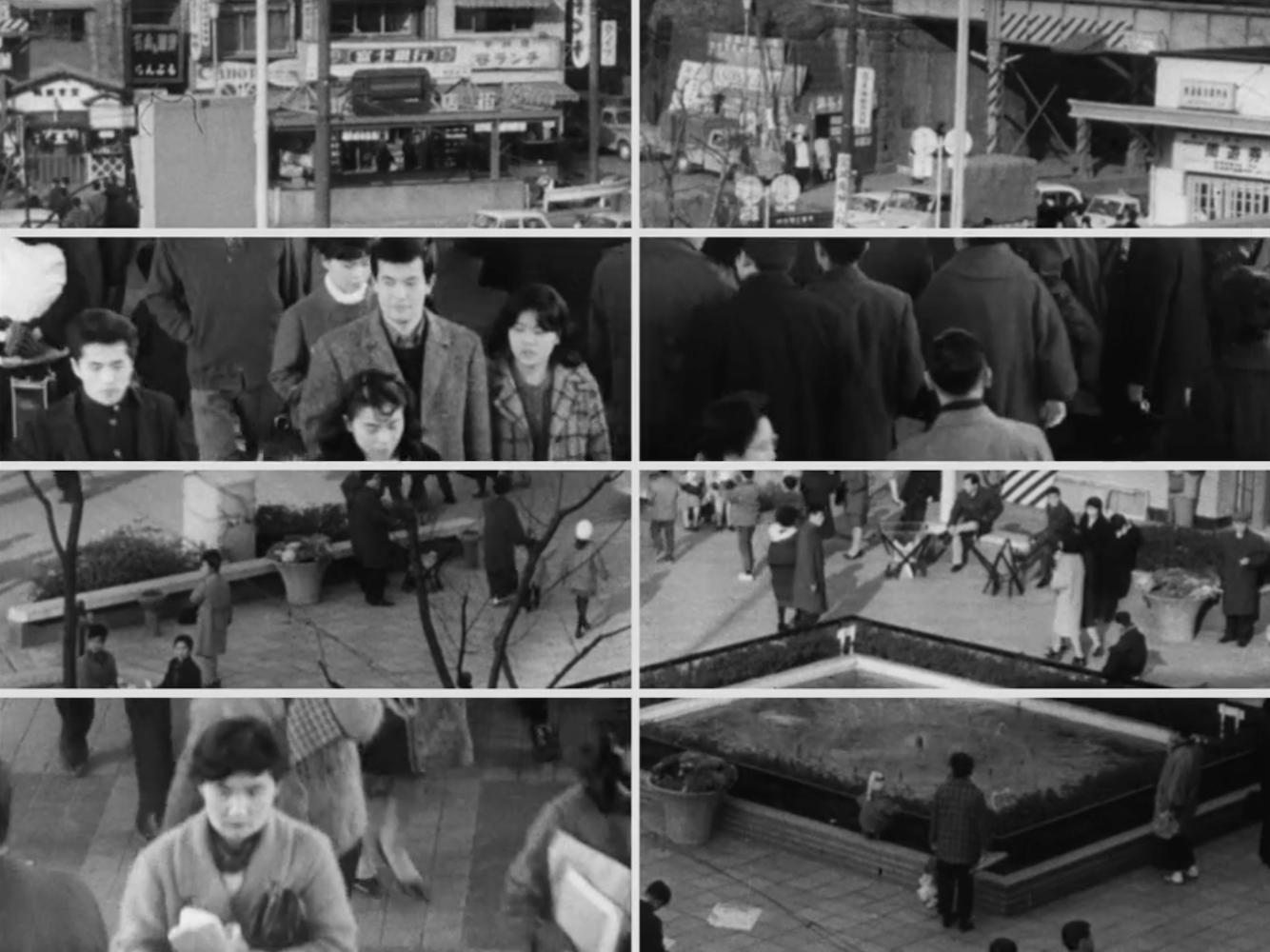
Another giant monster episode, but with a difference. Rather than a traditional rampaging kaiju tale, “Balloonga” takes an approach that borders on cosmic horror. It’s a dark turn for the show, with a fatalistic mood and gloomy aura. It’s highly effective for most of the running time, but the finale doesn’t match what the rest of the story promises. 

Continue reading “Ultra Q Ep. 11: Balloonga”