Ultraman Zearth (1996)

Ultraman Zearth

Directed by Shinya Nakajima. Written by Shukei Nagasaka.

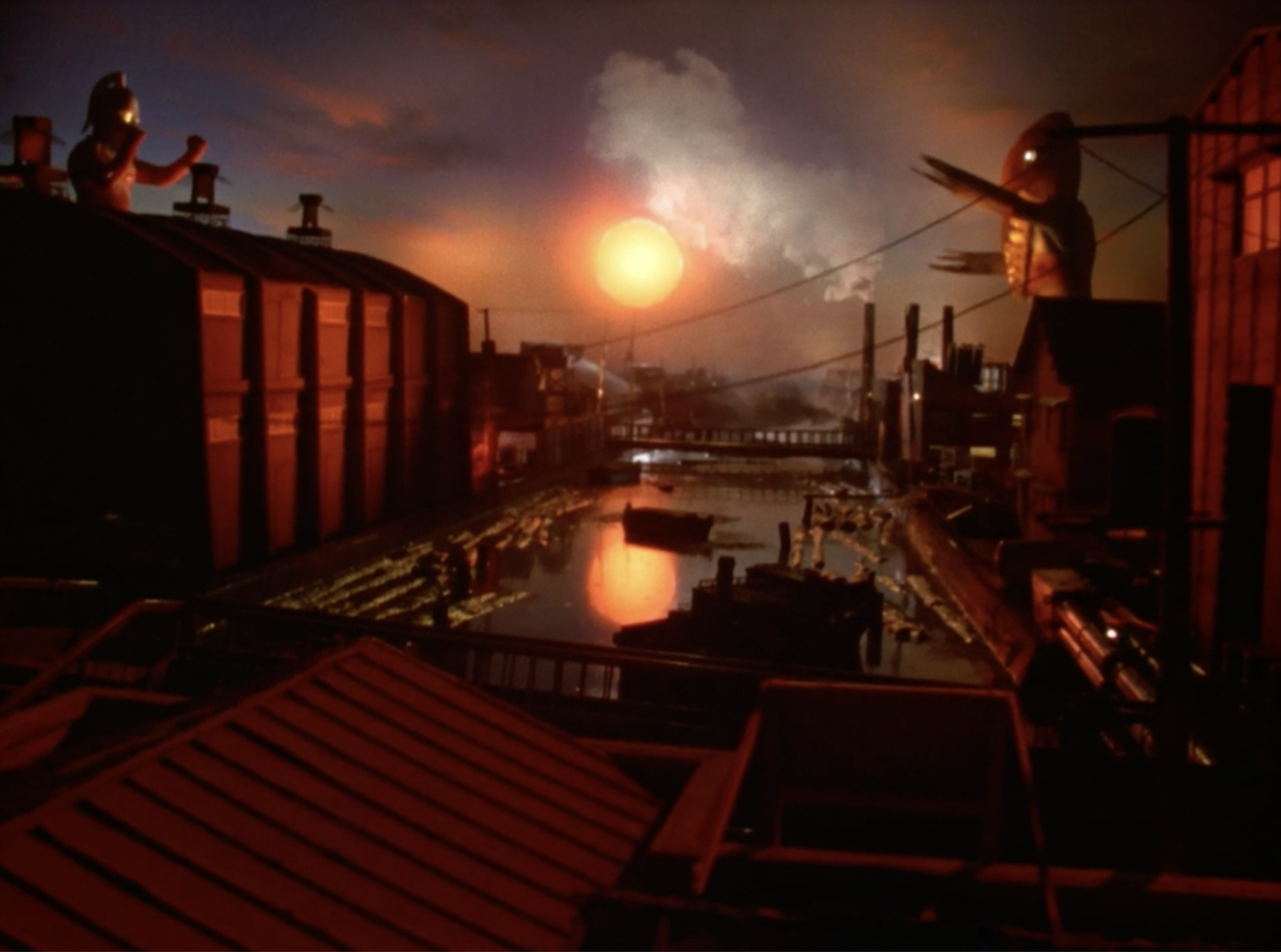
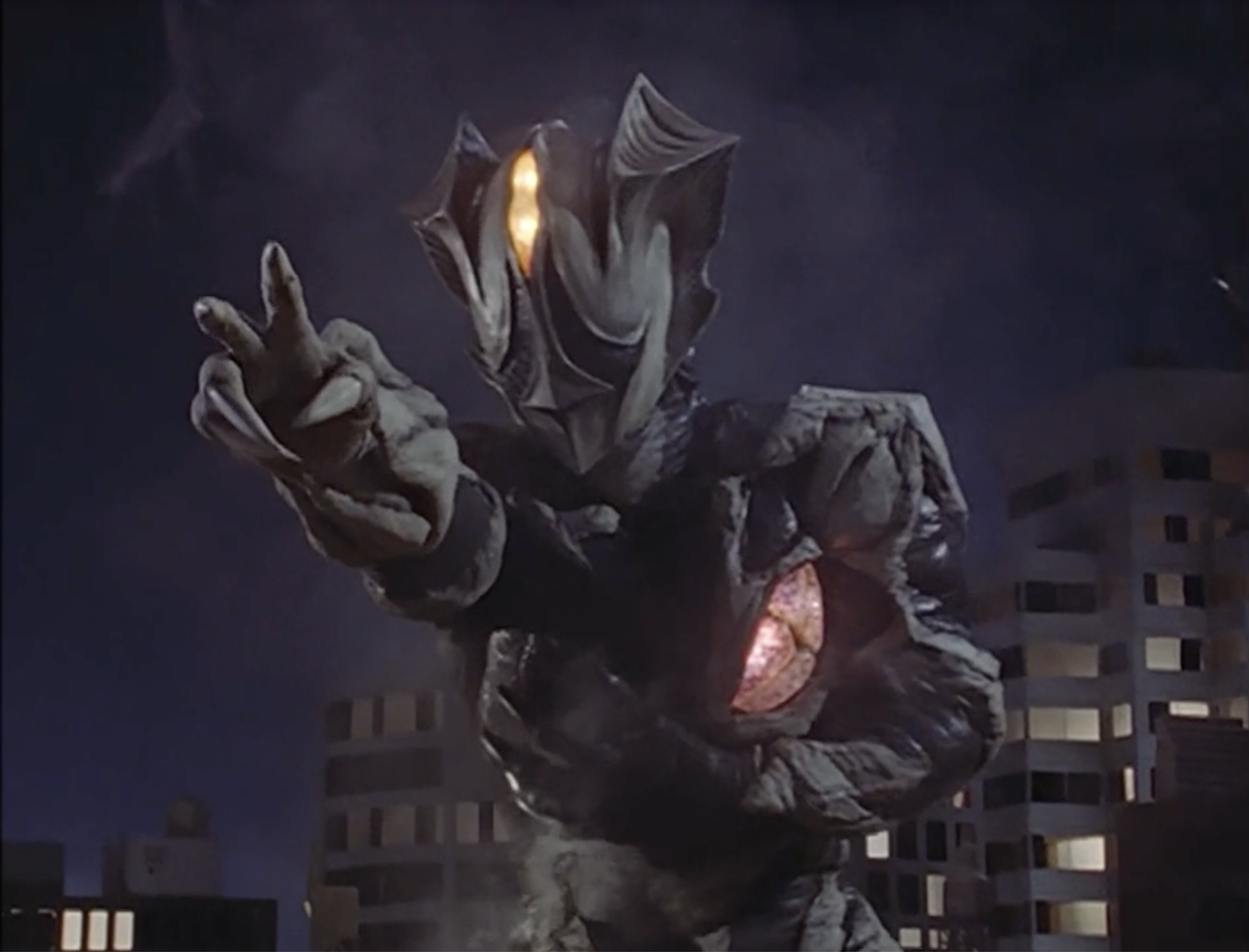
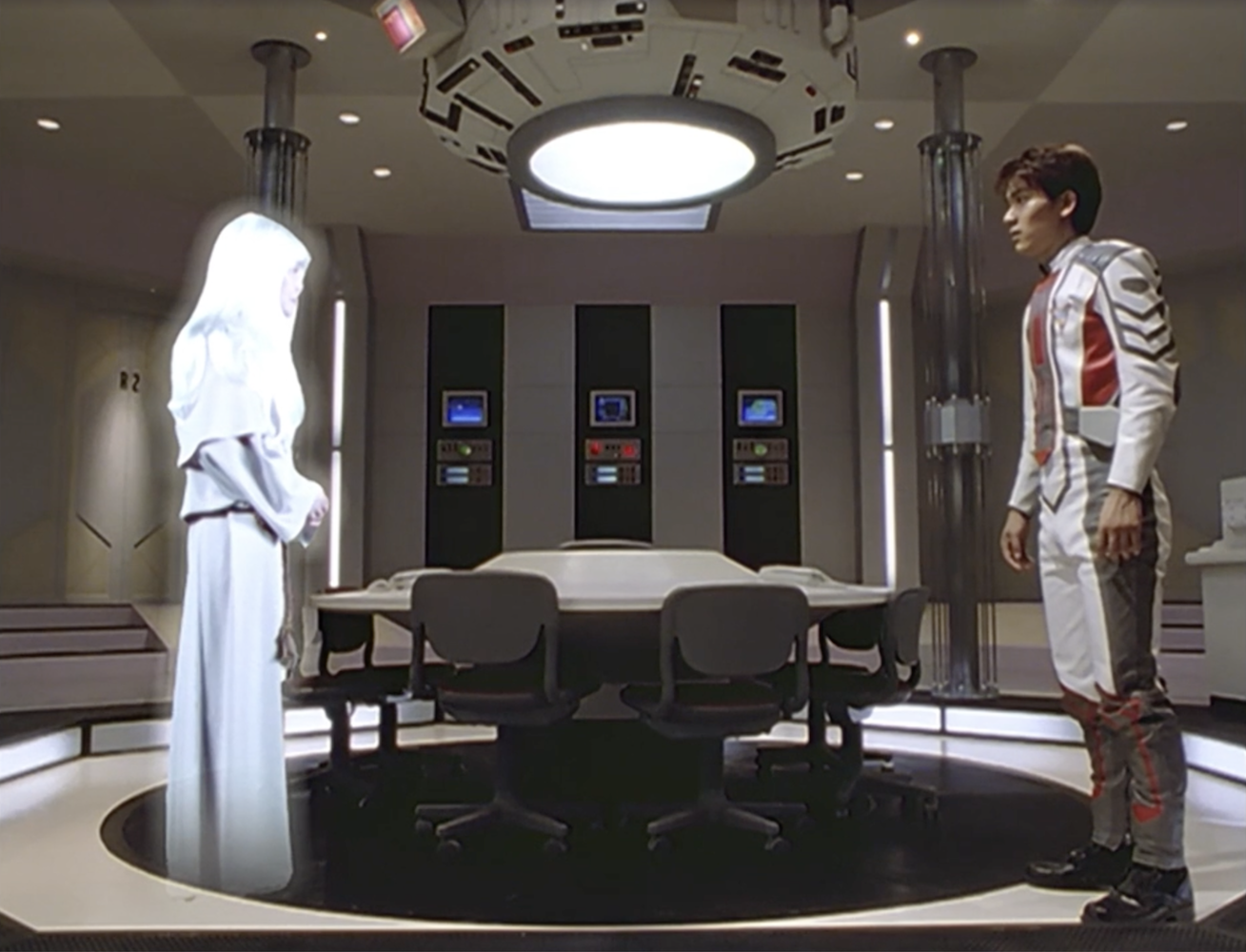
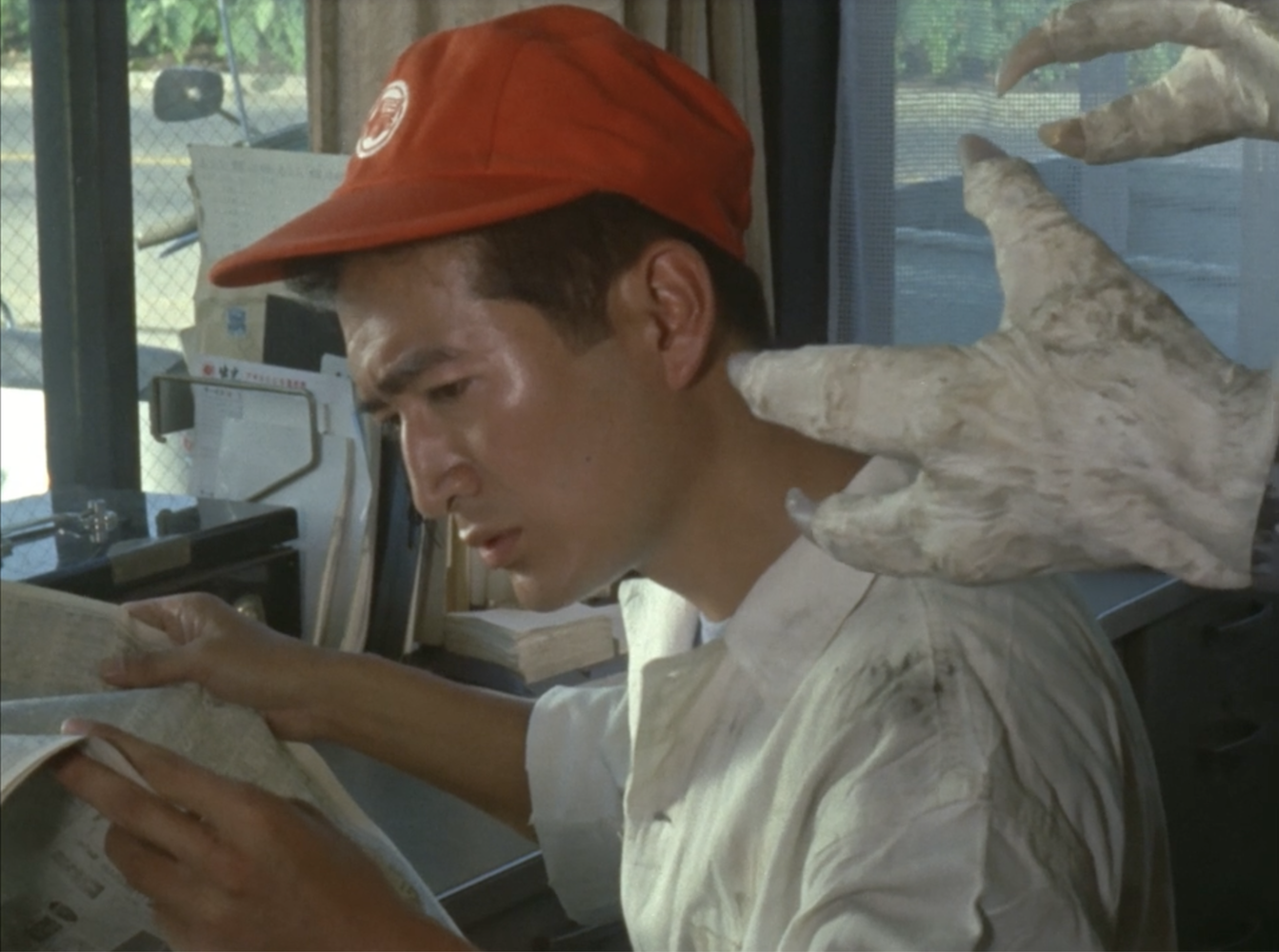
Ultraman Zearth, Earth’s defender from the Land of Bright in Nebula Z95, must stop the schemes of the gold-stealing invader Alien Benzene and its kaiju attack dog, Cotton-Poppe. However, Zearth and his human form, Katsuto Asahi (Masaharu Sekiguchi), face a dreadful obstacle: mysophobia. Ultraman Zearth can’t stand getting dirty. A little grease on his hands and he’s paralyzed or hopping around howling. Oh no, what will the world do? And how can monster-fighting organization MYDO, which operates out of a gas station where the members also pull extra shifts, help in the battle against Alien Benzene while poor Zearth is cringing at having to cross a pool of mud?

Continue reading “Ultraman Zearth (1996)”

Ultraman Ep. 9: Lightning Operation

Directed by Samaji Nonagase. Written by Masahiro Yamada. Airdate Sep. 11, 1966.

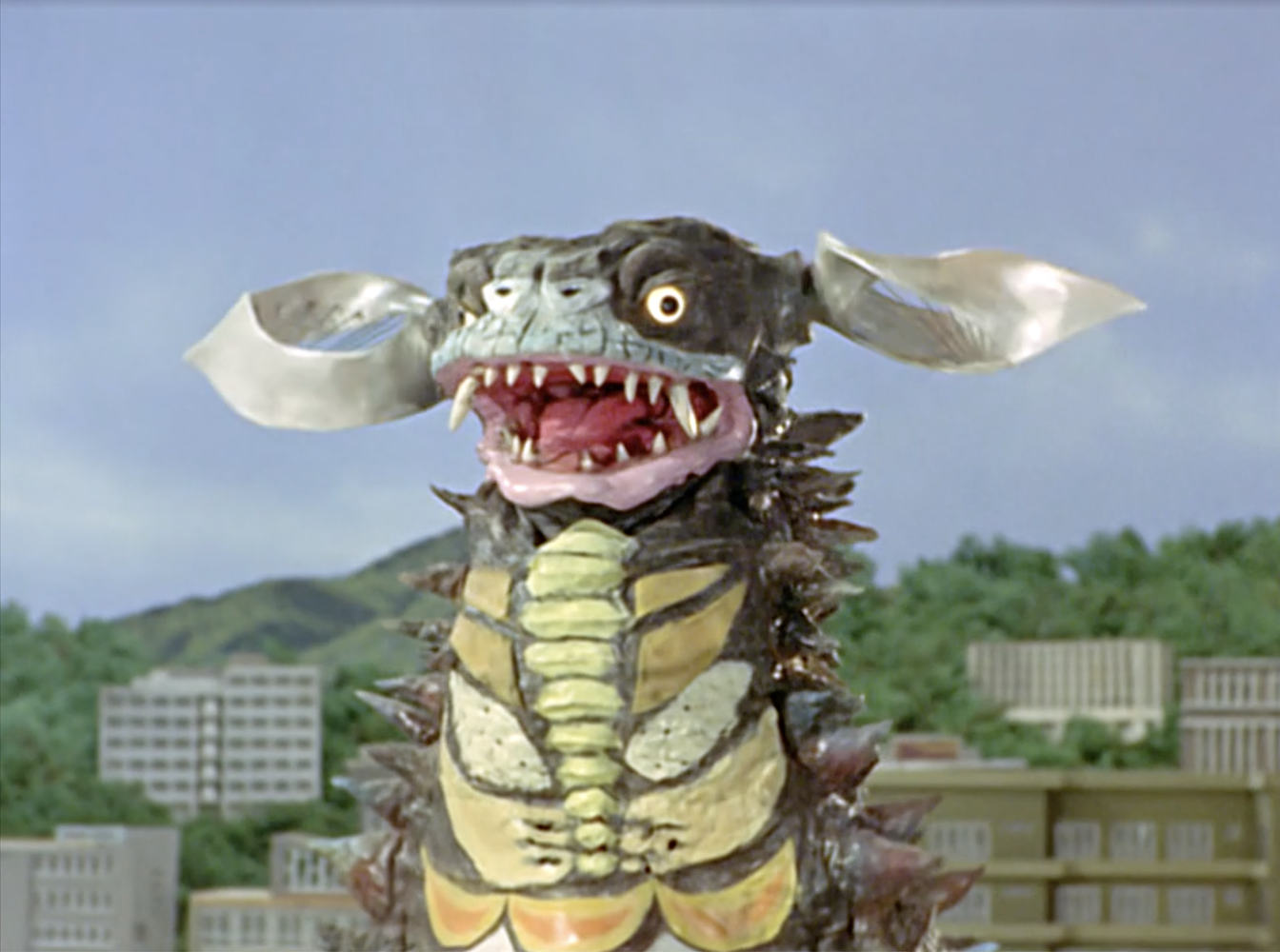
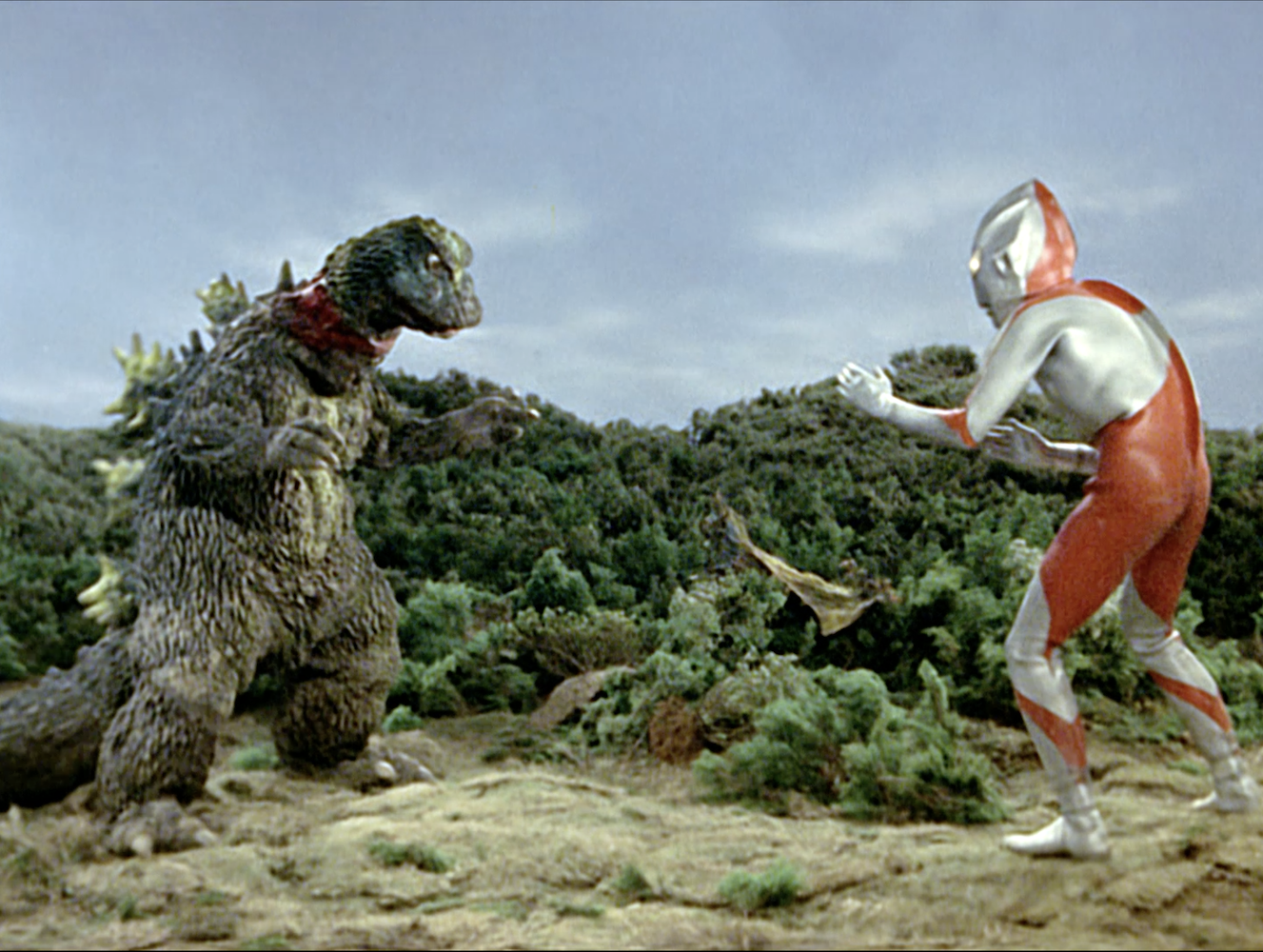
A good Ultra fight finale can do a lot to salvage an otherwise mediocre episode. Ultraman’s wrestling match with monster-of-the-week Gabora (orGavora as the Mill Creek subtitles spell it) is tough and agile. A good deal of the credit for its success goes to performers Bin Furyua in the Ultraman costume and the legend himself, Hauro Nakajima, in the Gabora costume. Nakajima was the first person to put on the Godzilla suit, and he played the monster for almost 20 years. I believe he’s the best suitmation actor to ever rampage across a miniature stage. He brings something extra to every monster he plays, and Gabora is no exception. 

Continue reading “Ultraman Ep. 9: Lightning Operation”

Ultra Q Ep. 10: The Underground Super Express Goes West

Ultra Q Underground Super Express Goes West Train Arrives

Directed by Toshihiro Iijima. Written by Hiroyasu Yamaura and Toshihiro Iijima. Airdate March 5, 1966.

There’s no “typical” episode of Ultra Q. There are typical episode types, such as the straightforward giant monster stories like “Terror of the Sweet Honey” and “Tokyo Ice Age”; horror episodes like “Devil Child” and “Baron Spider”; the fairy tales of “Grow Up! Little Turtle” and “Kanegon’s Cocoon”; and Twilight Zone and Outer Limits-influenced episodes like “Open Up!” and “The ⅛ Project.” But if I had to pick one episode to represent Ultra Q at its most typically atypical, the episode that manages to pack everything in the writers’ room junk drawer into a half hour, this is it. The last episode produced of the original 28, it reveals the creative team at full power, making one of the crowning achievements of the show.

Continue reading “Ultra Q Ep. 10: The Underground Super Express Goes West”

Ultraseven Ep. 5: Vanished Time

Alien Vira in Ultraseven episode Vanished Time

Directed by Hajime Tsuburaya. Written by Akihiko Sugano. Airdate Oct. 29, 1967.

In the most adult-oriented and serious episode yet, another alien race plots to infiltrate TDF’s Far East Base in human disguise and blow up something to make way for their invasion. We’ve seen this ploy already in “Secret of the Lake” and “Max, Respond.” But this time the invaders have a more insidious scheme, which is to sow suspicion in the Ultra Guard to trick them into believing Dan is an alien traitor in disguise. That way the real infiltrator can escape suspicion and remove Ultraseven as an obstacle. (All alien races seem to be able to immediately recognize that Dan isn’t an Earthling.) 

Continue reading “Ultraseven Ep. 5: Vanished Time”

Ultraman Ep. 8: The Monster Anarchy Zone

Red King from Ultraman episode The Monster Anarchy Zone

Directed by Samaji Nonagase. Written by Tetsuo Kinjo and Shozo Uehara. Airdate Sep. 4, 1966.

In the previous episode, the Science Patrol flew off for a fantasy adventure in the Middle East. This week, they’re taking the Jet VTOL to a volcanic jungle island stacked with monsters. It’s classic Lost World and Skull Island stuff, and I’m surprised Eiji Tsuburaya didn’t find a way to cram in a giant gorilla among all the other kaiju. The King Kong influence is all over this half-hour.

Continue reading “Ultraman Ep. 8: The Monster Anarchy Zone”

Ultra Q Ep. 8: Terror of the Sweet Honey

Directed by Koji Kajita. Written by Tetsuo Kinjo. Airdate Feb. 20, 1966.

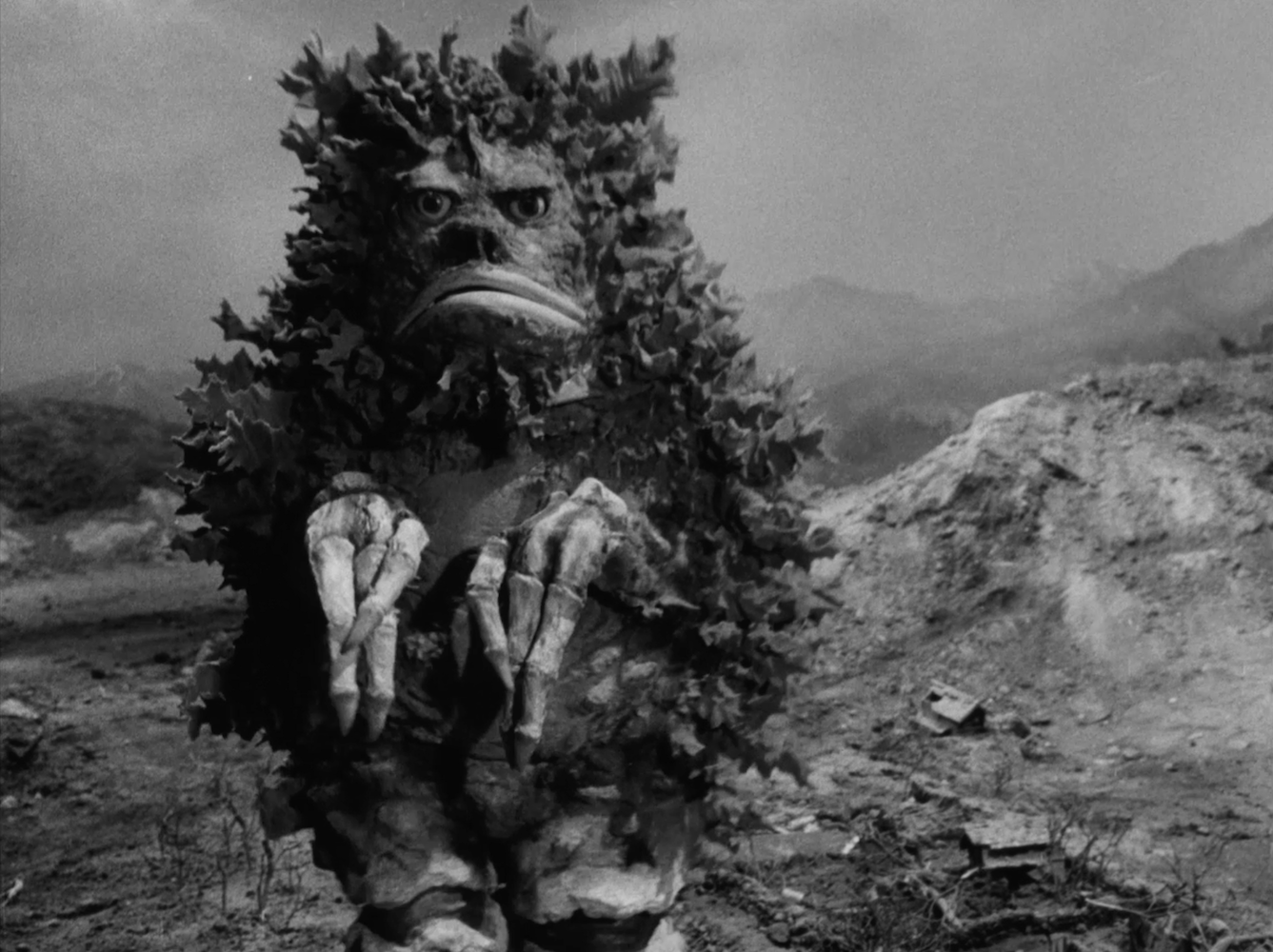
Another forest-and-giant-monster story from writer Tetsuo Kinjo, following “Goro and Goro” and “S.O.S. Mount Fuji.” I’m unsure why TBS decided to air this right after “S.O.S. Mount Fuji,” considering the similarities, but the network likely was only thinking of front-loading Ultra Q with as many giant monster episodes as possible. From a big rock monster in the woods to a big mole monster in the woods, if that’s what draws the viewers… 

Continue reading “Ultra Q Ep. 8: Terror of the Sweet Honey”

Ultraman Ep. 7: The Blue Stone of Baradhi

Directed by Samaji Nonagase. Written by Tetsuo Kinjo and Samaji Nonagase. Airdate August 28, 1966.

We pop out of the slump of middling episodes with a mini-epic that sends the Science Patrol to a lost city in the Middle East and expands upon the mythos of the Ultras. The mixture of 1930s pulp adventure and giant monster movie makes for a stand-out half hour. I also just enjoy it when an Ultra show sends its defense team outside of Japan to soak up some different backdrops.

Continue reading “Ultraman Ep. 7: The Blue Stone of Baradhi”

Ultra Q Ep. 7: S.O.S. Mount Fuji

Directed by Toshihiro Iijima. Written by Tetsuo Kinjo and Toshihiro Iijima. Airdate Feb. 13, 1966.

Mount Fuji has not erupted in over 250 years … and that can only mean another major eruption is imminent. But since this is the world of Ultra Q, we won’t witness any normal eruption. Instead, we’re going to see a monster formed from a conglomeration of igneous rocks battle a “Japanese Tarzan.” Why do anything normal when you can make good TV instead?

Continue reading “Ultra Q Ep. 7: S.O.S. Mount Fuji”