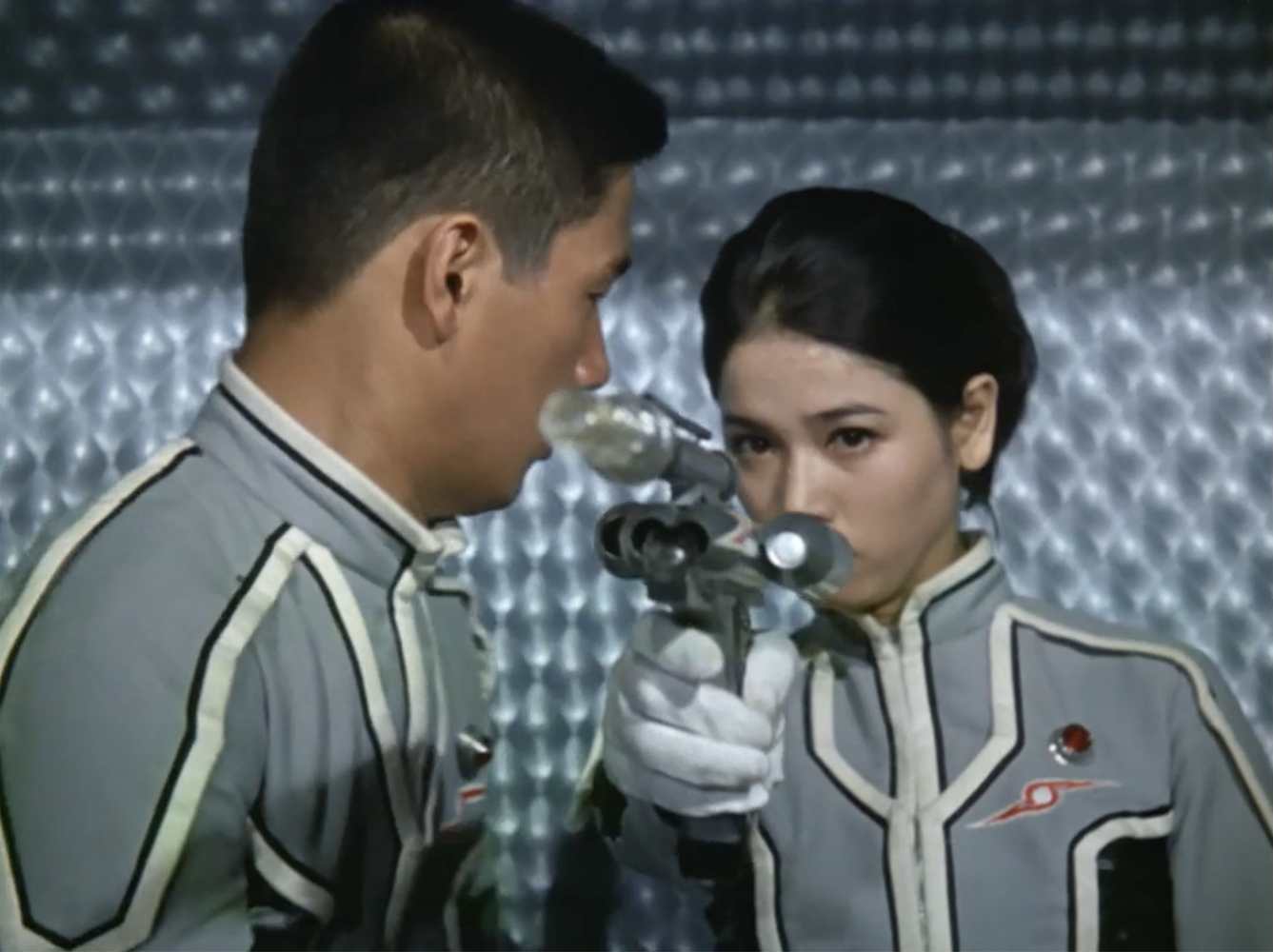
Ultraseven Ep. 2: The Green Terror

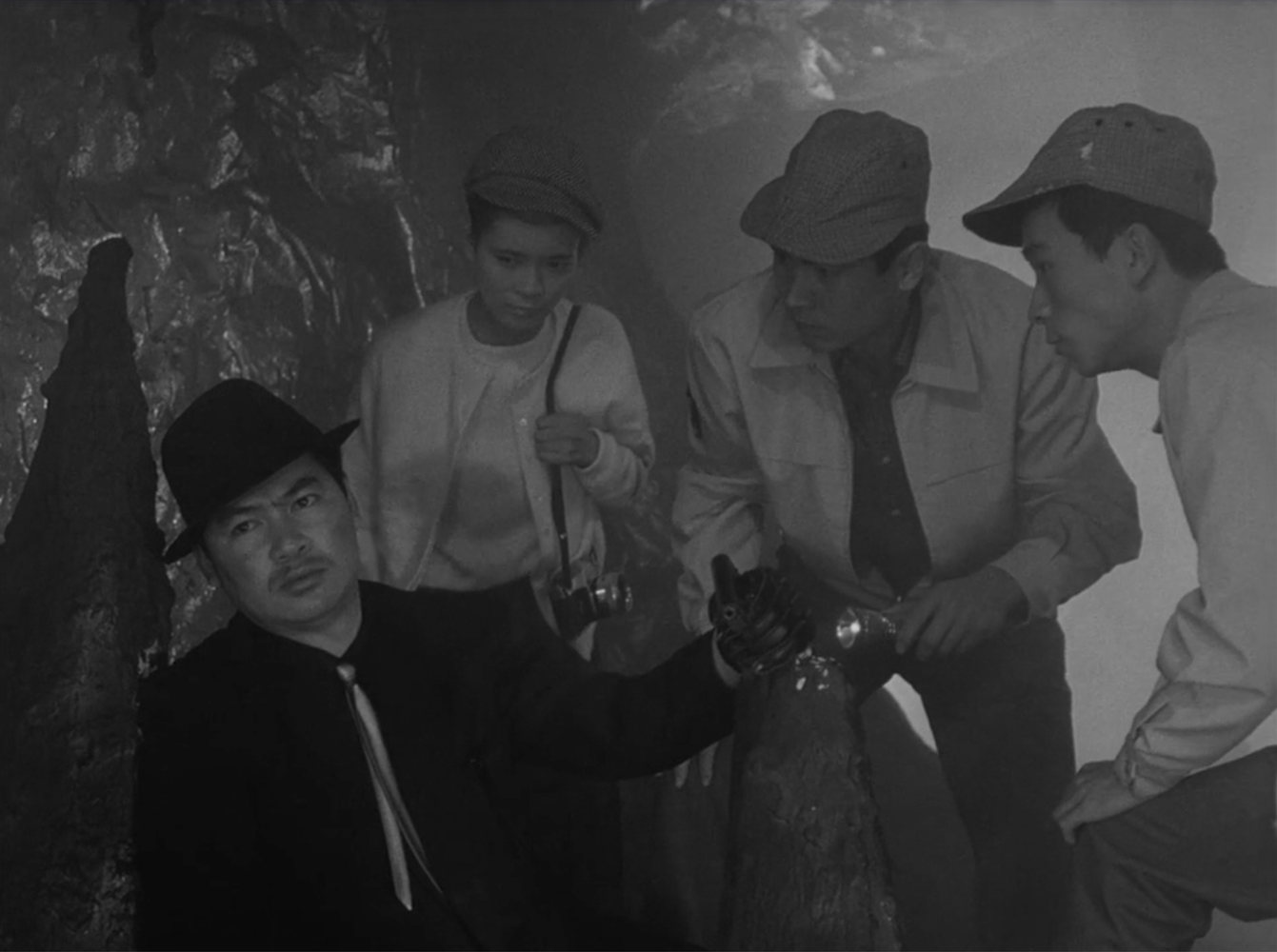
Anne Yuri in Ultraseven wields a laser gun.

Directed by Samaji Nonagase. Written by Tetsuo Kinjo. Airdate Oct. 8, 1967.

Eiji Tsuburaya must have had a dictum about his shows: within the first batch of episodes, there must be a plant monster. Ultra Q has the giant flower Juran, Ultraman has a green lettuce sack called Greenmons, and now Ultraseven’s second episode brings us Alien Waiell, a walking stack of spiky mixed greens. It doesn’t look great, but it’s better than Greenmons. I’ll say it again: I don’t have much interest in vegetation monsters. 

Continue reading “Ultraseven Ep. 2: The Green Terror”
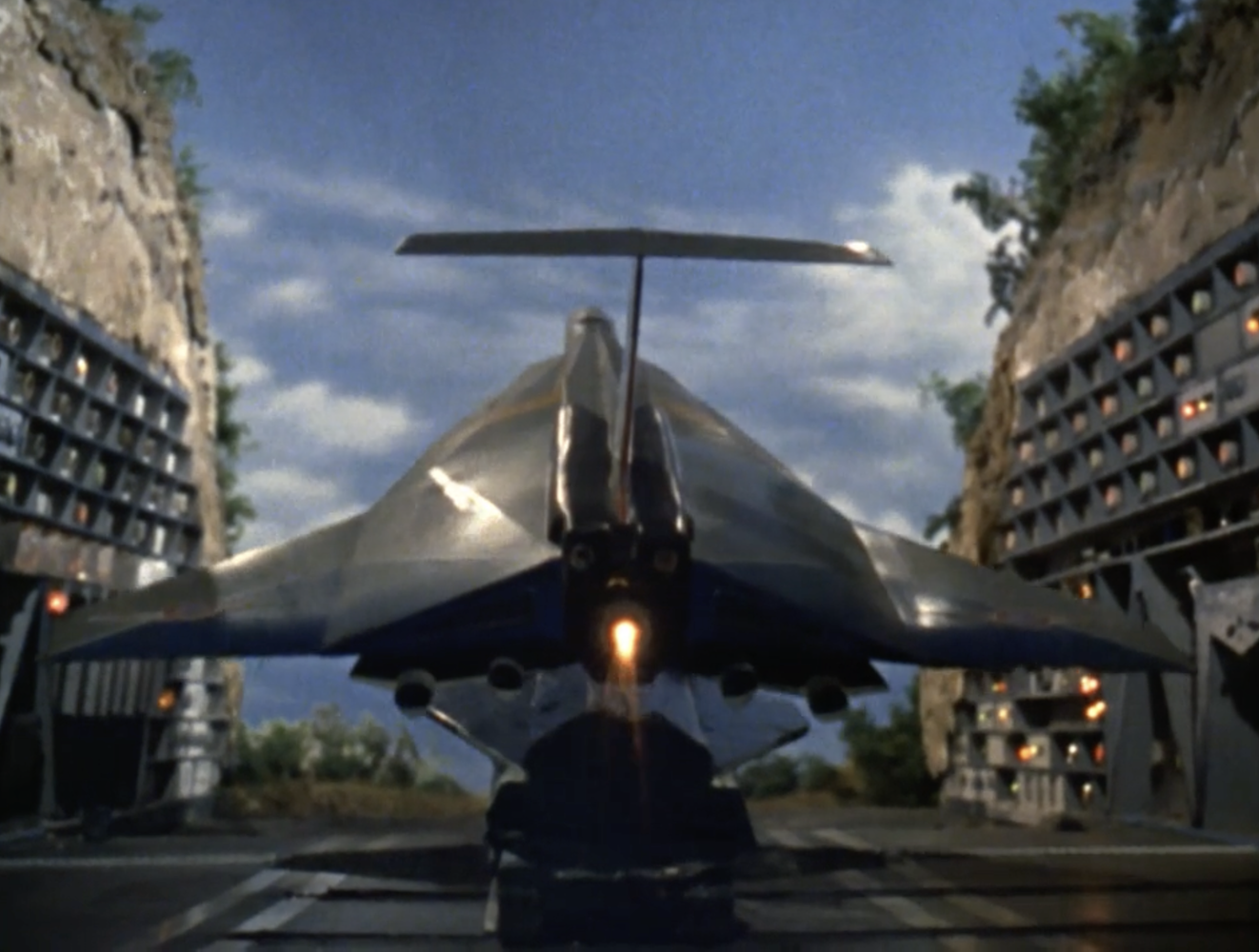
Ultraseven Ep. 1: The Invisible Challenger

Directed by Hajime Tsuburaya. Written by Tetsuo Kinjo. Airdate Oct. 1, 1967.

Earth is being targeted. Beings from countless stars floating in space have begun a terrible invasion.

These words from narrator Hikaru Urano, spoken over a night scene of a swarm of car headlights on a freeway, set the tone for Ultraseven. Darker than Ultraman, more epic than Ultra Q.

Continue reading “Ultraseven Ep. 1: The Invisible Challenger”

Ultra Q Ep. 4: Mammoth Flower

Directed by Koji Kajita. Written by Tetsuo Kinjo. Airdate Jan. 23, 1966.

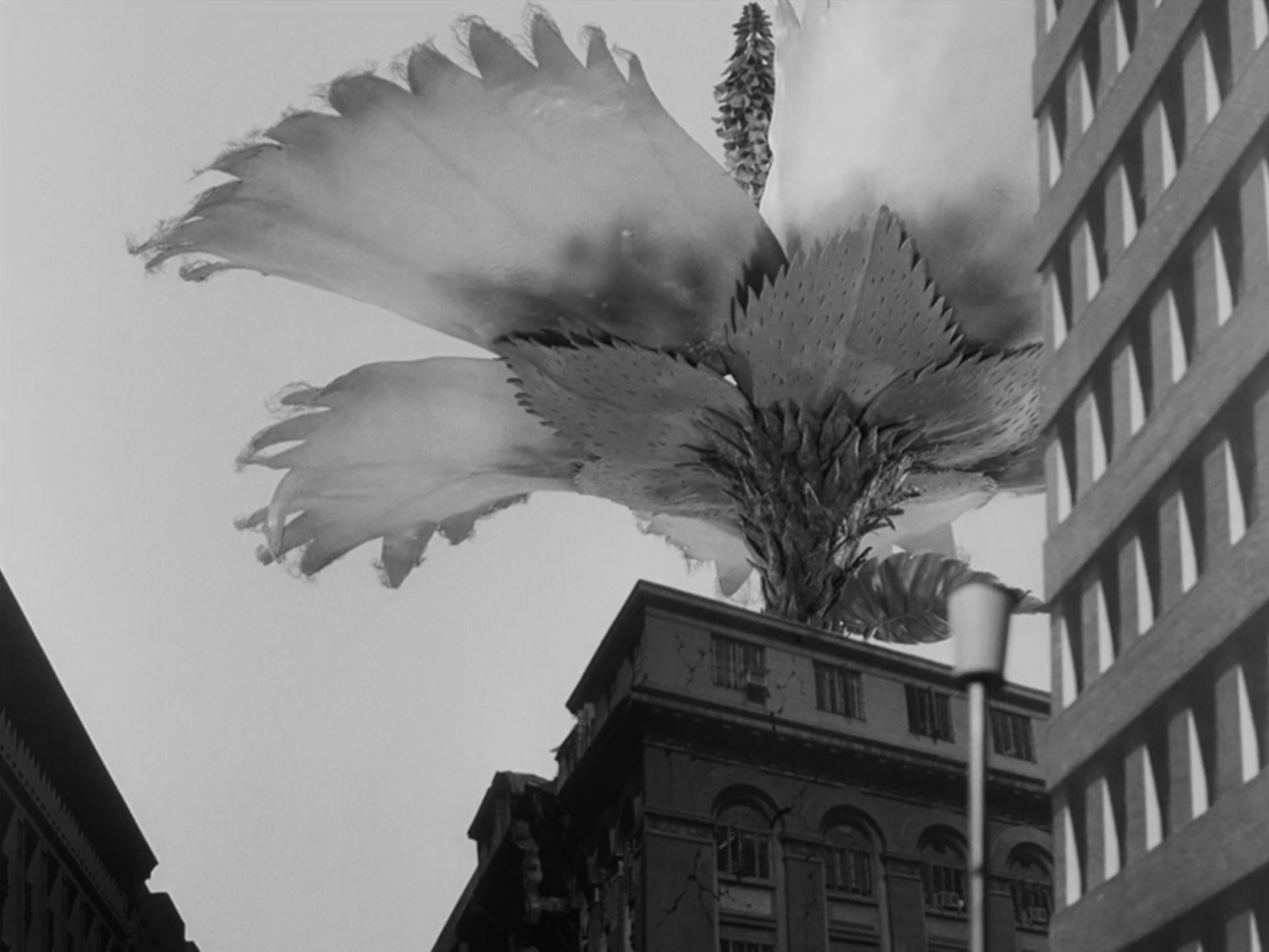
“Mammoth Flower” was the first episode of Ultra Q to go before cameras. Although it wasn’t designed specifically as an introductory episode, it makes an extra effort at world-building. Koji Ishizaka’s narration sounds like the original pitch for the show when it was still known as Unbalance: “Currently, a part of Mother Nature that surrounds us is starting to make a strange move. That’s right, this is a terrifying world where everything is unbalanced.” The exit narration mentions “the Unbalance Zone” with an invitation to viewers to tune in next week.

Continue reading “Ultra Q Ep. 4: Mammoth Flower”

Ultra Q Ep. 3: The Gift From Space

Directed by Hajime Tsuburaya. Written by Tetsuo Kinjo. Airdate Jan. 16, 1966.

We have the Ultra series’ first alien creature, a monster Martian slug, which is also the first fully original kaiju design seen on the show. Resident scientific genius Professor Ichinotani (Ureo Egawa) makes his debut. There’s a freaky theme about humanity intruding where we’re not wanted. And Jun gets into a fistfight with a thief dressed up to audition for a Yakuza gangster flick. Best episode so far!

Continue reading “Ultra Q Ep. 3: The Gift From Space”

Ultra Q Ep. 2: Goro and Goro

Directed by Hajime Tsuburaya. Written by Tetsuo Kinjo. Airdate Jan. 7, 1966.

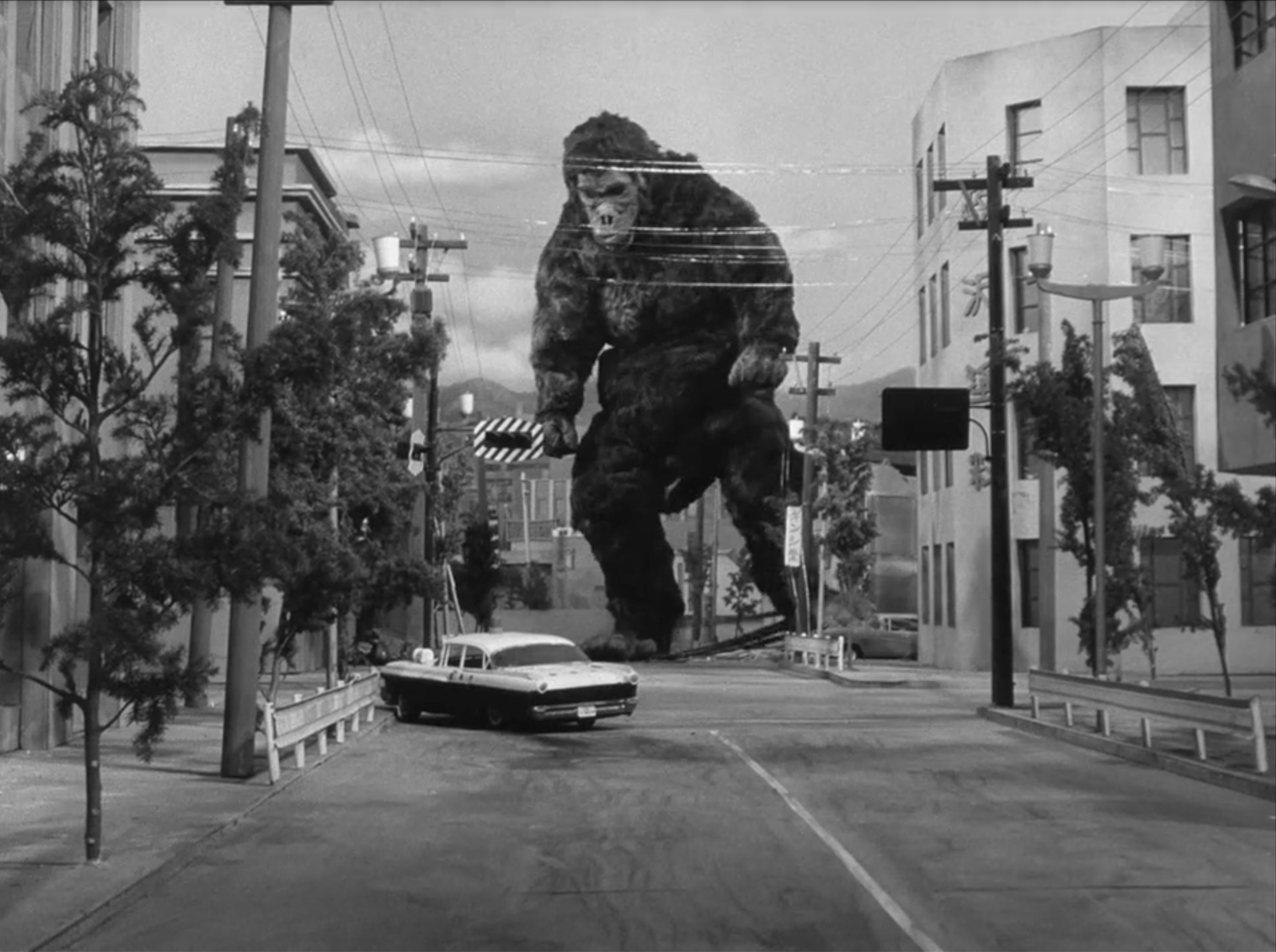
If you have Godzilla in disguise in the first episode of your monster TV show, why not have King Kong in disguise in the second? It must have made sense for the Tokyo Broadcasting Service, who picked “Goro and Goro” for Ultra Q’s second aired episode. The monster star, one of the two Goros of the title, is a slightly modified King Kong costume built for the movie King Kong vs. Godzilla (1962). 

Continue reading “Ultra Q Ep. 2: Goro and Goro”

Ultraman Ep. 1: Ultra Operation No. 1

Directed by Hajime Tsuburaya. Written by Testuo Kinjo and Shinichi Sekizawa. Airdate July 17, 1966.

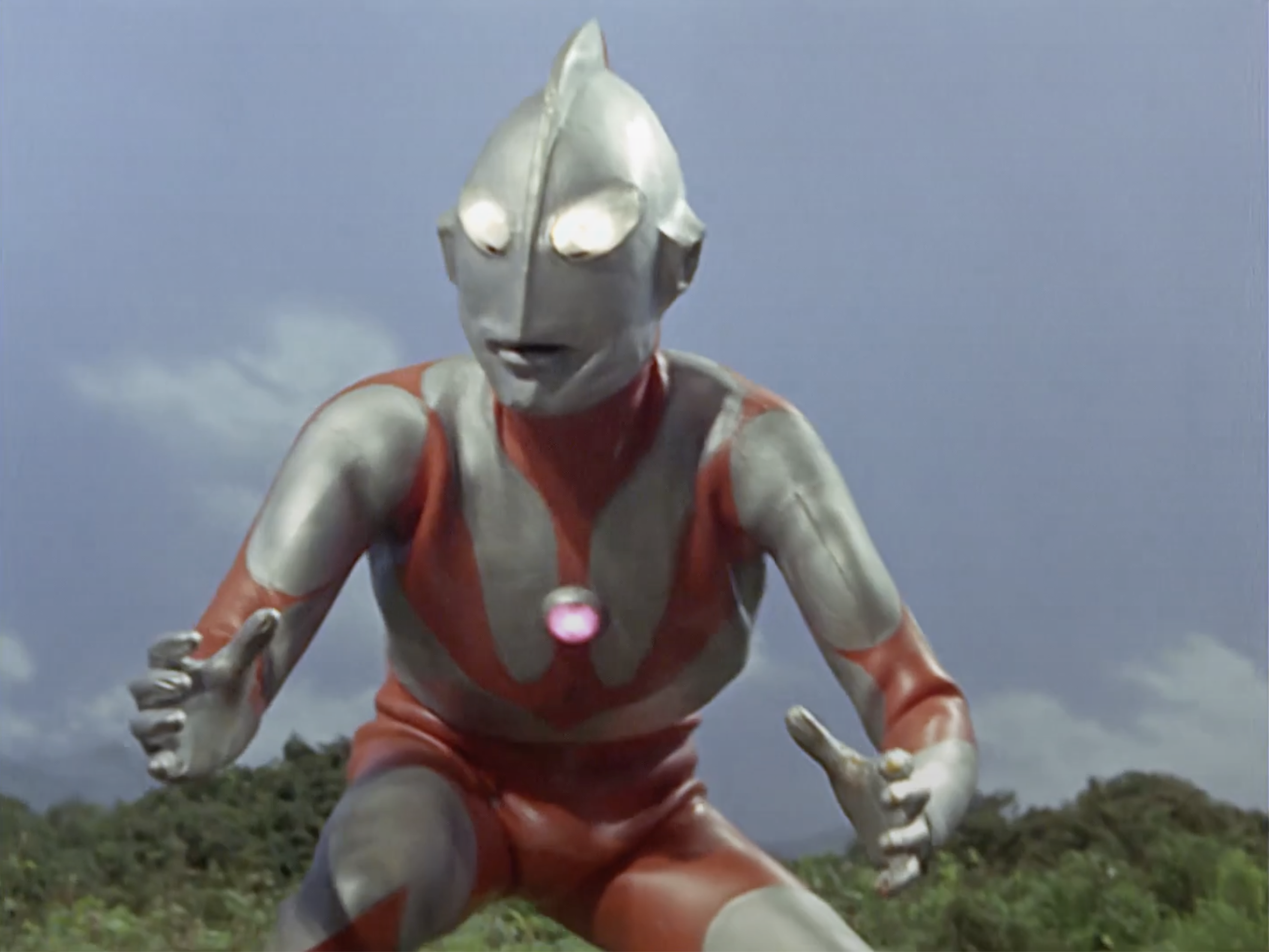
Unlike Ultra Q, which has no introductory episode and drops viewers into the middle of its premise, Ultraman begins with an episode that establishes its formula and explains its alien hero, the Science Special Search Party, and their various tools of the trade. It fits this all in the space of a half-hour span while still finding enough time for action and a fight with a big monster. That’s a lot to do, and while “Ultra Operation No. 1” isn’t the strongest episode of the series, it checks off all the boxes it needs to and leaves viewers ready to see more. 

Continue reading “Ultraman Ep. 1: Ultra Operation No. 1”

Ultraman Ep. 0: The Birth of Ultraman

Directed by Akio Jissoji. Written by Tetsuo Kinjo. Airdate July 10, 1966.

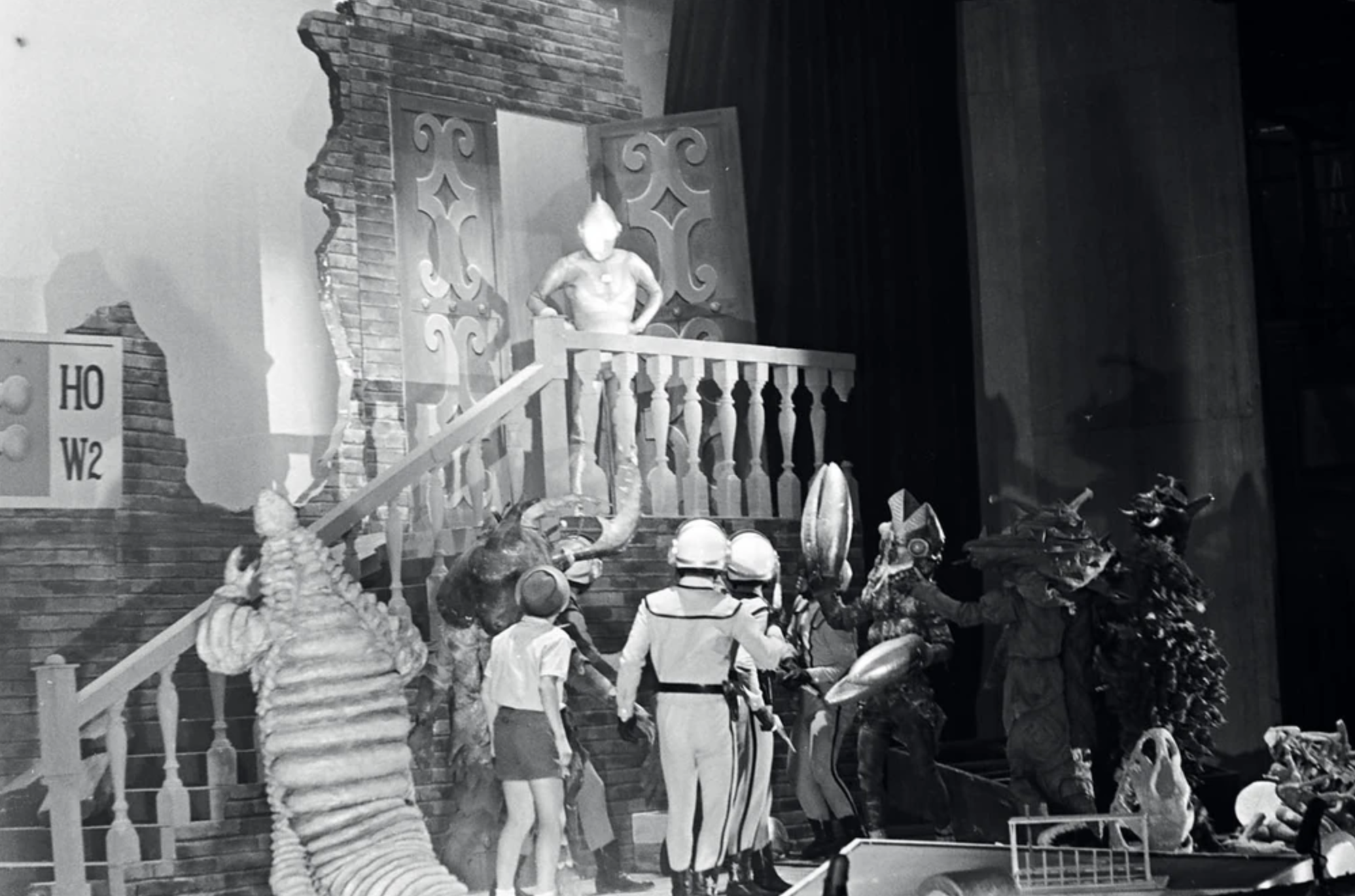
We have to start here — I write with some embarrassment for the poor Tsuburaya Productions team. This “pilot” episode for Ultraman is just a live stage show taped in black-and-white to promote the actual show debuting the next week. “The Birth of Ultraman” exists because Tsuburaya Pro desperately needed more time to finish episodes before the premiere date of Ultraman, and this was the quickest way for the Tokyo Broadcasting System to get something on the air to create a buffer. TBS could have gone ahead and broadcast the last remaining episode of Ultra Q, but because it wasn’t a monster-centered episode, they delayed it for over a year and a half to leap right into … this.

Continue reading “Ultraman Ep. 0: The Birth of Ultraman”