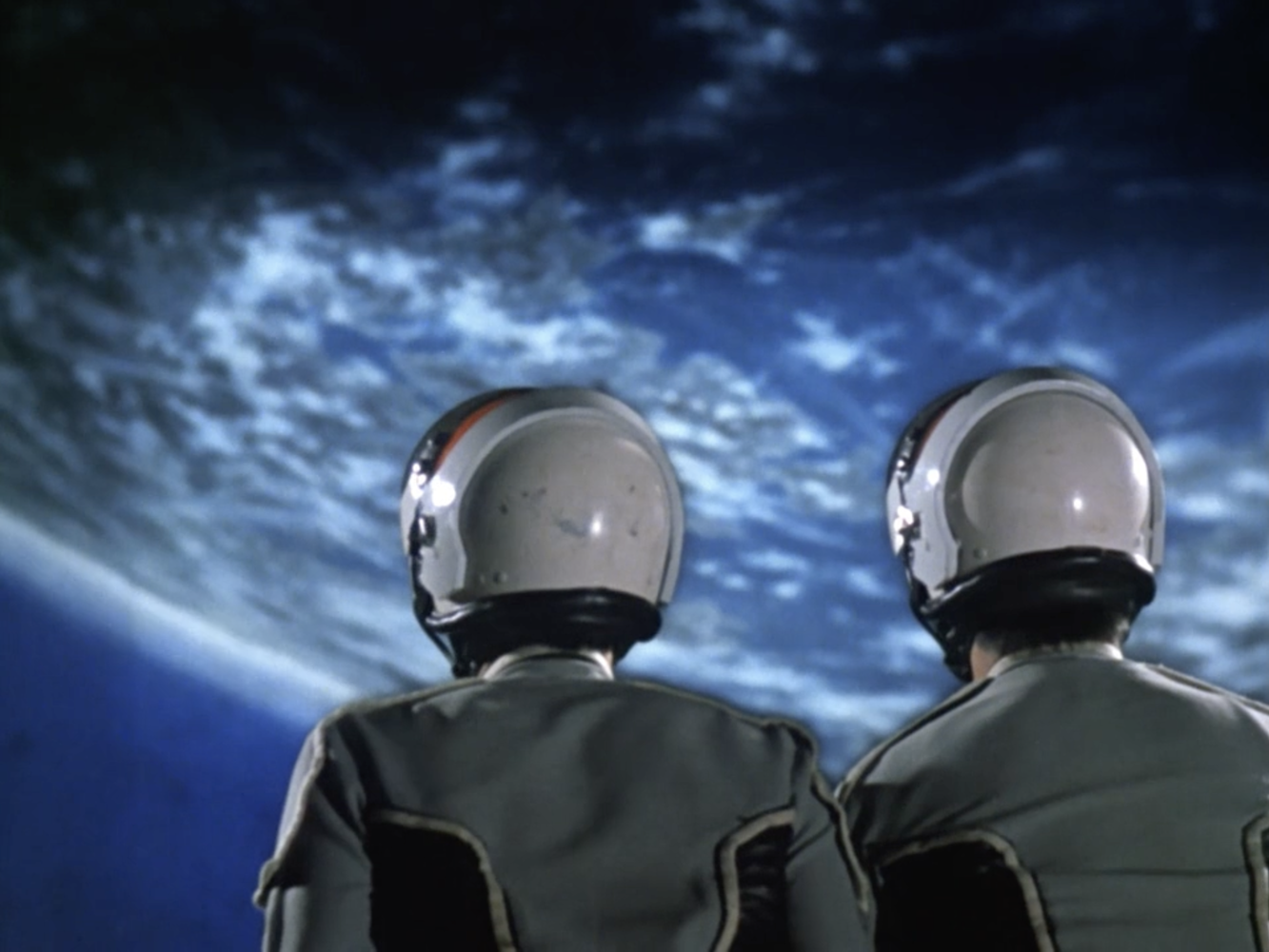
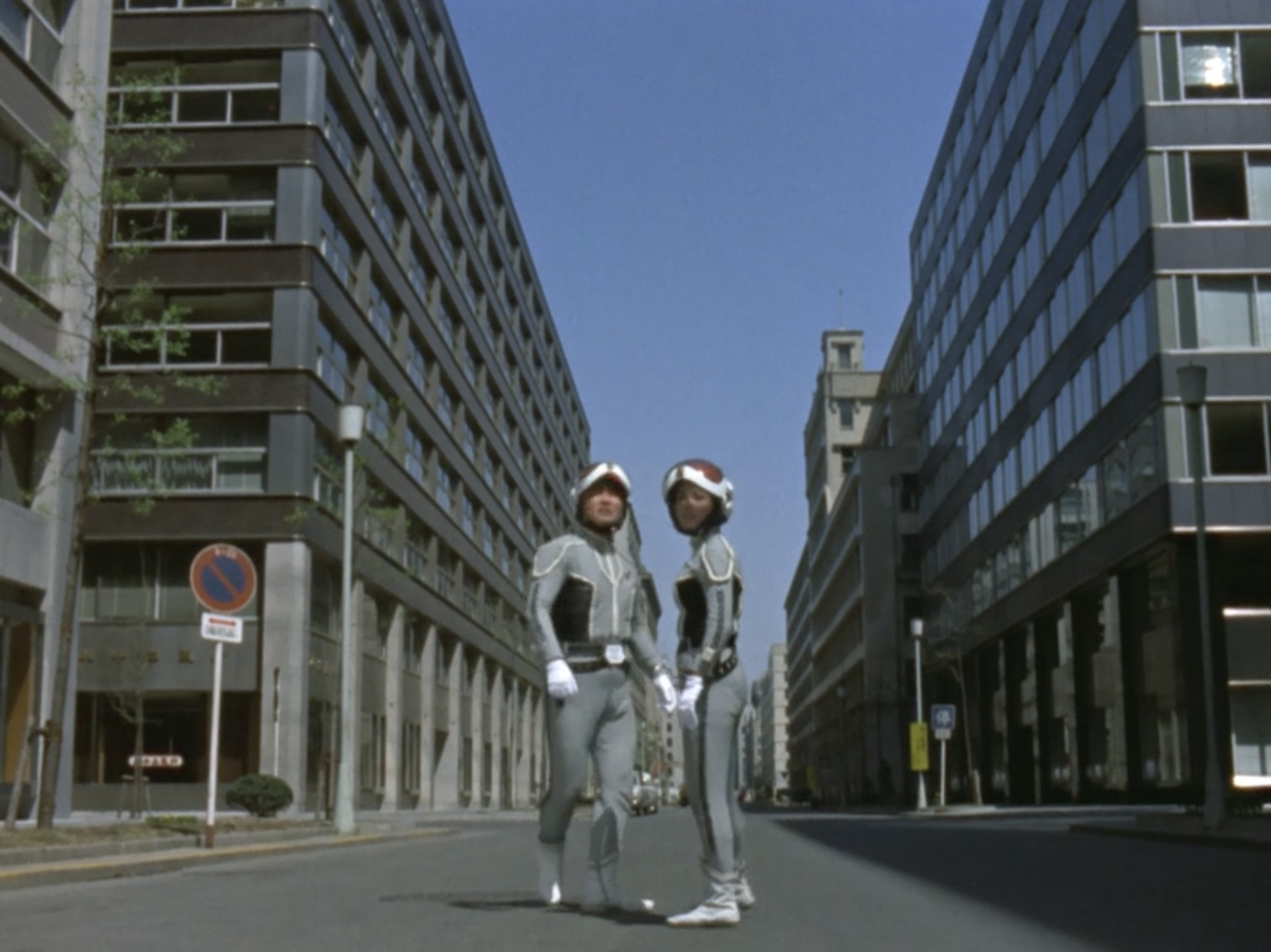
Ultraman Ep. 33: The Forbidden Words

Directed by Toshitsugu Suzuki. Written by Tesuo Kinjo. Airdate Feb. 26, 1967.

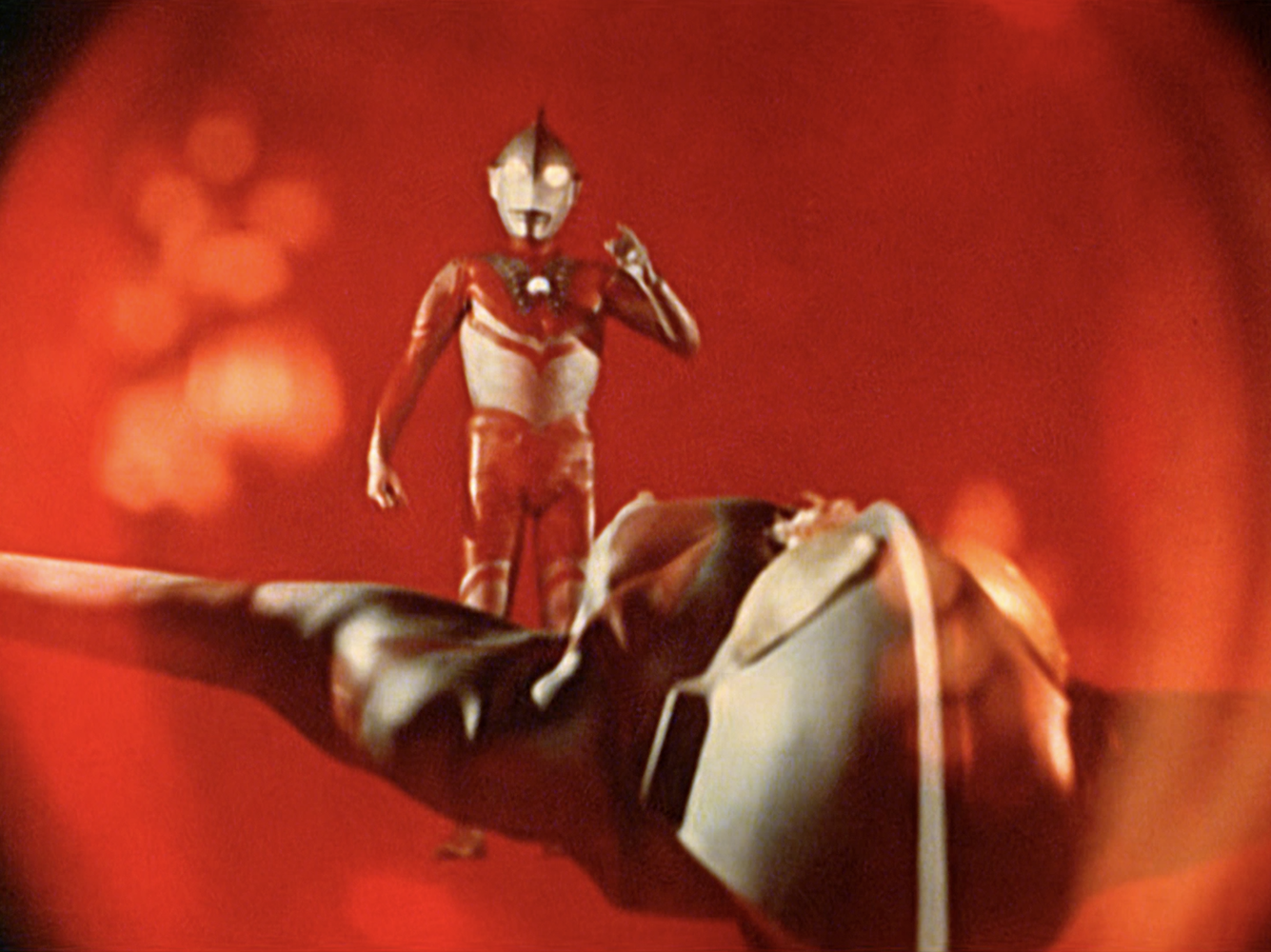
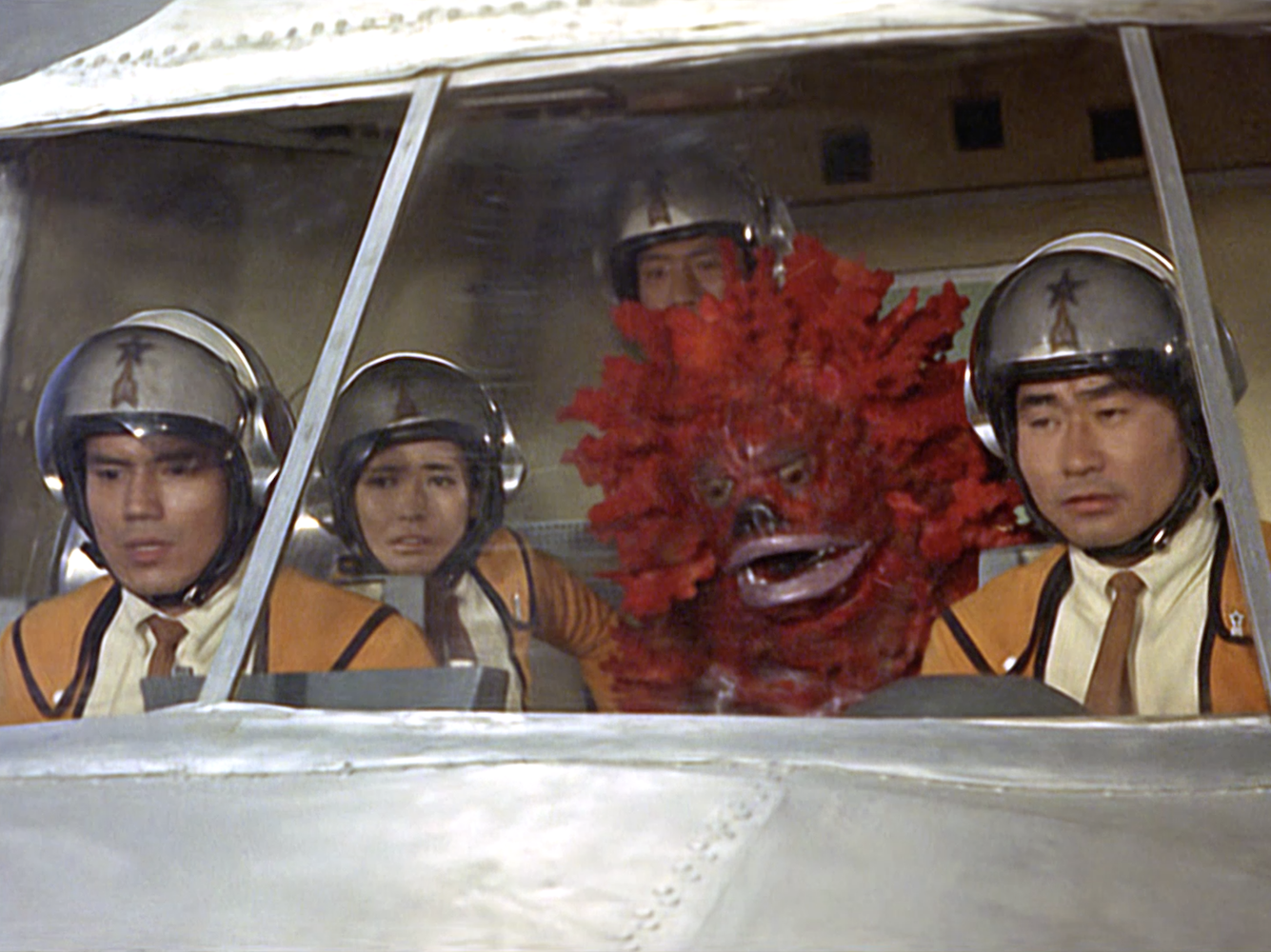
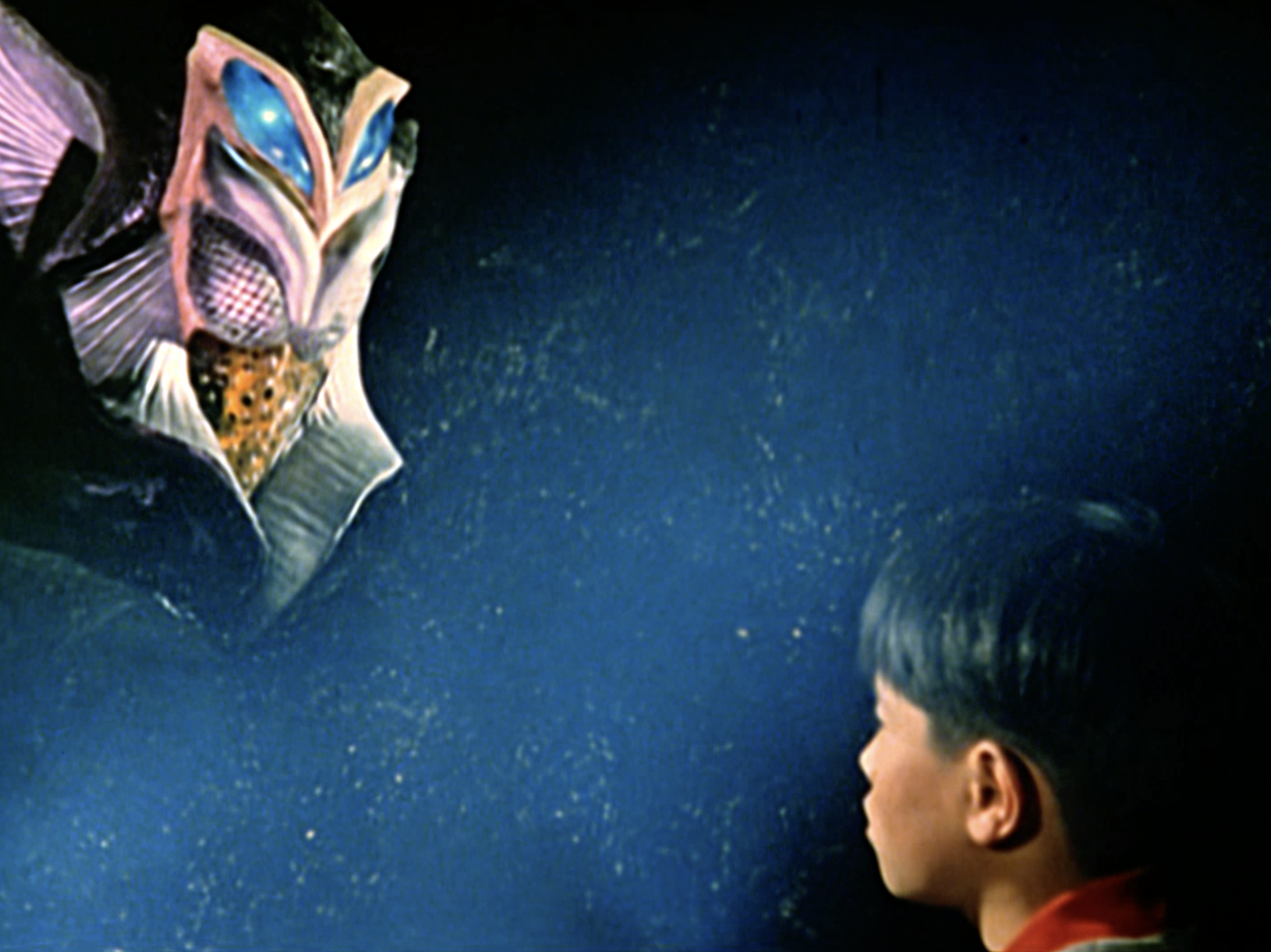
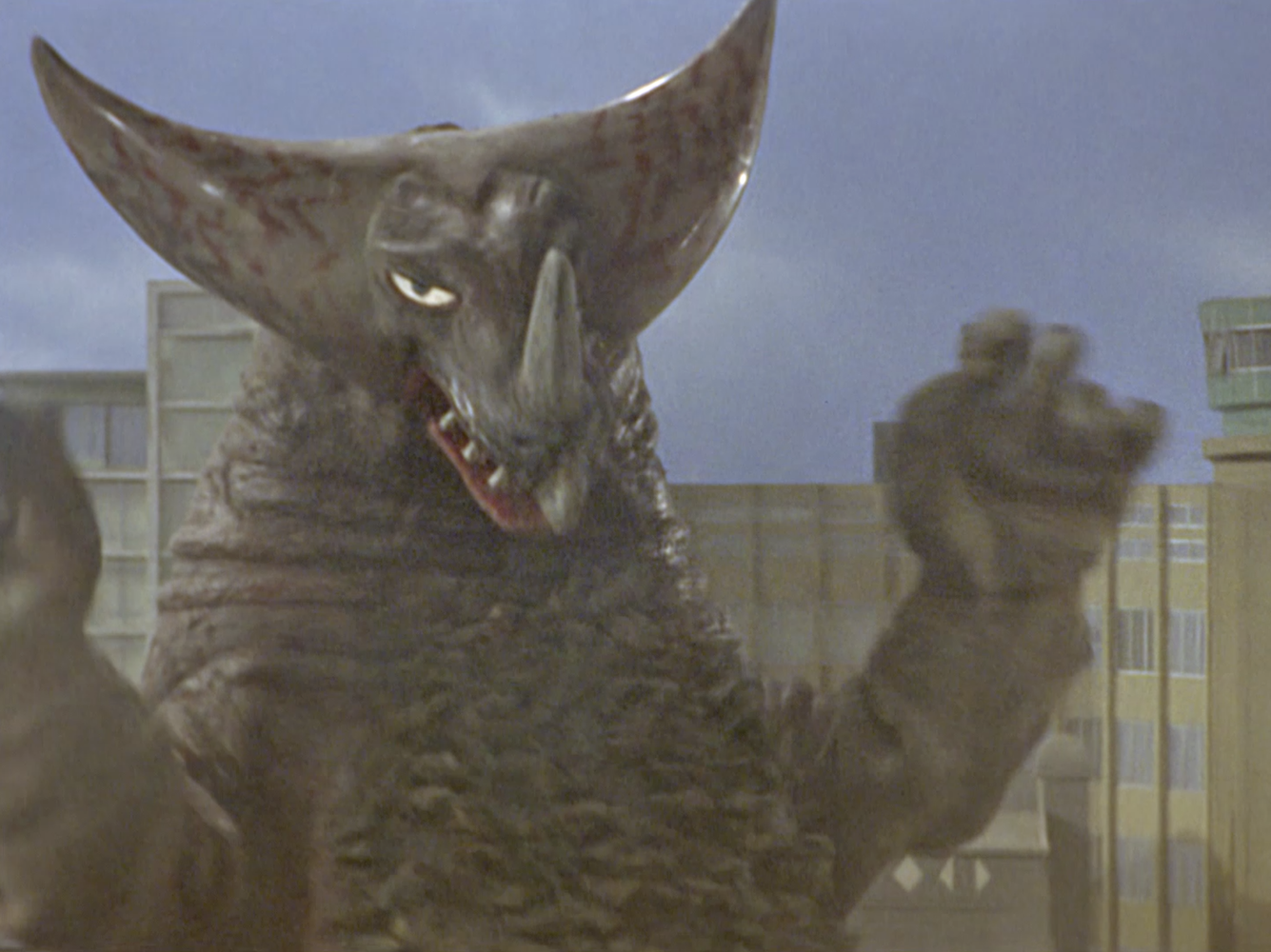
Meet the third of the great trio of Ultraman alien villains: Alien Mefilas. Not as famous as Alien Baltan. Not as tricky as Alien Zarab. But he’s the top of the heap: a baddie who’s the Ultra Universe’s hybrid of Mister Mxyzptlk and Galactus. He’s here to play word games, tempt humans with power, and crush the spirit of an entire planet — and brute force may not be enough to stop him.

Continue reading “Ultraman Ep. 33: The Forbidden Words”

Ultraman Ep. 30: Phantom of the Snow Mountains

Directed by Yuzo Higuchi. Written by Tetsuo Kinjo. Airdate Feb. 5, 1967.

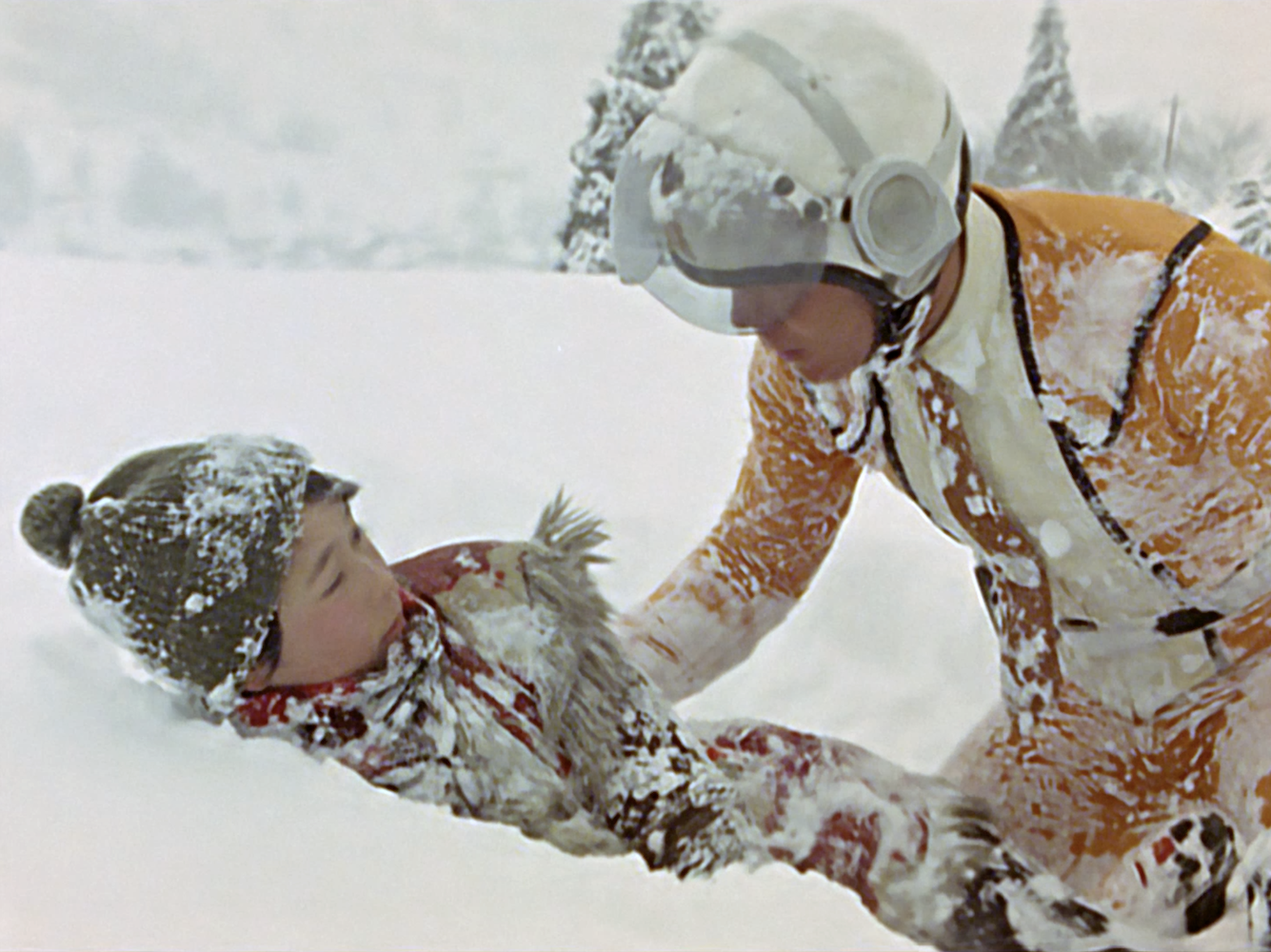
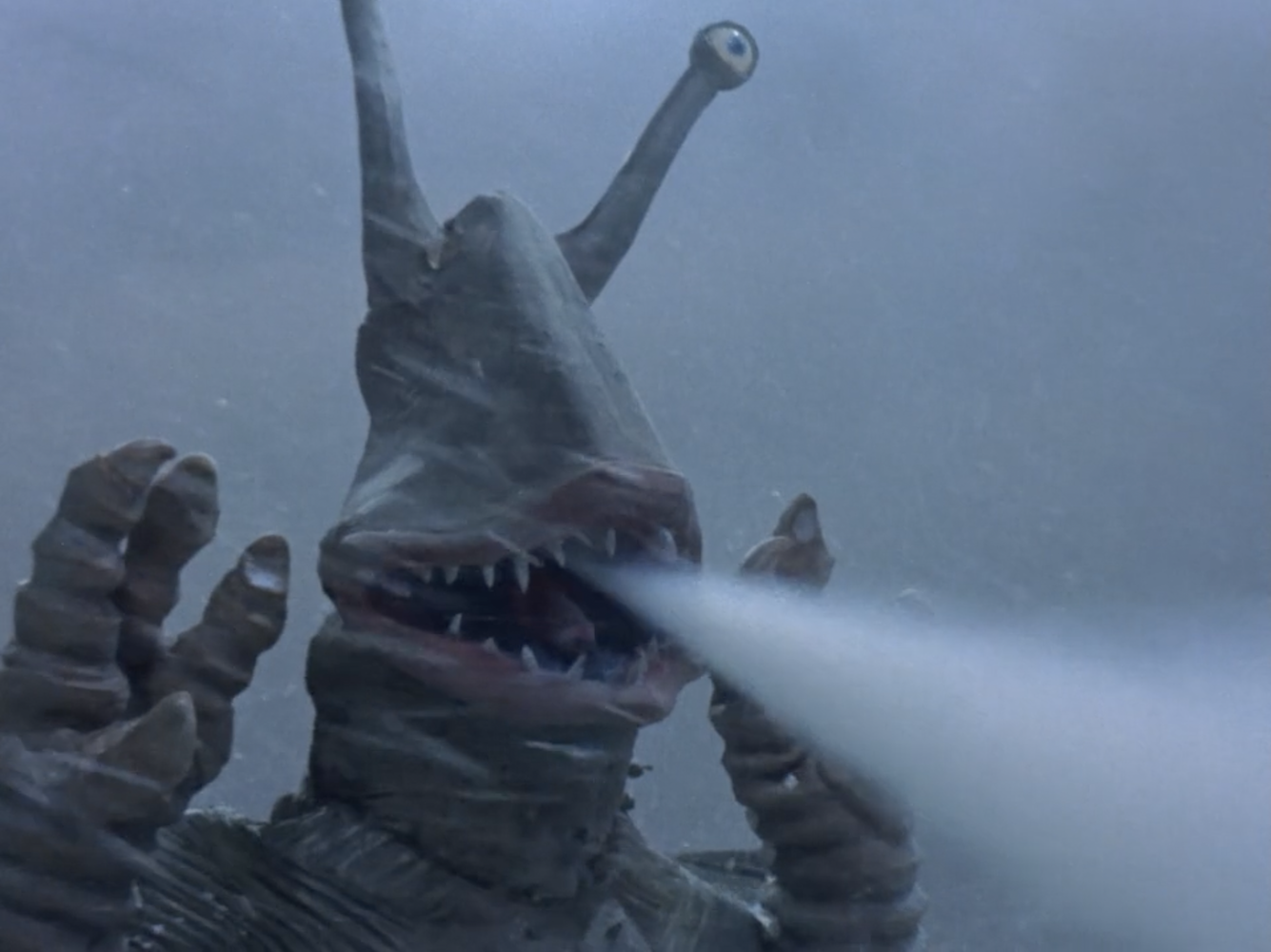
Tetsuo Kinjo contributed numerous excellent scripts to the first three Ultra shows. “Garmon Strikes Back,” “The Blue Stone of Baradhi,” and “The Ultra Guard Goes West” are some of his best straightforward action episodes. But Kinjo is best known for stories drawn from his childhood experience seeing the Japanese Empire’s oppression of the native Okinawans. In these scripts, Kinjo explored outsiders facing prejudice, sprinkling in elements of tragedy and the supernatural. “Phantom of the Snow Mountains” isn’t Kinjo’s finest script (I’d argue that’s Ultraseven’s “Ambassador of the Nonmalt”), but it may be his most representative: a sad, fable-like tale of a shunned girl and her connection to a possibly supernatural snowbeast. 

Continue reading “Ultraman Ep. 30: Phantom of the Snow Mountains”

Ultraman Ep. 29: Challenge to the Underground

Directed by Samaji Nonagase. Written by Tetsuo Kinjo and Ryu Minamikawa. Airdate Jan. 29, 1967.

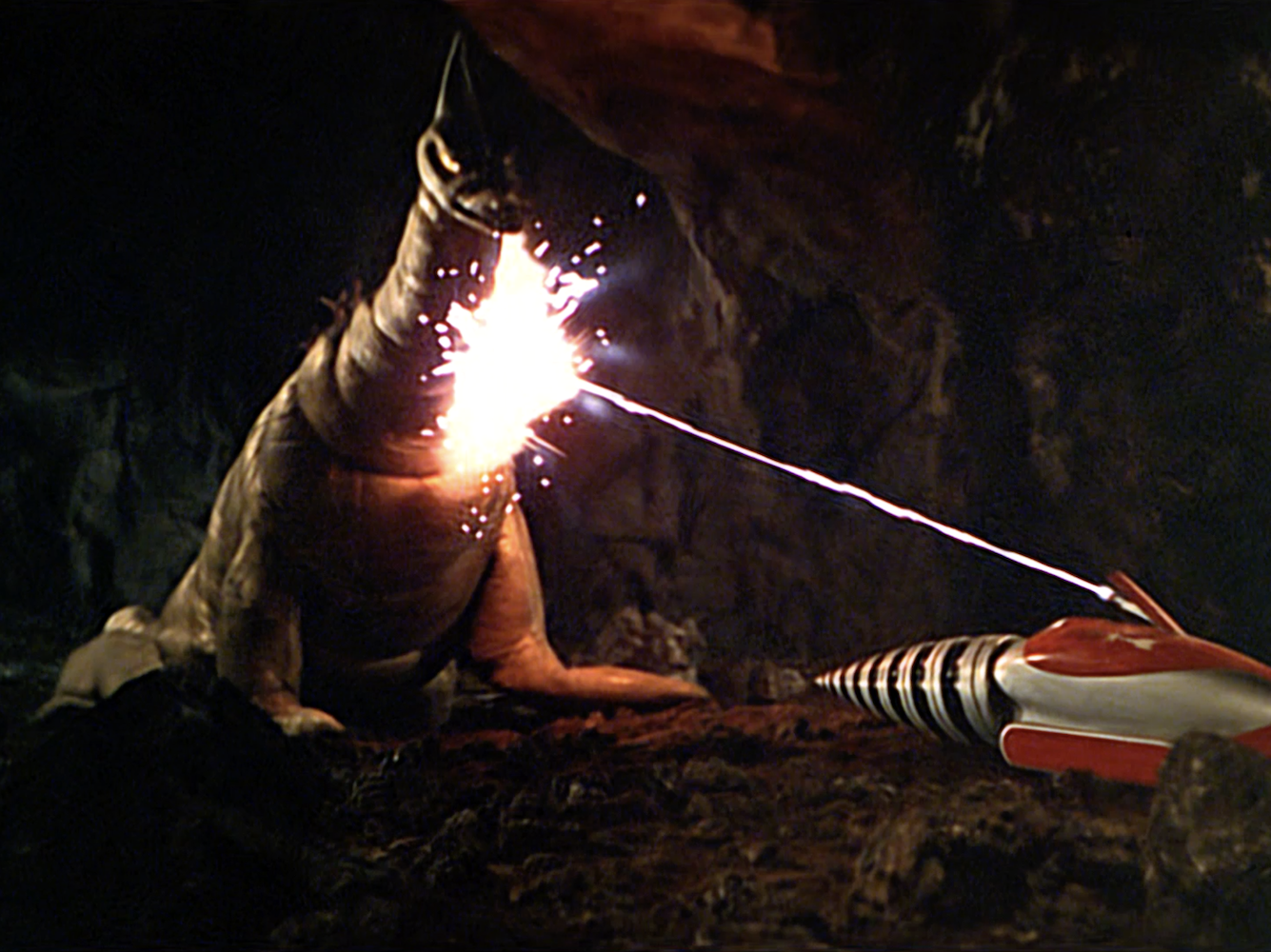
After a string of great episodes, Ultraman was due for something on the routine side. When Goldon, a gold-consuming monster, bursts from the side of Mt. Otayama only seconds into the episode, it signals that “Challenge to the Underground” is going to be fairly standard monster-centric material. Which it is, but the average Ultraman episode is still a decent time.

Continue reading “Ultraman Ep. 29: Challenge to the Underground”

Ultraseven Ep. 25: Showdown at 140 Degrees Below Zero

Directed by Kazuho Mitsuta. Written by Tetsuo Kinjo. Airdate March 24, 1968.

An intense cold snap and snow storm descend on the HQ of the Terran Defense Force. Temperatures plunge below –100°F and keep dropping. Ultra Guard member Soga isn’t concerned at first, talking dismissively as he pours a cup of coffee: “A cold wave zone 114 degrees below zero is nothing to get nervous about. The atomic reactor in the power house 18 floors under is burning red. Praise human technology.” 

The moment Soga says this, viewers know everything is about to go wrong in the worst way. The episode does not disappoint. 

Continue reading “Ultraseven Ep. 25: Showdown at 140 Degrees Below Zero”

Ultraman Ep. 26 & 27: The Monster Highness

Directed by Hajime Tsuburaya. Written by Tetsuo Kinjo and Bunzo Wakatsuki. Airdate Jan. 8 & 15, 1967.

The unofficial promise Ultraman makes to viewers is that it will deliver the thrills of giant monster movies in a TV-sized package. No episodes achieve this better than the first two-parter* in Ultra Series history. “The Monster Highness” is a VFX extravaganza that introduces the most famous kaiju in the franchise and smashes the thrill button as hard as it can with kinetic fights, heavy military action, and mass-scale urban destruction. Children all over Japan were on edge after the cliffhanger of Part 1 where Ultraman suffered a true defeat, ensuring that Part 2 would become one of the most viewed episodes of any Ultra show. 

Continue reading “Ultraman Ep. 26 & 27: The Monster Highness”

Ultra Q Ep. 27: The Disappearance of Flight 206

Directed by Koji Kajita. Written by Tetsuo Kinjo and Hiroyasu Yamaura. Airdate July 3, 1966.

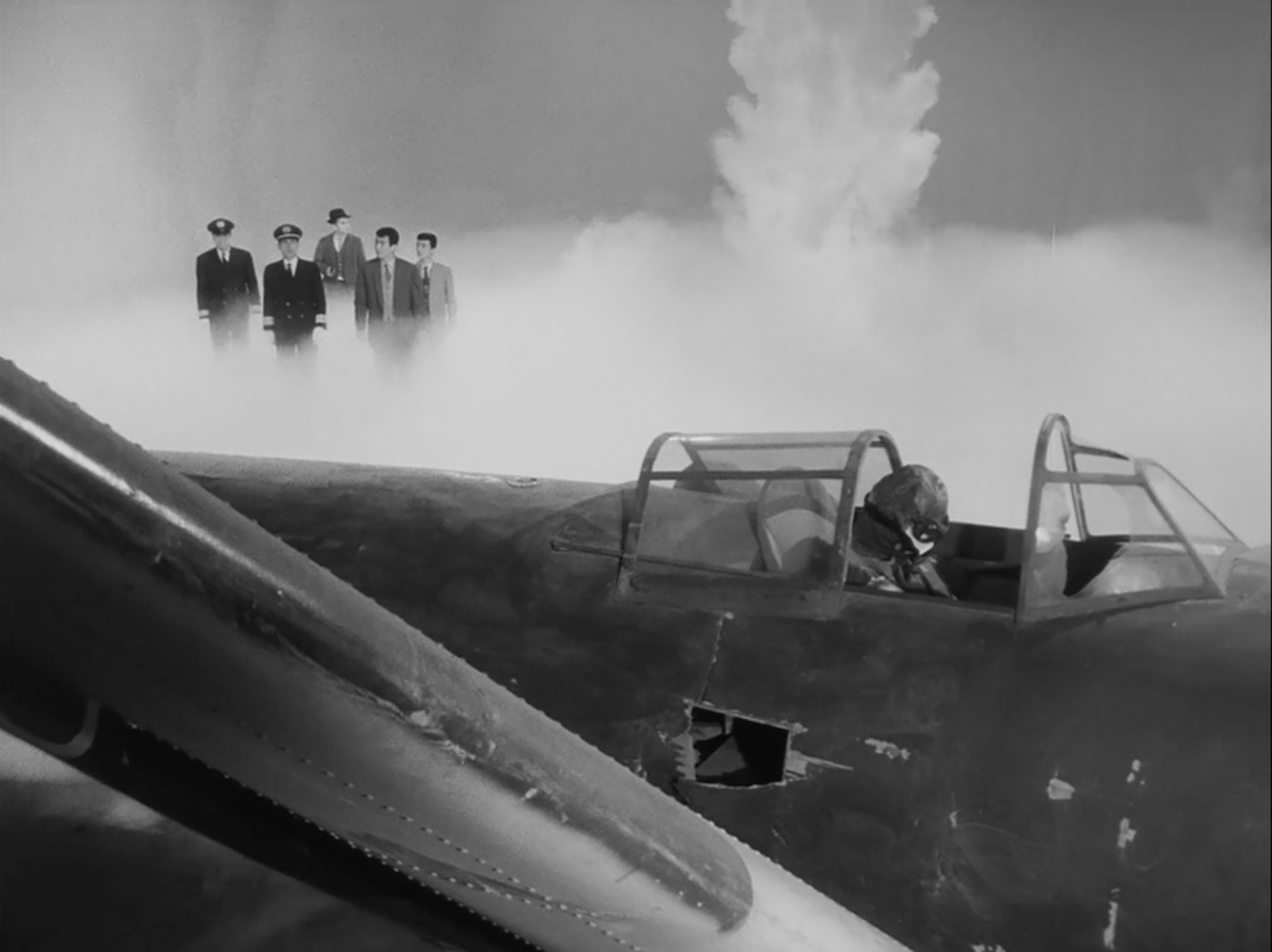
Jun and Ippei are returning from pilot training in Hong Kong aboard the maiden flight of a supersonic jet. The last time Ultra Q took a ride on the inaugural run of a super-speed vehicle, it was in “The Underground Super Express Goes West.” It was not a smooth trip. This second trip on emerging high-speed technology also goes wrong fast. Flight 206 gets dragged into a mysterious whirlpool in the sky and vanishes, leaving poor Yuriko and Professor Ichinotani at the airport baffled by yet another uncanny occurrence in the Unbalanced Zone.

Continue reading “Ultra Q Ep. 27: The Disappearance of Flight 206”

Ultraseven Ep. 18: Escape Dimension X

Directed by Hajime Tsuburaya. Written by Testuo Kinjo. Airdate Feb. 4, 1968.

“Escape Dimension X” is Ultraseven’s version of Ultraman’s influential episode “The Monster Anarchy Zone”: a fast-paced monster-packed adventure taking place in a weird wilderness of exotic dangers. Many Ultra shows have their own take on this pulpy Lost World concept. Now we see the darker SF sensibility of Ultraseven at work on the premise. Where “The Monster Anarchy Zone” is a wild, fun rollercoaster with plenty of giant monsters, “Escape Dimension X” is horror-tinged and eerie, with monsters of the more creepy-crawly variety. This “lost world” is also presented as a science-fiction mystery, an artificially created alternate dimension, although the story leaves most of it unexplained.

Continue reading “Ultraseven Ep. 18: Escape Dimension X”

Ultra Q Ep. 23: Fury of the South Sea

Directed by Samaji Nonagase. Written by Tetsuo Kinjo. Airdate June 5, 1966.

In the world of Japanese special-effects films, the mid-‘60s was the time to go on Pacific island vacations. This was when the Godzilla series left the cities to jet off for two budget-friendly South Seas adventures, Ebirah, Horror of the Deep (1966) and Son of Godzilla (1967). Around this time, Ultra Q took its own trip to the islands, although on an even tighter TV budget. The crew could only afford a recycled octopus prop and stock footage lifted from King Kong vs. Godzilla (1962) to create its giant monster of the week.

Continue reading “Ultra Q Ep. 23: Fury of the South Sea”

Ultraman Ep. 20: Terror on Route 87

Directed by Yuzo Higuchi. Written by Tetsuo Kinjo. Airdate Nov. 27, 1966.

Screenwriter Tetsuo Kinjo had a knack for taking topical subjects and finding ways to transform them into workable Ultra scripts. “Monster-as-metaphor” is one of the most viable and enduring forms of social commentary in science fiction and horror, and Kinjo was adept at not making the commentary in his monster scripts too heavy-handed, even with a subject as grim as the alarming number of deaths of children in auto accidents. And yes, that’s the subject of “Terror on Route 87.” 

Continue reading “Ultraman Ep. 20: Terror on Route 87”

Ultra Q Ep. 22: Metamorphosis

Directed by Koji Kajita. Written by Kyoko Kitazawa. Story by Tetsuo Kinjo. Airdate May 29, 1966.

As we enter the last quarter mile of Ultra Q‘s run, we stumble across one of the first produced episodes. “Metamorphosis” was only the second episode shot, following “Mammoth Flower.” Even though it features a giant monster, a sure-thing for ratings, TBS decided to wait this late into the show’s run to put it on the air. 

Continue reading “Ultra Q Ep. 22: Metamorphosis”