Ultraseven Ep. 33: The Invading Dead

Directed by Hajime Tsuburaya. Written by Shozo Uehara. Airdate May 19, 1968.

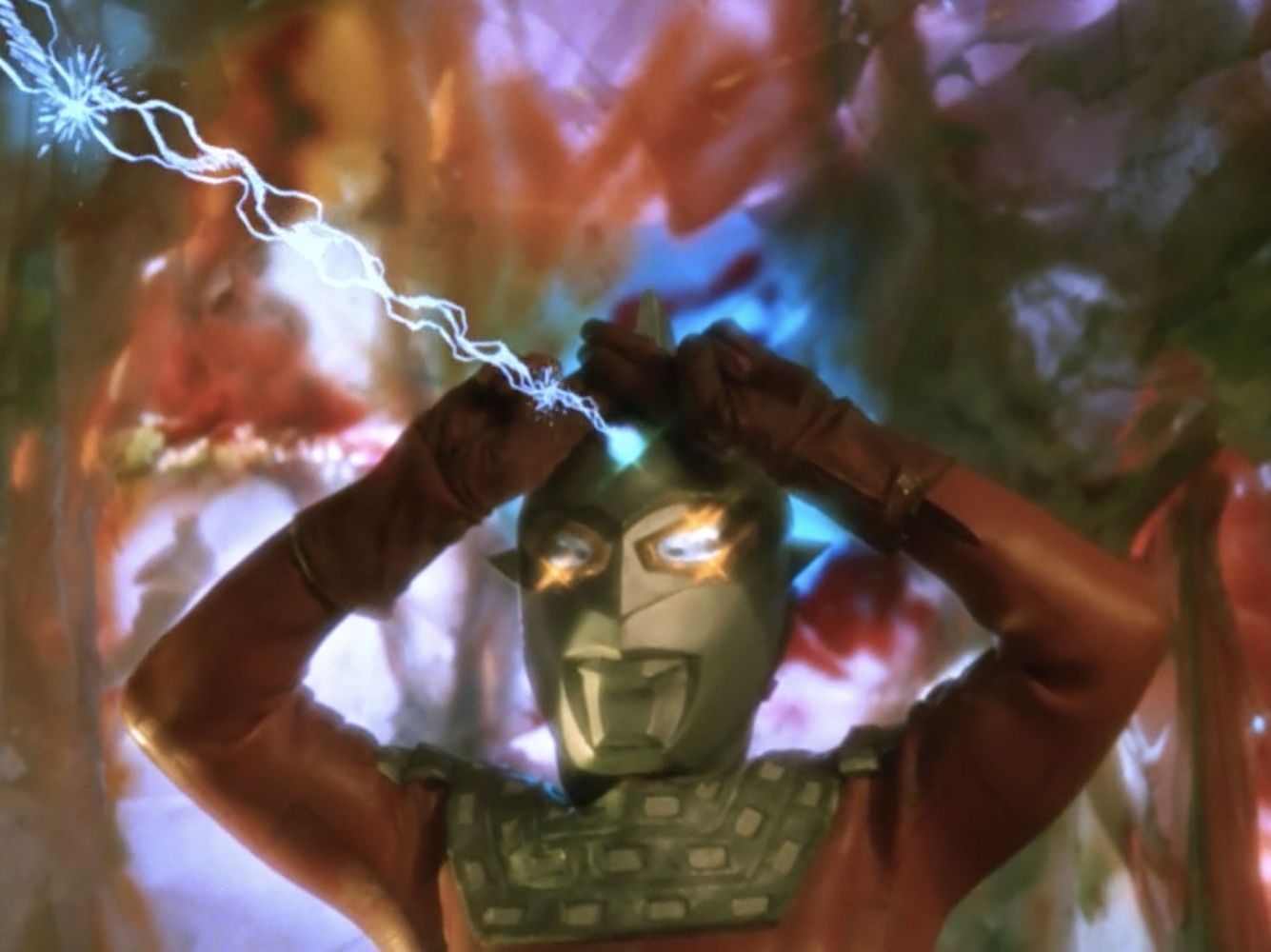
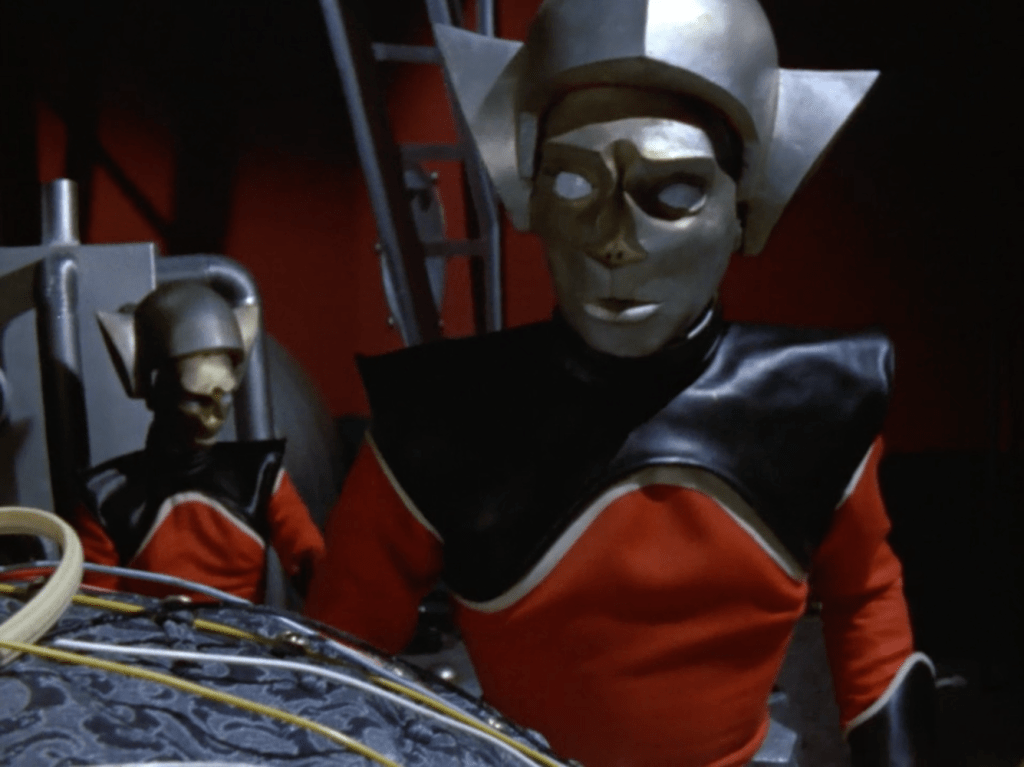
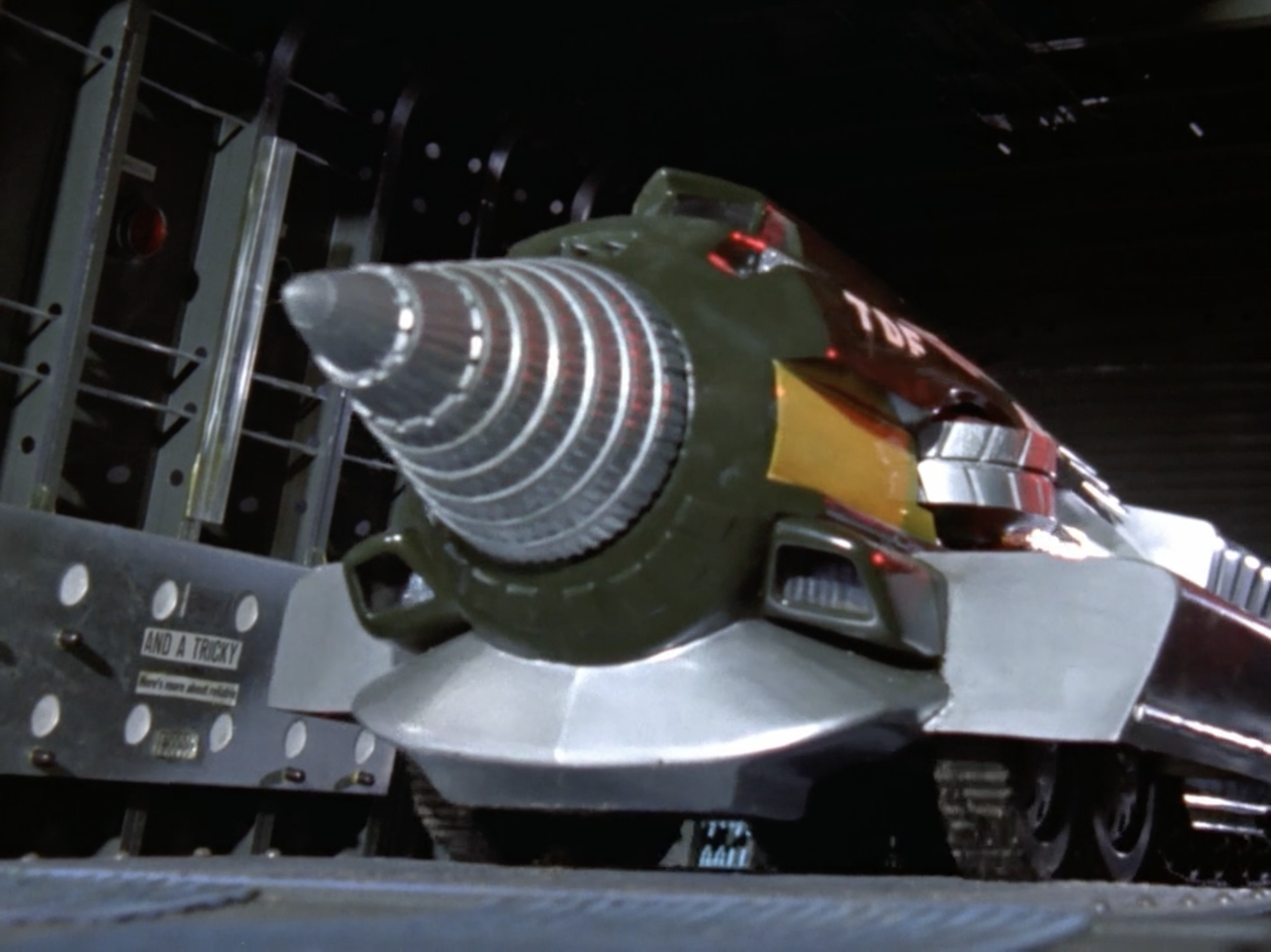
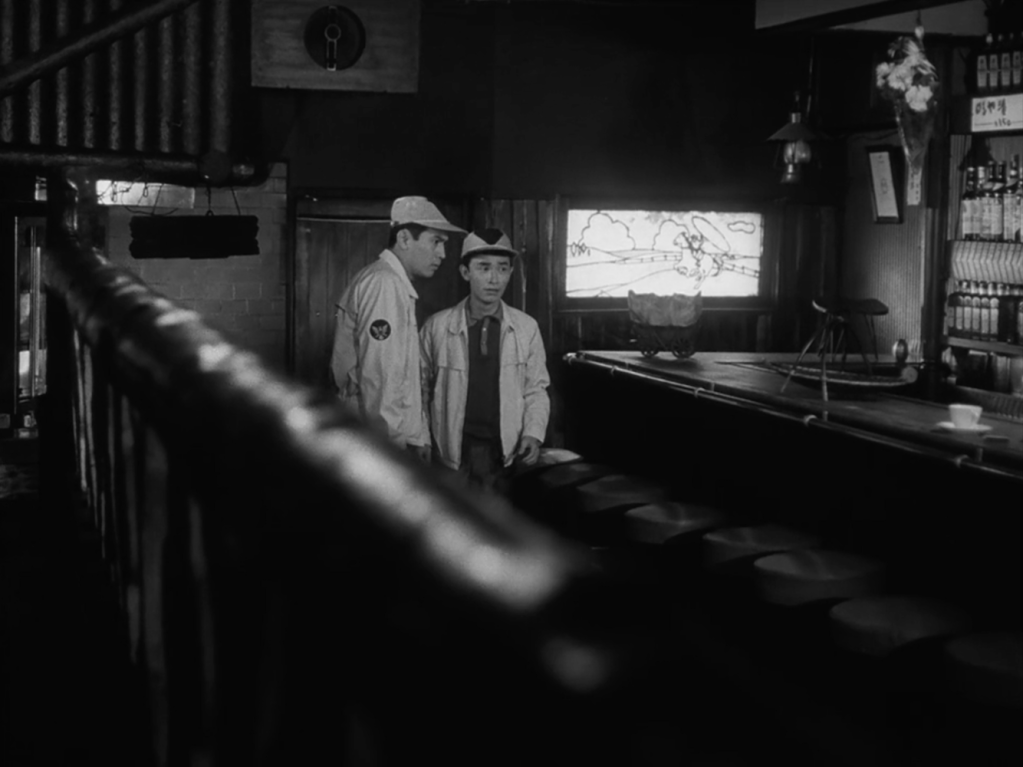
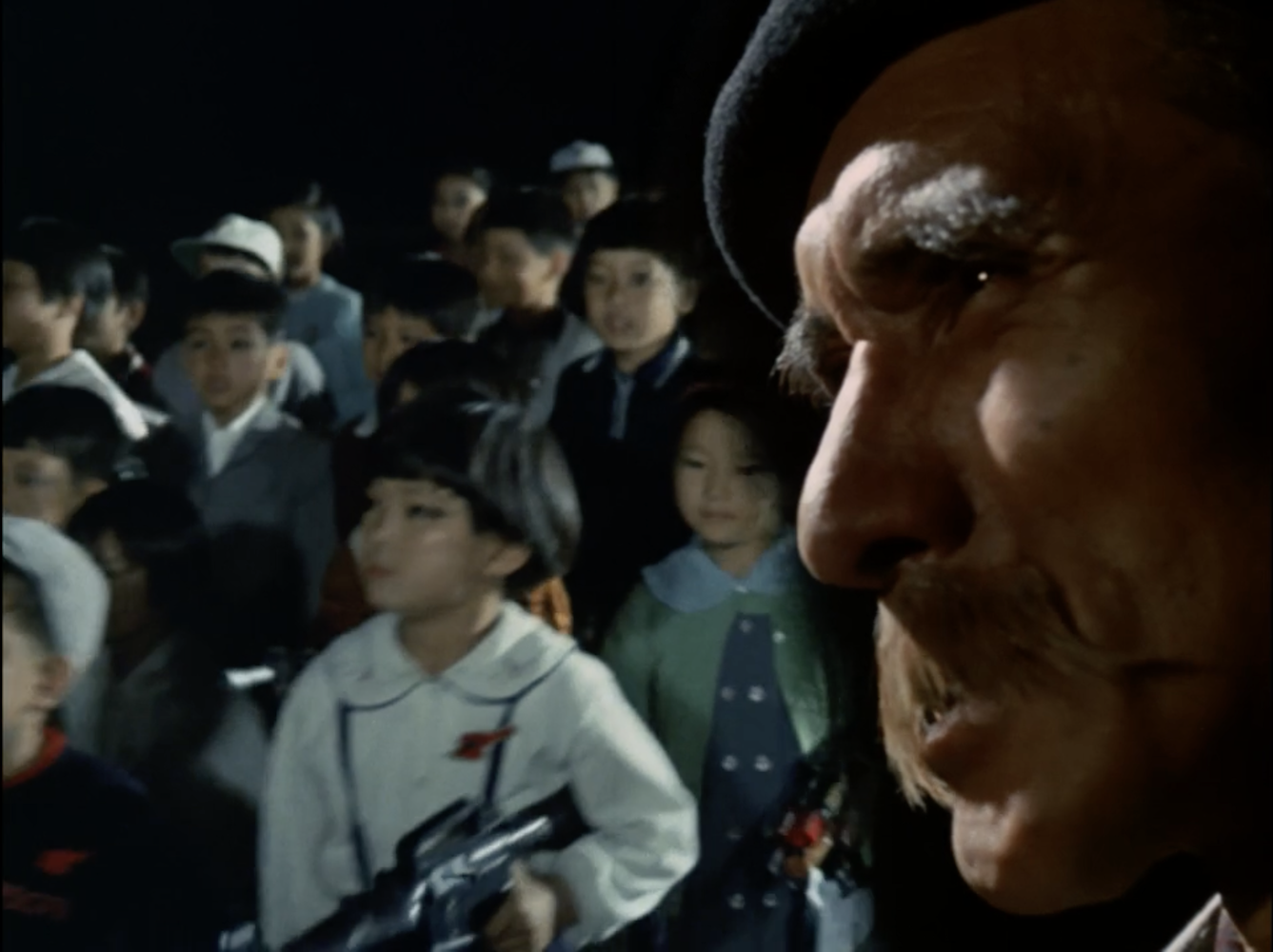
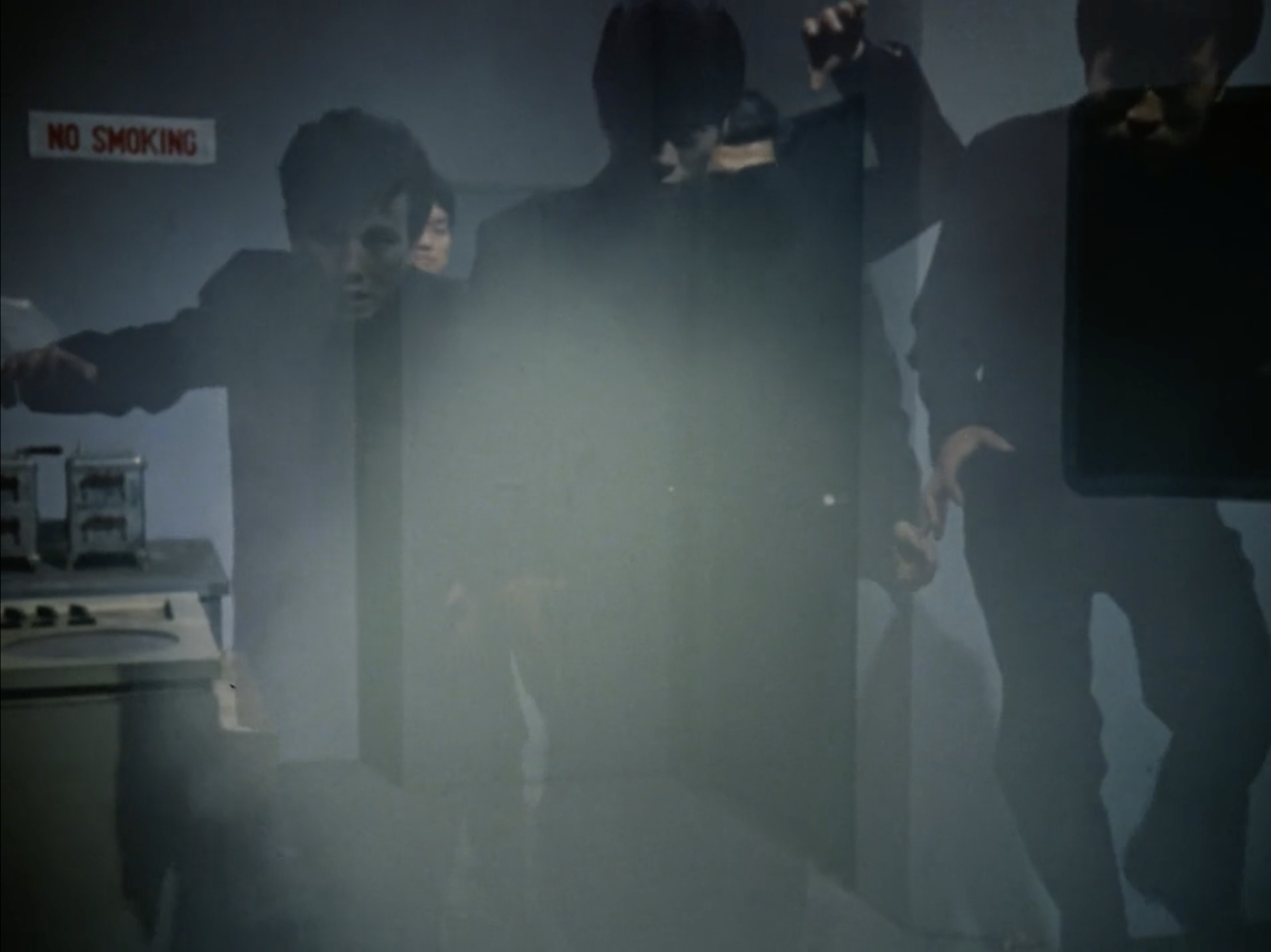
Ultraseven returns to horror with a spectral-themed story that hints at the supernatural. However, like the previous horror outing, “The Human Farm,” this episode has an odd split between its parts: low-key foreboding, claustrophobic staging, and general eeriness upfront — and then a big ol’ space shoot-‘em-up for the ending. Both parts are good at what they do, especially the ghostly first two-thirds. However, I like the promise of a fully weird horror episode about shadow creatures arising from dead bodies far too much to feel satisfied when the action switches to another battle with alien vessels. Perhaps I just miss Ultra Q too much.

Continue reading “Ultraseven Ep. 33: The Invading Dead”
Ultraman Ep. 38: Spaceship Rescue Command

Directed by Hajime Tsuburaya. Written by Shozo Uehara. Airdate April 2, 1967.

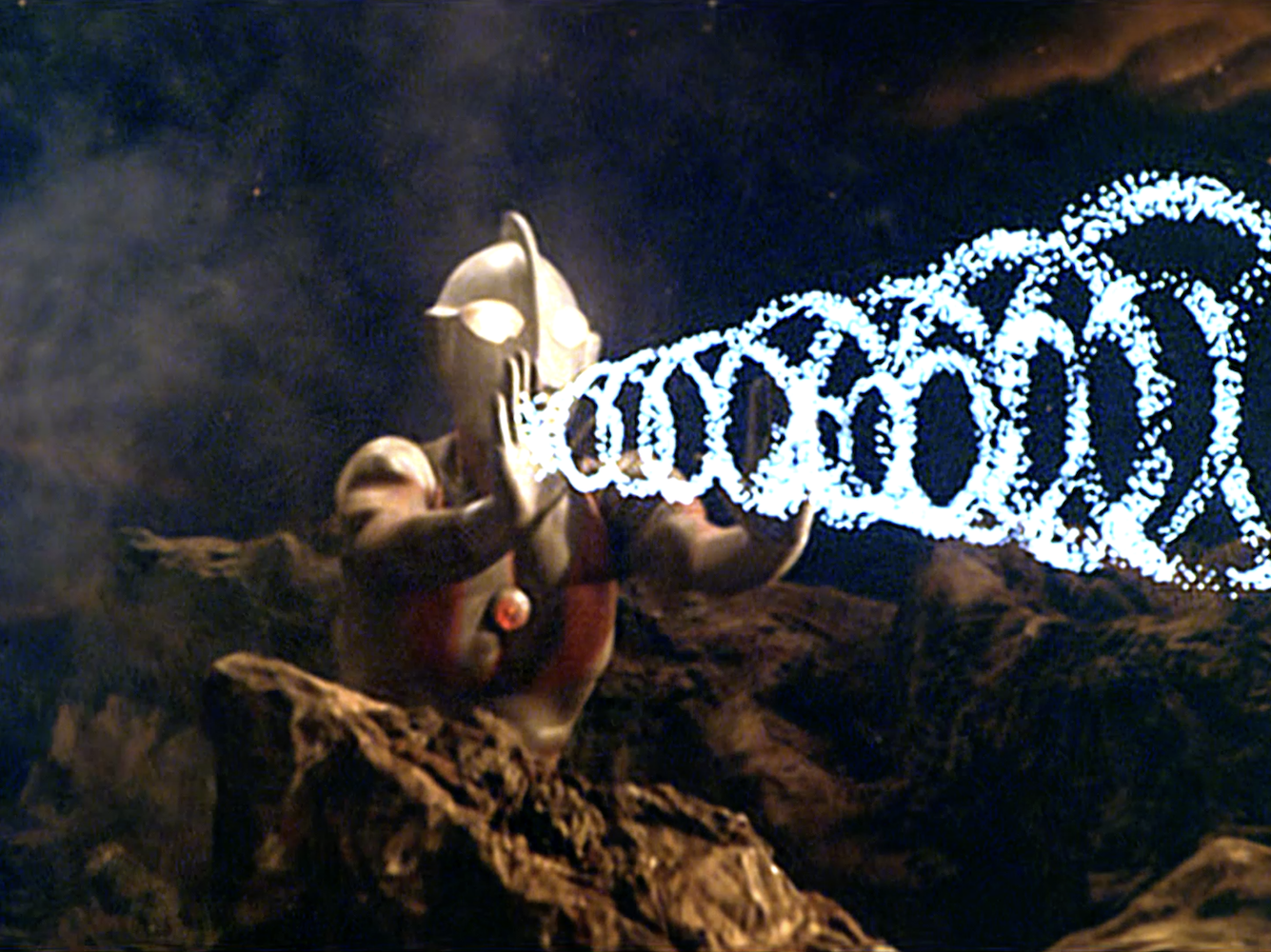
Here we are, at the penultimate episode of Ultraman, and it’s enlightening to look back at the earliest episodes for comparison. At the start of the show’s run, the network and sponsor were tight with money, which kept the visual effects limited. The Tsuburaya Pro VFX team did fine work with what they had, but early episodes like “Five Seconds Before the Explosion” and “The Secret of the Miroganda” visibly suffer from the budgetary deficiency. 

Continue reading “Ultraman Ep. 38: Spaceship Rescue Command”

Ultraseven Ep. 32: The Strolling Planet

Directed by Samaji Nonagase. Written by Masahiro Yamada and Shozo Uehara. Airdate May 12, 1968.

A mysterious object is heading toward Earth. When Dan, Furuhashi, and Amagi investigate in the Ultra Hawk 1, they discover an asteroid one kilometer in diameter that’s sending out disruptive electromagnetic waves. An energy blast from the asteroid causes the Ultra Hawk to crash, trapping the three UG members on the surface of what they discover is a time bomb targeting Terran Defense Force HQ. Unfortunately, those electromagnetic waves prevent the trio from communicating with the rest of the Ultra Guard and make it impossible for Dan to change into Ultraseven — which might come in handy since there’s also a giant monster wandering around the deadly asteroid.

Continue reading “Ultraseven Ep. 32: The Strolling Planet”

Ultraseven Ep. 31: Flower Where the Devil Dwells

Directed by Toshitsugu Suzuki. Written by Shozo Uehara. Airdate May 5, 1968.

Ultraseven takes another big swing at exploring new science fiction territory. Drawing inspiration from the 1966 film Fantastic Voyage, our hero Ultraseven reverses his usual tactics and shrinks to face a microscopic but deadly enemy within the strange battlefield of the human body. 

Continue reading “Ultraseven Ep. 31: Flower Where the Devil Dwells”

Ultraseven Ep. 28: The 700 Kilometer Run

Directed by Kazuho Mitsuta. Written by Shozo Uehara. Airdate April 14, 1968.

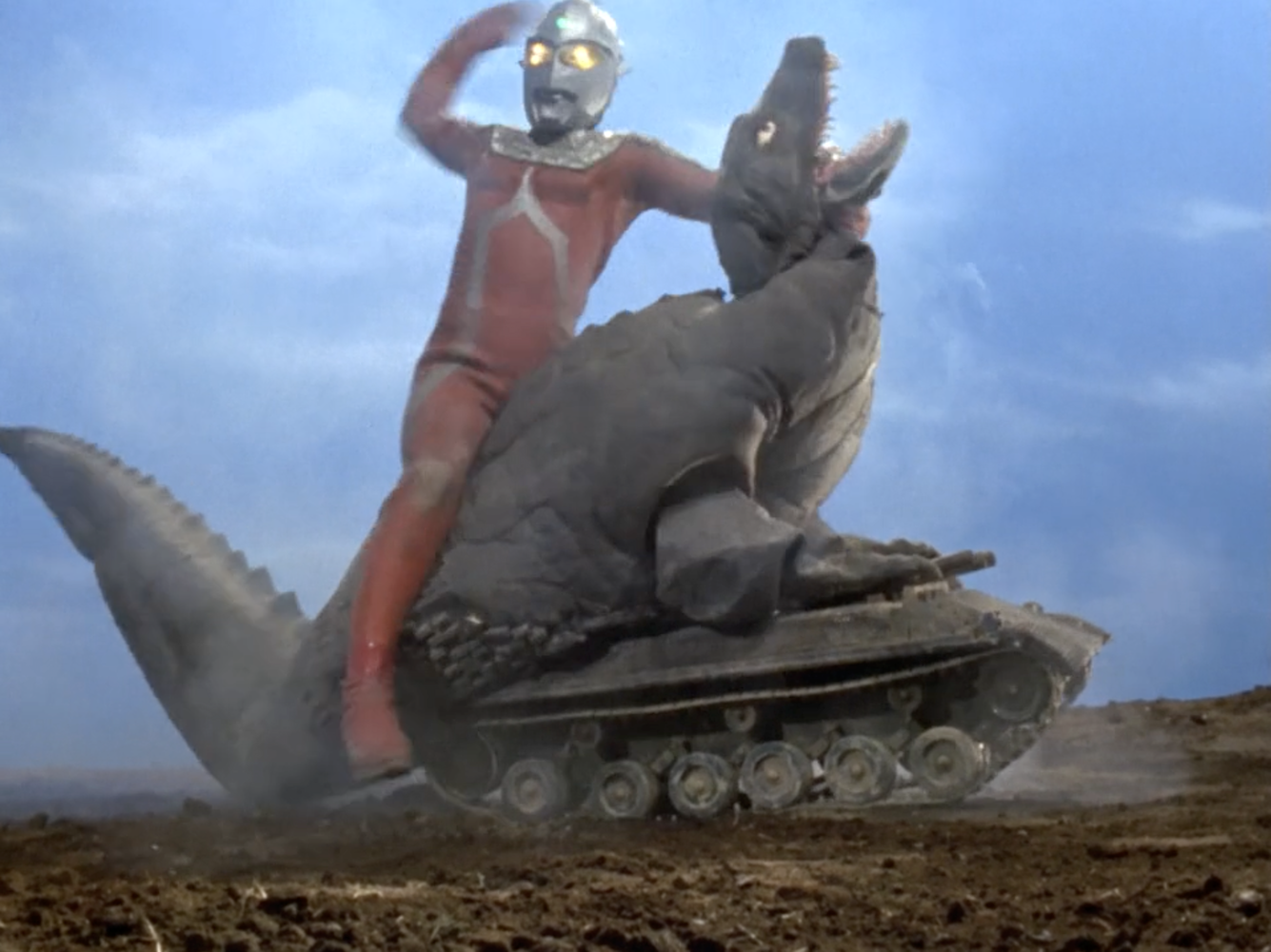
We have something special for you today, Ultra fans! My distinguished regular readers and guests, children of all ages, please direct your attention to the starting line of Day One of a 700 kilometer race. (That’s 435 miles for all my US-based readers.) I present to you … Dino Tank!

Continue reading “Ultraseven Ep. 28: The 700 Kilometer Run”

Ultraseven Ep. 23: Search for Tomorrow

Directed by Samaji Nonagase. Written by Shozo Uehara and Samaji Nonagase. Airdate March 10, 1968.

Captain Kiriyama takes center stage for an unusual episode that shows the Ultra Guard members acting as more than a stock hero team. Characterization in Ultraseven works differently than in Ultraman and other Ultra shows: scripts often downplay individuality in favor of larger science-fiction themes. It’s good to have a chance to settle in with a personal character drama like “Search for Tomorrow,” where Kiriyama reveals a side that puts him at odds with the rationalist approach of the Terran Defense Force and the Ultra Guard. It’s not a superlative action episode, but it has some crunchy ideas to chew on and a strong use of the ensemble.

Continue reading “Ultraseven Ep. 23: Search for Tomorrow”

Ultra Q Ep. 24: The Statue of Goga

Directed by Samaji Nonagase. Written by Shozo Uehara. Airdate June 12, 1966.

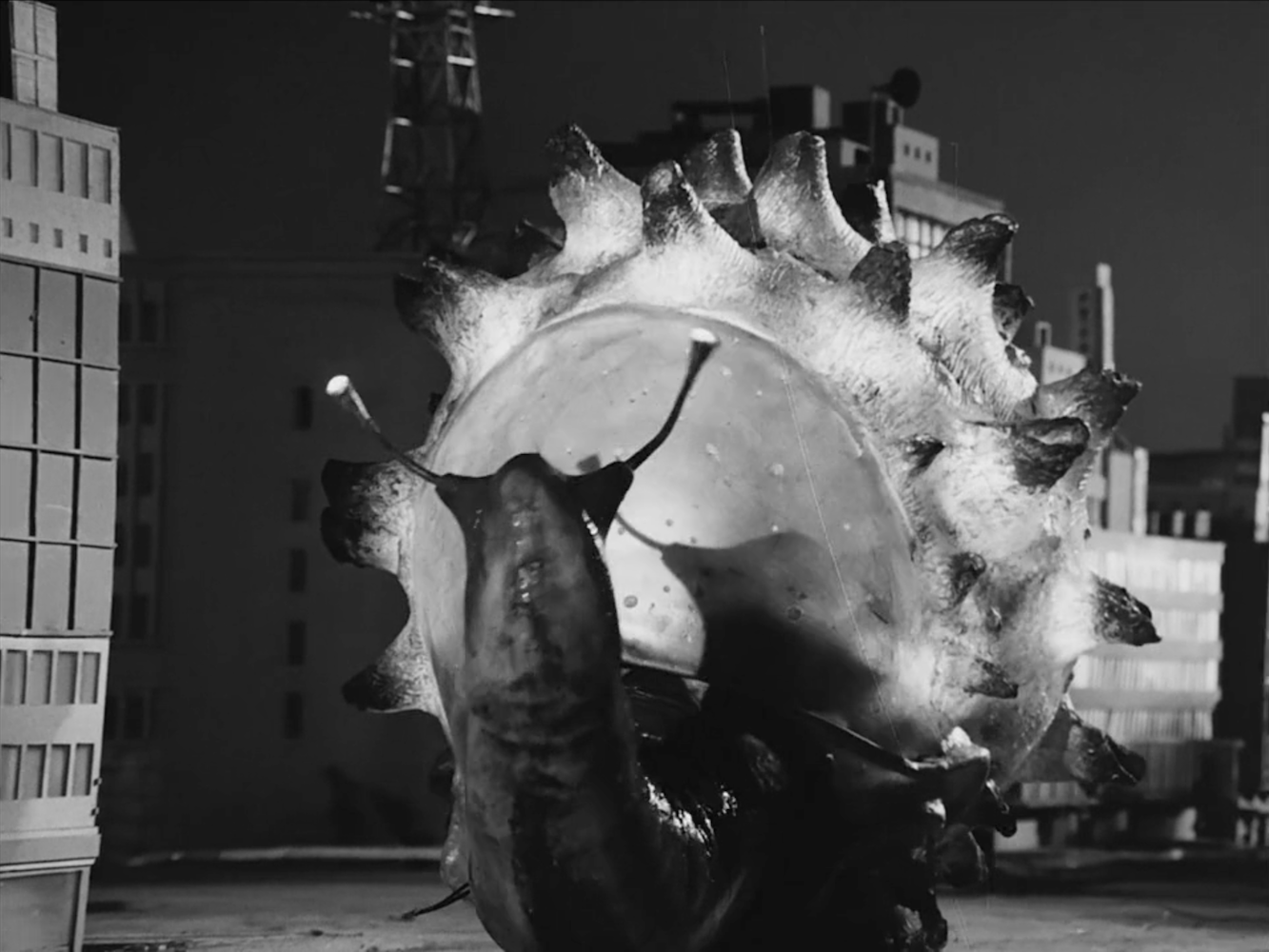
The James Bond craze has hit Japan. Time for an Ultra episode to go full espionage. The accouterments of a ‘60s spy film are all over this half hour: A wealthy villain with a hidden underground base filled with stolen artwork. Secret agents with numbered codenames who wear shades indoors. Lethal henchmen in slick suits. A swanky female spy loaded with gizmos. Wrist communication devices. Exploding cars. And, of course, a giant snail with a drill attachment. Well, this is Ultra Q, after all. 

Continue reading “Ultra Q Ep. 24: The Statue of Goga”

Ultraseven Ep. 17: Underground Go! Go! Go!

Directed by Hajime Tsuburaya. Written by Shozo Uehara. Airdate Jan. 28, 1968.

The standard procedure for Ultra warriors who come to Earth is to merge with a human host, a precedent set in Ultraman and followed throughout most of the shows. Ultraseven is one of the exceptions (Ultraman Leo is another), where the Ultra warrior chooses to adopt a human form and remain 100% alien. But how does an Ultra who takes this route decide on their human “costume”? This episode addresses that question, making it an essential watch for the lore of the show.

Continue reading “Ultraseven Ep. 17: Underground Go! Go! Go!”

Ultra Q Ep. 21: Space Directive M774

Directed by Kazuho Mitsuta. Written by Shozo Uehara. Airdate May 22, 1966.

This is Shozo Uehara’s debut as a writer for the Ultra franchise. His work is sparse for Ultra Q and Ultraman, although he penned the stone-cold classic Ultraman episode “The Monster Anarchy Zone.” It was later on Ultraseven and then as head writer on Return of Ultraman that he’d emerge as one of the most prolific and imaginative members of Tsuburaya Pro’s writing stable. 

Continue reading “Ultra Q Ep. 21: Space Directive M774”

Ultraseven Ep. 9: Operation Android Zero

Directed by Kazuho Mitsuta. Written by Shozo Uehara. Airdate Nov. 36, 1967.

A small-scale episode, but that doesn’t mean it isn’t exciting. The devious alien of the week may not have a plan that will conquer the world — although he believes it will — but it’s a vile plan with disturbing relevance to the current day. All the action remains at human size with no giant monsters and no super-sized Ultraseven, but it’s superbly staged, paced, and shot. At times, it feels like a live-action version of a Batman: The Animated Series episode where Batman has to take down a villain who builds children’s toys that are actually lethal devices. 

Continue reading “Ultraseven Ep. 9: Operation Android Zero”