Toku Theater: Gamera vs. Gyaos (1967)

Directed by Noriaki Yuasa. Written by Niisan Takahashi.

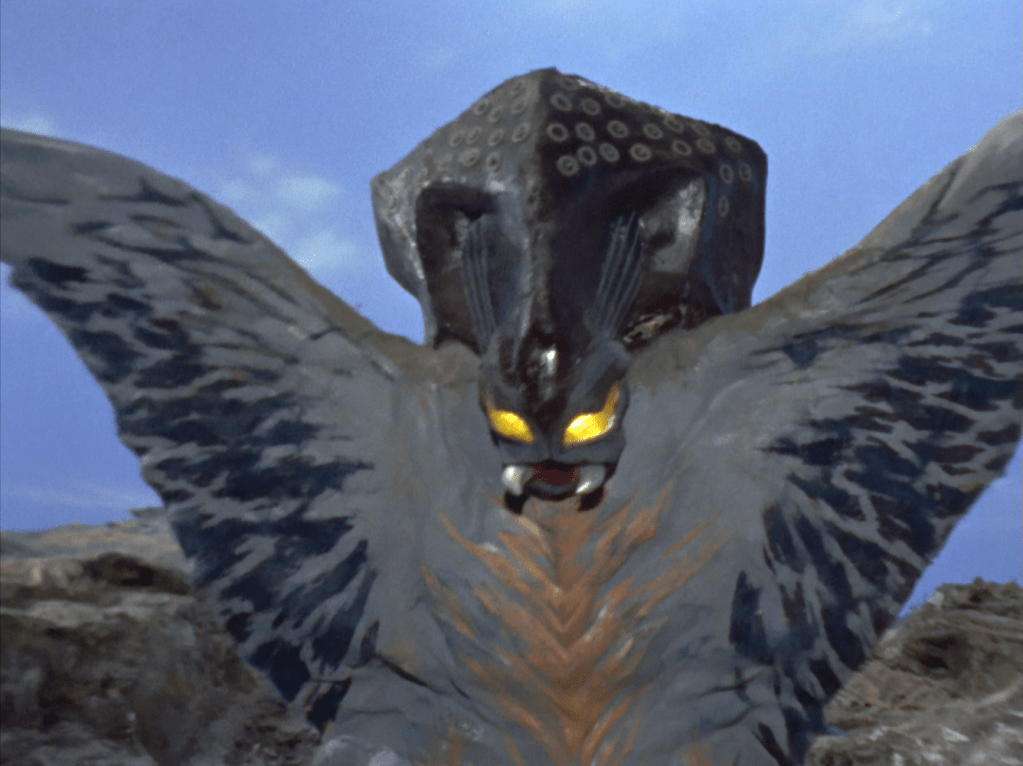
After two bland movies, the Gamera series at last discovers its niche and breaks out the good rubber-suited monster times. 

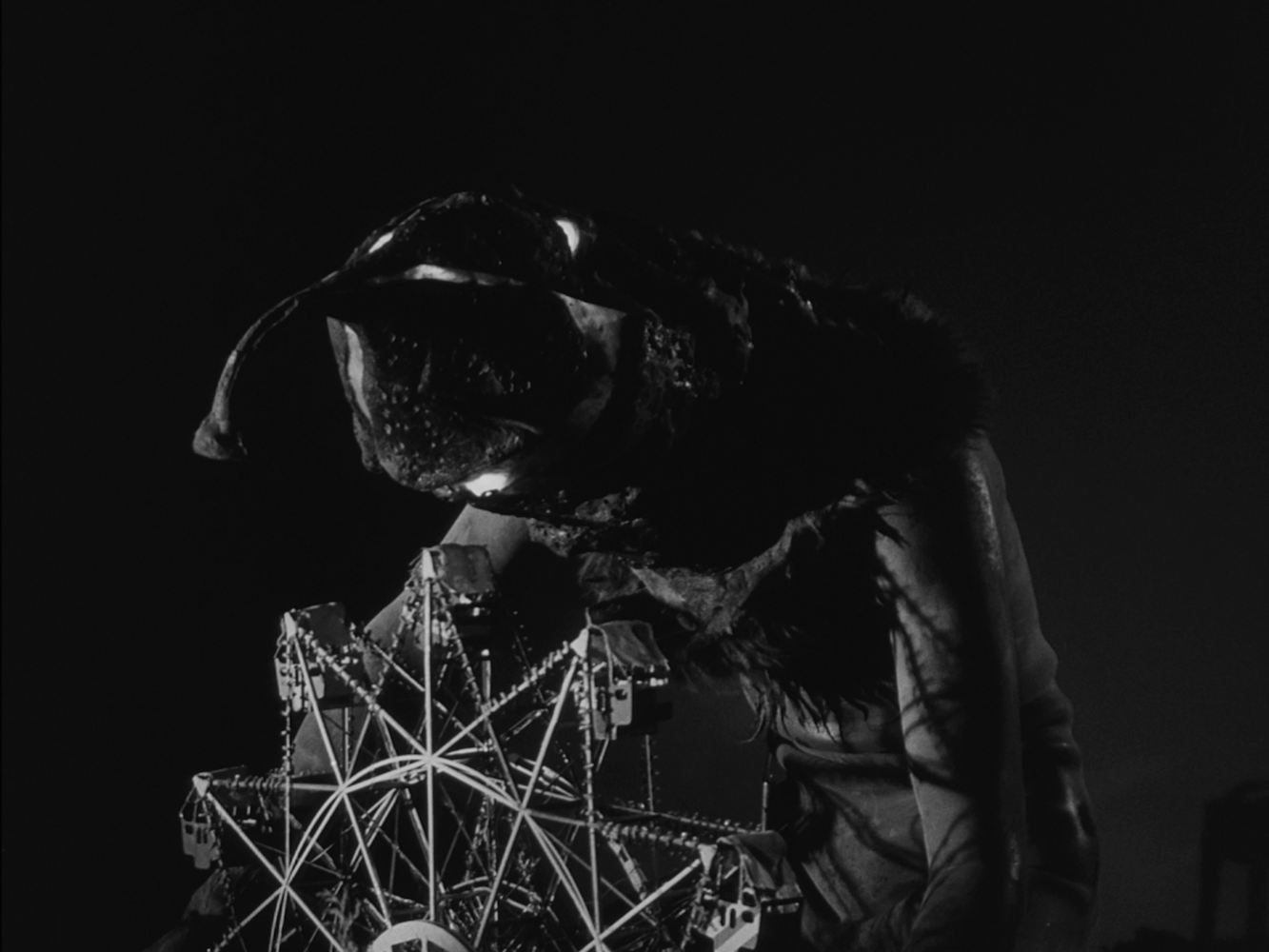
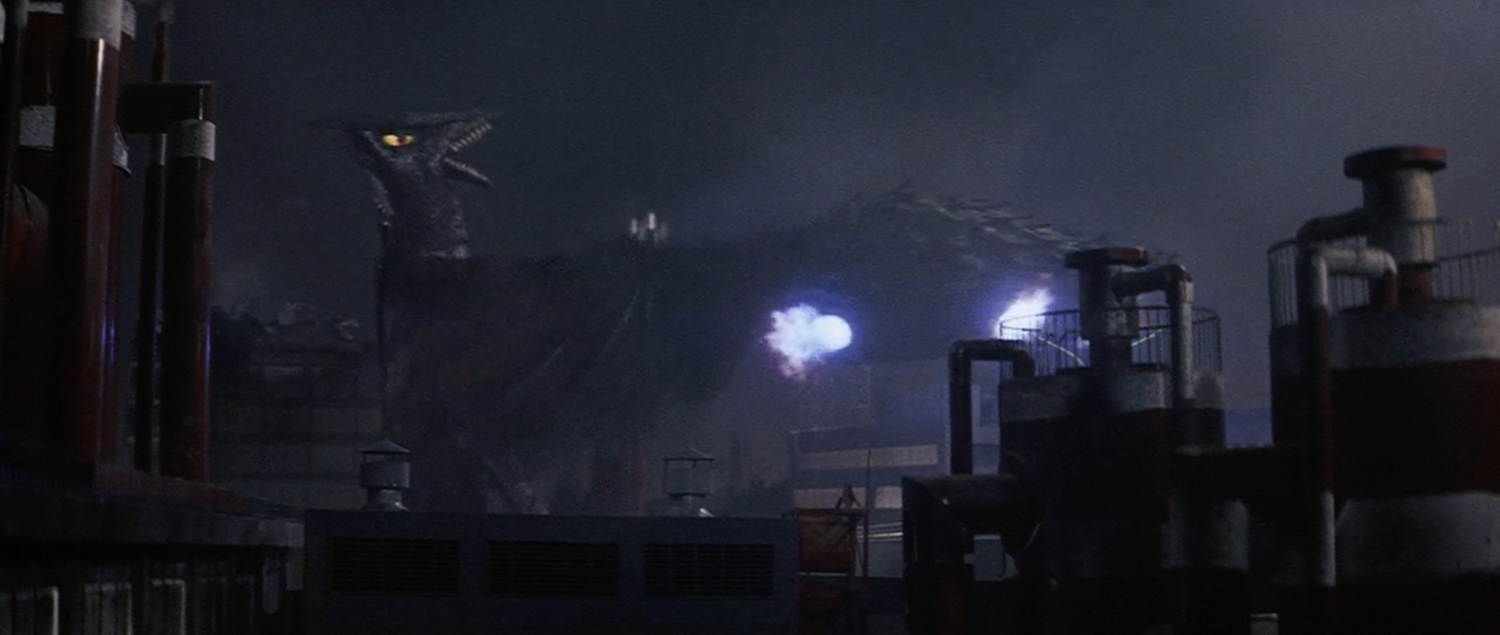
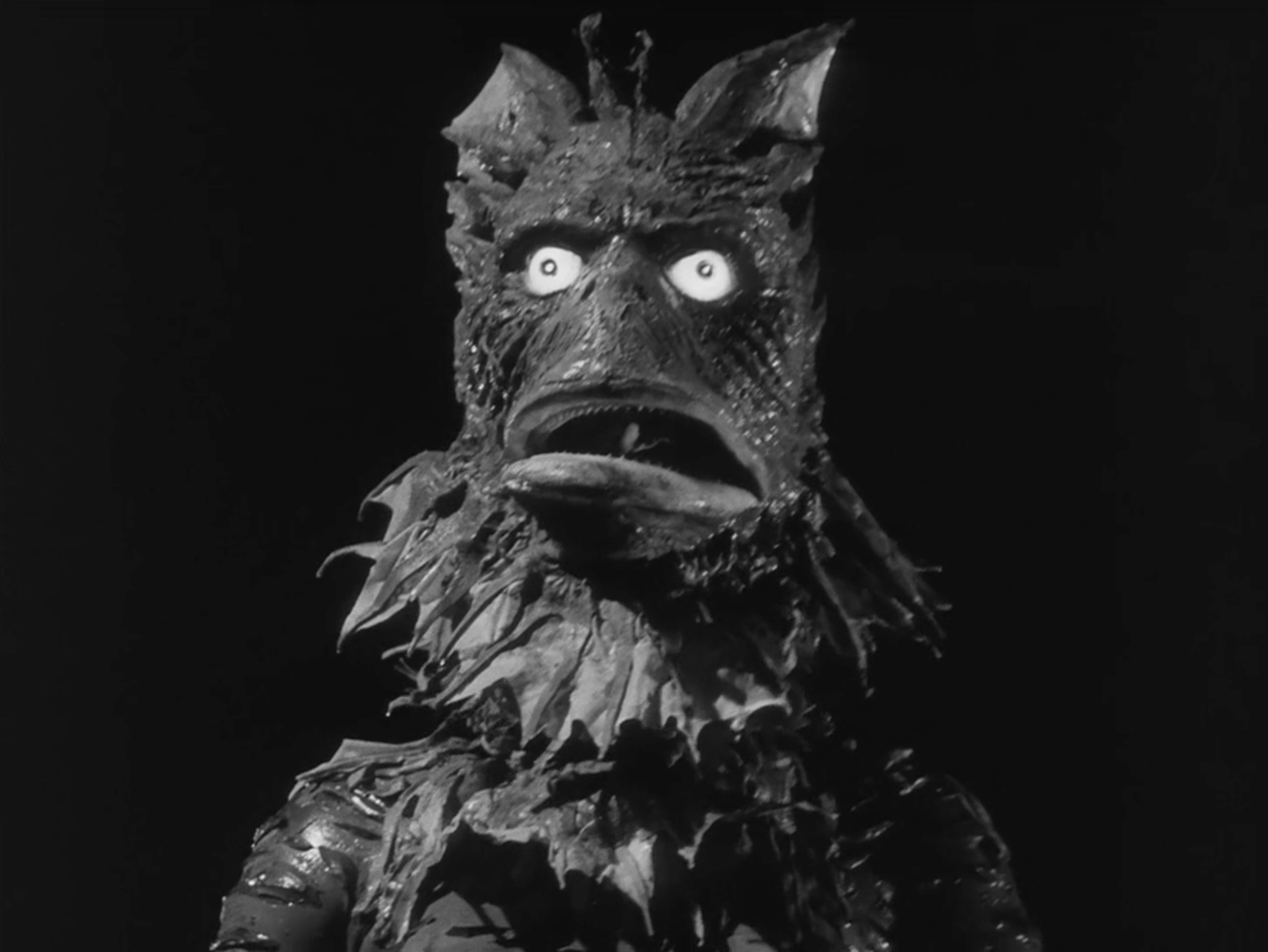
Fans generally consider Gamera vs. Gyaos the best movie of the series. I won’t argue with that. The pacing, the monster battles, the cast, the blend of the human story with the big beastie action … it all comes together for an entertaining monster vs. monster show, and one of the best kaiju films of the Showa Era outside of Toho Studios’ output.

Continue reading “Toku Theater: Gamera vs. Gyaos (1967)”

Ultraseven Ep. 13: The Man Who Came From V3

Directed by Toshitsugu Suzuki. Written by Shinichi Ichikawa. Airdate Dec. 24, 1967.

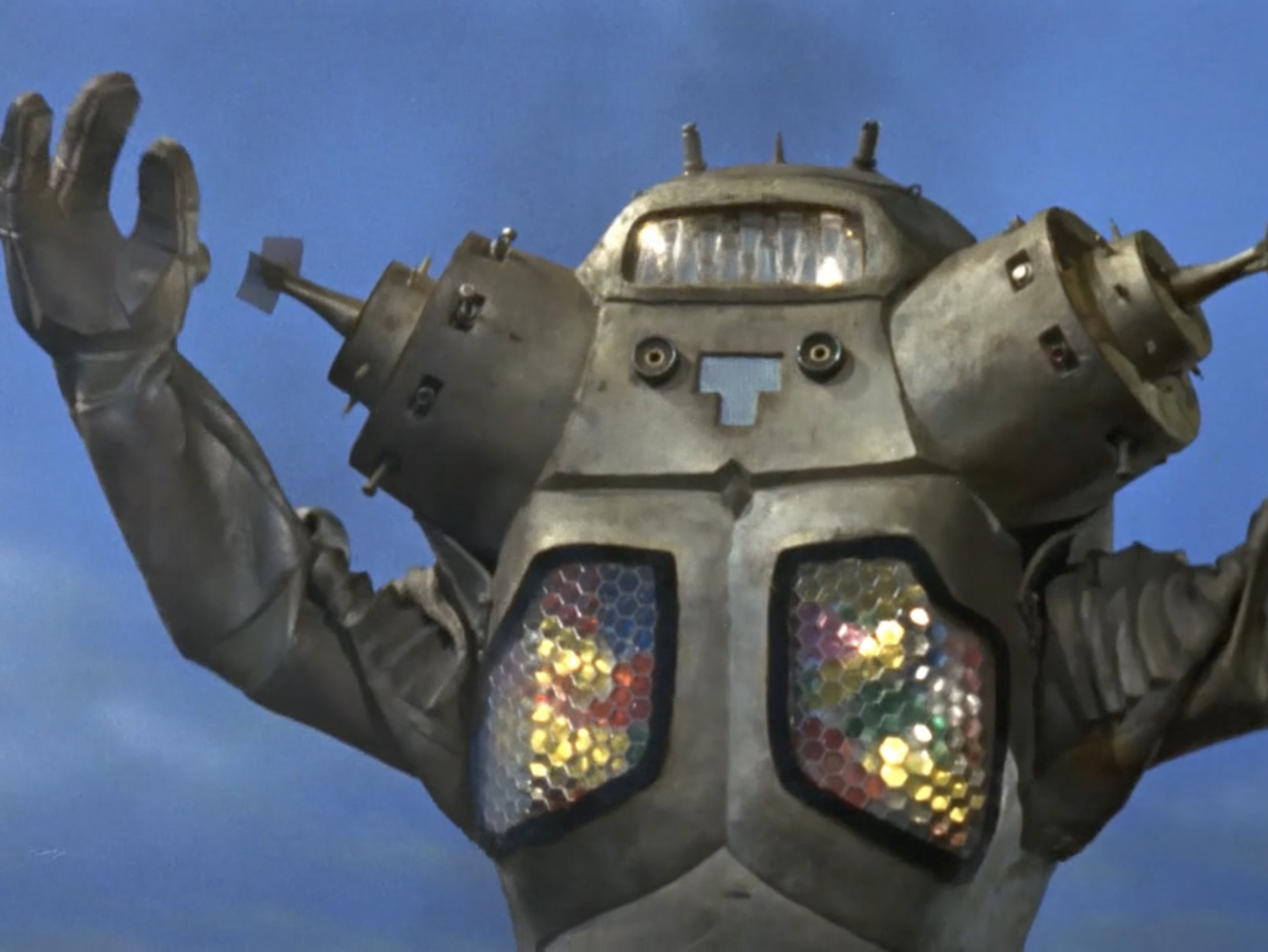
“The Man Who Came From V3” feels like Tsuburaya Productions attempting an even split between a character-driven drama about Cap. Kiriyama facing an ethical dilemma and a huge science-fiction blow-out that crams in the maximum amount of dueling ships and giant monster action that a half-hour of TV can hold. But somewhere in the process of writing and shooting the episode, the character half gave up and let the VFX half spin donuts all over everything.

Continue reading “Ultraseven Ep. 13: The Man Who Came From V3”

Ultra Q Ep. 18: The Rainbow’s Egg

Directed by Toshihiro Iijima. Written by Masahiro Yamada. Airdate May 1, 1966.

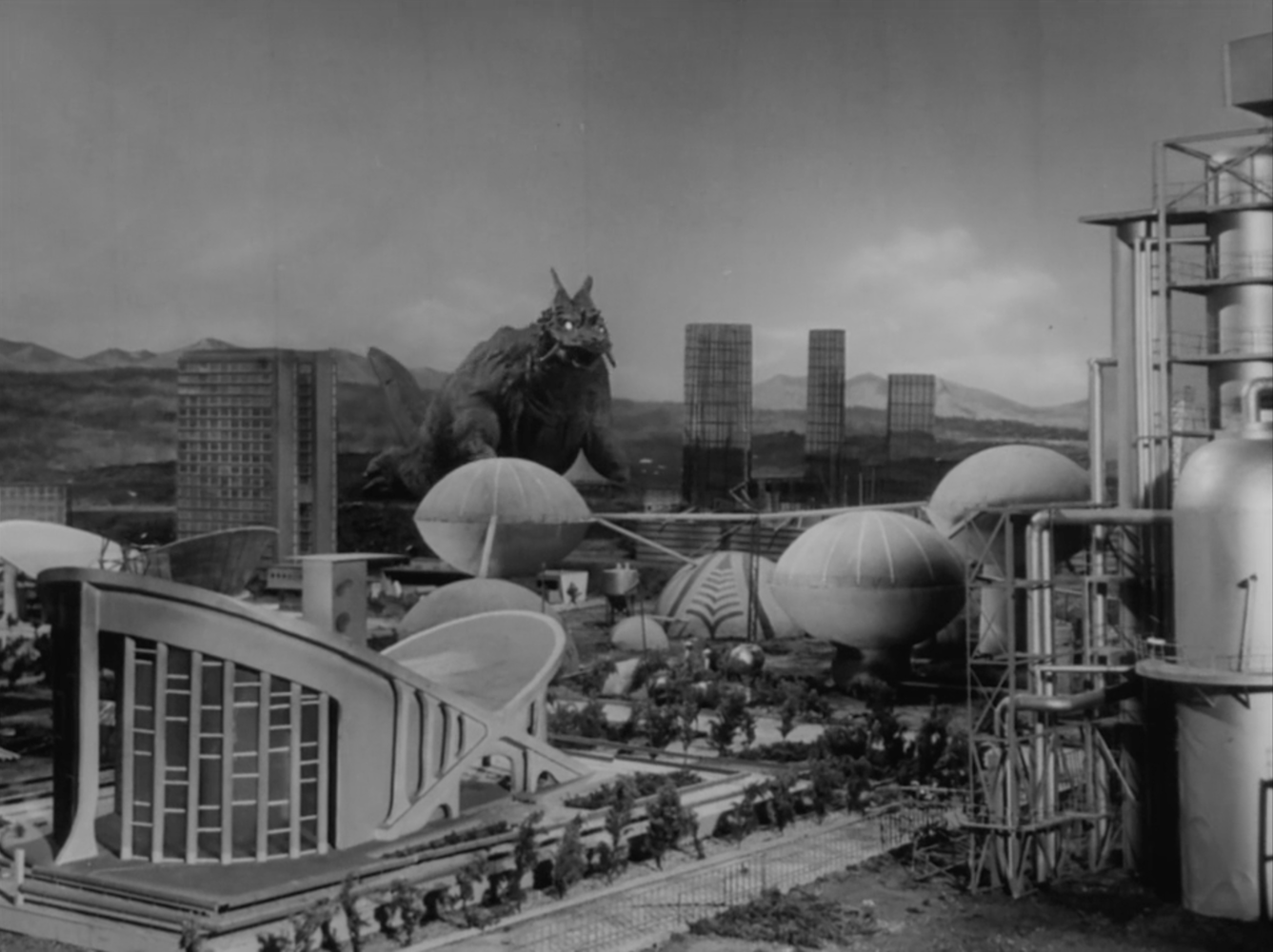
Once upon a time, there was a giant monster movie called Frankenstein vs. Baragon (first released in the US as Frankenstein Conquers the World). Eiji Tsuburaya designed the quadruped kaiju Baragon for the film. Baragon then had a brief but busy career playing other monsters in Tsuburarya’s TV shows. The costume underwent four different redesigns through 1965–66 to help save money on building monster suits. Baragon made its makeover debut in “The Rainbow’s Egg,” where it plays the kaiju Pagos.

Continue reading “Ultra Q Ep. 18: The Rainbow’s Egg”

Ultraman Ep. 16: Science Patrol Into Space

Directed by Toshihiro Iijima. Written by Kitao Senzoku. Airdate Oct. 30, 1966.

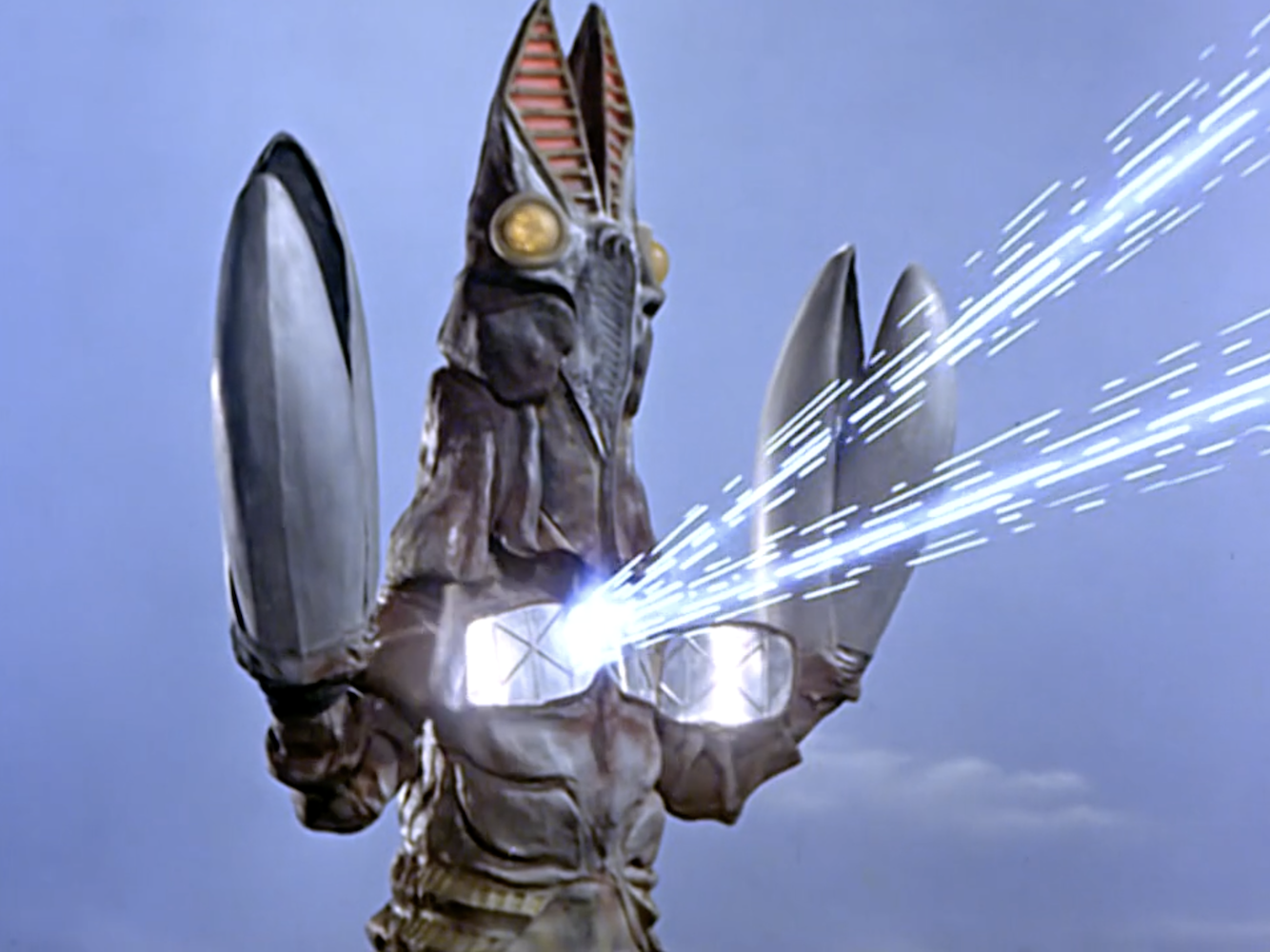
Alien Baltan is back after Ultraman attempted to genocide their entire race in “Shoot the Invader!” They want another crack at Planet Earth. Lucky for them, the Tsuburaya Pro team apparently wanted another crack at a big VFX finale with their signature alien villains. The special effects climax of “Shoot the Invader!” was its weakest part, likely a result of it being the first episode put into production. “Science Patrol Into Space” is a small upgrade over what was a pretty solid early episode: it loses some of the mystery and mood but goes full-force as a science-fiction actioner with ambitious special effects.

Continue reading “Ultraman Ep. 16: Science Patrol Into Space”

Ultraseven Ep. 12: From Another Planet With Love

Directed by Akio Jissoji. Written by Mamoru Sasaki. Airdate Dec. 17, 1967.

This is the famous withdrawn Ultraseven episode. You won’t find it on any of the video releases, nor will you see it on the airwaves. It’s sometimes called the “banned” or “censored” episode, but that implies an external agency has kept it from being seen. Tsuburaya Productions itself removed the episode from public availability in the 1970s, and it seems unlikely the situation will change in the near future.

Continue reading “Ultraseven Ep. 12: From Another Planet With Love”

Ultra Q Ep. 17: The ⅛ Project

Directed by Hajime Tsuburaya. Written by Tetsuo Kinjo. Airdate April 24, 1966.

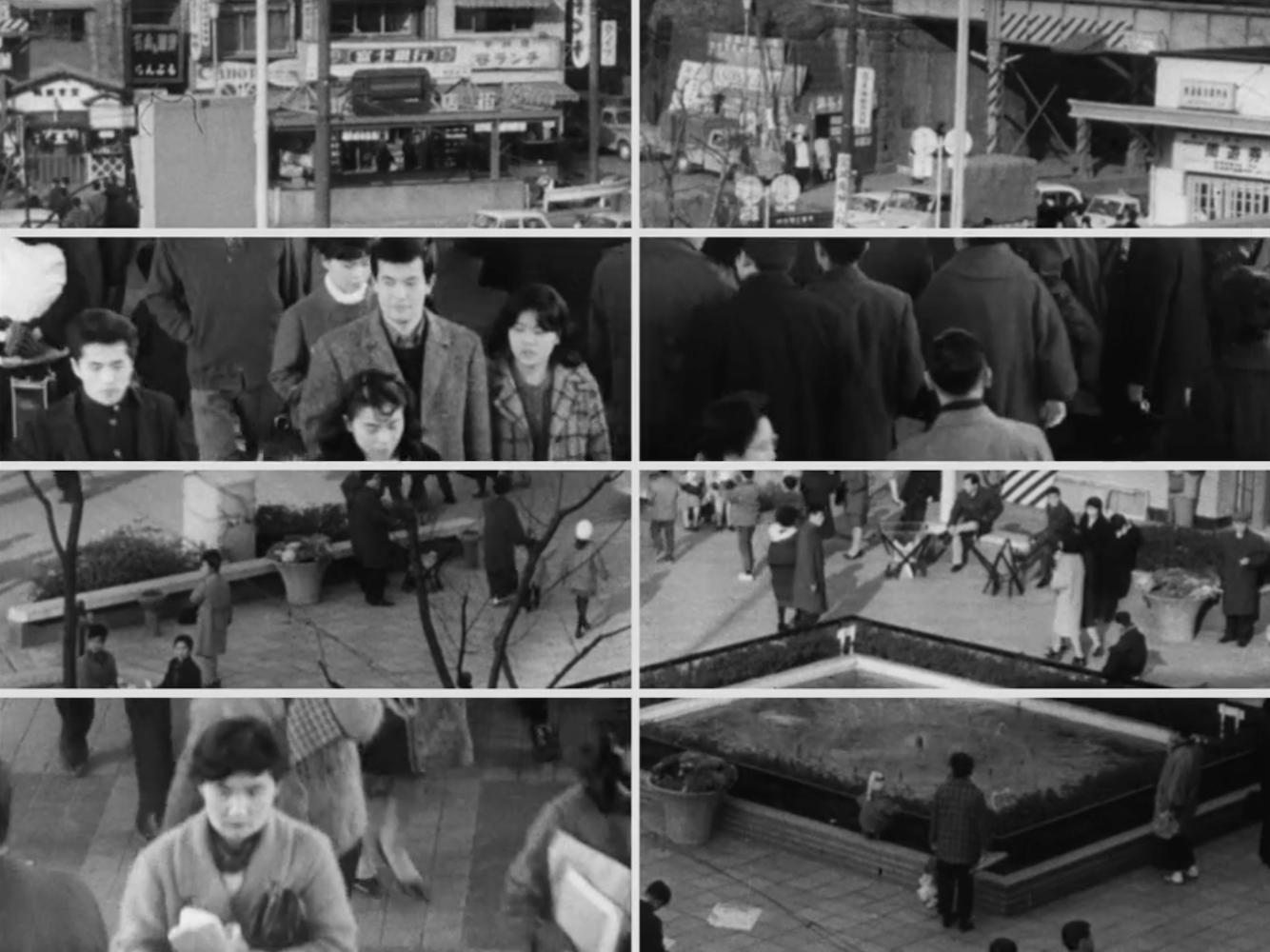
I’m guilty of calling Ultra Q “the Japanese Twilight Zone” or “Twilight Zone with Godzilla monsters,” even though I know that’s a superficial description that doesn’t capture the different sensibilities of creators Rod Serling and Eiji Tsubaraya. But The Twilight Zone was an influence on Ultra Q, and head writer Tetsuo Kinjo had an affinity for many of Serling’s favorite themes: using science fiction for social commentary and telling stories seen through the eyes of outsiders who are out of step with reality. In both ways, Kinjo’s “The ⅛ Project” is the most Twilight Zone-like episode of Ultra Q — and it still finds a way to include the concept of giant monsters in clever meta-commentary.

Continue reading “Ultra Q Ep. 17: The ⅛ Project”

Toku Theater: Latitude Zero (1969)

Directed by Ishiro Honda. Written by Ted Sherdeman and Shinichi Sekizawa. Starring Joseph Cotten, César Romero, Richard Jaeckel, Akira Takarada, Patricia Medina.

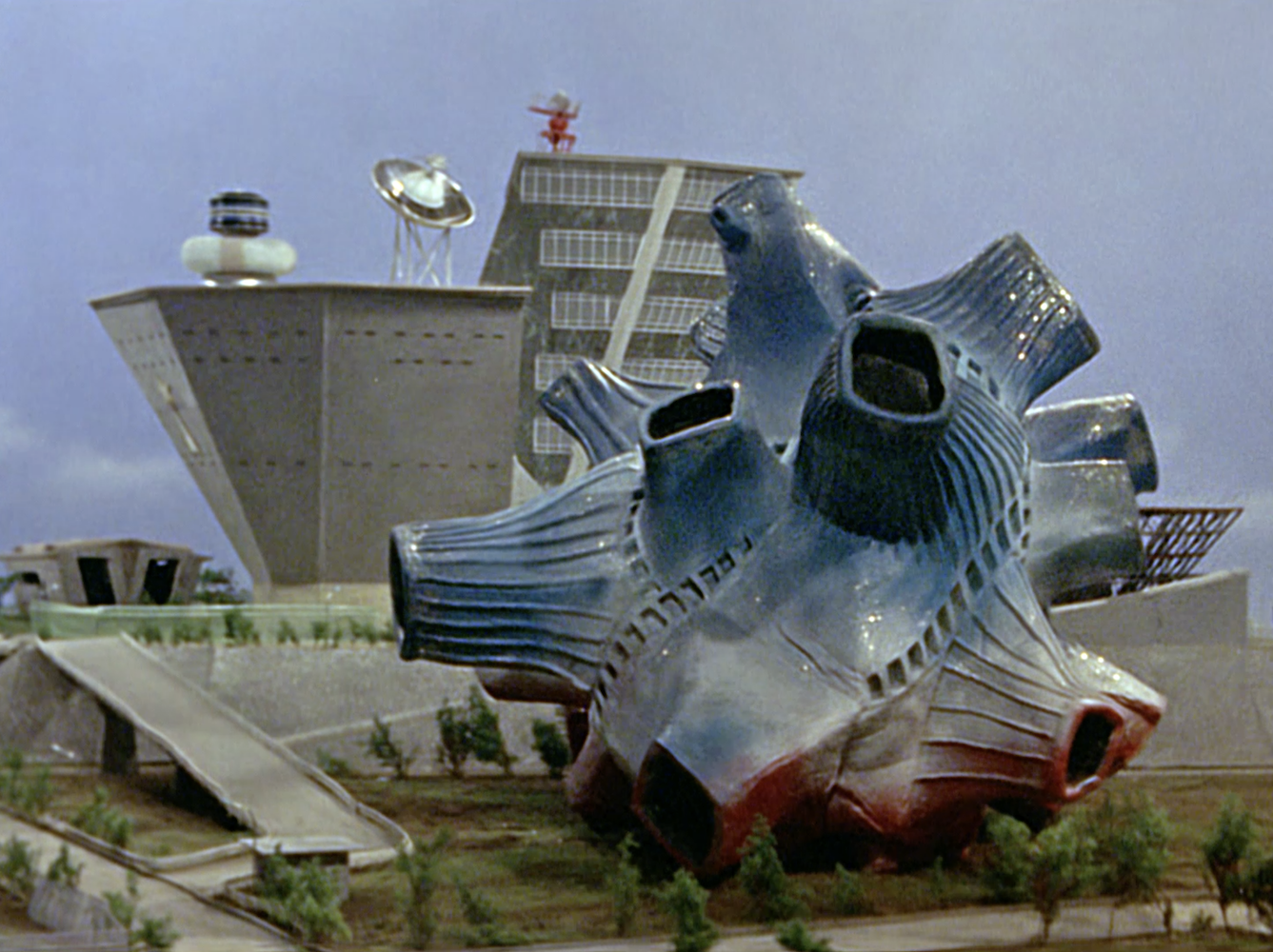
Latitude Zero is best known as the last science-fiction film that special effects wizard Eiji Tsuburaya worked on before his death. As final bows for a VFX artist go, it’s quite the spectacle: a science-fantasy epic with super-submarine duels, an underwater utopian city, giant rats and bats, a winged lion, laser-firing gloves, jet packs, massive pyrotechnics that blow up entire islands, and large matte painting vistas. Most of the effects are fantastic, and there are so many of them. The film is wall-to-wall with Tsuburaya’s trademark style. 

Continue reading “Toku Theater: Latitude Zero (1969)”

Ultraman Ep. 15: Terrifying Cosmic Rays

Directed by Akio Jissoji. Written by Mamoru Sasaki. Airdate Oct. 23, 1966.

Akio Jissoji returns with a fantastic episode that goes to a stranger place than his first, “The Pearl Defense Directive.” It’s another humorous outing, with similarities to “The Rascal From Outer Space.” Both feature enigmatic alien forces that cause comical monsters to materialize. But “Two-Dimensional Kaiju Gavadon” is a different type of comedy kaiju than the bratty Gango. Gavadon a lazy monster. Or maybe it’s just too peaceful. 

Continue reading “Ultraman Ep. 15: Terrifying Cosmic Rays”

Ultraseven Ep. 11: Fly to Devil Mountain

Directed by Kazuho Mitsuta. Written by Tetsuo Kinjo. Airdate Dec. 10, 1967.

Captain Kiriyama sends the Ultra Guard to investigate a series of unexplained deaths, mostly of young vacationers, around Mount Iwami. While Dan and Soga are scouting the area, the alien raygun used on the victims zaps Dan, apparently killing him. We know Dan isn’t really dead — he’s the lead of the show, after all — but this opening immediately moves the episode into new territory. The series protagonist is out of the action, and the Ultra Guard has to figure out what happened without him until the finale, when we know that Dan turns into Ultraseven and squares off against the alien menace.

Continue reading “Ultraseven Ep. 11: Fly to Devil Mountain”

Ultra Q Ep. 16: Garamon Strikes Back

Directed by Samaji Nonagase. Written by Tetsuo Kinjo. Airdate April 17, 1966.

At this point in the timeline of the Ultra universe, the people of Tokyo have got to be fairly terrified, right? In the past few months, their city has almost been destroyed by 1) a humongous alien floating blob that nearly drained all of Tokyo’s energy; 2) a giant penguin-walrus thingy that brought along its own Ice Age; and now 3) multiple alien constructs half the size of Tokyo Tower that look like frazzled Pokémon characters with skeletal hands and legs. 

Continue reading “Ultra Q Ep. 16: Garamon Strikes Back”