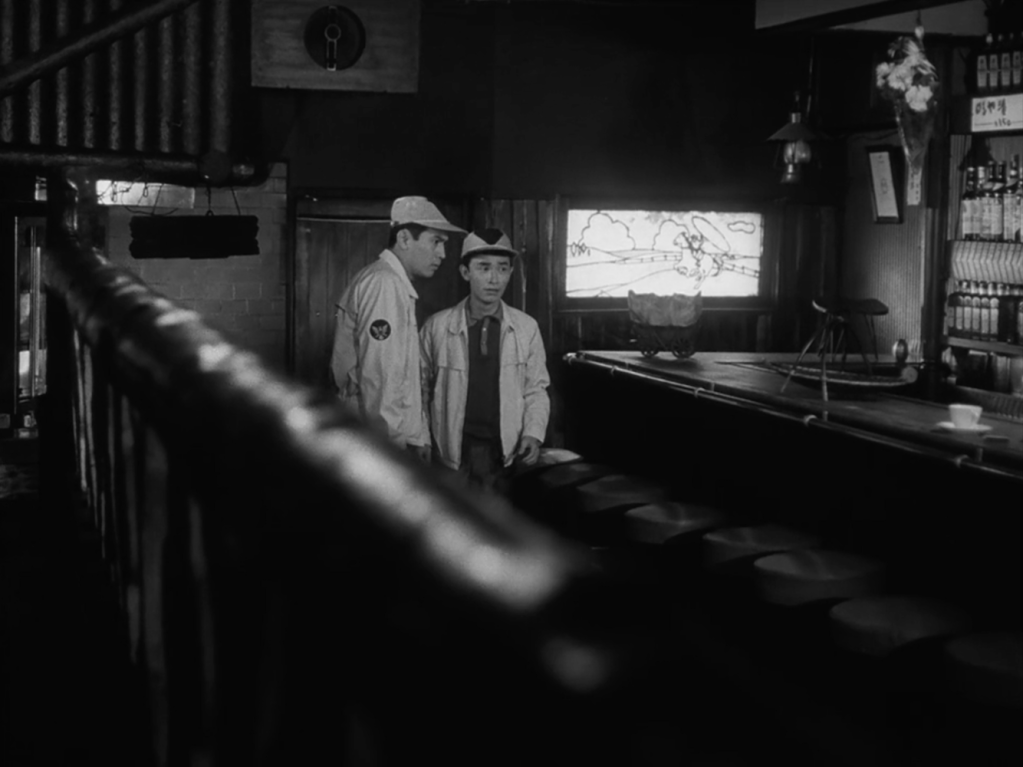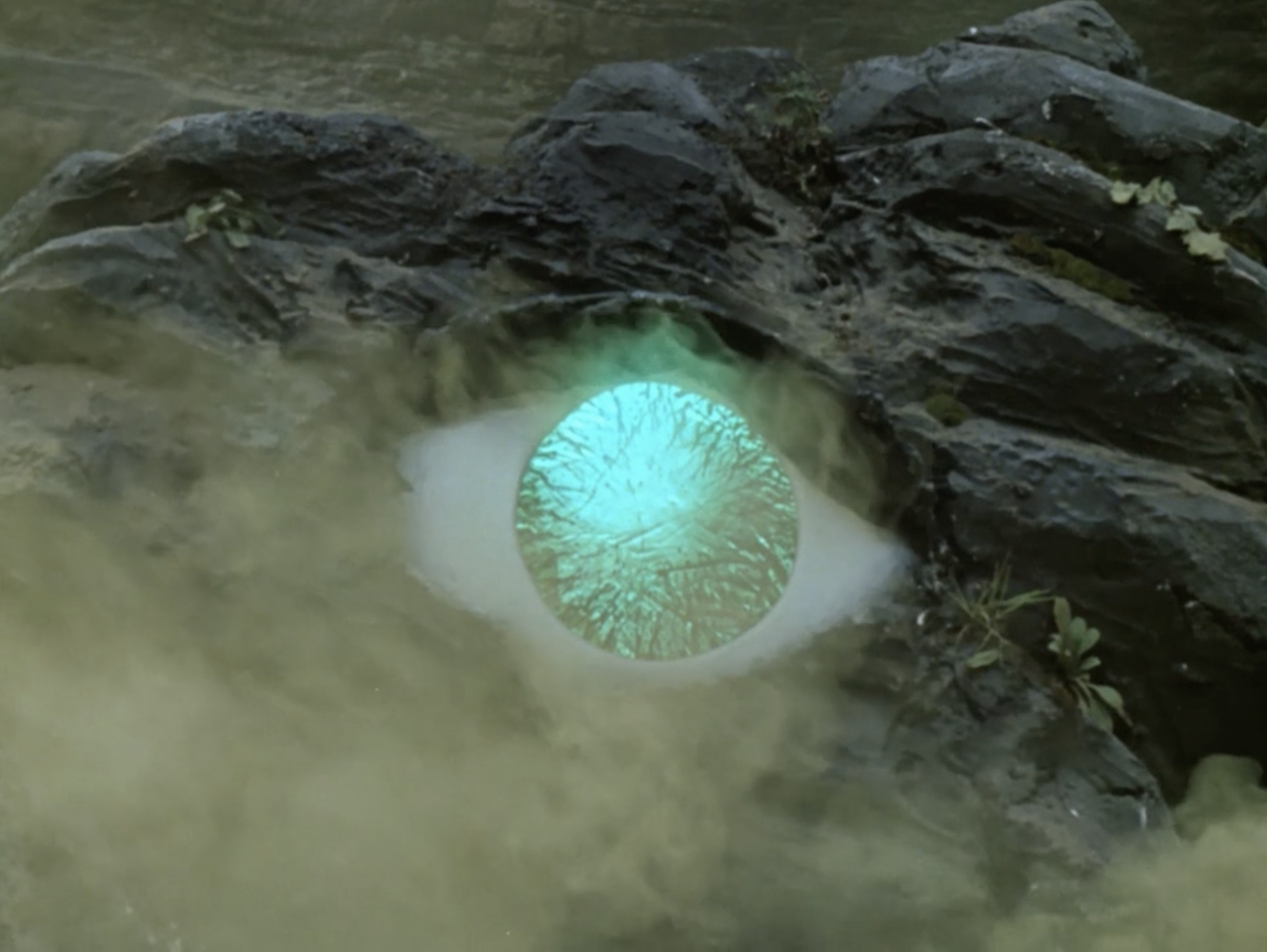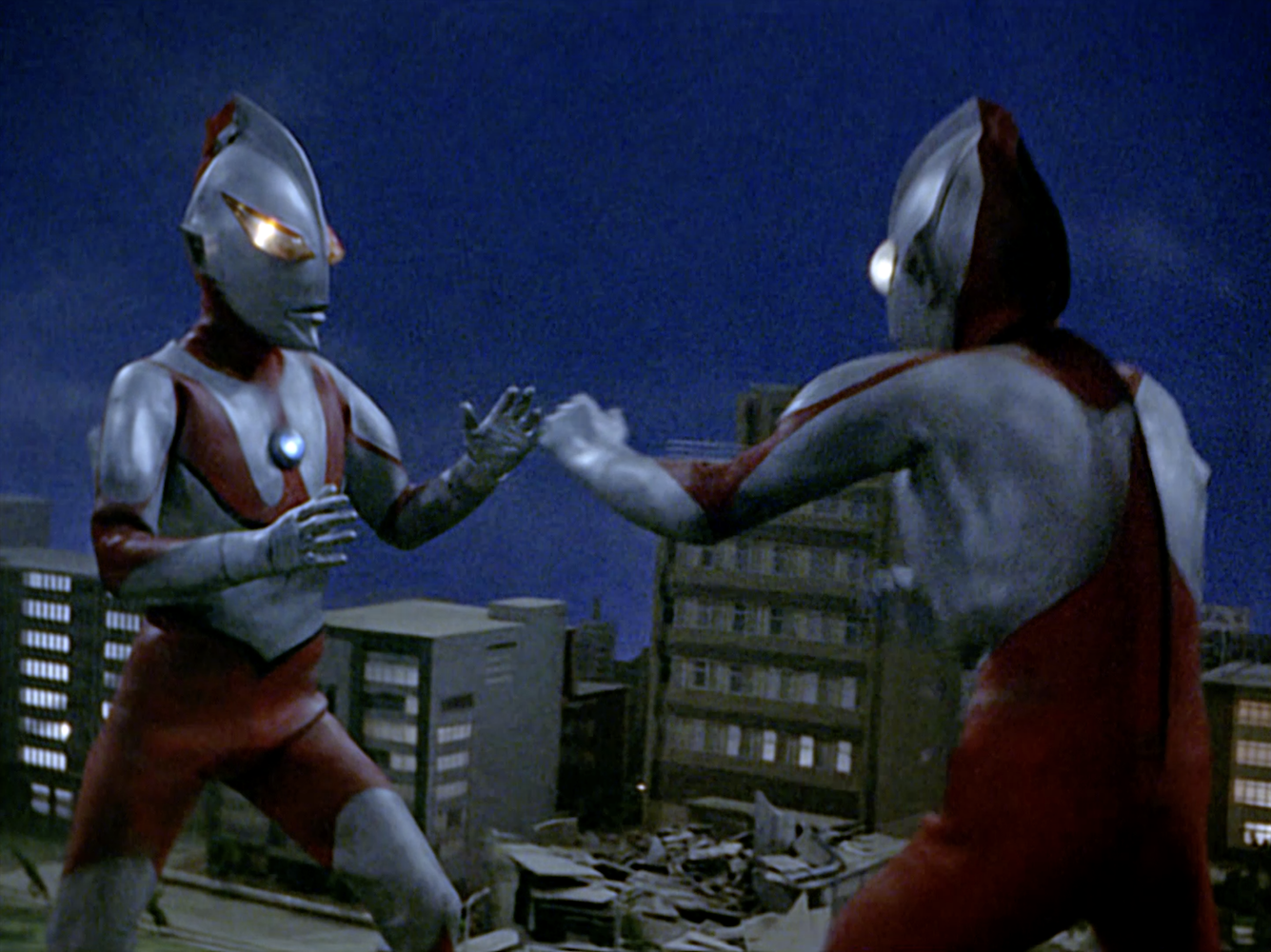
Ultraseven Ep. 18: Escape Dimension X

Directed by Hajime Tsuburaya. Written by Testuo Kinjo. Airdate Feb. 4, 1968.

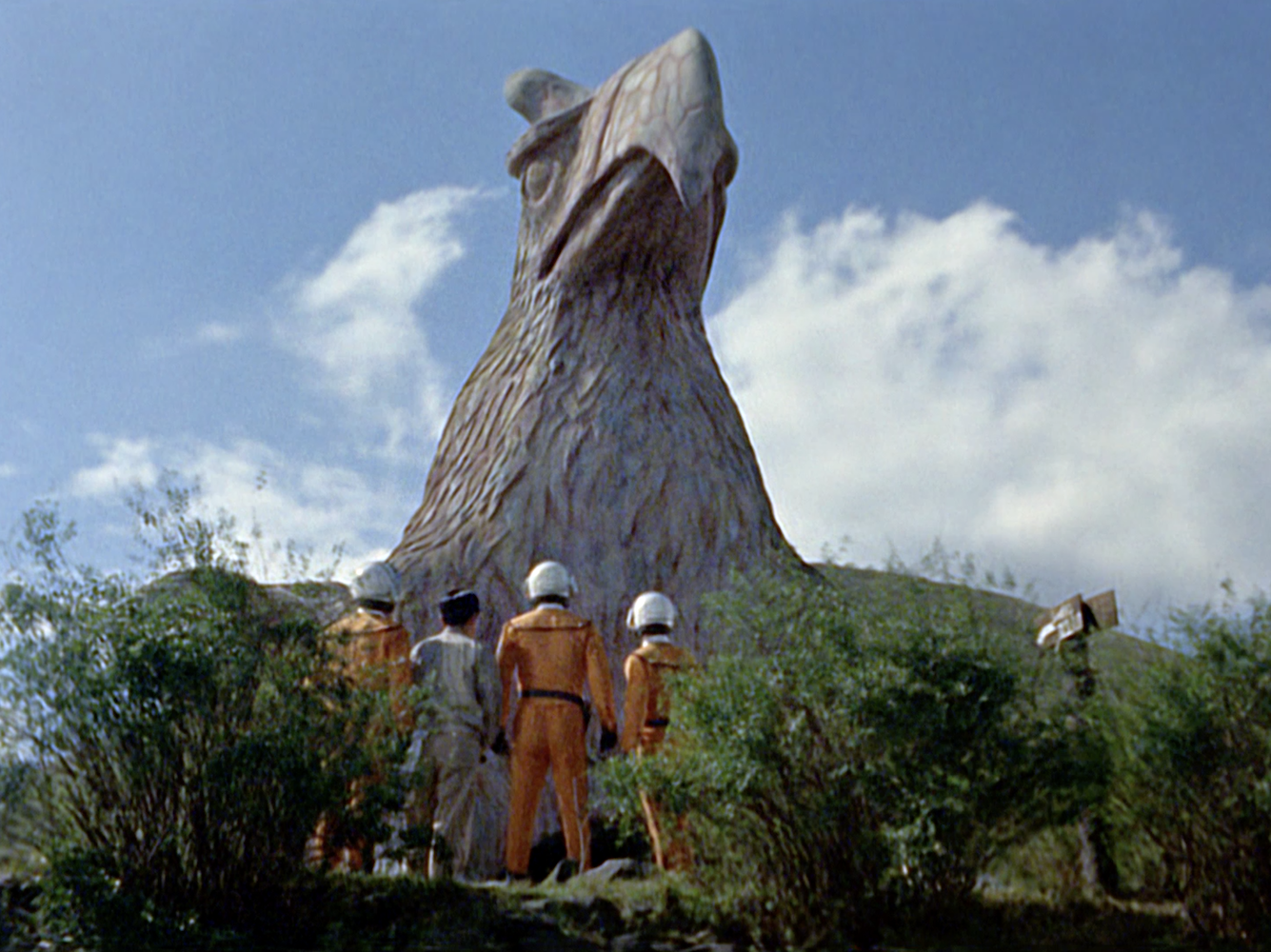
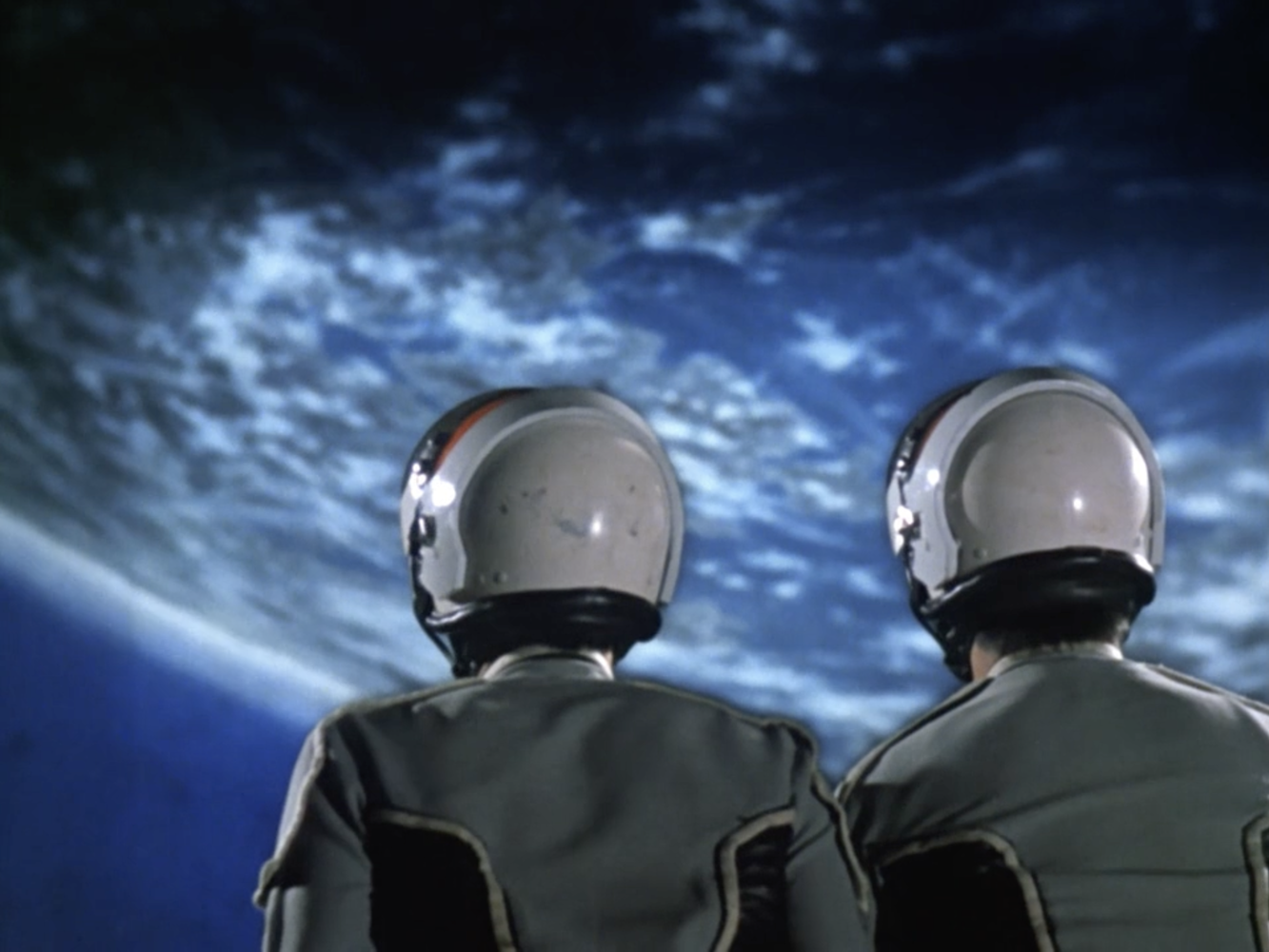
“Escape Dimension X” is Ultraseven’s version of Ultraman’s influential episode “The Monster Anarchy Zone”: a fast-paced monster-packed adventure taking place in a weird wilderness of exotic dangers. Many Ultra shows have their own take on this pulpy Lost World concept. Now we see the darker SF sensibility of Ultraseven at work on the premise. Where “The Monster Anarchy Zone” is a wild, fun rollercoaster with plenty of giant monsters, “Escape Dimension X” is horror-tinged and eerie, with monsters of the more creepy-crawly variety. This “lost world” is also presented as a science-fiction mystery, an artificially created alternate dimension, although the story leaves most of it unexplained.

Continue reading “Ultraseven Ep. 18: Escape Dimension X”
Ultra Q Ep. 23: Fury of the South Sea

Directed by Samaji Nonagase. Written by Tetsuo Kinjo. Airdate June 5, 1966.

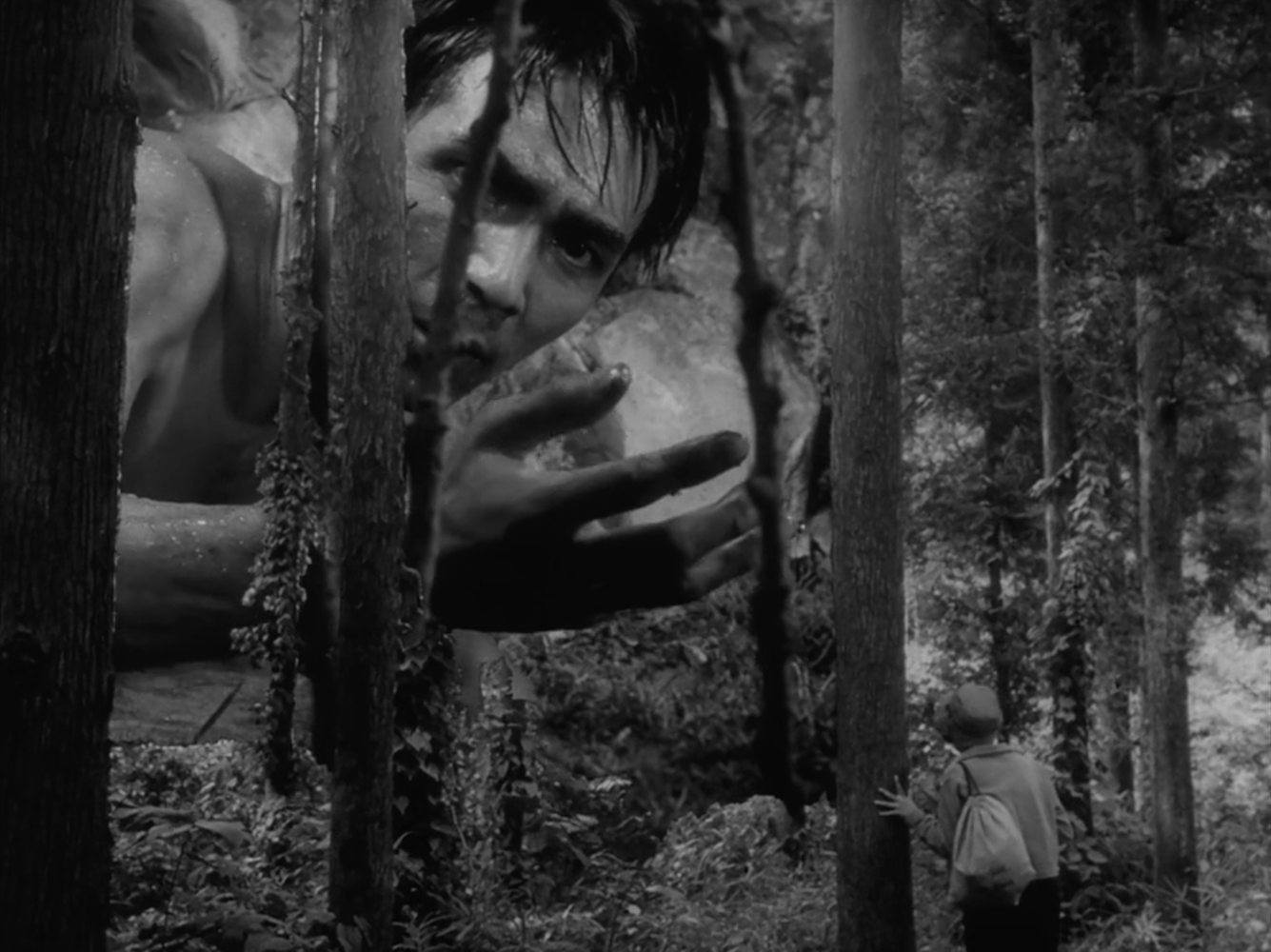
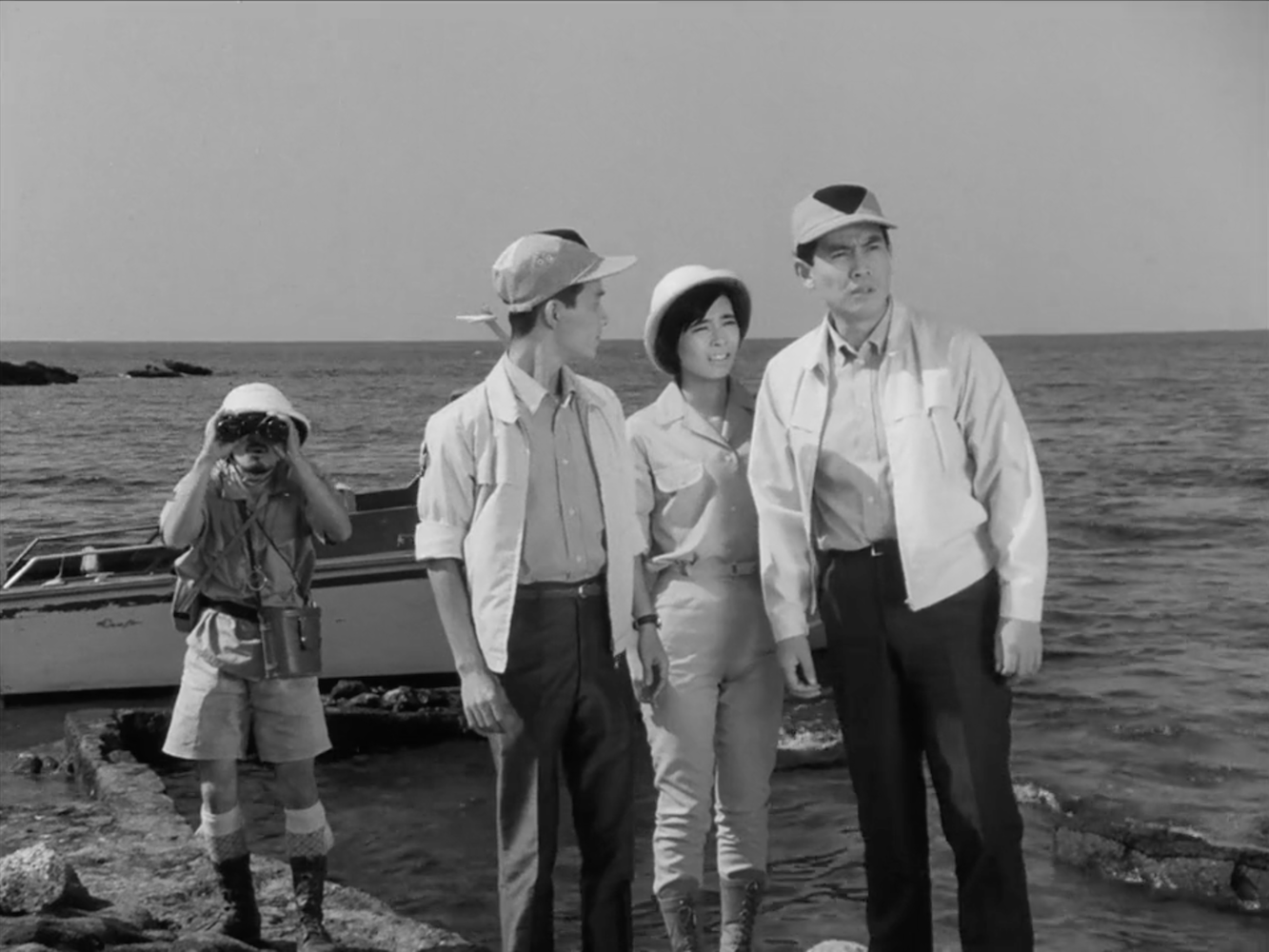
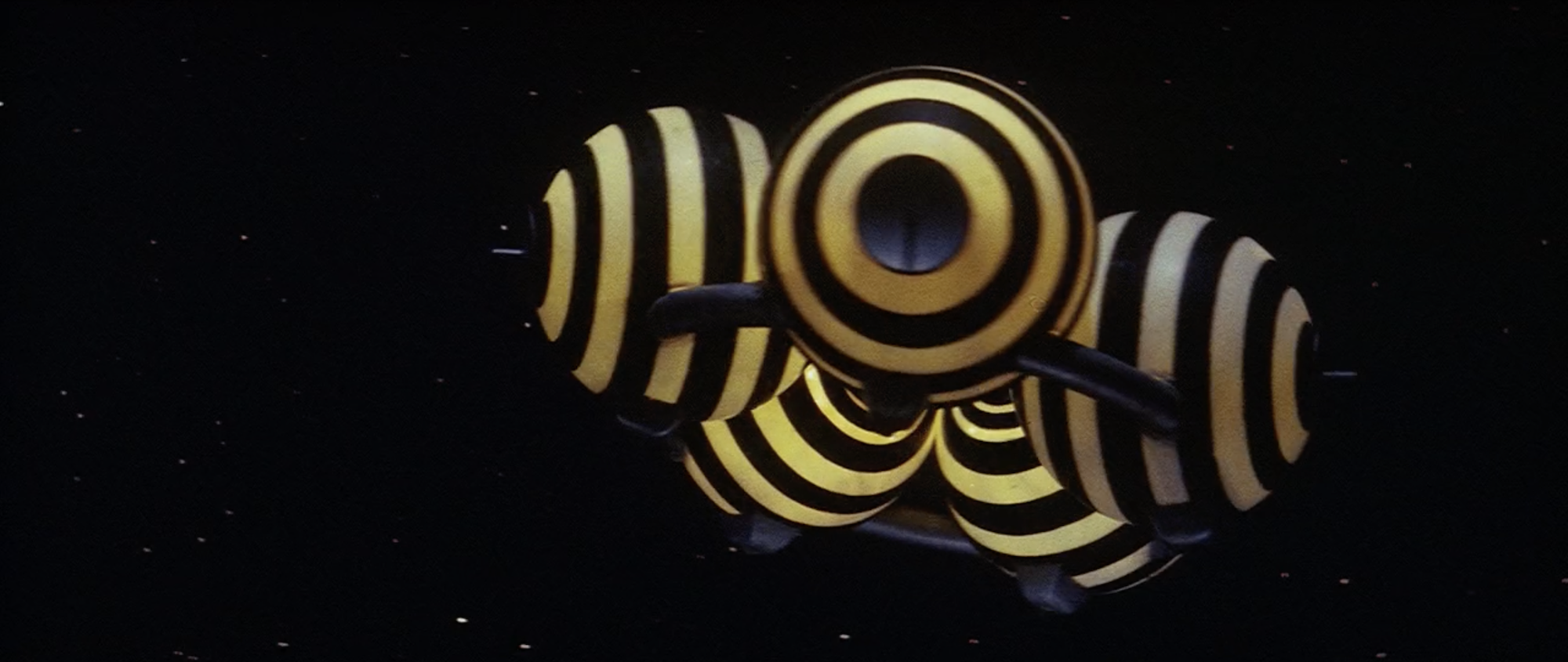
In the world of Japanese special-effects films, the mid-‘60s was the time to go on Pacific island vacations. This was when the Godzilla series left the cities to jet off for two budget-friendly South Seas adventures, Ebirah, Horror of the Deep (1966) and Son of Godzilla (1967). Around this time, Ultra Q took its own trip to the islands, although on an even tighter TV budget. The crew could only afford a recycled octopus prop and stock footage lifted from King Kong vs. Godzilla (1962) to create its giant monster of the week.

Continue reading “Ultra Q Ep. 23: Fury of the South Sea”

Toku Theater: Gamera vs. Viras (1968)

Directed by Noriaki Yuasa. Written by Niisan Takahashi.

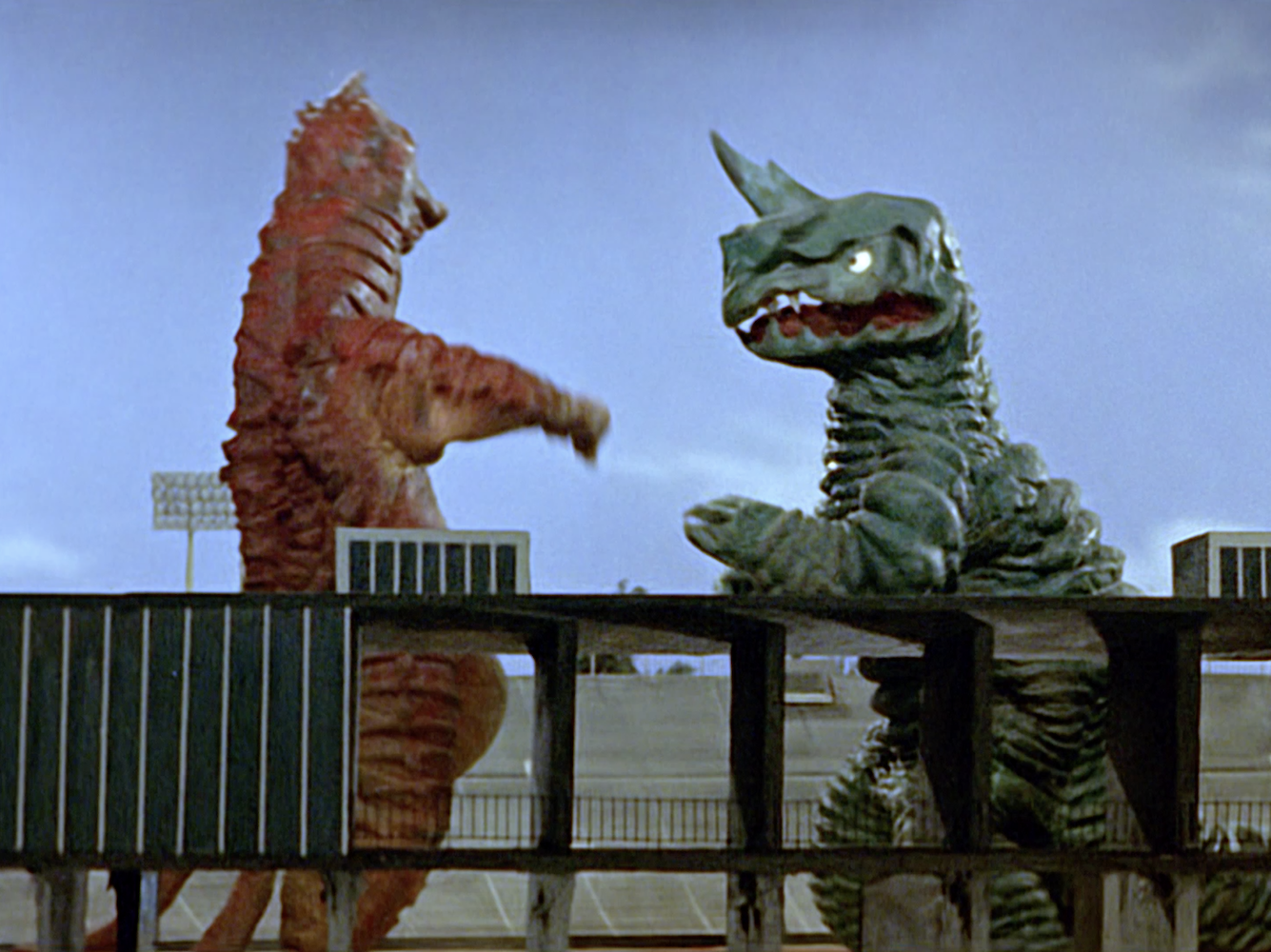
The fourth Gamera film adds the finishing touches, the final trio of elements that director Noriaki Yuasa and producer Hidemasa Nagata needed to complete the Gamera style: a Caucasian second child actor, Gamera’s catchy kiddie chant theme, and stock footage. The last of these isn’t a benefit.

Continue reading “Toku Theater: Gamera vs. Viras (1968)”

Ultraman Ep. 20: Terror on Route 87

Directed by Yuzo Higuchi. Written by Tetsuo Kinjo. Airdate Nov. 27, 1966.

Screenwriter Tetsuo Kinjo had a knack for taking topical subjects and finding ways to transform them into workable Ultra scripts. “Monster-as-metaphor” is one of the most viable and enduring forms of social commentary in science fiction and horror, and Kinjo was adept at not making the commentary in his monster scripts too heavy-handed, even with a subject as grim as the alarming number of deaths of children in auto accidents. And yes, that’s the subject of “Terror on Route 87.” 

Continue reading “Ultraman Ep. 20: Terror on Route 87”

Ultra Q Ep. 22: Metamorphosis

Directed by Koji Kajita. Written by Kyoko Kitazawa. Story by Tetsuo Kinjo. Airdate May 29, 1966.

As we enter the last quarter mile of Ultra Q‘s run, we stumble across one of the first produced episodes. “Metamorphosis” was only the second episode shot, following “Mammoth Flower.” Even though it features a giant monster, a sure-thing for ratings, TBS decided to wait this late into the show’s run to put it on the air. 

Continue reading “Ultra Q Ep. 22: Metamorphosis”

Ultraseven Ep. 17: Underground Go! Go! Go!

Directed by Hajime Tsuburaya. Written by Shozo Uehara. Airdate Jan. 28, 1968.

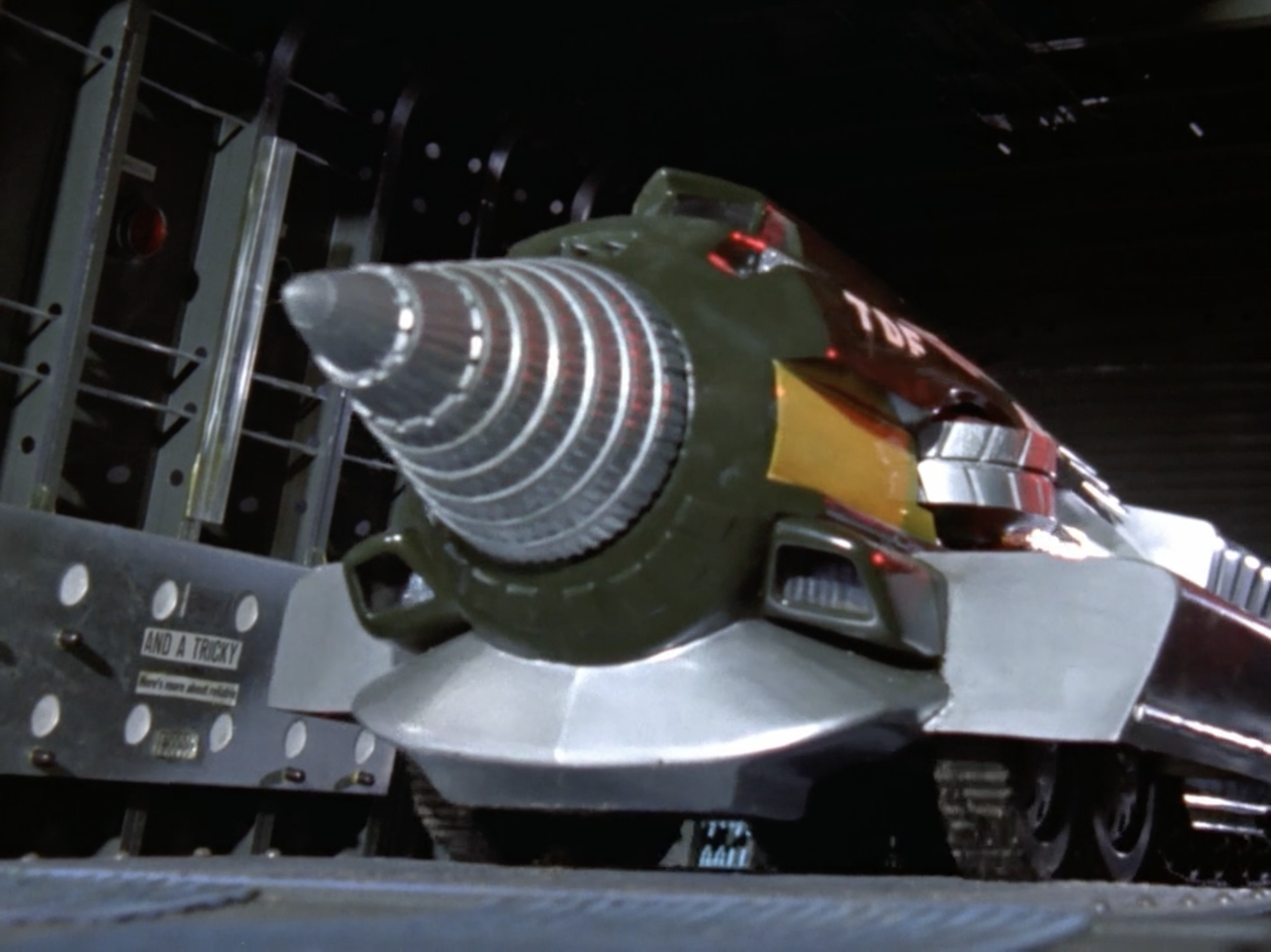
The standard procedure for Ultra warriors who come to Earth is to merge with a human host, a precedent set in Ultraman and followed throughout most of the shows. Ultraseven is one of the exceptions (Ultraman Leo is another), where the Ultra warrior chooses to adopt a human form and remain 100% alien. But how does an Ultra who takes this route decide on their human “costume”? This episode addresses that question, making it an essential watch for the lore of the show.

Continue reading “Ultraseven Ep. 17: Underground Go! Go! Go!”

Ultra Q Ep. 21: Space Directive M774

Directed by Kazuho Mitsuta. Written by Shozo Uehara. Airdate May 22, 1966.

This is Shozo Uehara’s debut as a writer for the Ultra franchise. His work is sparse for Ultra Q and Ultraman, although he penned the stone-cold classic Ultraman episode “The Monster Anarchy Zone.” It was later on Ultraseven and then as head writer on Return of Ultraman that he’d emerge as one of the most prolific and imaginative members of Tsuburaya Pro’s writing stable. 

Continue reading “Ultra Q Ep. 21: Space Directive M774”

Ultraseven Ep. 16: The Eye That Shines in the Darkness

Directed by Toshitsugu Suzuki. Written by Keisuke Fujikawa. Airdate Jan. 21, 1968.

  • An alien race mistakenly interprets an exploratory probe from Earth as a hostile attack and plans to launch a counterstrike.
  • A lost space vessel returns to Earth with a mysterious surprise aboard. 

We’ve seen these story concepts in the Ultra shows before — several times — but “The Eye That Shines in the Darkness” not only uses both, it adds something new to the mix. Not new for the broader franchise, but for Ultraseven specifically: a child character as the lead. 

Continue reading “Ultraseven Ep. 16: The Eye That Shines in the Darkness”

Ultraman Ep. 18: Brother From Another Planet

Directed by Samaji Nonagase. Written by Tetsuo Kinjo and Samaji Nonagase. Airdate Nov. 13, 1966.

Ultraman has three classic sentient alien villains. We’ve already met Alien Baltan. Twice. Later we’ll meet Alien Mefilas, maker of dark deals. Today we meet Alien Zarab, who wants humanity to believe he’s their pal, the brother from another mother planet who’s looking out for Earth’s best interests — just like the aliens from the classic Twilight Zone episode “To Serve Man.” And look how well that turned out. 

Continue reading “Ultraman Ep. 18: Brother From Another Planet”