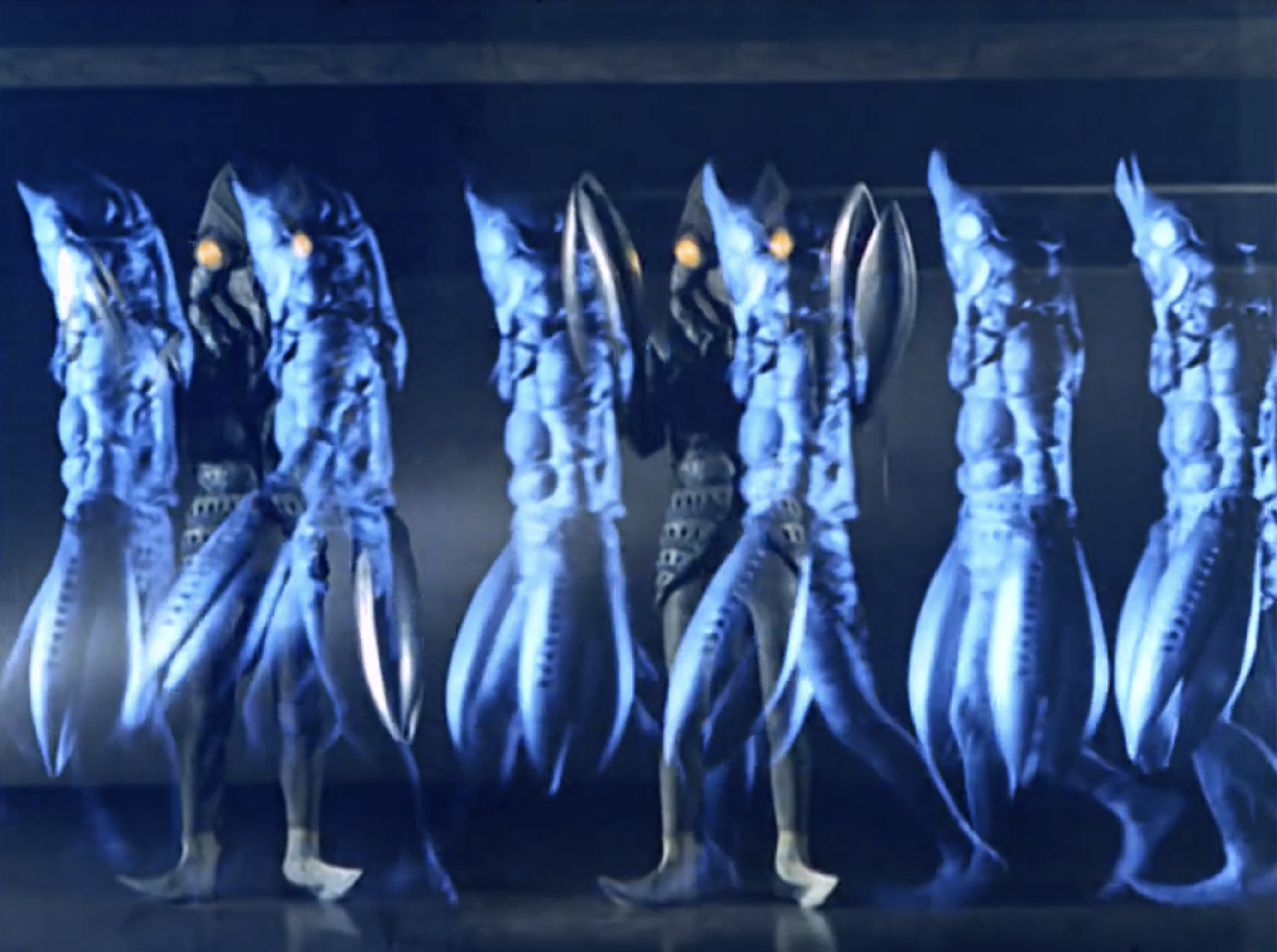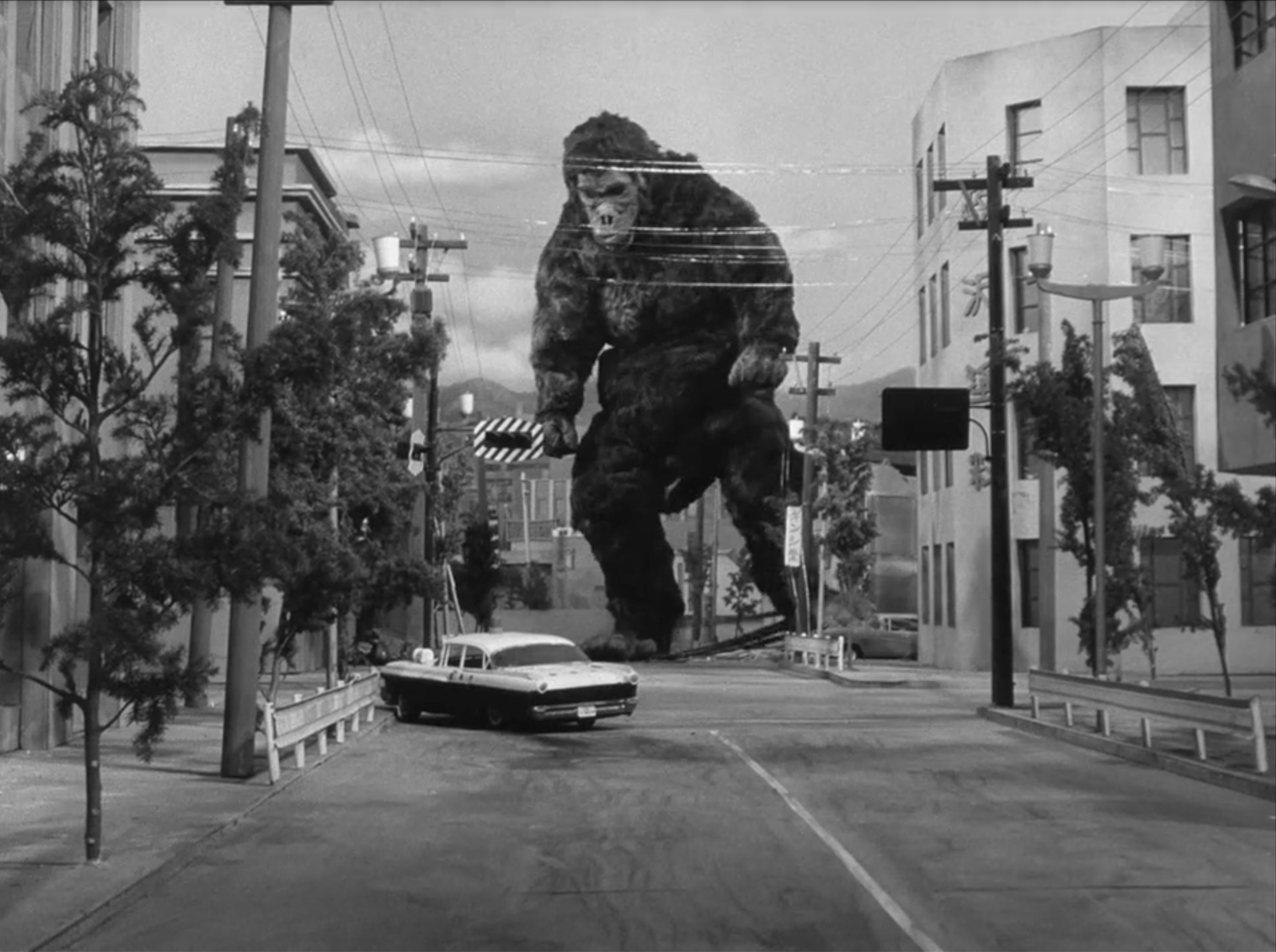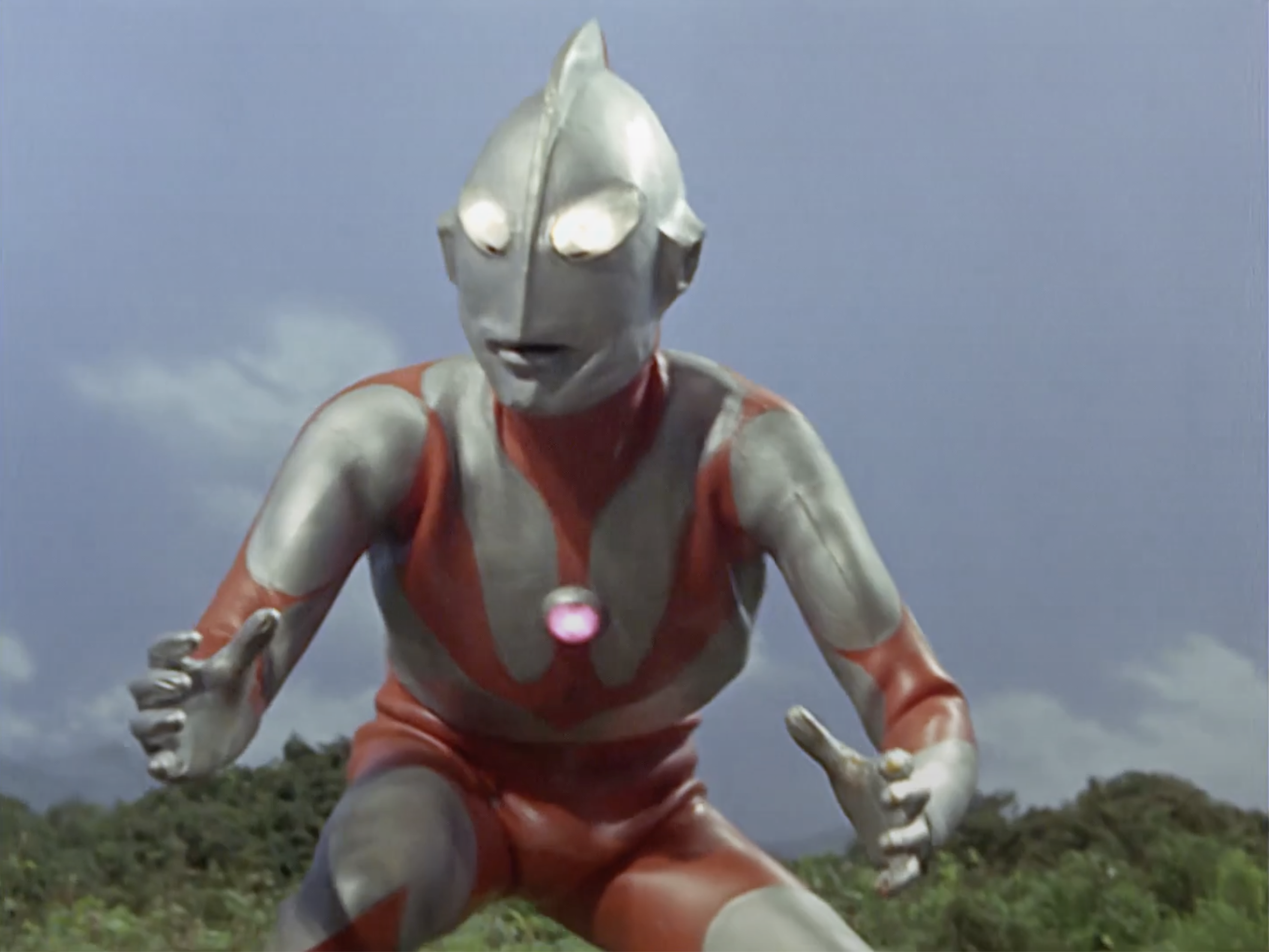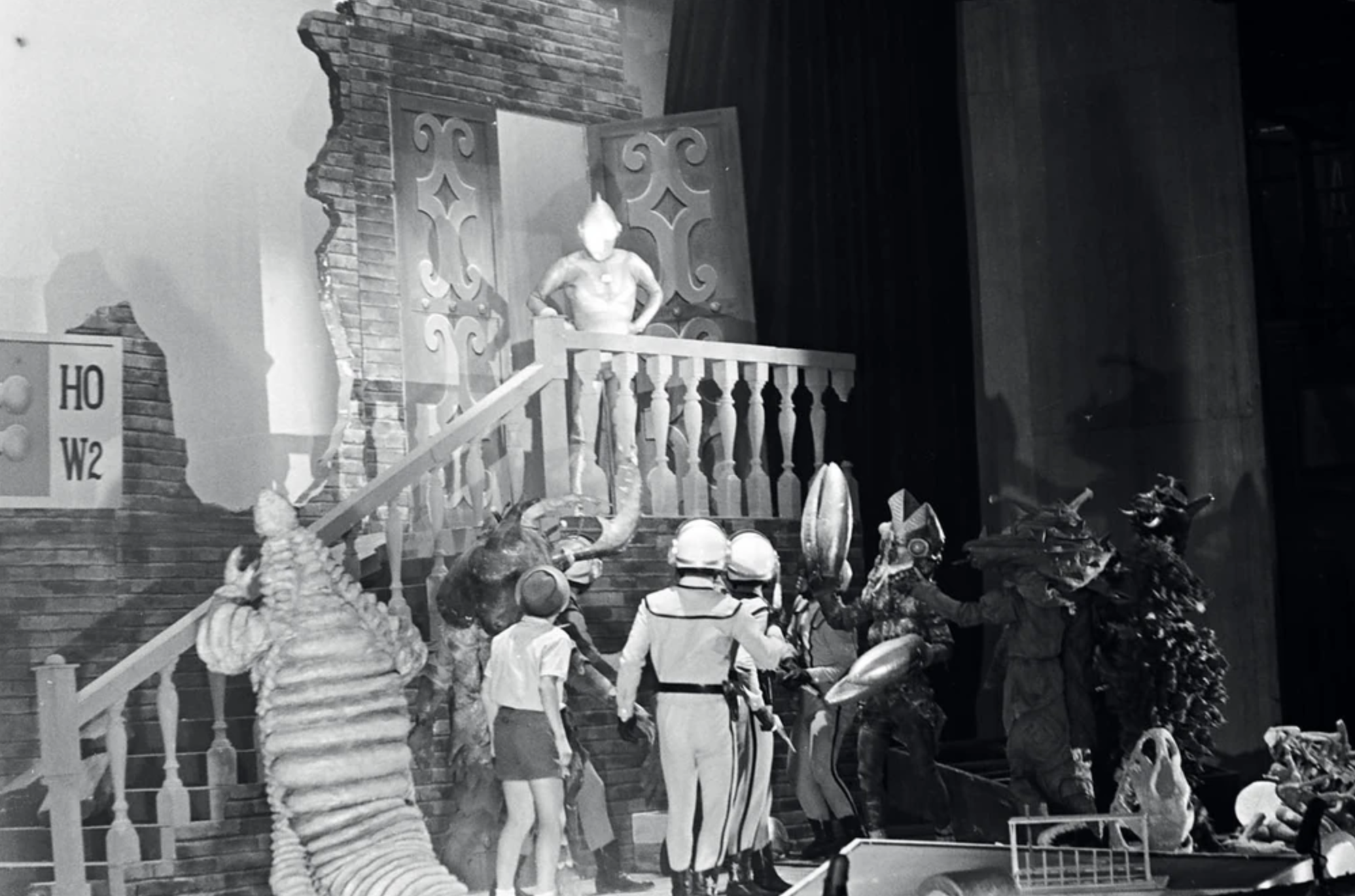
Ultraman Ep. 0: The Birth of Ultraman

Directed by Akio Jissoji. Written by Tetsuo Kinjo. Airdate July 10, 1966.

We have to start here — I write with some embarrassment for the poor Tsuburaya Productions team. This “pilot” episode for Ultraman is just a live stage show taped in black-and-white to promote the actual show debuting the next week. “The Birth of Ultraman” exists because Tsuburaya Pro desperately needed more time to finish episodes before the premiere date of Ultraman, and this was the quickest way for the Tokyo Broadcasting System to get something on the air to create a buffer. TBS could have gone ahead and broadcast the last remaining episode of Ultra Q, but because it wasn’t a monster-centered episode, they delayed it for over a year and a half to leap right into … this.

Continue reading “Ultraman Ep. 0: The Birth of Ultraman”

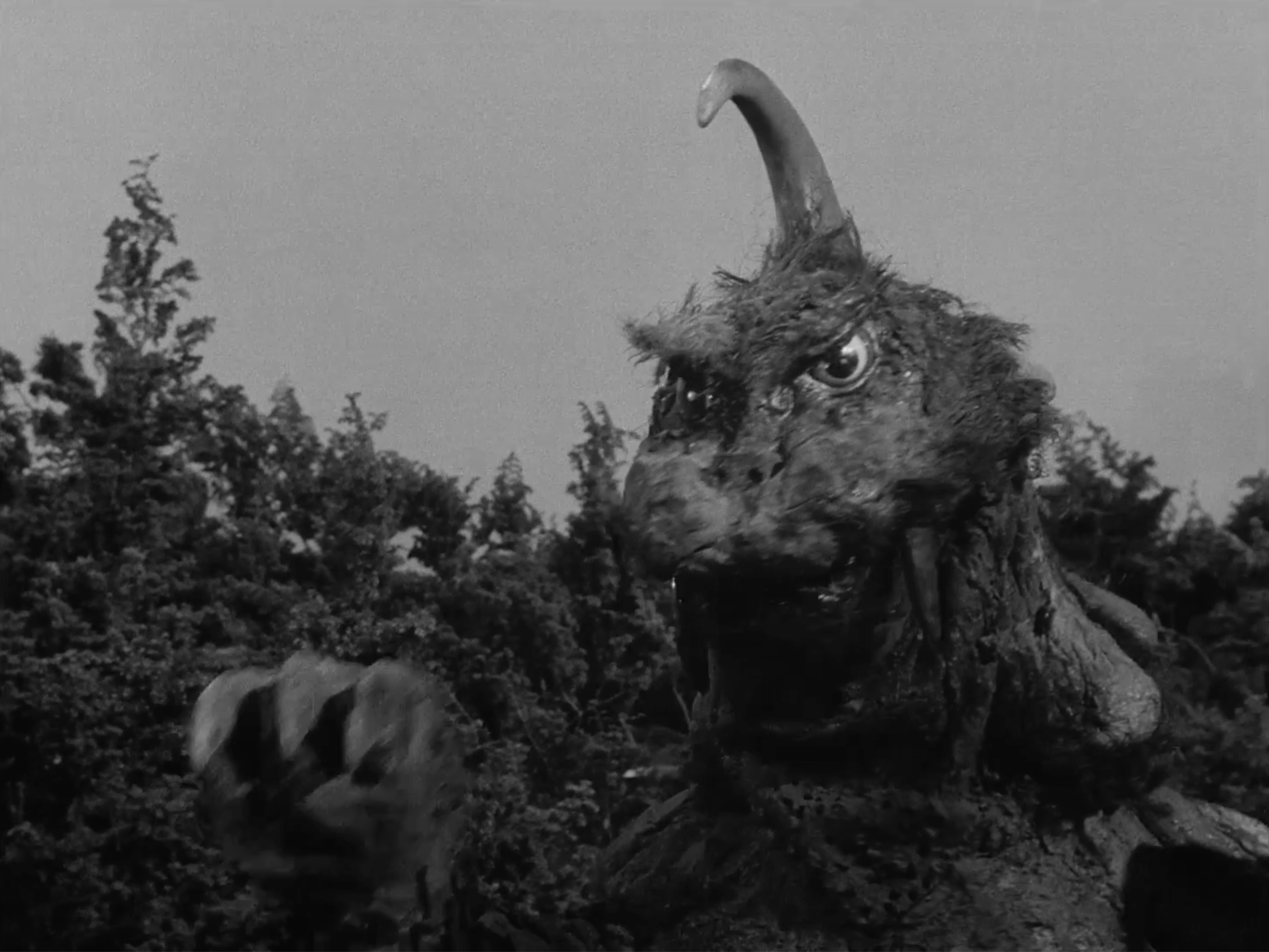
Ultra Q Ep. 1: Defeat Gomess!

Directed by Hajime Tsuburaya. Written by Toshihiro Ijima (writing as Kitao Senzoku). Airdate Jan. 2, 1966.

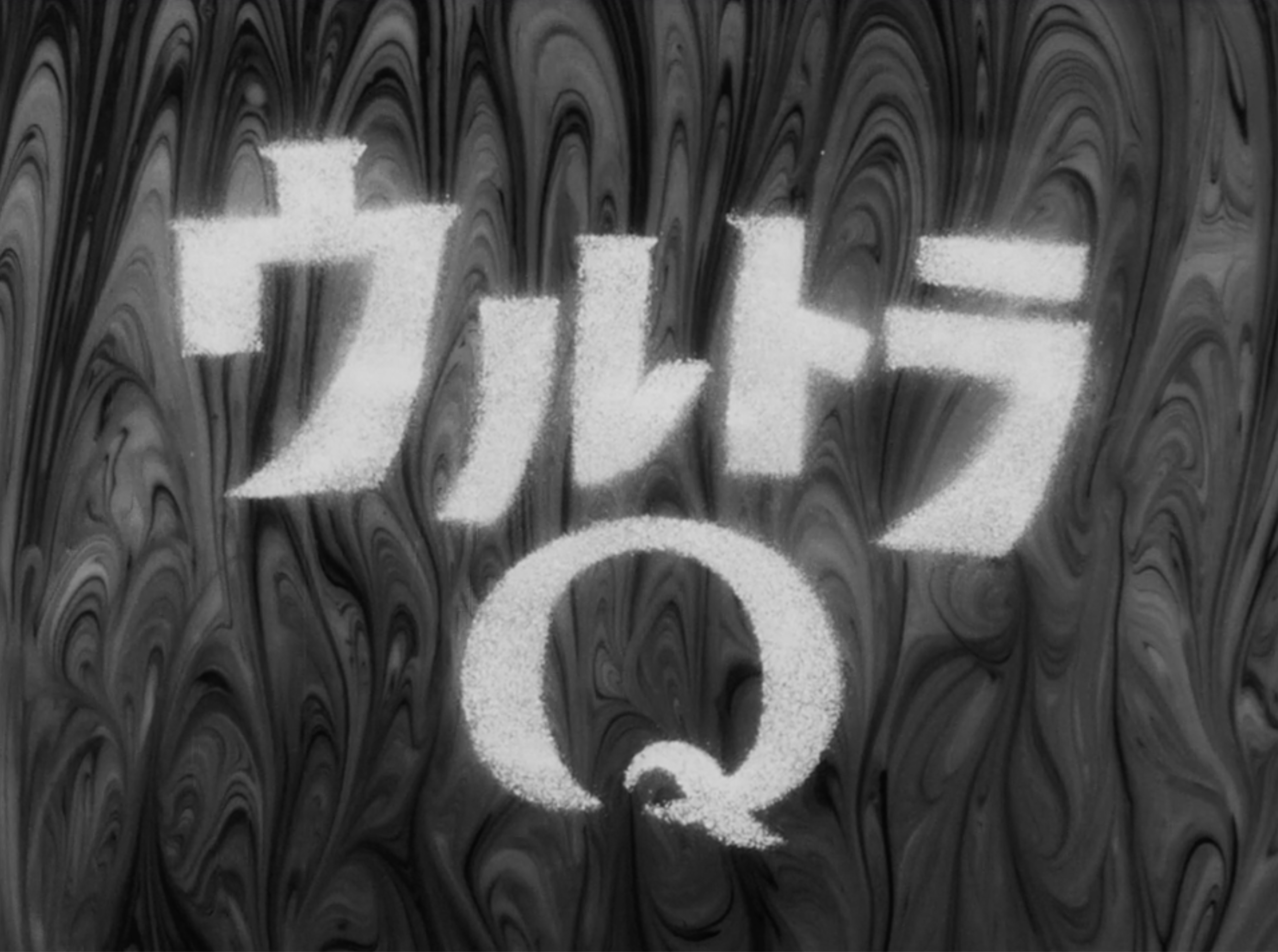
It’s the first Sunday night of a new year. You switch on the TV at 7 p.m. to the Tokyo Broadcasting System to check out the premiere of a new program from that special effects guy who does those monster flicks. You hear the sounds of eerie groaning and metallic squealing as mysterious swirls coalesce into the title “Ultra Q.” Then comes the deep, Serling-esque voice of Koji Ishizaka…

Continue reading “Ultra Q Ep. 1: Defeat Gomess!”

Ultra Q: An Introduction

My plan for these show introductions is to keep them short(ish). This is one of the exceptions. As the launch site for a mammoth franchise, Ultra Q demands a deeper look into its background and an introduction to several of the key figures in the history of the franchise. And I’m still going to have to skim over a lot. 

My succinct description of Ultra Q for newcomers is “The Twilight Zone meets Godzilla meets The X-Files.” That still isn’t quite right — once you see an episode like “Kanegon’s Cocoon,” the wheels of categorization fly right off — but it positions Ultra Q in a succession of genre archetypes that makes sense.

Continue reading “Ultra Q: An Introduction”