Ultra Q Ep. 5: Peguila Is Here!

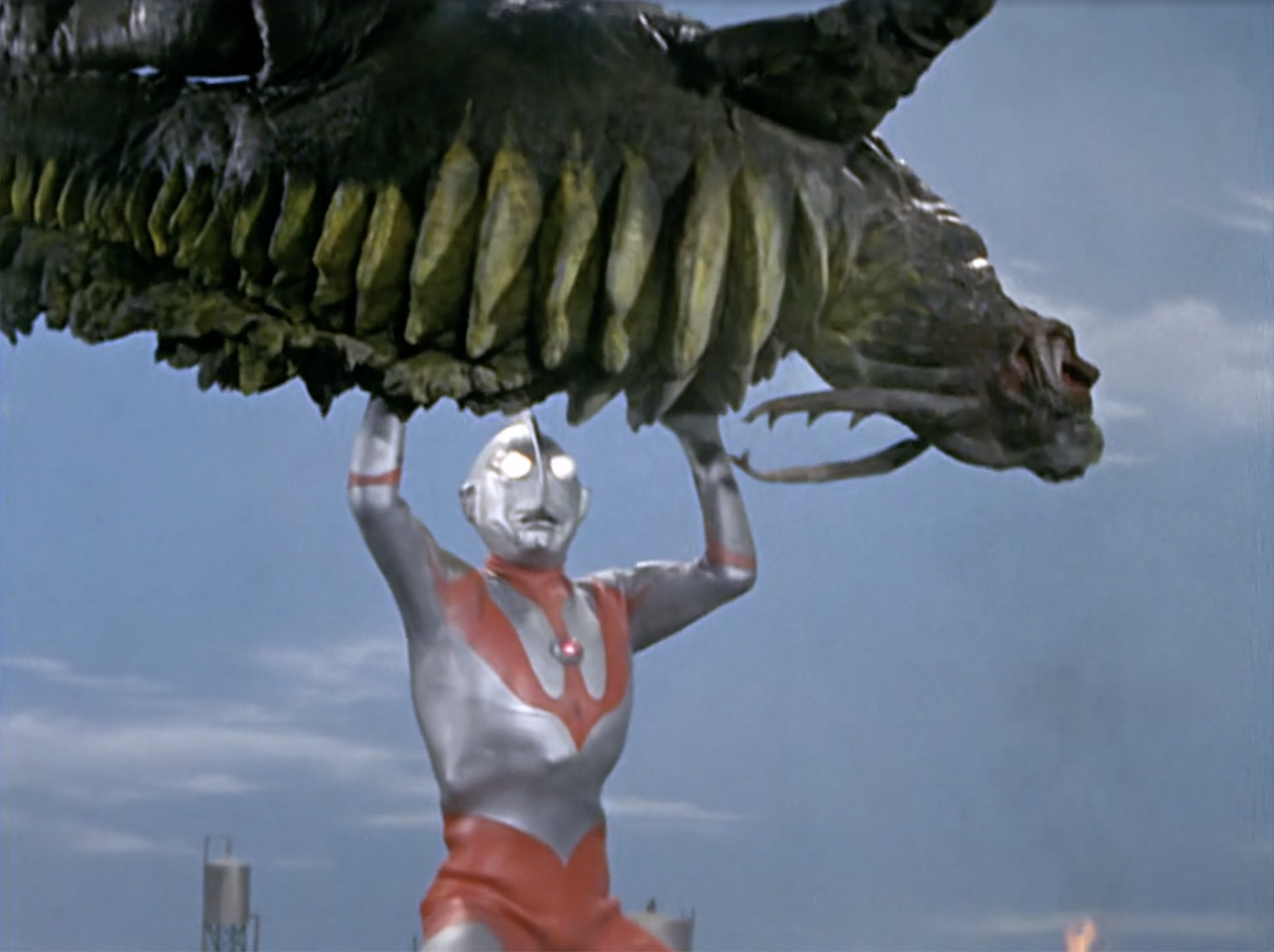
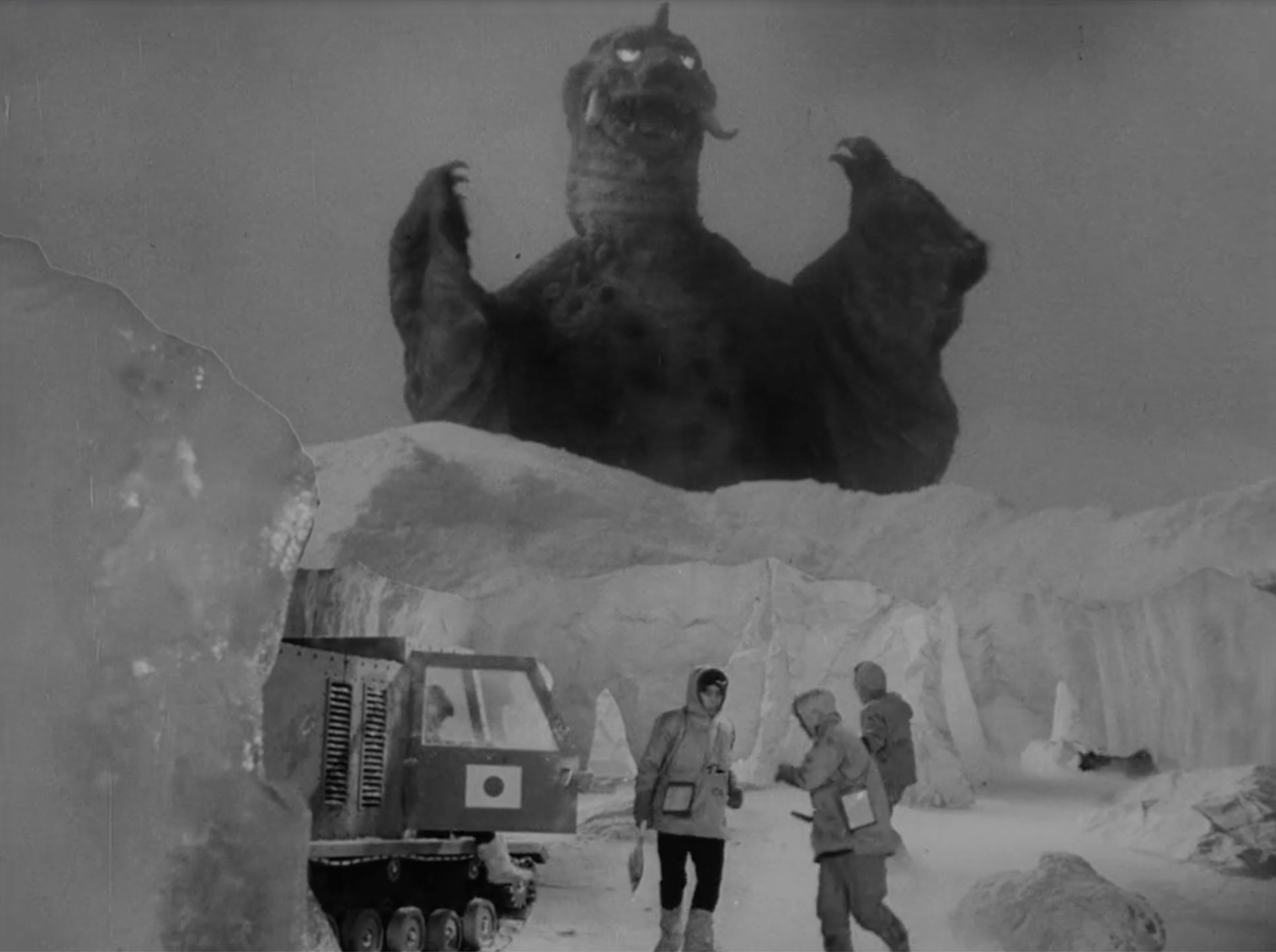
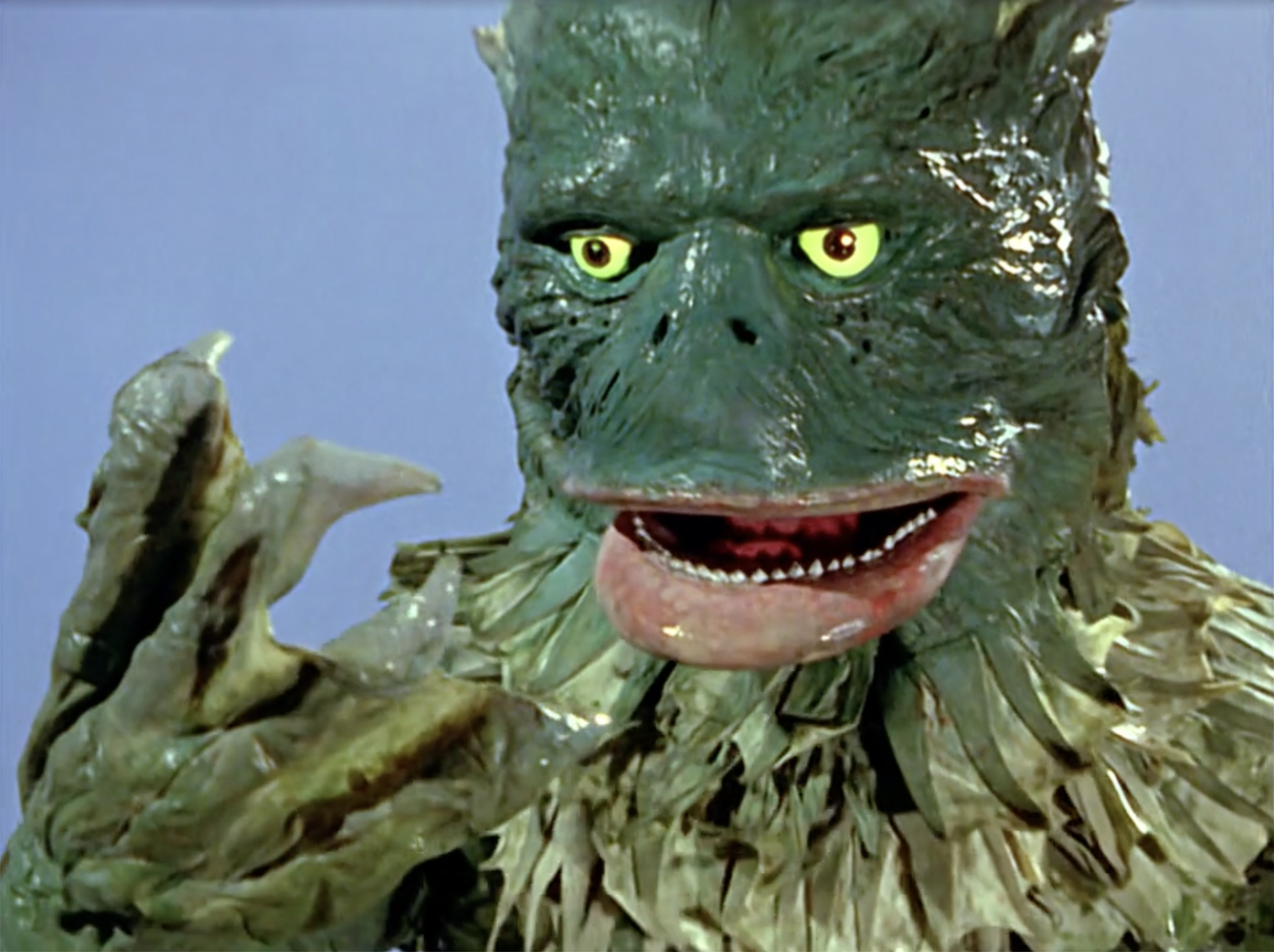
Peguila emerges over a ridge

Directed by Samaji Nonagase. Written by Masahiro Yamada. Airdate Jan. 30, 1966.

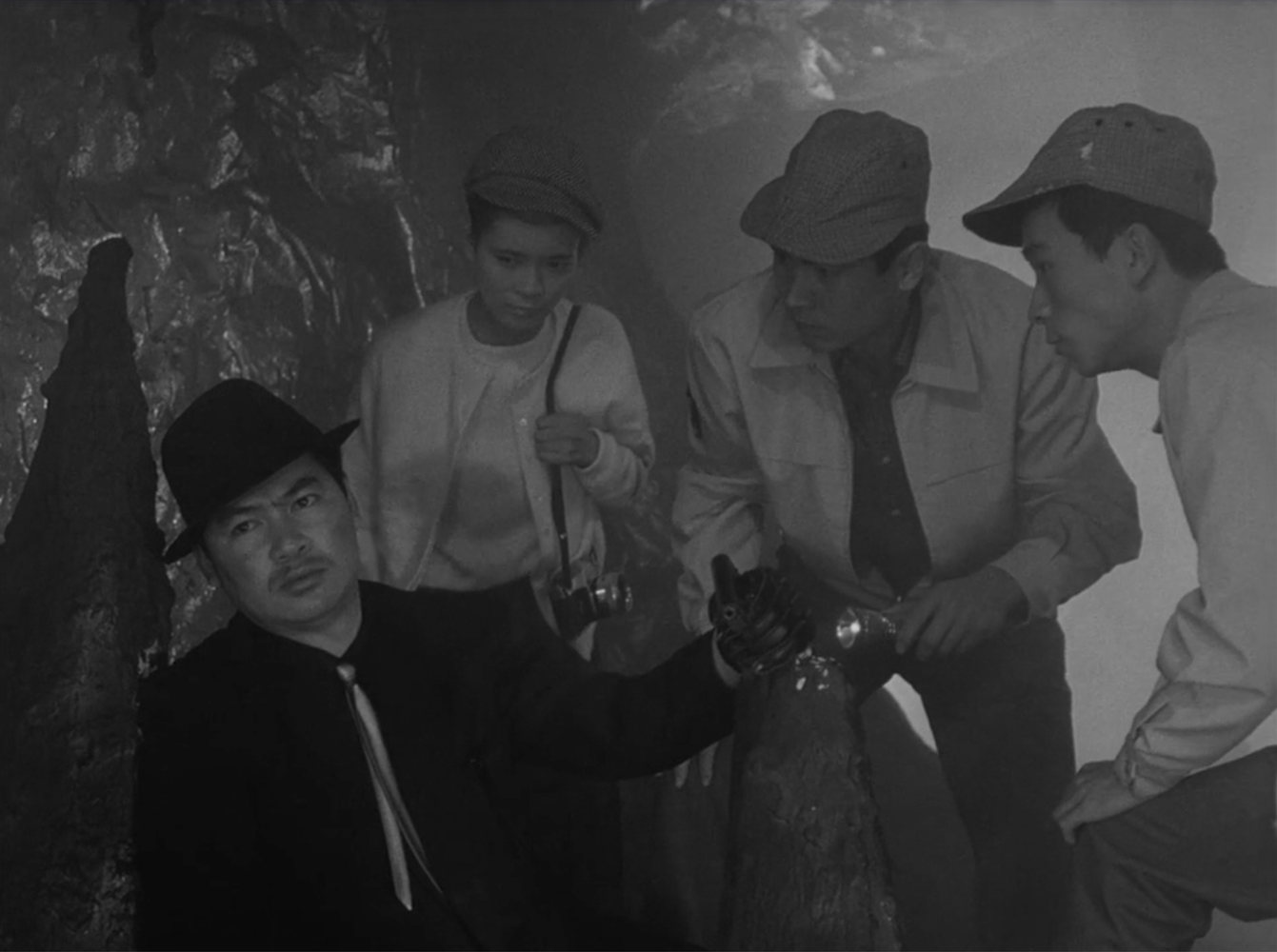
Here’s a change of scenery, shifting from urban Tokyo to the desolate wastes of Antarctica. There’s another change, which is that Jun is the only member of the regular or semi-regular cast to appear. Without Yuriko and Ippei around to lighten the mood, this is the first episode to completely bypass humor — appropriate for a bleak, tense story set in one of the most hostile environments on Earth.

Continue reading “Ultra Q Ep. 5: Peguila Is Here!”
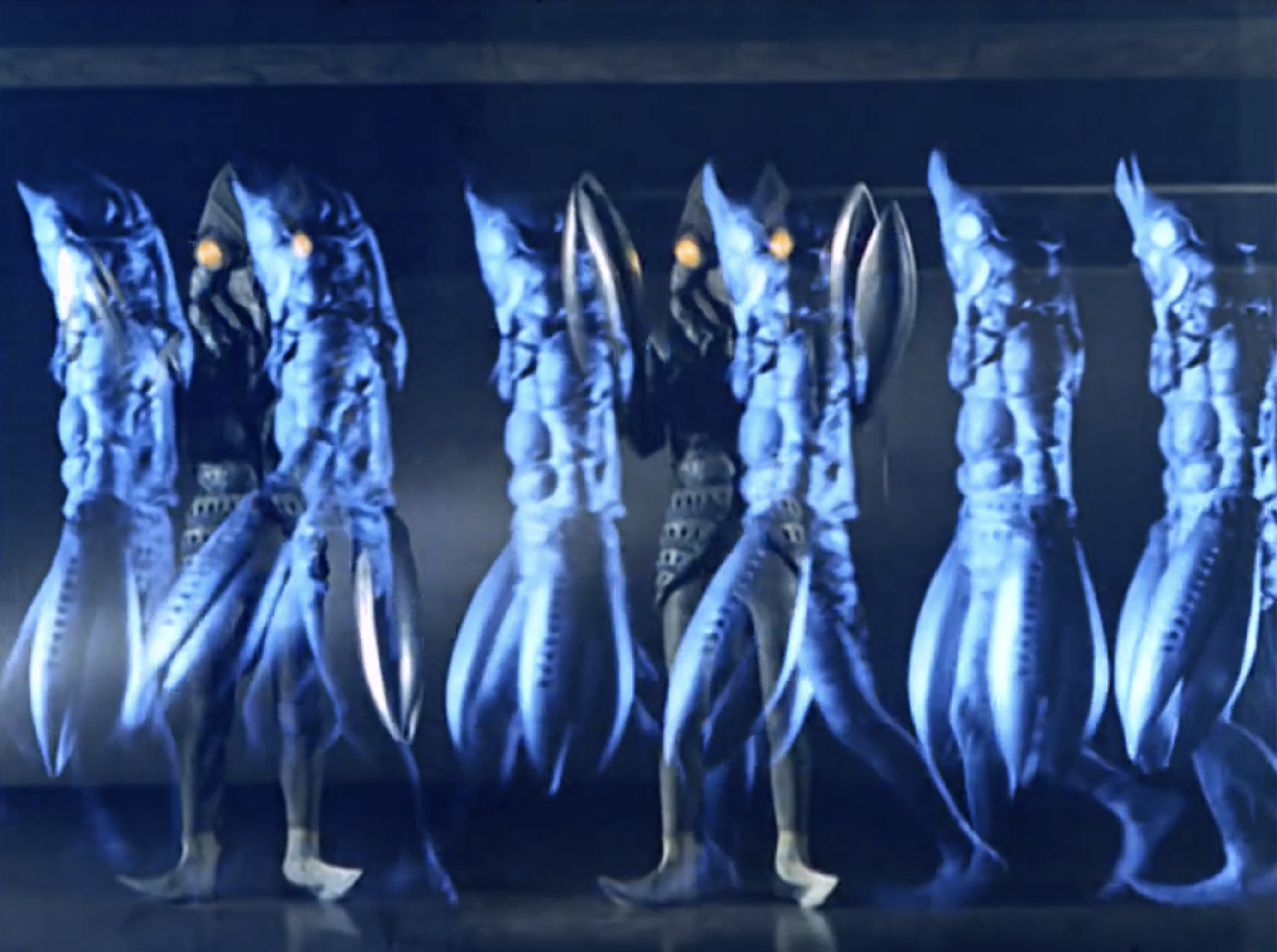
Ultraseven Ep. 1: The Invisible Challenger

Directed by Hajime Tsuburaya. Written by Tetsuo Kinjo. Airdate Oct. 1, 1967.

Earth is being targeted. Beings from countless stars floating in space have begun a terrible invasion.

These words from narrator Hikaru Urano, spoken over a night scene of a swarm of car headlights on a freeway, set the tone for Ultraseven. Darker than Ultraman, more epic than Ultra Q.

Continue reading “Ultraseven Ep. 1: The Invisible Challenger”

Ultraseven: An Introduction

Ultraseven is the last of the “original” Ultra trilogy, following Ultra Q and Ultraman. They were not intended to take place in the same universe, and Eiji Tsuburaya planned for Ultraseven to be the end of this unofficial “Ultra” series so his company could move on to different special effects programs. The trio only became part of the same continuity after Return of Ultraman debuted in 1971.

Continue reading “Ultraseven: An Introduction”

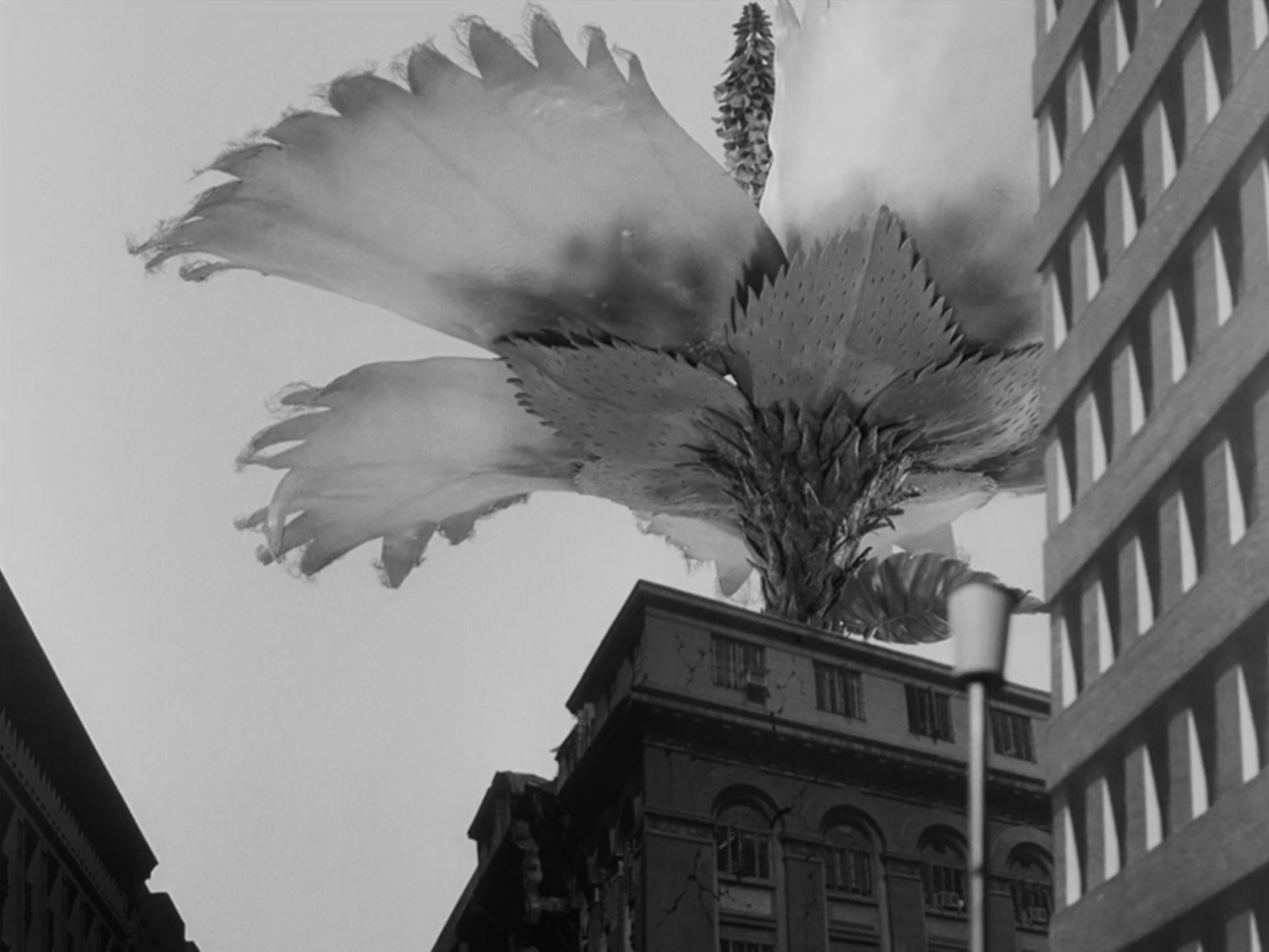
Ultra Q Ep. 4: Mammoth Flower

Directed by Koji Kajita. Written by Tetsuo Kinjo. Airdate Jan. 23, 1966.

“Mammoth Flower” was the first episode of Ultra Q to go before cameras. Although it wasn’t designed specifically as an introductory episode, it makes an extra effort at world-building. Koji Ishizaka’s narration sounds like the original pitch for the show when it was still known as Unbalance: “Currently, a part of Mother Nature that surrounds us is starting to make a strange move. That’s right, this is a terrifying world where everything is unbalanced.” The exit narration mentions “the Unbalance Zone” with an invitation to viewers to tune in next week.

Continue reading “Ultra Q Ep. 4: Mammoth Flower”

Ultraman Ep. 3: Science Patrol, Move Out

Directed by Toshihiro Iijima. Written by Masahiro Yamada. Airdate July 31, 1966.

We now enter one of the less interesting stretches of Ultraman, an early slowdown that’s likely due to the rush to finish episodes and the stinginess of TBS and their sponsor partner when it came to budgets. I didn’t notice this quality lapse when I first watched the series; I was having too much fun with the basic monster formula. It wasn’t until the show started to really blast off that I looked back and thought, “Yeah, they had a bumpy patch right after takeoff.” 

Continue reading “Ultraman Ep. 3: Science Patrol, Move Out”

Ultra Q Ep. 3: The Gift From Space

Directed by Hajime Tsuburaya. Written by Tetsuo Kinjo. Airdate Jan. 16, 1966.

We have the Ultra series’ first alien creature, a monster Martian slug, which is also the first fully original kaiju design seen on the show. Resident scientific genius Professor Ichinotani (Ureo Egawa) makes his debut. There’s a freaky theme about humanity intruding where we’re not wanted. And Jun gets into a fistfight with a thief dressed up to audition for a Yakuza gangster flick. Best episode so far!

Continue reading “Ultra Q Ep. 3: The Gift From Space”

Ultraman Ep. 2: Shoot the Invader

shoot-the-invader

Written and Directed by Toshihiro Iijima.* Airdate July 24, 1966.

The second Ultraman episode aired, although the first shot, starts with comic character Ide breaking the fourth wall to address the TV audience. He wants to explain how he got his black eye. We flashback to hear the story — which has almost nothing to do with Ide’s black eye and everything to do with the first full alien invasion of the Ultra Series. These invasions would happen with some, uhm, frequency throughout the rest of the franchise. The fourth-wall breaking is not as common, but Ultraman is already training its viewers to expect the unexpected.

Continue reading “Ultraman Ep. 2: Shoot the Invader”

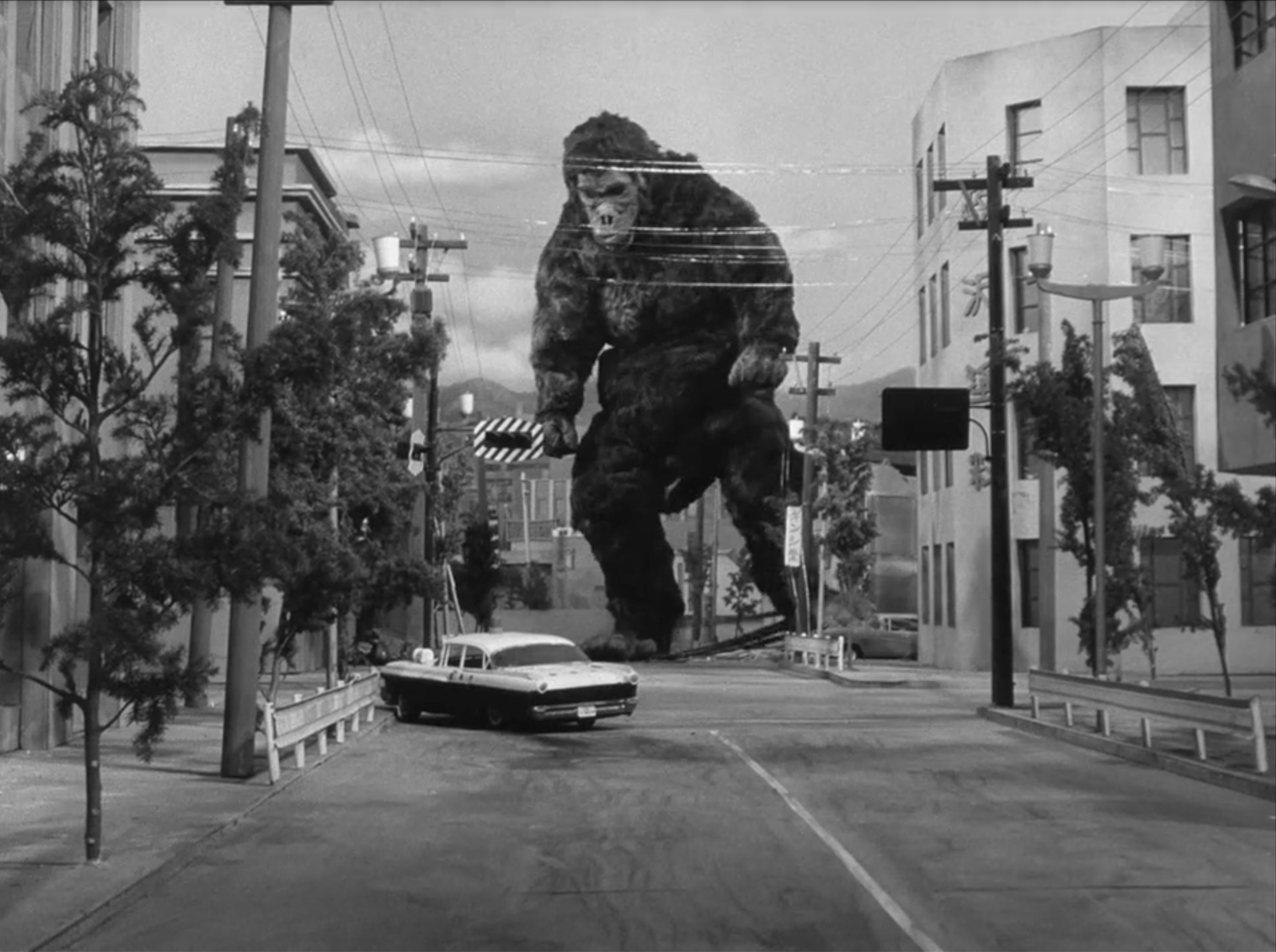
Ultra Q Ep. 2: Goro and Goro

Directed by Hajime Tsuburaya. Written by Tetsuo Kinjo. Airdate Jan. 7, 1966.

If you have Godzilla in disguise in the first episode of your monster TV show, why not have King Kong in disguise in the second? It must have made sense for the Tokyo Broadcasting Service, who picked “Goro and Goro” for Ultra Q’s second aired episode. The monster star, one of the two Goros of the title, is a slightly modified King Kong costume built for the movie King Kong vs. Godzilla (1962). 

Continue reading “Ultra Q Ep. 2: Goro and Goro”

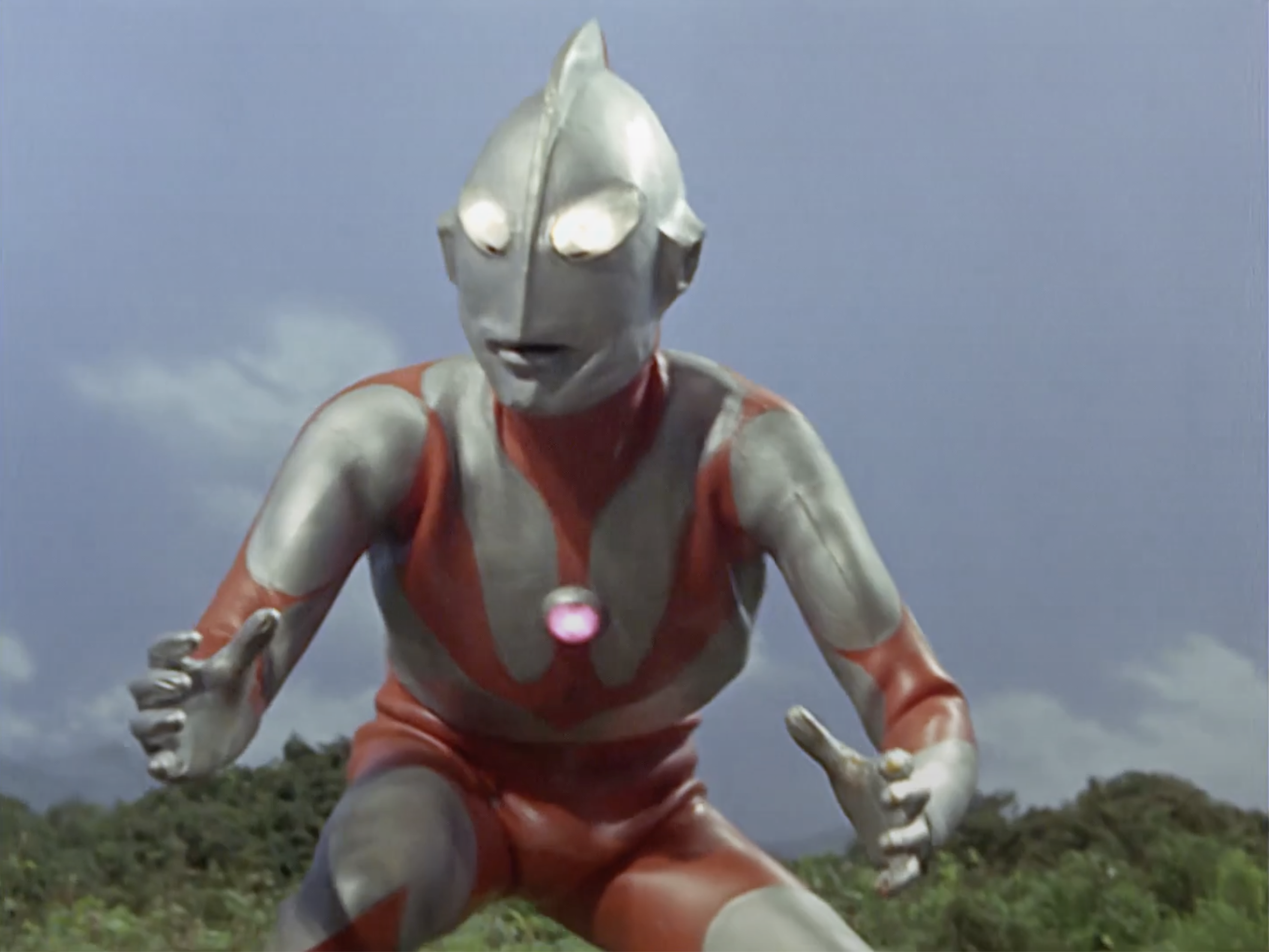
Ultraman Ep. 1: Ultra Operation No. 1

Directed by Hajime Tsuburaya. Written by Testuo Kinjo and Shinichi Sekizawa. Airdate July 17, 1966.

Unlike Ultra Q, which has no introductory episode and drops viewers into the middle of its premise, Ultraman begins with an episode that establishes its formula and explains its alien hero, the Science Special Search Party, and their various tools of the trade. It fits this all in the space of a half-hour span while still finding enough time for action and a fight with a big monster. That’s a lot to do, and while “Ultra Operation No. 1” isn’t the strongest episode of the series, it checks off all the boxes it needs to and leaves viewers ready to see more. 

Continue reading “Ultraman Ep. 1: Ultra Operation No. 1”