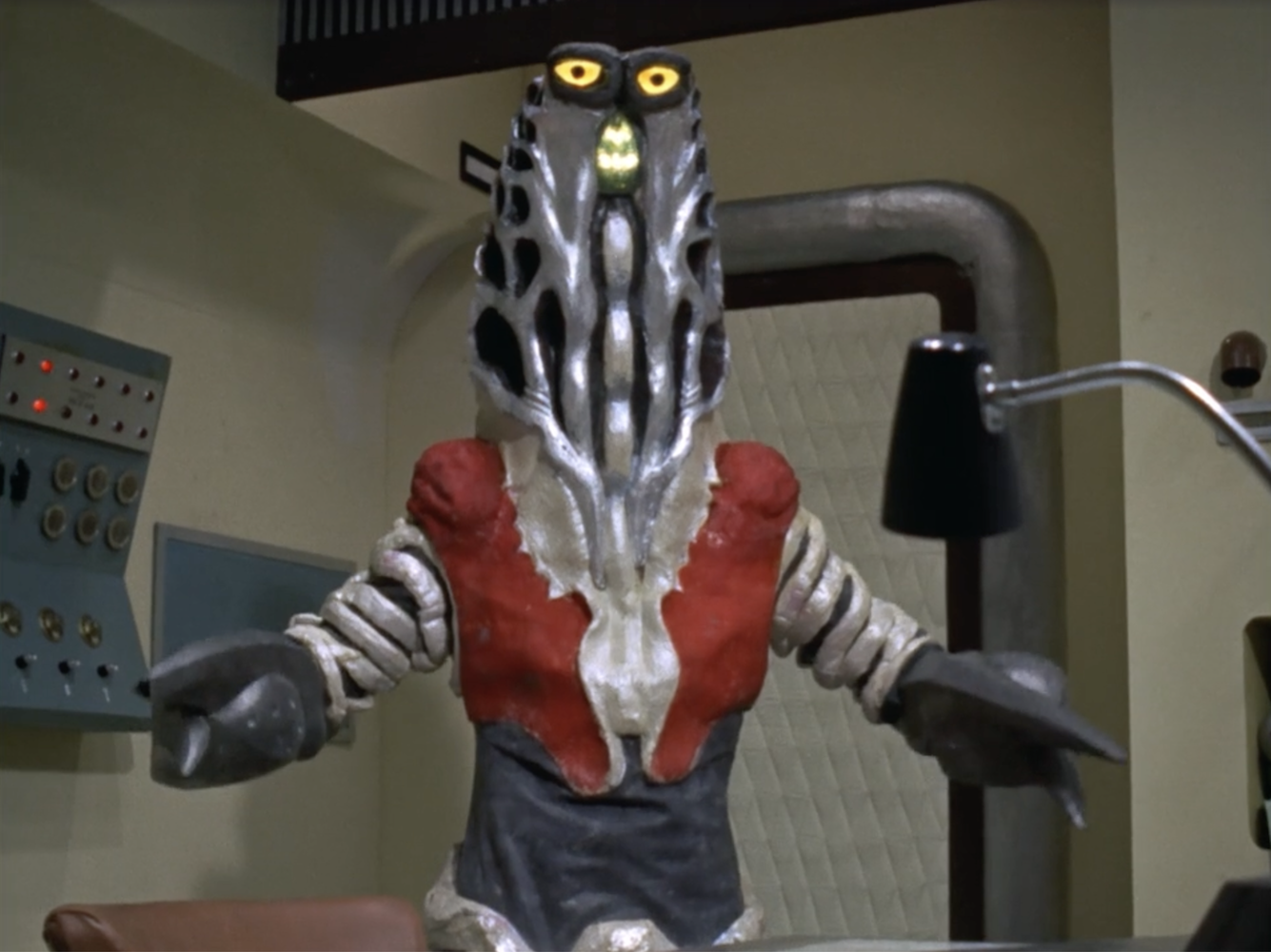
Ultra Q Ep. 8: Terror of the Sweet Honey

Directed by Koji Kajita. Written by Tetsuo Kinjo. Airdate Feb. 20, 1966.

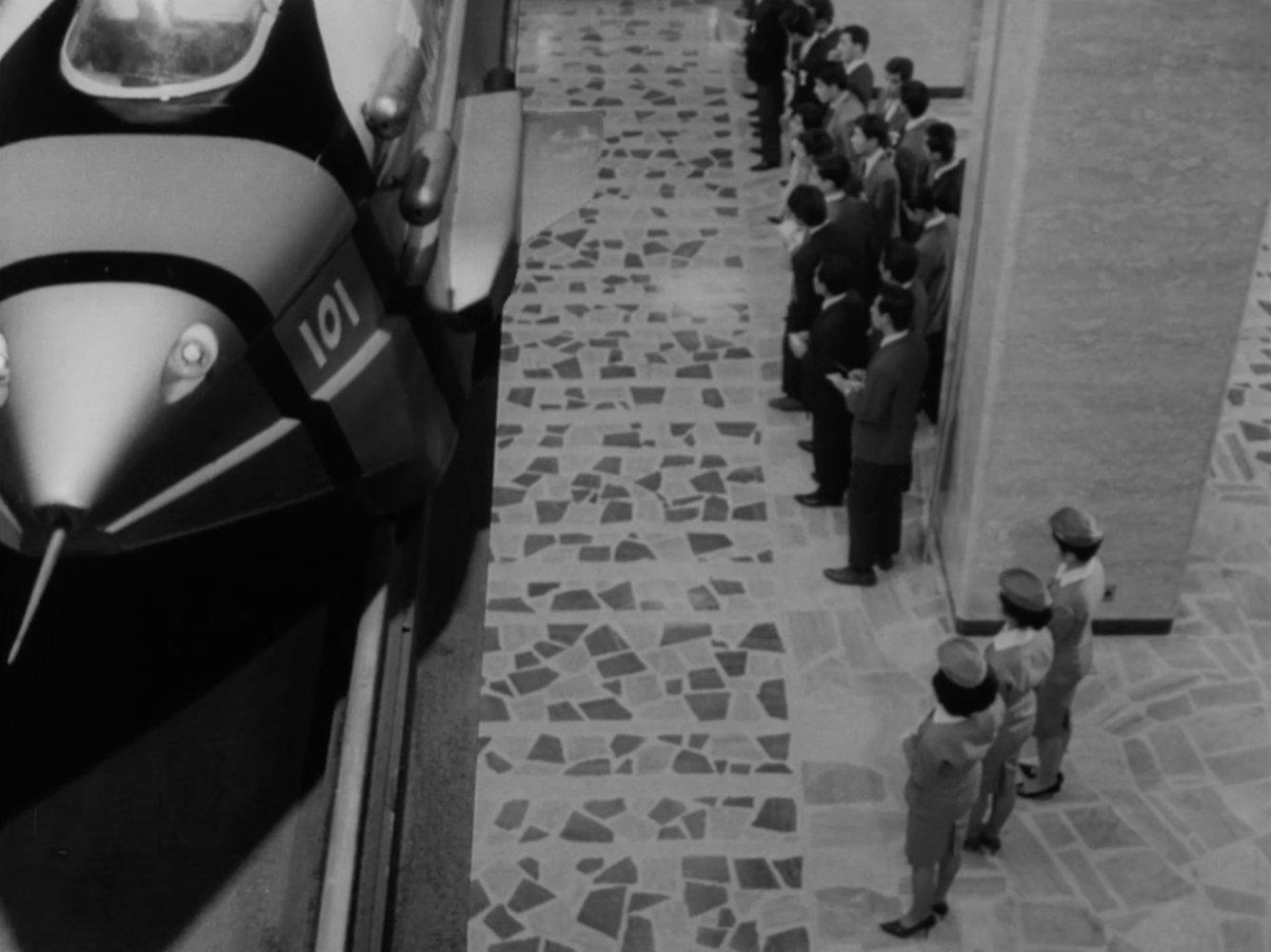
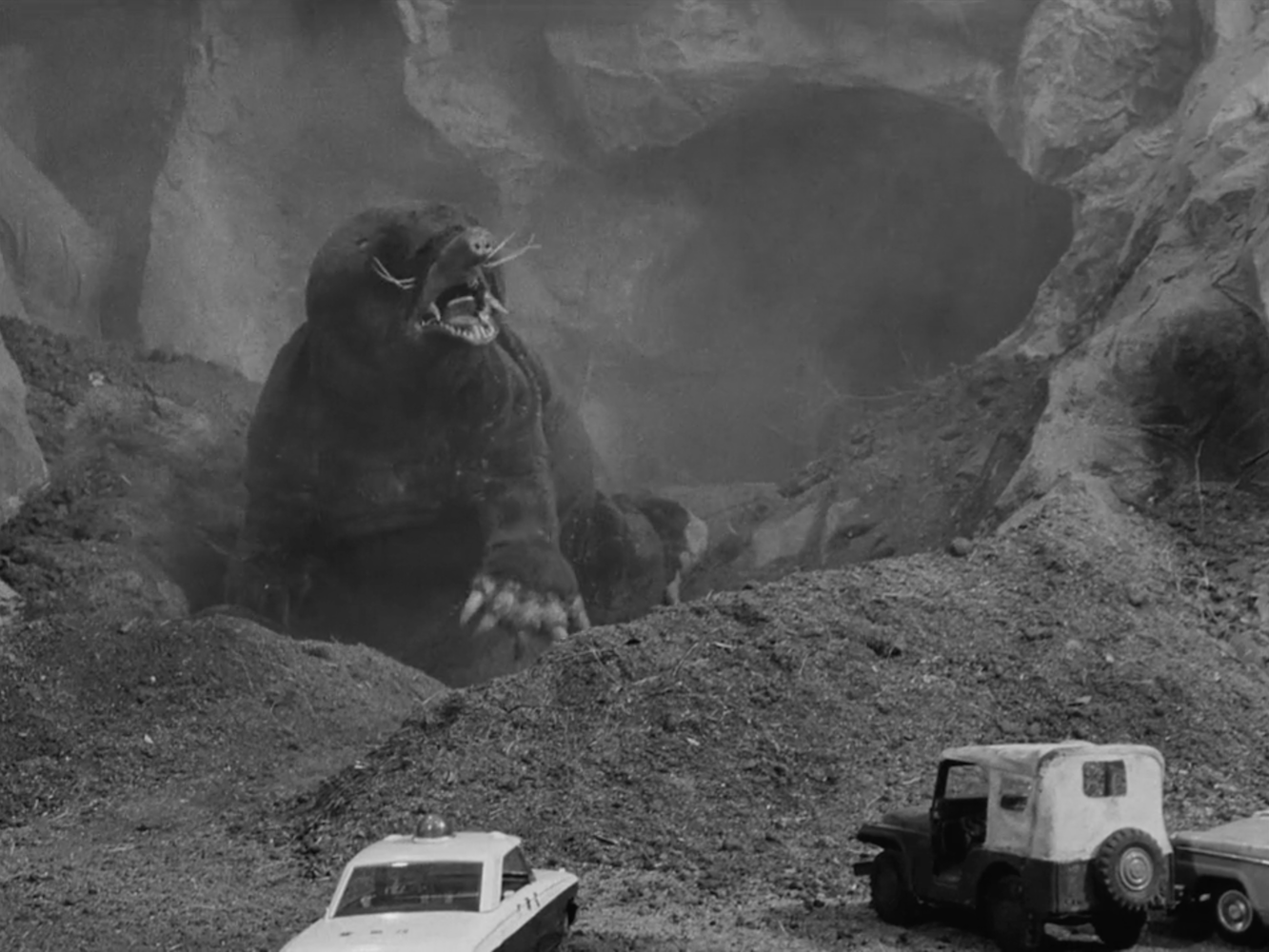
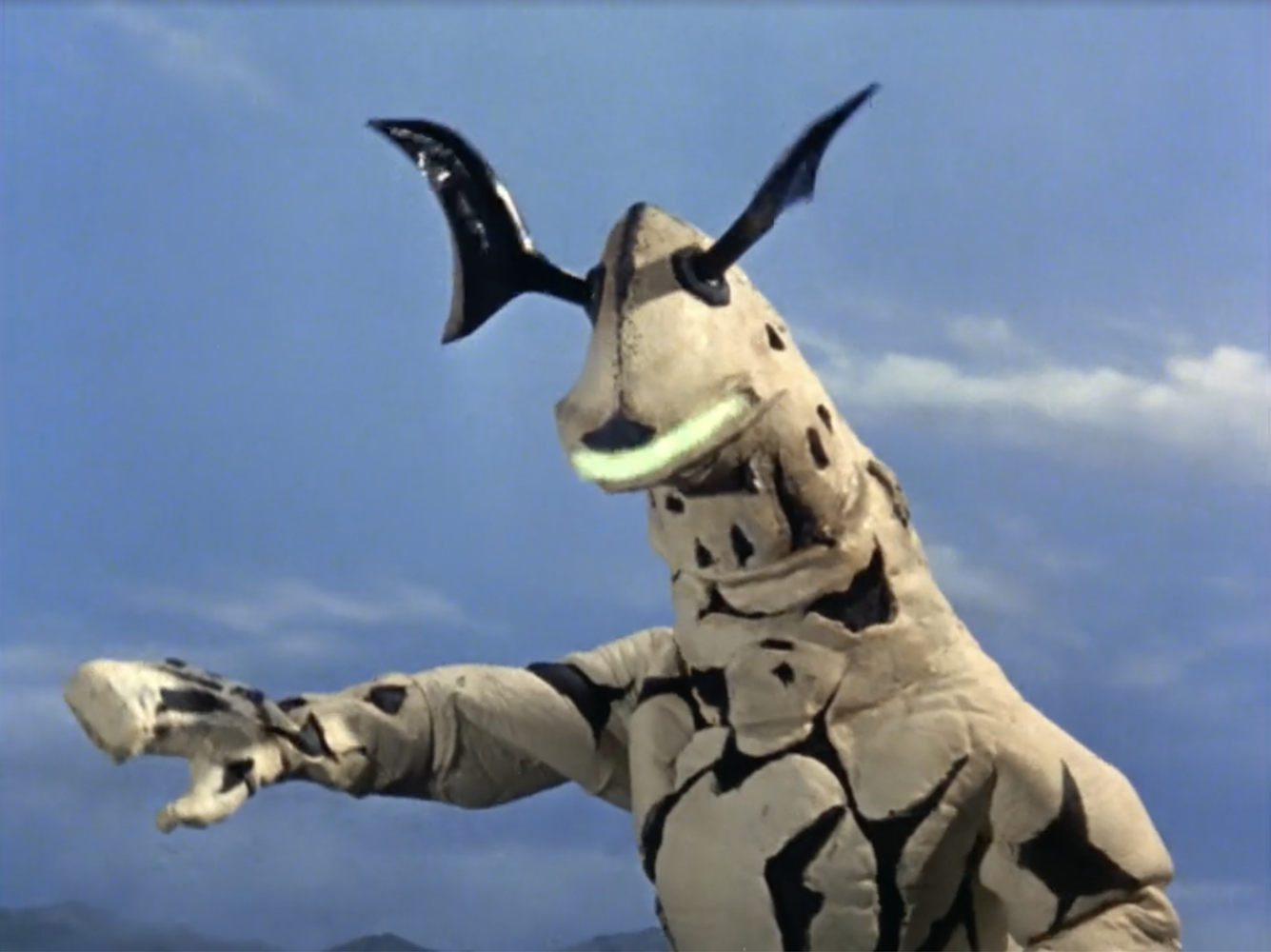
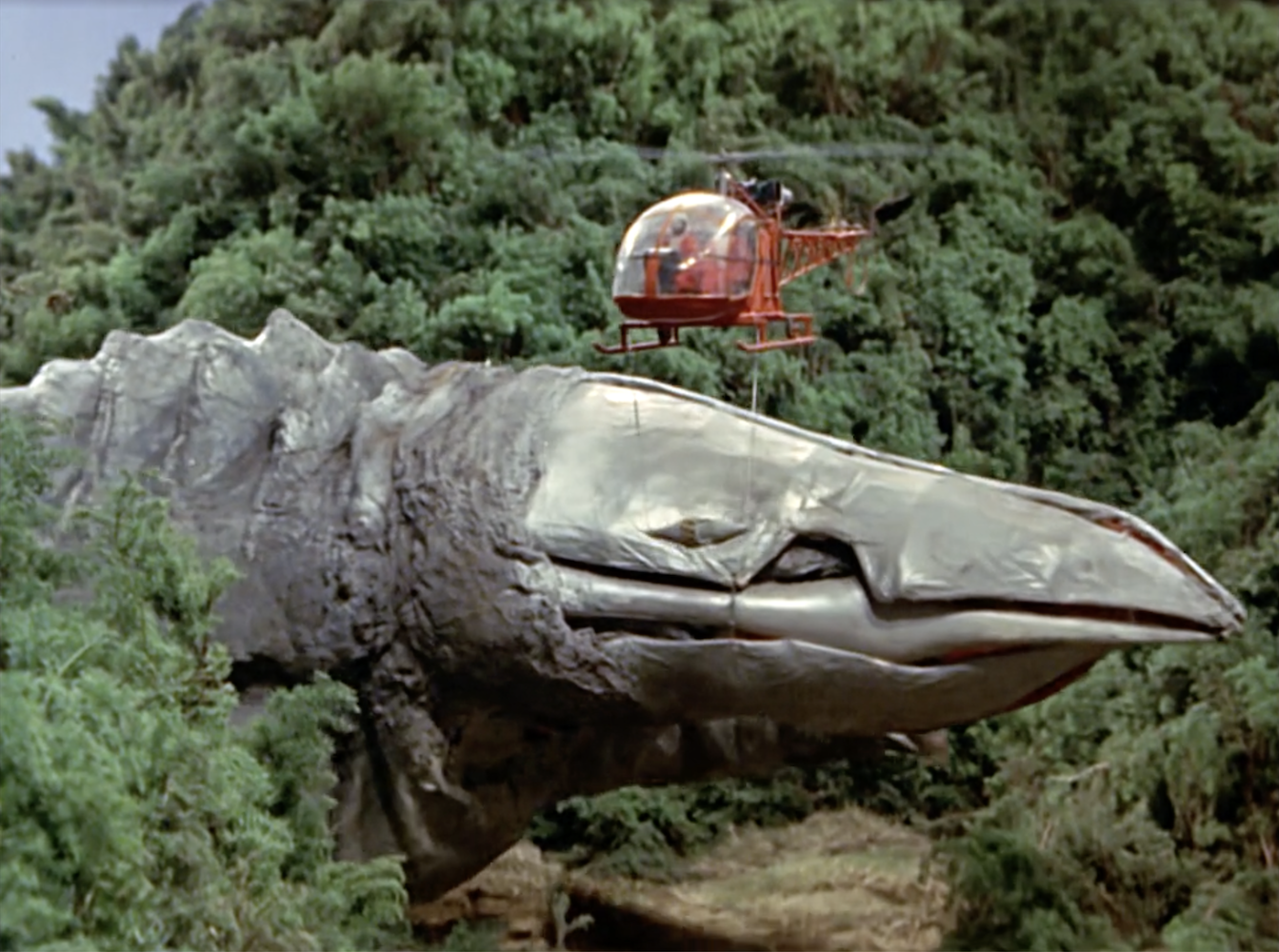
Another forest-and-giant-monster story from writer Tetsuo Kinjo, following “Goro and Goro” and “S.O.S. Mount Fuji.” I’m unsure why TBS decided to air this right after “S.O.S. Mount Fuji,” considering the similarities, but the network likely was only thinking of front-loading Ultra Q with as many giant monster episodes as possible. From a big rock monster in the woods to a big mole monster in the woods, if that’s what draws the viewers… 

Continue reading “Ultra Q Ep. 8: Terror of the Sweet Honey”

Ultraman Ep. 7: The Blue Stone of Baradhi

Directed by Samaji Nonagase. Written by Tetsuo Kinjo and Samaji Nonagase. Airdate August 28, 1966.

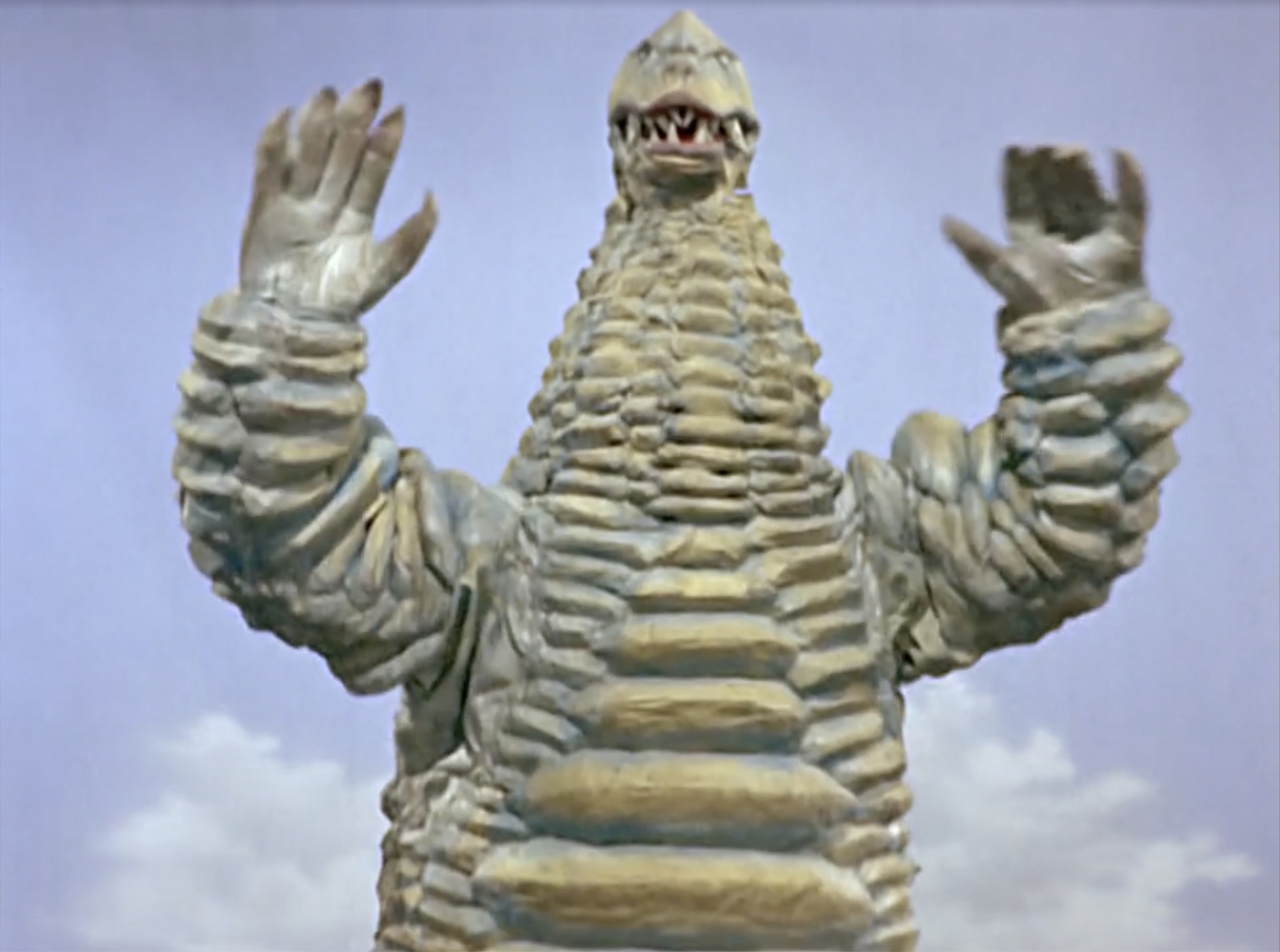
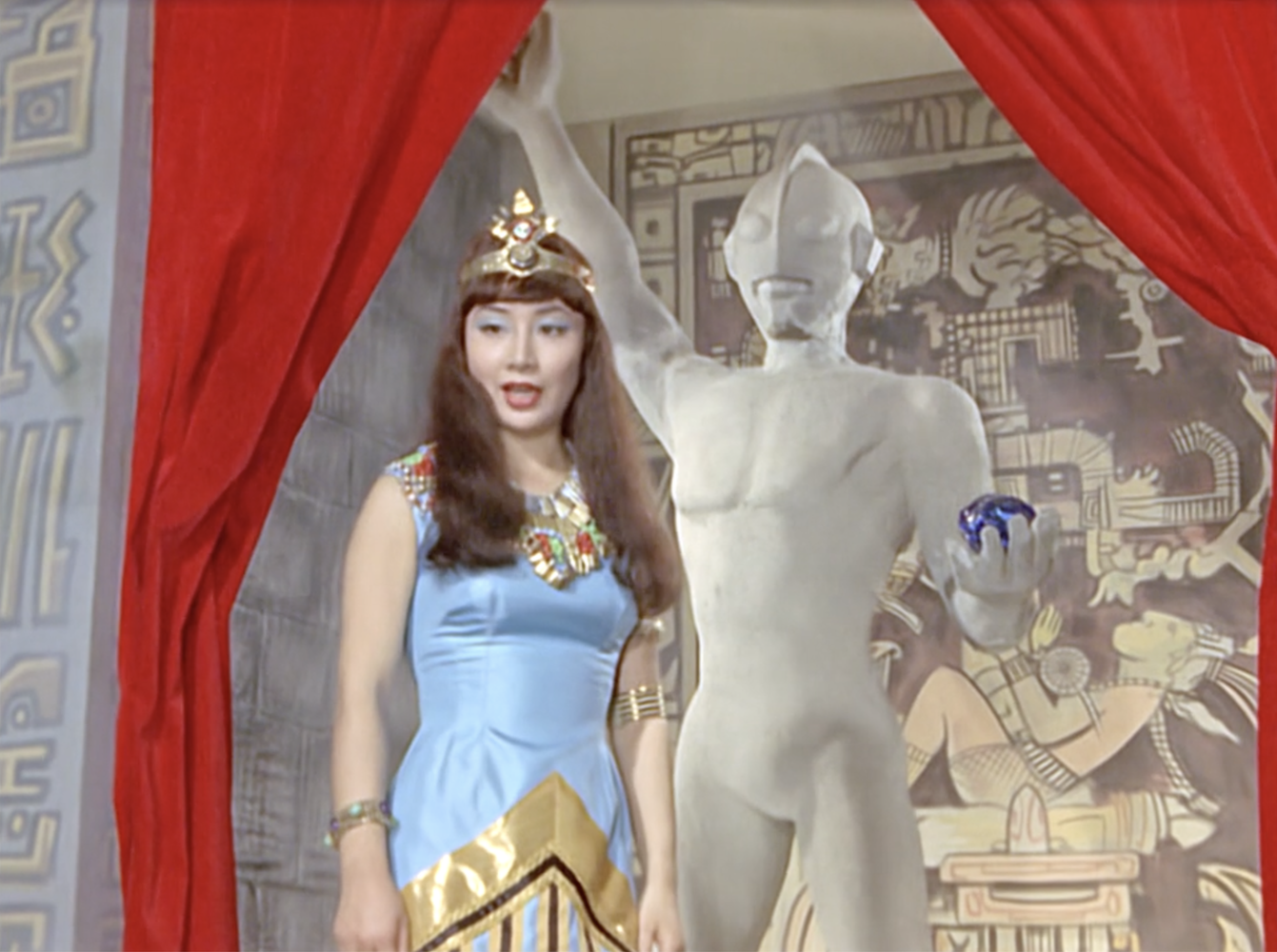
We pop out of the slump of middling episodes with a mini-epic that sends the Science Patrol to a lost city in the Middle East and expands upon the mythos of the Ultras. The mixture of 1930s pulp adventure and giant monster movie makes for a stand-out half hour. I also just enjoy it when an Ultra show sends its defense team outside of Japan to soak up some different backdrops.

Continue reading “Ultraman Ep. 7: The Blue Stone of Baradhi”

Ultra Q Ep. 7: S.O.S. Mount Fuji

Directed by Toshihiro Iijima. Written by Tetsuo Kinjo and Toshihiro Iijima. Airdate Feb. 13, 1966.

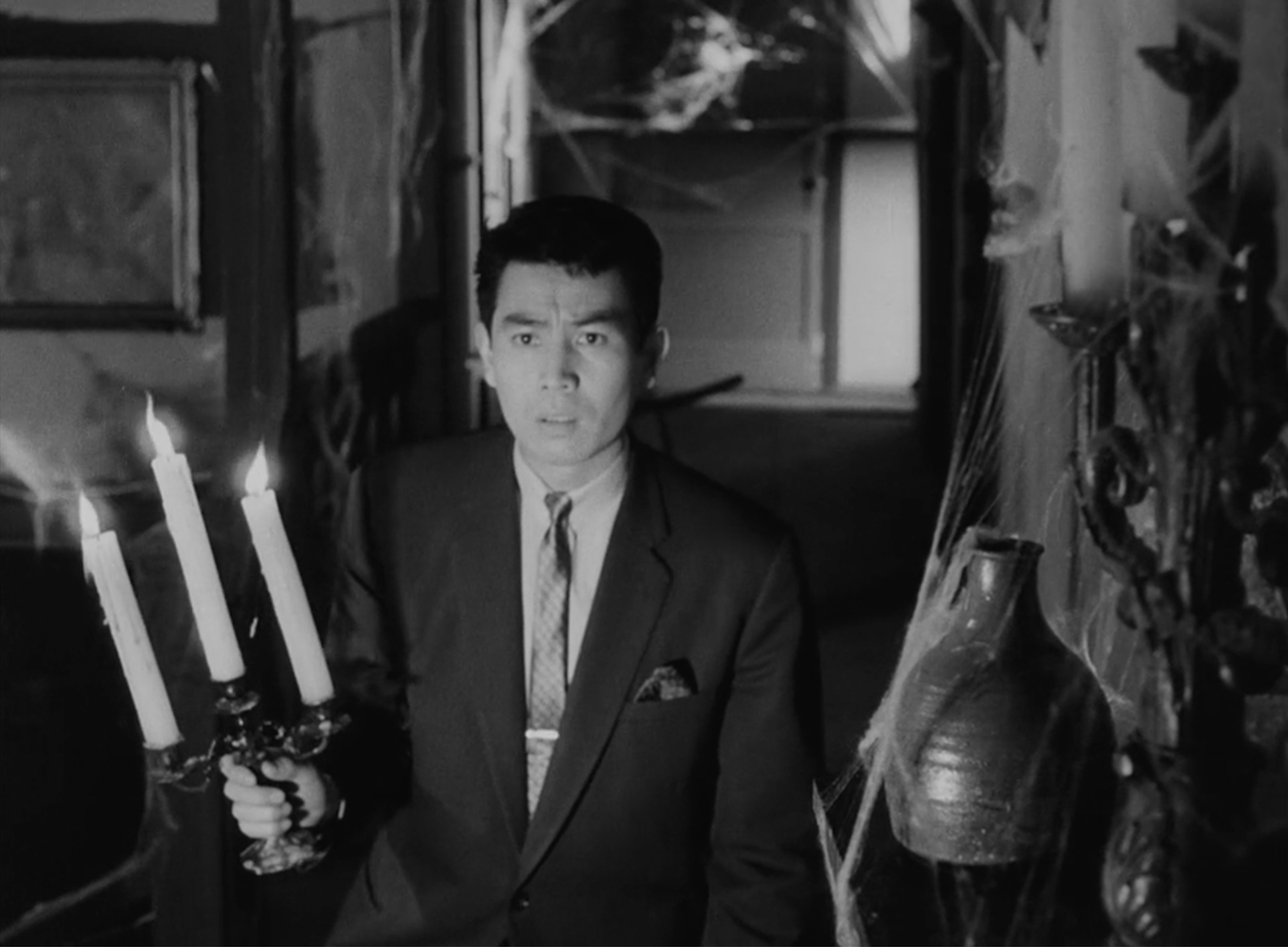
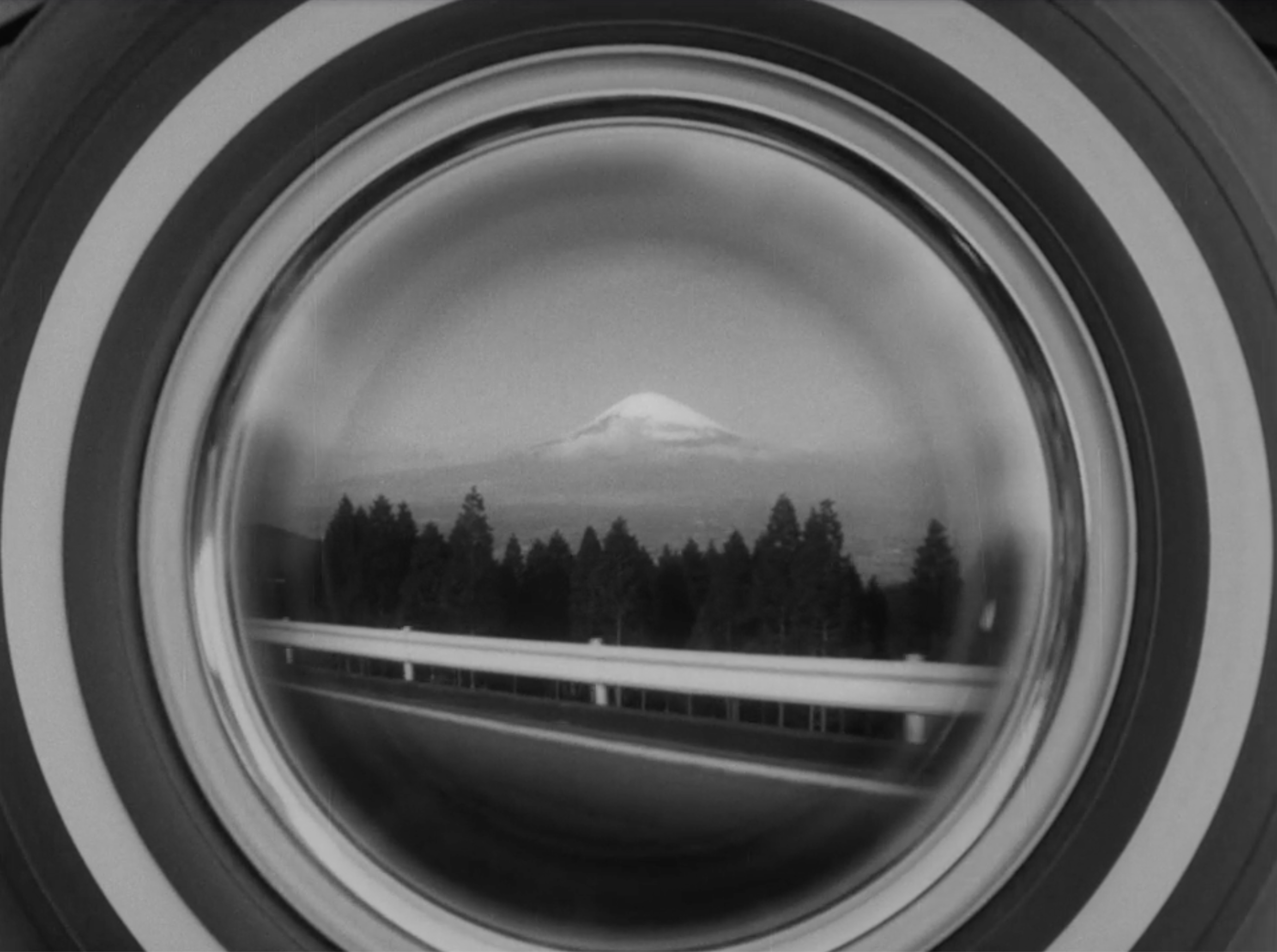
Mount Fuji has not erupted in over 250 years … and that can only mean another major eruption is imminent. But since this is the world of Ultra Q, we won’t witness any normal eruption. Instead, we’re going to see a monster formed from a conglomeration of igneous rocks battle a “Japanese Tarzan.” Why do anything normal when you can make good TV instead?

Continue reading “Ultra Q Ep. 7: S.O.S. Mount Fuji”

Ultraseven Ep. 3: Secret of the Lake

Directed by Samaji Nonagase. Written by Tetsuo Kinjo. Airdate Oct. 15, 1967.

This was the first Ultraseven episode produced, and it’s fascinating to see how much the crew already had a feel for the show’s possibilities and what made it different from Ultraman. It’s a better start than the first two episodes aired: “The Invisible Challenger” put the pieces in place, “The Green Terror” emphasized the serious mood, but “Secret of the Lake” demonstrates what Ultraseven can do when it swings into action with full confidence in its premise.

Continue reading “Ultraseven Ep. 3: Secret of the Lake”

Ultraman Ep. 6: The Coast Guard Command

Directed by Samaji Nonagase. Written by Masahiro Yamada. Airdate August 21, 1966.

The first episode to focus on young Hoshino, the boy who wants to one day join the Science Special Search Party. Hoshino and his friends Chiro and Nobuku get swept up in a Hardy Boys-style story investigating smugglers along the wharf. Notorious smuggler “Diamond-Kick” (great name) has hidden his newest diamond shipment among bags of cacao beans, and the young detectives end up kidnapped when they start poking around the warehouses. It sounds like the kind of adventure tale a child might come up with. A child might also add a giant monster that comes up onto the wharf to throw everything into chaos. A monster who loves chocolate.

Continue reading “Ultraman Ep. 6: The Coast Guard Command”

Ultraseven Ep. 2: The Green Terror

Anne Yuri in Ultraseven wields a laser gun.

Directed by Samaji Nonagase. Written by Tetsuo Kinjo. Airdate Oct. 8, 1967.

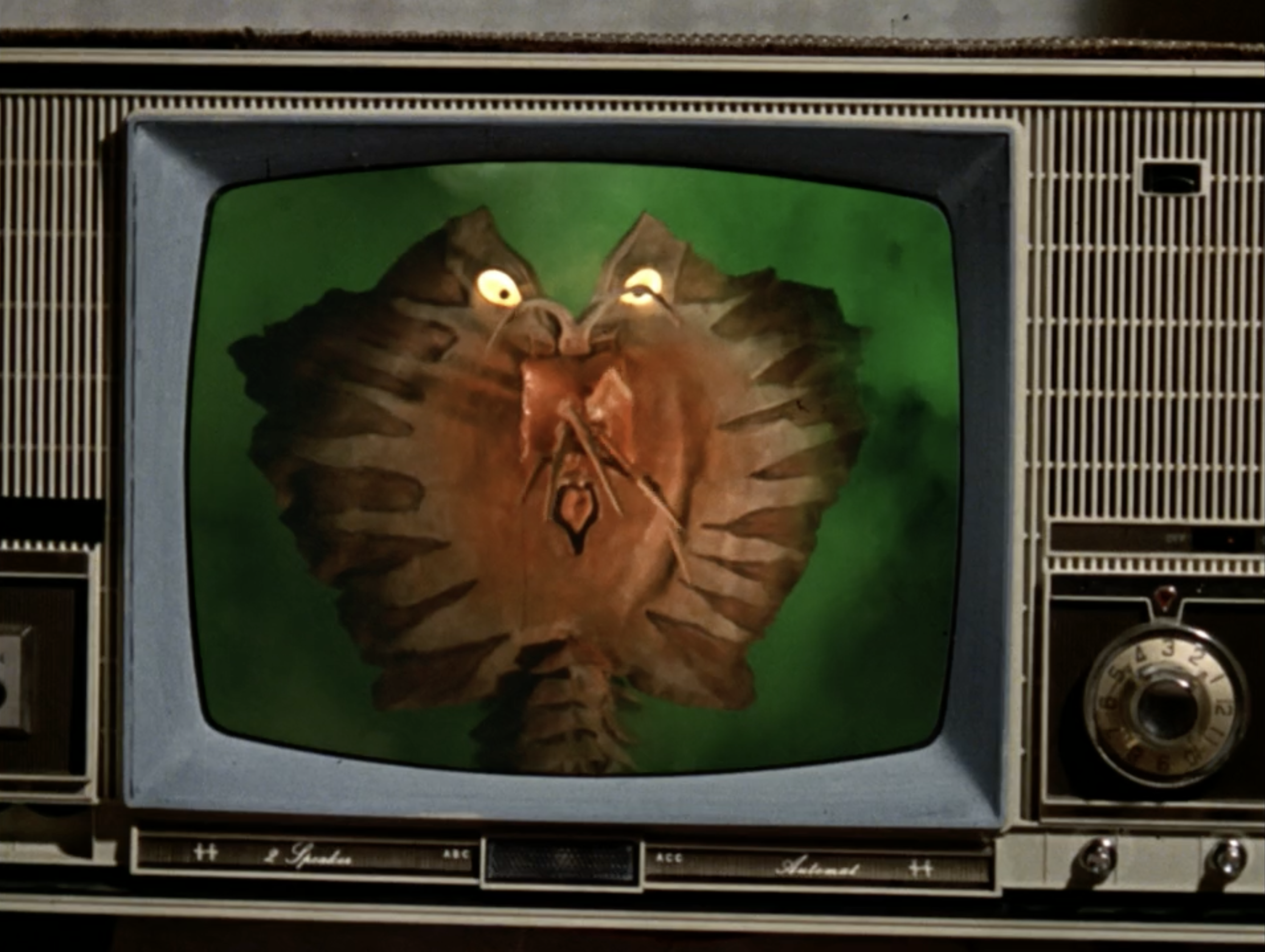
Eiji Tsuburaya must have had a dictum about his shows: within the first batch of episodes, there must be a plant monster. Ultra Q has the giant flower Juran, Ultraman has a green lettuce sack called Greenmons, and now Ultraseven’s second episode brings us Alien Waiell, a walking stack of spiky mixed greens. It doesn’t look great, but it’s better than Greenmons. I’ll say it again: I don’t have much interest in vegetation monsters. 

Continue reading “Ultraseven Ep. 2: The Green Terror”

Ultraman Ep. 5: The Secret of the Miroganda

Directed by Toshihiro Iijima. Written by Keisuke Fujikawa. Airdate August 14, 1966.

Rewatching “The Secret of the Miroganda” made me acutely aware of the budget fight Tsuburaya Productions was locked into during the early production of Ultraman. TBS may have given an enthusiastic greenlight to the show, but they were hesitant about the hefty price tag per episode, which was often more than double the cost of an episode of Ultra Q. The network forced the creative team at Tsuburaya Pro to cut costs at every opportunity. The situation improved once episodes started to air and the show became a popular sensation, but the early sacrifices the creative team had to make often poke through. “Miroganda,” only the second episode shot, has some of the most obvious. 

Continue reading “Ultraman Ep. 5: The Secret of the Miroganda”