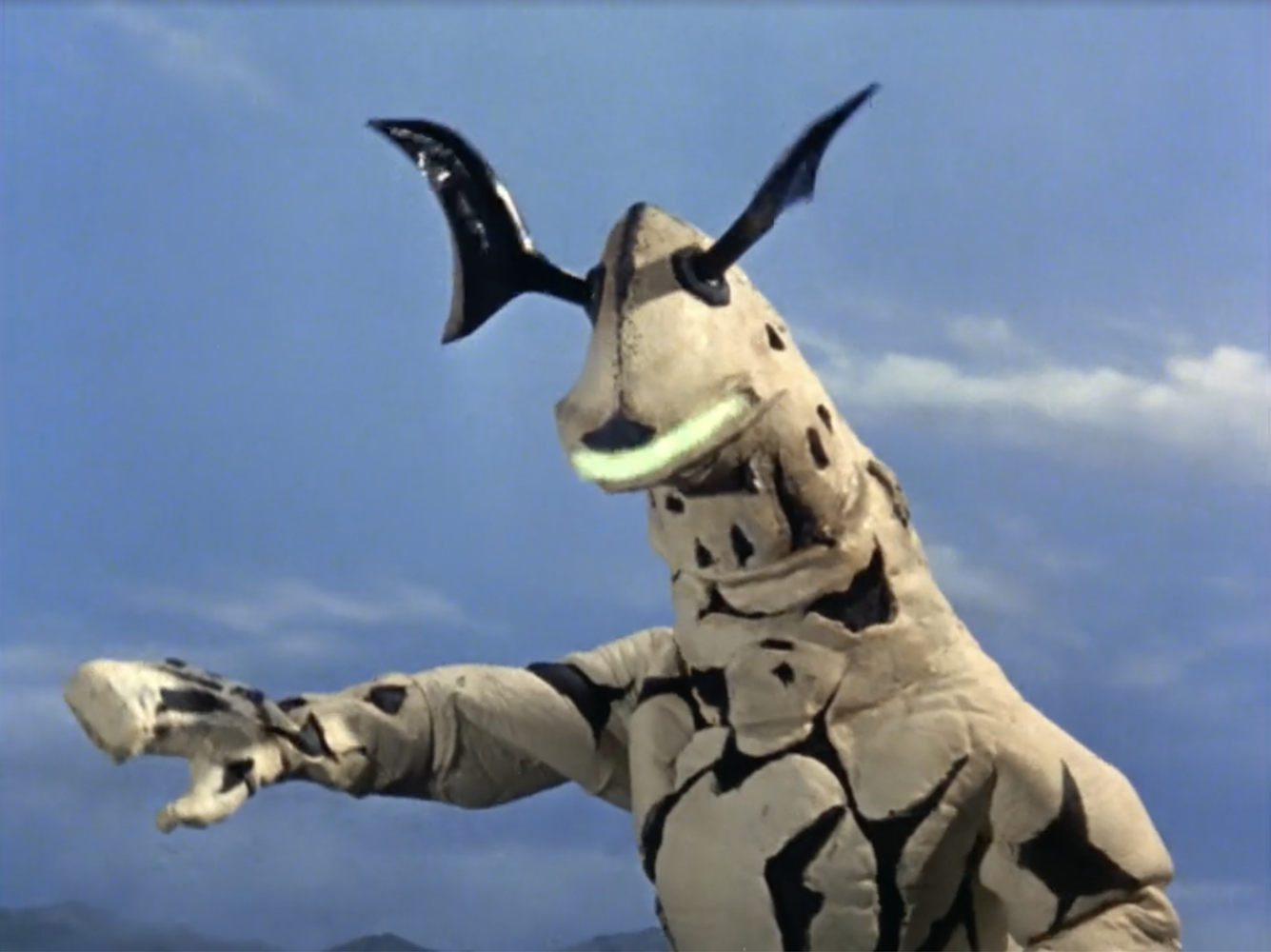
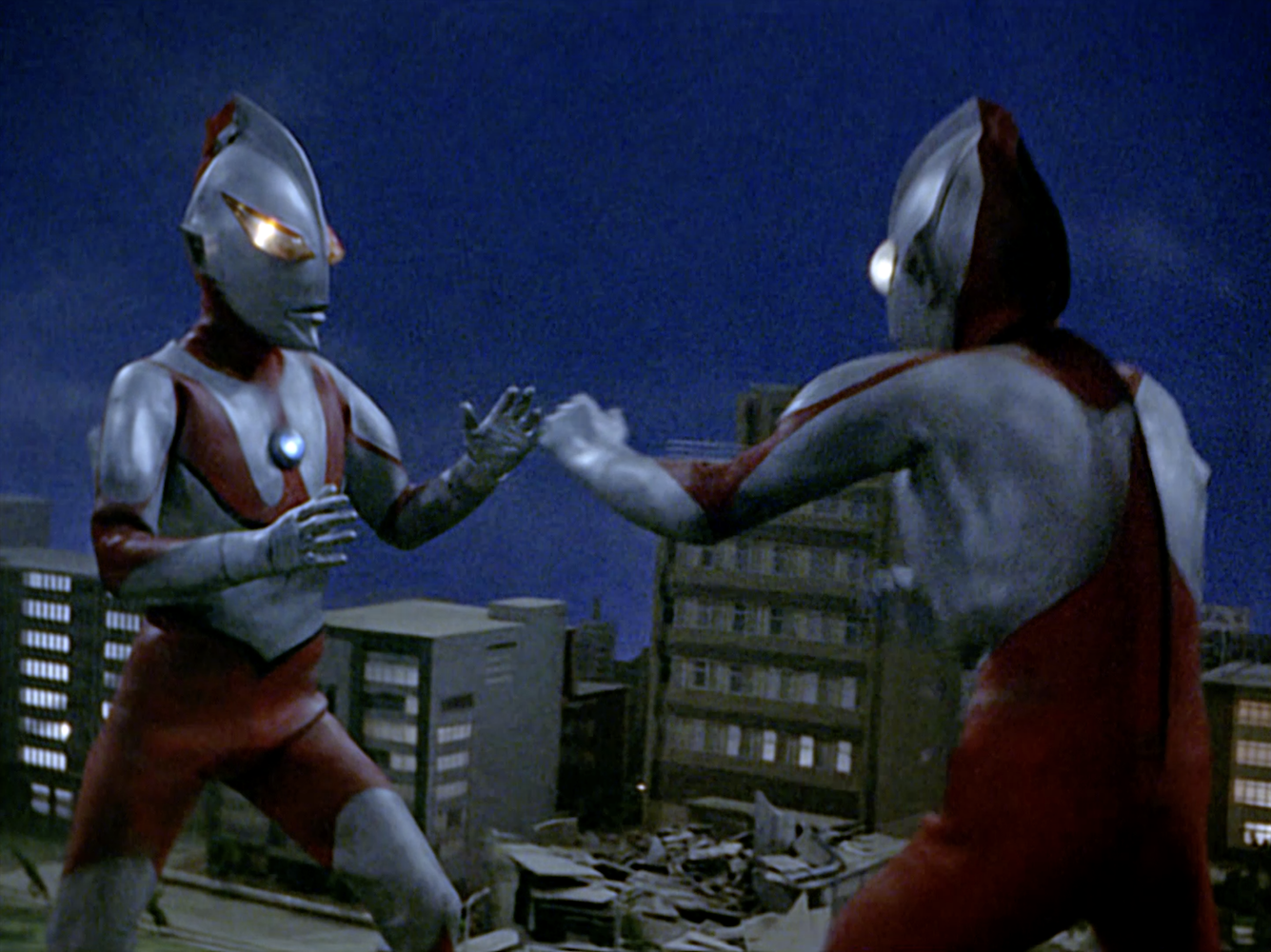
Ultra Q Ep. 16: Garamon Strikes Back

Directed by Samaji Nonagase. Written by Tetsuo Kinjo. Airdate April 17, 1966.

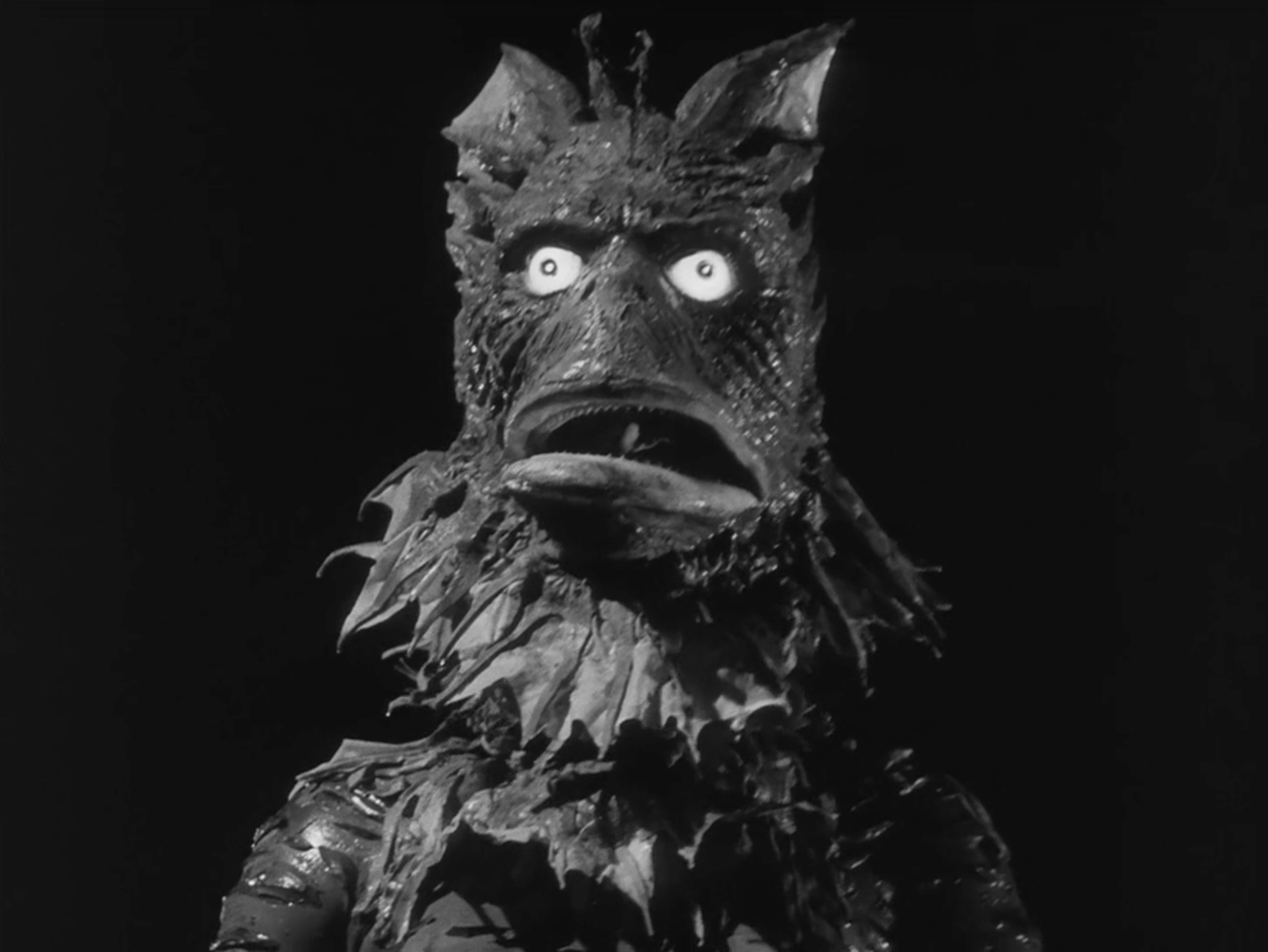
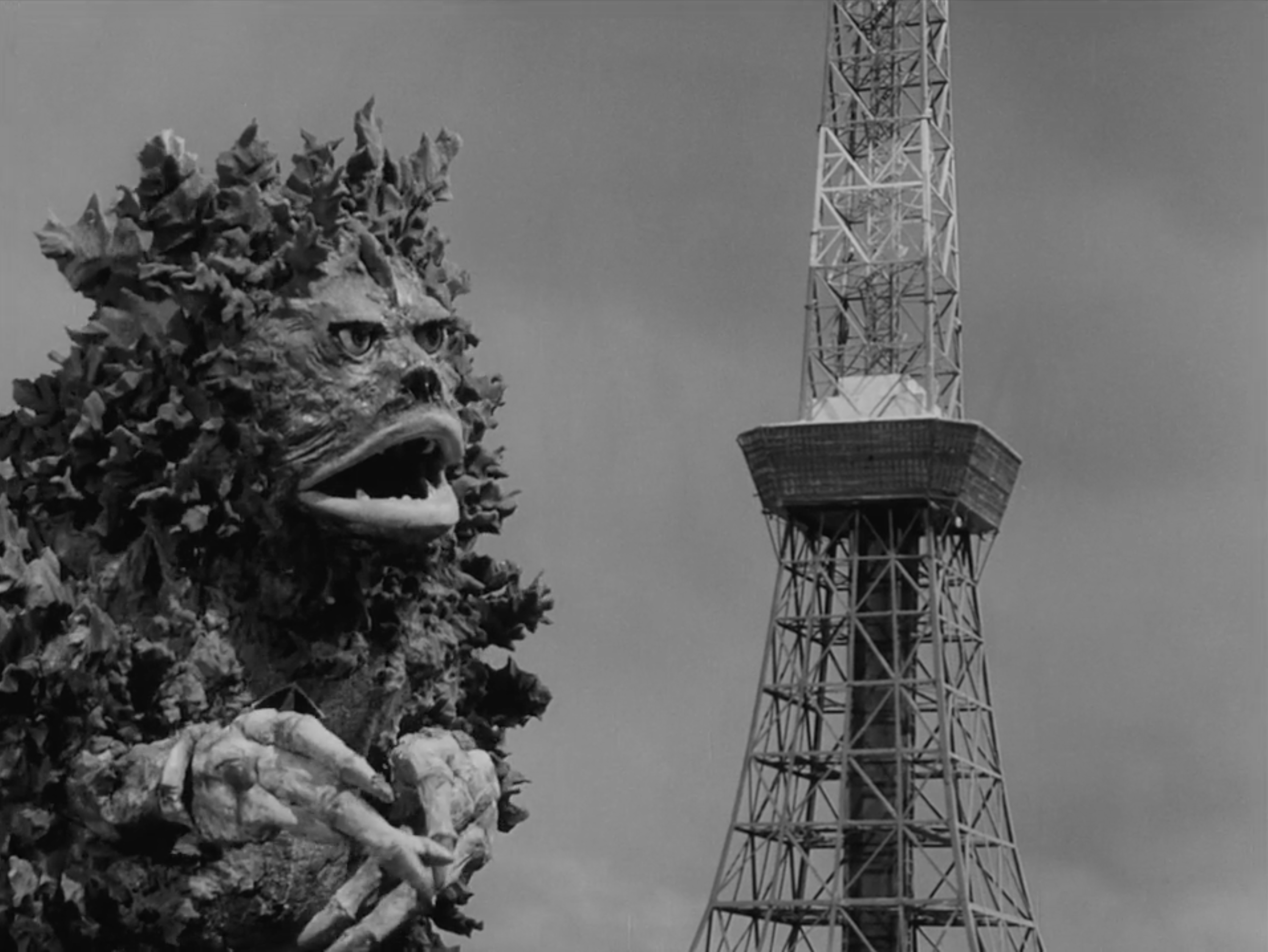
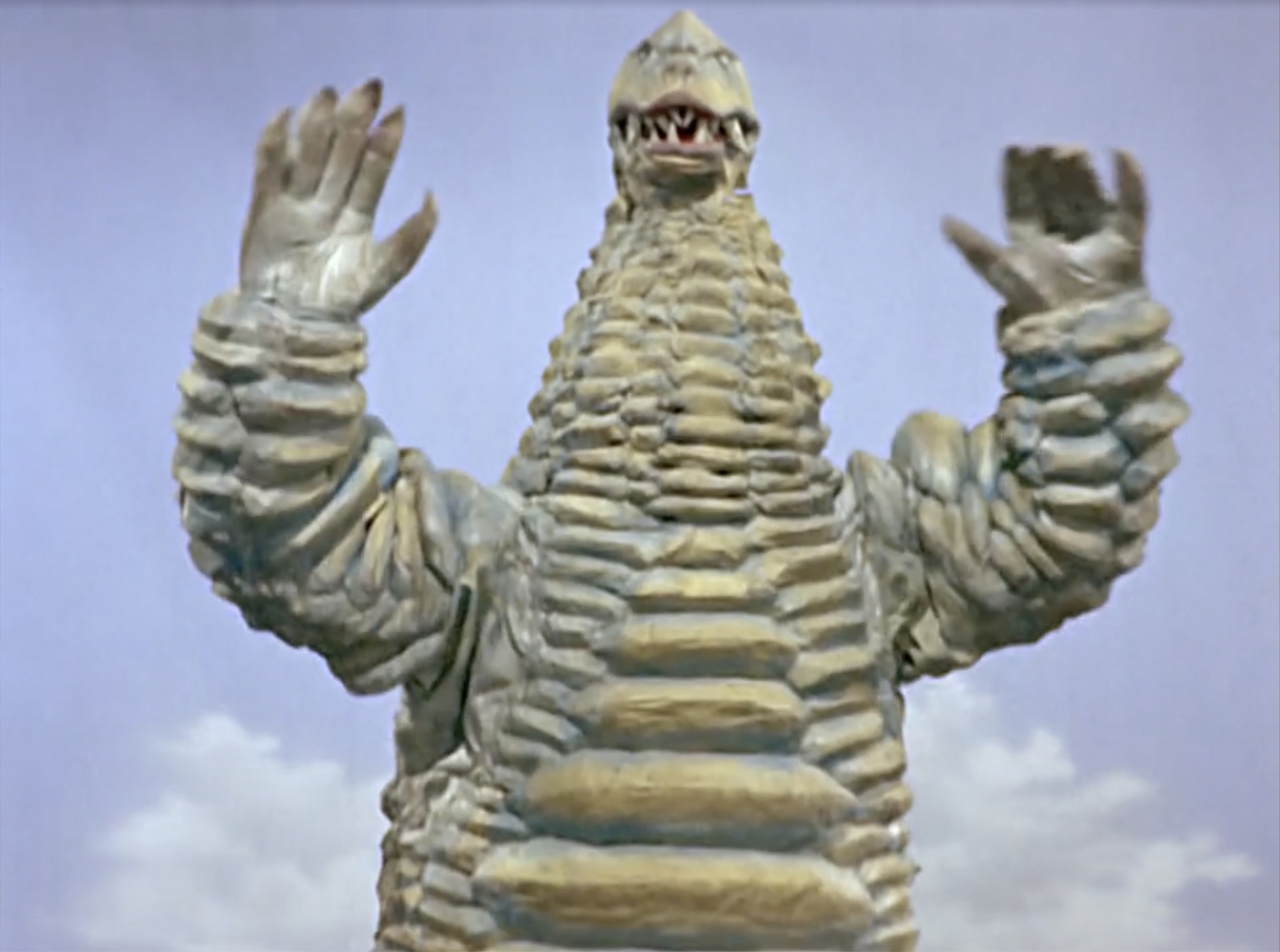
At this point in the timeline of the Ultra universe, the people of Tokyo have got to be fairly terrified, right? In the past few months, their city has almost been destroyed by 1) a humongous alien floating blob that nearly drained all of Tokyo’s energy; 2) a giant penguin-walrus thingy that brought along its own Ice Age; and now 3) multiple alien constructs half the size of Tokyo Tower that look like frazzled Pokémon characters with skeletal hands and legs. 

Continue reading “Ultra Q Ep. 16: Garamon Strikes Back”

Ultra Q Ep. 15: Kanegon’s Cocoon

Directed by Samaji Nonagase. Written by Masahiro Yamada. Airdate April 10, 1966.

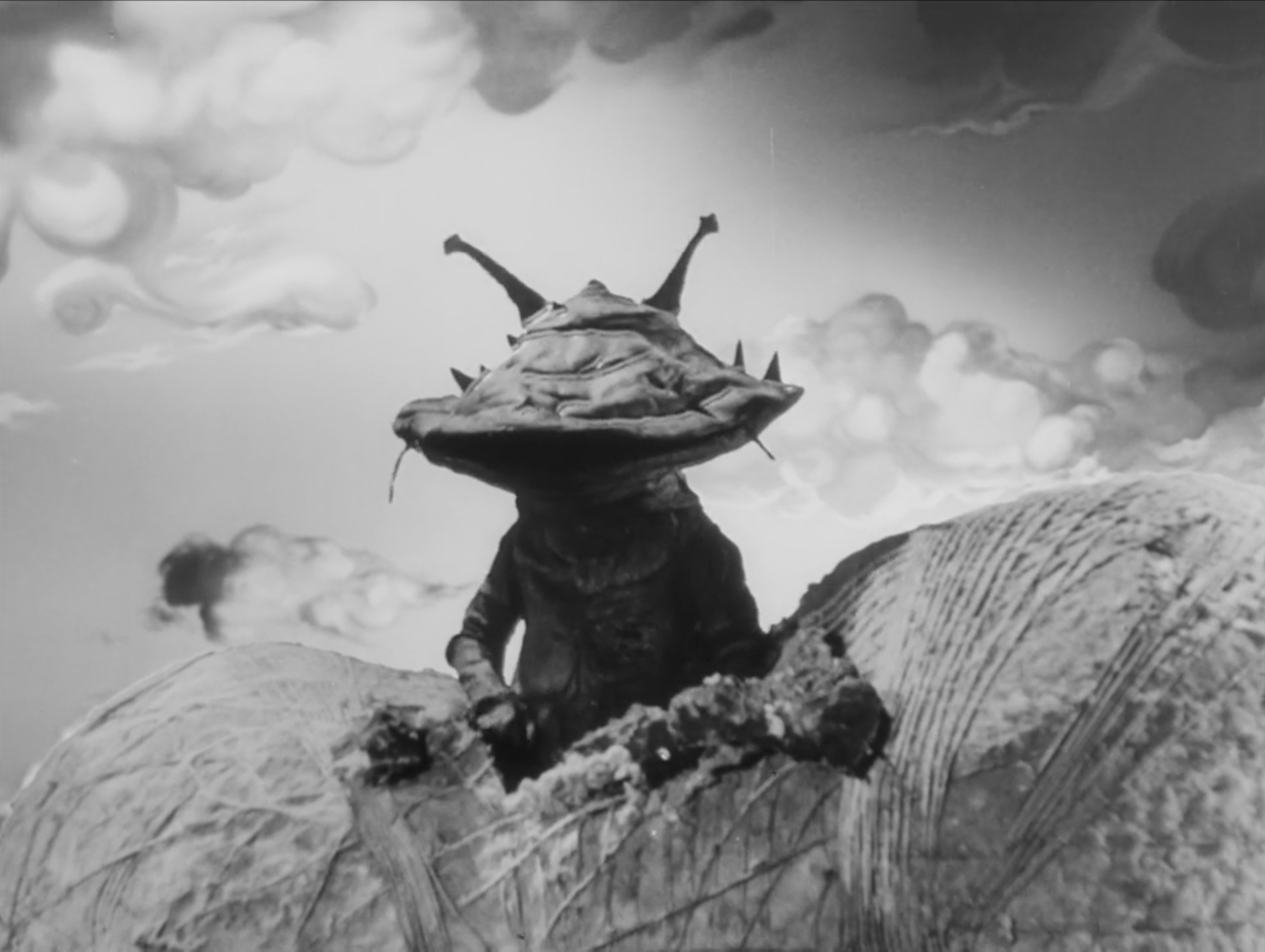
After four giant monster episodes in a row, it’s time for something different. Really different. Something so out there it doesn’t even have room for any of the series leads. Spoilers ahead, but believe me, they don’t matter. In fact, go watch the episode right now and come back so we can share.

Continue reading “Ultra Q Ep. 15: Kanegon’s Cocoon”

Ultra Q Ep. 14: Tokyo Ice Age

Directed by Samaji Nonagase. Written by Masahiro Yamada. Airdate April 3, 1966.

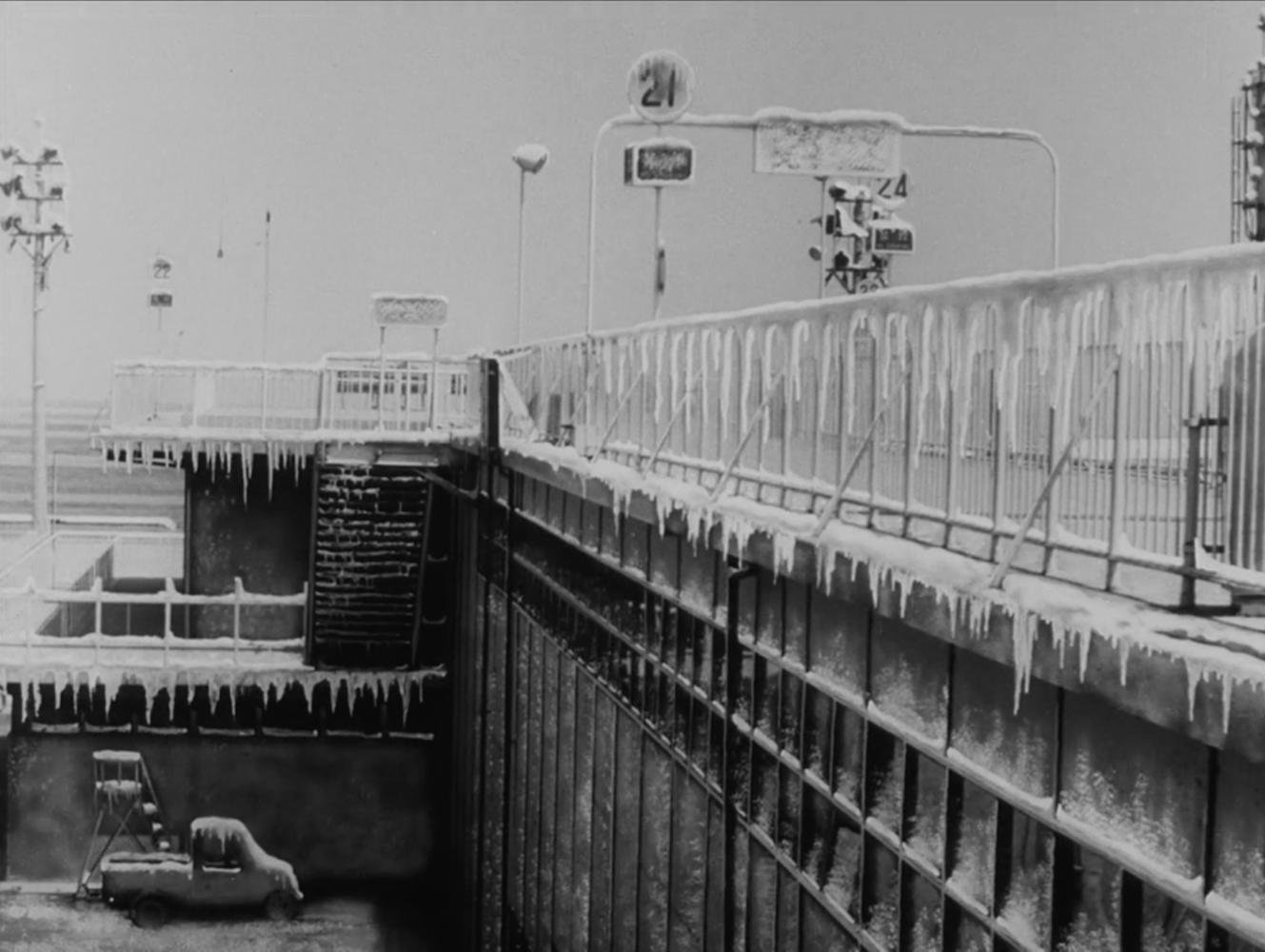
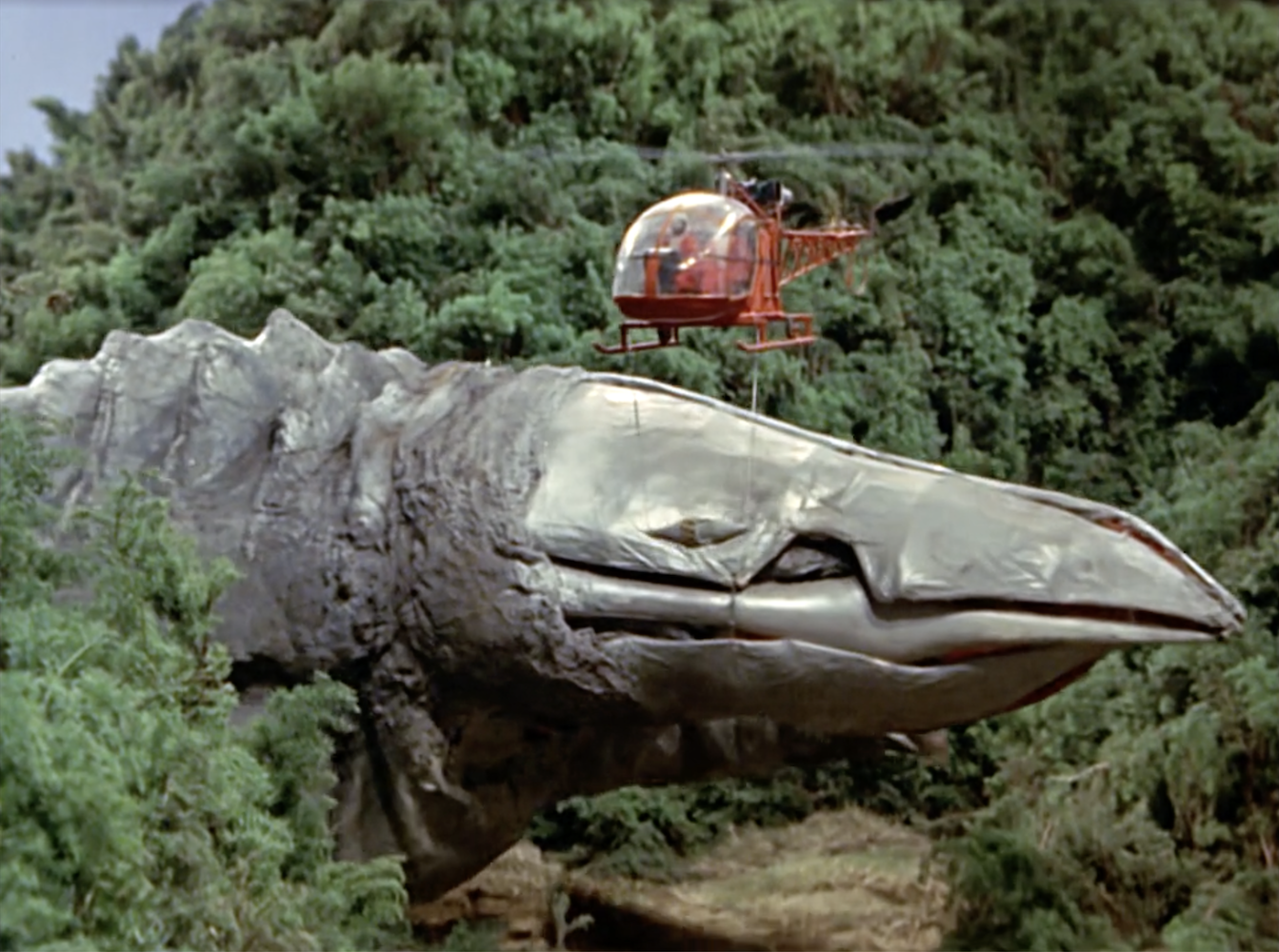
The most terrifying monster of all has arrived: climate change! Yes, scientists already knew about this encroaching global threat in 1966 and were sounding the alarm bells. They didn’t, however, warn that melting Antarctic ice combined with nuclear power plant accidents would force the deep-freeze monster Peguila north to wreck wintry havoc! Would more people have paid attention if they did? I think so.

Continue reading “Ultra Q Ep. 14: Tokyo Ice Age”

Ultra Q Ep. 11: Balloonga

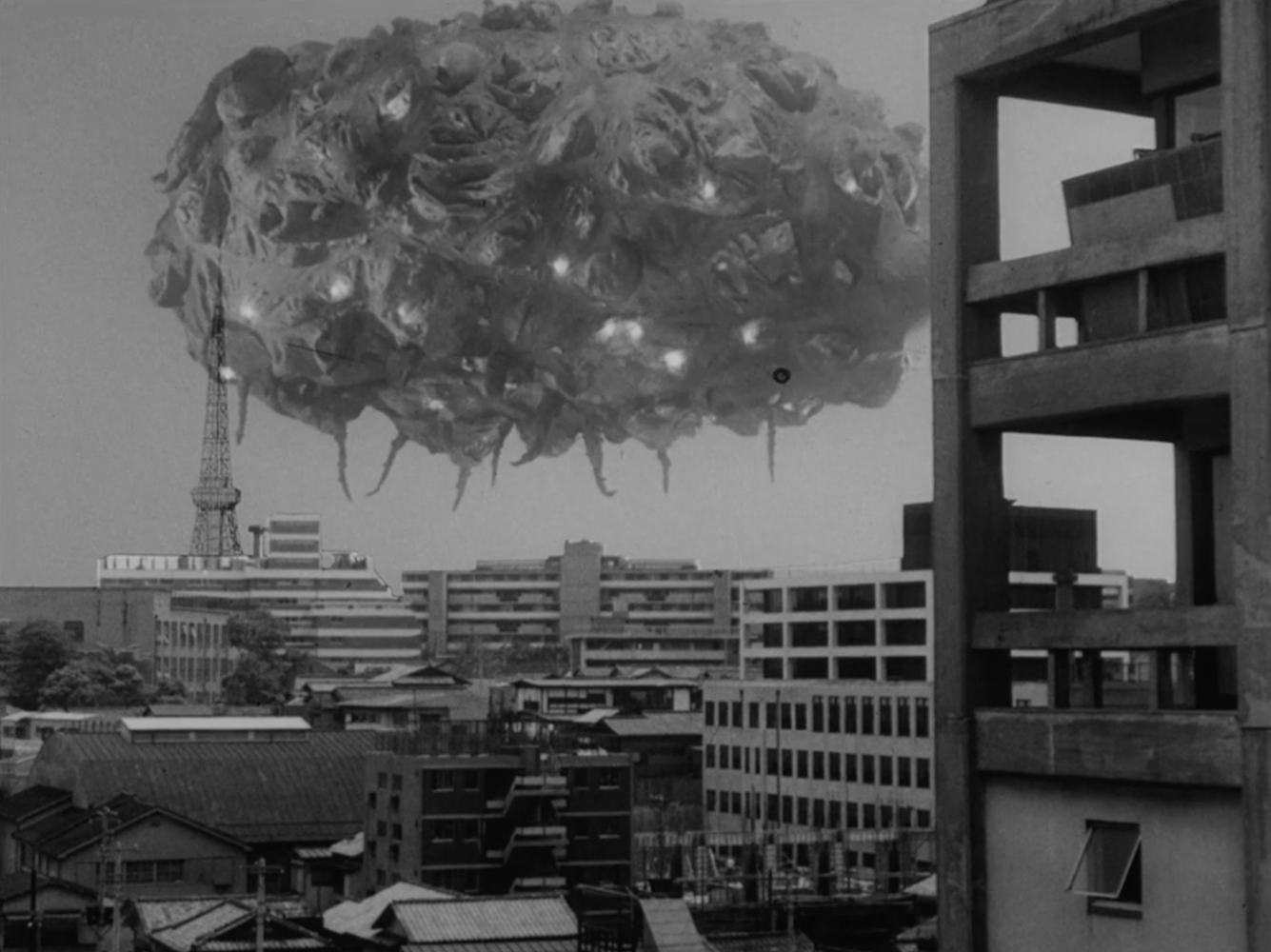
The giant form of Balloonga floats over Tokyo. Tokyo tower is visible, showing the creature's immense size.

Directed by Samaji Nonagase. Written by Kunio Torami. Airdate March 13, 1966.

Another giant monster episode, but with a difference. Rather than a traditional rampaging kaiju tale, “Balloonga” takes an approach that borders on cosmic horror. It’s a dark turn for the show, with a fatalistic mood and gloomy aura. It’s highly effective for most of the running time, but the finale doesn’t match what the rest of the story promises. 

Continue reading “Ultra Q Ep. 11: Balloonga”

Ultraman Ep. 9: Lightning Operation

Directed by Samaji Nonagase. Written by Masahiro Yamada. Airdate Sep. 11, 1966.

A good Ultra fight finale can do a lot to salvage an otherwise mediocre episode. Ultraman’s wrestling match with monster-of-the-week Gabora (orGavora as the Mill Creek subtitles spell it) is tough and agile. A good deal of the credit for its success goes to performers Bin Furyua in the Ultraman costume and the legend himself, Hauro Nakajima, in the Gabora costume. Nakajima was the first person to put on the Godzilla suit, and he played the monster for almost 20 years. I believe he’s the best suitmation actor to ever rampage across a miniature stage. He brings something extra to every monster he plays, and Gabora is no exception. 

Continue reading “Ultraman Ep. 9: Lightning Operation”

Ultraman Ep. 8: The Monster Anarchy Zone

Red King from Ultraman episode The Monster Anarchy Zone

Directed by Samaji Nonagase. Written by Tetsuo Kinjo and Shozo Uehara. Airdate Sep. 4, 1966.

In the previous episode, the Science Patrol flew off for a fantasy adventure in the Middle East. This week, they’re taking the Jet VTOL to a volcanic jungle island stacked with monsters. It’s classic Lost World and Skull Island stuff, and I’m surprised Eiji Tsuburaya didn’t find a way to cram in a giant gorilla among all the other kaiju. The King Kong influence is all over this half-hour.

Continue reading “Ultraman Ep. 8: The Monster Anarchy Zone”

Ultraman Ep. 7: The Blue Stone of Baradhi

Directed by Samaji Nonagase. Written by Tetsuo Kinjo and Samaji Nonagase. Airdate August 28, 1966.

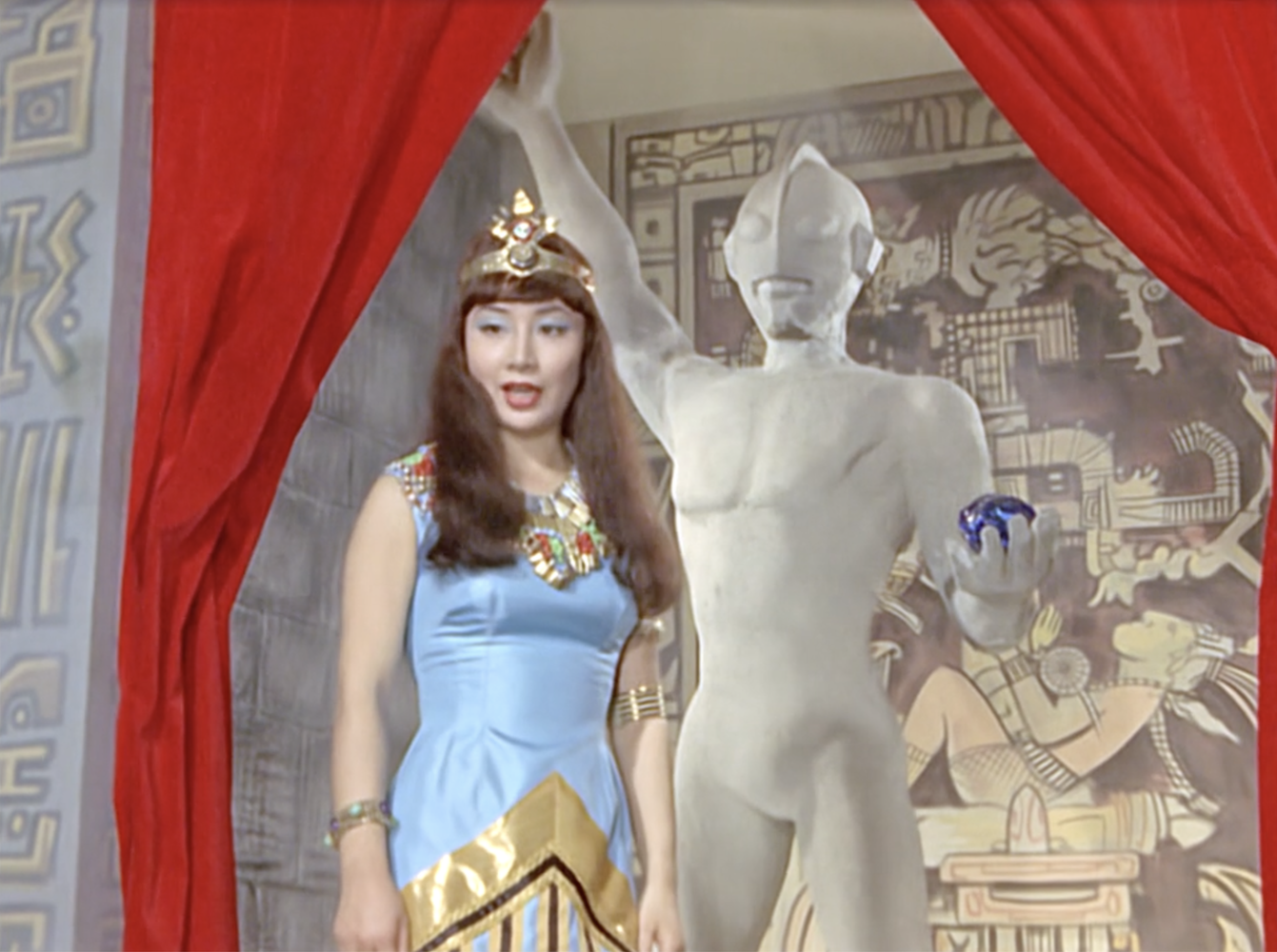
We pop out of the slump of middling episodes with a mini-epic that sends the Science Patrol to a lost city in the Middle East and expands upon the mythos of the Ultras. The mixture of 1930s pulp adventure and giant monster movie makes for a stand-out half hour. I also just enjoy it when an Ultra show sends its defense team outside of Japan to soak up some different backdrops.

Continue reading “Ultraman Ep. 7: The Blue Stone of Baradhi”

Ultraseven Ep. 3: Secret of the Lake

Directed by Samaji Nonagase. Written by Tetsuo Kinjo. Airdate Oct. 15, 1967.

This was the first Ultraseven episode produced, and it’s fascinating to see how much the crew already had a feel for the show’s possibilities and what made it different from Ultraman. It’s a better start than the first two episodes aired: “The Invisible Challenger” put the pieces in place, “The Green Terror” emphasized the serious mood, but “Secret of the Lake” demonstrates what Ultraseven can do when it swings into action with full confidence in its premise.

Continue reading “Ultraseven Ep. 3: Secret of the Lake”

Ultraman Ep. 6: The Coast Guard Command

Directed by Samaji Nonagase. Written by Masahiro Yamada. Airdate August 21, 1966.

The first episode to focus on young Hoshino, the boy who wants to join the SSSP one day. Hoshino and his friends Chiro and Nobuku get swept up in a Hardy Boys-style story investigating smugglers along the wharf. Notorious smuggler “Diamond-Kick” (great name) has hidden his newest diamond shipment among bags of cacao beans, and the young detectives end up kidnapped when they start poking around the warehouses. It sounds like the kind of adventure tale a child might come up with. A child might also add a giant monster who comes up onto the wharf to throw everything into chaos. A monster who loves chocolate.

Continue reading “Ultraman Ep. 6: The Coast Guard Command”

Ultraseven Ep. 2: The Green Terror

Anne Yuri in Ultraseven wields a laser gun.

Directed by Samaji Nonagase. Written by Tetsuo Kinjo. Airdate Oct. 8, 1967.

Eiji Tsuburaya must have had a dictum about his shows: within the first batch of episodes, there must be a plant monster. Ultra Q has the giant flower Juran, Ultraman has a green lettuce sack called Greenmons, and now Ultraseven’s second episode brings us Alien Waiell, a walking stack of spiky mixed greens. It doesn’t look great, but it’s better than Greenmons. I’ll say it again: I don’t have much interest in vegetation monsters. 

Continue reading “Ultraseven Ep. 2: The Green Terror”