Ultra Q Ep. 26: Blazing Glory

Directed by Kazuho Mitsuta. Written by Toshihiro Iijima. Airdate June 26, 1966.

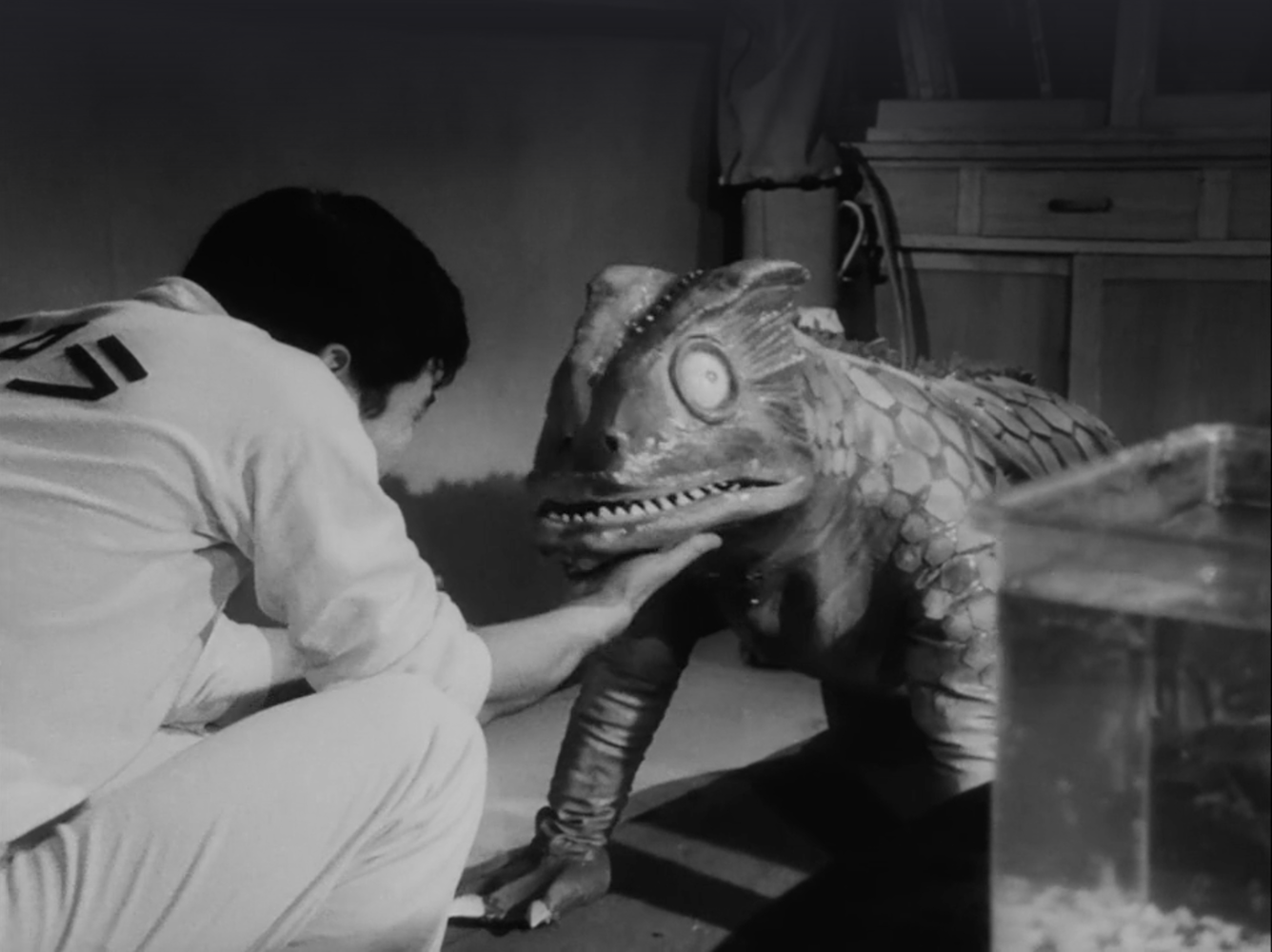
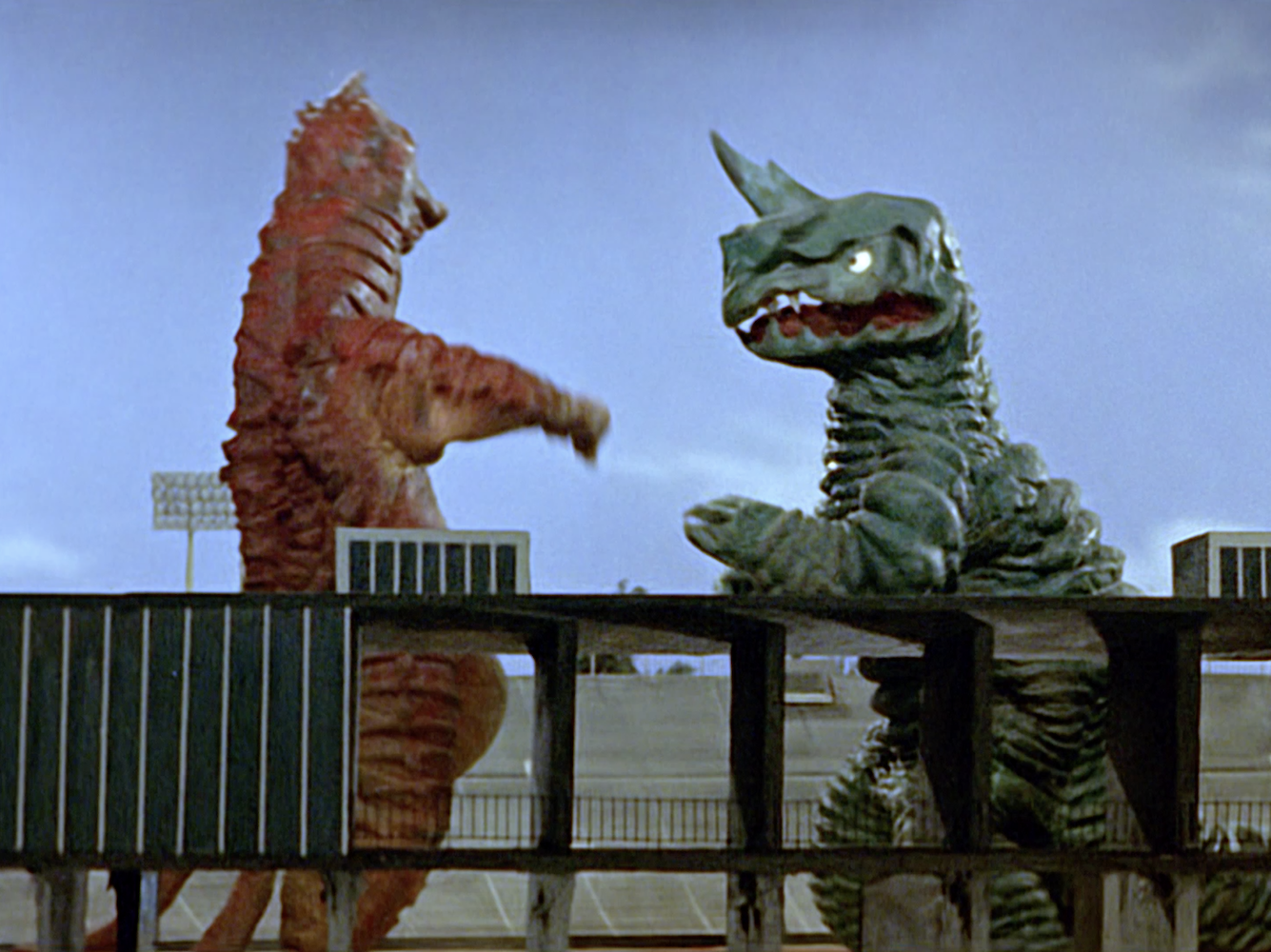
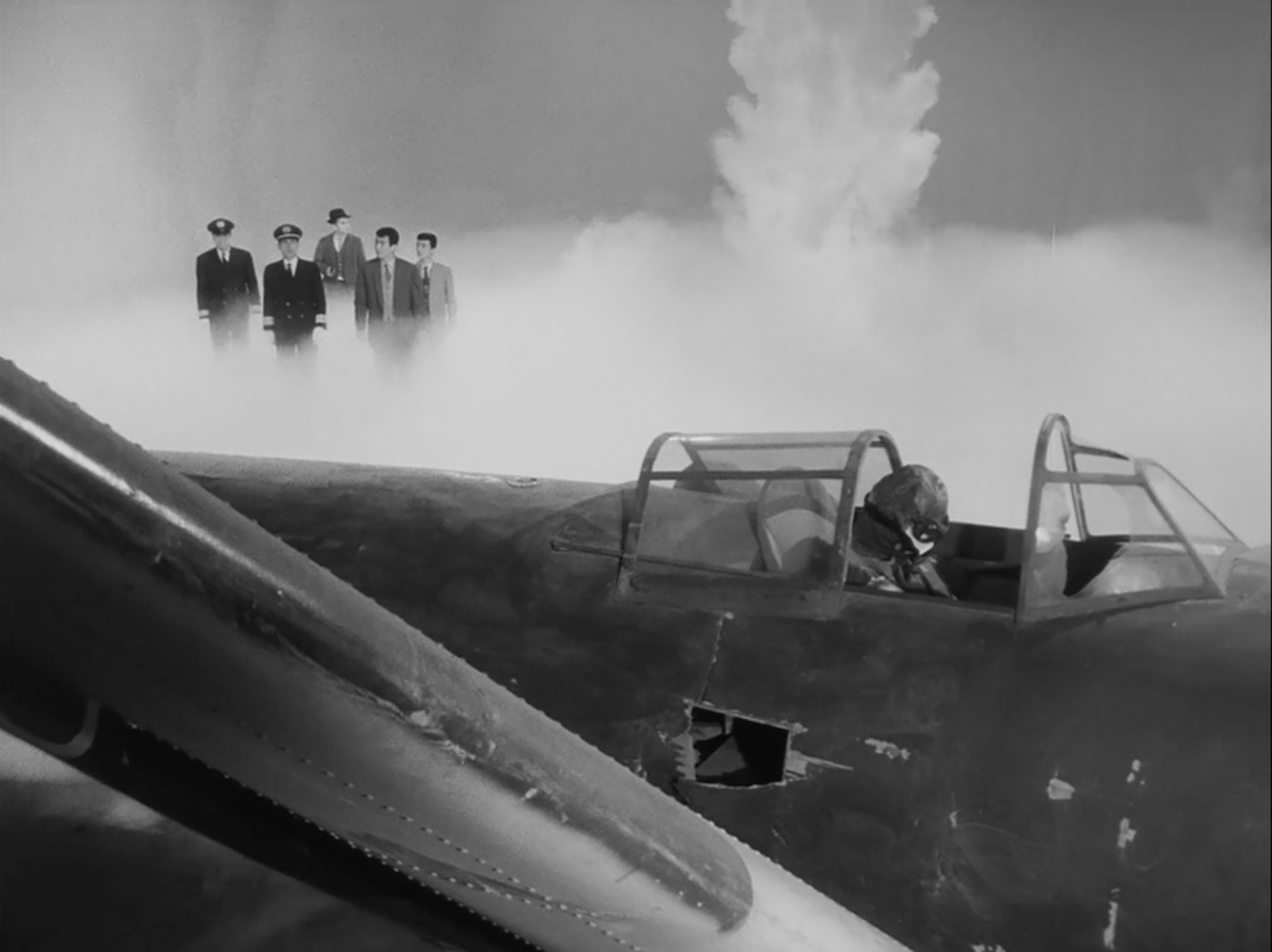
Director Kazuho Mitsuta’s second aired episode (although produced before “Space Directive M774”) is his first classic. Mitsuta had a knack for intense character-driven stories told with cinematic flair. His episodes look fantastic without being ostentatious. “Blazing Glory” shows Mitsuta operating at a high level and delivering the best possible episode from one of Ultra Q’s most dramatic, human stories.

Continue reading “Ultra Q Ep. 26: Blazing Glory”

Ultra Q Ep. 25: The Devil Child

Directed by Koji Kajita. Written by Kyoko Kitazawa and Ken Kumagai. Airdate June 19, 1966.

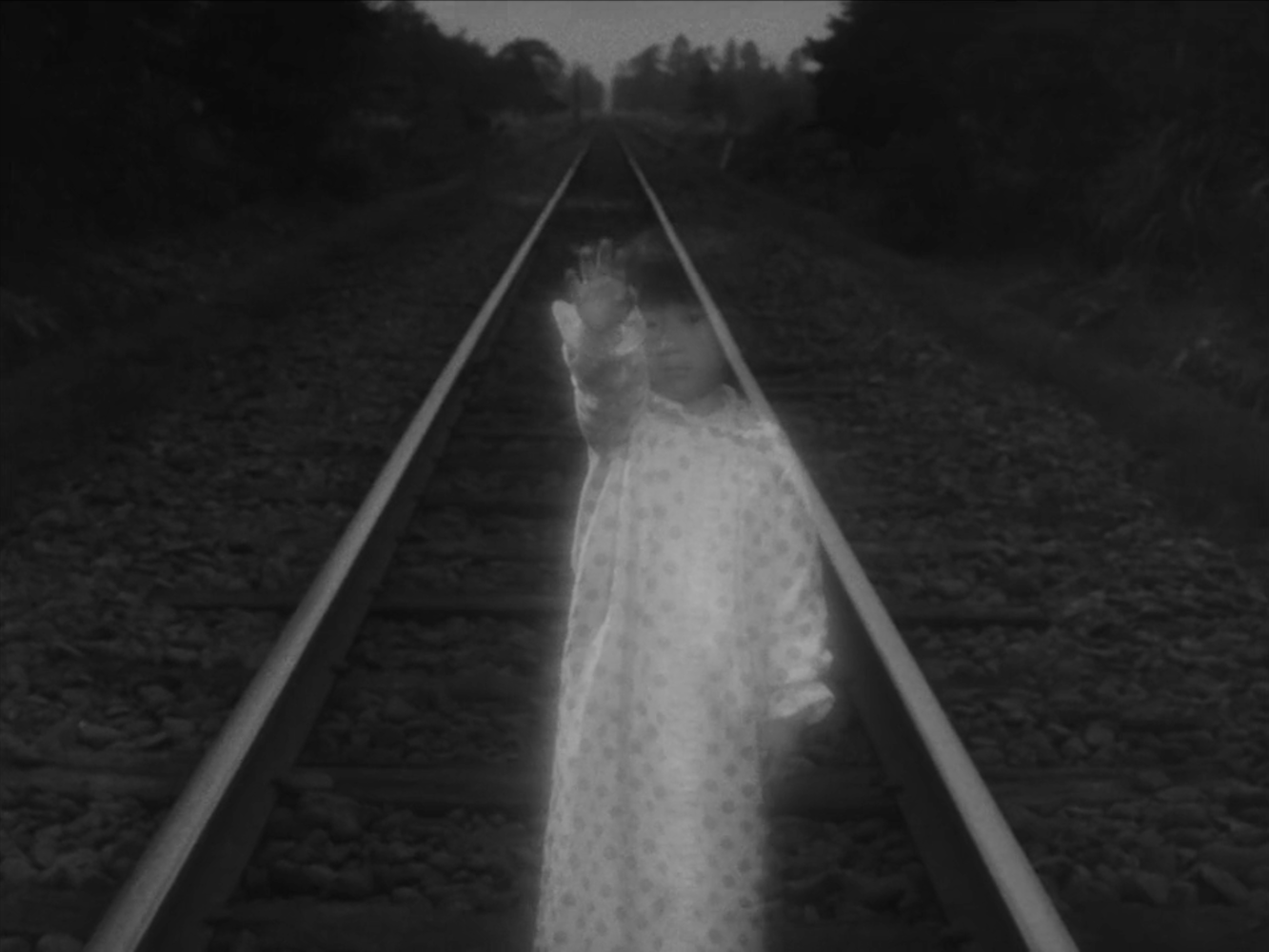
The massive success of Ring (1998) ignited the J-Horror boom of the late 1990s and 2000s, but the unique style of Japanese horror has a long history. Several key supernatural horror films came out in the 1960s: Onibaba (1964), Kwaidan (1965), and Kuroneko (1968). “The Devil Child” is Ultra Q’s contribution to Japanese ghost lore of this era. It combines the concept of the dangerous ghost child with science-fiction elements for that peculiar Ultra Q mix. It’s one of the show’s eeriest and subtlest achievements.

Continue reading “Ultra Q Ep. 25: The Devil Child”

Ultra Q Ep. 24: The Statue of Goga

Directed by Samaji Nonagase. Written by Shozo Uehara. Airdate June 12, 1966.

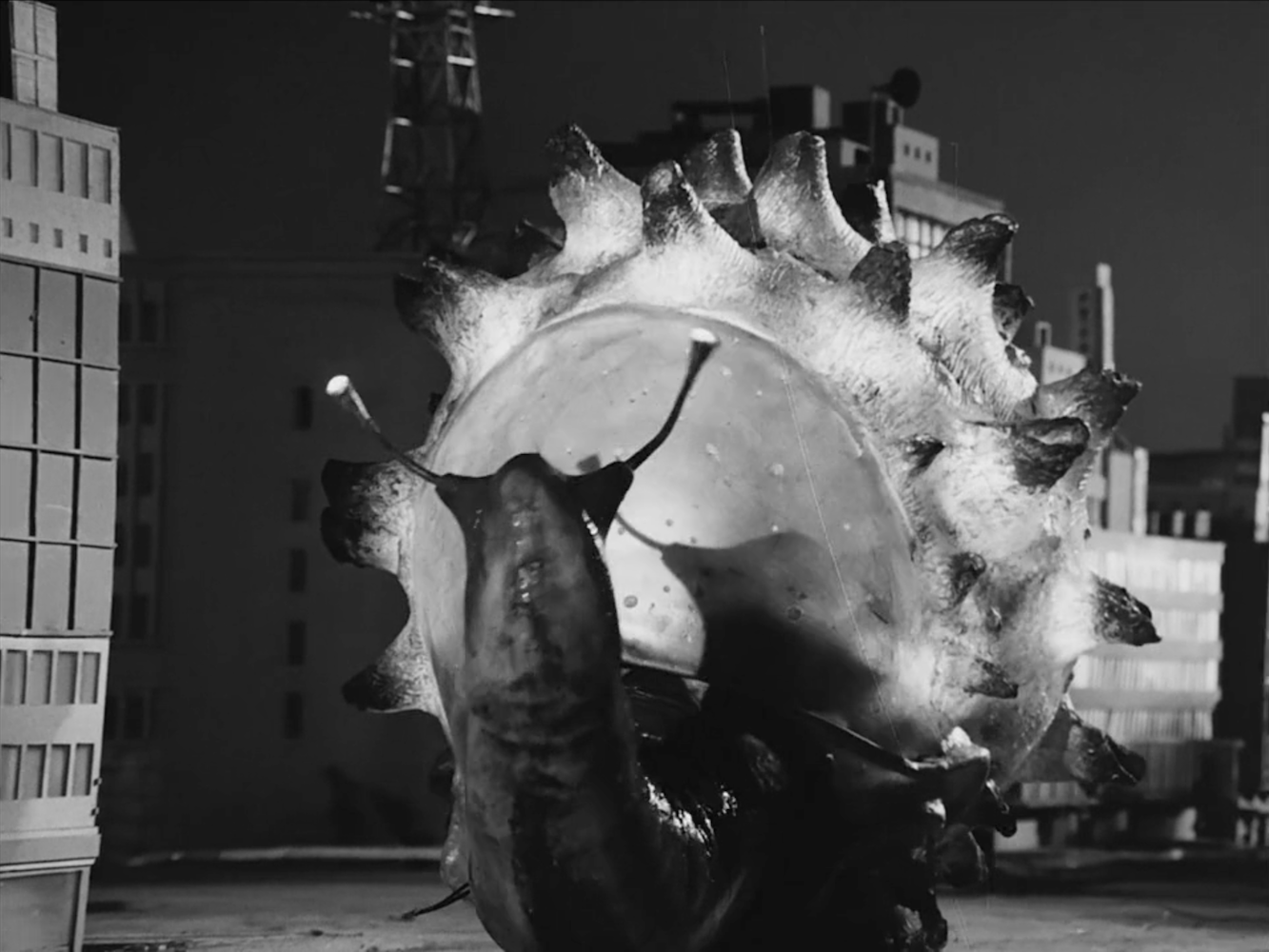
The James Bond craze has hit Japan. Time for an Ultra episode to go full espionage. The accouterments of a ‘60s spy film are all over this half hour: A wealthy villain with a hidden underground base filled with stolen artwork. Secret agents with numbered codenames who wear shades indoors. Lethal henchmen in slick suits. A swanky female spy loaded with gizmos. Wrist communication devices. Exploding cars. And, of course, a giant snail with a drill attachment. Well, this is Ultra Q, after all. 

Continue reading “Ultra Q Ep. 24: The Statue of Goga”

Ultraman Tiga Ep. 13: Human Collection

Directed by Hirochika Muraishi. Written by Minoru Kawasaki and Hirochika Muraishi. Airdate Nov. 30, 1996.

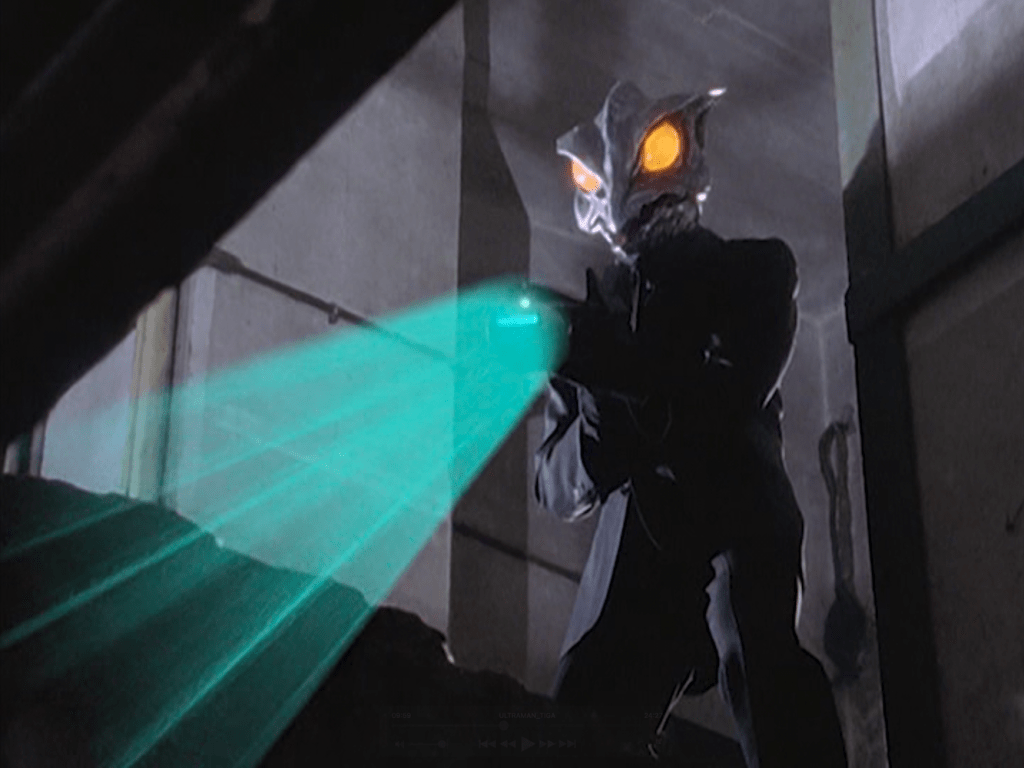
Young Shinichi is walking home alone one night — not an activity I recommend for third graders — when he sees a strange “crow man” using a ray gun to shrink and capture a pedestrian on the street. Thankfully, Shinichi is Shinjoh’s cousin, so he can call GUTS headquarters directly to inform them of the new threat. Because of a recent spate of vanishings in the area, Shinjoh and Daigo go to check out the kid’s story. They encounter the mystery crow-headed man, who uses his shrinking ray to nab Shinichi and then escape.

Continue reading “Ultraman Tiga Ep. 13: Human Collection”

Ultraman Ep. 18: Brother From Another Planet

Directed by Samaji Nonagase. Written by Tetsuo Kinjo and Samaji Nonagase. Airdate Nov. 13, 1966.

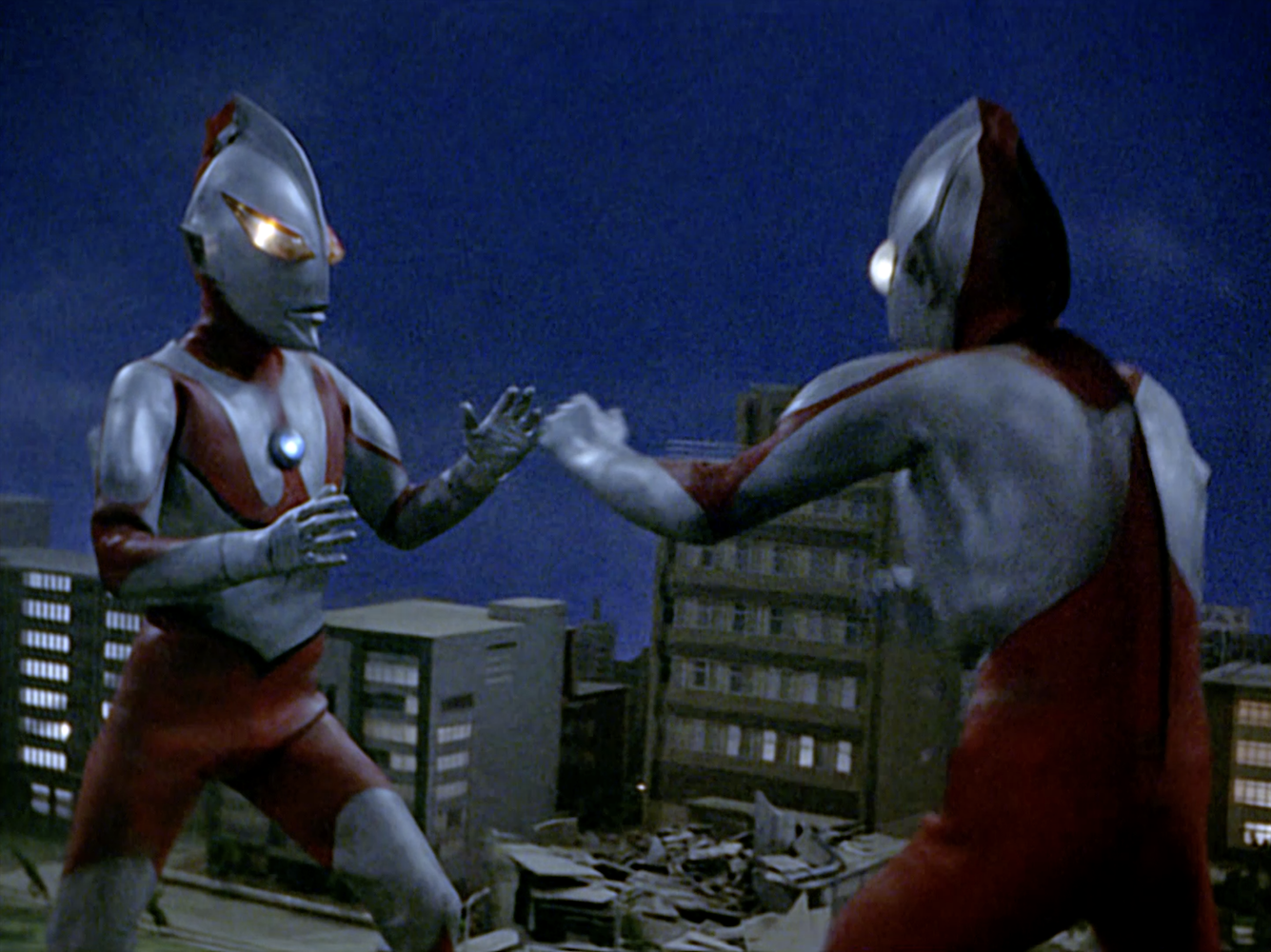
Ultraman has three classic sentient alien villains. We’ve already met Alien Baltan. Twice. Later we’ll meet Alien Mefilas, maker of dark deals. Today we meet Alien Zarab, who wants humanity to believe he’s their pal, the brother from another mother planet who’s looking out for Earth’s best interests — just like the aliens from the classic Twilight Zone episode “To Serve Man.” And look how well that turned out. 

Continue reading “Ultraman Ep. 18: Brother From Another Planet”

Ultraman Ep. 17: Passport to Infinity

Directed by Toshihiro Iijima. Written by Keisuke Fujikawa. Airdate Nov. 6, 1966.

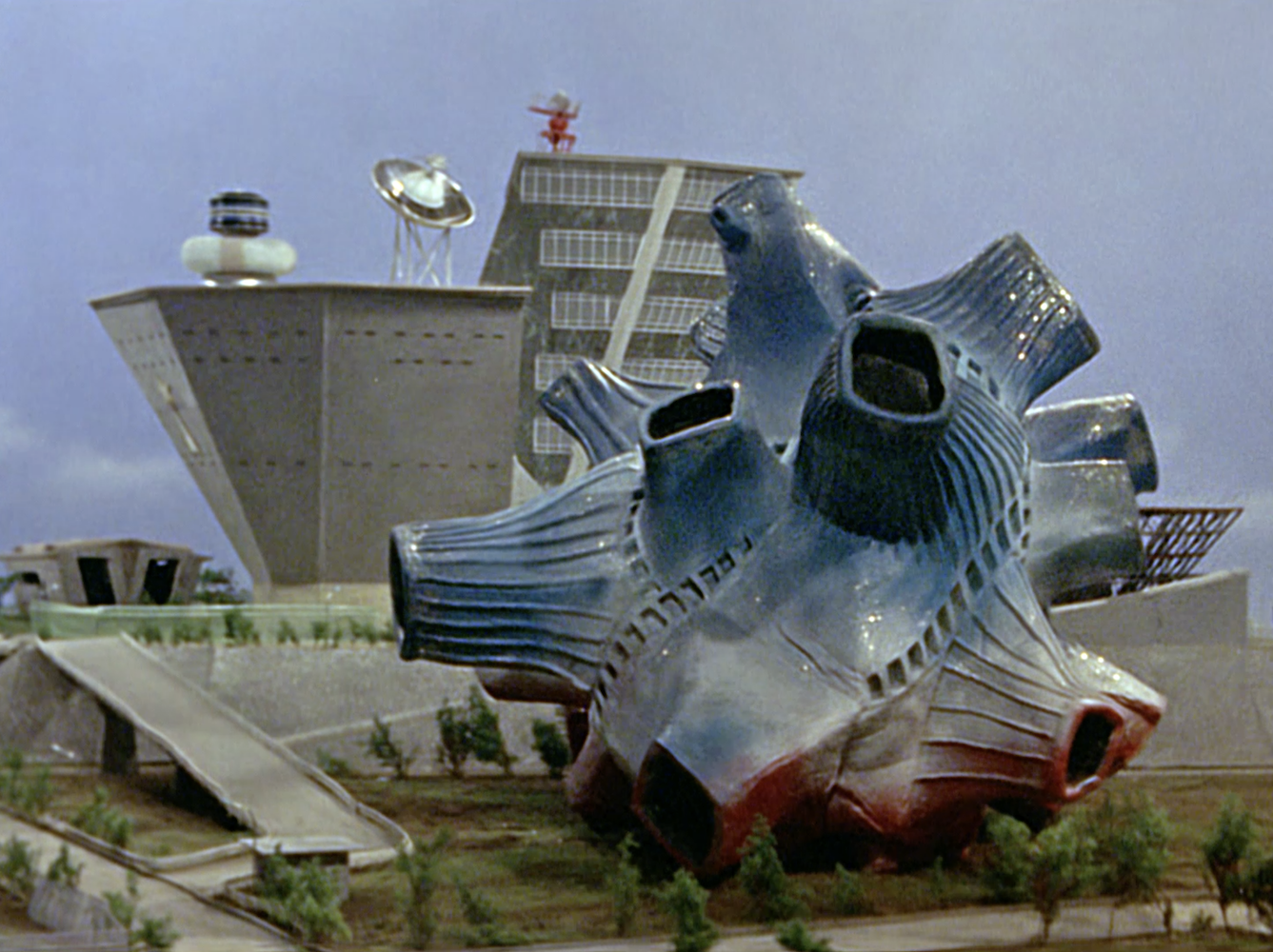
The most surreal Ultraman episode yet. That still places it below the strangest episodes of Ultra Q or an average episode of Ultraman Taro. Those shows set a high bar for weirdness, but “Passport to Infinity” makes a game effort at trippy and abstract excitement. Best of all, we get one of the Ultra series’ most memorable kaiju, Fourth Dimensional Monster Bullton, which resembles a heart valve as designed by Joan Miró. 

Continue reading “Ultraman Ep. 17: Passport to Infinity”

Toku Theater: Gamera vs. Gyaos (1967)

Directed by Noriaki Yuasa. Written by Niisan Takahashi.

After two bland movies, the Gamera series at last discovers its niche and breaks out the good rubber-suited monster times. 

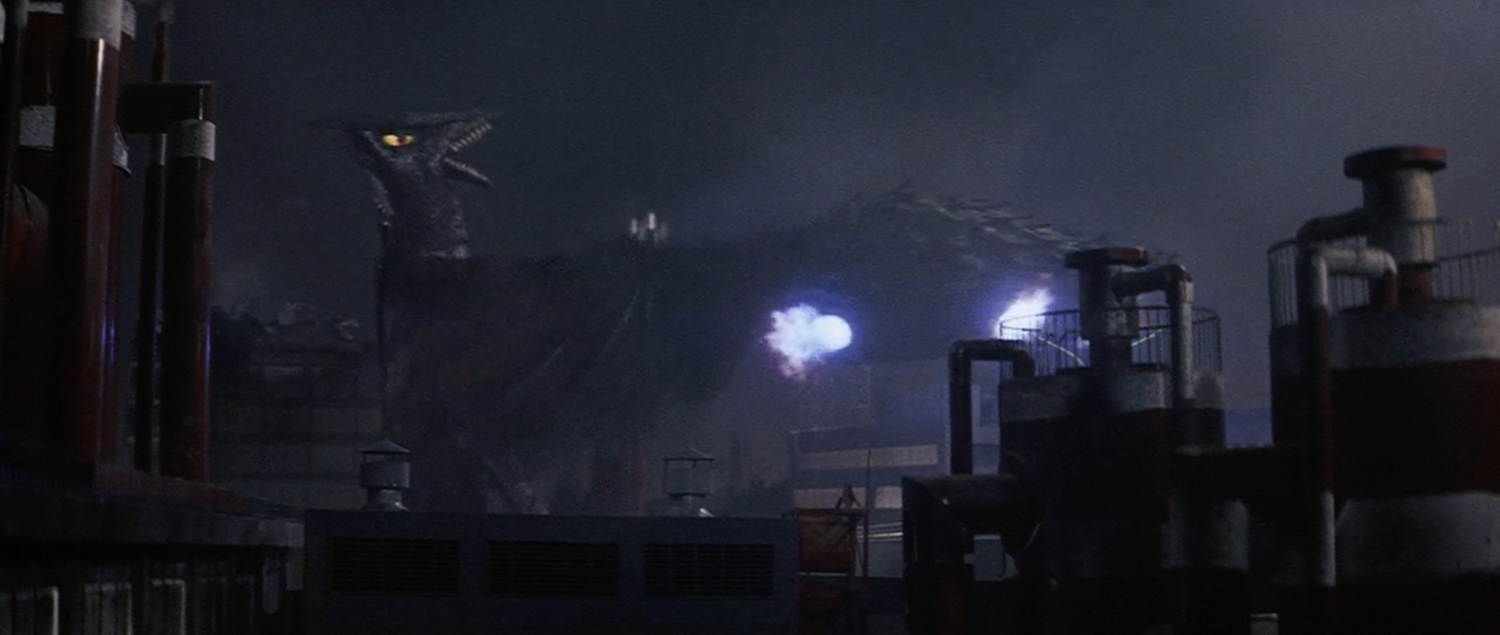
Fans generally consider Gamera vs. Gyaos the best movie of the series. I won’t argue with that. The pacing, the monster battles, the cast, the blend of the human story with the big beastie action … it all comes together for an entertaining monster vs. monster show, and one of the best kaiju films of the Showa Era outside of Toho Studios’ output.

Continue reading “Toku Theater: Gamera vs. Gyaos (1967)”

Ultraman Tiga Ep. 7: The Man Who Came Down to Earth

Directed by Yasushi Okada. Written by Hidenori Miyazawa. Airdate Oct. 19, 1996.

Rena has her first star-turn in a heavy father-daughter drama mixed with an alien invader story. Until now, most of what we’ve seen of Rena has been teases about her possible romance with Daigo. Now Daigo steps into the background — and to an extent, so does Ultraman Tiga — for Rena to work out her family issues parallel to combating a manipulative alien who also has family issues.

Continue reading “Ultraman Tiga Ep. 7: The Man Who Came Down to Earth”

Ultraman Ep. 15: Terrifying Cosmic Rays

Directed by Akio Jissoji. Written by Mamoru Sasaki. Airdate Oct. 23, 1966.

Akio Jissoji returns with a fantastic episode that goes to a stranger place than his first, “The Pearl Defense Directive.” It’s another humorous outing, with similarities to “The Rascal From Outer Space.” Both feature enigmatic alien forces that cause comical monsters to materialize. But “Two-Dimensional Kaiju Gavadon” is a different type of comedy kaiju than the bratty Gango. Gavadon a lazy monster. Or maybe it’s just too peaceful. 

Continue reading “Ultraman Ep. 15: Terrifying Cosmic Rays”