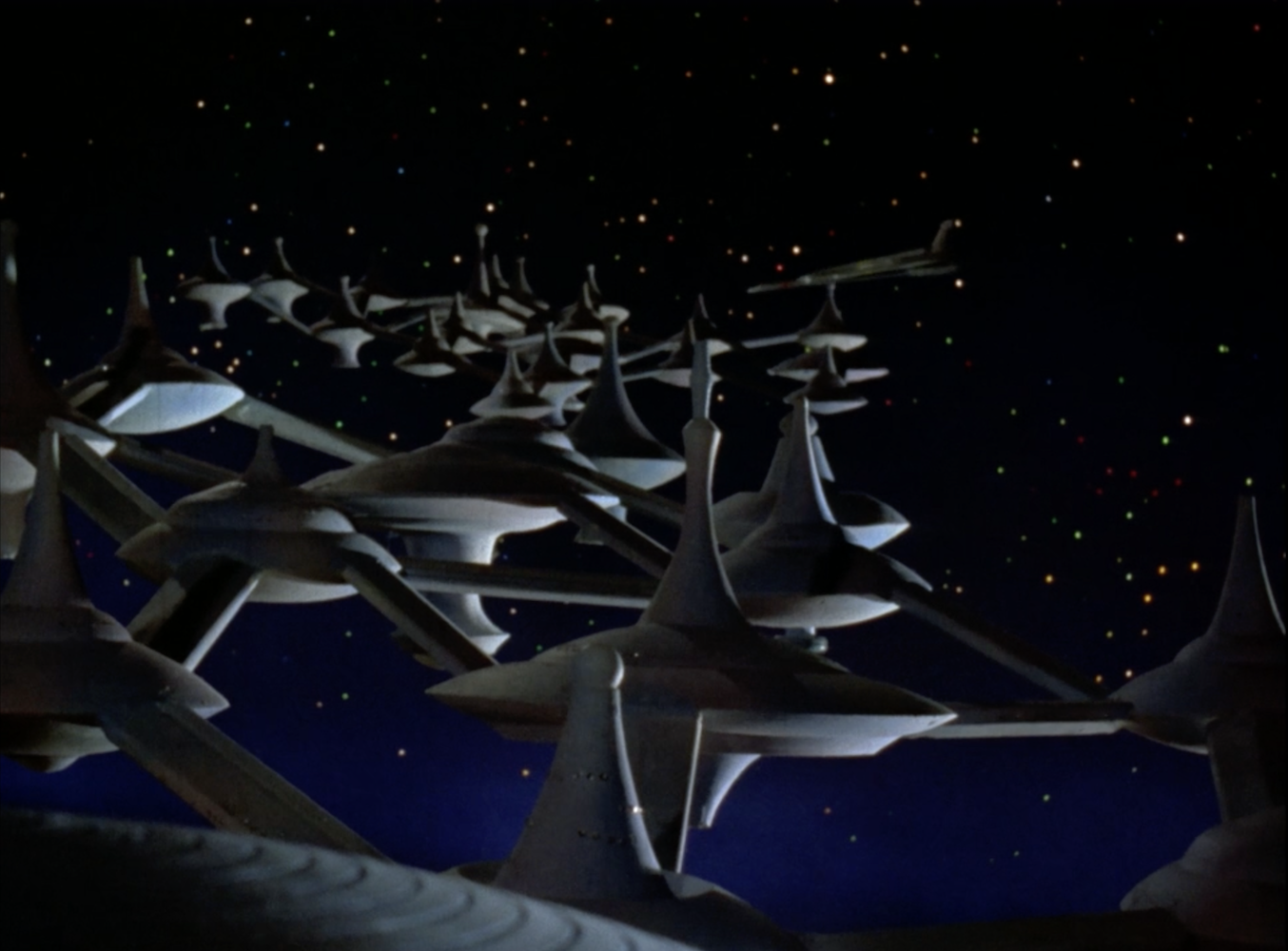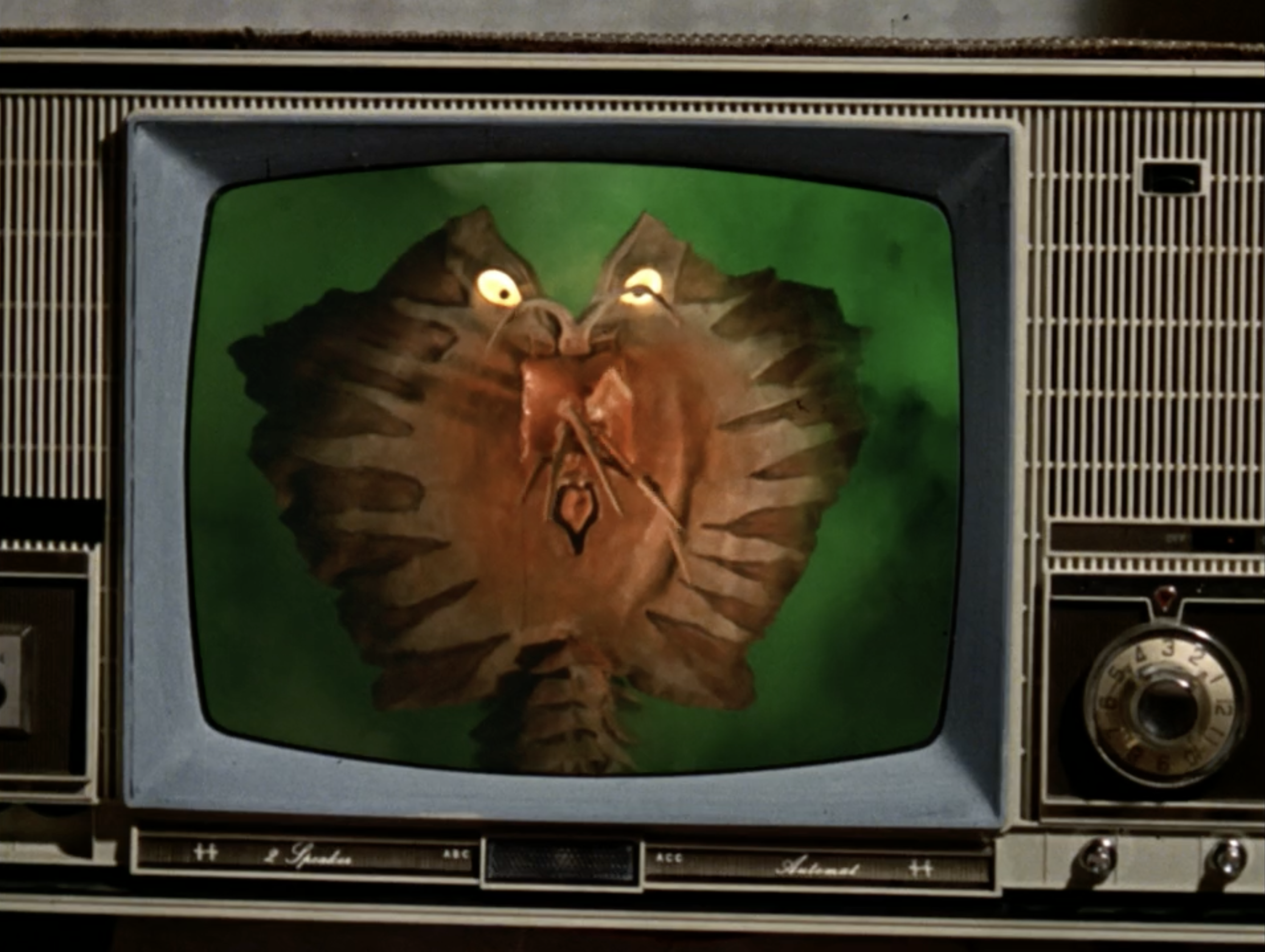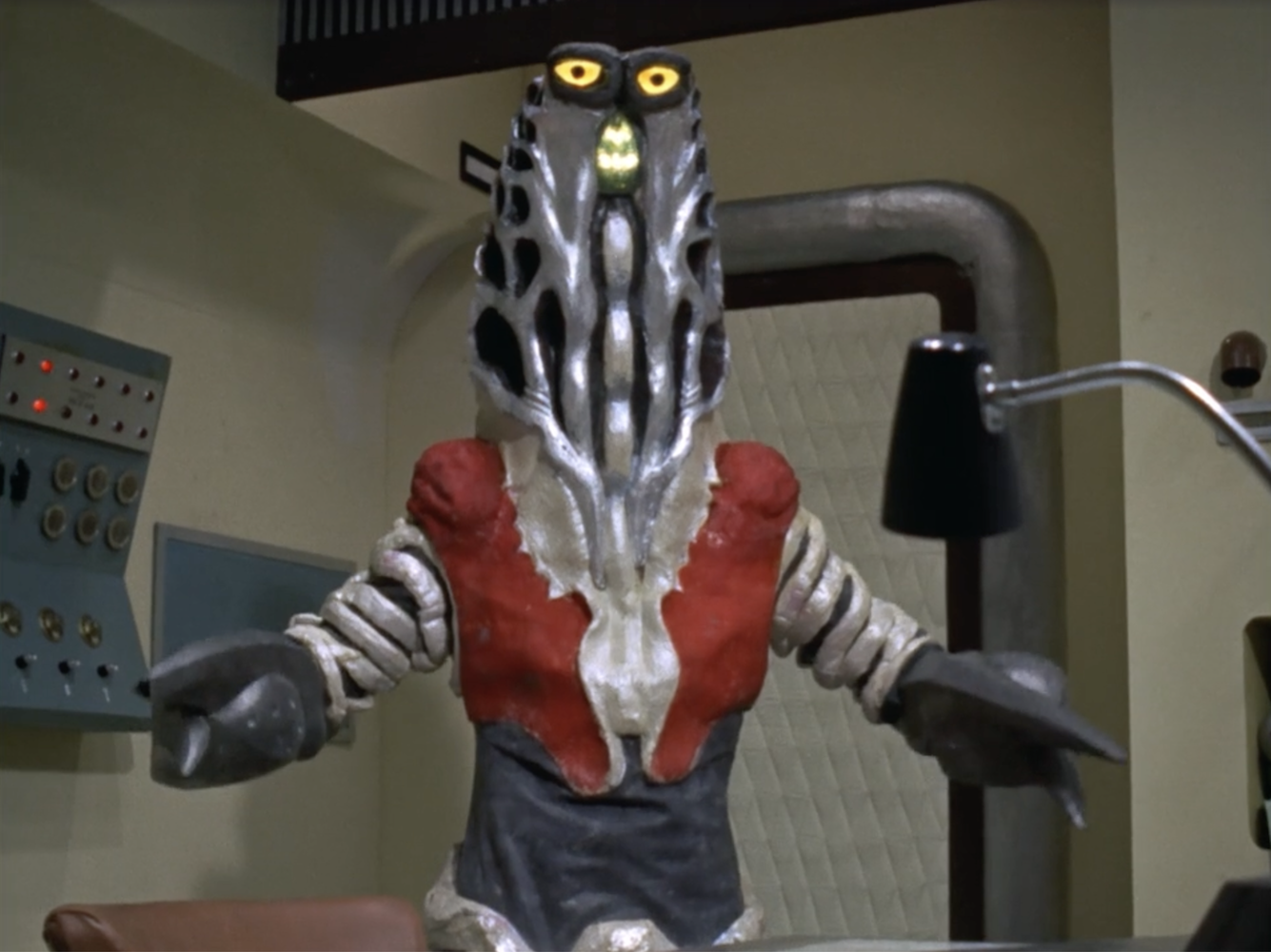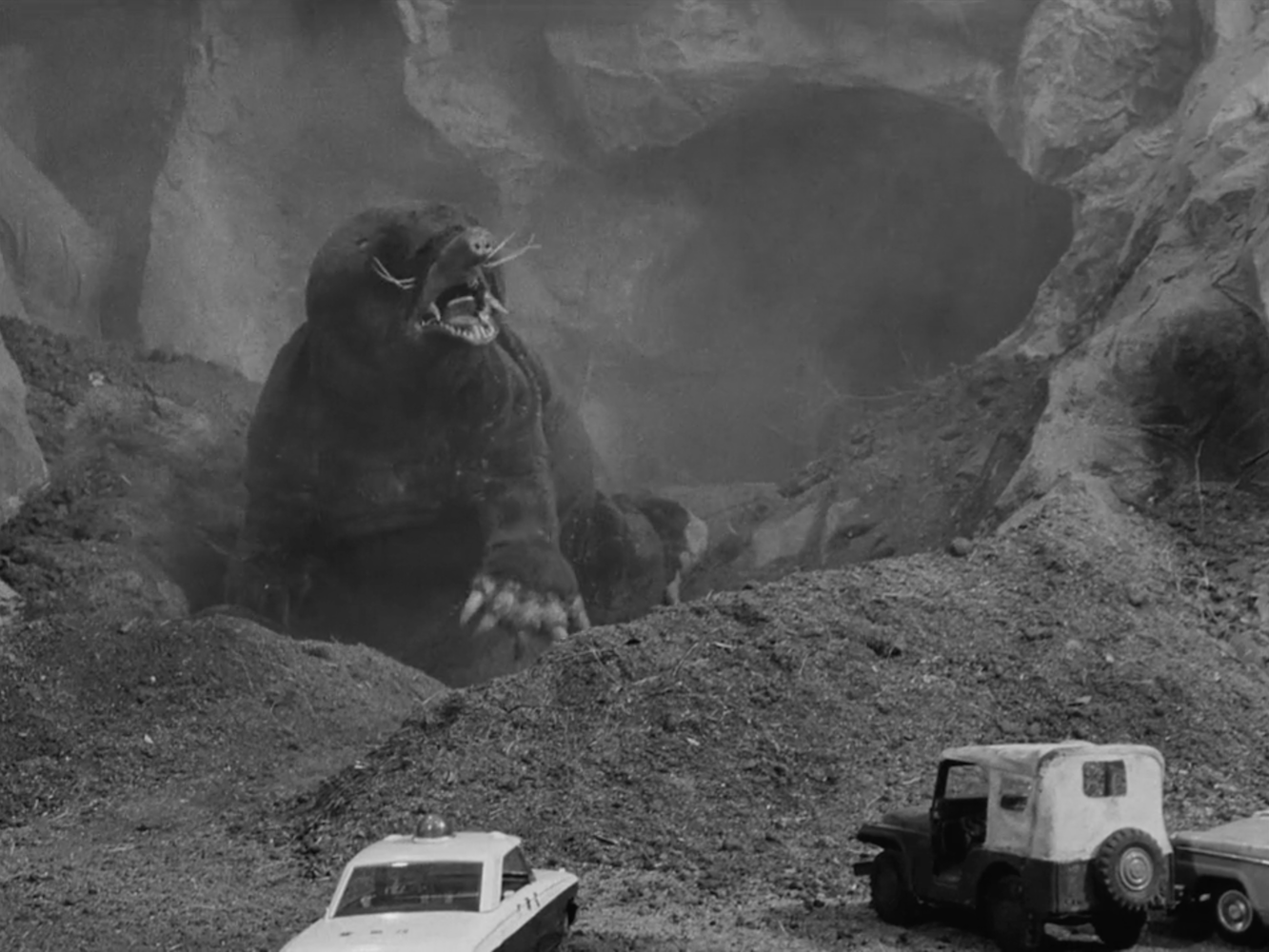
Ultraman Tiga Ep. 3: The Devil’s Prophecy

Directed by Hirochika Muraishi. Written by Chiaki J. Konaka. Airdate Sep. 21, 1996.

After two episodes without much character development for the GUTS team, we get a story focused on Captain Iruma and her personal and professional struggles. Megumi Iruma is my favorite character in Ultraman Tiga, and “The Devil’s Prophecy” shows how much she can shine. Defense team captains before her were stoic, occasionally boring, and at times borderline negligent. Iruma is the captain I’d feel most confident serving under. Maybe a tie with Captain Muramatsu from Ultraman, but I get to know far more about Iruma as a person. 

Continue reading “Ultraman Tiga Ep. 3: The Devil’s Prophecy”
Ultra Q Ep. 12: I Saw a Bird

Directed by Harunosuke Nakagawa. Written by Masahiro Yamada. Airdate March 20, 1966.

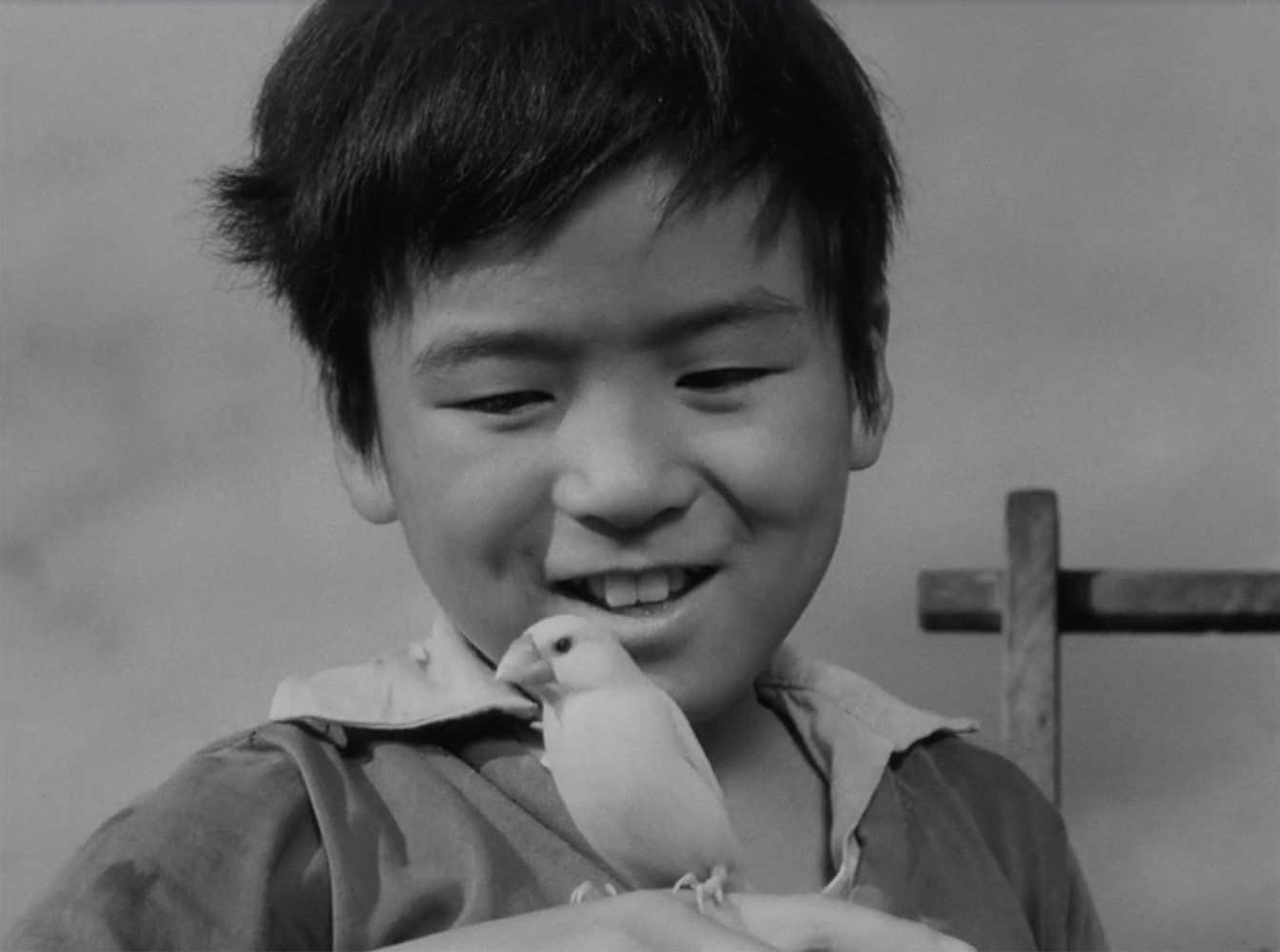
The simplistic title may sound like a children’s story. Which it is. But it’s not an ironic fairy tale like the hyper-looney “Grow Up! Little Turtle.” “I Saw a Bird” is a giant monster tale from the perspective of a child. The kaiju element is downplayed in favor of a bittersweet fable about a lonely boy and his bird. 

Continue reading “Ultra Q Ep. 12: I Saw a Bird”

Ultra Q Ep. 11: Balloonga

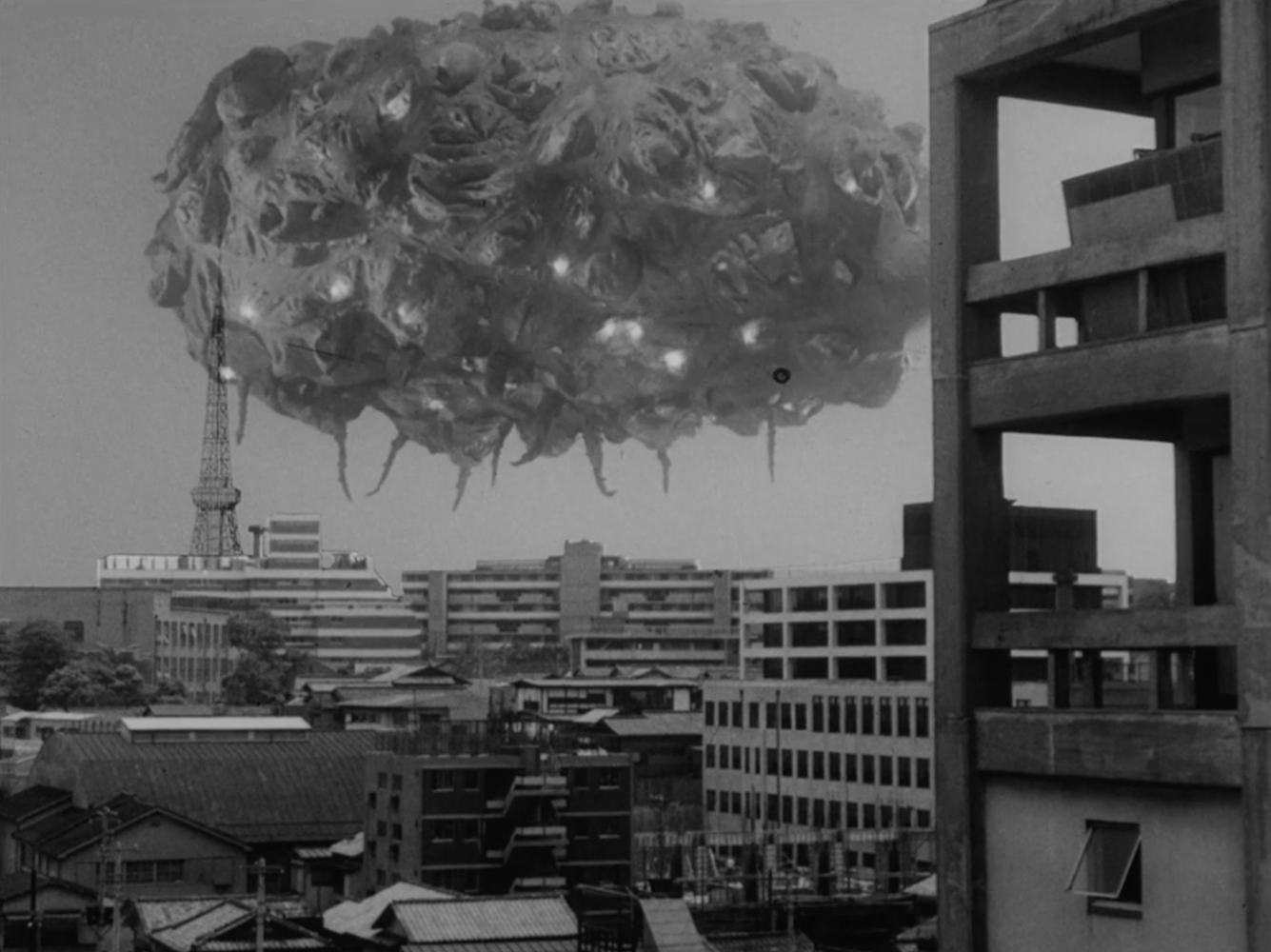
The giant form of Balloonga floats over Tokyo. Tokyo tower is visible, showing the creature's immense size.

Directed by Samaji Nonagase. Written by Kunio Torami. Airdate March 13, 1966.

Another giant monster episode, but with a difference. Rather than a traditional rampaging kaiju tale, “Balloonga” takes an approach that borders on cosmic horror. It’s a dark turn for the show, with a fatalistic mood and gloomy aura. It’s highly effective for most of the running time, but the finale doesn’t match what the rest of the story promises. 

Continue reading “Ultra Q Ep. 11: Balloonga”

Ultraseven Ep. 6: Dark Zone

Directed by Kazuho Mitsuta. Written by Bunzo Wakatsuki. Airdate Nov. 5, 1967.

For the first time, and certainly not the last, an episode of Ultraseven scrutinizes the ethics of the operations of the Terran Defense Force and the Ultra Guard. The featured alien race, Alien Pegassa, doesn’t want to conquer Earth. They only want survival, but that may require taking drastic steps against Earth. Earth faces a similar choice with Pegassa, creating an unwinnable situation for both sides that has echoes of the Cold War without making explicit reference to it. Neither the Earthings nor Alien Pegassa ultimately show their best sides in this showdown.

Continue reading “Ultraseven Ep. 6: Dark Zone”

Ultraseven Ep. 5: Vanished Time

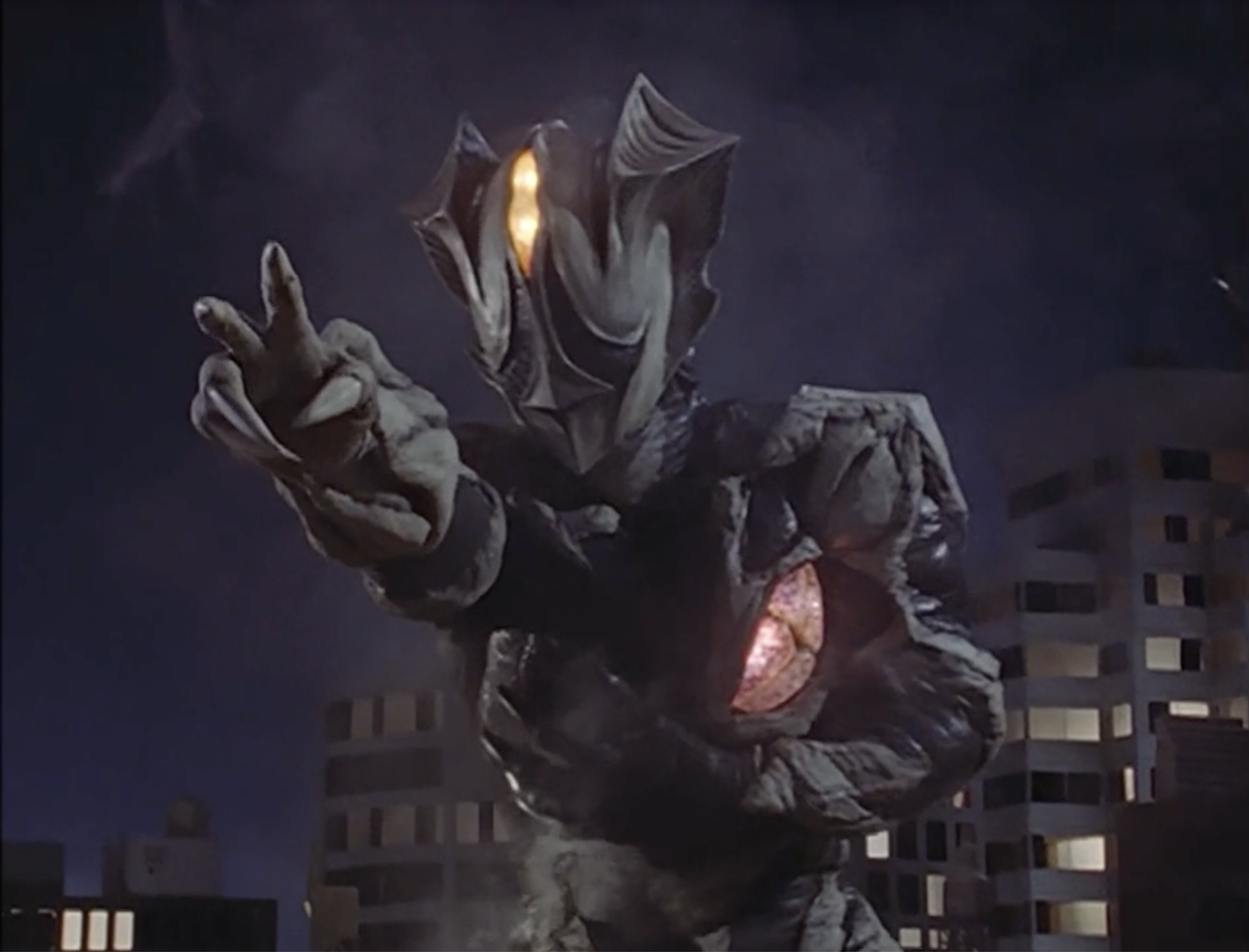
Alien Vira in Ultraseven episode Vanished Time

Directed by Hajime Tsuburaya. Written by Akihiko Sugano. Airdate Oct. 29, 1967.

In the most adult-oriented and serious episode yet, another alien race plots to infiltrate TDF’s Far East Base in human disguise and blow up something to make way for their invasion. We’ve seen this ploy already in “Secret of the Lake” and “Max, Respond.” But this time the invaders have a more insidious scheme, which is to sow suspicion in the Ultra Guard to trick them into believing Dan is an alien traitor in disguise. That way the real infiltrator can escape suspicion and remove Ultraseven as an obstacle. (All alien races seem to be able to immediately recognize that Dan isn’t an Earthling.) 

Continue reading “Ultraseven Ep. 5: Vanished Time”

Ultra Q Ep. 8: Terror of the Sweet Honey

Directed by Koji Kajita. Written by Tetsuo Kinjo. Airdate Feb. 20, 1966.

Another forest-and-giant-monster story from writer Tetsuo Kinjo, following “Goro and Goro” and “S.O.S. Mount Fuji.” I’m unsure why TBS decided to air this right after “S.O.S. Mount Fuji,” considering the similarities, but the network likely was only thinking of front-loading Ultra Q with as many giant monster episodes as possible. From a big rock monster in the woods to a big mole monster in the woods, if that’s what draws the viewers… 

Continue reading “Ultra Q Ep. 8: Terror of the Sweet Honey”

Ultra Q Ep. 7: S.O.S. Mount Fuji

Directed by Toshihiro Iijima. Written by Tetsuo Kinjo and Toshihiro Iijima. Airdate Feb. 13, 1966.

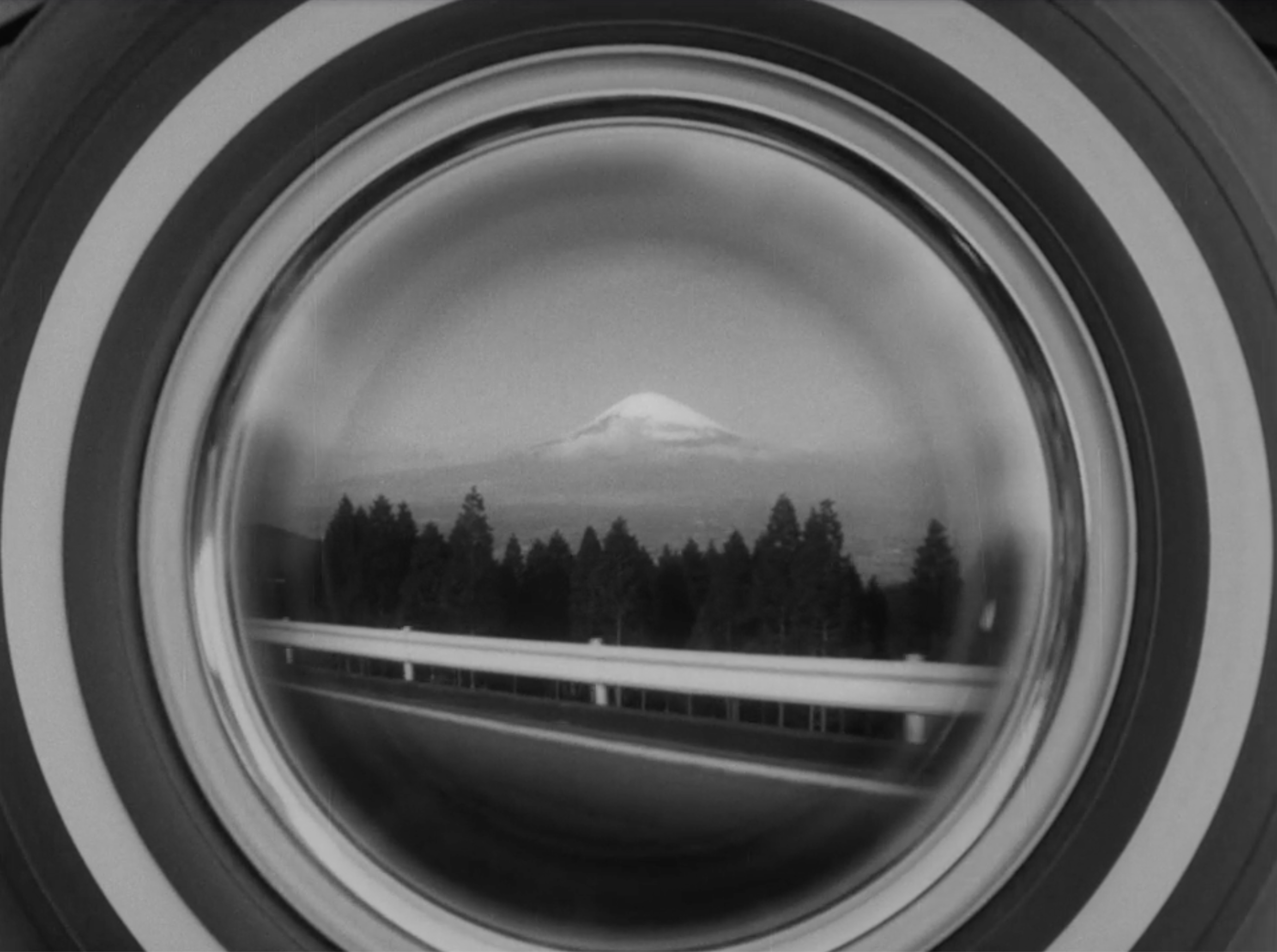
Mount Fuji has not erupted in over 250 years … and that can only mean another major eruption is imminent. But since this is the world of Ultra Q, we won’t witness any normal eruption. Instead, we’re going to see a monster formed from a conglomeration of igneous rocks battle a “Japanese Tarzan.” Why do anything normal when you can make good TV instead?

Continue reading “Ultra Q Ep. 7: S.O.S. Mount Fuji”

Ultra Q Ep. 5: Peguila Is Here!

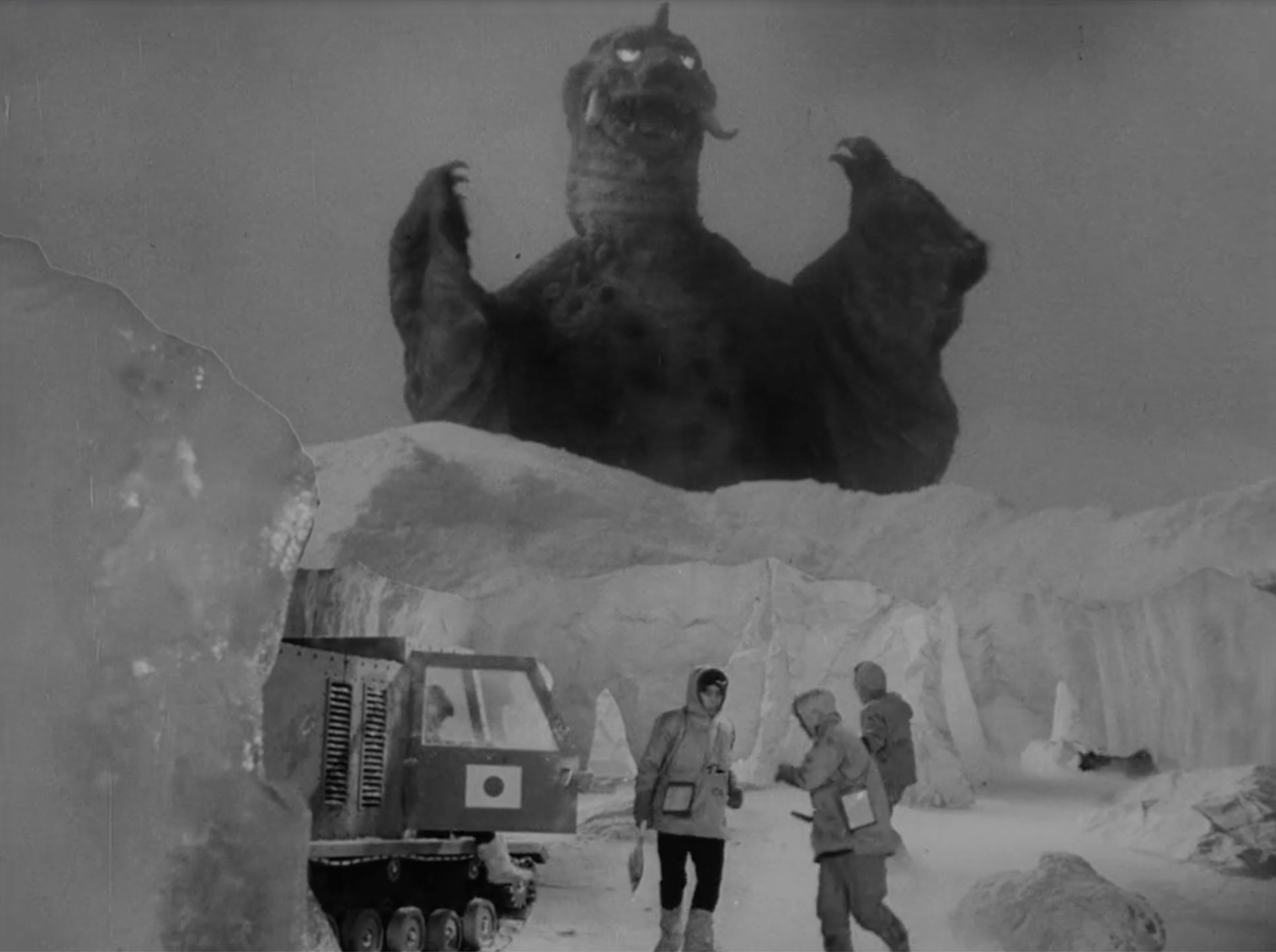
Peguila emerges over a ridge

Directed by Samaji Nonagase. Written by Masahiro Yamada. Airdate Jan. 30, 1966.

Here’s a change of scenery, shifting from urban Tokyo to the desolate wastes of Antarctica. There’s another change, which is that Jun is the only member of the regular or semi-regular cast to appear. Without Yuriko and Ippei around to lighten the mood, this is the first episode to completely bypass humor — appropriate for a bleak, tense story set in one of the most hostile environments on Earth.

Continue reading “Ultra Q Ep. 5: Peguila Is Here!”

Ultra Q Ep. 3: The Gift From Space

Directed by Hajime Tsuburaya. Written by Tetsuo Kinjo. Airdate Jan. 16, 1966.

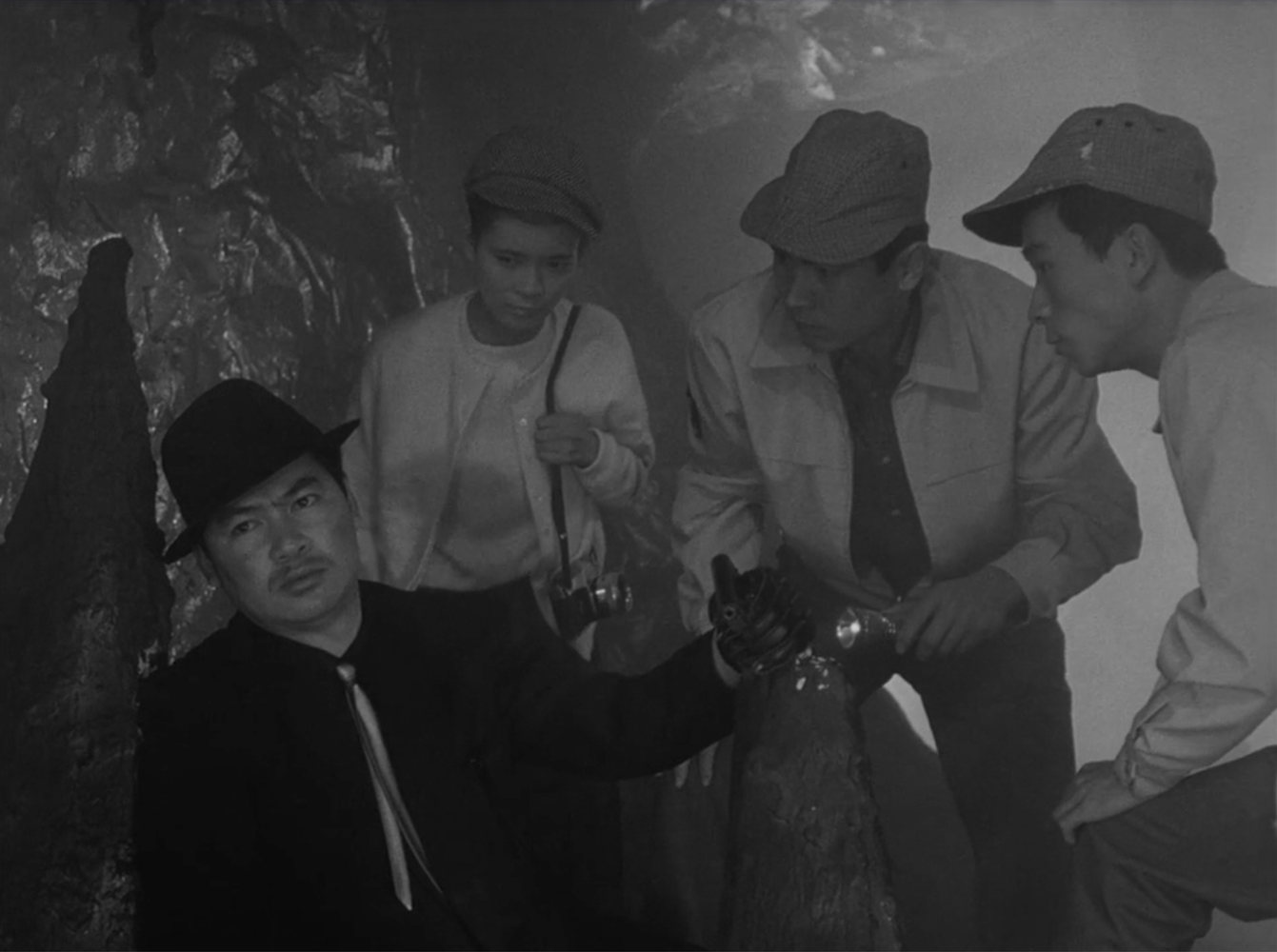
We have the Ultra series’ first alien creature, a monster Martian slug, which is also the first fully original kaiju design seen on the show. Resident scientific genius Professor Ichinotani (Ureo Egawa) makes his debut. There’s a freaky theme about humanity intruding where we’re not wanted. And Jun gets into a fistfight with a thief dressed up to audition for a Yakuza gangster flick. Best episode so far!

Continue reading “Ultra Q Ep. 3: The Gift From Space”