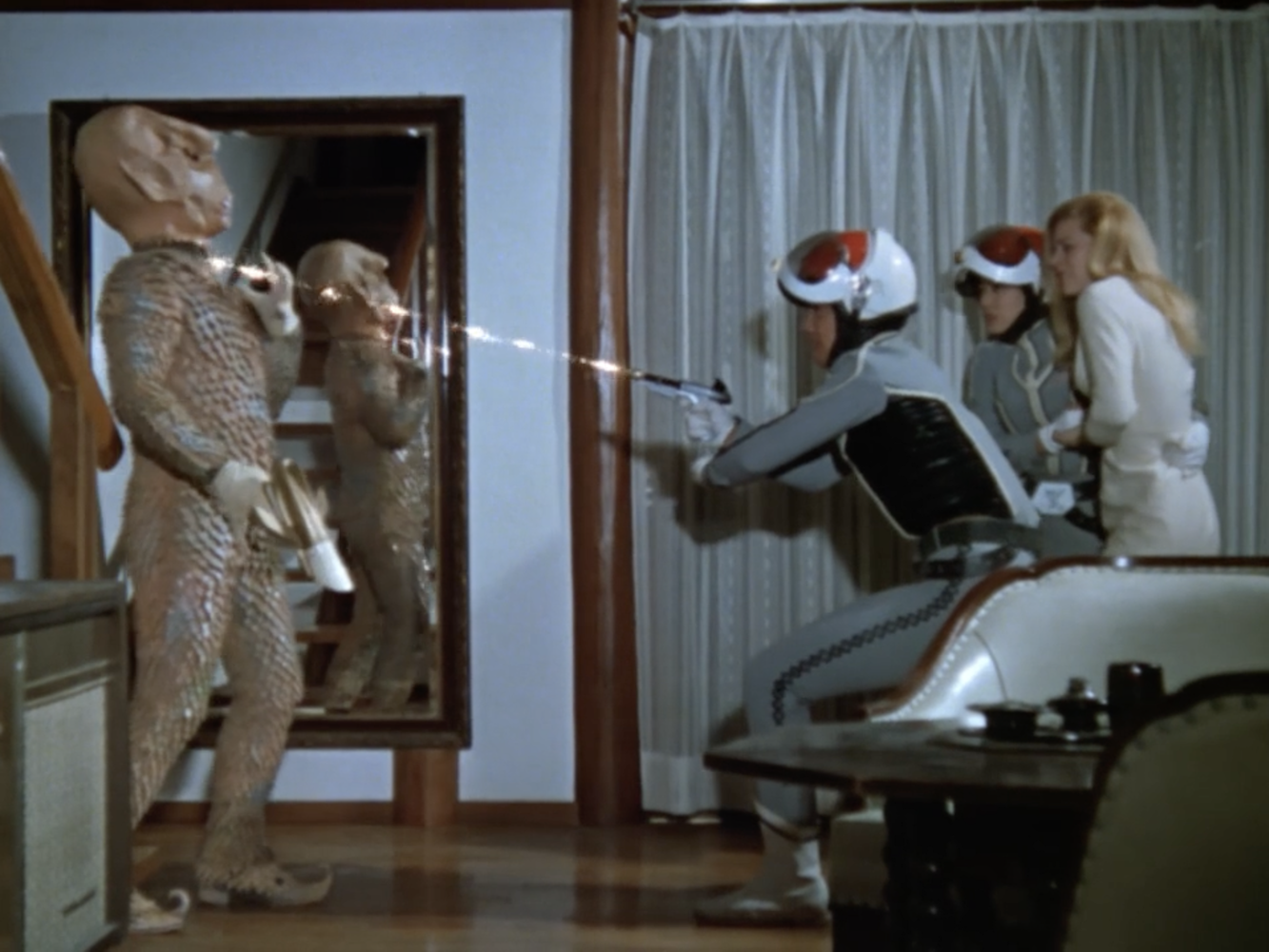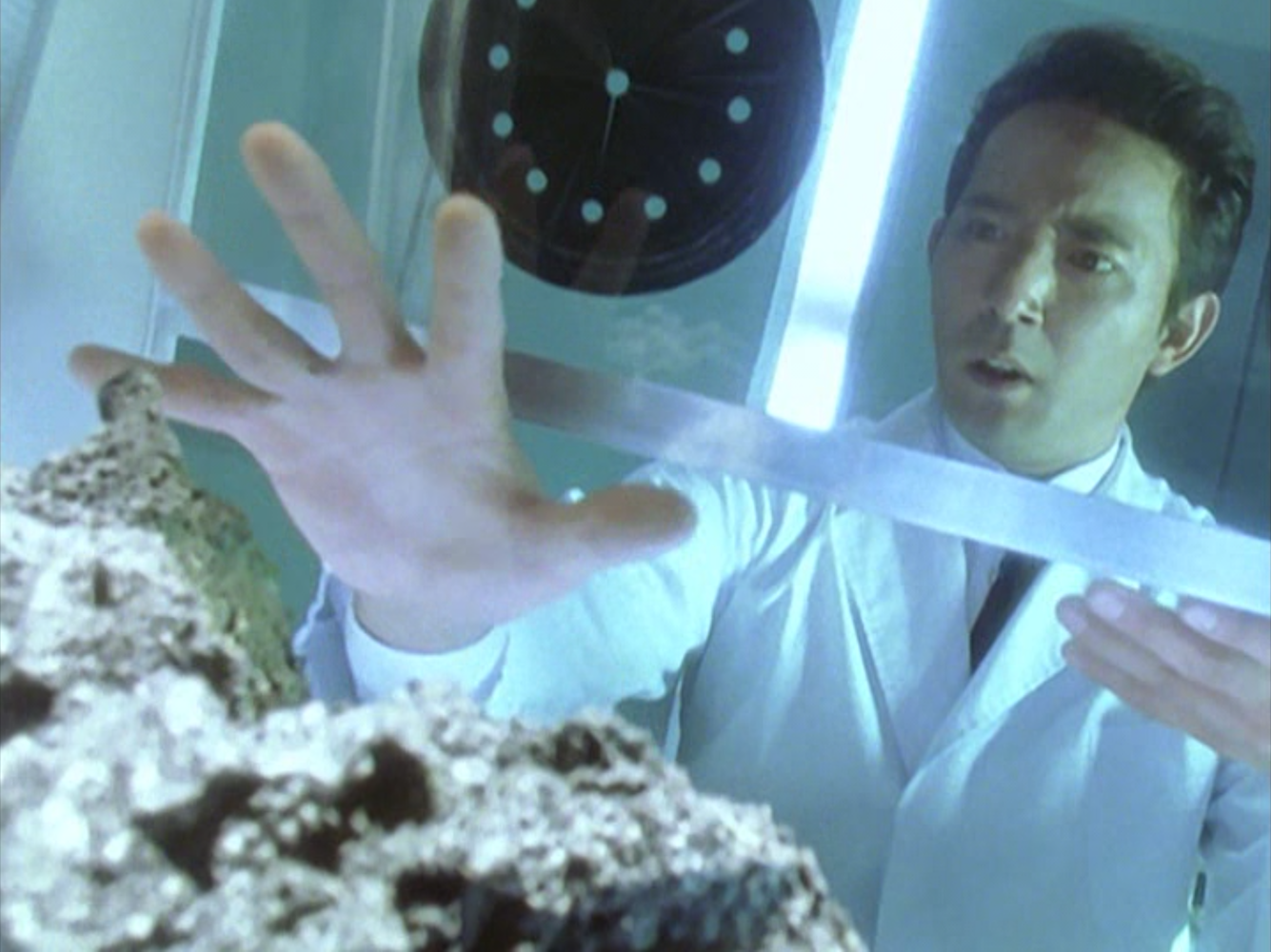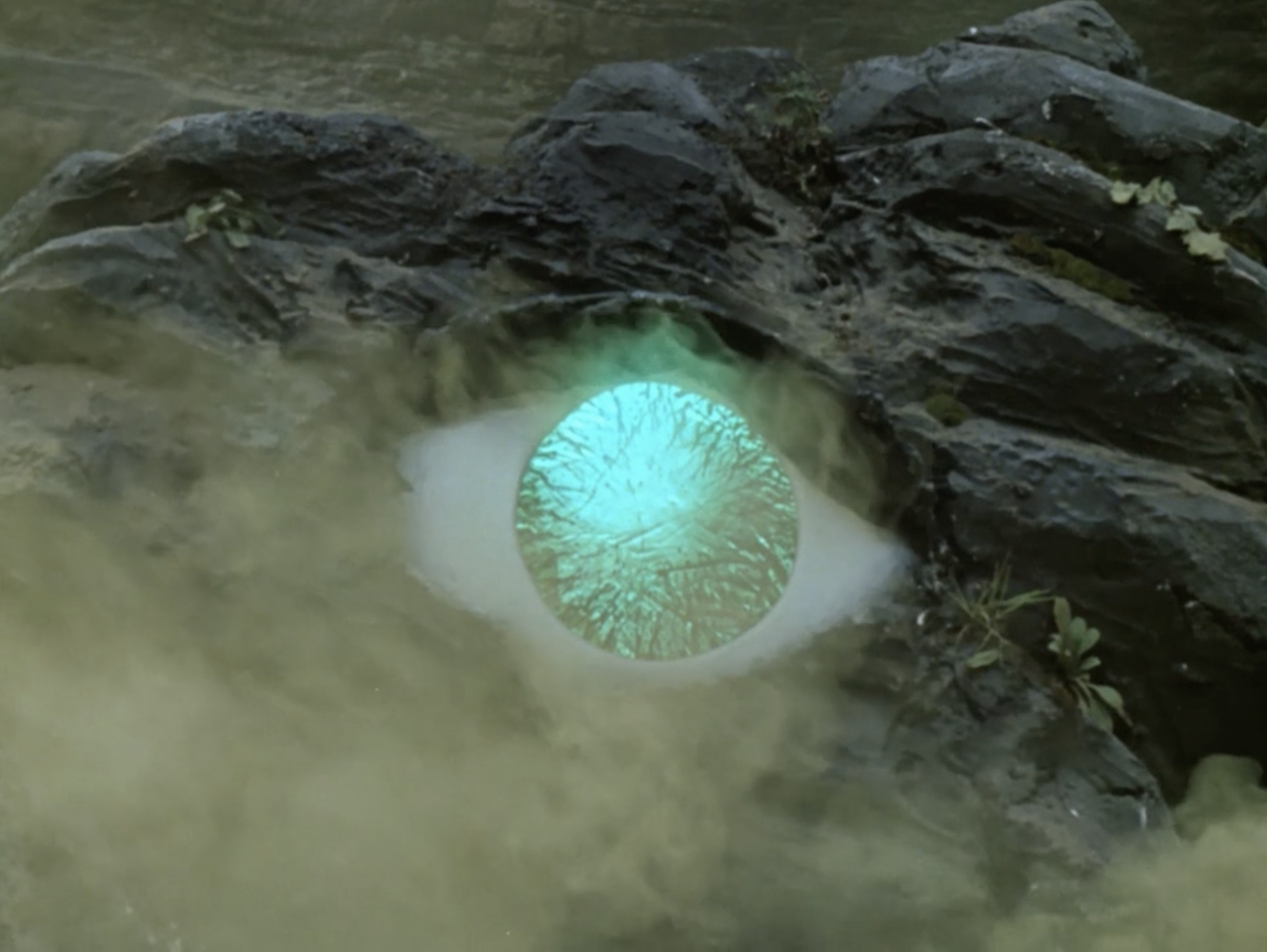
Ultraman Tiga Ep. 10: The Abandoned Amusement Park

Directed by Shingo Matsubara. Written by Hideyuki Kawakami. Airdate Nov. 9, 1996.

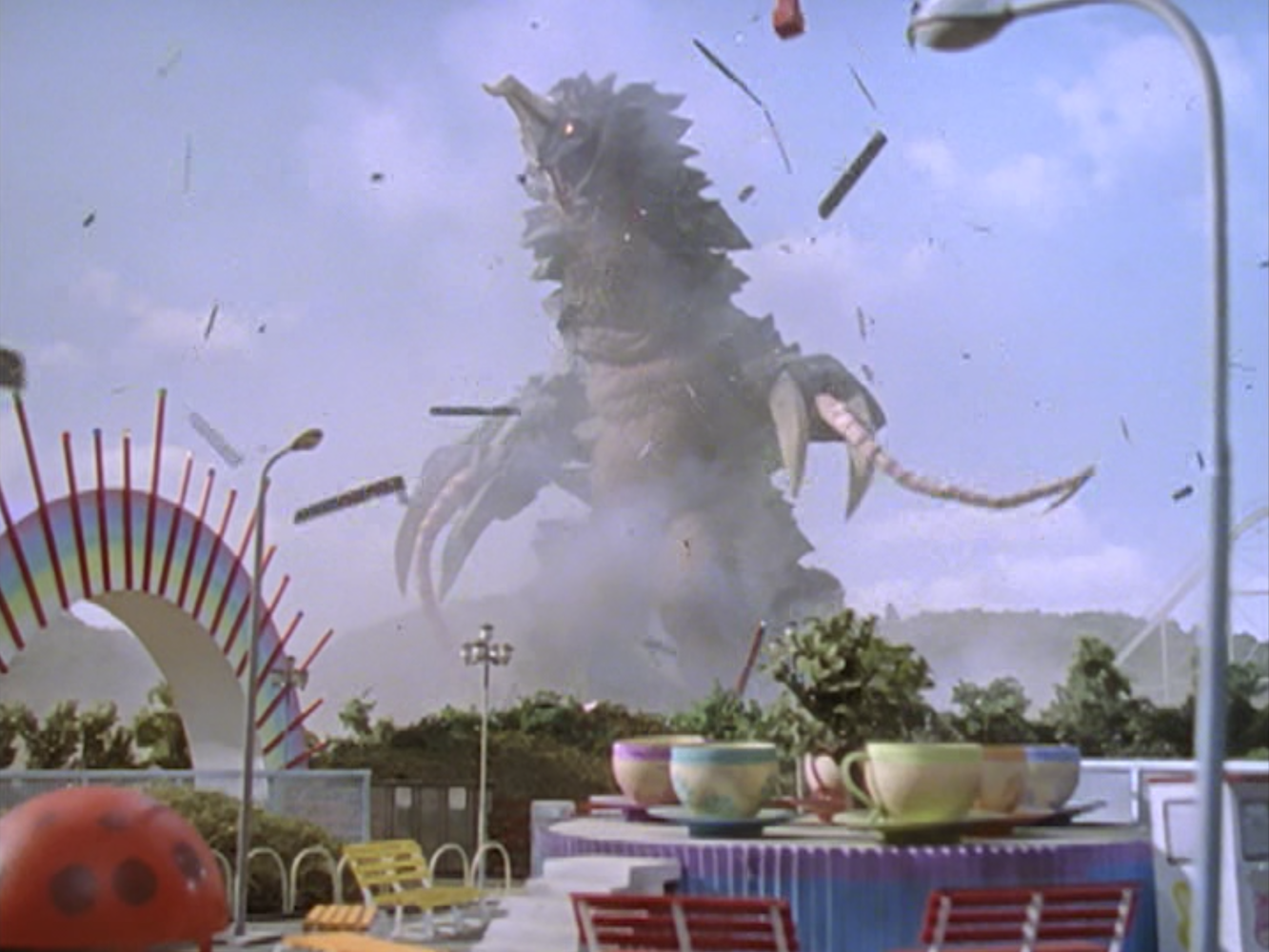
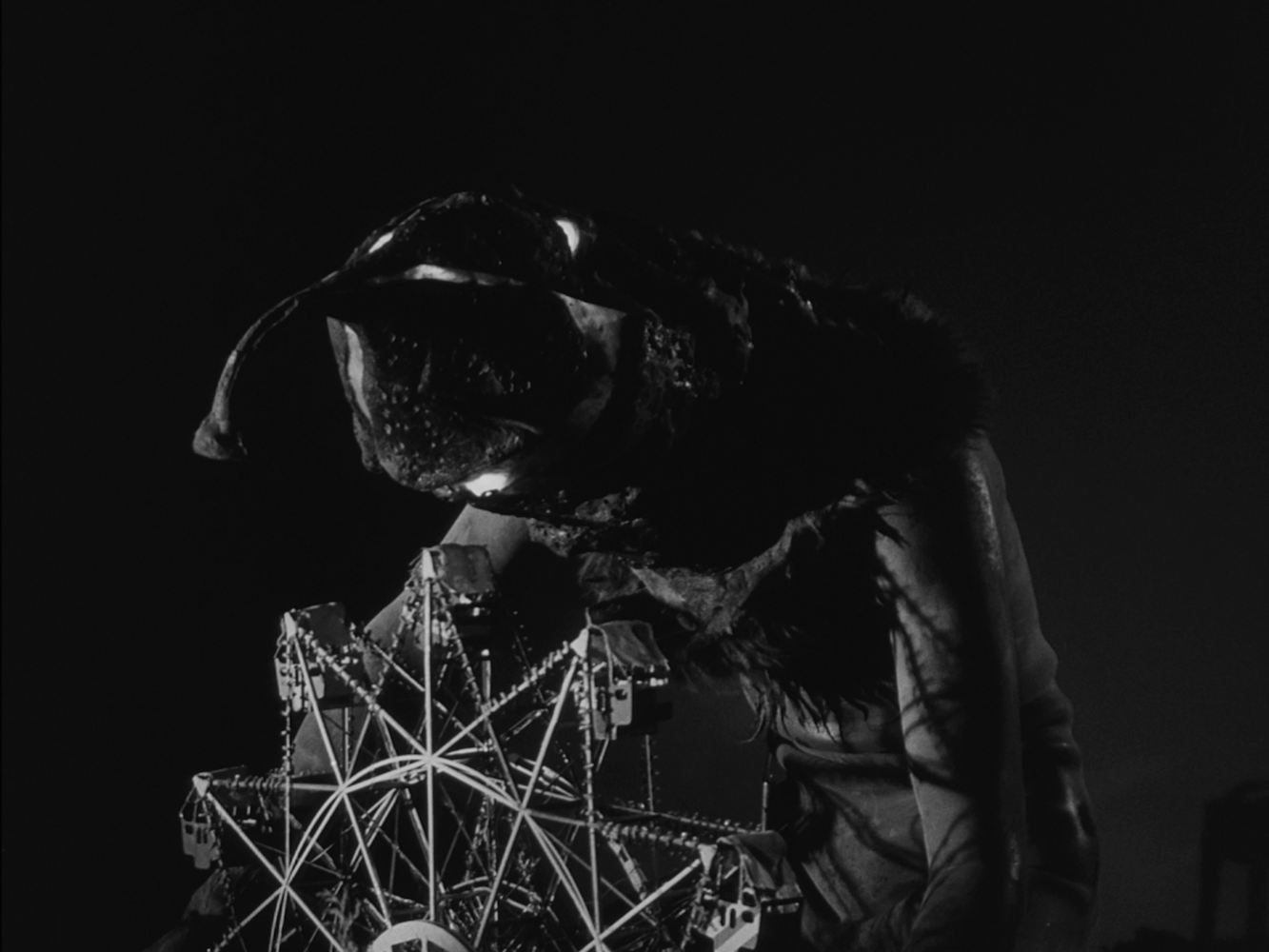
Many Ultra shows have scenes in amusement parks. I looked at the earliest one last month, Ultra Q’s “Challenge From the Year 2020.” For multiple reasons, amusement parks are ideal settings for the series. The special effects team can pack them full of creative and fun models to obliterate during monster fights. They make it easy to bring children into the story. And the general tone of amusement parks as spots for thrilling but safe fun matches much of the tone of many Ultra shows. The kick of a good roller coaster is what people expect when watching something like Ultraman Tiga.

Continue reading “Ultraman Tiga Ep. 10: The Abandoned Amusement Park”

Ultra Q Ep. 19: Challenge From the Year 2020

Directed by Toshihiro Iijima. Written by Tetsuo Kinjo and Toshihiro Iijima. Airdate May 8, 1966.

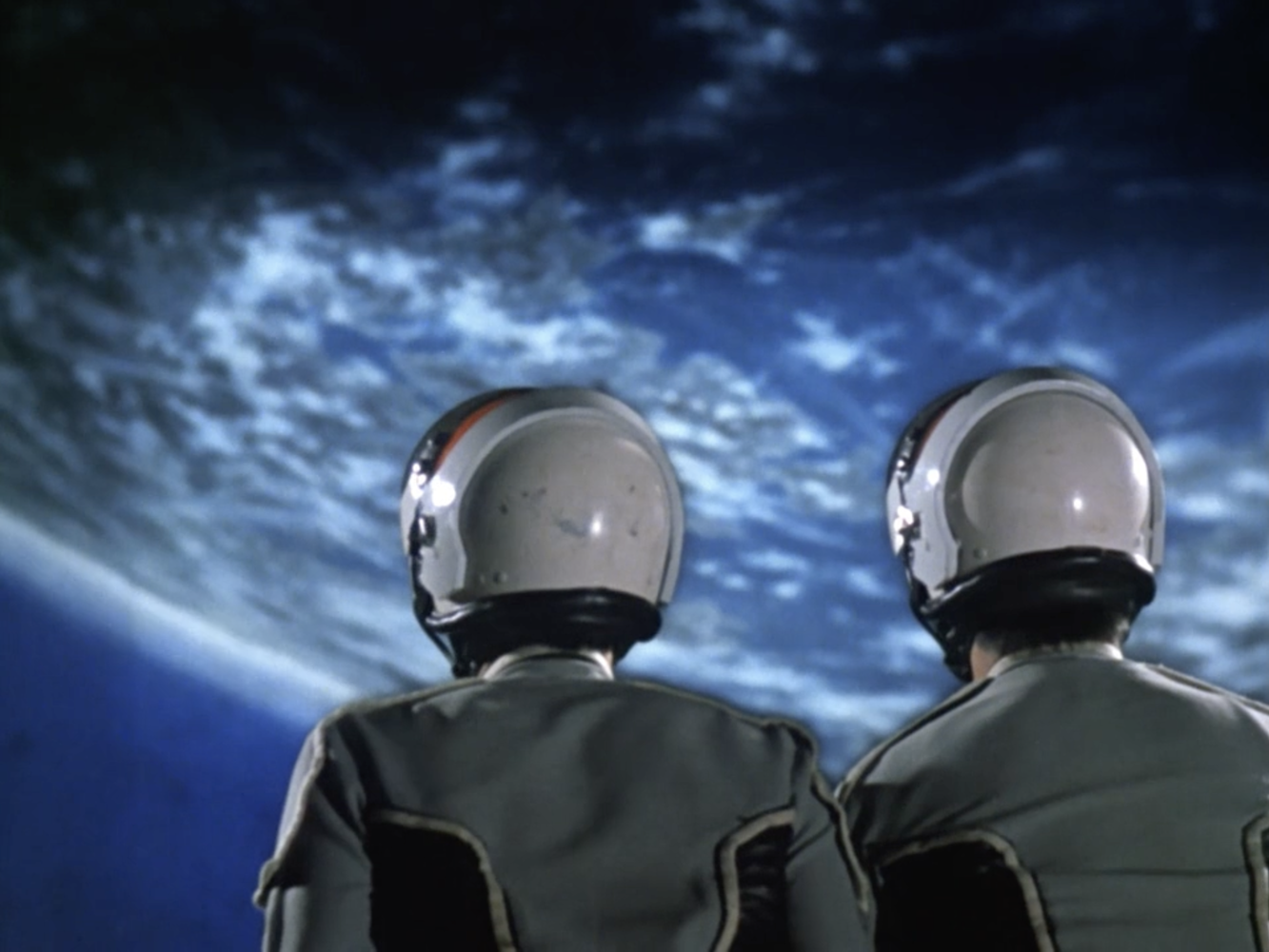
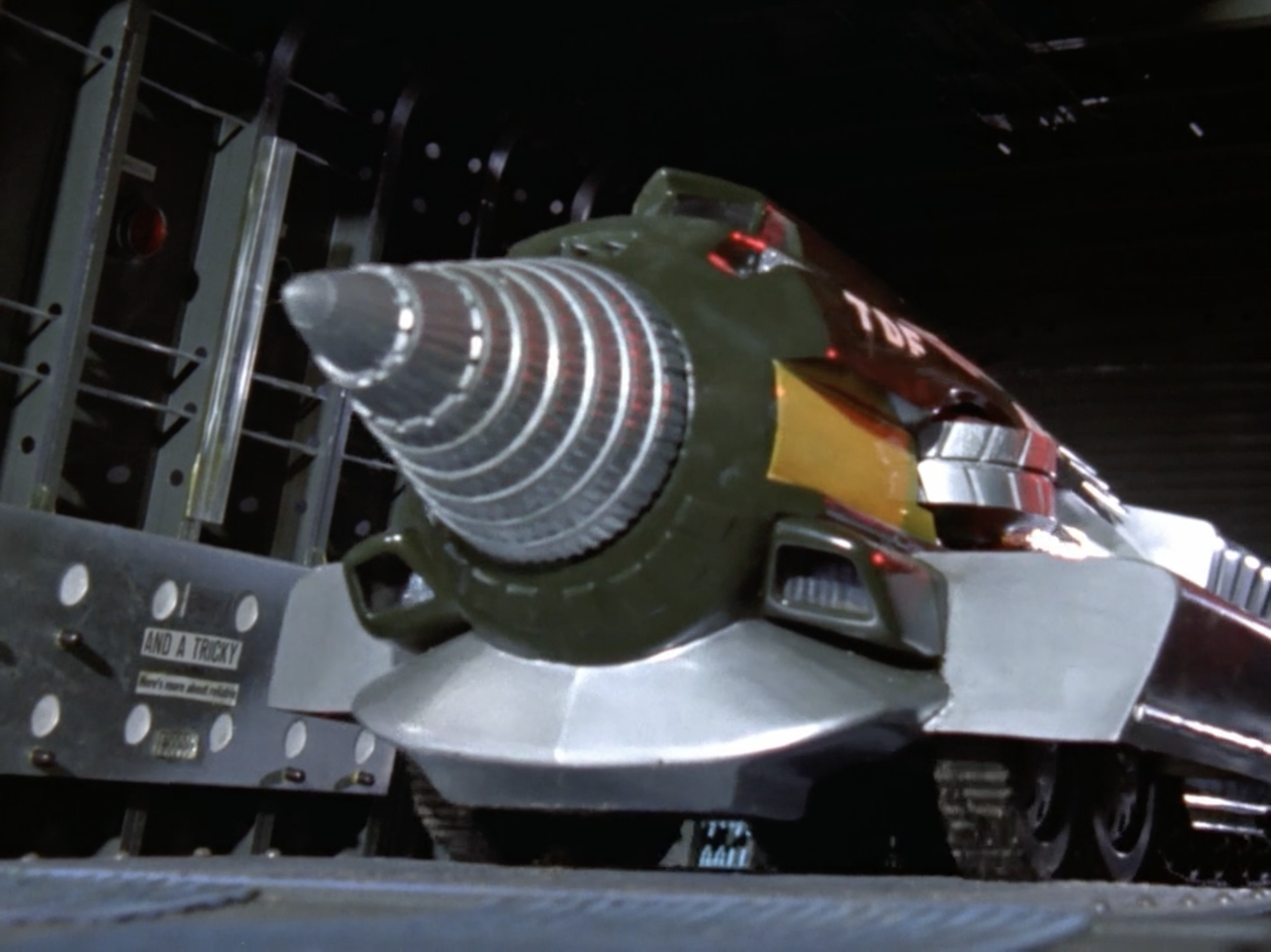
It’s redundant to write, “This is a weird episode of Ultra Q,” because weirdness is the show’s default setting. But this is a weird episode of Ultra Q. Not in the humorous fashion of “Kanegon’s Cocoon” or the crazy pinball machine of “The Underground Super Express Goes West.” This is the weird of dark science fiction where not much ends up making sense; intentional SF surrealism appears to be the point. I can’t say I understand much of what occurs in “Challenge From the Year 2020,” but I do like a lot of what I see. Your mileage may vary, either up or down.

Continue reading “Ultra Q Ep. 19: Challenge From the Year 2020”

Ultraseven Ep. 13: The Man Who Came From V3

Directed by Toshitsugu Suzuki. Written by Shinichi Ichikawa. Airdate Dec. 24, 1967.

“The Man Who Came From V3” feels like Tsuburaya Productions attempting an even split between a character-driven drama about Cap. Kiriyama facing an ethical dilemma and a huge science-fiction blow-out that crams in the maximum amount of dueling ships and giant monster action that a half-hour of TV can hold. But somewhere in the process of writing and shooting the episode, the character half gave up and let the VFX half spin donuts all over everything.

Continue reading “Ultraseven Ep. 13: The Man Who Came From V3”

Ultraman Ep. 16: Science Patrol Into Space

Directed by Toshihiro Iijima. Written by Kitao Senzoku. Airdate Oct. 30, 1966.

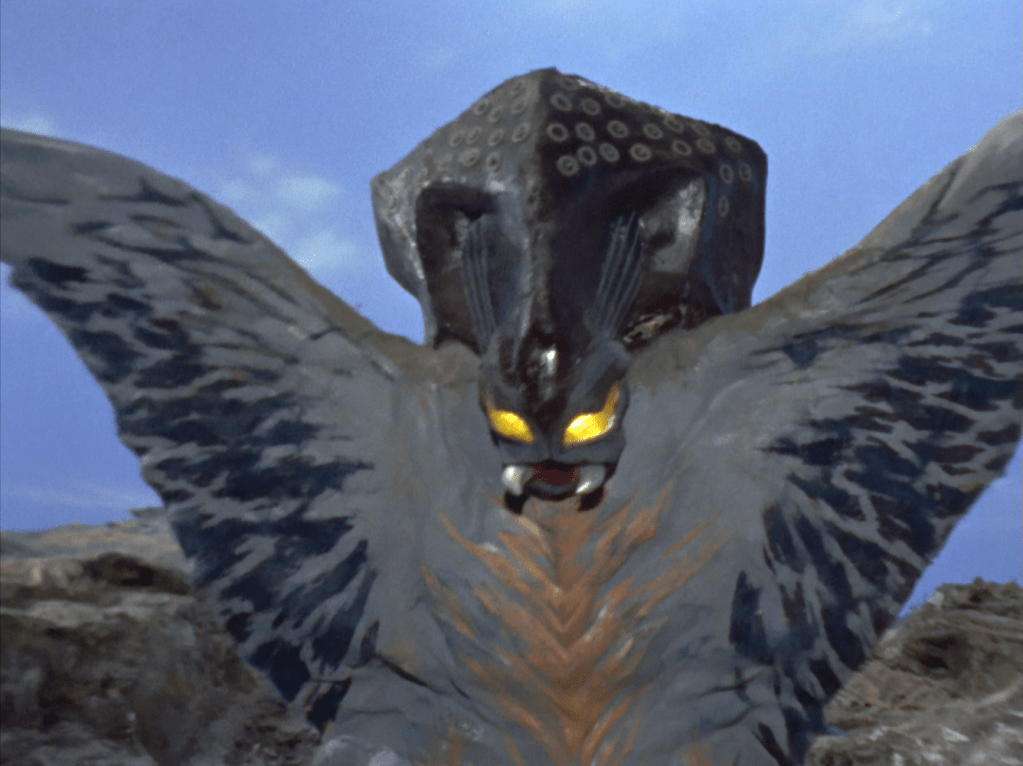
Alien Baltan is back after Ultraman attempted to genocide their entire race in “Shoot the Invader!” They want another crack at Planet Earth. Lucky for them, the Tsuburaya Pro team apparently wanted another crack at a big VFX finale with their signature alien villains. The special effects climax of “Shoot the Invader!” was its weakest part, likely a result of it being the first episode put into production. “Science Patrol Into Space” is a small upgrade over what was a pretty solid early episode: it loses some of the mystery and mood but goes full-force as a science-fiction actioner with ambitious special effects.

Continue reading “Ultraman Ep. 16: Science Patrol Into Space”

Ultraseven Ep. 12: From Another Planet With Love

Directed by Akio Jissoji. Written by Mamoru Sasaki. Airdate Dec. 17, 1967.

This is the famous withdrawn Ultraseven episode. You won’t find it on any of the video releases, nor will you see it on the airwaves. It’s sometimes called the “banned” or “censored” episode, but that implies an external agency has kept it from being seen. Tsuburaya Productions itself removed the episode from public availability in the 1970s, and it seems unlikely the situation will change in the near future.

Continue reading “Ultraseven Ep. 12: From Another Planet With Love”

Ultraman Tiga Ep. 4: Goodbye, Planet Earth

Directed by Hirochika Muraishi. Written by Hidenori Miyazawa. Airdate Sep. 28, 1996.

It’s a familiar science-fiction tale: a crew of astronauts on a mission becomes mutated by an alien force and returns to Earth as a deadly, rampaging monster. This is the story of the classic Ultraman episode “My Home Is Earth,” which borrowed it from The Quatermass Xperiment. (Yes, I’m bringing up that movie again. Its DNA is everywhere in the Ultra series, there’s no helping it.) The immense popularity of “My Home Is Earth” has caused many later Ultra shows to attempt their own versions. Here’s Ultraman Tiga’s take.

Continue reading “Ultraman Tiga Ep. 4: Goodbye, Planet Earth”

Ultra Q Ep. 13: Garadama

Directed by Hajime Tsuburaya. Written by Tetsuo Kinjo. Airdate March 27, 1966.

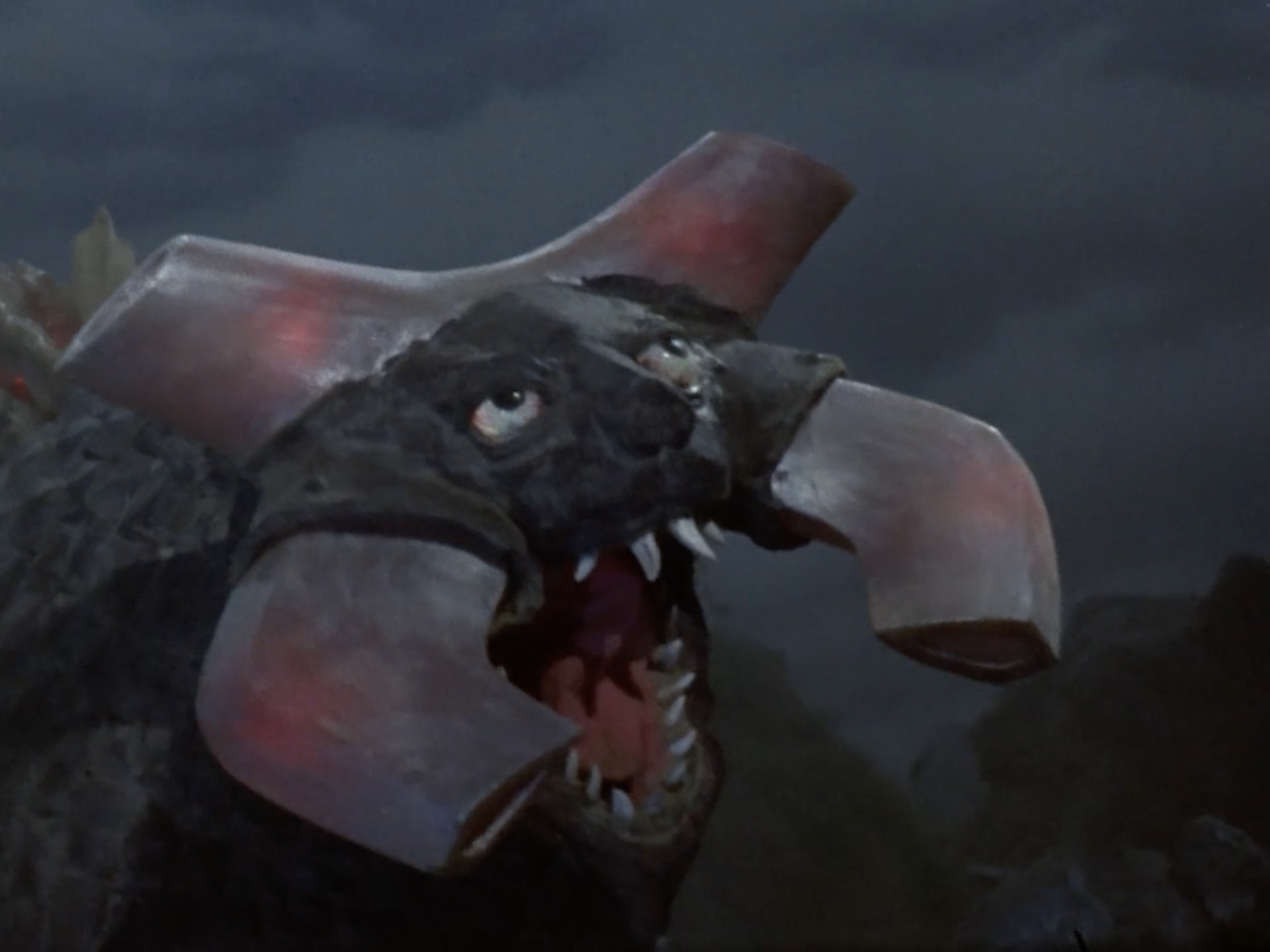
Children in the countryside discover a strange rock that fell from the sky — not the only time this will happen in the Ultra Series. They dutifully turn it over to their teachers, who then turn it over to Professor Ichinotani to investigate. Ichinotani discovers this mystery meteorite (or garadama as the locals refer to such phenomena) is made from an alien material known as Tilsonite. It’s not a monster egg, however, but the control device for the monster arriving in a larger meteorite that splashes down in a lake near a hydroelectric dam. Monster Garamon, an artificial alien construction, breaks loose from its stone transport. It starts to wreak havoc, and then … oh, you’ll have to wait for Part 2 to learn the rest.

Continue reading “Ultra Q Ep. 13: Garadama”

Ultraman Tiga Ep. 3: The Devil’s Prophecy

Directed by Hirochika Muraishi. Written by Chiaki J. Konaka. Airdate Sep. 21, 1996.

After two episodes without much character development for the GUTS team, we get a story focused on Captain Iruma and her personal and professional struggles. Megumi Iruma is my favorite character in Ultraman Tiga, and “The Devil’s Prophecy” shows how much she can shine. Defense team captains before her were stoic, occasionally boring, and at times borderline negligent. Iruma is the captain I’d feel most confident serving under. Maybe a tie with Captain Muramatsu from Ultraman, but I get to know far more about Iruma as a person. 

Continue reading “Ultraman Tiga Ep. 3: The Devil’s Prophecy”

Ultra Q Ep. 12: I Saw a Bird

Directed by Harunosuke Nakagawa. Written by Masahiro Yamada. Airdate March 20, 1966.

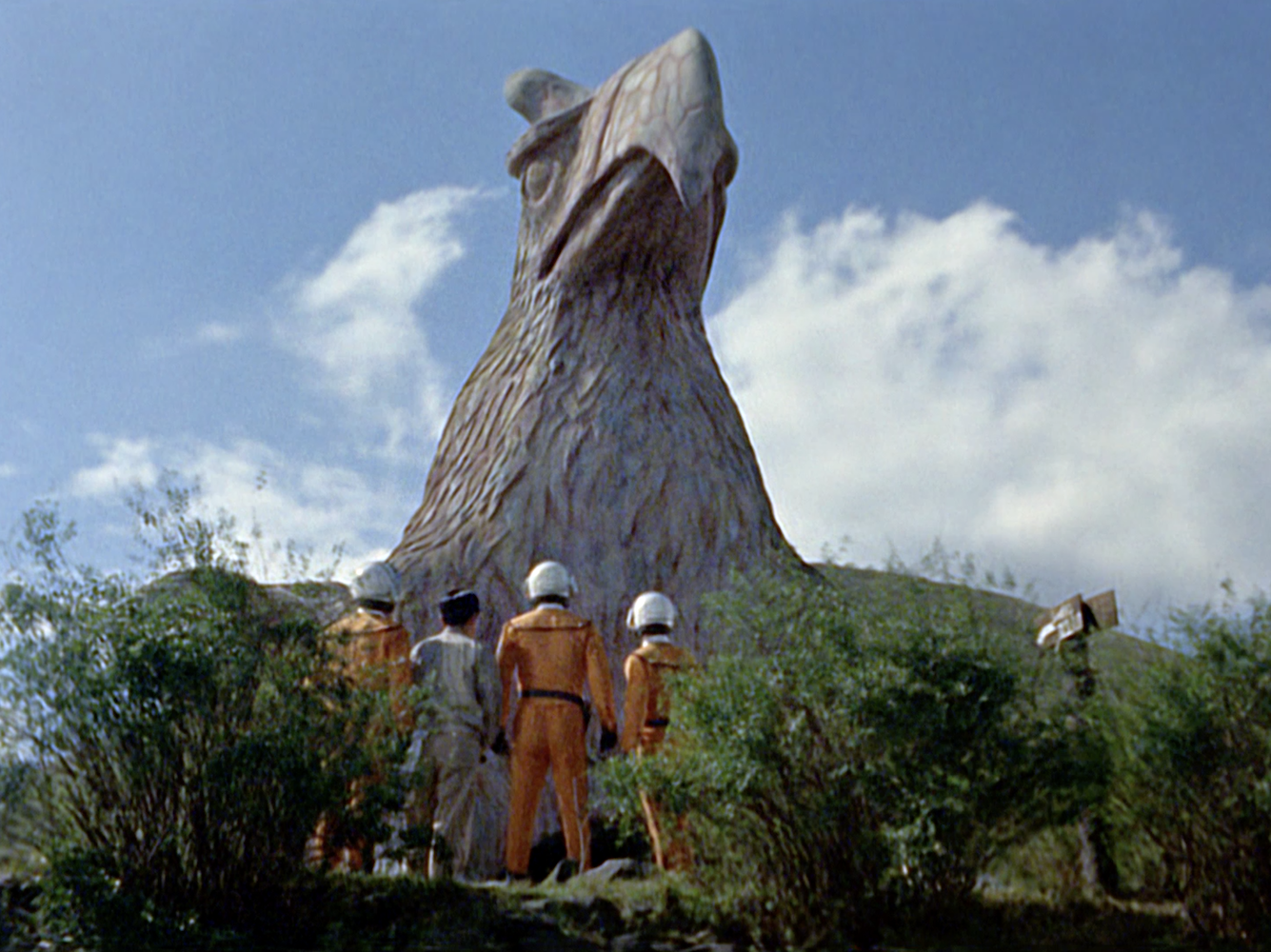
The simplistic title may sound like a children’s story. Which it is. But it’s not an ironic fairy tale like the hyper-looney “Grow Up! Little Turtle.” “I Saw a Bird” is a giant monster tale from the perspective of a child. The kaiju element is downplayed in favor of a bittersweet fable about a lonely boy and his bird. 

Continue reading “Ultra Q Ep. 12: I Saw a Bird”