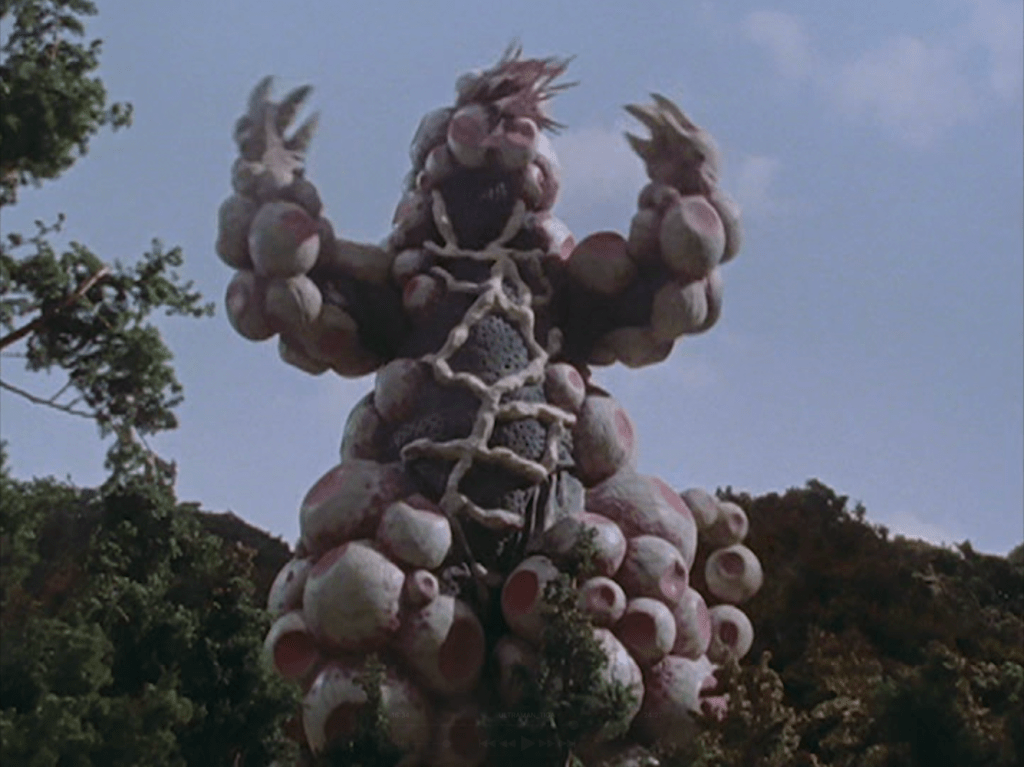
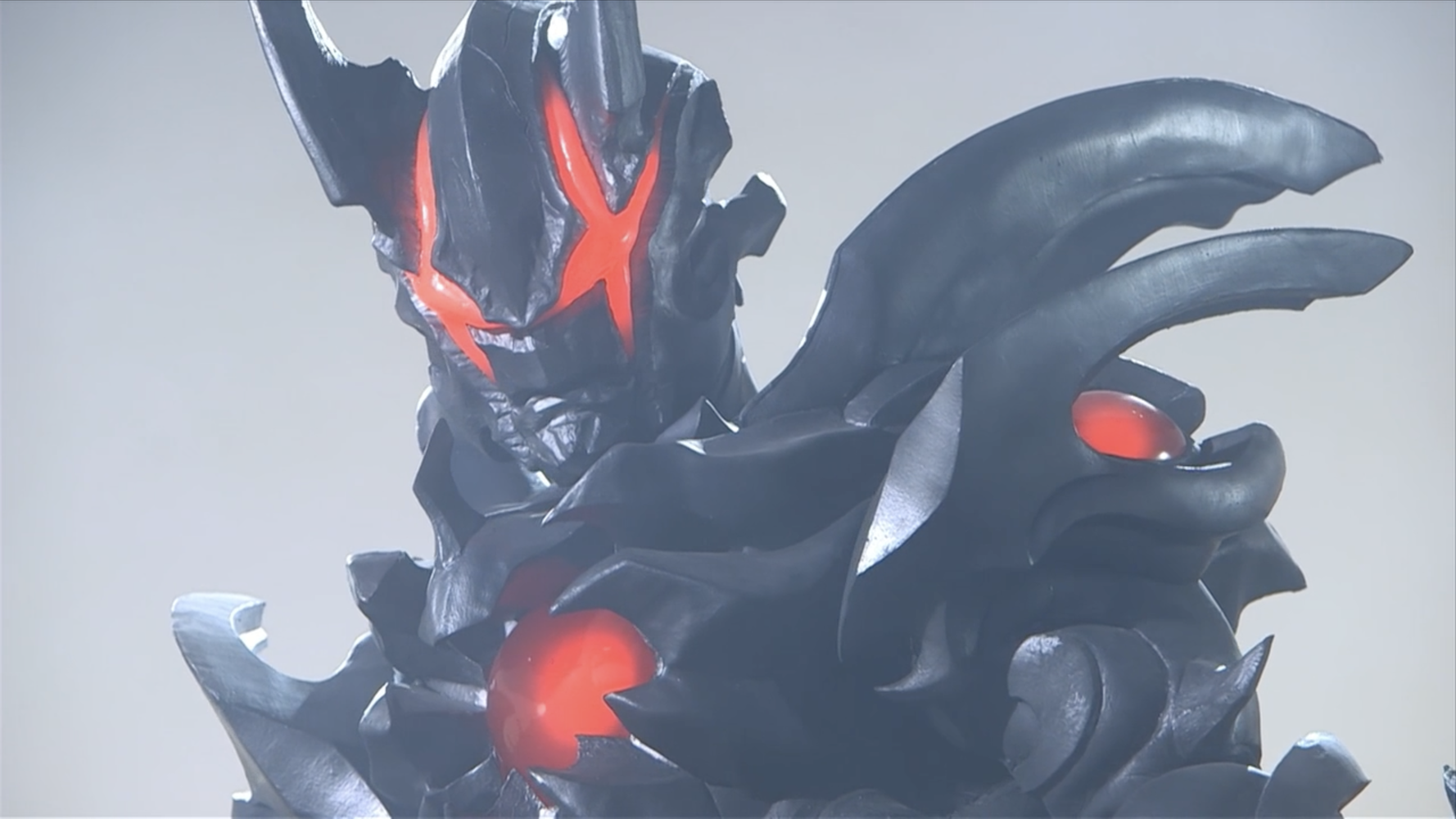
Ultraseven Ep. 31: Flower Where the Devil Dwells

Directed by Toshitsugu Suzuki. Written by Shozo Uehara. Airdate May 5, 1968.

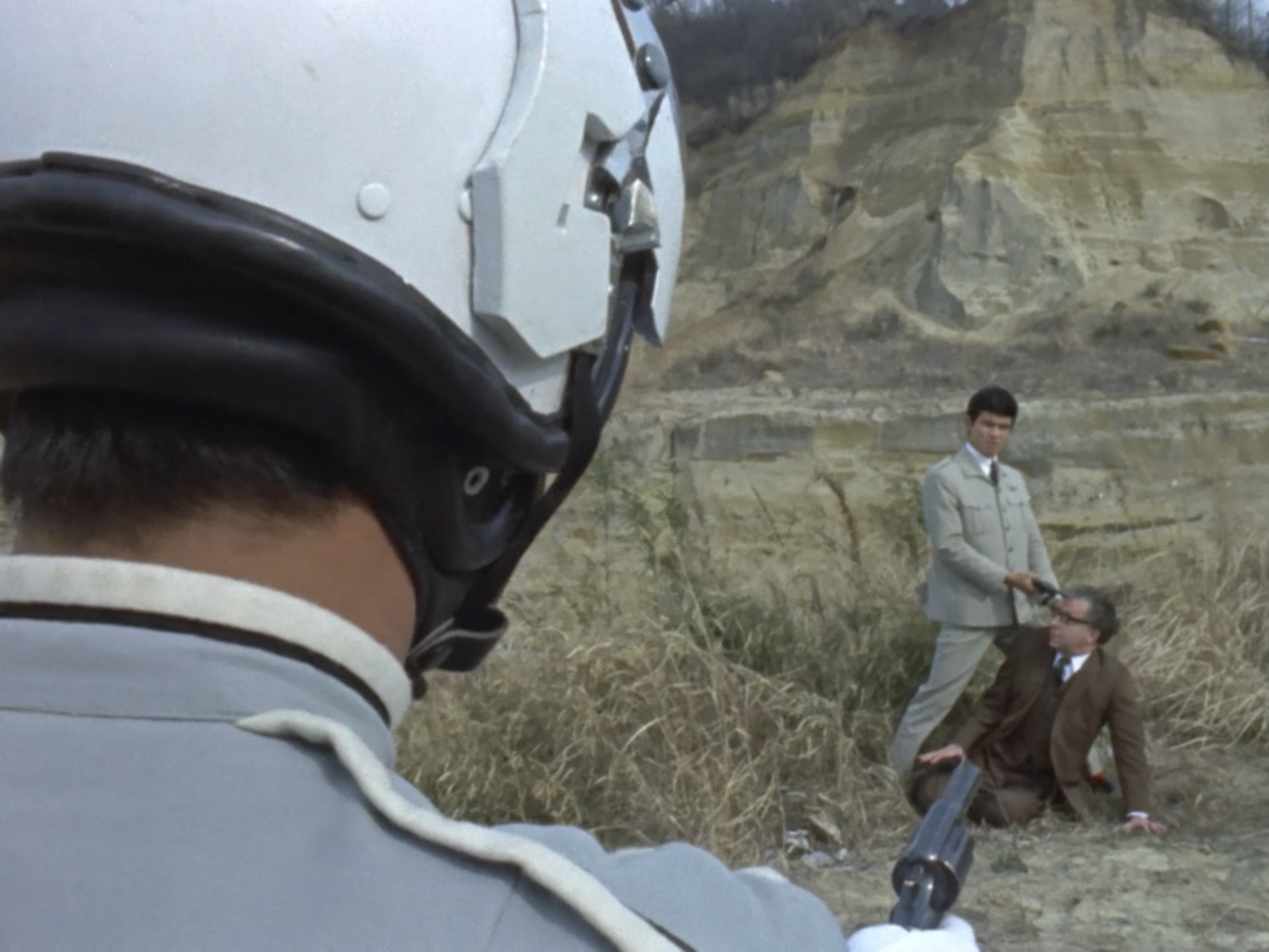
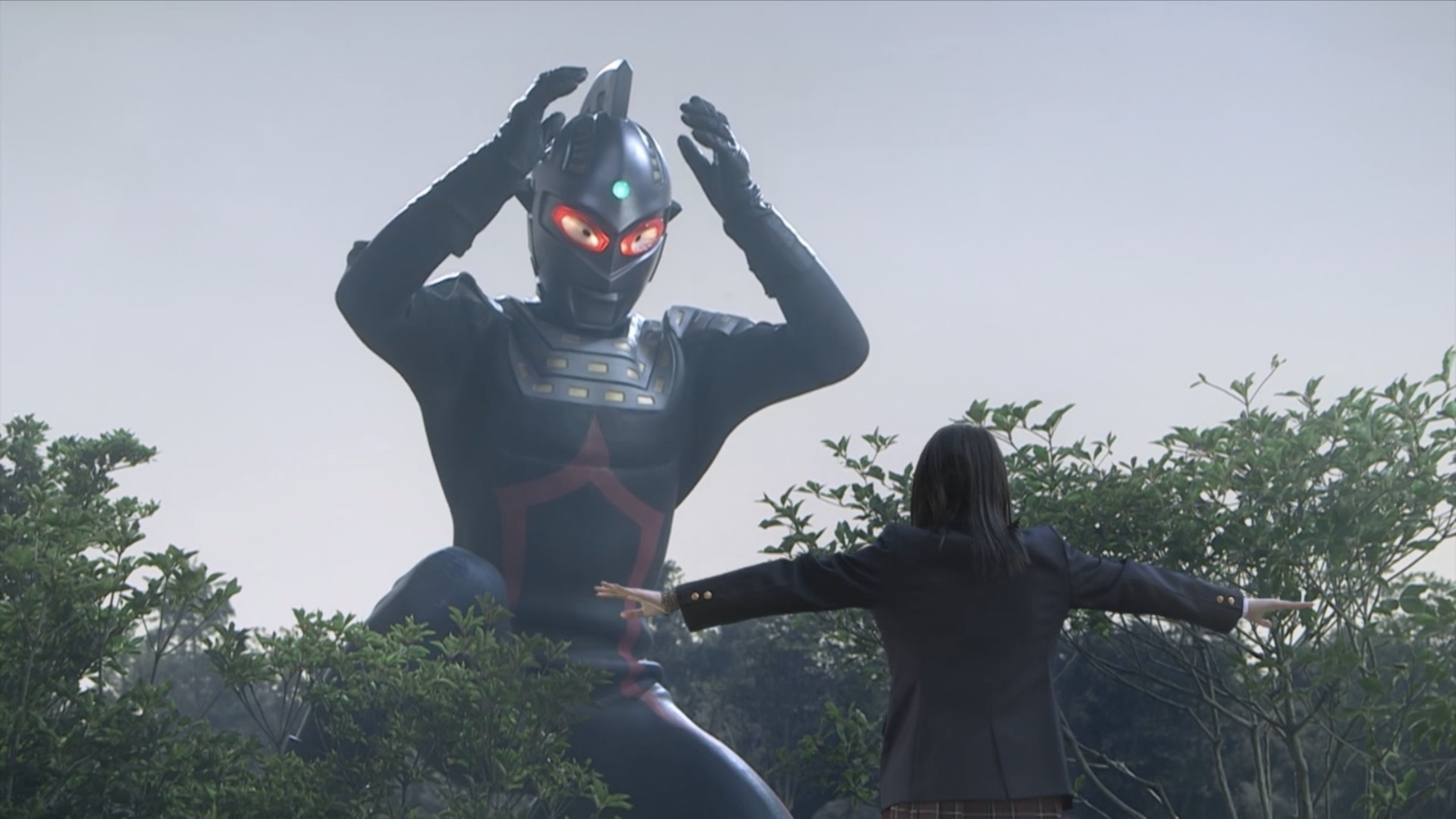
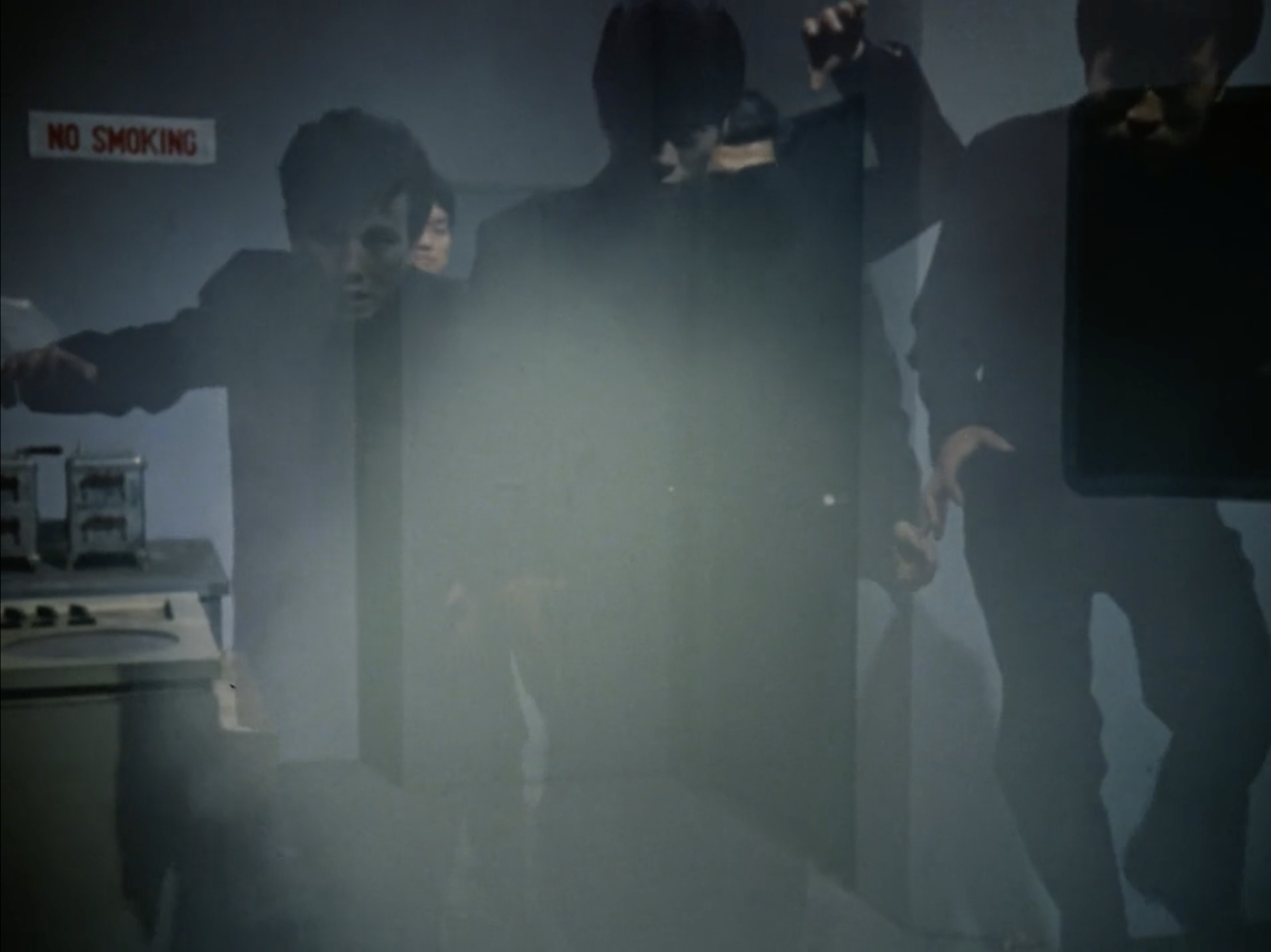
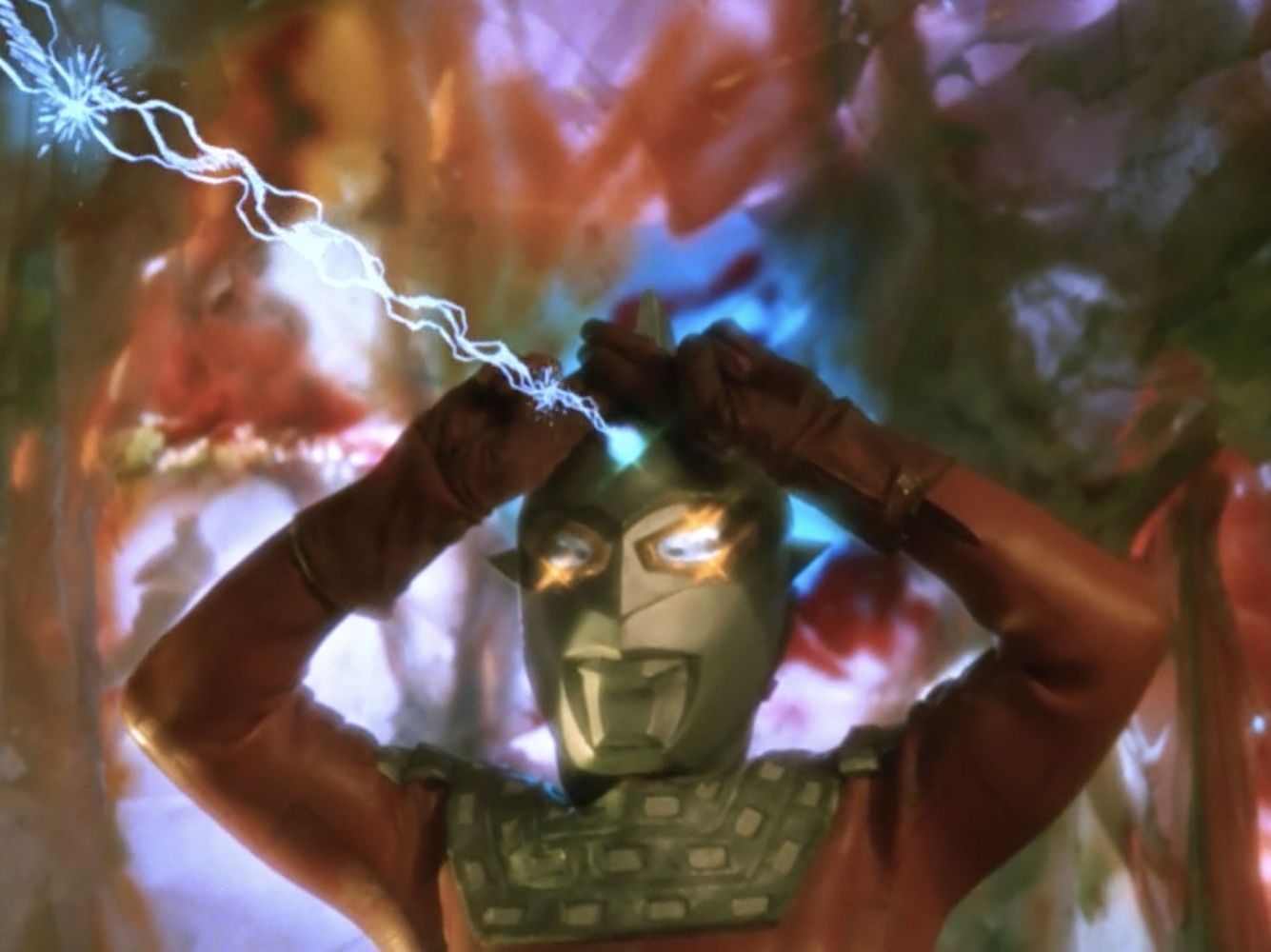
Ultraseven takes another big swing at exploring new science fiction territory. Drawing inspiration from the 1966 film Fantastic Voyage, our hero Ultraseven reverses his usual tactics and shrinks to face a microscopic but deadly enemy within the strange battlefield of the human body. 

Continue reading “Ultraseven Ep. 31: Flower Where the Devil Dwells”

Monster Theater: X the Unknown (1956)

Directed by Leslie Norman. Written by Jimmy Sangster. Starring Dean Jagger, Edward Chapman, Leo McKern, Michael Ripper, Anthony Newley.

I’d love to offer a Halloween-themed review of an Ultra episode like last year. But the calendar didn’t align this time, and I had to use up the review of Ultraman Tiga’s Halloween episode in March. So to celebrate horror season this year, I’m returning to Hammer Films and the second of their influential Quatermass Films. The one that isn’t actually a Quatermass film but is trying to pass itself off as one — and doing a decent job of it. X the Unknown doesn’t have the intensity, pacing, or paranoia of the three true Quatermass films, but it’s still above average Atomic Age horror with intelligence, several strong performances, and a few genuinely chilling sequences. 

Continue reading “Monster Theater: X the Unknown (1956)”

Ultraman Ep. 31: Who Goes There?

Directed by Yuzo Higuchi. Written by Taro Kaido. Airdate Feb. 12, 1967.

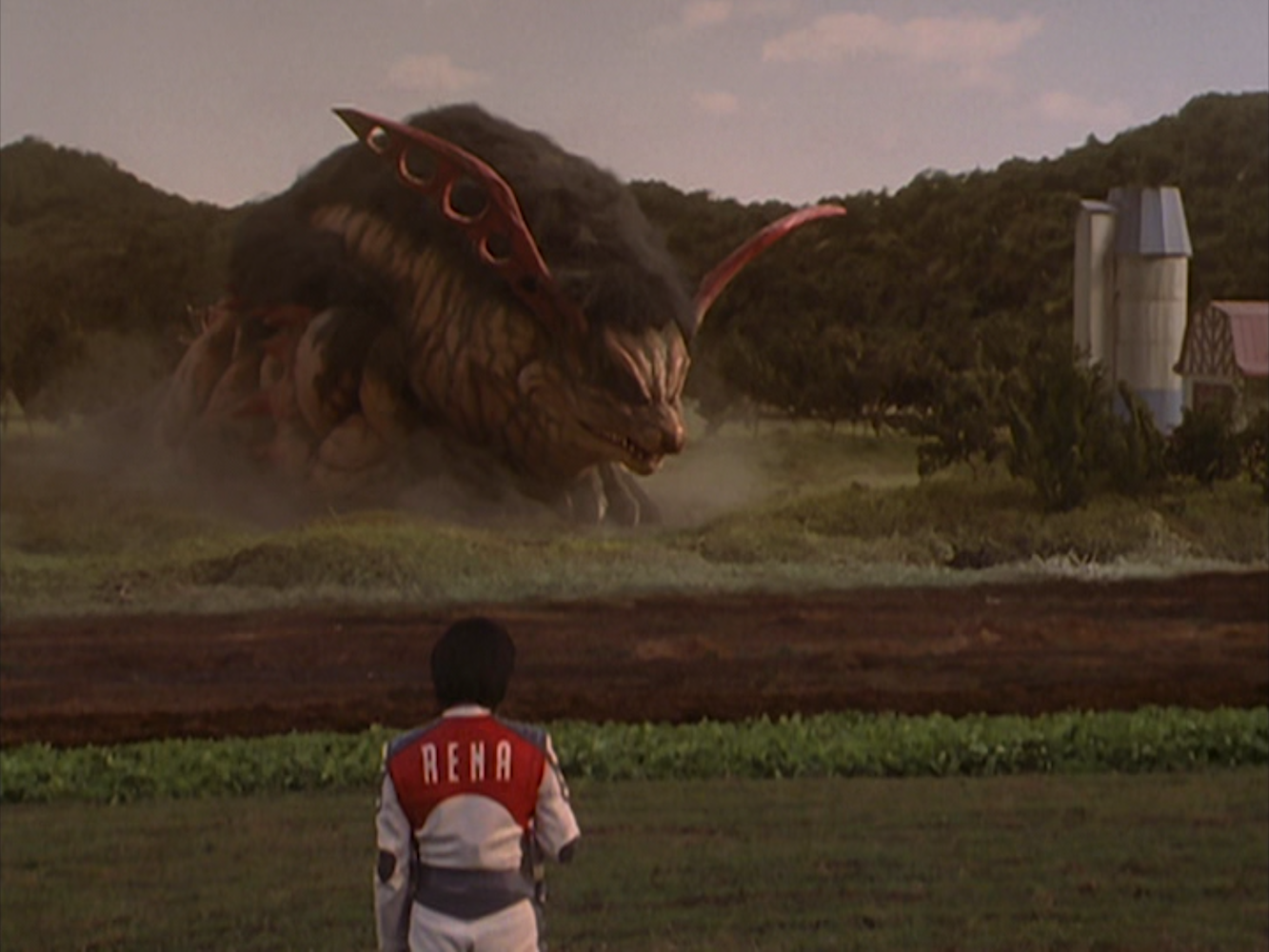
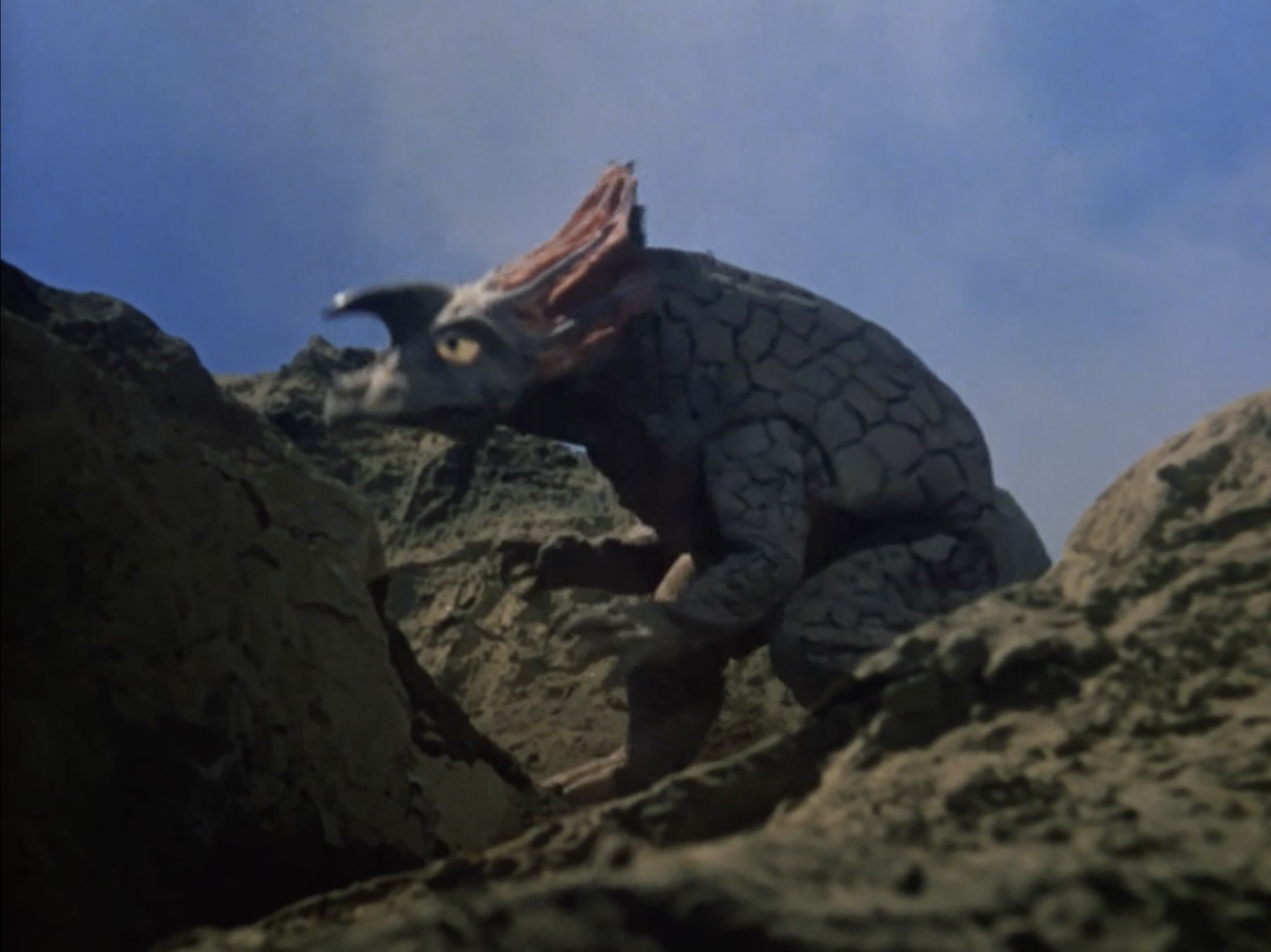
Ultraman’s fighting style evolved over the show’s run. Starting with a close-contact, grounded style, Ultraman became more agile and flexible as Bin Furuya, the actor inside the suit, got more accustomed to the costume. The fight choreography changed to match. Furuya picked “Who Goes There?” as a peak of this fighting evolution. He’s right: the battle between Ultraman and the giant Vampire Plant Keronia is among the most athletic and dynamic in the show. Furuya as Ultraman executes impressive full-body flips and flying double-leg kicks that must have required intense training and practice. Furuya was right to feel proud — all of it looks fantastic. 

Continue reading “Ultraman Ep. 31: Who Goes There?”

Toku Theater: Gamera vs. Jiger (1970)

Directed by Noriaki Yuasa. Written by Niisan Takahashi.

The progression of the classic Gamera series doesn’t follow conventional movie franchise logic. This logic says that once a series completes the transformation into children’s entertainment, it will enter a period of steady decline — if it hasn’t already. Although Gamera vs. Guiron was psychedelic fun with little in the way of story to interfere with kids’ enjoyment, it should have signaled an irreversible trend toward lower budgets and sillier, simpler plots.

Continue reading “Toku Theater: Gamera vs. Jiger (1970)”

Ultraman Tiga Ep. 19 & 20: GUTS Into Space

Directed by Hirochika Muraishi. Written by Chiaki J. Konaka. Airdate Jan. 11 & 18, 1997.

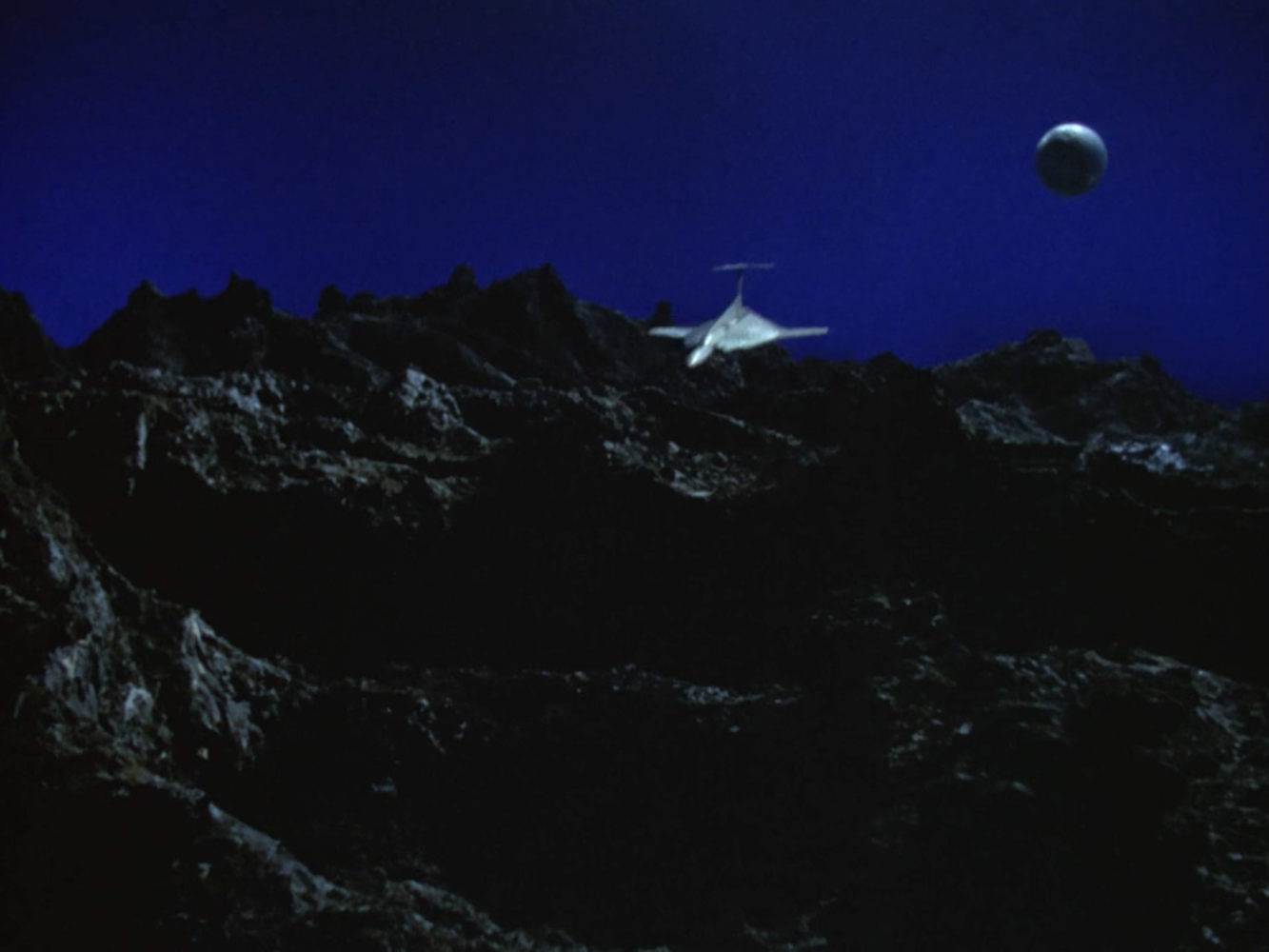
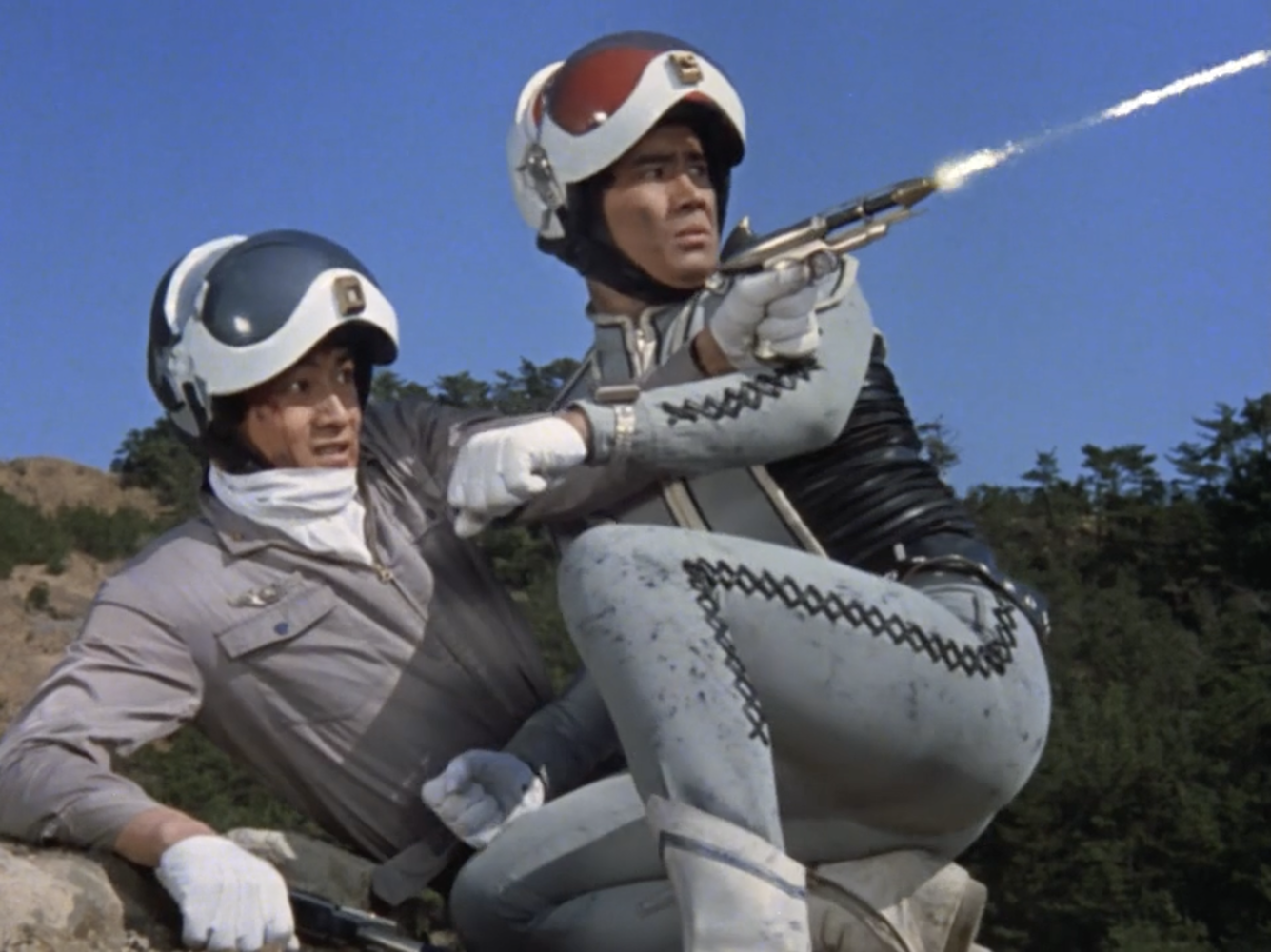
Ultraman Tiga and its sequel series Ultraman Dyna take place in the “World of Neo Frontier Space” timeline. Space travel and planetary colonization are key themes in these shows, although they usually occur in the background or serve as catalysts for episodes that are otherwise Earthbound. “GUTS Into Space,” Tiga’s first two-parter, finally sends the GUTS team into the Neo Frontier using a new piece of space-travel technology.

Continue reading “Ultraman Tiga Ep. 19 & 20: GUTS Into Space”

Ultraman Tiga Ep. 18: Golza Strikes Back!

Directed by Shinichi Kamizawa. Written by Masakazu Migita. Airdate Jan. 4, 1997.

Ultra shows generally treat the impact of kaiju activity on the civilian population with a light hand. That’s appropriate, since the episodes would otherwise make for extremely dour entertainment, and many child viewers would have nightmares until they graduated high school. Doing something with the heaviness of the original Godzilla or Godzilla Minus One isn’t what Tsuburaya Productions was looking to achieve. 

Continue reading “Ultraman Tiga Ep. 18: Golza Strikes Back!”

Ultraman Tiga Ep. 17: The Battle Between Red and Blue

Directed by Shinichi Kamizawa. Written by Hidenori Miyazawa and Shinichi Kamizawa. Airdate Dec. 28, 1996.

I have affection for the offbeat Ultra episodes: the ones that take unexpected trips to different genres or spotlight a quirky new character as protagonist of the week. Some of these episodes are among the best in the history of the franchise, such as “Kanegon’s Cocoon” and “The Monster Tamer and the Boy.” Others, like “The Battle Between Red and Blue,” are merely charming and put a smile on my face for a half hour. You can’t spend every episode beating up monsters and alien invaders to save the world. Sometimes you need to just sit down with a nice old lady and eat popcorn and watch some TV. 

Continue reading “Ultraman Tiga Ep. 17: The Battle Between Red and Blue”

Ultraseven Ep. 23: Search for Tomorrow

Directed by Samaji Nonagase. Written by Shozo Uehara and Samaji Nonagase. Airdate March 10, 1968.

Captain Kiriyama takes center stage for an unusual episode that shows the Ultra Guard members acting as more than a stock hero team. Characterization in Ultraseven works differently than in Ultraman and other Ultra shows: scripts often downplay individuality in favor of larger science-fiction themes. It’s good to have a chance to settle in with a personal character drama like “Search for Tomorrow,” where Kiriyama reveals a side that puts him at odds with the rationalist approach of the Terran Defense Force and the Ultra Guard. It’s not a superlative action episode, but it has some crunchy ideas to chew on and a strong use of the ensemble.

Continue reading “Ultraseven Ep. 23: Search for Tomorrow”