Ultra Q Ep. 28: Open Up!

Directed by Hajime Tsuburaya. Written by Mieko Osanai. Airdate Dec 14, 1967.

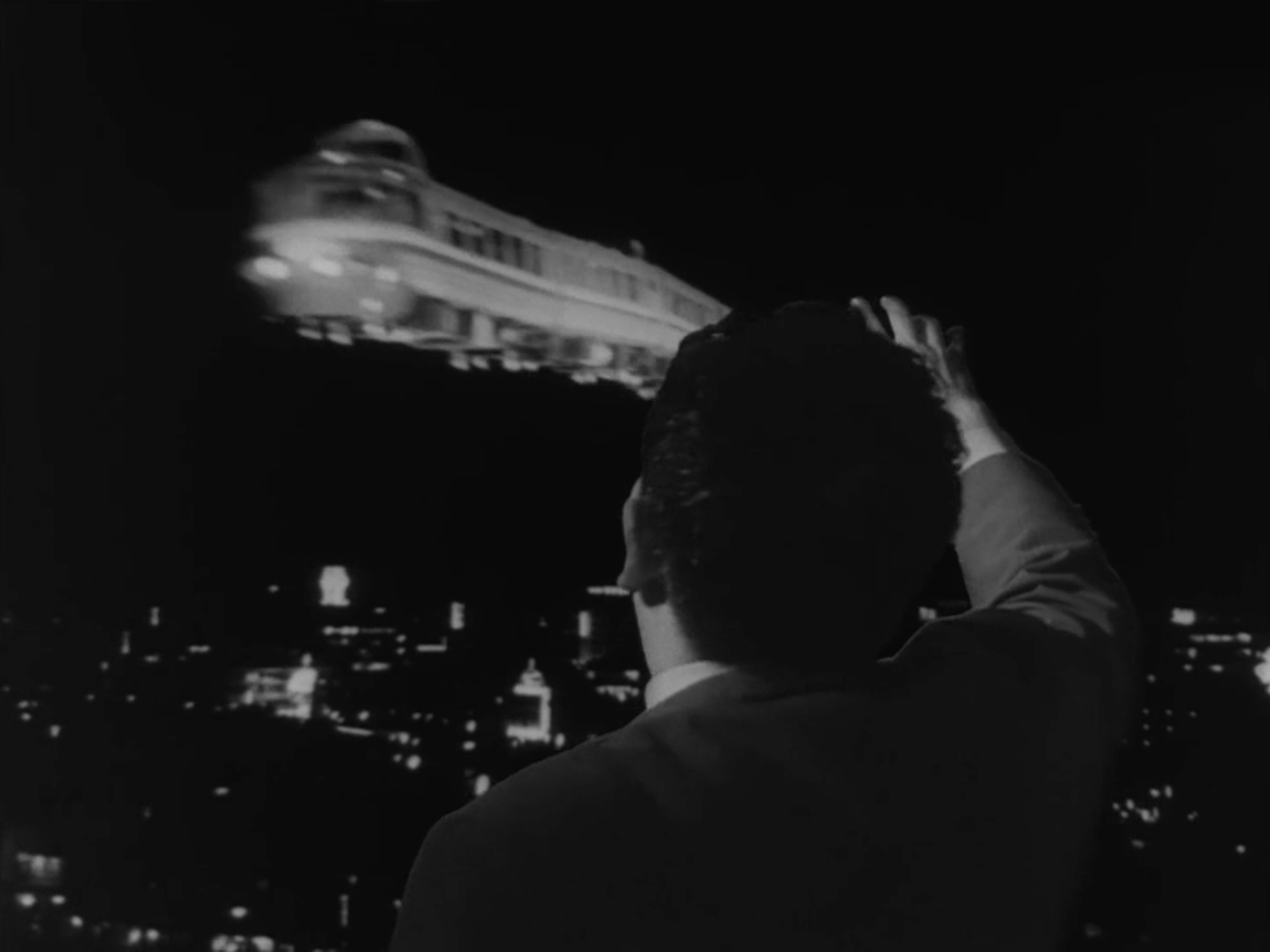
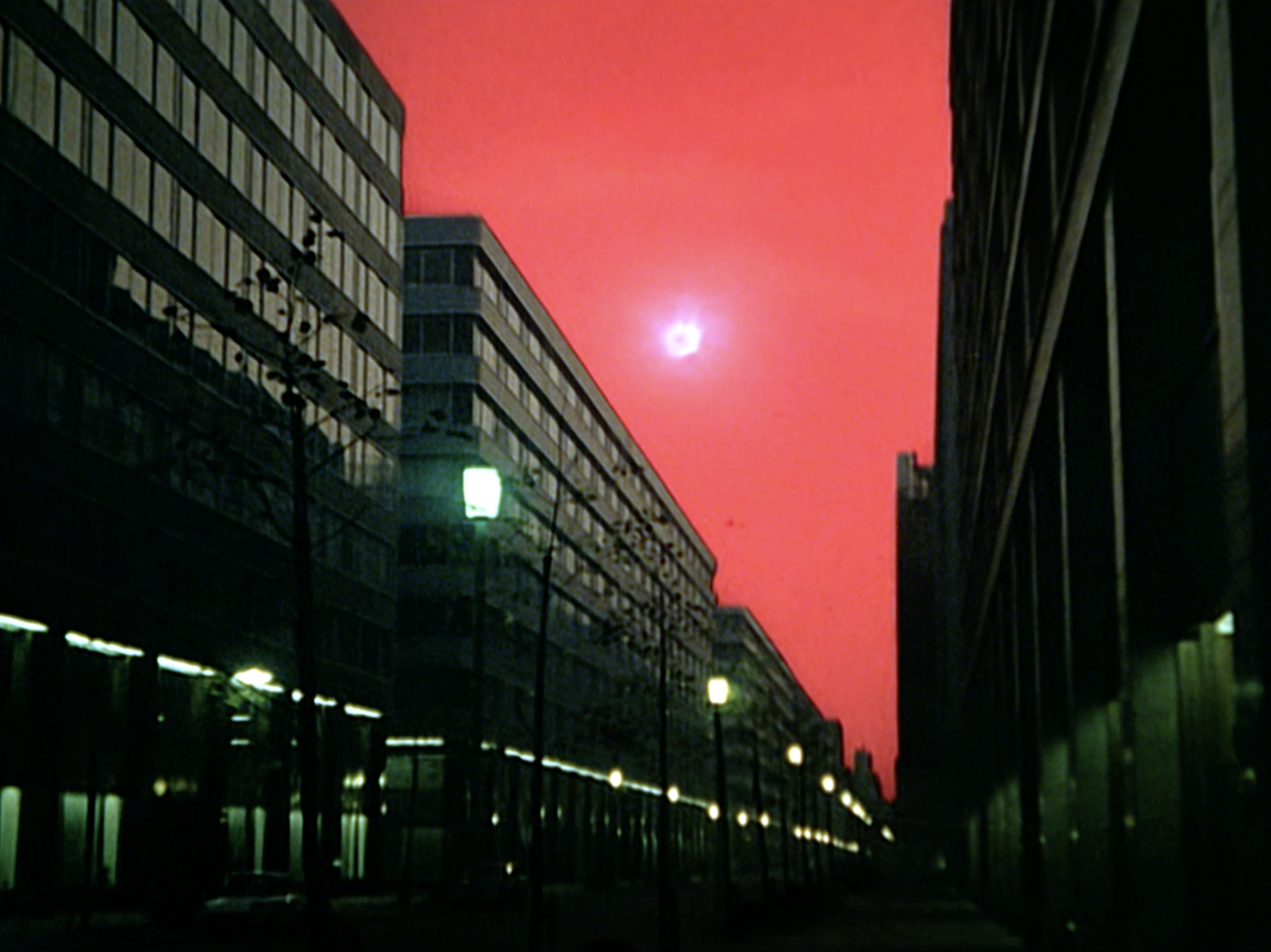
Ultra Q closes its original run with an ethereal episode, absent of monsters and high on postmodern angst. It’s hard to imagine an Ultra episode farther removed from the colorful heroics of Ultraman, so it isn’t surprising that TBS producer Takashi Kakoi decided that “Open Up!” was not a good lead-in for the new show. He removed the episode from the schedule and replaced it with the Ultraman preview special. “Open Up!” wouldn’t reach airwaves until the end of 1967, when Ultraman had finished its run and Ultraseven was already airing.

Continue reading “Ultra Q Ep. 28: Open Up!”

Toku Theater: Rodan (1956)

Directed by Ishiro Honda. Written by Takeshi Kimura and Takeo Murata. Starring Kenji Sahara, Yumi Shirakawa, Akihiko Hirata.

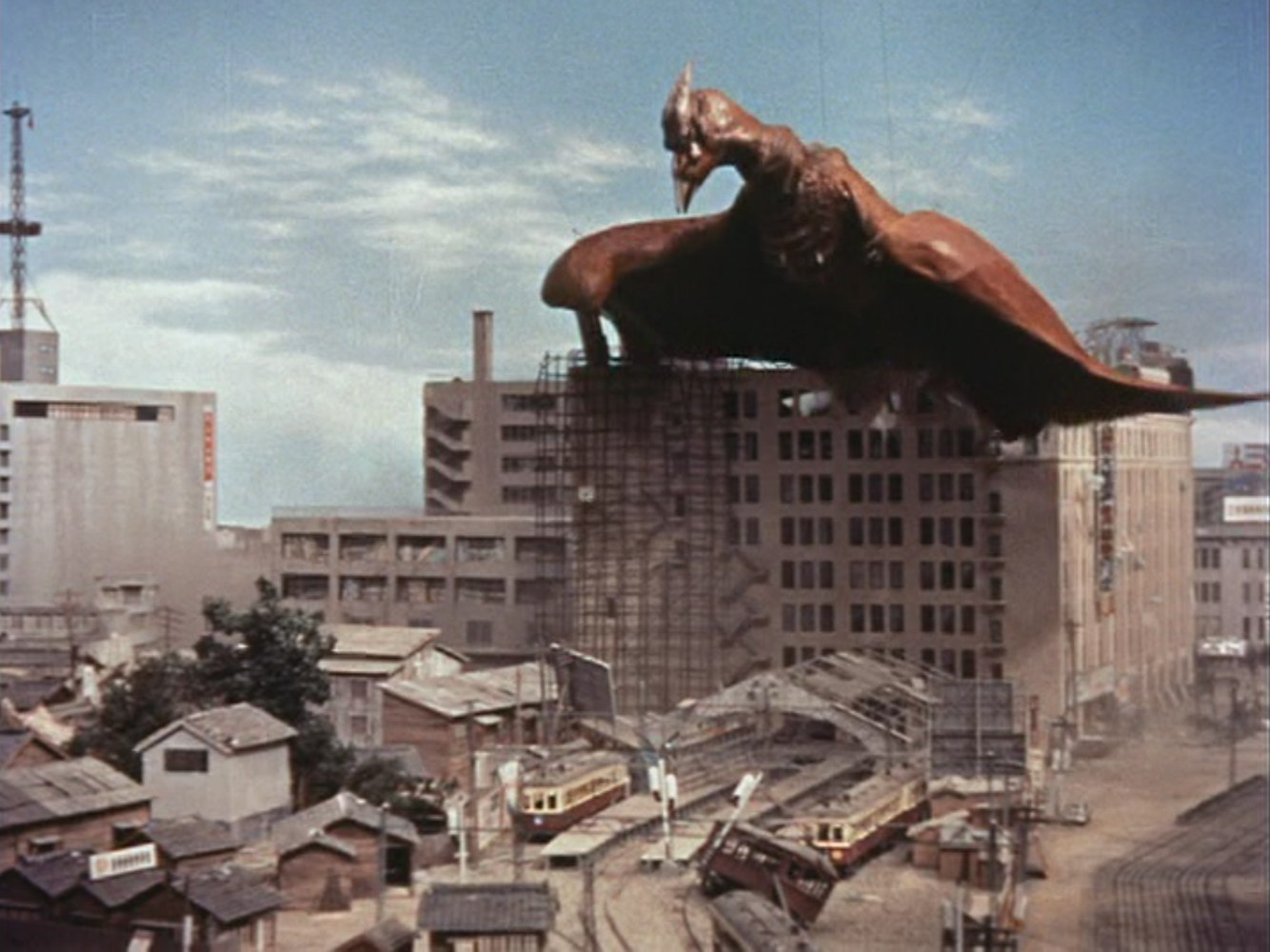
Rodan is where Toho Studios’ science-fiction boom truly takes flight. The original 1954 Godzilla was an enormous success, but the rushed and less imaginative sequel, Godzilla Raids Again (1955), made money without leaving much of an impression on audiences or the Japanese film industry. Godzilla wouldn’t return to movie screens for seven years.

Continue reading “Toku Theater: Rodan (1956)”

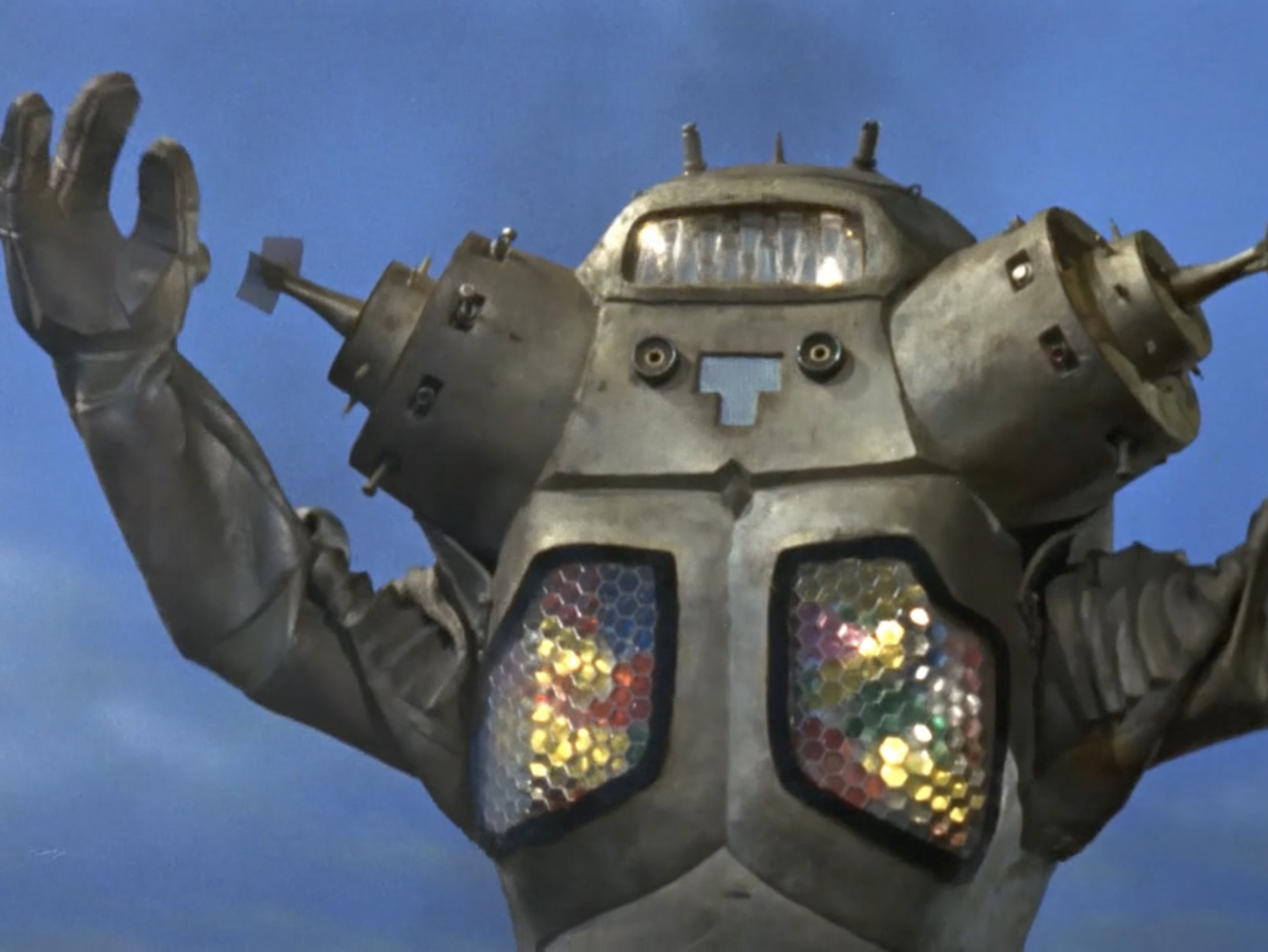
Ultraman Ep. 23: My Home Is Earth

Directed by Akio Jissoji. Written by Mamoru Sasaki. Airdate Dec. 18, 1966.

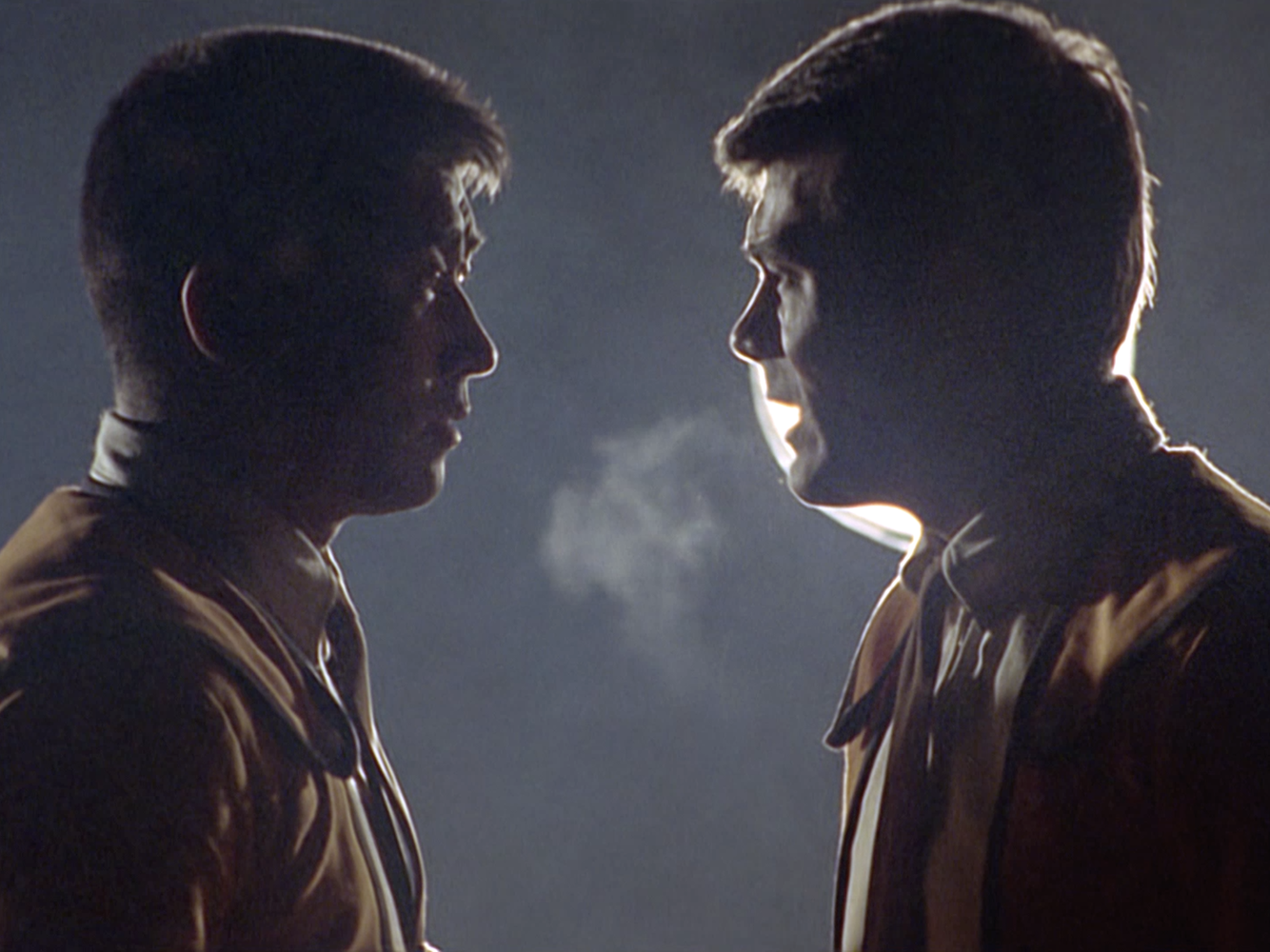
I’ve mentioned this episode numerous times, and for good reason: “My Home Is Earth” is the Ultraman episode that’s accumulated the most praise and had the biggest influence on future shows. It deserves its place among the Olympians of Ultra. This is a superlative work of tragic science fiction in the guise of a giant monster story. It channels the classic British film The Quatermass Xperiment, shows director Akio Jissoji putting his signature style to great dramatic use, and gives the best character his defining episode. 

Continue reading “Ultraman Ep. 23: My Home Is Earth”

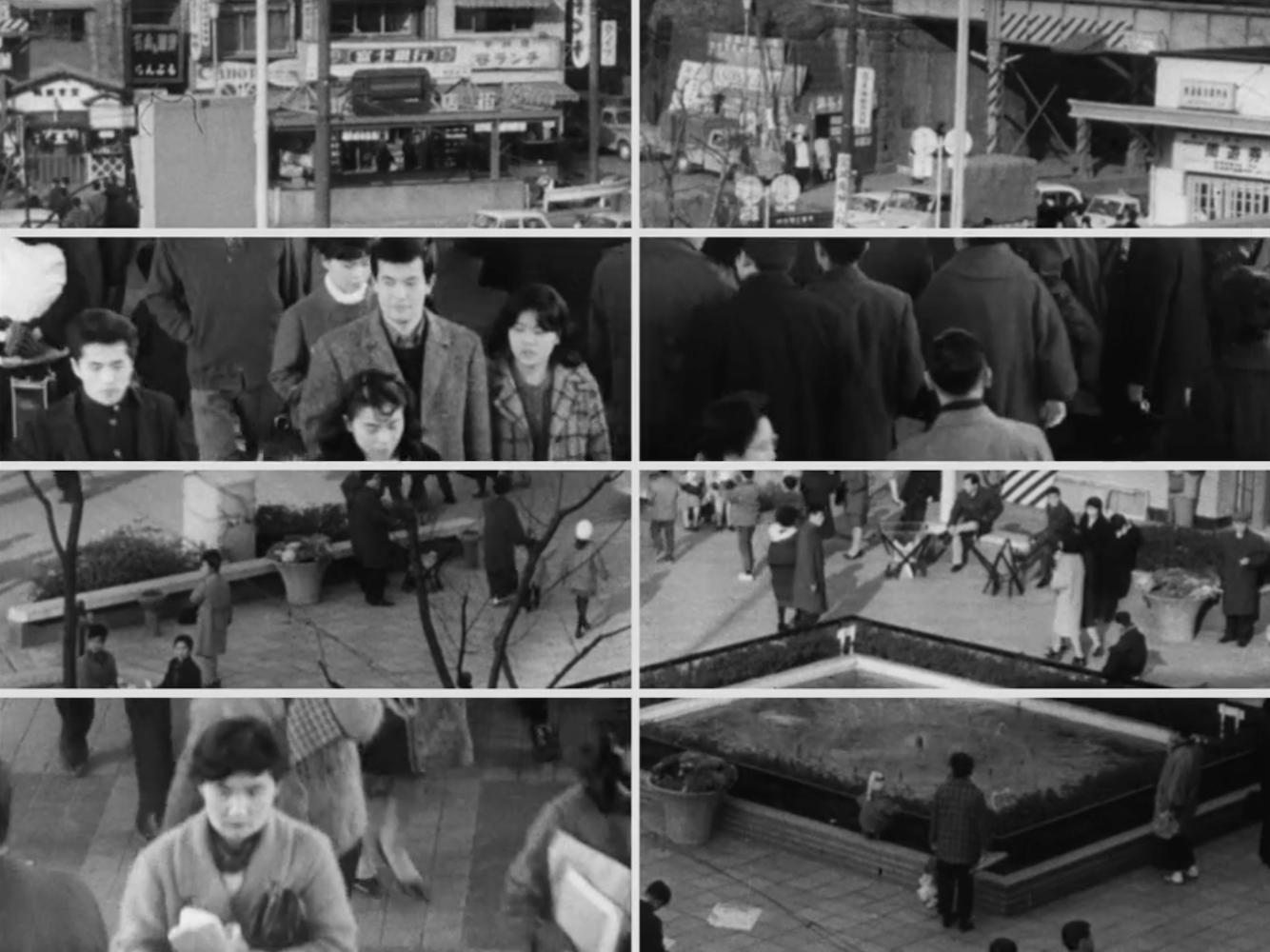
Ultraman Ep. 22: Overthrow the Surface

Directed by Akio Jissoji. Written by Mamoru Sasaki. Airdate Dec. 11, 1966.

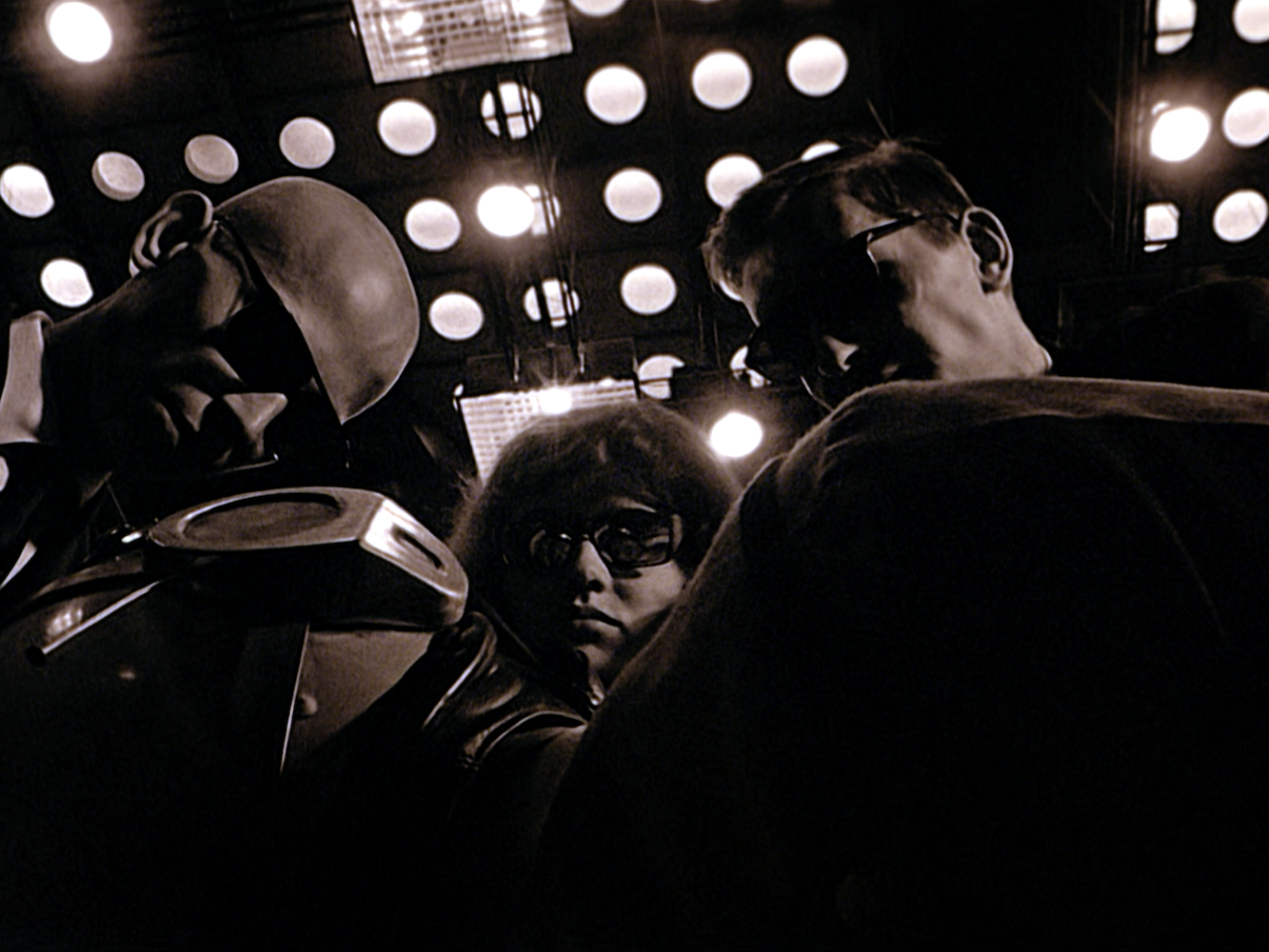
Akio Jissoji’s third Ultraman episode is when his characteristic style comes together … and then goes on a rampage. Heavily influenced by his viewing of Jean-Luc Godard’s Alphaville (1965), Jissoji cuts loose with his visuals: jittery handheld camera shots, rapid cutting, close-ups on faces and mouths, lights dimmed to almost nothing, bizarre angles, reflective surfaces, sepia photography, freeze frames. It would feel indulgent — and several of his later Ultra outings are definitely that — if it didn’t work so well for the tone of paranoia and panic he brings to this twist on the alien invasion story. 

Continue reading “Ultraman Ep. 22: Overthrow the Surface”

Ultraseven Ep. 14 & 15: The Ultra Guard Goes West

Directed by Kazuho Mitsuta. Written by Tetsuo Kinjo. Airdate Jan. 7 & 14, 1968.

When I looked at “Space Prisoner 303,” I speculated that it was the point where younger viewers started to lose interest in Ultraseven during its initial run. It seems there’s truth to this, as that episode had a 30% drop in viewership. It’s not a good episode, so the decline makes some sense; but the next episode, “The Marked Town,” had the same audience attrition, and that’s one of the greatest episodes in the history of the franchise! Still, it was different and strange, and kids probably weren’t getting the fun they anticipated after watching Ultraman’s weekly monster smackdowns.

Continue reading “Ultraseven Ep. 14 & 15: The Ultra Guard Goes West”

Ultra Q Ep. 17: The ⅛ Project

Directed by Hajime Tsuburaya. Written by Tetsuo Kinjo. Airdate April 24, 1966.

I’m guilty of calling Ultra Q “the Japanese Twilight Zone” or “Twilight Zone with Godzilla monsters,” even though I know that’s a superficial description that doesn’t capture the different sensibilities of creators Rod Serling and Eiji Tsubaraya. But The Twilight Zone was an influence on Ultra Q, and head writer Tetsuo Kinjo had an affinity for many of Serling’s favorite themes: using science fiction for social commentary and telling stories seen through the eyes of outsiders who are out of step with reality. In both ways, Kinjo’s “The ⅛ Project” is the most Twilight Zone-like episode of Ultra Q — and it still finds a way to include the concept of giant monsters in clever meta-commentary.

Continue reading “Ultra Q Ep. 17: The ⅛ Project”

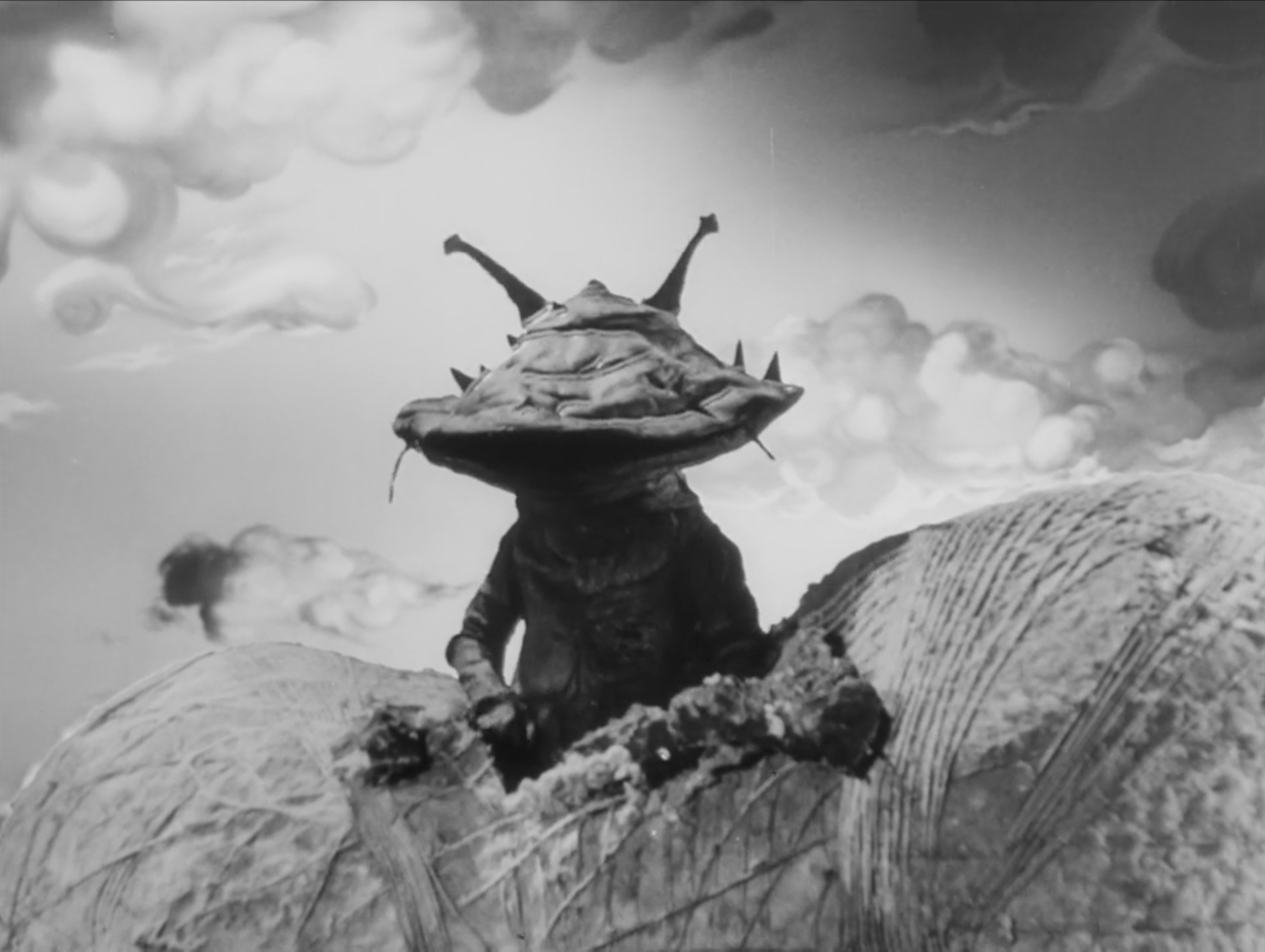
Ultra Q Ep. 15: Kanegon’s Cocoon

Directed by Samaji Nonagase. Written by Masahiro Yamada. Airdate April 10, 1966.

After four giant monster episodes in a row, it’s time for something different. Really different. Something so out there it doesn’t even have room for any of the series leads. Spoilers ahead, but believe me, they don’t matter. In fact, go watch the episode right now and come back so we can share.

Continue reading “Ultra Q Ep. 15: Kanegon’s Cocoon”

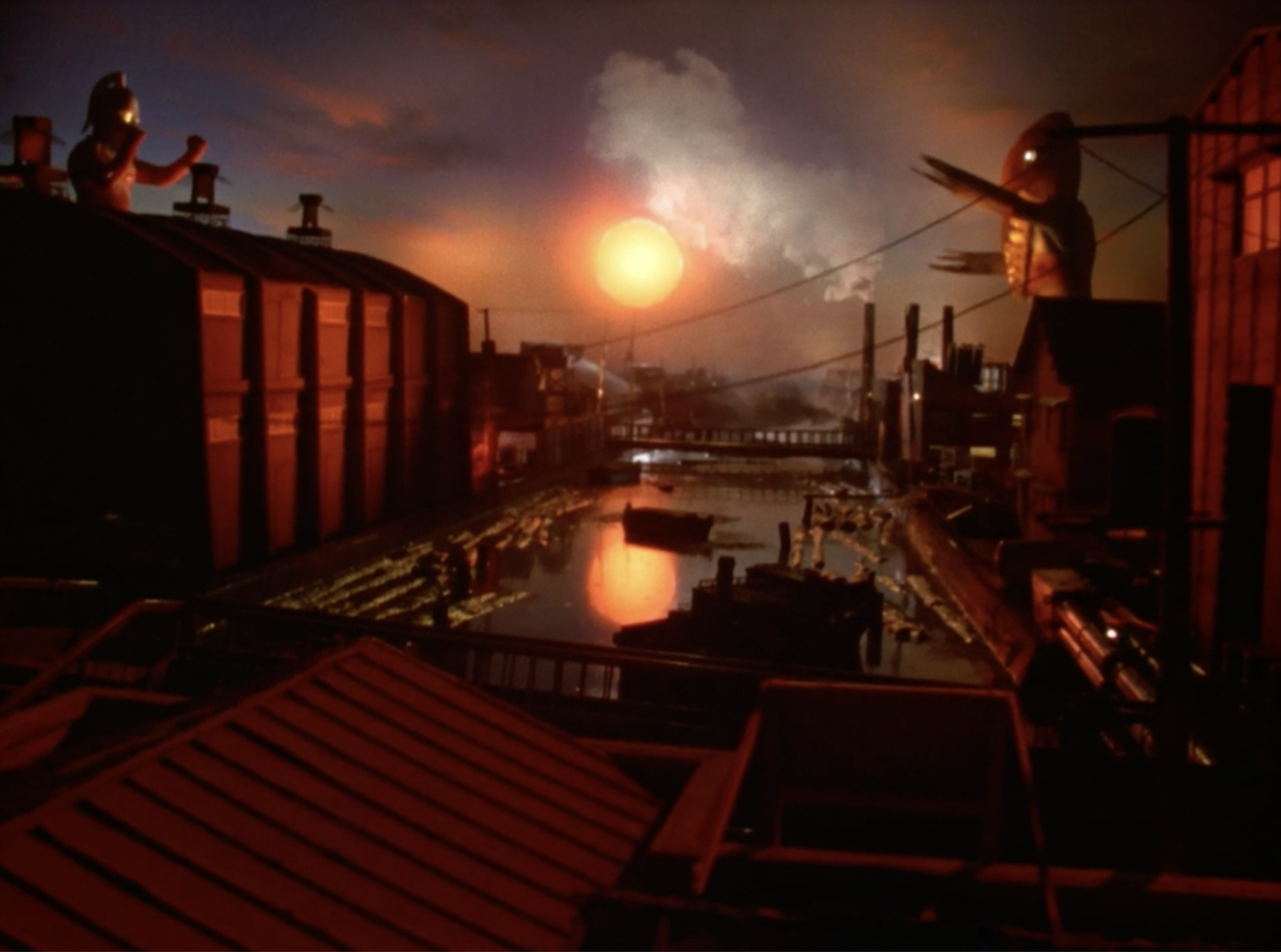
Ultraseven Ep. 8: The Marked Town

Directed by Akio Jissoji. Written by Tetsuo Kinjo. Airdate Nov. 19, 1967.

After seven episodes of sporadic success sifting through the basics, Ultraseven at last comes together in one of the most memorable and imitated half hours in all of tokusatsu. There are episodes ahead I like more, but “The Marked Town” is a landmark and arguably the show’s essential episode. A simple case of “If you see only one Ultraseven episode, make it this one.”

Continue reading “Ultraseven Ep. 8: The Marked Town”

Monster Theater: The Quatermass Xperiment (1955)

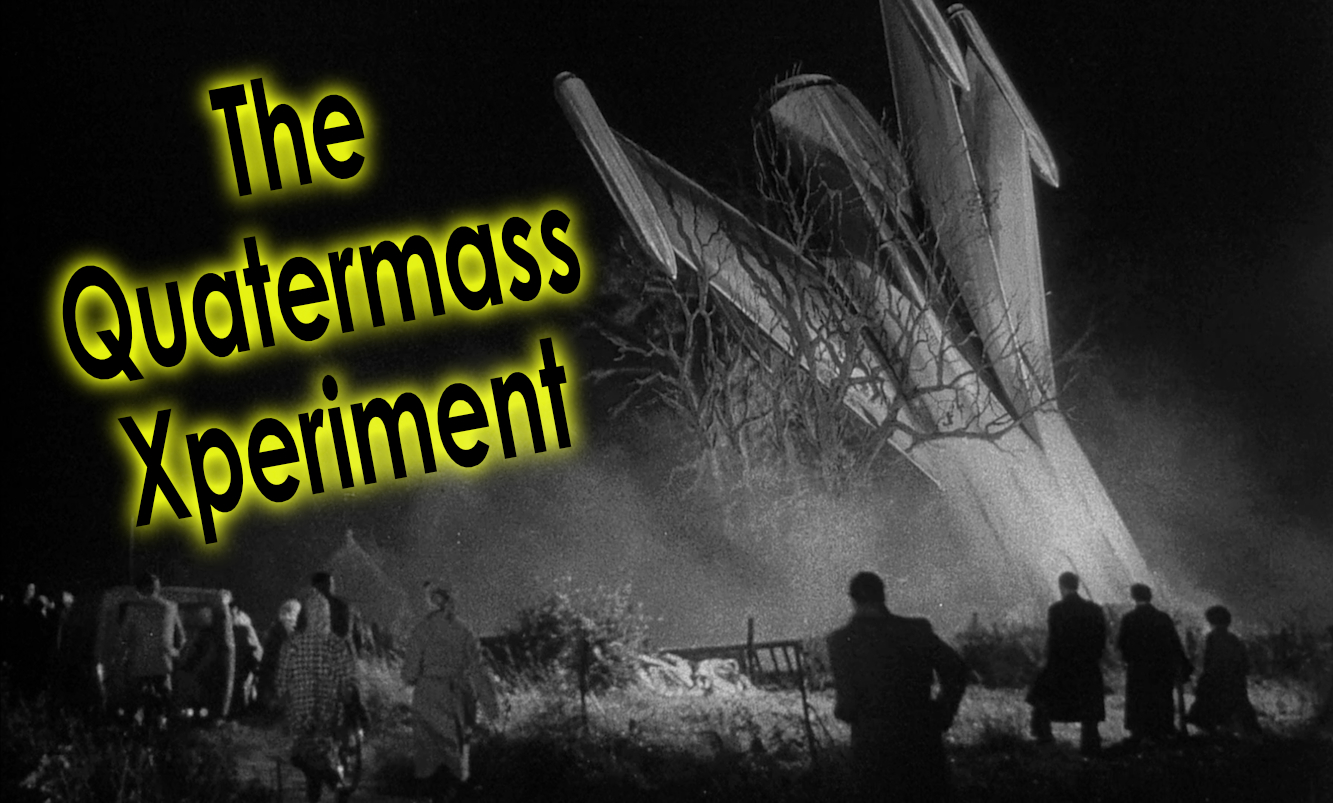
The title "The Quatermass Xperiment" over an image from the film of a crashed rocket.

Directed by Val Guest. Written by Richard Landau and Val Guest. Starring Brian Donlevy, Richard Wordsworth, Jack Warner.

I keep bumping into the British Quatermass series as I write these reviews — specifically the 1955 film The Quatermass Xperiment. This isn’t surprising. The movie was a huge hit when released in Japan a few months after its UK premiere. This was only a year after the release of the original Godzilla, so the country was primed for more science-fiction horror.

Continue reading “Monster Theater: The Quatermass Xperiment (1955)”

Ultraman Ep. 11: The Rascal From Outer Space

Directed by Kazuho Mitsuta. Written by Tatsuo Miyata. Airdate Sep. 25, 1966.

The first time I watched Ultraman all the way through, “The Rascal From Outer Space” rewired my brain. The episode was so bonkers, so bizarre, so absurdly comic, I couldn’t believe what I was watching. Since I hadn’t seen any other Ultra shows — they were unavailable in North America at the time — I didn’t know this comic nuttiness was a series tradition. I hadn’t yet watched Ultra Q episodes like “Grow Up! Little Turtle” and “Kanegon’s Cocoon,” nor was I aware of the lunatic world of Ultraman Taro. Still, I was certain I was discovering a key part of the franchise, something essential about it, with “The Rascal From Outer Space.”

Continue reading “Ultraman Ep. 11: The Rascal From Outer Space”