Ultraman Ep. 35: The Monster Graveyard

Directed by Akio Jissoji. Written by Mamoru Sasaki. Airdate March 12, 1967.

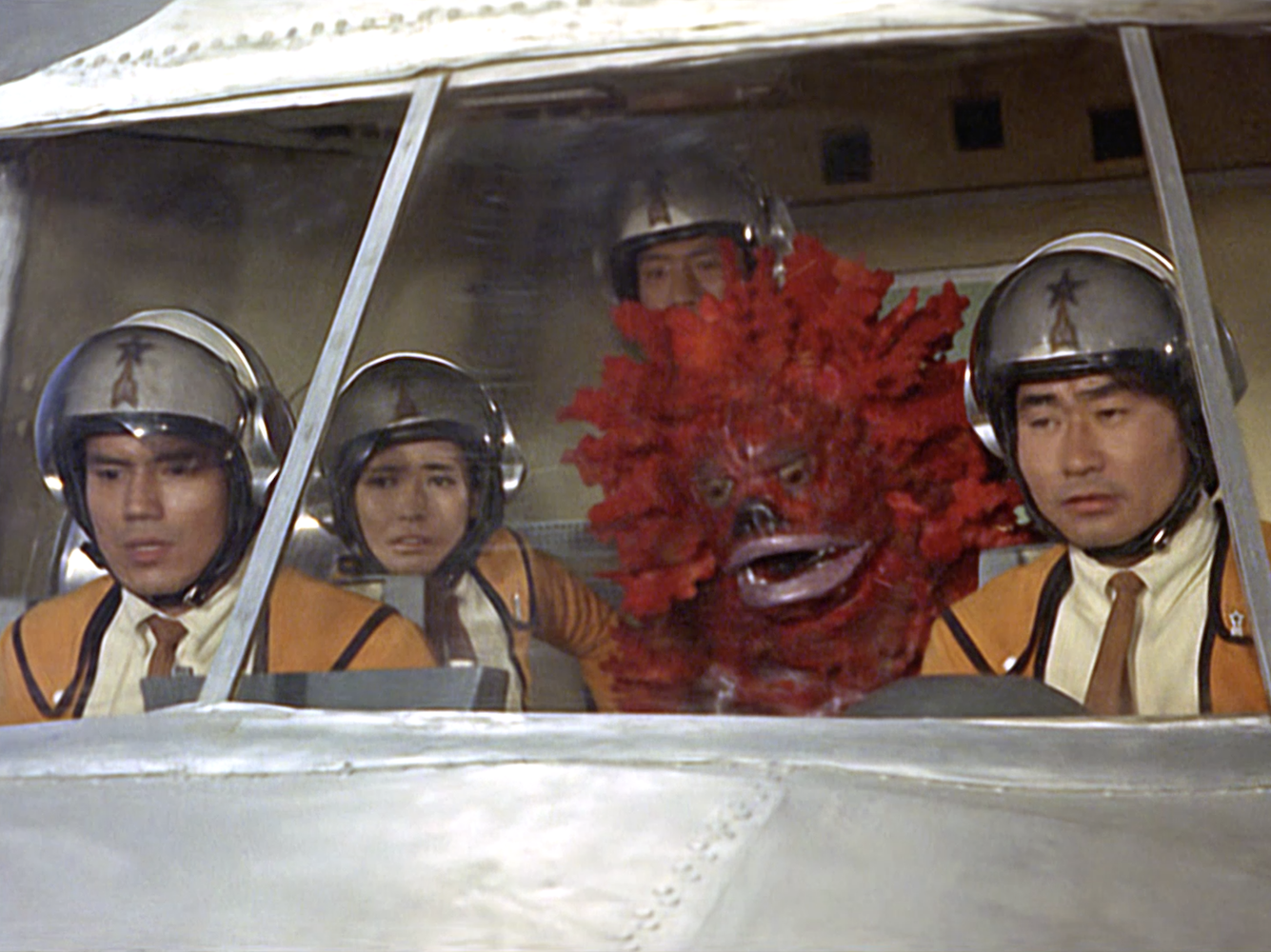
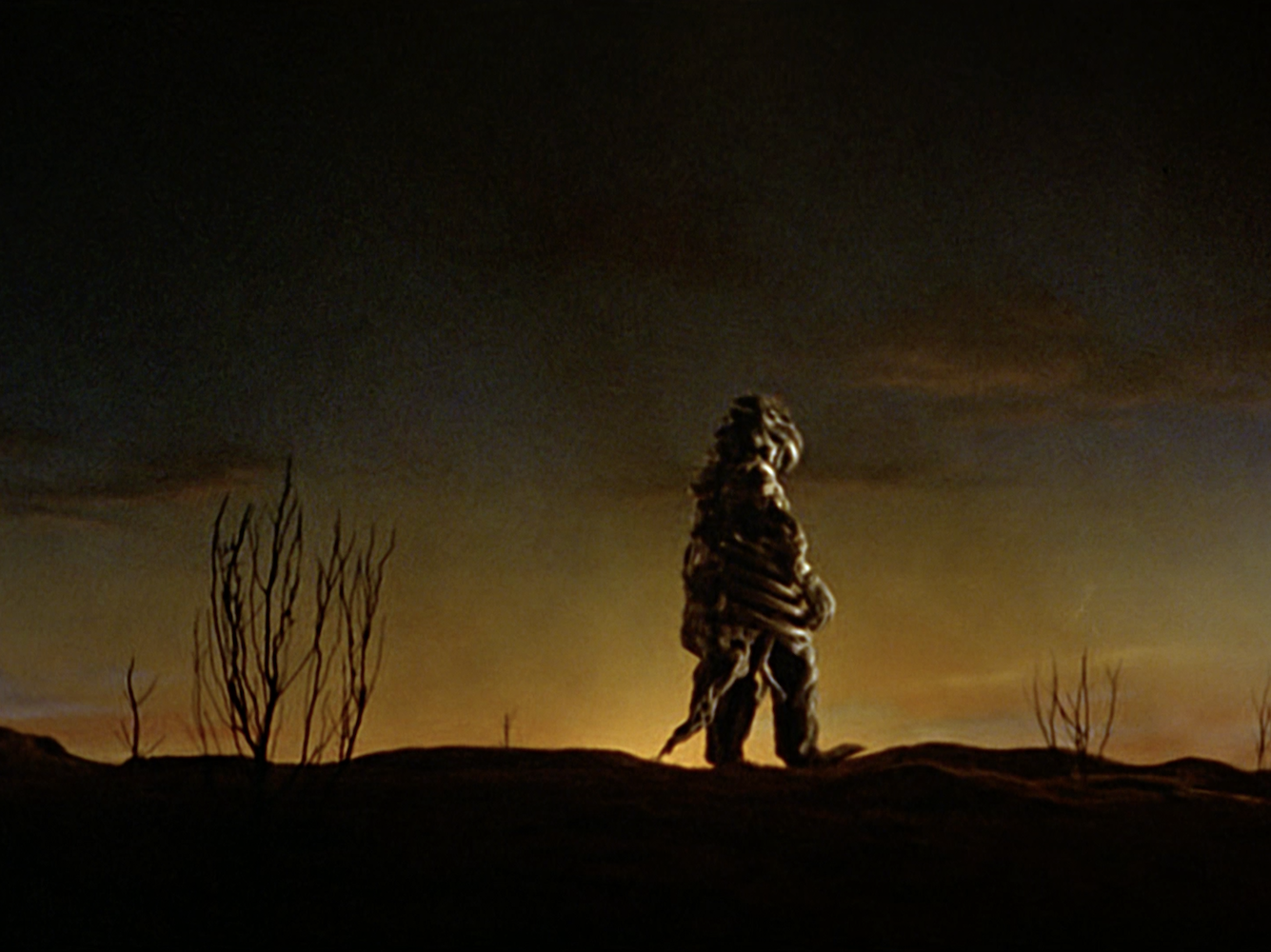
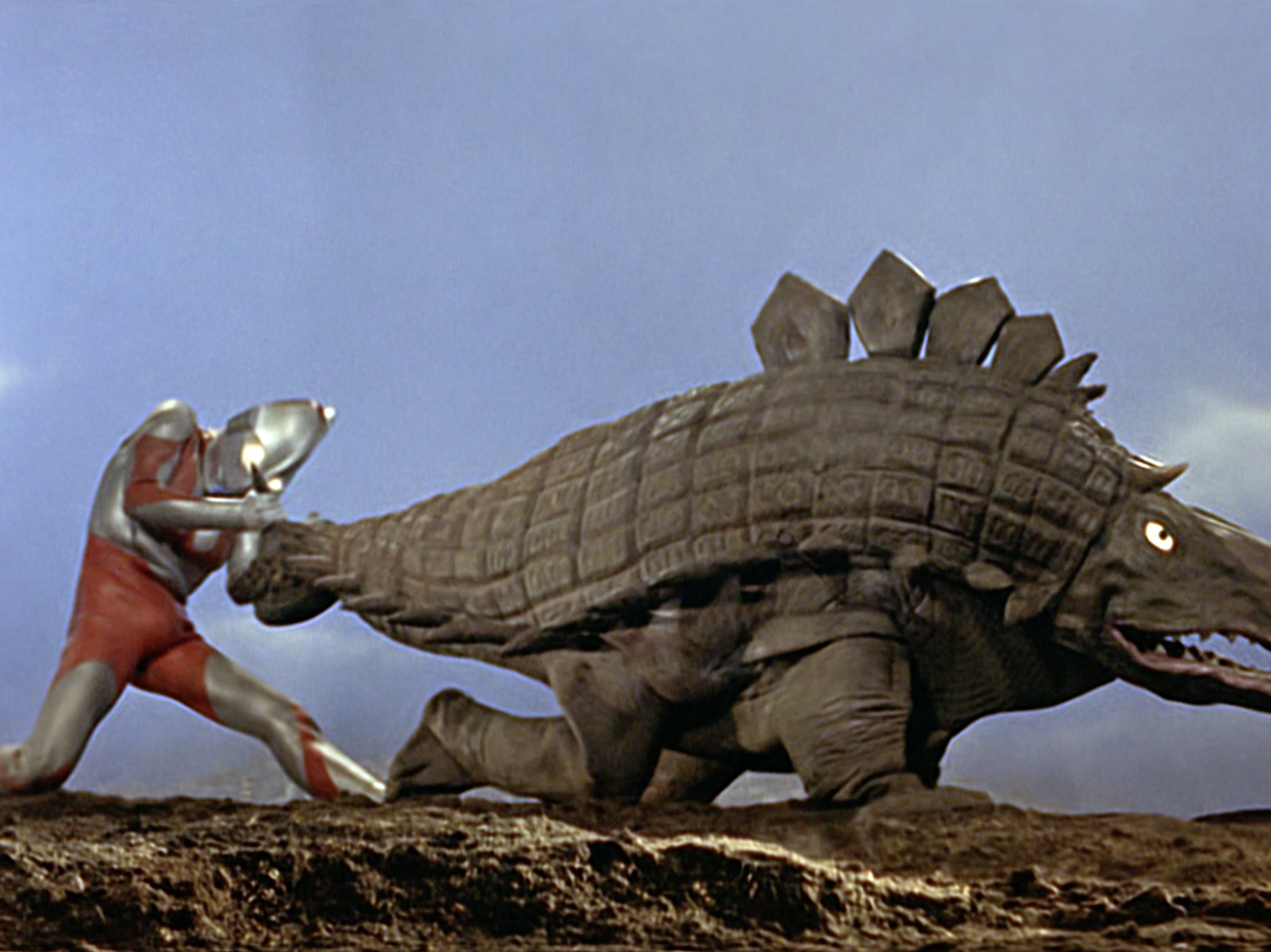
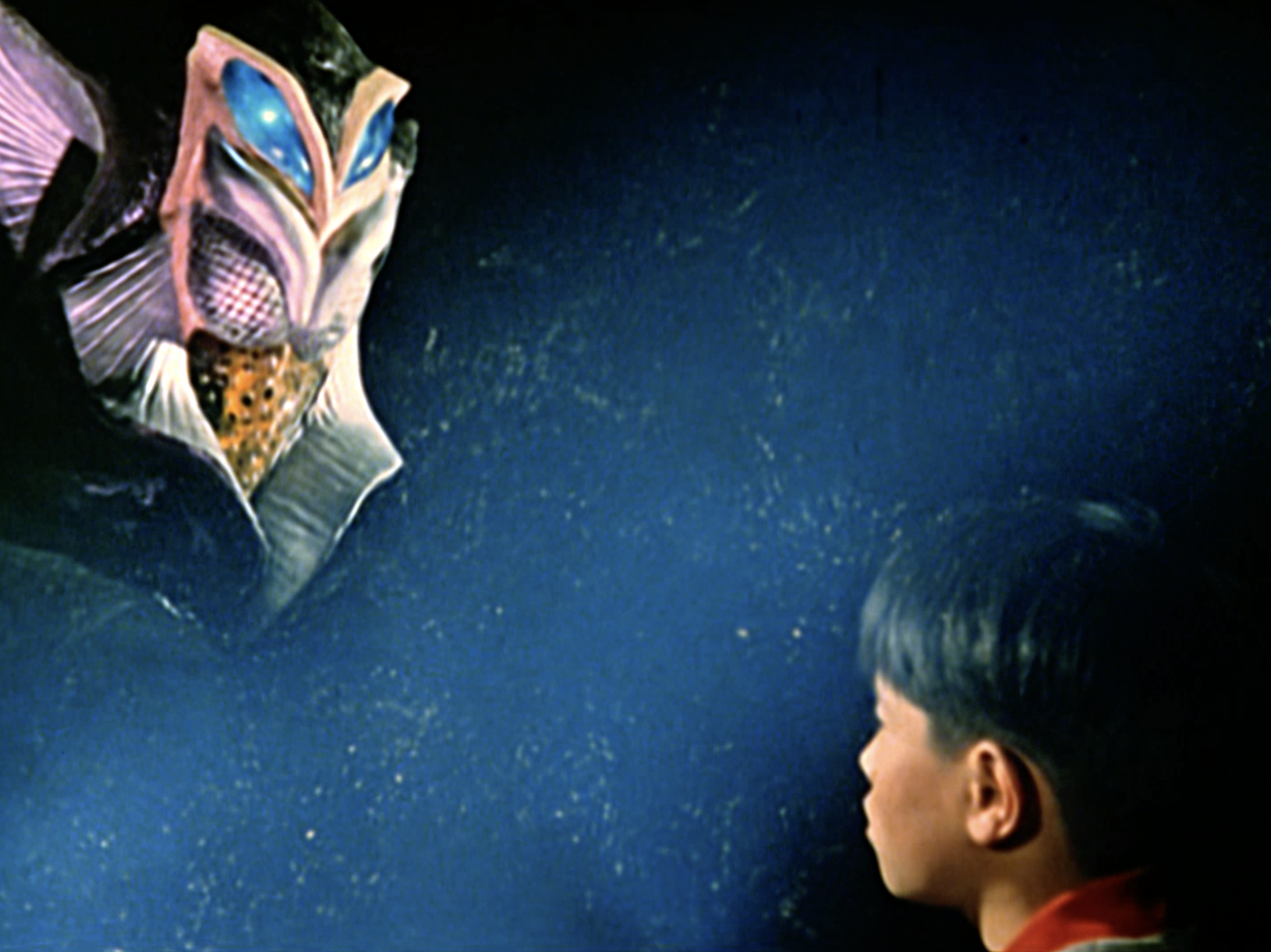
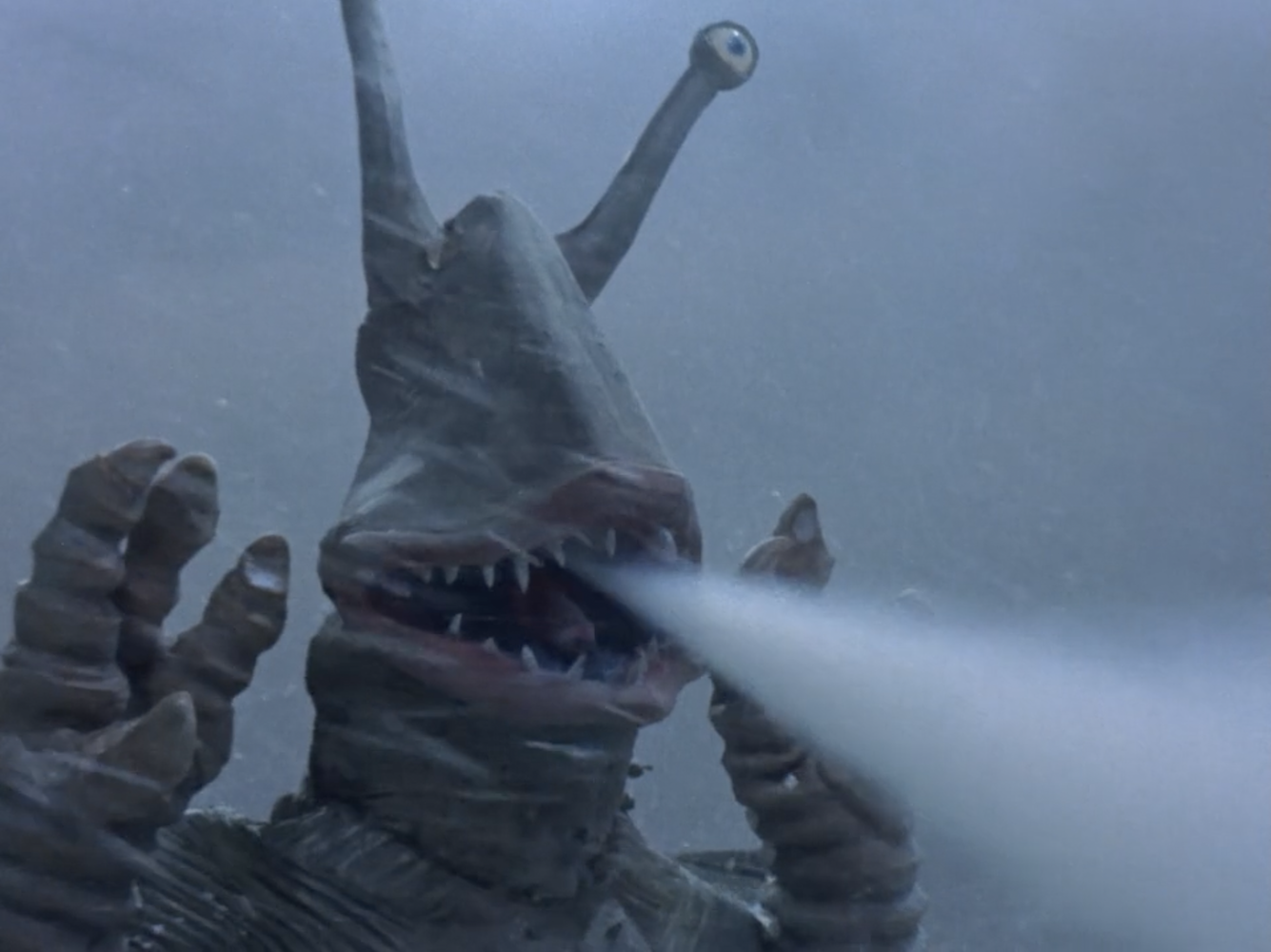
As soon as large numbers of children started to watch Ultra Q — a development TBS and Tsuburaya Productions didn’t predict — this episode was inevitable. Kids love monsters, and when Ultra Q changed into Ultraman, the kids got even more monsters. But as the youngsters rooted for Ultraman to defeat the monsters of the week, they also started to feel affection for those monsters. The show developed along with its young viewers, showing empathy toward these strange creatures in episodes like “Terrifying Cosmic Rays” and “Phantom of the Snow Mountains.” At last came “The Monster Graveyard,” a heartfelt and humorous memorial for all the innocent beasts who gave their lives in battle with Ultraman so children could be entertained. 

Continue reading “Ultraman Ep. 35: The Monster Graveyard”

Ultraman Ep. 34: A Gift From the Sky

Directed by Akio Jissoji. Written by Mamoru Sasaki. Airdate March 5, 1967.

Have you ever watched an episode of Ultraman and thought, “This is fun, but I wish the show was structured more like a Road Runner cartoon?” Good news, there’s an episode just for you! Really, an episode for everyone, because “A Gift From the Sky” is a hilarious farce that flattens the show’s formula into a prolonged Sisyphean comedy. It’s the episode with the line “Aim for its butthole” and where Hayata mistakenly tries to use a spoon to transform into Ultraman. 

Continue reading “Ultraman Ep. 34: A Gift From the Sky”

Ultraman Ep. 33: The Forbidden Words

Directed by Toshitsugu Suzuki. Written by Tesuo Kinjo. Airdate Feb. 26, 1967.

Meet the third of the great trio of Ultraman alien villains: Alien Mefilas. Not as famous as Alien Baltan. Not as tricky as Alien Zarab. But he’s the top of the heap: a baddie who’s the Ultra Universe’s hybrid of Mister Mxyzptlk and Galactus. He’s here to play word games, tempt humans with power, and crush the spirit of an entire planet — and brute force may not be enough to stop him.

Continue reading “Ultraman Ep. 33: The Forbidden Words”

Ultraman Ep. 30: Phantom of the Snow Mountains

Directed by Yuzo Higuchi. Written by Tetsuo Kinjo. Airdate Feb. 5, 1967.

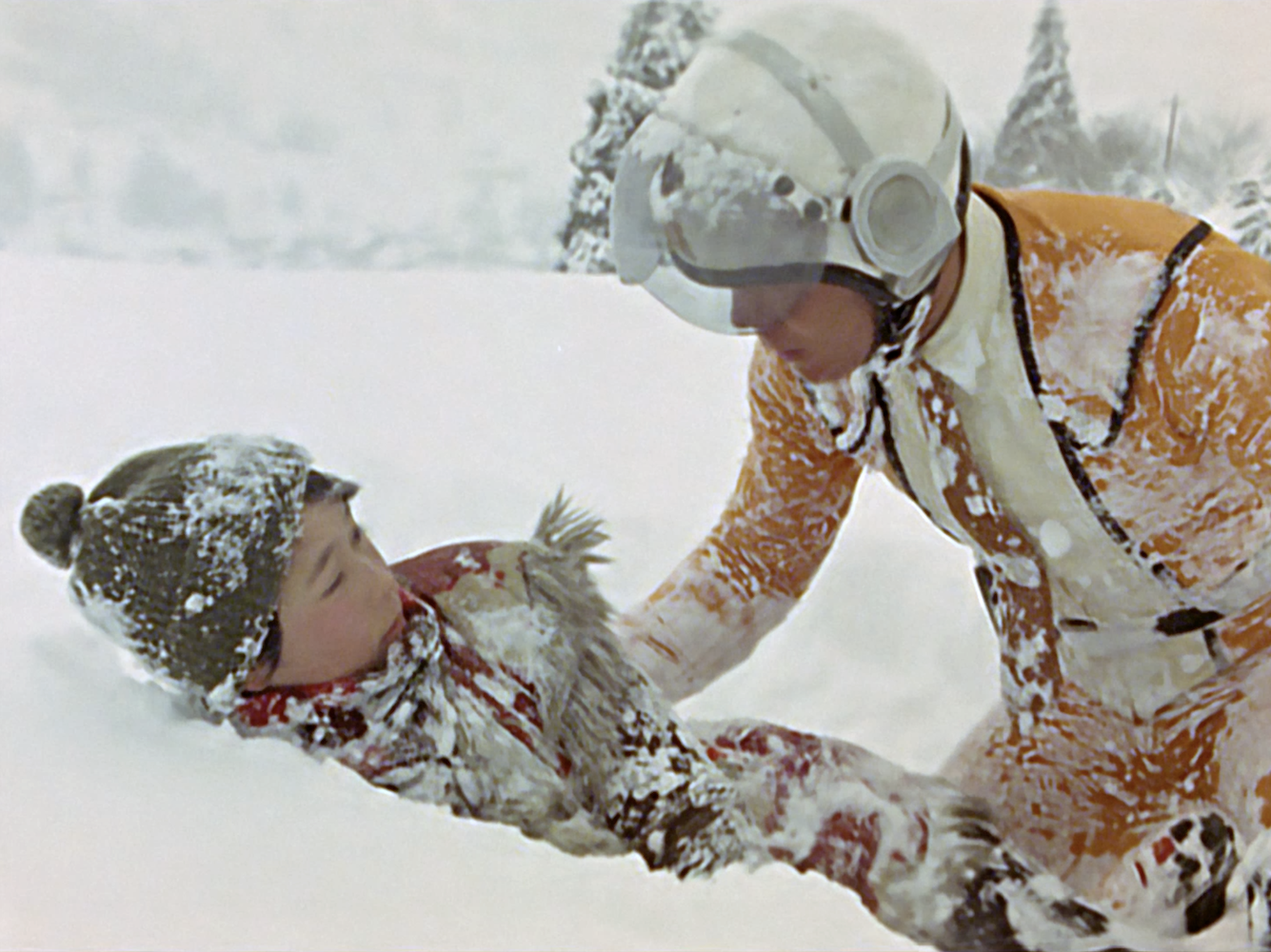
Tetsuo Kinjo contributed numerous excellent scripts to the first three Ultra shows. “Garmon Strikes Back,” “The Blue Stone of Baradhi,” and “The Ultra Guard Goes West” are some of his best straightforward action episodes. But Kinjo is best known for stories drawn from his childhood experience seeing the Japanese Empire’s oppression of the native Okinawans. In these scripts, Kinjo explored outsiders facing prejudice, sprinkling in elements of tragedy and the supernatural. “Phantom of the Snow Mountains” isn’t Kinjo’s finest script (I’d argue that’s Ultraseven’s “Ambassador of the Nonmalt”), but it may be his most representative: a sad, fable-like tale of a shunned girl and her connection to a possibly supernatural snowbeast. 

Continue reading “Ultraman Ep. 30: Phantom of the Snow Mountains”

Ultraseven Ep. 26: Super Weapon R1

Directed by Toshitsugu Suzuki. Written by Bunzo Wakatsuki. Airdate March 31, 1968.

The Cold War and fears of nuclear war lurk behind much of tokusatsu, especially in the Showa era. The movie that ignited the tokusatsu genre, Godzilla, is the quintessential cinematic nuclear metaphor, and Japan is the nation most acutely aware of the horrors of nuclear weapons as “deterrents.” The specter of the Cold War haunts many of Ultraseven’s tales of alien invaders. In “Super Weapon R1,” the subtext of the madness of the arms race becomes the text, the explicitly stated theme. This could’ve turned out heavy-handed. Here, it all works, resulting in one of the great and enduring Ultra episodes.

Continue reading “Ultraseven Ep. 26: Super Weapon R1”

Ultraseven Ep. 25: Showdown at 140 Degrees Below Zero

Directed by Kazuho Mitsuta. Written by Tetsuo Kinjo. Airdate March 24, 1968.

An intense cold snap and snow storm descend on the HQ of the Terran Defense Force. Temperatures plunge below –100°F and keep dropping. Ultra Guard member Soga isn’t concerned at first, talking dismissively as he pours a cup of coffee: “A cold wave zone 114 degrees below zero is nothing to get nervous about. The atomic reactor in the power house 18 floors under is burning red. Praise human technology.” 

The moment Soga says this, viewers know everything is about to go wrong in the worst way. The episode does not disappoint. 

Continue reading “Ultraseven Ep. 25: Showdown at 140 Degrees Below Zero”

Ultraman Ep. 26 & 27: The Monster Highness

Directed by Hajime Tsuburaya. Written by Tetsuo Kinjo and Bunzo Wakatsuki. Airdate Jan. 8 & 15, 1967.

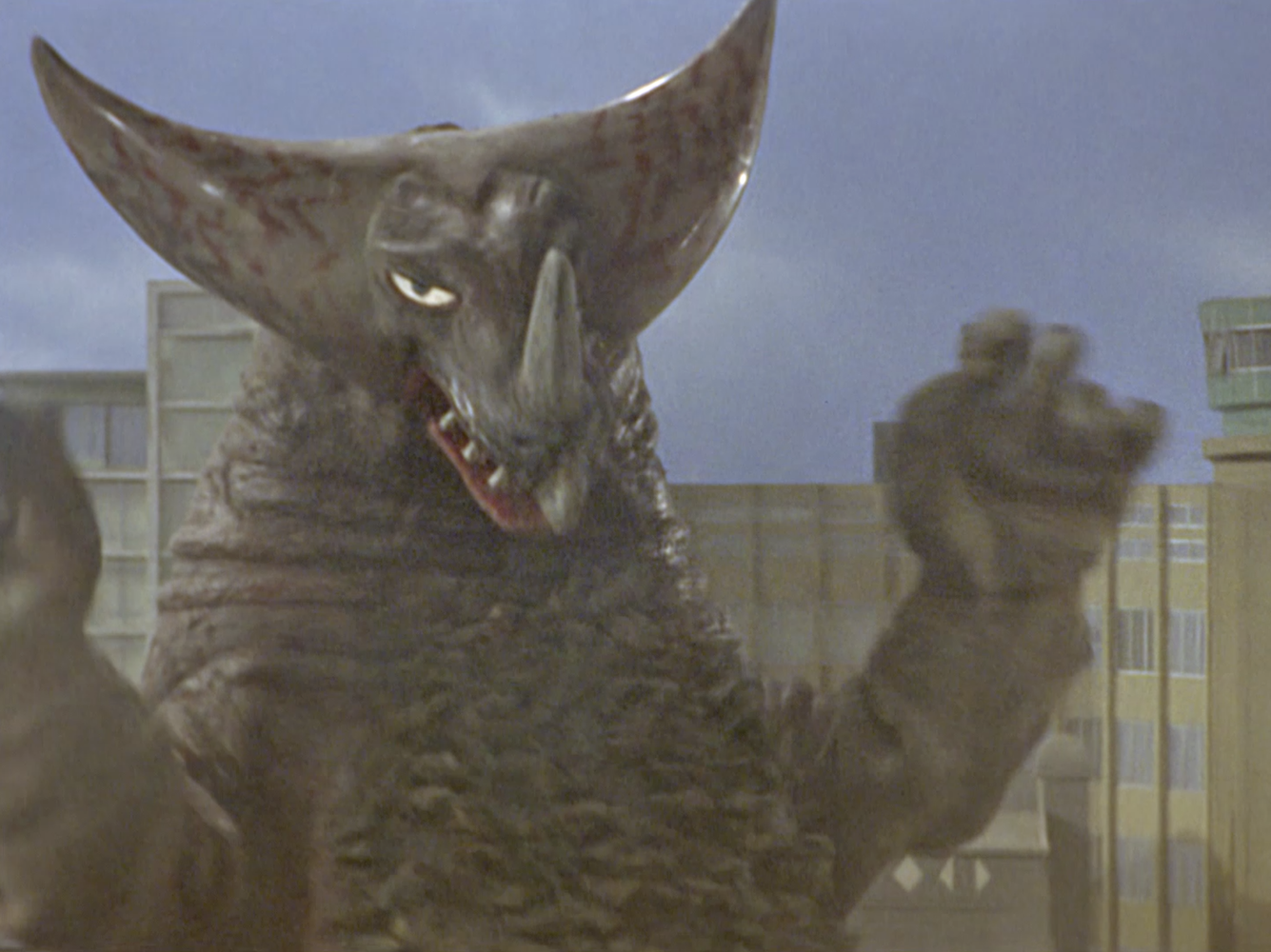
The unofficial promise Ultraman makes to viewers is that it will deliver the thrills of giant monster movies in a TV-sized package. No episodes achieve this better than the first two-parter* in Ultra Series history. “The Monster Highness” is a VFX extravaganza that introduces the most famous kaiju in the franchise and smashes the thrill button as hard as it can with kinetic fights, heavy military action, and mass-scale urban destruction. Children all over Japan were on edge after the cliffhanger of Part 1 where Ultraman suffered a true defeat, ensuring that Part 2 would become one of the most viewed episodes of any Ultra show. 

Continue reading “Ultraman Ep. 26 & 27: The Monster Highness”

Ultraman Ep. 25: Mysterious Comet Tsuifon

Directed by Toshihiro Iijima. Written by Bunzo Wakatsuki. Airdate Jan. 1, 1967.

In a scenario inspired by Ishiro Honda’s science-fiction epic Gorath (1962), a comet is hurtling toward Earth on a near-miss course. A near-miss is still too close: Comet Tsuifon’s cosmic rays may cause several missing older hydrogen bombs to detonate and annihilate life on the planet. After the comet makes its pass without causing an apocalypse, the Science Patrol determines there is still one missing bomb in danger of exploding. And that bomb was swallowed by a monster. And that monster is Red King. Oh dear gods, we’re all doomed…

Continue reading “Ultraman Ep. 25: Mysterious Comet Tsuifon”

Ultra Q Ep. 28: Open Up!

Directed by Hajime Tsuburaya. Written by Mieko Osanai. Airdate Dec 14, 1967.

Ultra Q closes its original run with an ethereal episode, absent of monsters and high on postmodern angst. It’s hard to imagine an Ultra episode farther removed from the colorful heroics of Ultraman, so it isn’t surprising that TBS producer Takashi Kakoi decided that “Open Up!” was not a good lead-in for the new show. He removed the episode from the schedule and replaced it with the Ultraman preview special. “Open Up!” wouldn’t reach airwaves until the end of 1967, when Ultraman had finished its run and Ultraseven was already airing.

Continue reading “Ultra Q Ep. 28: Open Up!”

Toku Theater: Rodan (1956)

Directed by Ishiro Honda. Written by Takeshi Kimura and Takeo Murata. Starring Kenji Sahara, Yumi Shirakawa, Akihiko Hirata.

Rodan is where Toho Studios’ science-fiction boom truly takes flight. The original 1954 Godzilla was an enormous success, but the rushed and less imaginative sequel, Godzilla Raids Again (1955), made money without leaving much of an impression on audiences or the Japanese film industry. Godzilla wouldn’t return to movie screens for seven years.

Continue reading “Toku Theater: Rodan (1956)”