Ultra Q Ep. 21: Space Directive M774

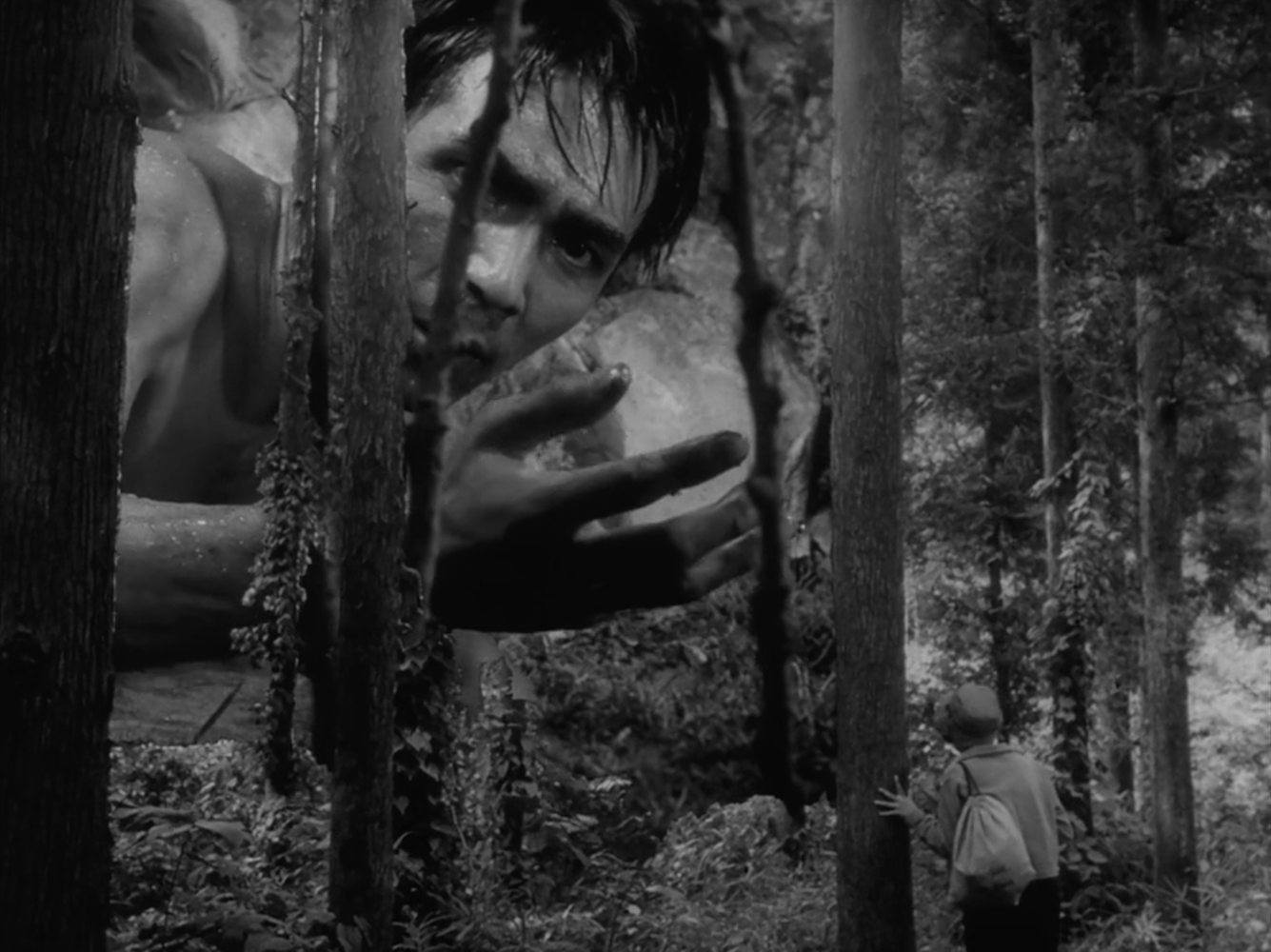
Directed by Kazuho Mitsuta. Written by Shozo Uehara. Airdate May 22, 1966.

This is Shozo Uehara’s debut as a writer for the Ultra franchise. His work is sparse for Ultra Q and Ultraman, although he penned the stone-cold classic Ultraman episode “The Monster Anarchy Zone.” It was later on Ultraseven and then as head writer on Return of Ultraman that he’d emerge as one of the most prolific and imaginative members of Tsuburaya Pro’s writing stable. 

Continue reading “Ultra Q Ep. 21: Space Directive M774”

Ultraman Zearth 2 (1997)

Directed by Kazuya Konaka. Written by Kazunori Saito.

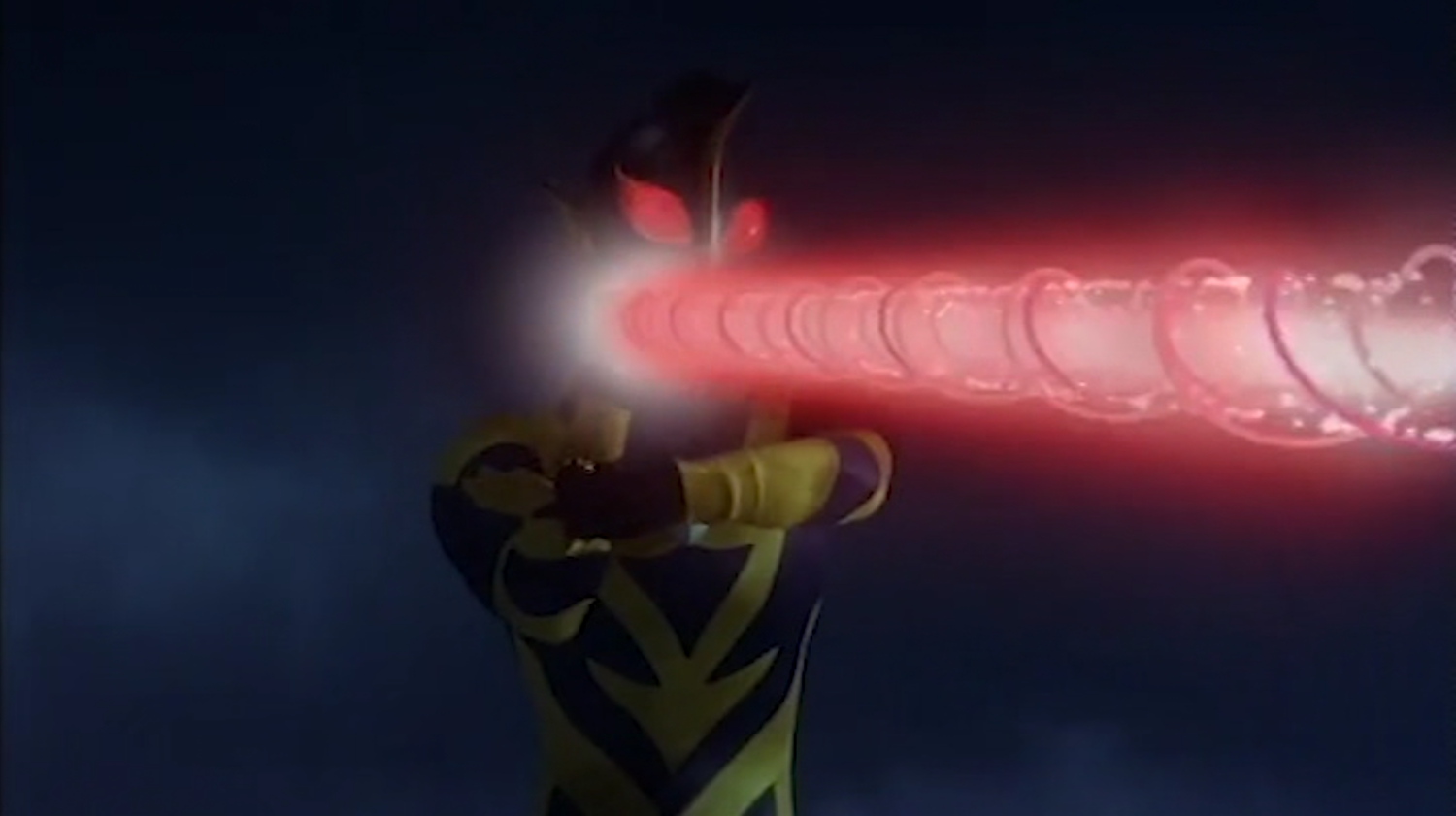
I’m glad to report that Ultraman Zearth 2 (in full, Ultraman Zearth 2: Superhuman Big Battle—Light and Shadow) is a significant improvement over its predecessor. The first Ultraman Zearth was a joke, a parody played for kids and nobody else. I found it often painful to watch as its comedy flopped on its face over and over again. Ultraman Zearth 2 takes itself more seriously — although it’s still featherweight entertainment — and it pulls off one basic trick that elevates the entire movie: it gives the hero a legitimate obstacle to overcome, not a gag one. Zearth is no longer terrified of dirt and mud. He’s broken from a failed battle with an evil Ultraman and must regain his confidence so he can save the world from an alien invader.

Continue reading “Ultraman Zearth 2 (1997)”

Ultra Q Ep. 20: The Primordial Amphibian Ragon

Directed by Samaji Nonagase. Written by Hiroyasu Yamaura and Samaji Nonagase. Story by Shoji Otomo. Airdate May 15, 1966.

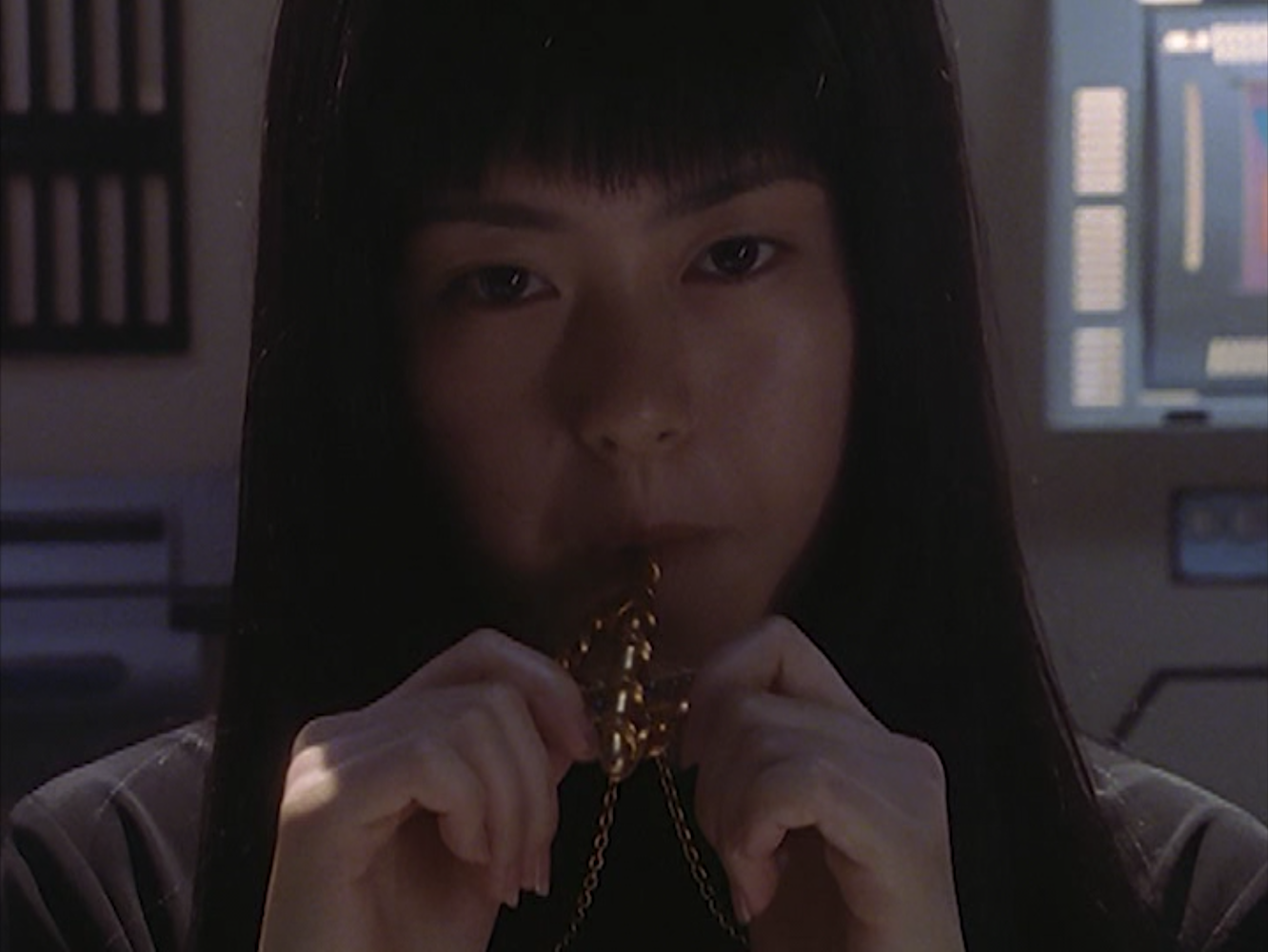
Yuriko is on assignment again, investigating an undersea volcanic explosion near the island of Iwame. She tells her boss Seki that she thinks this is a “mediocre” story, which seems ridiculous until you realize the giant monster and alien weirdness Yuri-chan has been dealing with for the past few months. Undersea volcano? Meh.

Continue reading “Ultra Q Ep. 20: The Primordial Amphibian Ragon”

Ultra Q Ep. 18: The Rainbow’s Egg

Directed by Toshihiro Iijima. Written by Masahiro Yamada. Airdate May 1, 1966.

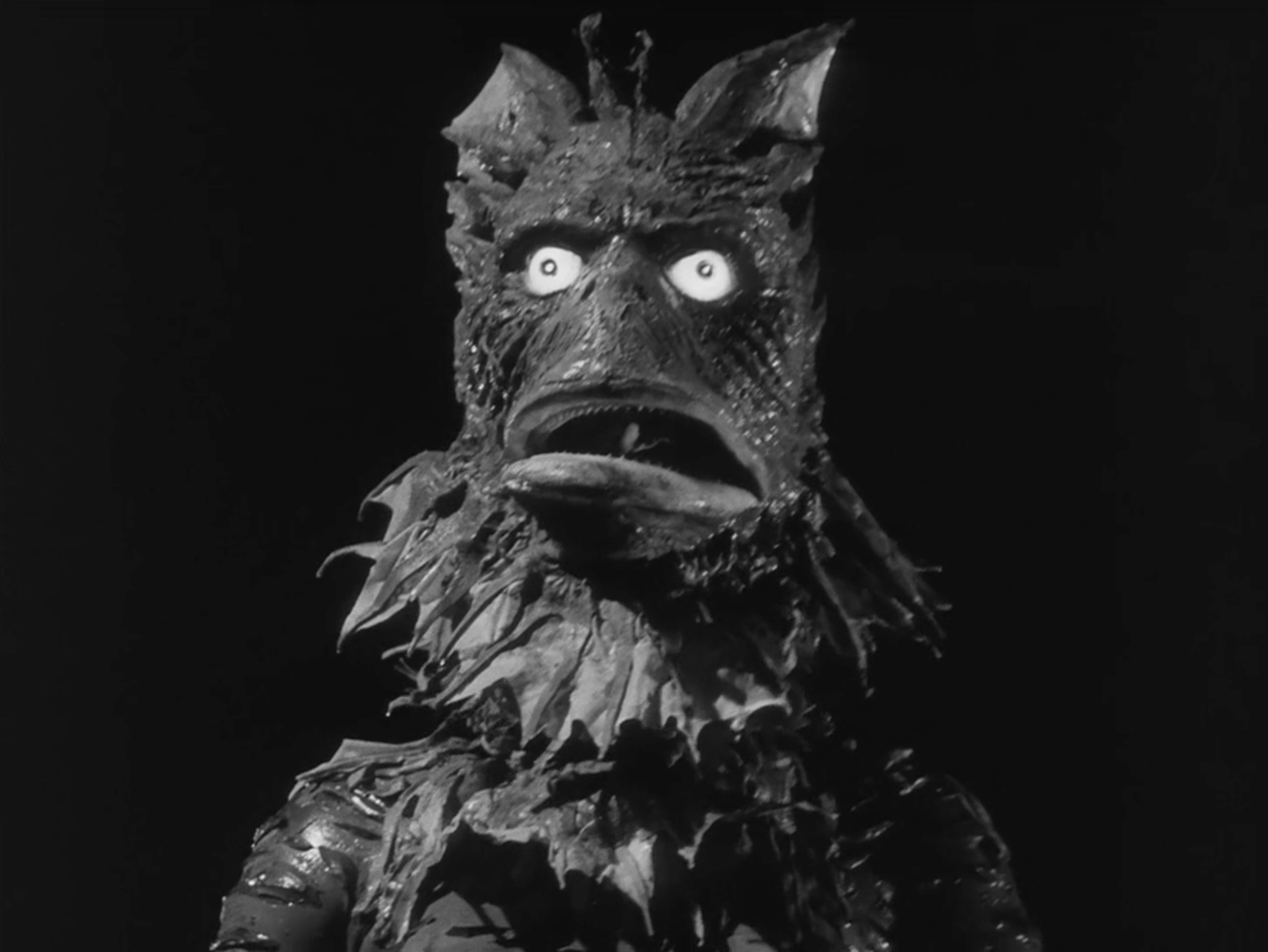
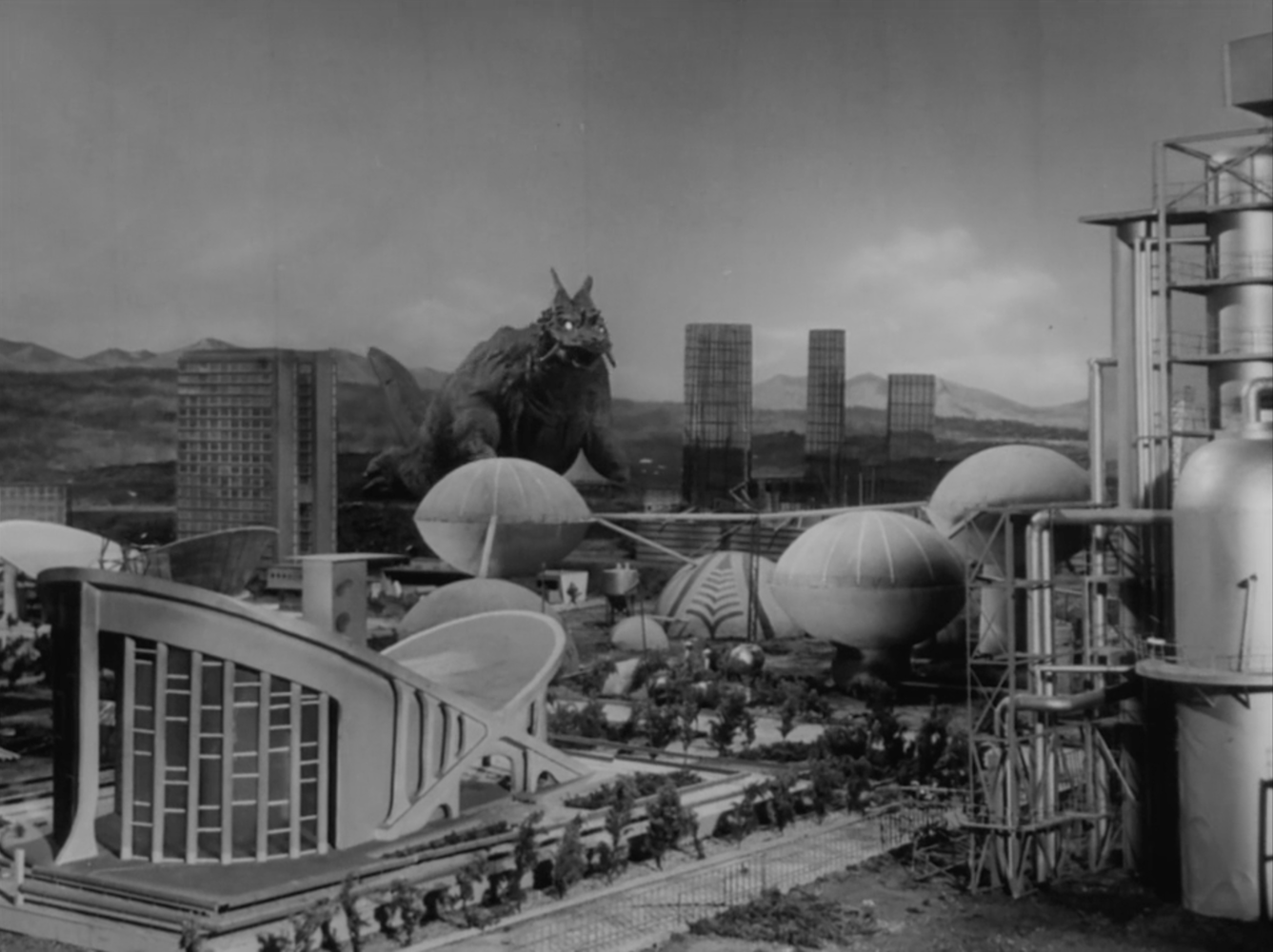
Once upon a time, there was a giant monster movie called Frankenstein vs. Baragon (first released in the US as Frankenstein Conquers the World). Eiji Tsuburaya designed the quadruped kaiju Baragon for the film. Baragon then had a brief but busy career playing other monsters in Tsuburarya’s TV shows. The costume underwent four different redesigns through 1965–66 to help save money on building monster suits. Baragon made its makeover debut in “The Rainbow’s Egg,” where it plays the kaiju Pagos.

Continue reading “Ultra Q Ep. 18: The Rainbow’s Egg”

Toku Theater: Latitude Zero (1969)

Directed by Ishiro Honda. Written by Ted Sherdeman and Shinichi Sekizawa. Starring Joseph Cotten, César Romero, Richard Jaeckel, Akira Takarada, Patricia Medina.

Latitude Zero is best known as the last science-fiction film that special effects wizard Eiji Tsuburaya worked on before his death. As final bows for a VFX artist go, it’s quite the spectacle: a science-fantasy epic with super-submarine duels, an underwater utopian city, giant rats and bats, a winged lion, laser-firing gloves, jet packs, massive pyrotechnics that blow up entire islands, and large matte painting vistas. Most of the effects are fantastic, and there are so many of them. The film is wall-to-wall with Tsuburaya’s trademark style. 

Continue reading “Toku Theater: Latitude Zero (1969)”

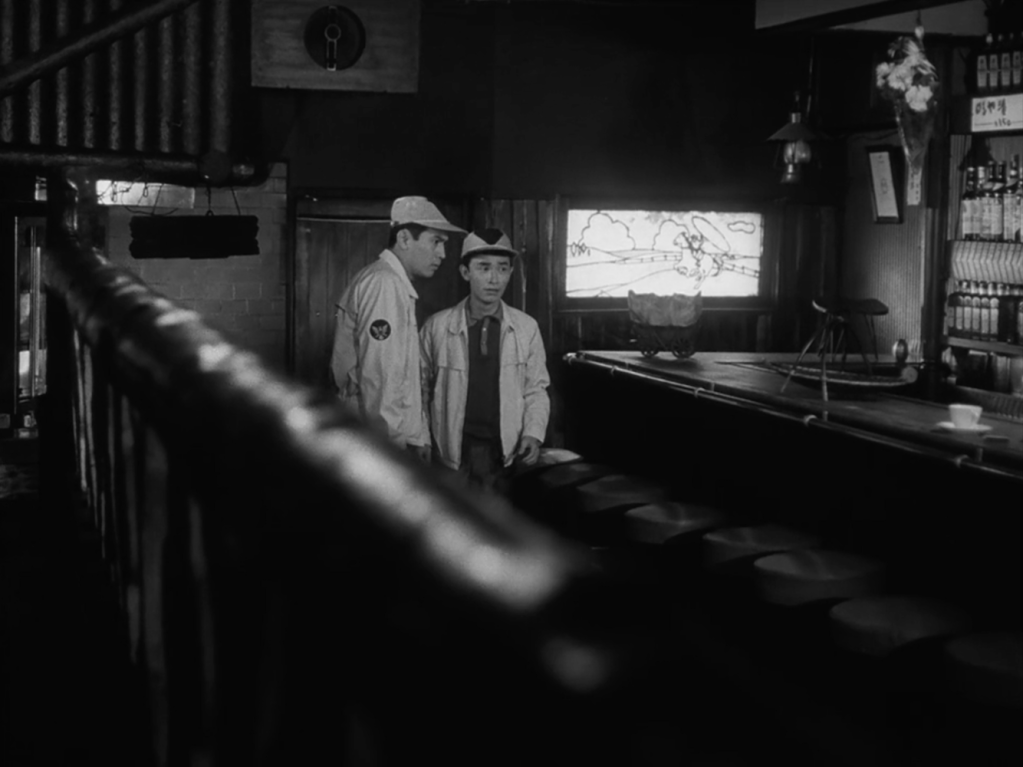
Ultraman Ep. 13: Oil S.O.S.

Directed by Hajime Tsuburaya. Written by Tetsuo Kinjo. Airdate Oct. 9, 1966.

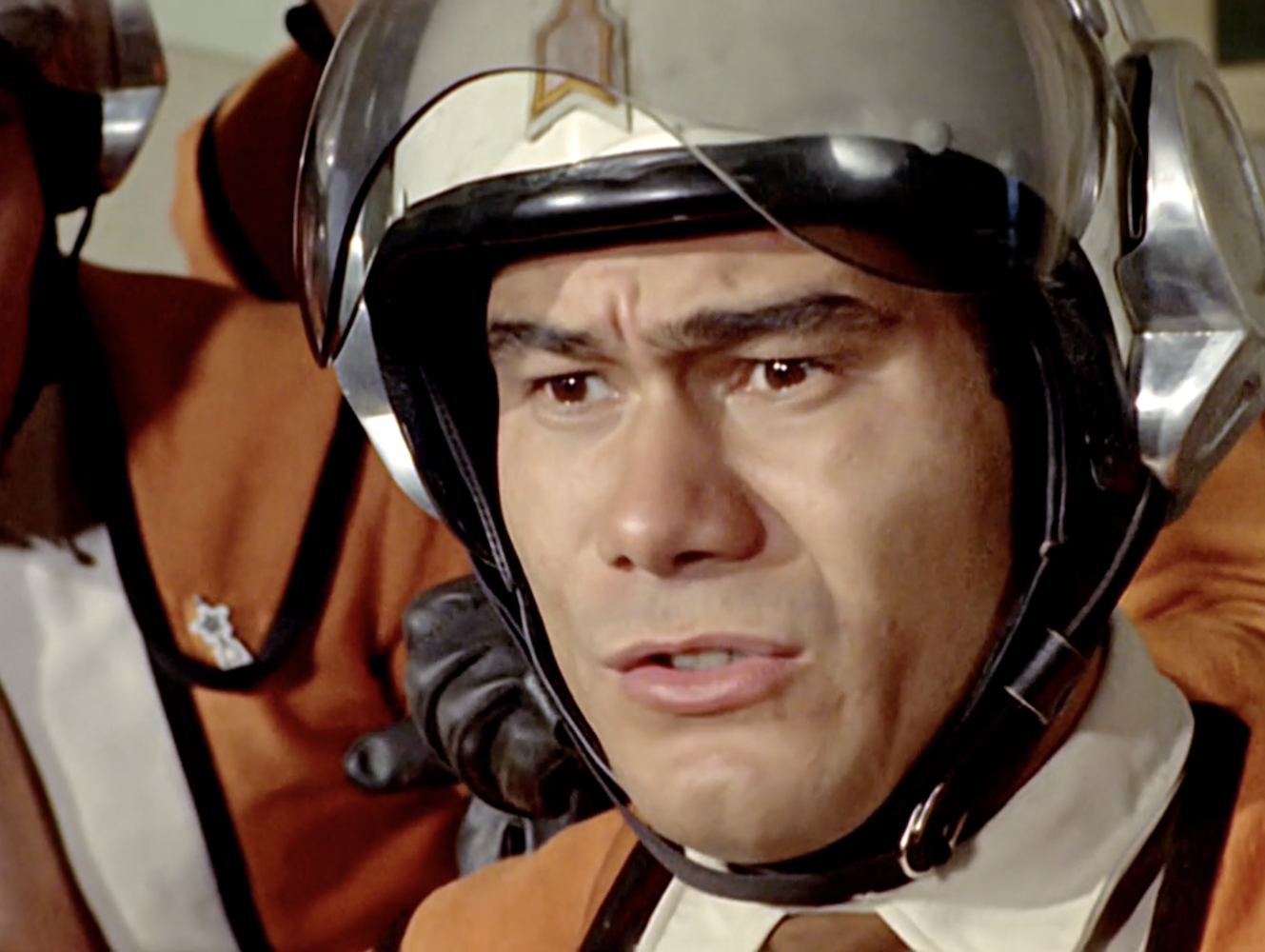
Mitsuhiro Ide, the Science Patrol’s resident inventor, was intended as Ultraman’s comic character. Maybe in the beginning of the program’s development, the creators saw Ide as purely a comedy foil to add wacky zip to a monster show. However, something changed early on. My suspicion is that actor Masanari Nihei was responsible for Ide evolving into more than just comic relief. Ide never lost his humor, but he emerged as the show’s most complex character. 

Continue reading “Ultraman Ep. 13: Oil S.O.S.”

Ultraman Ep. 6: The Coast Guard Command

Directed by Samaji Nonagase. Written by Masahiro Yamada. Airdate August 21, 1966.

The first episode to focus on young Hoshino, the boy who wants to join the SSSP one day. Hoshino and his friends Chiro and Nobuku get swept up in a Hardy Boys-style story investigating smugglers along the wharf. Notorious smuggler “Diamond-Kick” (great name) has hidden his newest diamond shipment among bags of cacao beans, and the young detectives end up kidnapped when they start poking around the warehouses. It sounds like the kind of adventure tale a child might come up with. A child might also add a giant monster who comes up onto the wharf to throw everything into chaos. A monster who loves chocolate.

Continue reading “Ultraman Ep. 6: The Coast Guard Command”

Ultraman Ep. 5: The Secret of the Miroganda

Directed by Toshihiro Iijima. Written by Keisuke Fujikawa. Airdate August 14, 1966.

Rewatching “The Secret of the Miroganda” made me acutely aware of the budget fight Tsuburaya Productions was locked into during the early production of Ultraman. TBS may have given an enthusiastic greenlight to the show, but they were hesitant about the hefty price tag per episode, which was often more than double the cost of an episode of Ultra Q. The network forced the creative team at Tsuburaya Pro to cut costs at every opportunity. The situation improved once episodes started to air and the show became a popular sensation, but the early sacrifices the creative team had to make often poke through. “Miroganda,” only the second episode shot, has some of the most obvious. 

Continue reading “Ultraman Ep. 5: The Secret of the Miroganda”