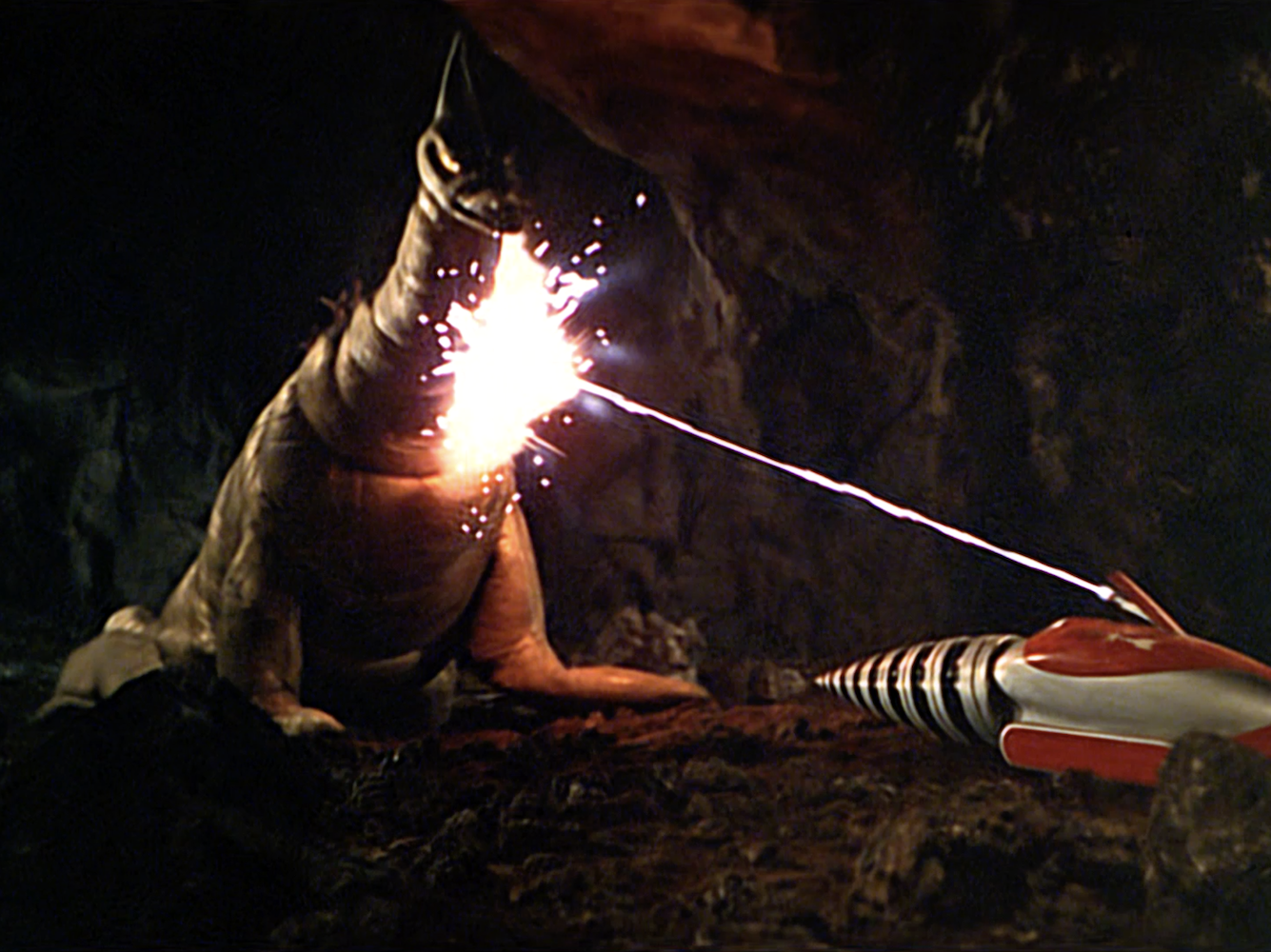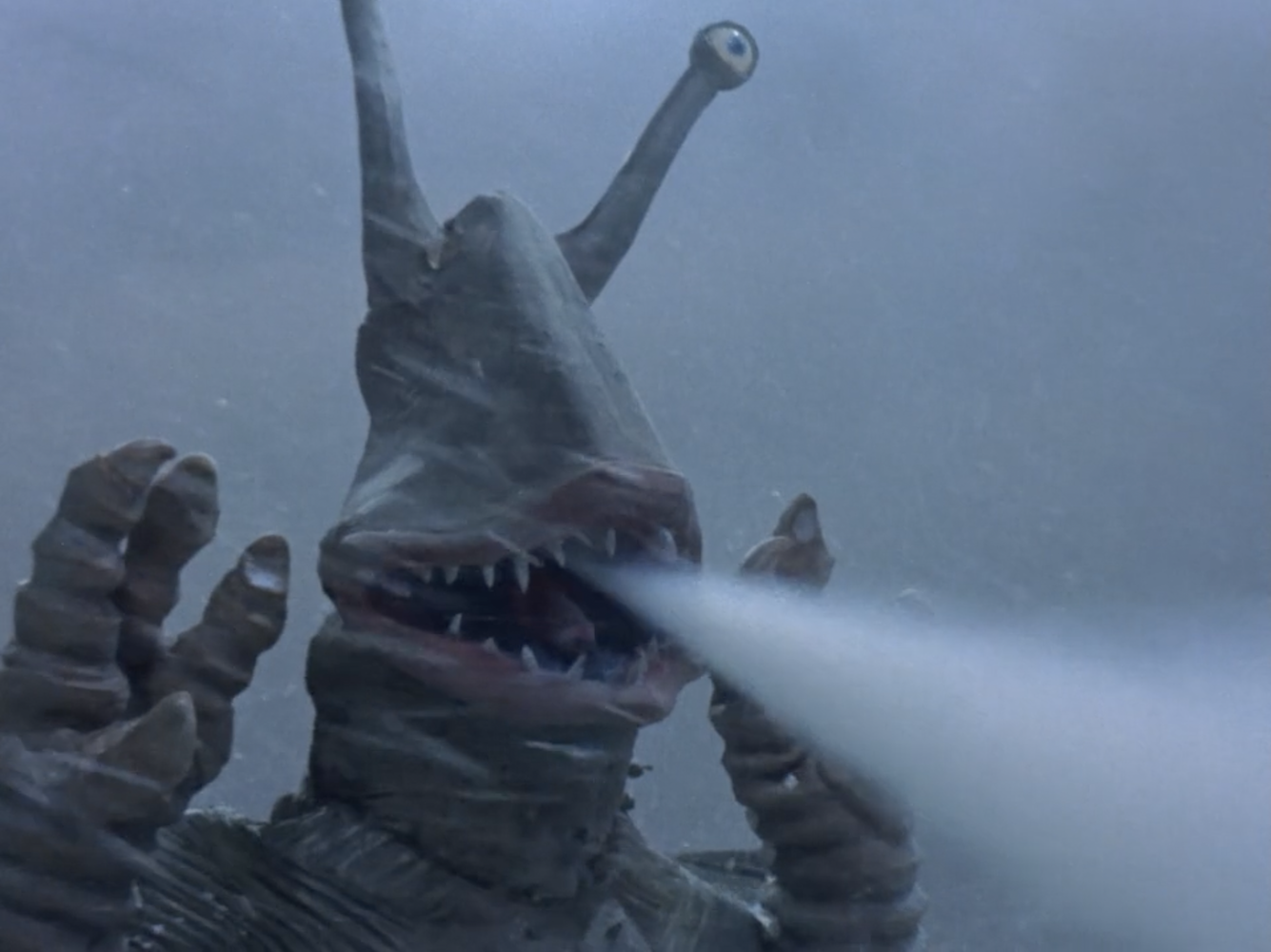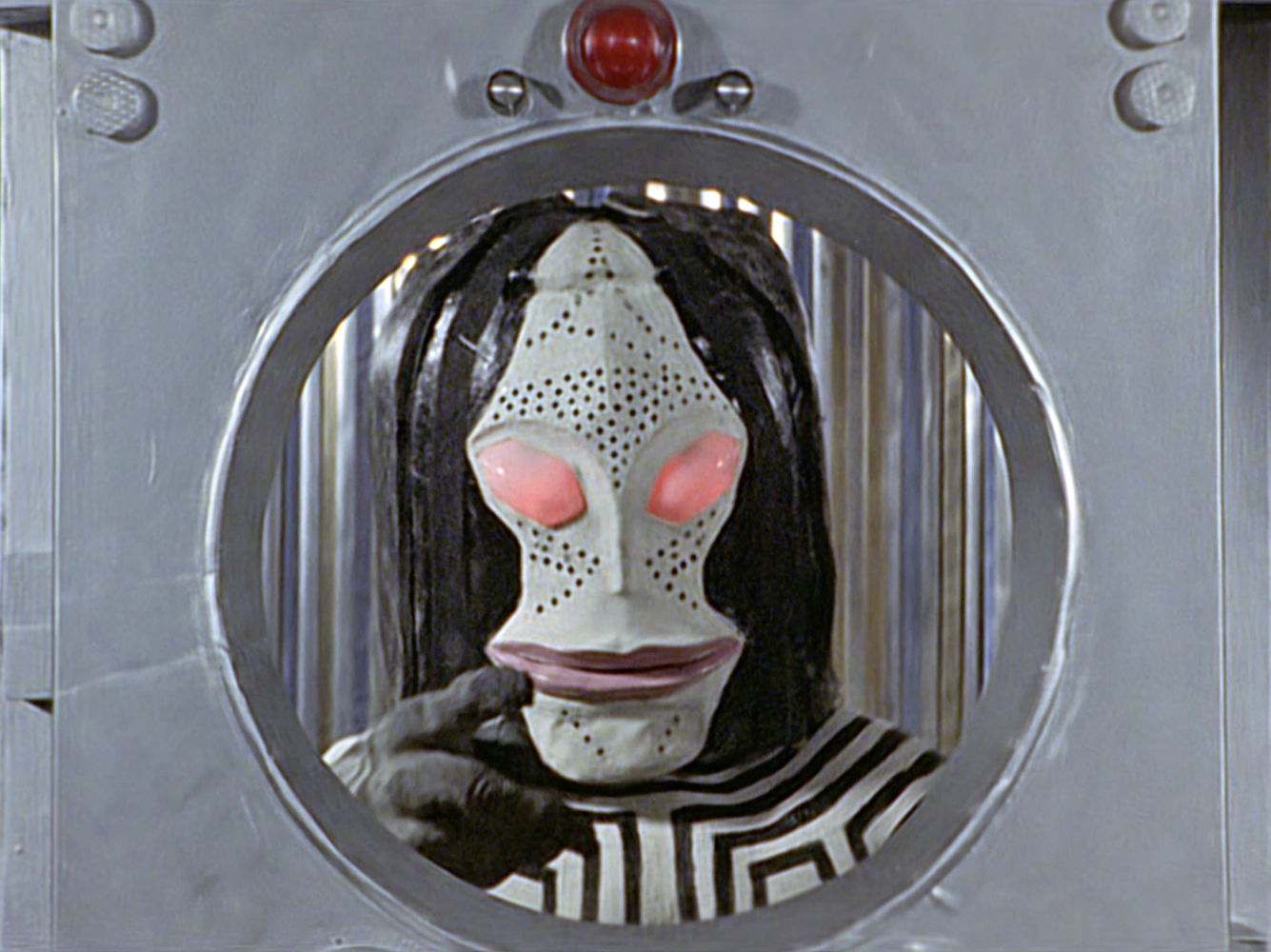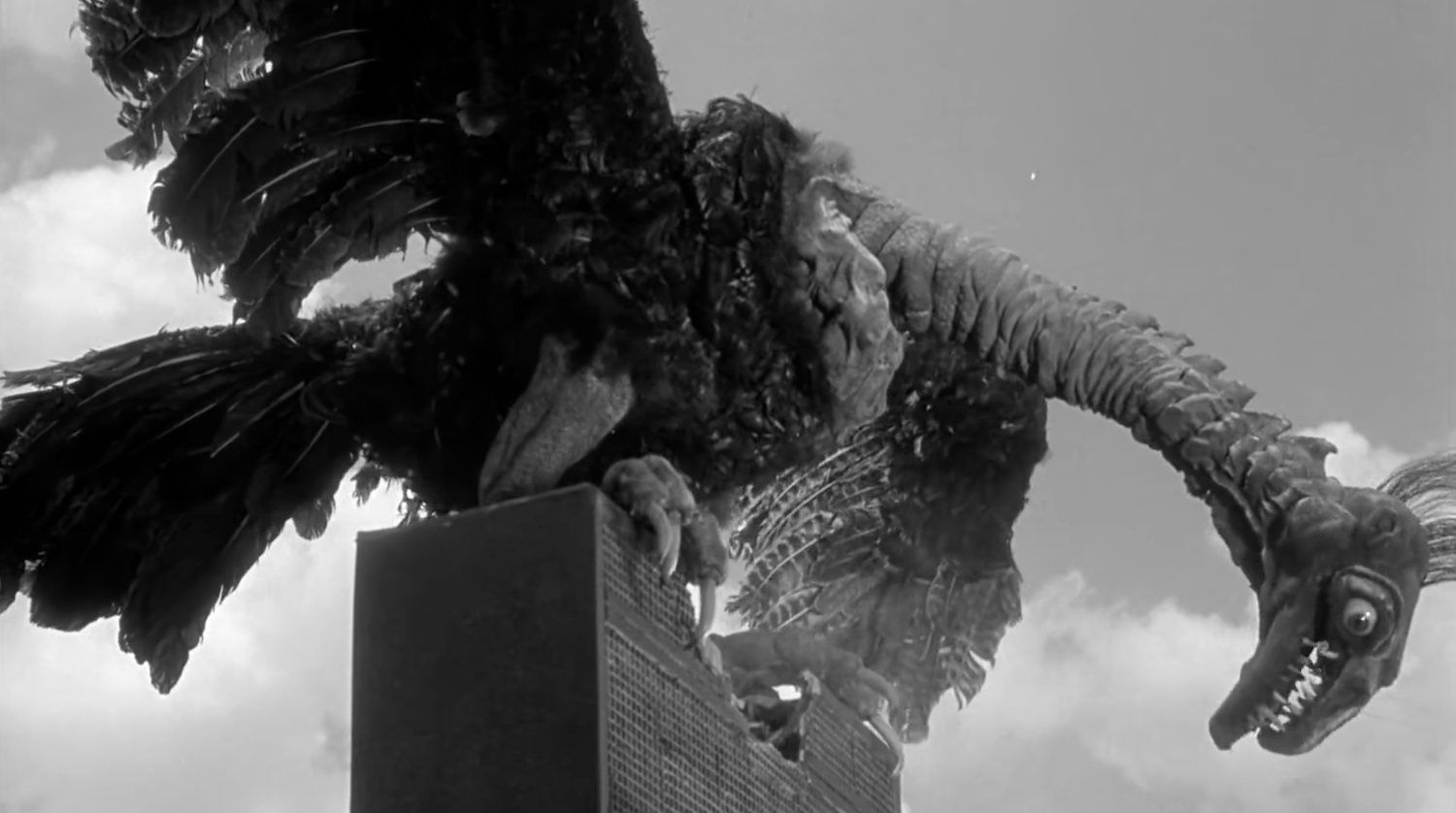
Ultraseven Ep. 21: Pursue the Undersea Base!

Directed by Toshitsugu Suzuki. Written by Onisuke Akai. Airdate Feb. 25, 1968.

We begin as many giant monster stories have: a ship afloat at night on a calm ocean, the crew relaxed and chatting. Suddenly, a strange light flashes in the water, a frightening sound tears through the air … and the ship explodes and sinks into the sea, the victim of a cryptic leviathan.

Continue reading “Ultraseven Ep. 21: Pursue the Undersea Base!”

Ultra Q Ep. 27: The Disappearance of Flight 206

Directed by Koji Kajita. Written by Tetsuo Kinjo and Hiroyasu Yamaura. Airdate July 3, 1966.

Jun and Ippei are returning from pilot training in Hong Kong aboard the maiden flight of a supersonic jet. The last time Ultra Q took a ride on the inaugural run of a super-speed vehicle, it was in “The Underground Super Express Goes West.” It was not a smooth trip. This second trip on emerging high-speed technology also goes wrong fast. Flight 206 gets dragged into a mysterious whirlpool in the sky and vanishes, leaving poor Yuriko and Professor Ichinotani at the airport baffled by yet another uncanny occurrence in the Unbalanced Zone.

Continue reading “Ultra Q Ep. 27: The Disappearance of Flight 206”

Ultraseven Ep. 20: Destroy Earthquake Epicenter X

Directed by Samaji Nonagase. Written by Bunzo Wakatsuki. Airdate Feb. 18, 1968.

There are several Ultraseven episodes that feel as if they were reworked from unused Ultraman scripts (something that did happen with “The Strolling Planet”). “Destroy Earthquake Epicenter X,” from what I can tell, was originally written for Ultraseven, but the Ultraman vibes are strong: an episode focused on a giant monster and high-tech equipment rather than alien schemes or a strange science-fiction twist. Ultraseven’s stories are usually alien-themed, but this episode feels as if the alien invader could easily have been cut and the script left as a terrestrial kaiju story.

Continue reading “Ultraseven Ep. 20: Destroy Earthquake Epicenter X”

Ultra Q Ep. 26: Blazing Glory

Directed by Kazuho Mitsuta. Written by Toshihiro Iijima. Airdate June 26, 1966.

Director Kazuho Mitsuta’s second aired episode (although produced before “Space Directive M774”) is his first classic. Mitsuta had a knack for intense character-driven stories told with cinematic flair. His episodes look fantastic without being ostentatious. “Blazing Glory” shows Mitsuta operating at a high level and making the best possible episode from one of Ultra Q’s most dramatic, human tales.

Continue reading “Ultra Q Ep. 26: Blazing Glory”

Toku Theater: Rodan (1956)

Directed by Ishiro Honda. Written by Takeshi Kimura and Takeo Murata. Starring Kenji Sahara, Yumi Shirakawa, Akihiko Hirata.

Rodan is where Toho Studios’ science-fiction boom truly takes flight. The original 1954 Godzilla was an enormous success, but the rushed and less imaginative sequel, Godzilla Raids Again (1955), made money without leaving much of an impression on audiences or the Japanese film industry. Godzilla wouldn’t return to movie screens for seven years.

Continue reading “Toku Theater: Rodan (1956)”

Ultraman Ep. 23: My Home Is Earth

Directed by Akio Jissoji. Written by Mamoru Sasaki. Airdate Dec. 18, 1966.

I’ve mentioned this episode numerous times, and for good reason: “My Home Is Earth” is the Ultraman episode that’s accumulated the most praise and had the biggest influence on future shows. It earns its place among the Olympians of Ultra. This is a superlative work of tragic science fiction in the guise of a giant monster story. It channels the classic British film The Quatermass Xperiment, shows director Akio Jissoji putting his signature style to great dramatic use, and gives the best character his defining episode. 

Continue reading “Ultraman Ep. 23: My Home Is Earth”

Ultraman Tiga Ep. 14: The Unleashed Target

Directed by Hirochika Muraishi. Written by Kazuyoshi Nakazaki and Hirochika Muraishi. Airdate Dec. 7, 1996.

One fine day in Tokyo, the Ultraman Tiga creative team was lounging around, bandying about ideas for a show that didn’t have a strong overall plan from the beginning. Writer Kazuyoshi Nakazaki said, “Hey, you know what’s a great movie? The Predator.” Writer-director Hirochika Muraishi, answered, “Yeah, it’s a bit like that short story ‘The Most Dangerous Game.’ ” And right there and then the two sat down at a computer and hashed out the script for “The Unleashed Target.”

Continue reading “Ultraman Tiga Ep. 14: The Unleashed Target”

Ultra Q Ep. 25: The Devil Child

Directed by Koji Kajita. Written by Kyoko Kitazawa and Ken Kumagai. Airdate June 19, 1966.

The massive success of Ring (1998) ignited the J-Horror boom of the late 1990s and 2000s, but the unique style of Japanese horror has a long history. Several key supernatural horror films came out in the 1960s: Onibaba (1964), Kwaidan (1965), and Kuroneko (1968). “The Devil Child” is Ultra Q’s contribution to Japanese ghost lore of this era. It combines the concept of the dangerous ghost child with science-fiction elements for that peculiar Ultra Q mix. It’s one of the show’s eeriest and subtlest achievements.

Continue reading “Ultra Q Ep. 25: The Devil Child”

Ultraman Ep. 22: Overthrow the Surface

Directed by Akio Jissoji. Written by Mamoru Sasaki. Airdate Dec. 11, 1966.

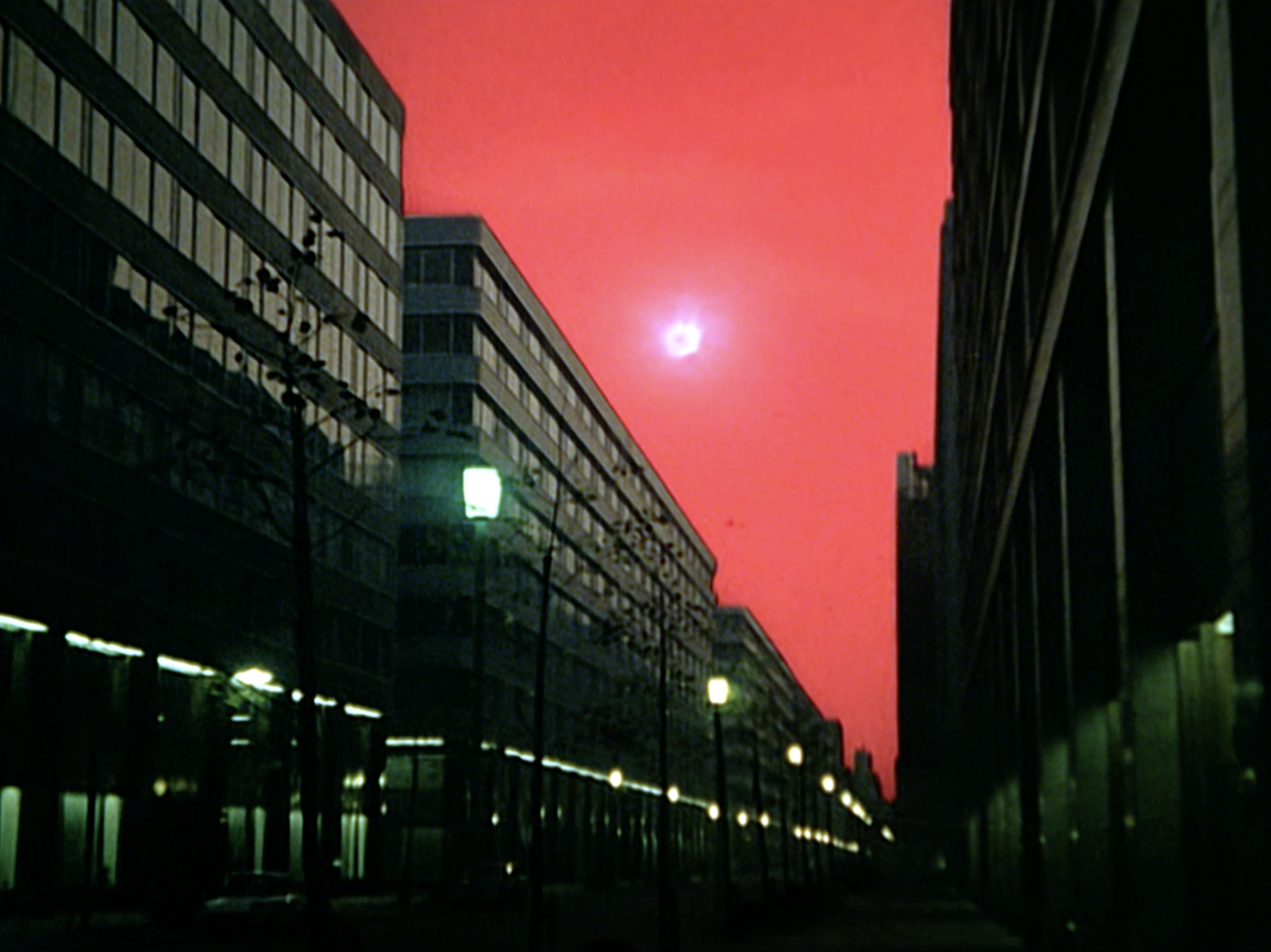
Akio Jissoji’s third Ultraman episode is when his characteristic style comes together … and then goes on a rampage. Heavily influenced by his viewing of Jean-Luc Godard’s Alphaville (1965), Jissoji cuts loose with his visuals: jittery hand-held camera shots, rapid cutting, close-ups on faces and mouths, lights dimmed to almost nothing, bizarre angles, reflective surfaces, sepia photography, freeze frames. It would feel indulgent — and several of his later Ultra outings are definitely that — if it didn’t work so well for the tone of paranoia and panic he brings to this twist on the alien invasion story. 

Continue reading “Ultraman Ep. 22: Overthrow the Surface”

Ultraseven Ep. 19: Project Blue

Written and Directed by Samaji Nonagase. Airdate Feb. 11, 1968.

Professor Miyabe (Akiji Nomura) has invented a magnetic defense barrier, Project Blue, that will shield both Earth and the Moon from the barrage of alien invasions happening on a weekly basis. (At this point, the Ultra Guard is so familiar with these invasions that they know the preferred routes aliens take when launching attacks.) But Alien Bado, self-proclaimed “Emperor of the Universe,” is not going to have some Terrestrial Defense Barrier hinder their plot to explode Earth and eradicate the potentially deadly human race. The aliens covertly park their spaceship under Professor Miyabe’s home and kidnap him, threatening to murder his wife Grace (Linda Mabrey) if he doesn’t surrender the plans for Project Blue.

Continue reading “Ultraseven Ep. 19: Project Blue”