Ultraseven Ep. 26: Super Weapon R1

Directed by Toshitsugu Suzuki. Written by Bunzo Wakatsuki. Airdate March 31, 1968.

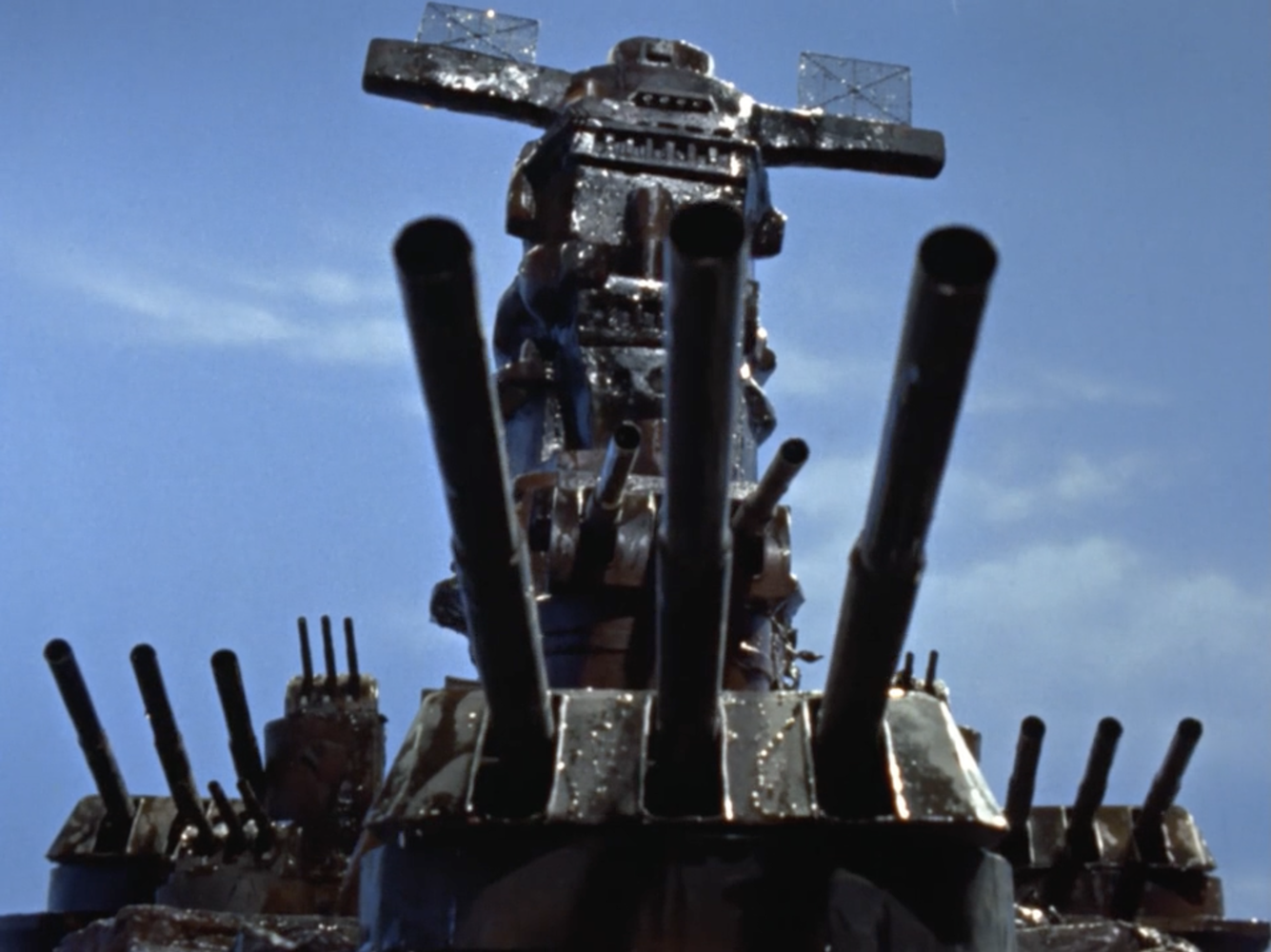
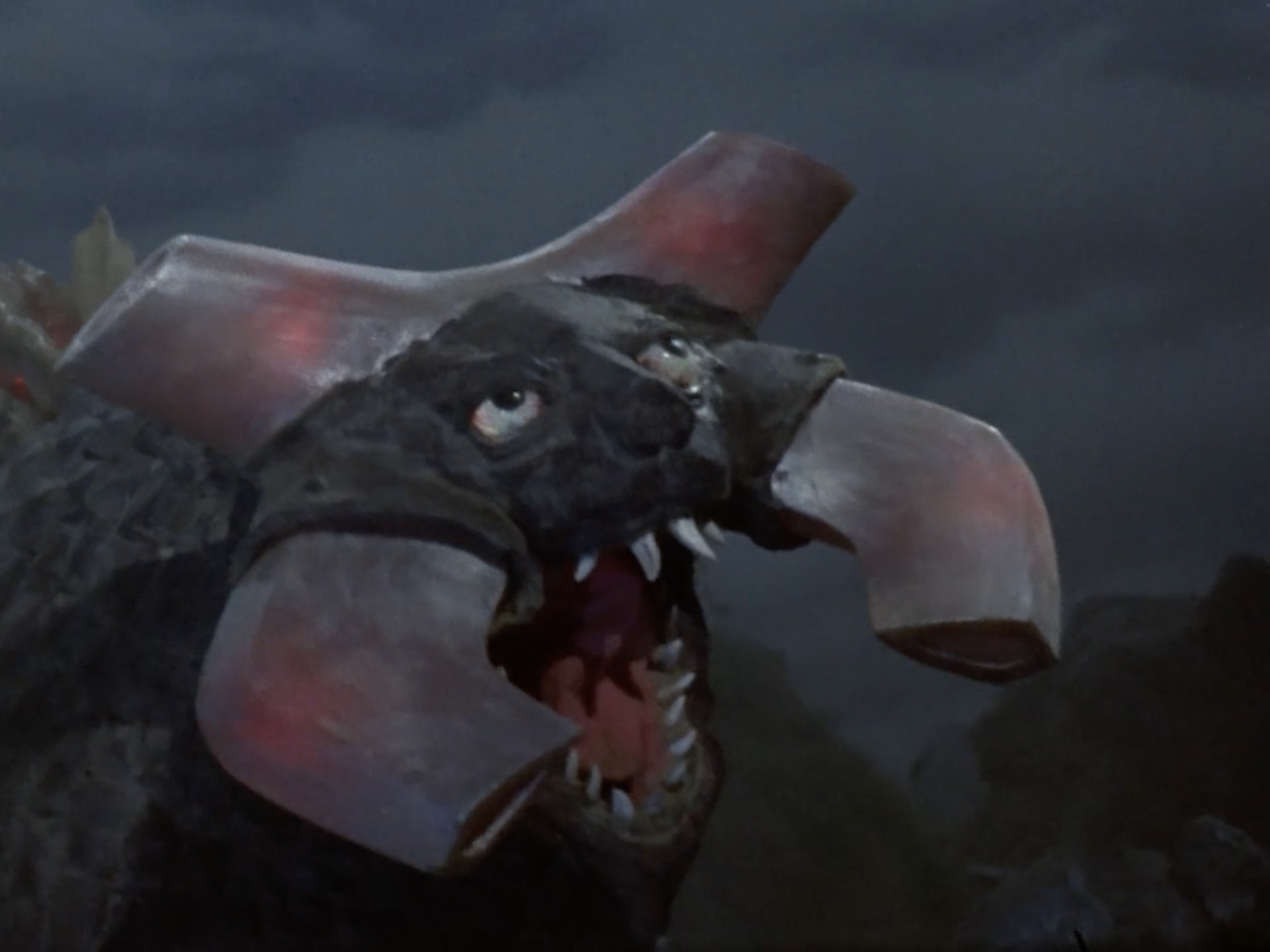
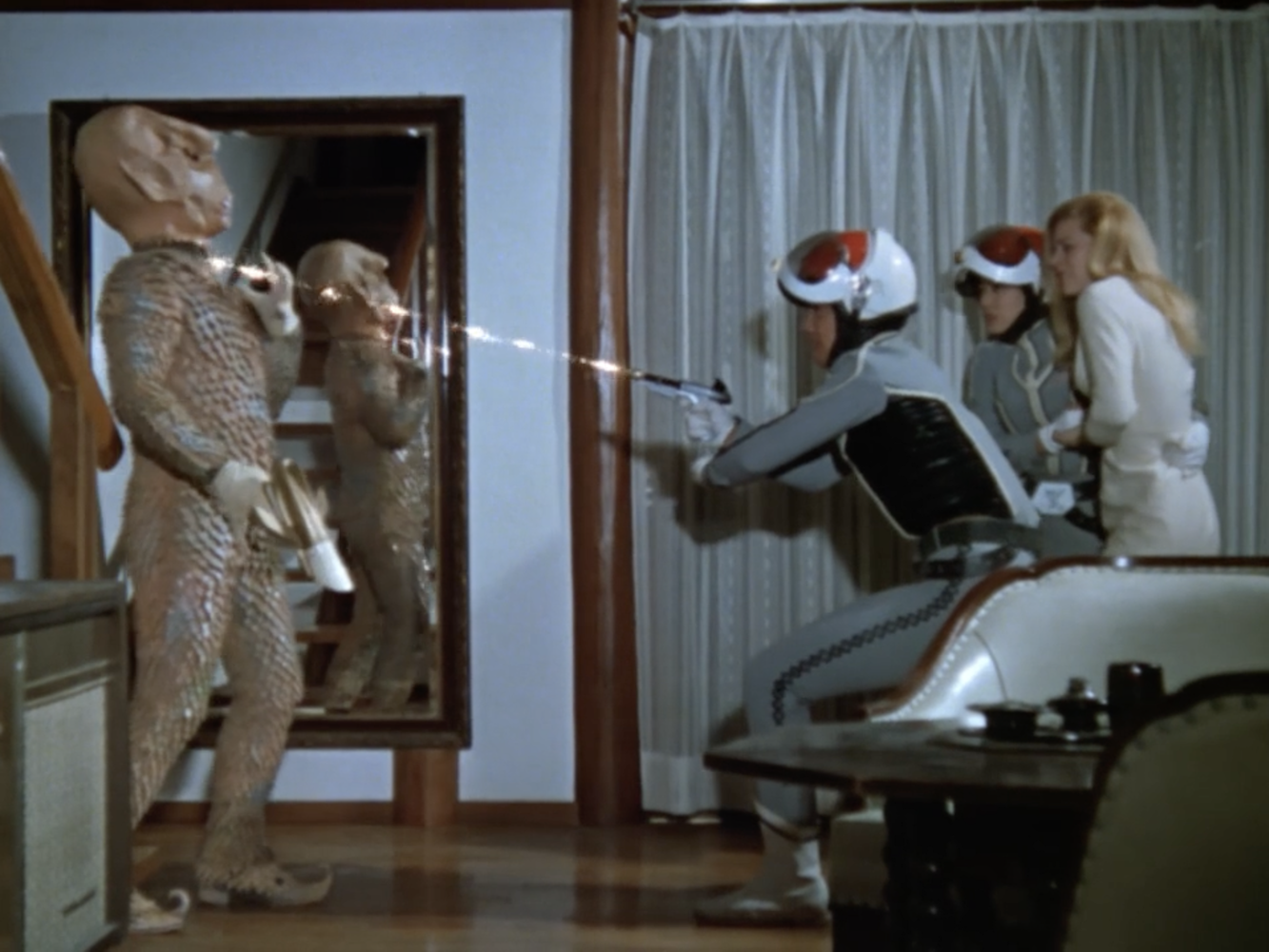
The Cold War and fears of nuclear war lurk behind much of tokusatsu, especially in the Showa era. The movie that ignited the tokusatsu genre, Godzilla, is the quintessential cinematic nuclear metaphor, and Japan is the nation most acutely aware of the horrors of nuclear weapons as “deterrents.” The specter of the Cold War haunts many of Ultraseven’s tales of alien invaders. In “Super Weapon R1,” the subtext of the madness of the arms race becomes the text, the explicitly stated theme. This could’ve turned out heavy-handed. Here, it all works, resulting in one of the great and enduring Ultra episodes.

Continue reading “Ultraseven Ep. 26: Super Weapon R1”
Ultraseven Ep. 25: Showdown at 140 Degrees Below Zero

Directed by Kazuho Mitsuta. Written by Tetsuo Kinjo. Airdate March 24, 1968.

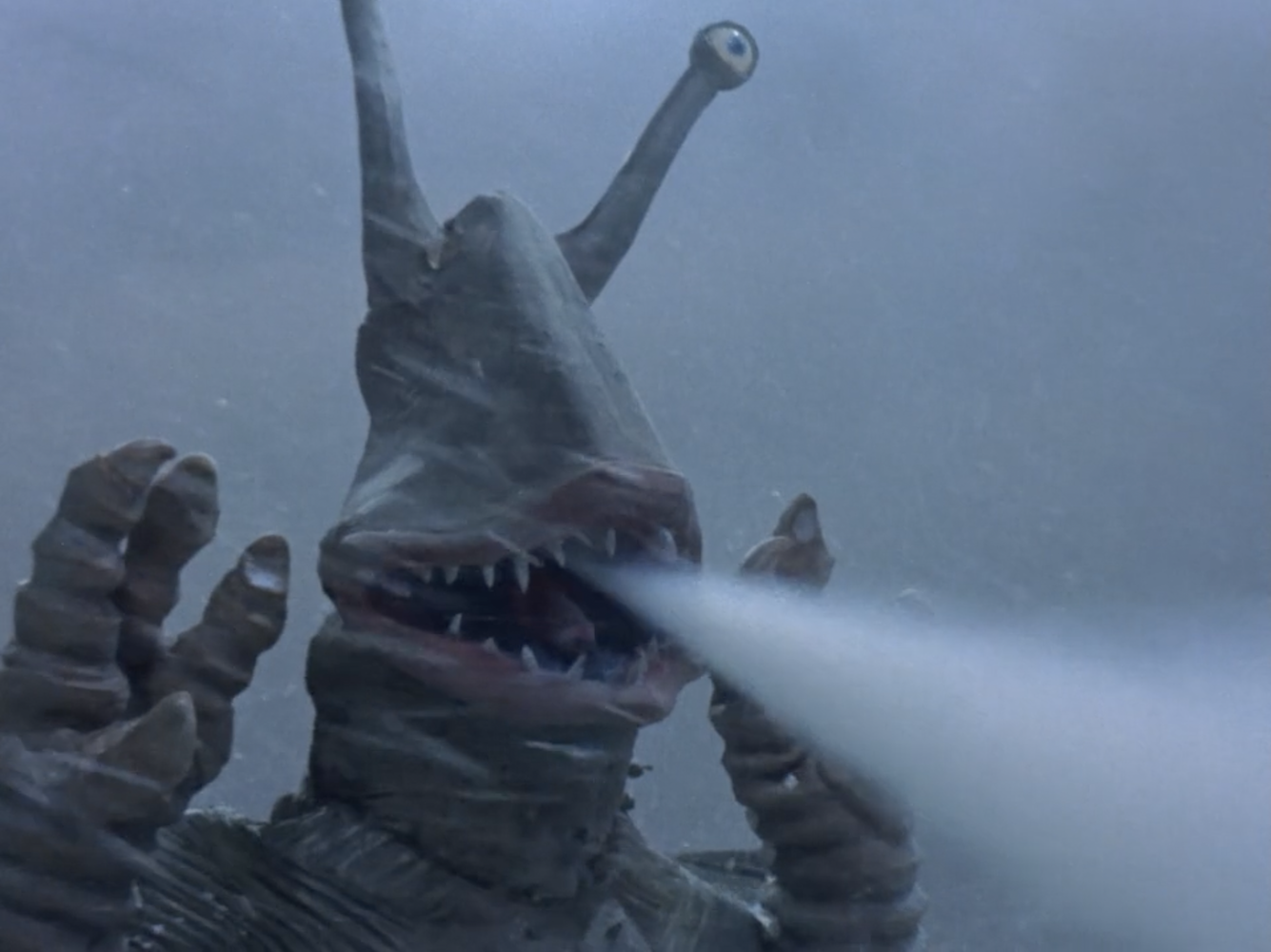
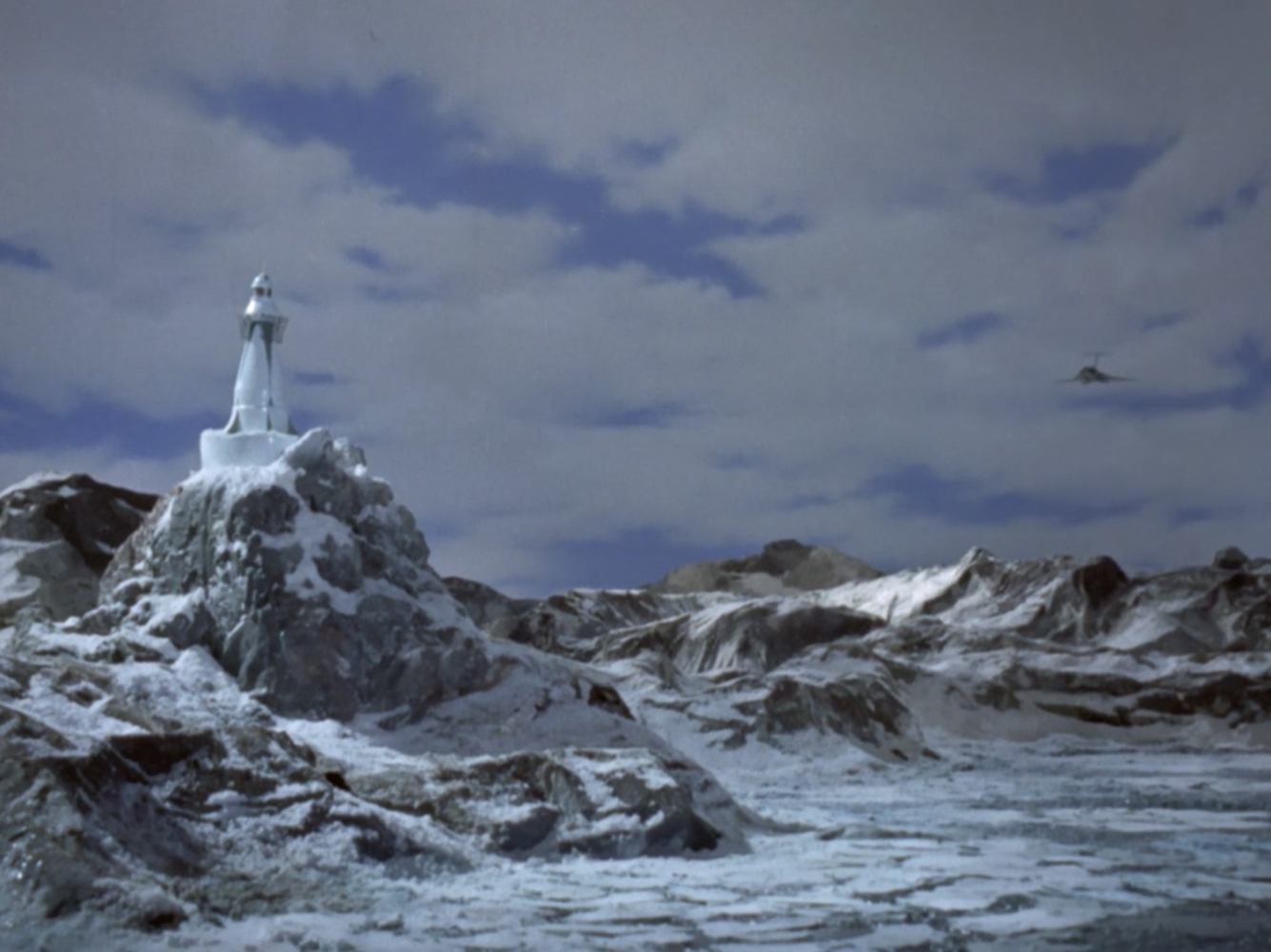
An intense cold snap and snow storm descend on the HQ of the Terran Defense Force. Temperatures plunge below –100°F and keep dropping. Ultra Guard member Soga isn’t concerned at first, talking dismissively as he pours a cup of coffee: “A cold wave zone 114 degrees below zero is nothing to get nervous about. The atomic reactor in the power house 18 floors under is burning red. Praise human technology.” 

The moment Soga says this, viewers know everything is about to go wrong in the worst way. The episode does not disappoint. 

Continue reading “Ultraseven Ep. 25: Showdown at 140 Degrees Below Zero”

Ultraseven Ep. 24: Return to the North!

Directed by Kazuho Mitsuta. Written by Shinichi Ichikawa. Airdate March 17, 1968.

It’s rare to have an Ultraseven episode focused on a drama about an individual Ultra Guard member. There are occasional shows that let a particular character take the spotlight, such as “Search for Tomorrow,” which put Captain Kiriyama in conflict with his own team. But “Return to the North!” goes further: it examines the personal life of a member outside of the Ultra Guard. Surprisingly, the UG member picked for the starring role is Shigeru Furuhashi, the team’s “shoot first” action guy. 

Continue reading “Ultraseven Ep. 24: Return to the North!”

Ultraseven Ep. 23: Search for Tomorrow

Directed by Samaji Nonagase. Written by Shozo Uehara and Samaji Nonagase. Airdate March 10, 1968.

Captain Kiriyama takes center stage for an unusual episode that shows the Ultra Guard members acting as more than a stock hero team. Characterization in Ultraseven works differently than in Ultraman and other Ultra shows: scripts often downplay individuality in favor of larger science-fiction themes. It’s good to have a chance to settle in with a personal character drama like “Search for Tomorrow,” where Kiriyama reveals a side that puts him at odds with the rationalist approach of the Terran Defense Force and the Ultra Guard. It’s not a superlative action episode, but it has some crunchy ideas to chew on and a strong use of the ensemble.

Continue reading “Ultraseven Ep. 23: Search for Tomorrow”

Ultraseven Ep. 22: The Human Farm

Directed by Toshitsugu Suzuki. Written by Hiroyasu Yamaura. Airdate March 3, 1968.

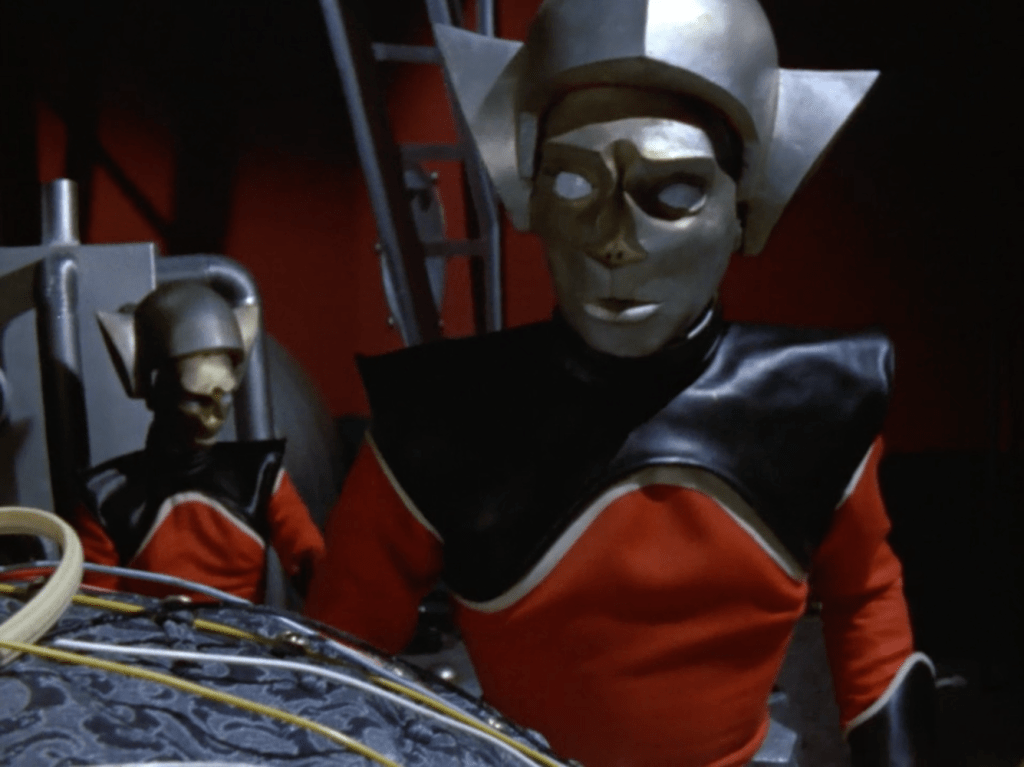
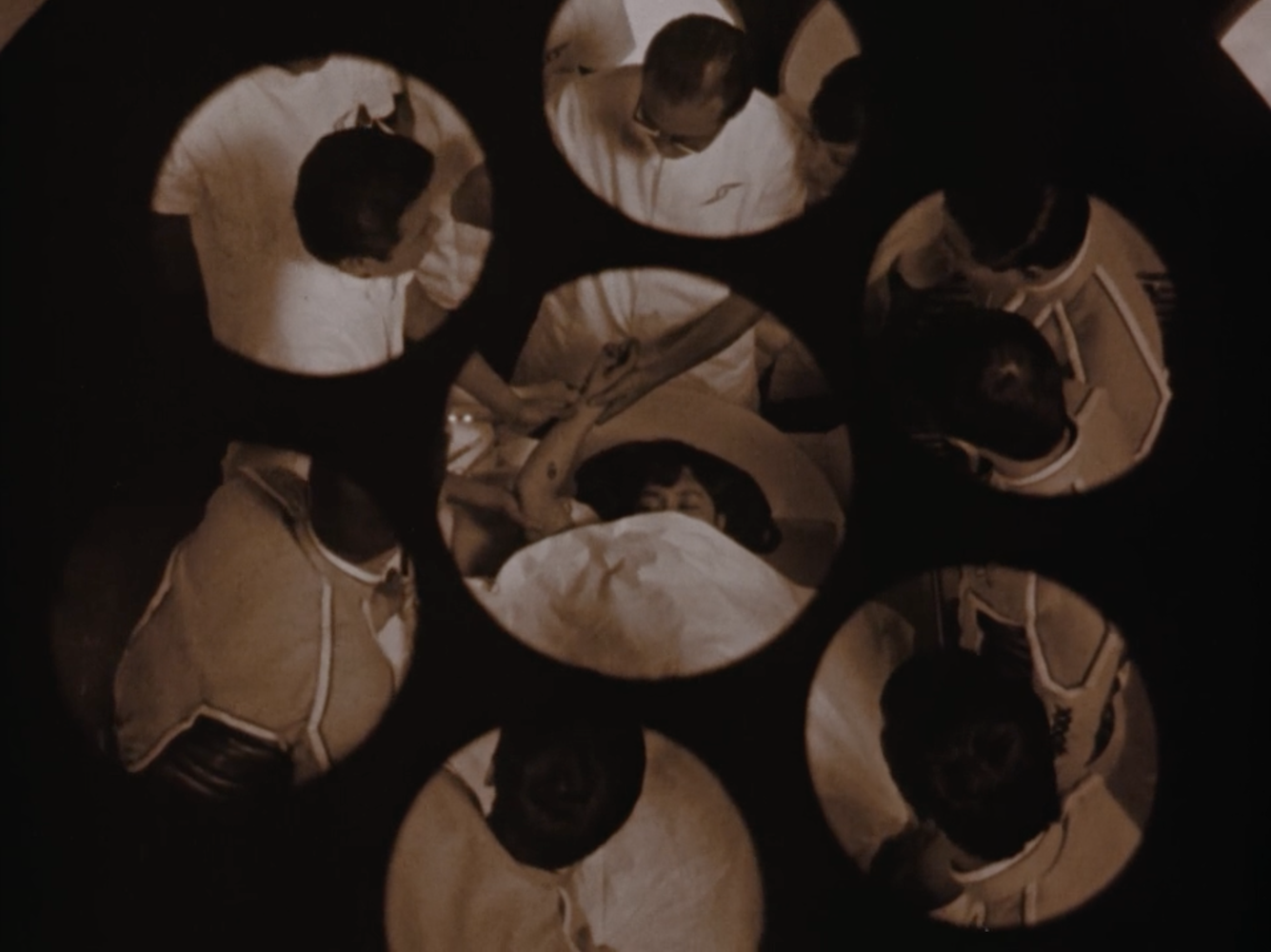
Ultraseven shifts to science-horror with an episode mirroring the more sober stories of Ultra Q. The general mood is subdued foreboding laced with body horror. Several unusual visual choices enhance the quiet dread. It’s ambitious, and the episode almost works — but the climax veers in a different direction that emphasizes big action. The finale may not include a giant monster fight, but it still feels like a conventional wrap-up, and that doesn’t gel with a story about aliens using women’s bodies as cultures for growing their food. 

Continue reading “Ultraseven Ep. 22: The Human Farm”

Ultraseven Ep. 21: Pursue the Undersea Base!

Directed by Toshitsugu Suzuki. Written by Onisuke Akai. Airdate Feb. 25, 1968.

We begin as many giant monster stories have: a ship afloat at night on a calm ocean, the crew relaxed and chatting. Suddenly, a strange light flashes in the water, a frightening sound tears through the air … and the ship explodes and sinks into the sea, the victim of a cryptic leviathan.

Continue reading “Ultraseven Ep. 21: Pursue the Undersea Base!”

Ultraseven Ep. 20: Destroy Earthquake Epicenter X

Directed by Samaji Nonagase. Written by Bunzo Wakatsuki. Airdate Feb. 18, 1968.

There are several Ultraseven episodes that feel as if they were reworked from unused Ultraman scripts (something that did happen with “The Strolling Planet”). “Destroy Earthquake Epicenter X,” from what I can tell, was originally written for Ultraseven, but the Ultraman vibes are strong: an episode focused on a giant monster and high-tech equipment rather than alien schemes or a strange science-fiction twist. Ultraseven’s stories are usually alien-themed, but this episode feels as if the alien invader could easily have been cut and the script left as a terrestrial kaiju story.

Continue reading “Ultraseven Ep. 20: Destroy Earthquake Epicenter X”

Ultraseven Ep. 19: Project Blue

Written and Directed by Samaji Nonagase. Airdate Feb. 11, 1968.

Professor Miyabe (Akiji Nomura) has invented a magnetic defense barrier, Project Blue, that will shield both Earth and the Moon from the barrage of alien invasions happening on a weekly basis. (At this point, the Ultra Guard is so familiar with these invasions that they know the preferred routes aliens take when launching attacks.) But Alien Bado, self-proclaimed “Emperor of the Universe,” is not going to have some Terrestrial Defense Barrier hinder their plot to explode Earth and eradicate the potentially deadly human race. The aliens covertly park their spaceship under Professor Miyabe’s home and kidnap him, threatening to murder his wife Grace (Linda Mabrey) if he doesn’t surrender the plans for Project Blue.

Continue reading “Ultraseven Ep. 19: Project Blue”

Ultraseven Ep. 18: Escape Dimension X

Directed by Hajime Tsuburaya. Written by Testuo Kinjo. Airdate Feb. 4, 1968.

“Escape Dimension X” is Ultraseven’s version of Ultraman’s influential episode “The Monster Anarchy Zone”: a fast-paced monster-packed adventure taking place in a weird wilderness of exotic dangers. Many Ultra shows have their own take on this pulpy Lost World concept. Now we see the darker SF sensibility of Ultraseven at work on the premise. Where “The Monster Anarchy Zone” is a wild, fun rollercoaster with plenty of giant monsters, “Escape Dimension X” is horror-tinged and eerie, with monsters of the more creepy-crawly variety. This “lost world” is also presented as a science-fiction mystery, an artificially created alternate dimension, although the story leaves most of it unexplained.

Continue reading “Ultraseven Ep. 18: Escape Dimension X”

Ultraseven Ep. 17: Underground Go! Go! Go!

Directed by Hajime Tsuburaya. Written by Shozo Uehara. Airdate Jan. 28, 1968.

The standard procedure for Ultra warriors who come to Earth is to merge with a human host, a precedent set in Ultraman and followed throughout most of the shows. Ultraseven is one of the exceptions (Ultraman Leo is another), where the Ultra warrior chooses to adopt a human form and remain 100% alien. But how does an Ultra who takes this route decide on their human “costume”? This episode addresses that question, making it an essential watch for the lore of the show.

Continue reading “Ultraseven Ep. 17: Underground Go! Go! Go!”