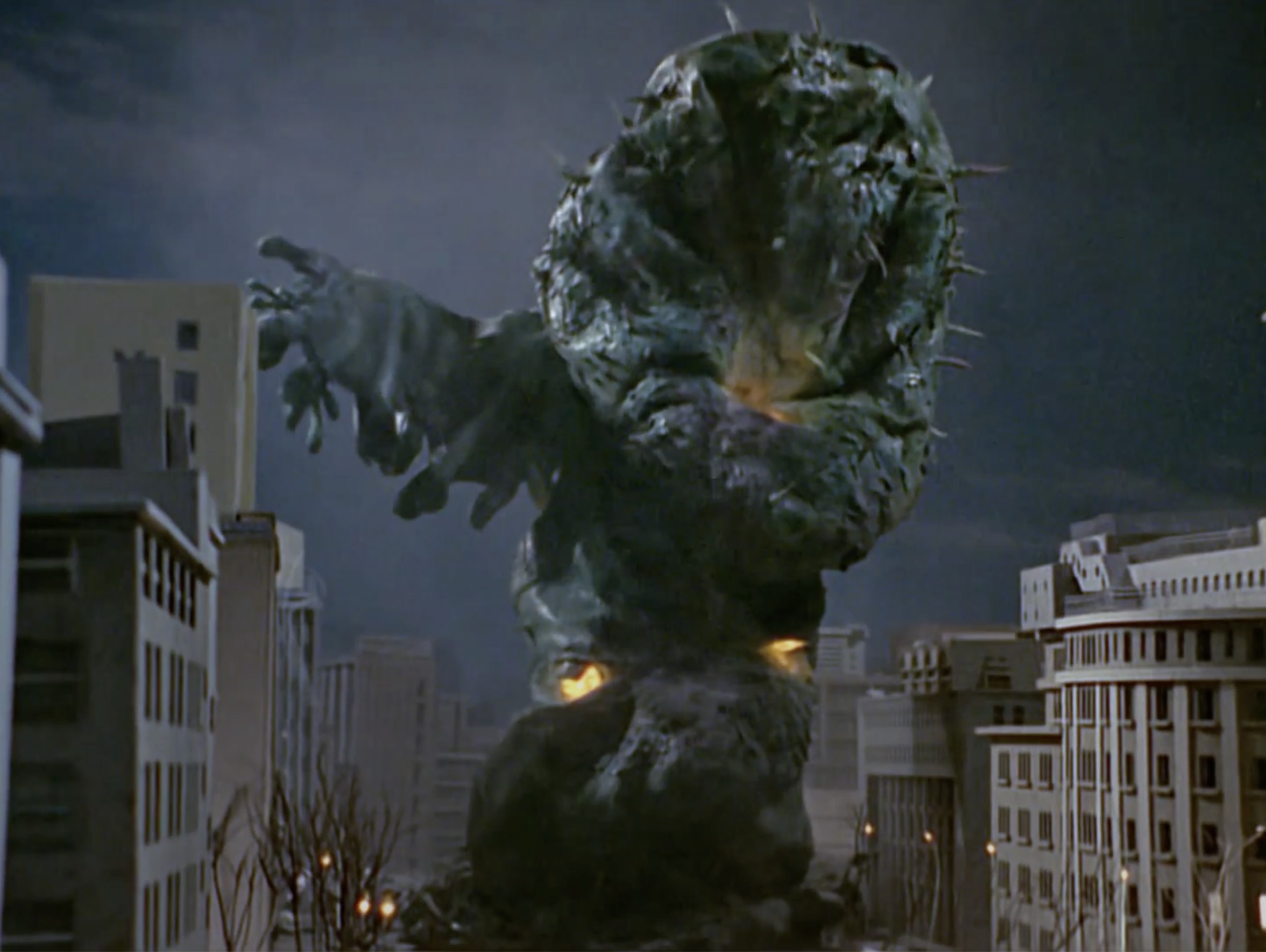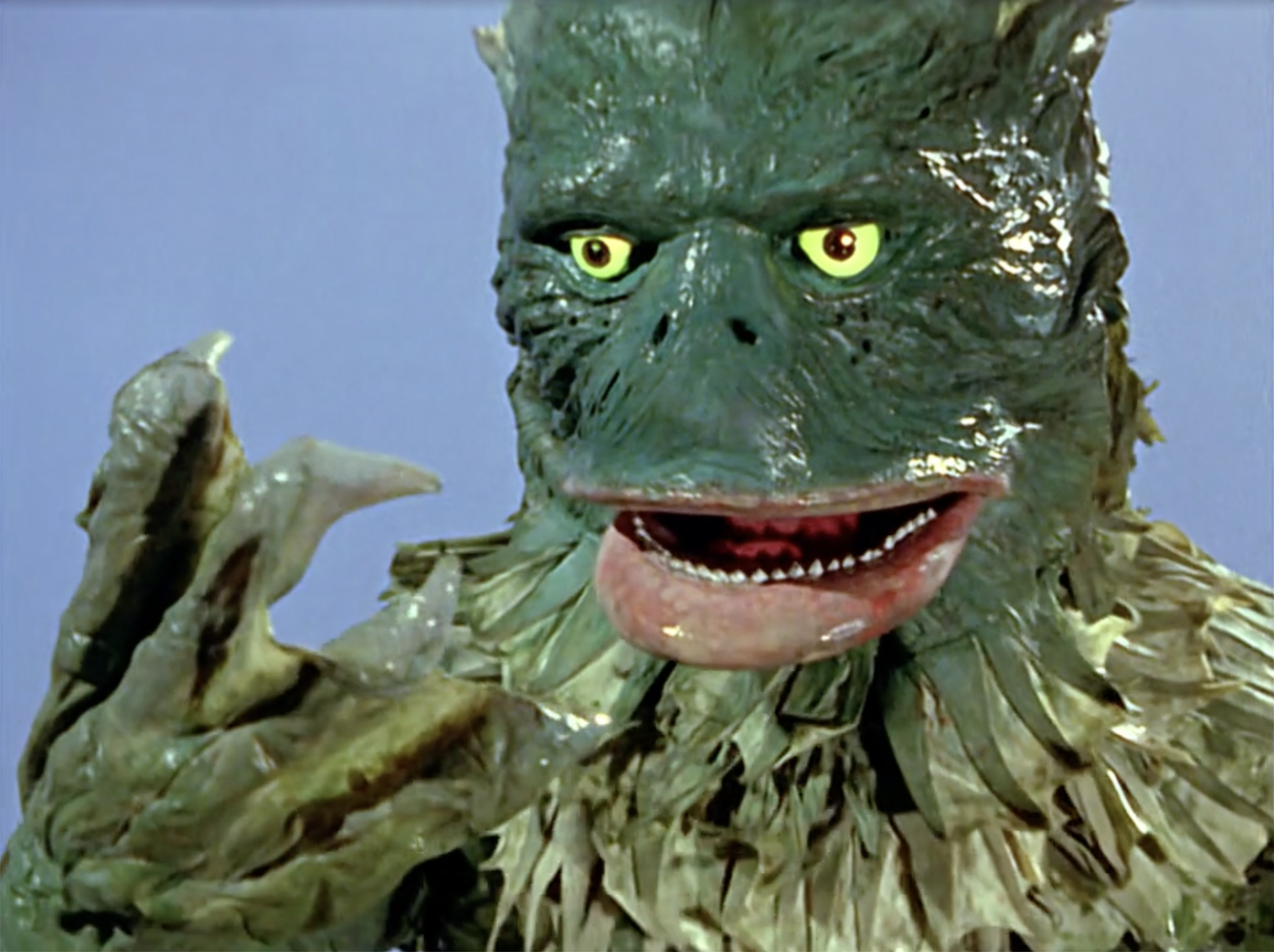
Ultraman Ep. 5: The Secret of the Miroganda

Directed by Toshihiro Iijima. Written by Keisuke Fujikawa. Airdate August 14, 1966.

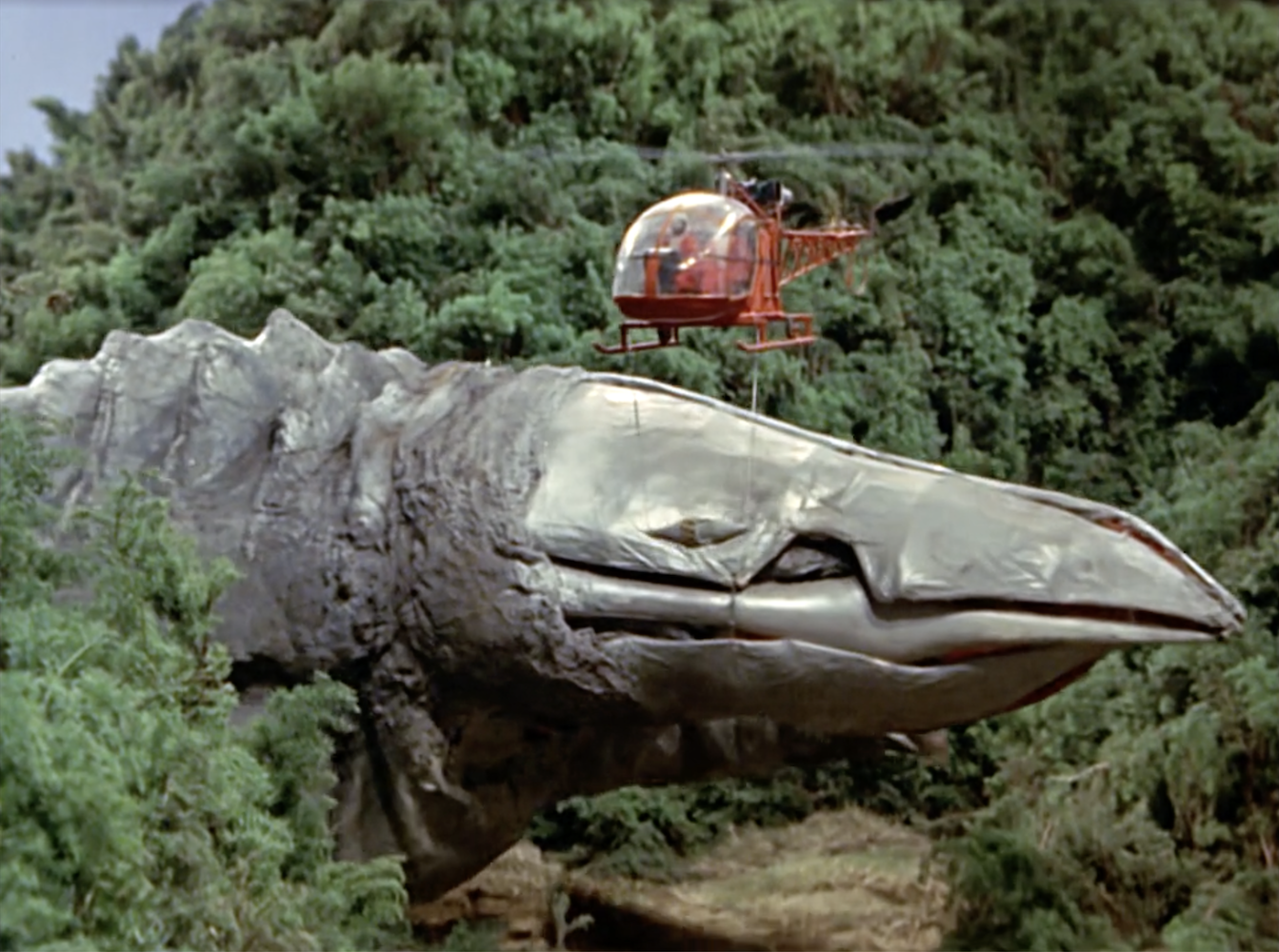
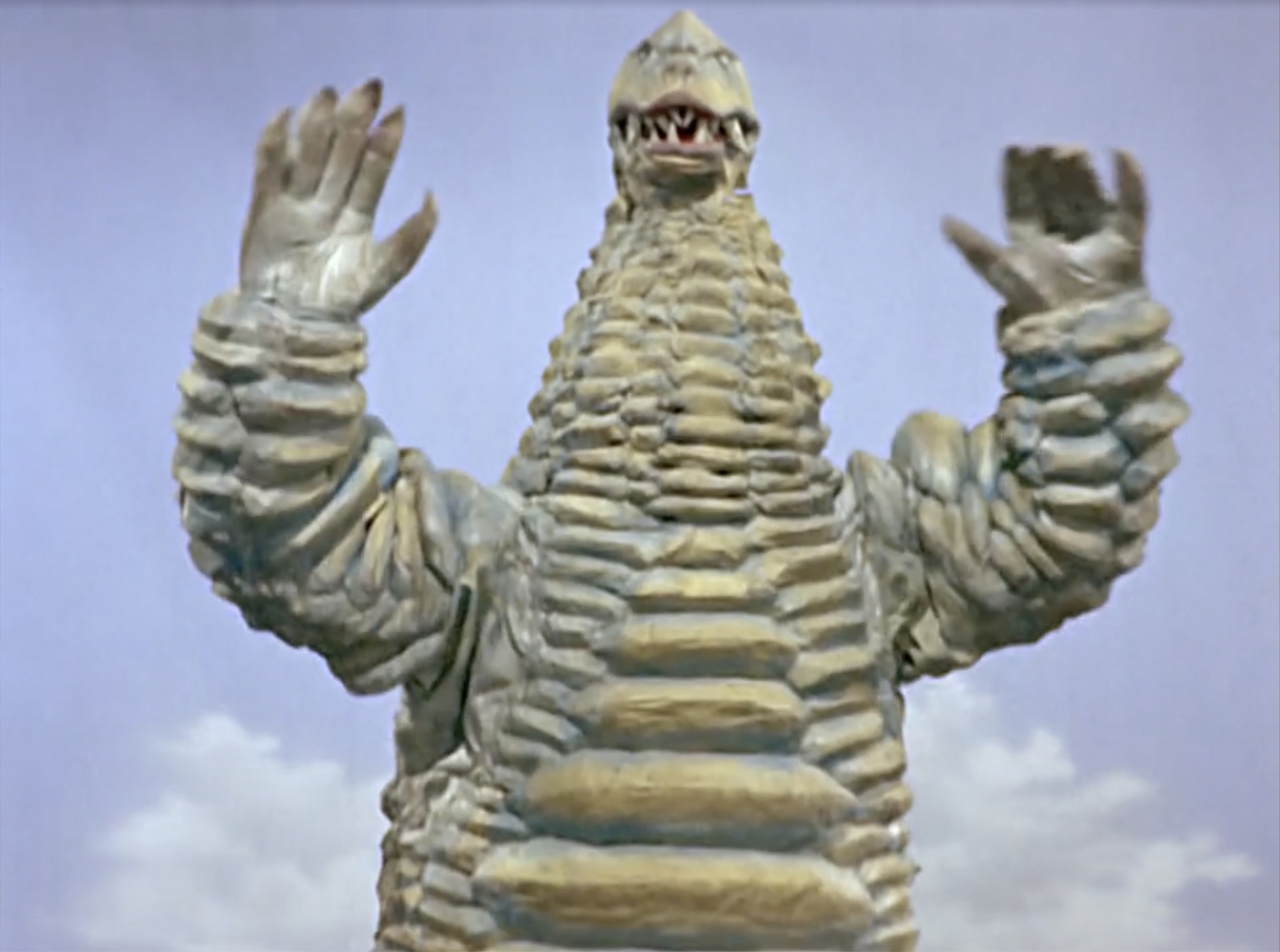
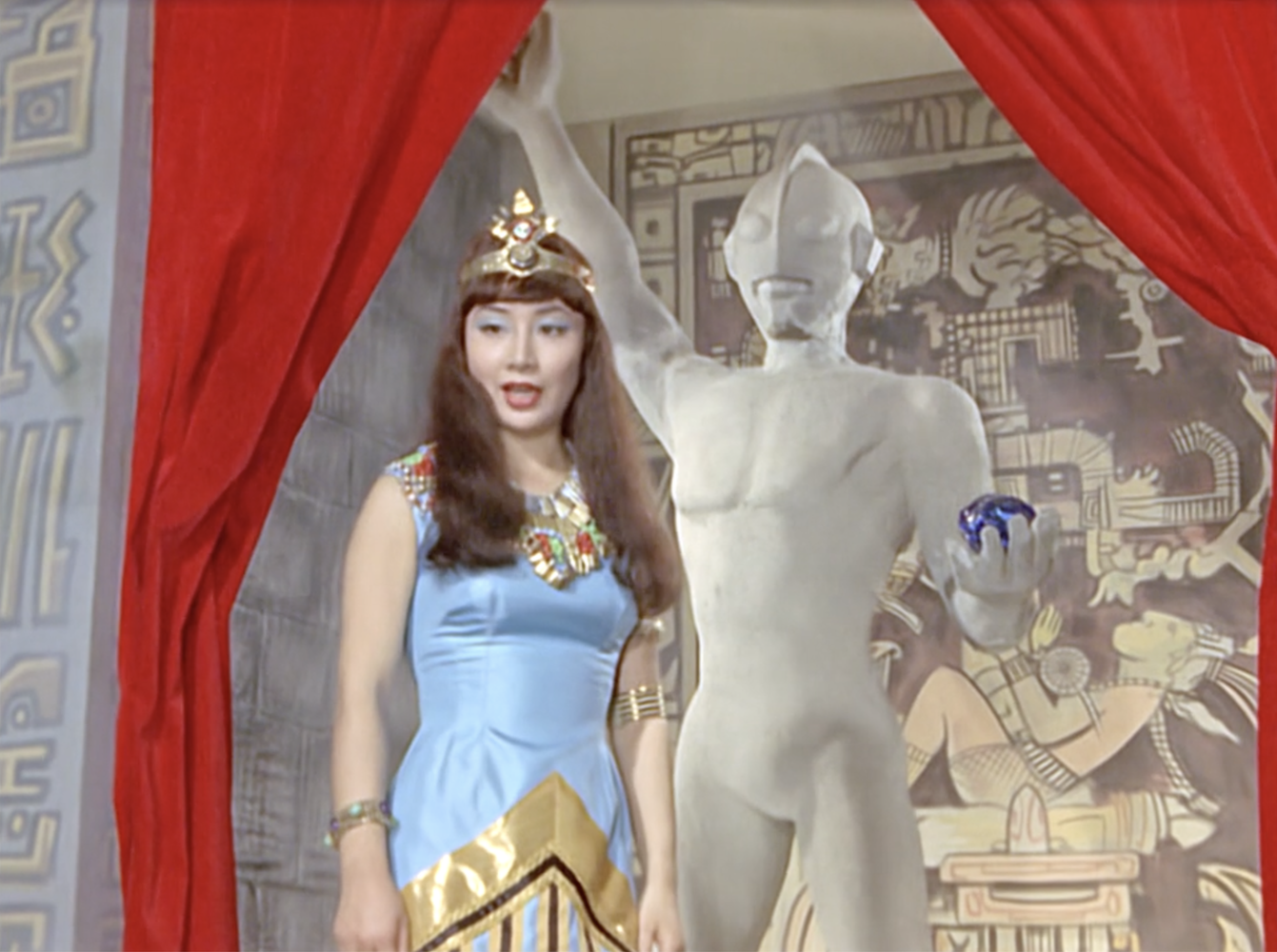
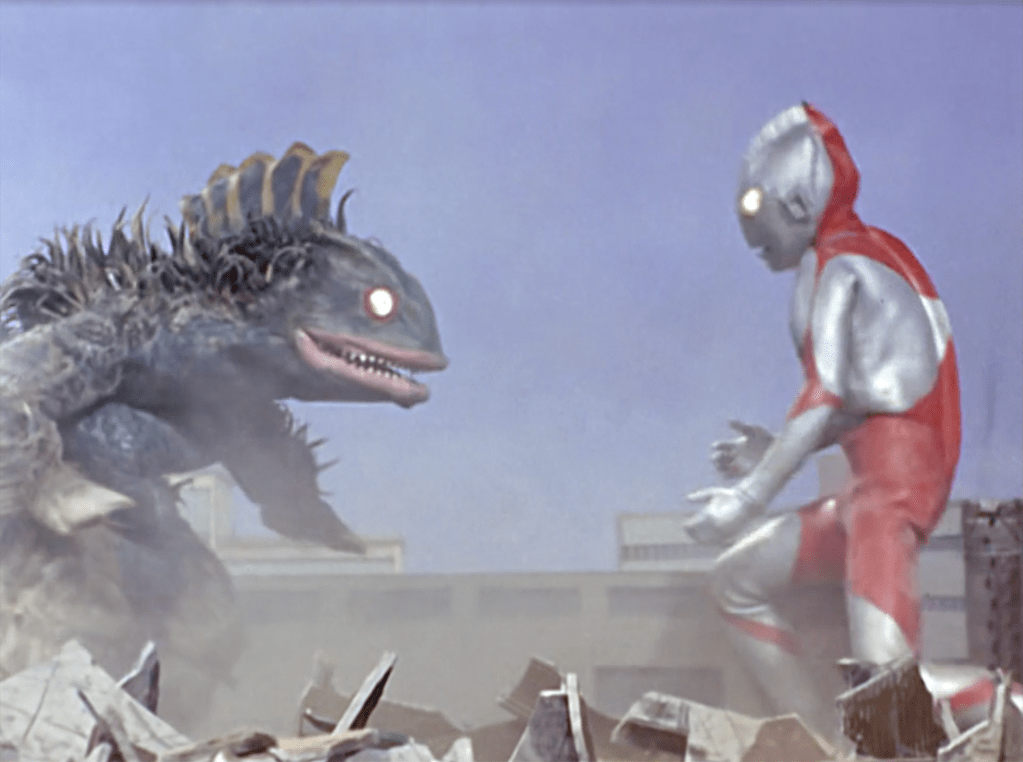
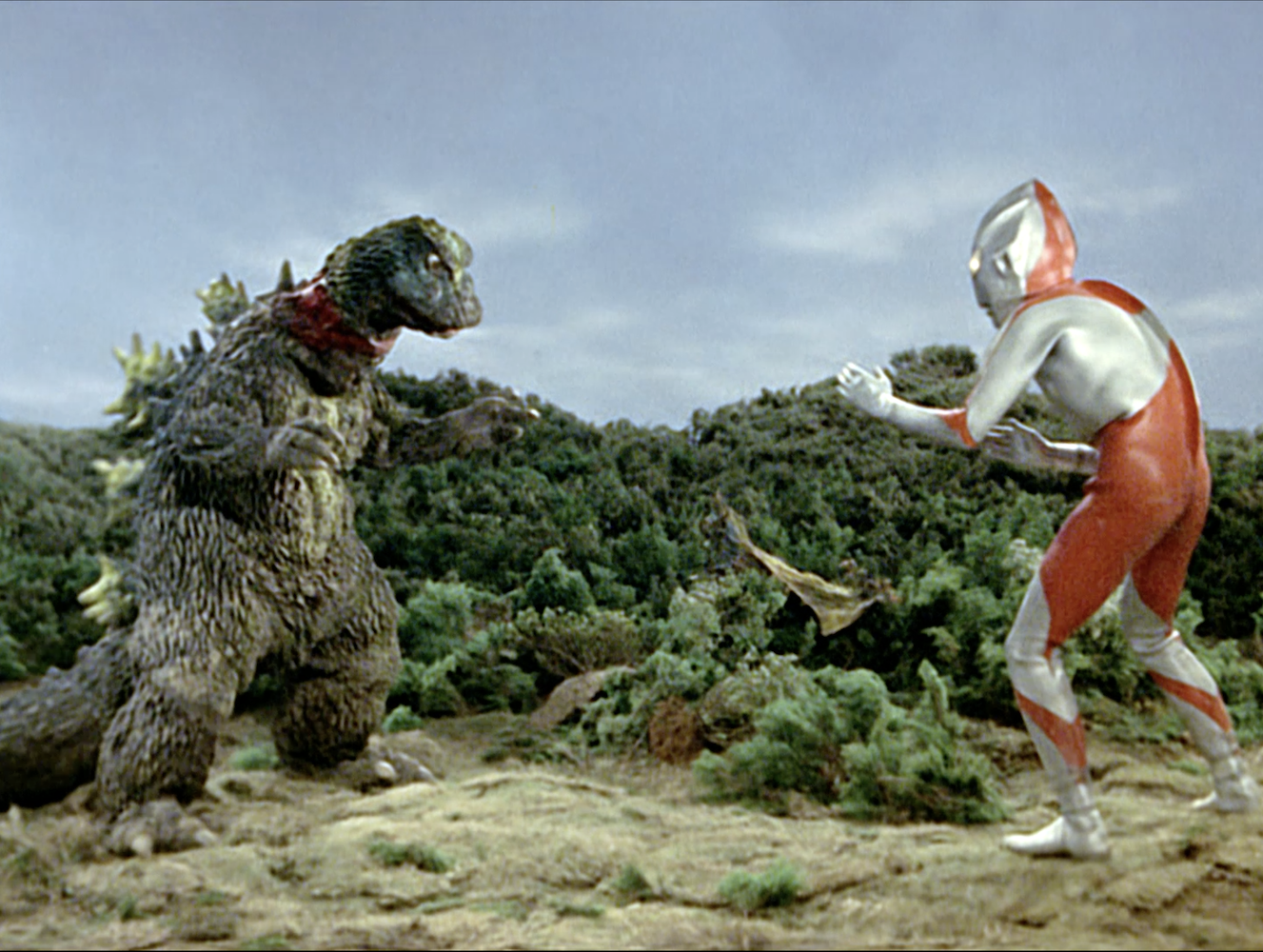
Rewatching “The Secret of the Miroganda” made me acutely aware of the budget fight Tsuburaya Productions was locked into during the early production of Ultraman. TBS may have given an enthusiastic greenlight to the show, but they were hesitant about the hefty price tag per episode, which was often more than double the cost of an episode of Ultra Q. The network forced the creative team at Tsuburaya Pro to cut costs at every opportunity. The situation improved once episodes started to air and the show became a popular sensation, but the early sacrifices the creative team had to make often poke through. “Miroganda,” only the second episode shot, has some of the most obvious. 

Continue reading “Ultraman Ep. 5: The Secret of the Miroganda”

Ultraman Ep. 3: Science Patrol, Move Out

Directed by Toshihiro Iijima. Written by Masahiro Yamada. Airdate July 31, 1966.

We now enter one of the less interesting stretches of Ultraman, an early slowdown that’s likely due to the rush to finish episodes and the stinginess of TBS and their sponsor partner when it came to budgets. I didn’t notice this quality lapse when I first watched the series; I was having too much fun with the basic monster formula. It wasn’t until the show started to really blast off that I looked back and thought, “Yeah, they had a bumpy patch after takeoff.” 

Continue reading “Ultraman Ep. 3: Science Patrol, Move Out”

Ultraman Ep. 2: Shoot the Invader

shoot-the-invader

Written and Directed by Toshihiro Iijima.* Airdate July 24, 1966.

The second Ultraman episode aired, although the first shot, starts with comic character Ide breaking the fourth wall to address the TV audience. He wants to explain how he got his black eye. We flashback to hear the story — which has almost nothing to do with Ide’s black eye and everything to do with the first full alien invasion of the Ultra Series. These invasions would happen with some, uhm, frequency throughout the rest of the franchise. The fourth-wall breaking is not as common, but Ultraman is already training its viewers to expect the unexpected.

Continue reading “Ultraman Ep. 2: Shoot the Invader”

Ultraman Ep. 1: Ultra Operation No. 1

Directed by Hajime Tsuburaya. Written by Testuo Kinjo and Shinichi Sekizawa. Airdate July 17, 1966.

Unlike Ultra Q, which has no introductory episode and drops viewers into the middle of its premise, Ultraman begins with an episode that establishes its formula and explains its alien hero, the Science Special Search Party, and their various tools of the trade. It fits this all in the space of a half-hour span while still finding enough time for action and a fight with a big monster. That’s a lot to do, and while “Ultra Operation No. 1” isn’t the strongest episode of the series, it checks off all the boxes it needs to and leaves viewers ready to see more. 

Continue reading “Ultraman Ep. 1: Ultra Operation No. 1”

Ultraman Ep. 0: The Birth of Ultraman

Directed by Akio Jissoji. Written by Tetsuo Kinjo. Airdate July 10, 1966.

We have to start here — I write with some embarrassment for the poor Tsuburaya Productions team. This “pilot” episode for Ultraman is just a live stage show taped in black-and-white to promote the actual show debuting the next week. “The Birth of Ultraman” exists because Tsuburaya Pro desperately needed more time to finish episodes before the premiere date of Ultraman, and this was the quickest way for the Tokyo Broadcasting System to get something on the air to create a buffer. TBS could have gone ahead and broadcast the last remaining episode of Ultra Q, but because it wasn’t a monster-centered episode, they delayed it for over a year and a half to leap right into … this.

Continue reading “Ultraman Ep. 0: The Birth of Ultraman”

Ultraman: An Introduction

Ultra Q created the basic style of the Ultra series with its mixture of giant monsters and investigators of the strange and unusual, its medley of different story types that could swing from weird science and espionage to fairy tales and outright comedy. But the Ultra series wouldn’t have marched on as it did if the next show, Ultraman, didn’t add something essential for its future survival: a repeatable and appealing all-ages formula that brought in a central icon — a superhero. 

Continue reading “Ultraman: An Introduction”