Ultraman Tiga Ep. 6: Second Contact

Directed by Kyota Kawasaki. Written by Chiaki J. Konaka. Airdate Oct. 12, 1996.

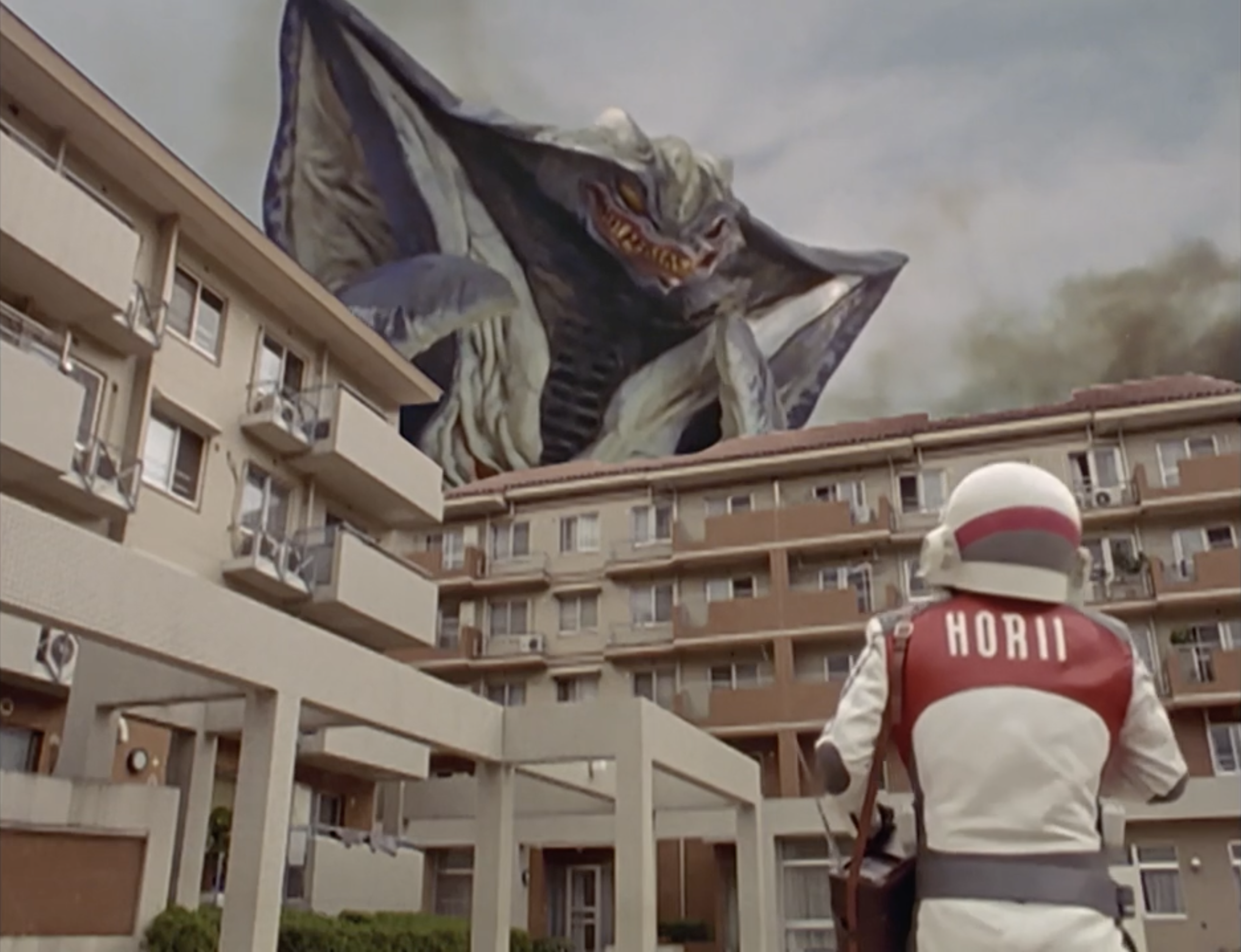
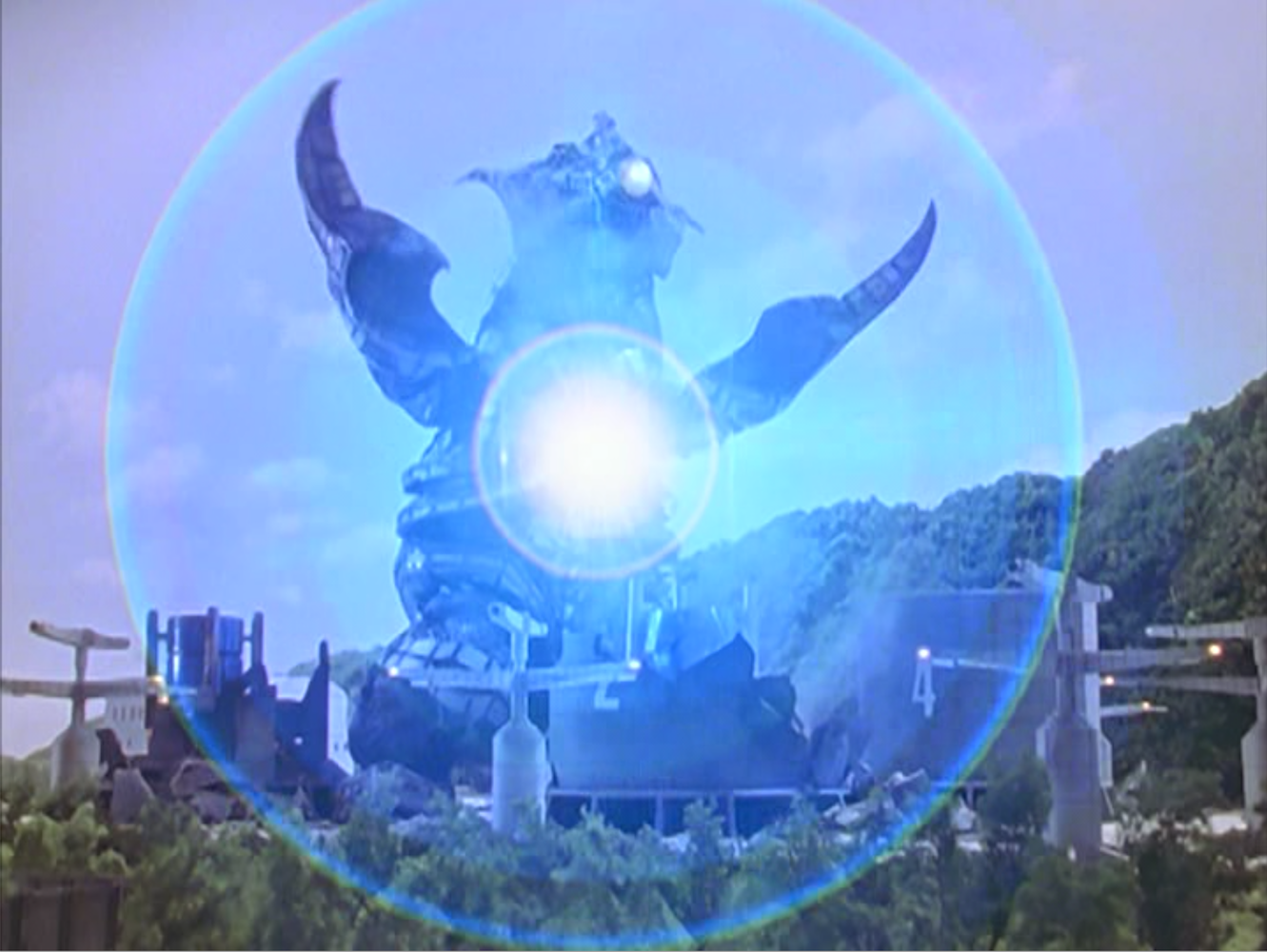
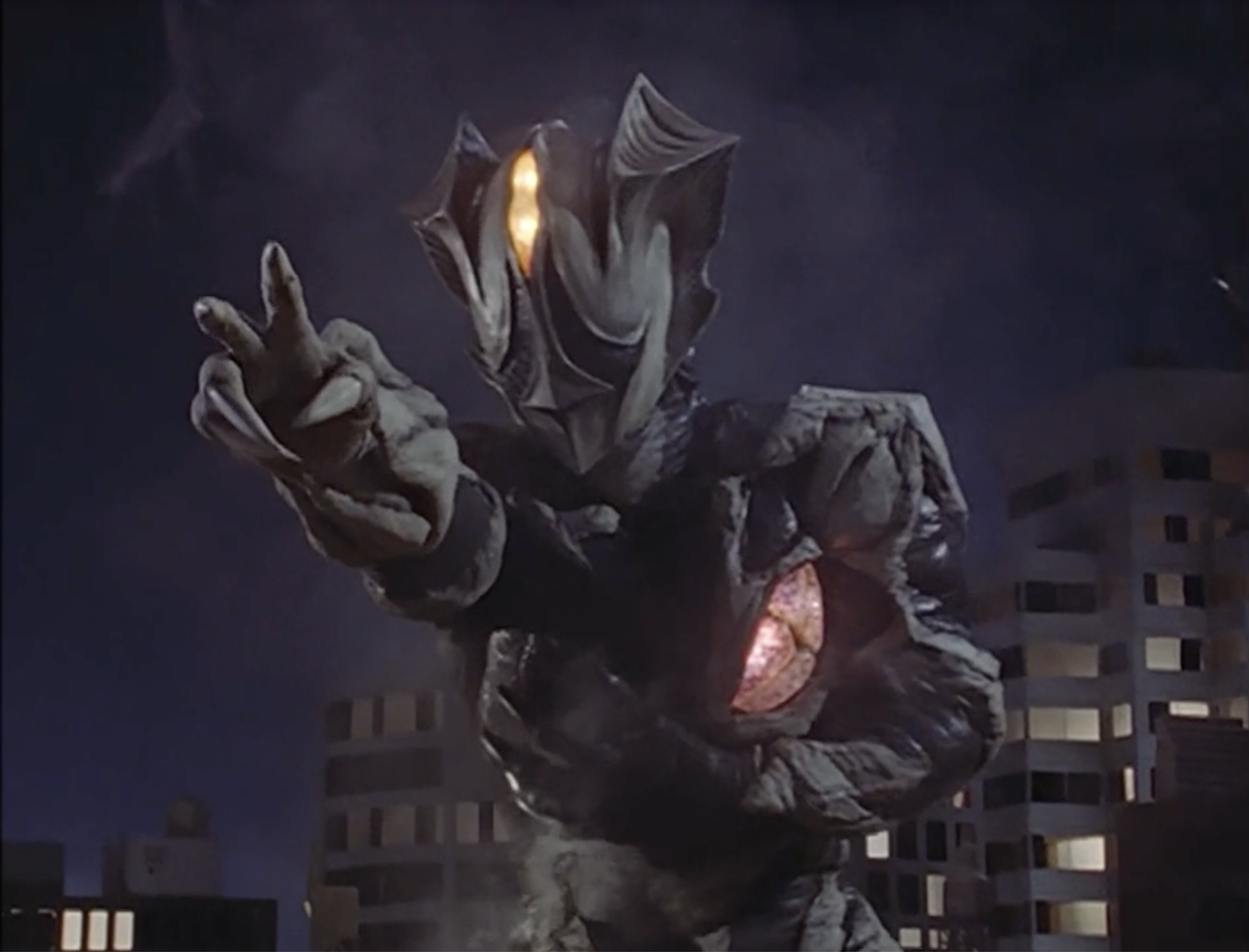
The first episode centered on Horii, GUTS’s resident scientist and comedy character. Like Ide from Ultraman, Horii is much more than just “the funny guy” in the ensemble. He shines in this episode as he tries to solve a monster problem that he has a deep personal connection to. Add in a cool kaiju, Gazort — one of the most memorable creatures to debut in the show — and you have the best episode of Ultraman Tiga so far. 

Continue reading “Ultraman Tiga Ep. 6: Second Contact”

Ultraman Tiga Ep. 5: The Day When the Monster Appeared

Directed by Kyota Kawasaki. Written by Chiaki J. Konaka. Airdate Oct. 5, 1996.

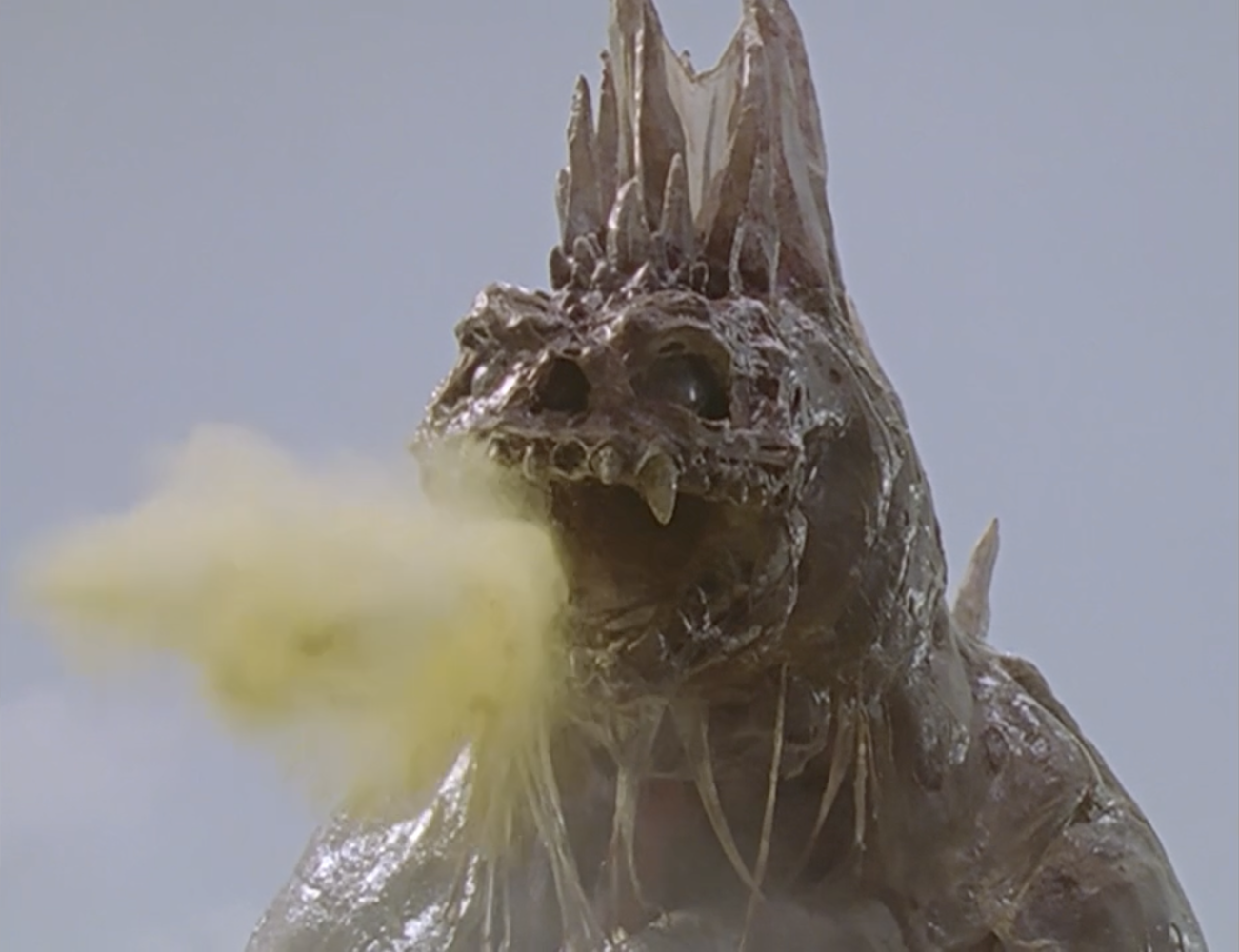
Ultra warriors tend to blow up their monster opponents or fly them out to space to dispose of them. But what about the monsters they defeat that leave behind massive carcasses on land? “The Day When the Monster Appeared” takes a look at the disposal operation for one of these dead kaju — although this creature washed ashore rather than being a leftover after a fight with an Ultra.

Continue reading “Ultraman Tiga Ep. 5: The Day When the Monster Appeared”

Ultraman Tiga Ep. 4: Goodbye, Planet Earth

Directed by Hirochika Muraishi. Written by Hidenori Miyazawa. Airdate Sep. 28, 1996.

It’s a familiar science-fiction tale: a crew of astronauts on a mission becomes mutated by an alien force and returns to Earth as a deadly, rampaging monster. This is the story of the classic Ultraman episode “My Home Is Earth,” which borrowed it from The Quatermass Xperiment. (Yes, I’m bringing up that movie again. Its DNA is everywhere in the Ultra series, there’s no helping it.) The immense popularity of “My Home Is Earth” has caused many later Ultra shows to attempt their own versions. Here’s Ultraman Tiga’s take.

Continue reading “Ultraman Tiga Ep. 4: Goodbye, Planet Earth”

Ultraman Tiga Ep. 3: The Devil’s Prophecy

Directed by Hirochika Muraishi. Written by Chiaki J. Konaka. Airdate Sep. 21, 1996.

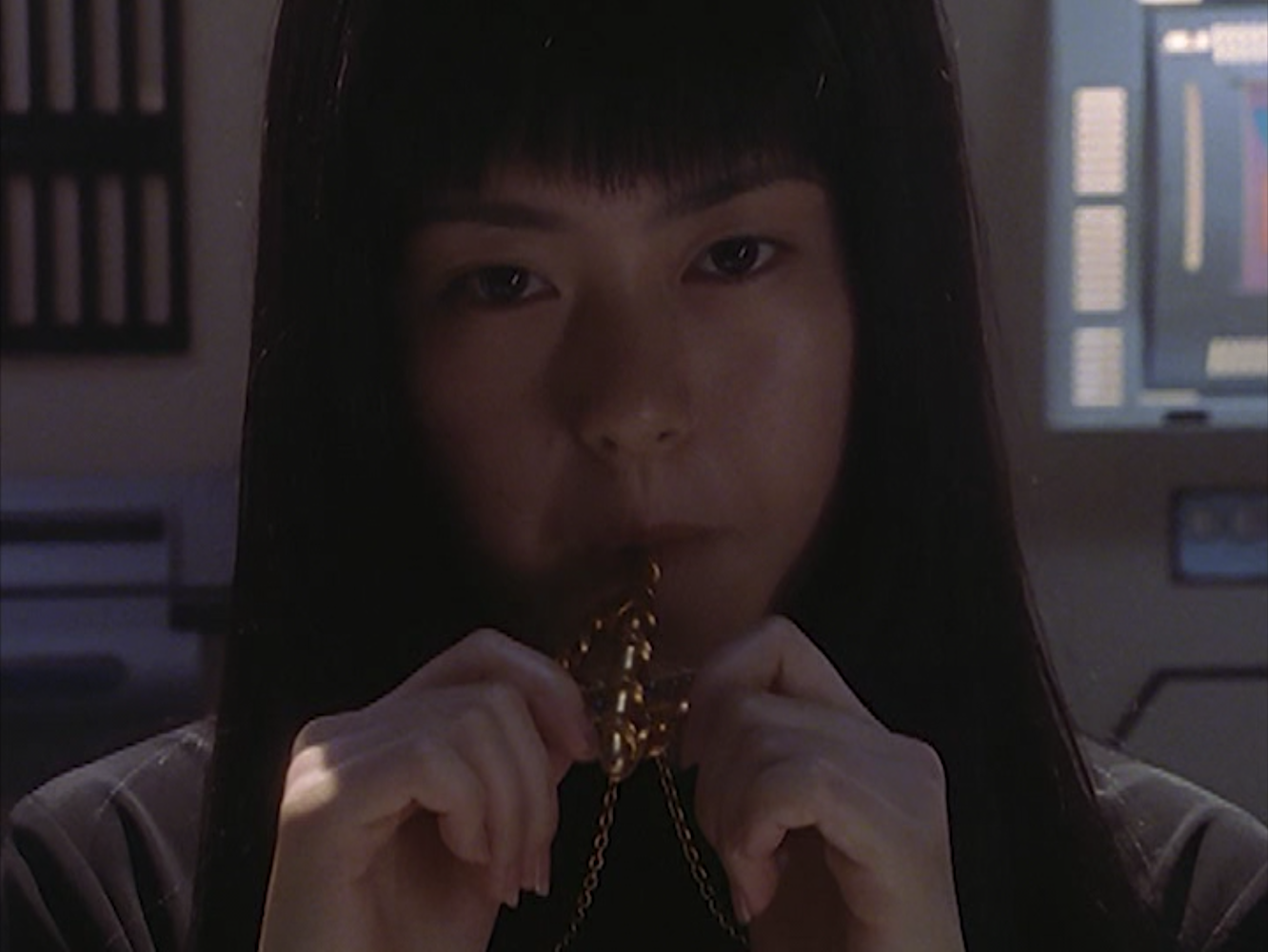
After two episodes without much character development for the GUTS team, we get a story focused on Captain Iruma and her personal and professional struggles. Megumi Iruma is my favorite character in Ultraman Tiga, and “The Devil’s Prophecy” shows how much she can shine. Defense team captains before her were stoic, occasionally boring, and at times borderline negligent. Iruma is the captain I’d feel most confident serving under. Maybe a tie with Captain Muramatsu from Ultraman, but I get to know far more about Iruma as a person. 

Continue reading “Ultraman Tiga Ep. 3: The Devil’s Prophecy”

Ultraman Tiga Ep. 1: Inheritance of Light

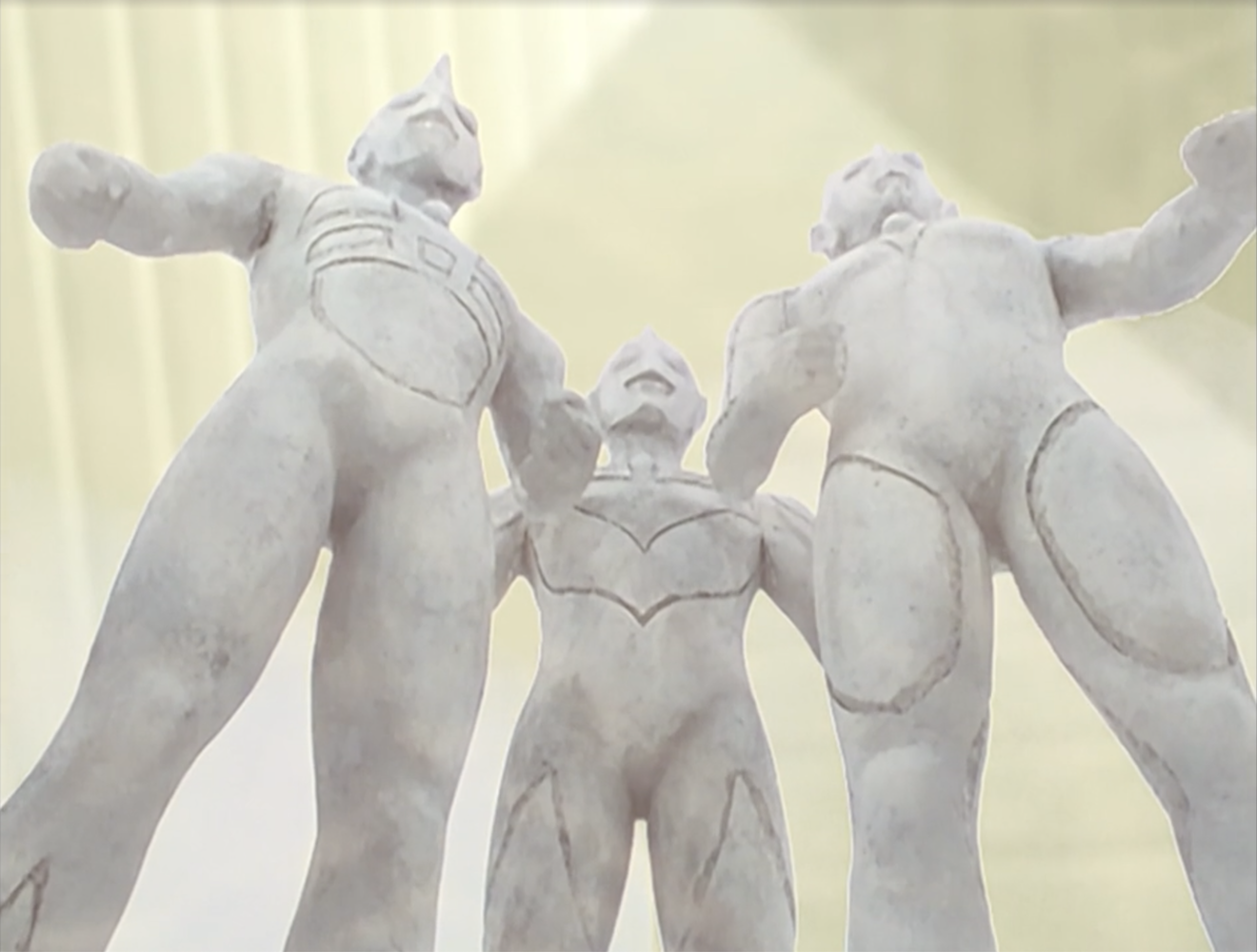
Ultraman Tiga Inheritance Light Ultra Statues

Directed by Shingo Matsubara. Written by Masakazu Migita. Airdate Sep. 7, 1996.

The first episode of an Ultra show has a heavy burden. It must establish the global situation, introduce a new defense team, merge the human hero with the Ultra Warrior, and then have enough time left over to celebrate with the action goodies. “Inheritance of Light” is one the best premiere episodes thanks to its efficiency, action, and visual effects that get the job done. It’s an impressive start, especially considering how fast the show had to come together. For viewers who may not have tuned into an Ultra show since the 1970s, Ultrman Tiga’s first episode was a reminder of why they loved Ultraman in the first place.

Continue reading “Ultraman Tiga Ep. 1: Inheritance of Light”

Ultraman Tiga: An Introduction

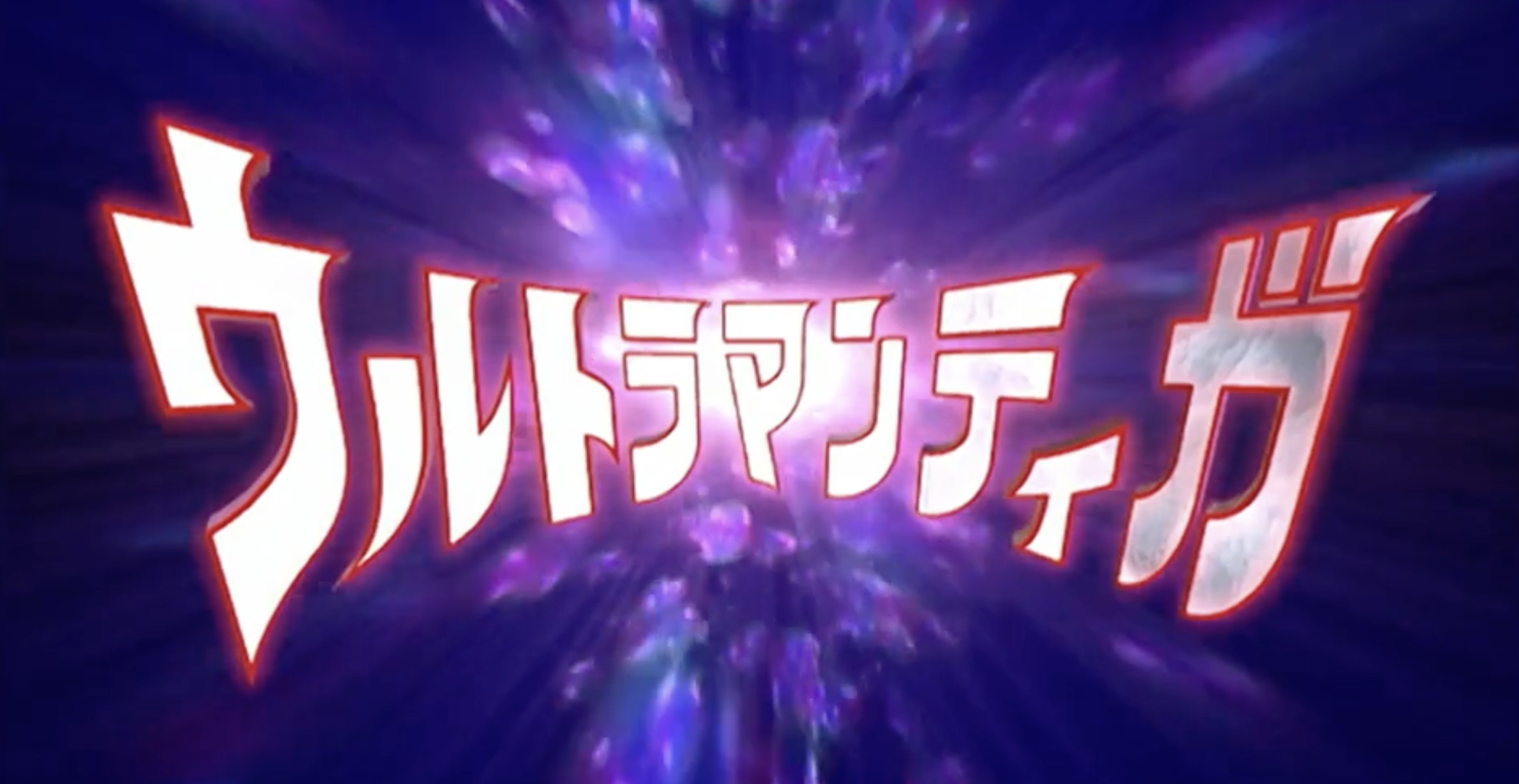
Ultraman-Tiga-Title-Card

The Dark Age for Tsuburaya Productions finally ended in 1996. Fifteen years after the last episode of Ultraman 80 aired, Tsuburaya Pro returned to the airwaves with a domestically produced full Ultra program. Despite a rocky development period, Ultraman Tiga gave the series a rebirth for the Heisei era. It has remained one of the most popular Ultra shows and defined the franchise for a new generation. For many people my age and younger, Ultraman Tiga is likely the first Ultraman show they knew. 

Continue reading “Ultraman Tiga: An Introduction”