Ultraman Tiga Ep. 24: Go! Monster Expedition Squad

Directed by Yasushi Okada. Written by Yasushi Hirano. Airdate Feb. 15, 1997.

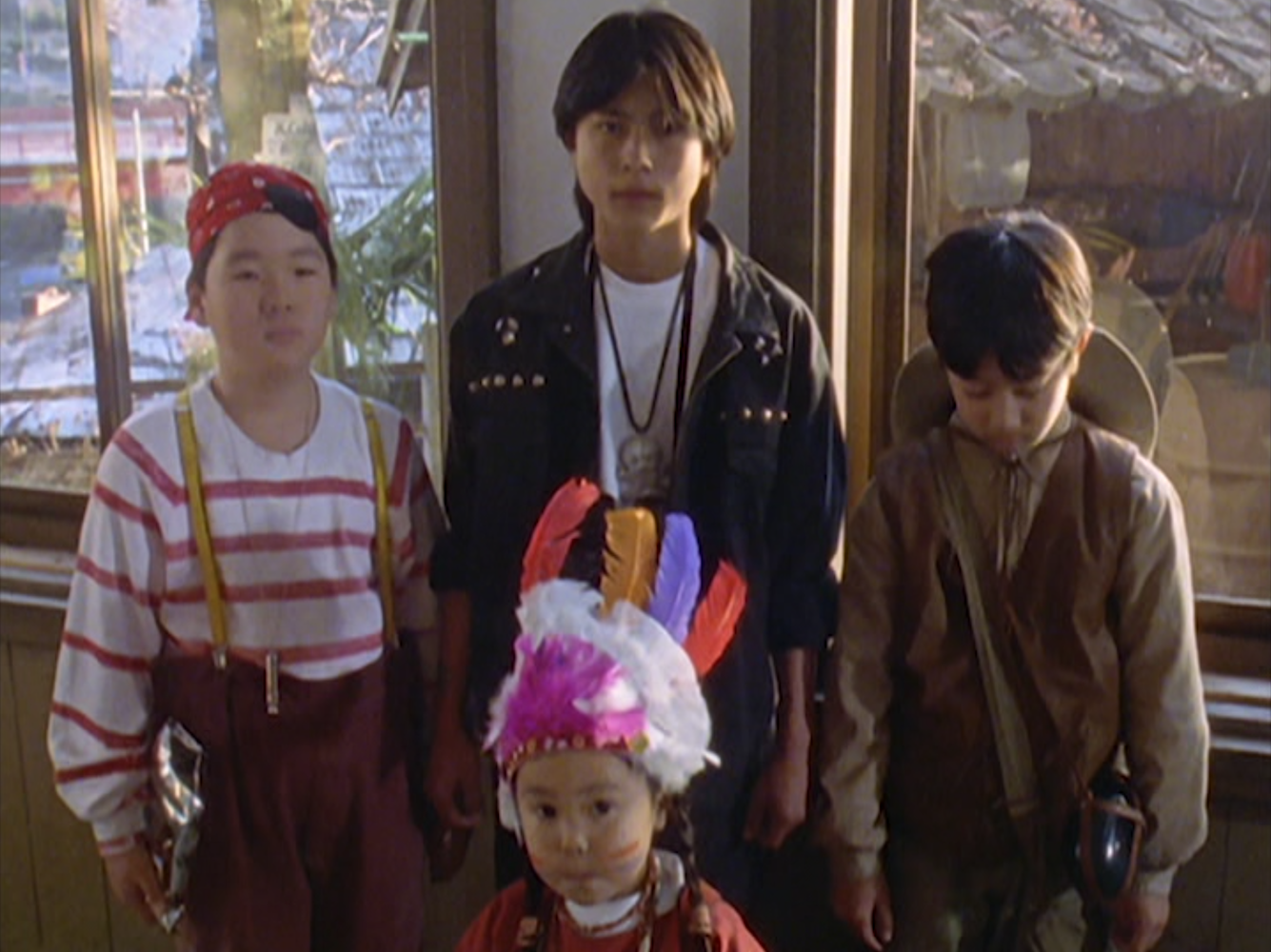
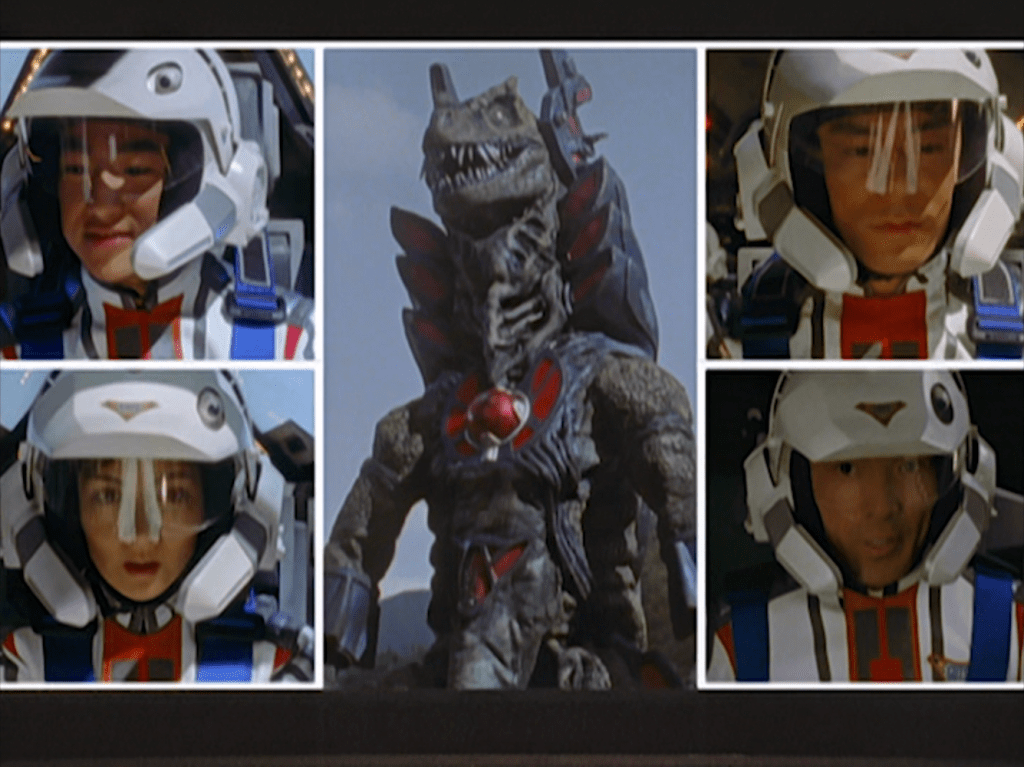
Children have appeared in several key roles in Ultraman Tiga so far, but this is the first episode to give kids the starring roles. In a return to the style of the Showa era — those wild days when mobs of unsupervised children roamed freely among the monster-haunted cities — we have a child gang at the center of the story. These monster-hunting kids don’t capture the anarchic spirit of the Golden Age child mobs, but they add touches of interest and humor to what’s otherwise a tame, routine monster-of-the-week affair. 

Continue reading “Ultraman Tiga Ep. 24: Go! Monster Expedition Squad”

Ultraman Tiga Ep. 21: Deban’s Turn

Directed by Tsugumi Kitaura. Written by Ai Ota. Airdate Jan. 25, 1997.

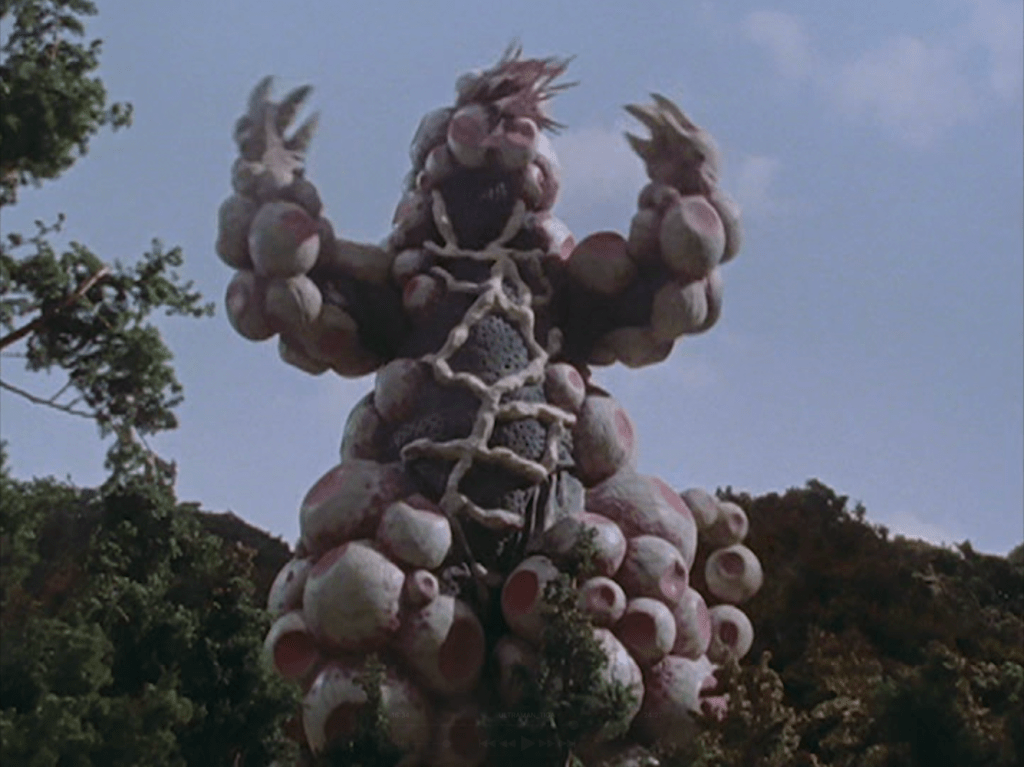
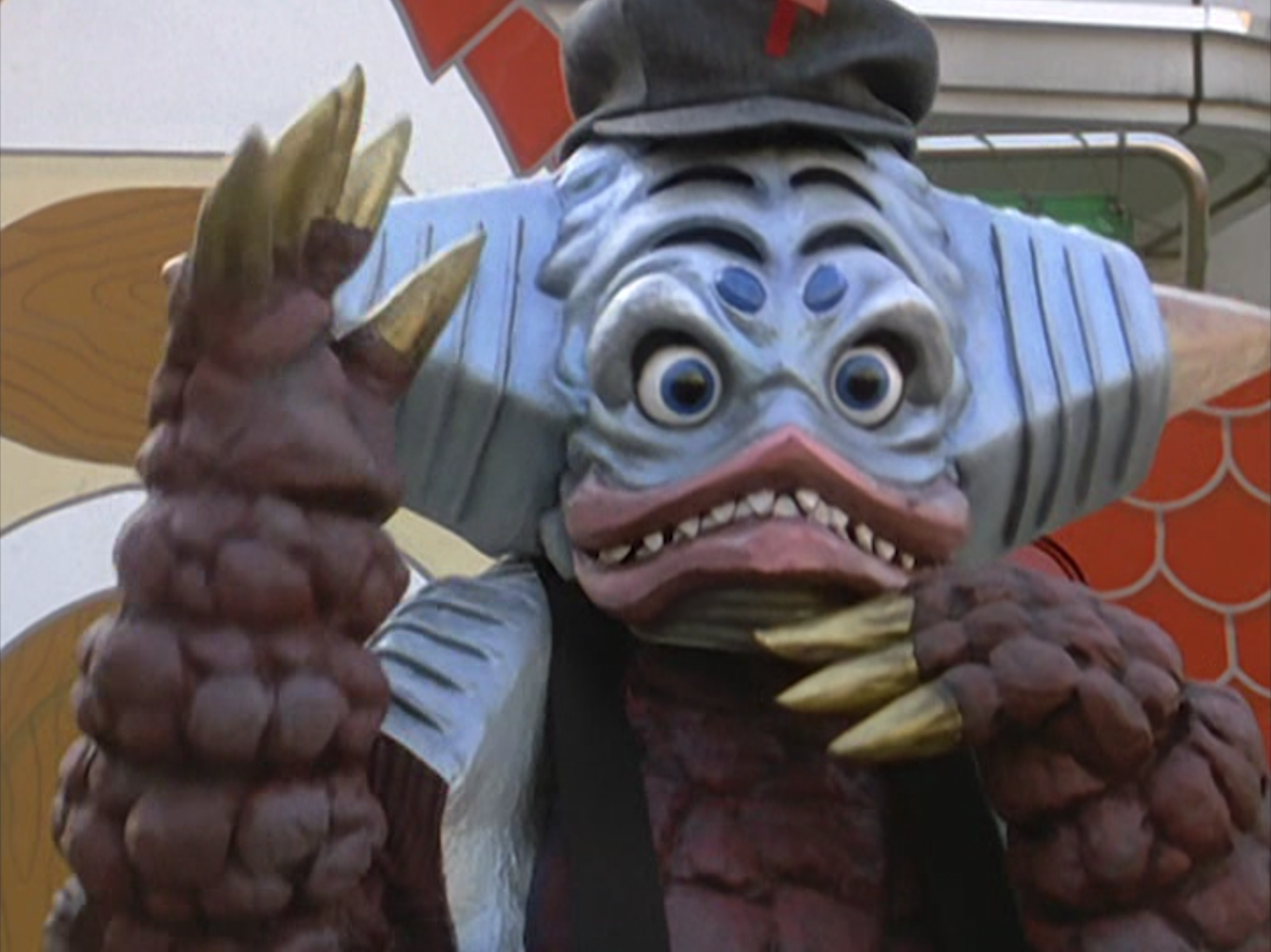
Are you ready for a “cute mascot monster” episode? The same way that many Ultra shows seek their own version of Ultraman’s “My Home Is Earth,” they also try to come up with their own “Kanegon’s Cocoon” or “A Little Hero.” How well does “Deban’s Turn” meet the goals of the cute monster tale? Extremely well. Deban doesn’t reach the heights of Kanegon or Pigmon, or even Hanejiro from Ultraman Dyna. But this story of a monster who finds acceptance among a troupe of clowns and can defeat the rage powers of a demon beast is charming and heartwarming. 

Continue reading “Ultraman Tiga Ep. 21: Deban’s Turn”

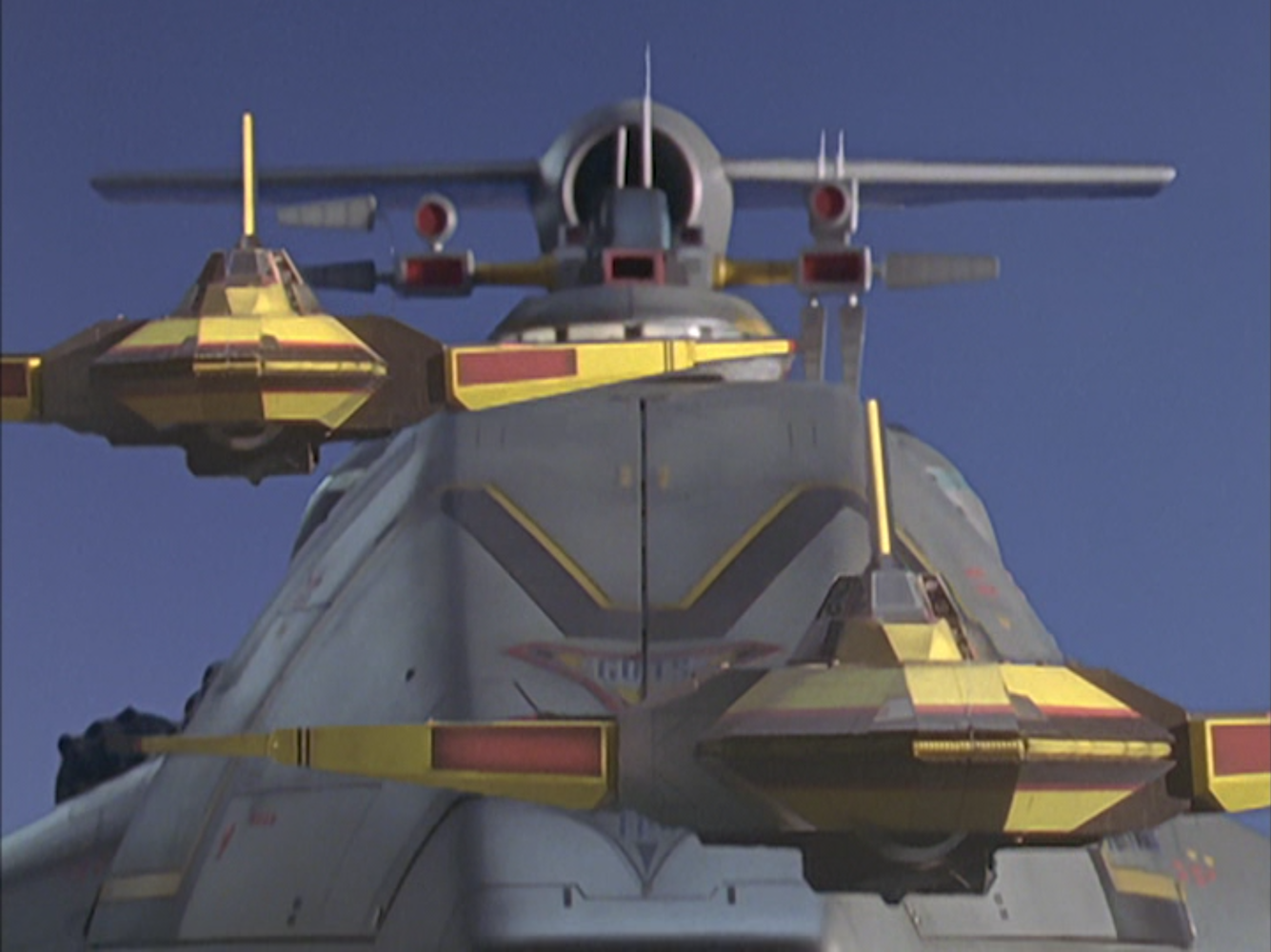
Ultraman Tiga Ep. 19 & 20: GUTS Into Space

Directed by Hirochika Muraishi. Written by Chiaki J. Konaka. Airdate Jan. 11 & 18, 1997.

Ultraman Tiga and its sequel series Ultraman Dyna take place in the “World of Neo Frontier Space” timeline. Space travel and planetary colonization are key themes in these shows, although they usually occur in the background or serve as catalysts for episodes that are otherwise Earthbound. “GUTS Into Space,” Tiga’s first two-parter, finally sends the GUTS team into the Neo Frontier using a new piece of space-travel technology.

Continue reading “Ultraman Tiga Ep. 19 & 20: GUTS Into Space”

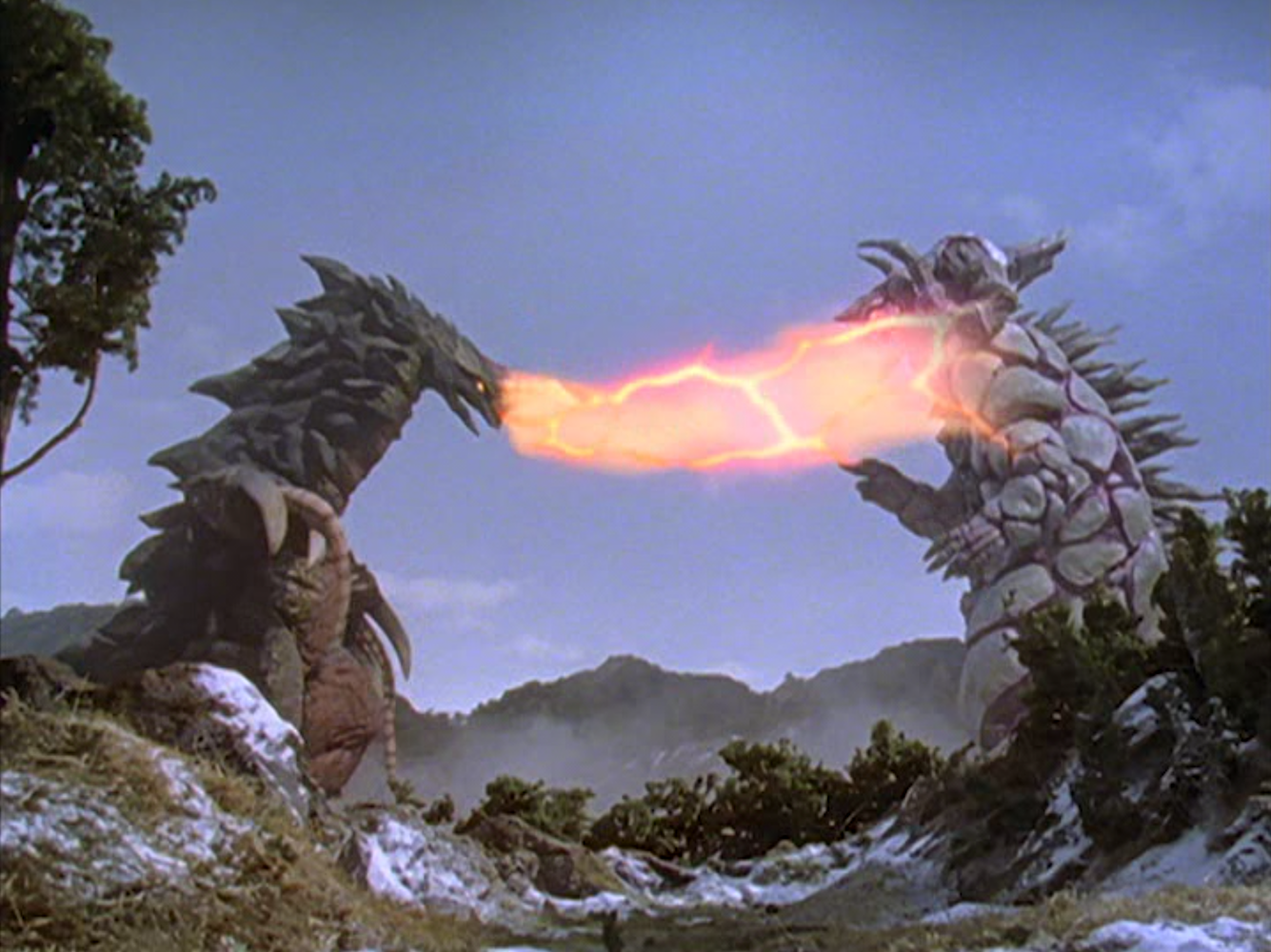
Ultraman Tiga Ep. 18: Golza Strikes Back!

Directed by Shinichi Kamizawa. Written by Masakazu Migita. Airdate Jan. 4, 1997.

Ultra shows generally treat the impact of kaiju activity on the civilian population with a light hand. That’s appropriate, since the episodes would otherwise make for extremely dour entertainment, and many child viewers would have nightmares until they graduated high school. Doing something with the heaviness of the original Godzilla or Godzilla Minus One isn’t what Tsuburaya Productions was looking to achieve. 

Continue reading “Ultraman Tiga Ep. 18: Golza Strikes Back!”

Ultraman Tiga Ep. 17: The Battle Between Red and Blue

Directed by Shinichi Kamizawa. Written by Hidenori Miyazawa and Shinichi Kamizawa. Airdate Dec. 28, 1996.

I have affection for the offbeat Ultra episodes: the ones that take unexpected trips to different genres or spotlight a quirky new character as protagonist of the week. Some of these episodes are among the best in the history of the franchise, such as “Kanegon’s Cocoon” and “The Monster Tamer and the Boy.” Others, like “The Battle Between Red and Blue,” are merely charming and put a smile on my face for a half hour. You can’t spend every episode beating up monsters and alien invaders to save the world. Sometimes you need to just sit down with a nice old lady and eat popcorn and watch some TV. 

Continue reading “Ultraman Tiga Ep. 17: The Battle Between Red and Blue”

Ultraman Tiga Ep. 16: The Revived Demon

Directed by Kyota Kawasaki. Written by Hideyuki Kawakami. Airdate Dec. 21, 1996.

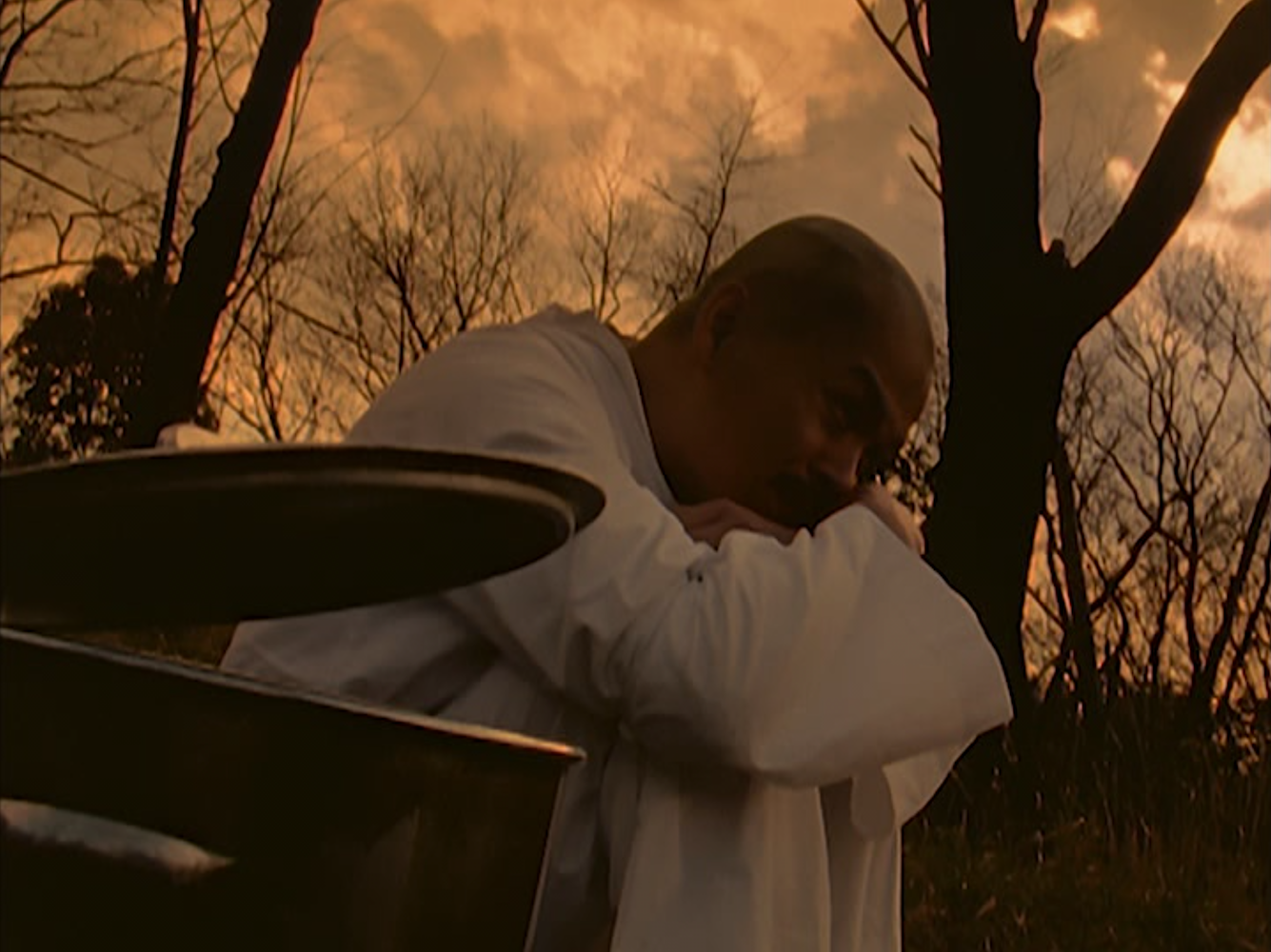
After a hint of the supernatural in the previous episode, Ultraman Tiga goes into a full-fledged fantasy drawn from Japanese legends and the country’s feudal era. The Showa era Ultra shows rarely visited this time period, mostly because the networks didn’t want to limit international sales by making the shows “too Japanese.” Thankfully, the Heisei era loosened up on this so that the more fantastical world of samurais, shoguns, ogres, and demons could burst through to Ultraman’s world. “The Revived Demon” is among the best of these types of episodes, and it’s one of director Kawasaki’s most impressive outings on Tiga

Continue reading “Ultraman Tiga Ep. 16: The Revived Demon”

Ultraman Tiga Ep. 15: Phantom Dash

Directed by Kyota Kawasaki. Written by Kazuo Tsuburaya and Junki Takegami. Airdate Dec. 14, 1996.

Gazort and the Clitters are back, everyone! Gazort still looks fantastic, arguably Ultraman Tiga’s most memorable kaiju. However, like the first episode with Gazort, the monster is less the star and more the catalyst for a character study. Horri was at the center of “Second Contact.” Now Shinjoh takes over as the pivotal figure, sharing the spotlight with his sister Mayumi (Kei Ishibashi). The mix of a great monster encore, an emotional character-driven story, and a touch of the weird makes for one of the best Ultraman Tiga episodes so far.

Continue reading “Ultraman Tiga Ep. 15: Phantom Dash”

Ultraman Tiga Ep. 14: The Unleashed Target

Directed by Hirochika Muraishi. Written by Kazuyoshi Nakazaki and Hirochika Muraishi. Airdate Dec. 7, 1996.

One fine day in Tokyo, the Ultraman Tiga creative team was lounging around, bandying about ideas for a show that didn’t have a strong overall plan from the beginning. Writer Kazuyoshi Nakazaki said, “Hey, you know what’s a great movie? The Predator.” Writer-director Hirochika Muraishi, answered, “Yeah, it’s a bit like that short story ‘The Most Dangerous Game.’ ” And right there and then the two sat down at a computer and hashed out the script for “The Unleashed Target.”

Continue reading “Ultraman Tiga Ep. 14: The Unleashed Target”