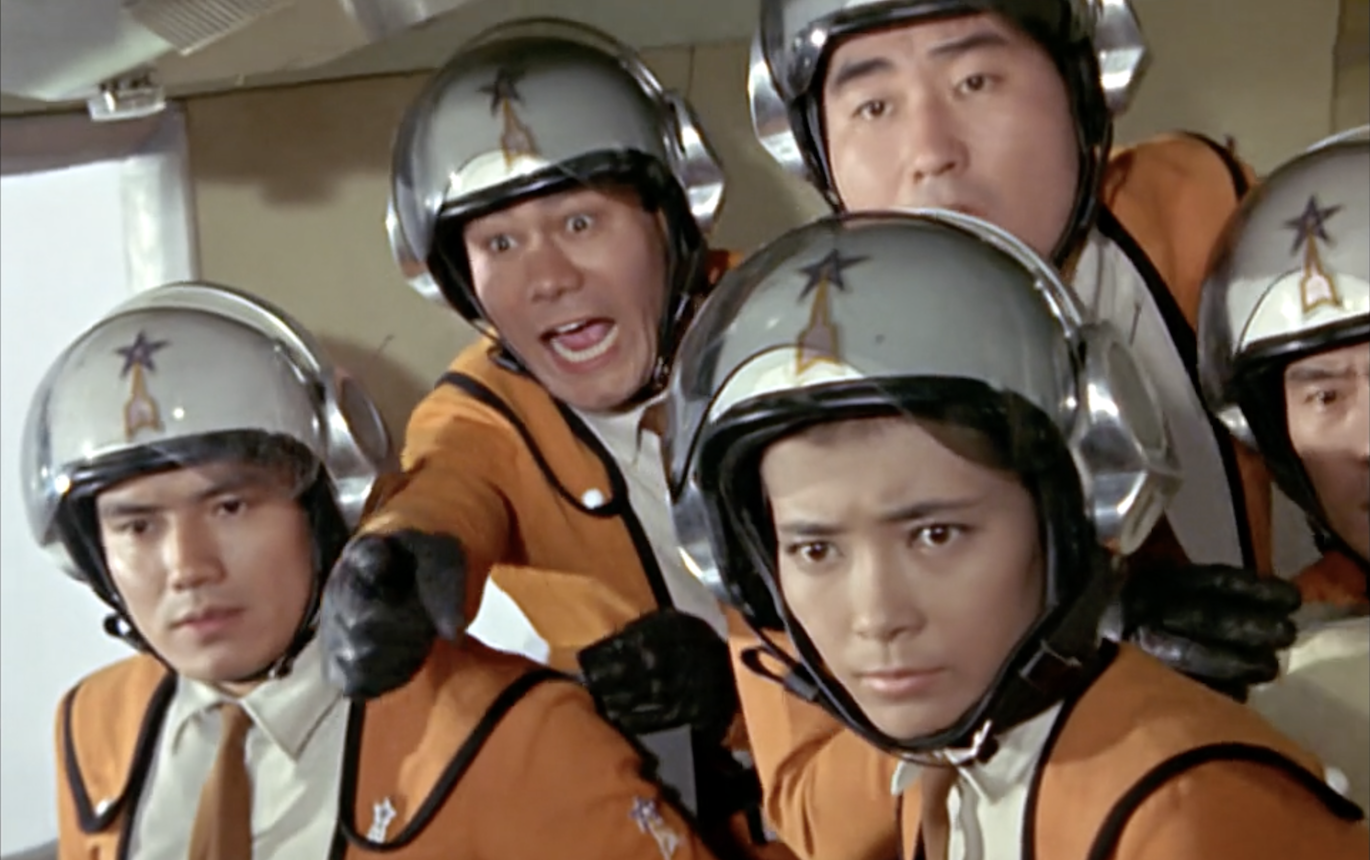
For your easy perusal, here are links to all my reviews of the original Ultraman.
Continue reading “Ultraman: The Complete Episode Review Guide”For your easy perusal, here are links to all my reviews of the original Ultraman.
Continue reading “Ultraman: The Complete Episode Review Guide”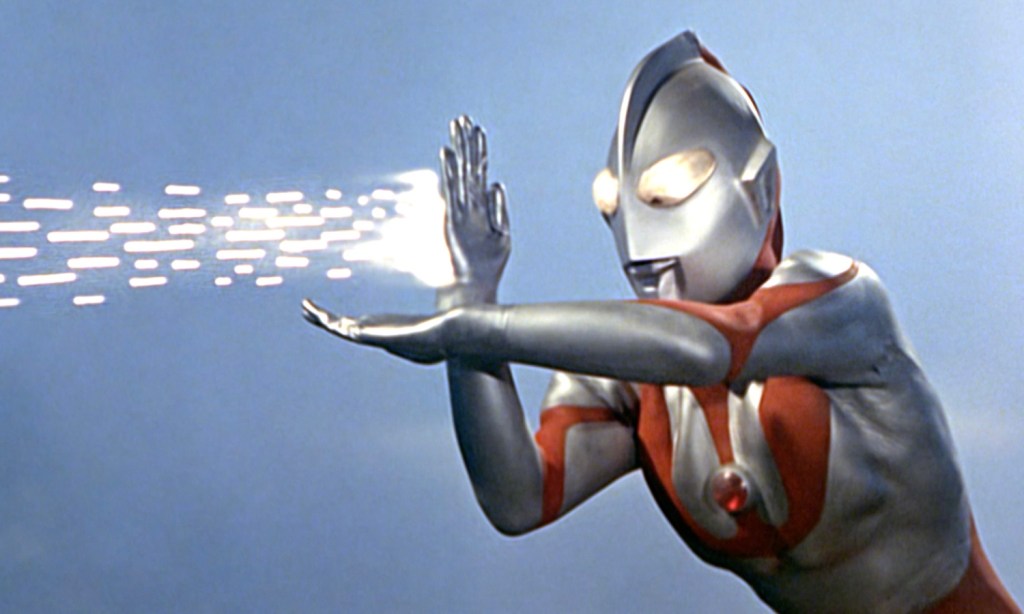
It feels strange to come to the end of Ultraman and start packing things up. There are many more Ultra shows left to review, some of them excellent. But Ultraman is special: the most important show in the franchise’s history, the most watched, the most referenced, and arguably the most loved.
Continue reading “My Favorite Ultraman Episodes”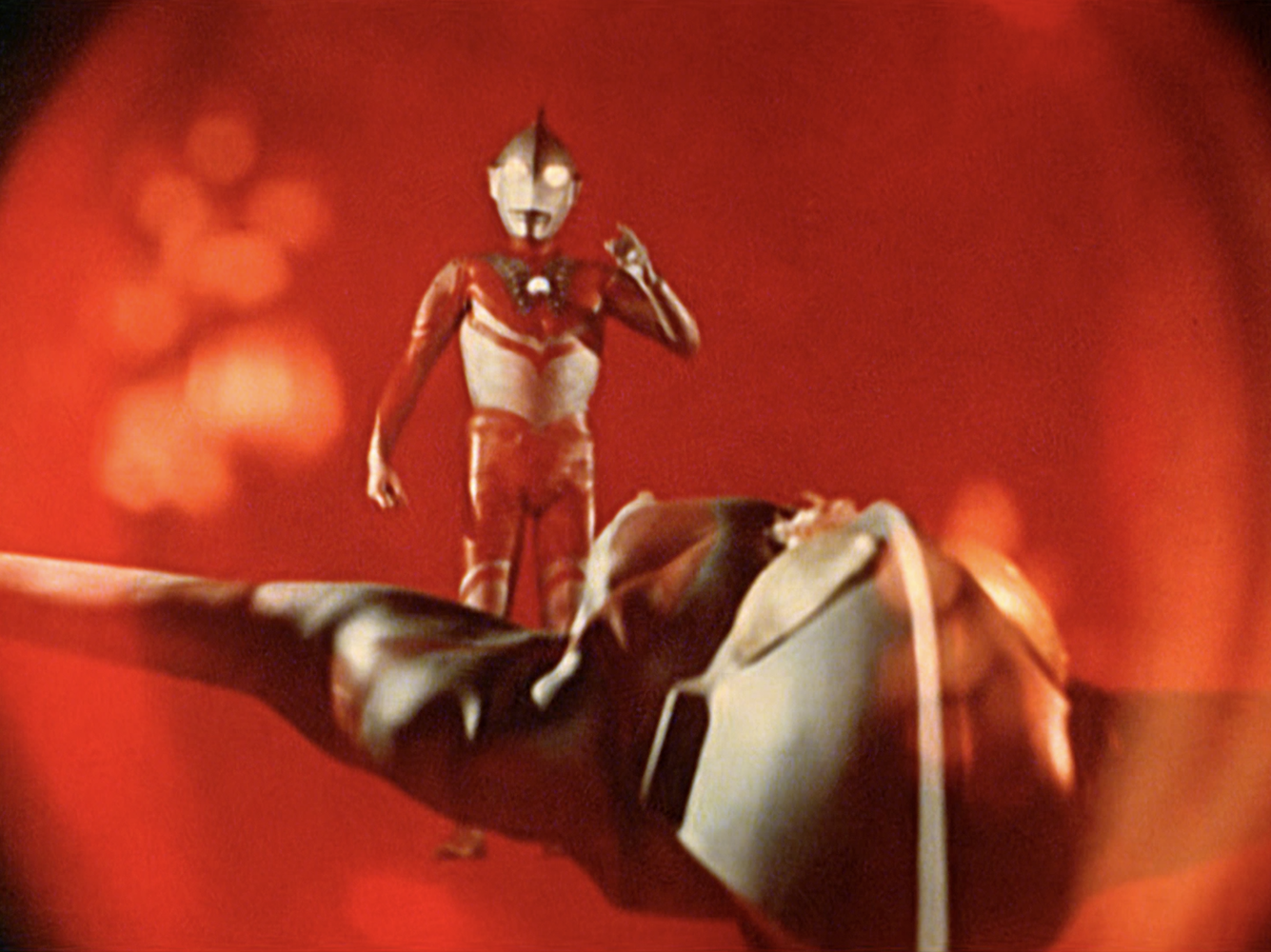
Directed by Hajime Tsuburaya. Written by Tetsuo Kinjo. Airdate April 9, 1967.
Ultra Q didn’t have a conclusion and wasn’t built to have one. Ultraman, however, was designed from the start to reach a finale. It’s since become a tradition for Ultra shows to have a big close-out episode that ends the saga of the current Ultra warrior’s sojourn on Earth. “Farewell, Ultraman” is not the greatest of these finales, but the creative team gets plenty right with an epic story that gives Ultraman and the Science Special Search Party fitting conclusions. The episode also introduces one of the most spectacular continuing adversaries of the franchise, Space Dinosaur Zetton, which in no way resembles a dinosaur.
Continue reading “Ultraman Ep. 39: Farewell, Ultraman”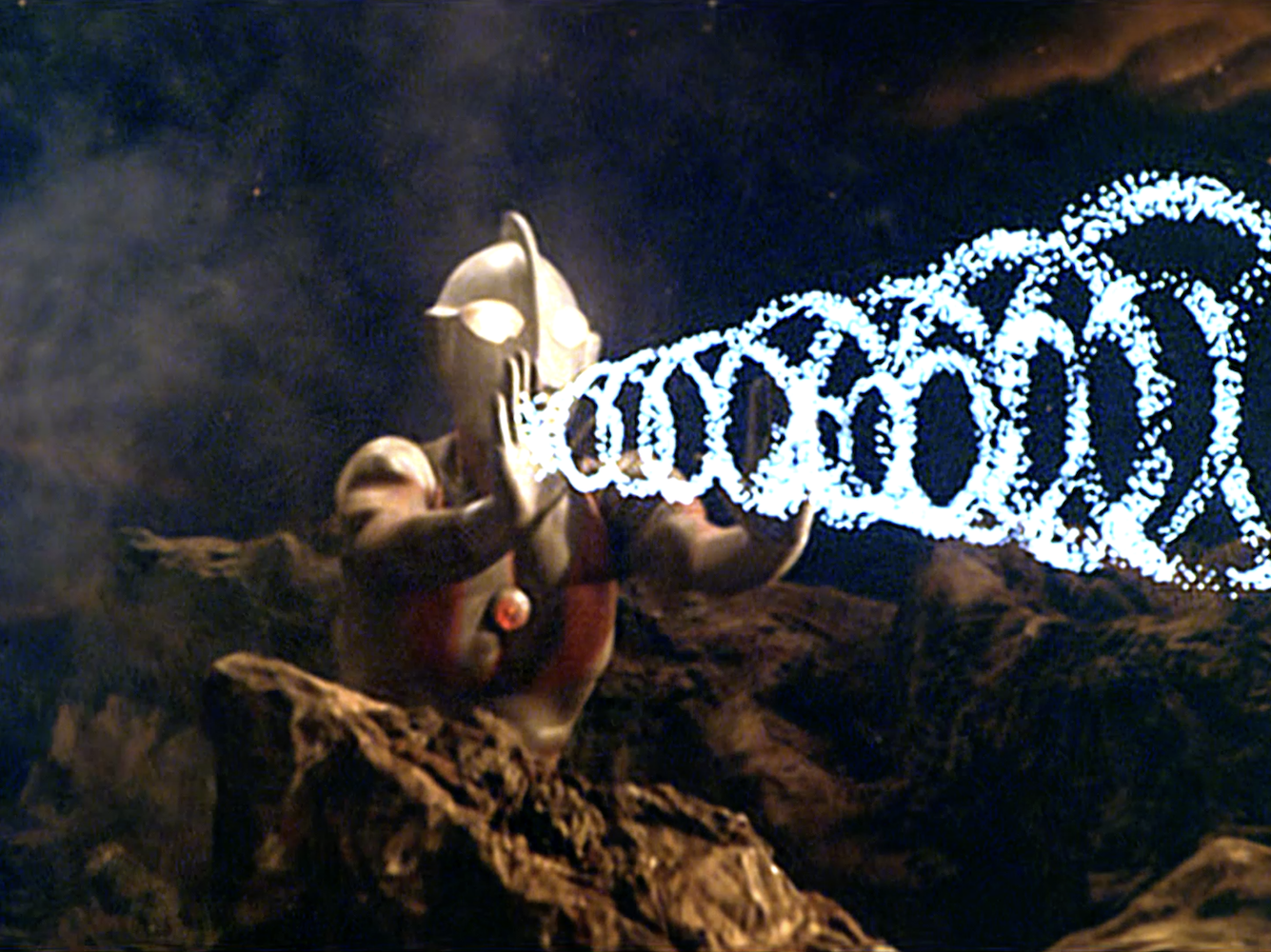
Directed by Hajime Tsuburaya. Written by Shozo Uehara. Airdate April 2, 1967.
Here we are, at the penultimate episode of Ultraman, and it’s enlightening to look back at the earliest episodes for comparison. At the start of the show’s run, the network and sponsor were tight with money, which kept the visual effects limited. The Tsuburaya Pro VFX team did fine work with what they had, but early episodes like “Five Seconds Before the Explosion” and “The Secret of the Miroganda” visibly suffer from the budgetary deficiency.
Continue reading “Ultraman Ep. 38: Spaceship Rescue Command”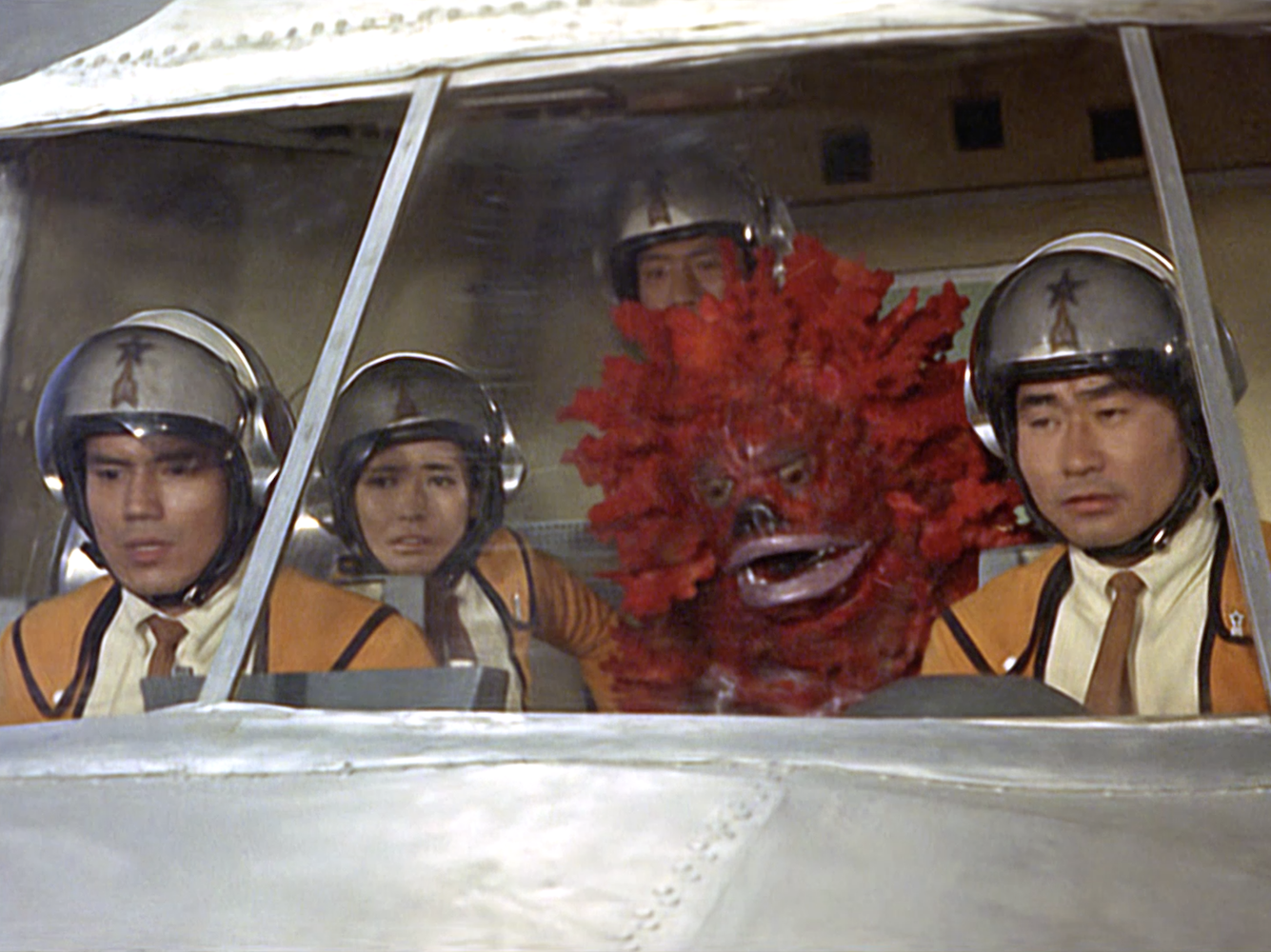
Directed by Kazuho Mitsuta. Written by Tetsuo Kinjo. Airdate March 26, 1967.
Friendly monster Pigmon debuted in “The Monster Anarchy Zone,” Ultraman’s first classic episode. The kids who watched the show loved the little creature. It was natural for Pigmon to return, even though the monster died sacrificing itself in its first appearance. With the series’ best writing-directing team at the helm — Tetsuo Kinjo and Kazuho Mitsuta — Pigmon’s return engagement is one of the most emotionally charged episodes. It also sets up the show’s upcoming conclusion, which raises heavy questions about the whole premise of Ultraman.
Continue reading “Ultraman Ep. 37: A Little Hero”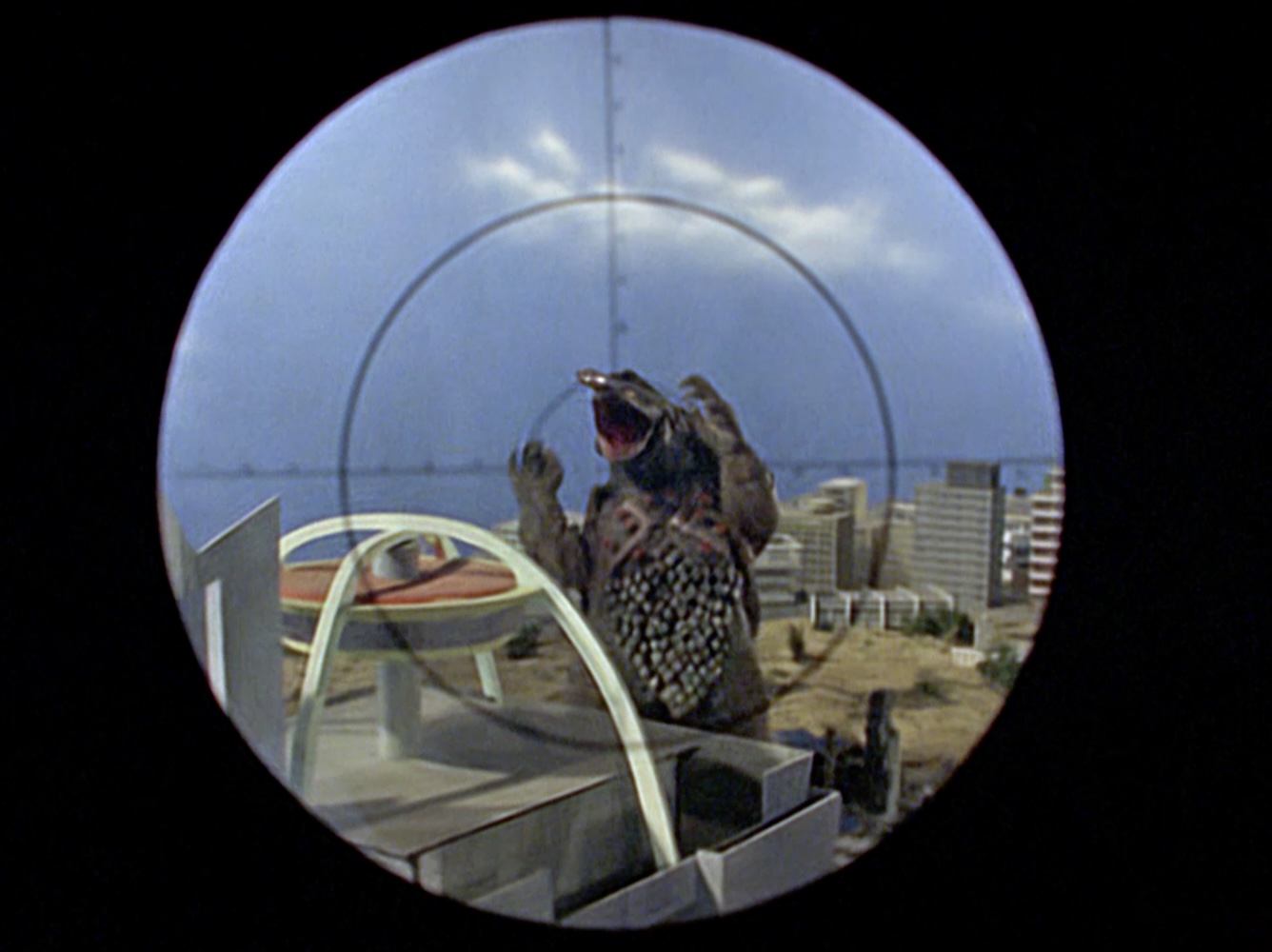
Directed by Kazuho Mitsuta. Written by Masahiro Yamada. Airdate March 19, 1967.
Science Patrol Member Daisuke Arashi is one of the character templates of the Ultra Series: the action-oriented, shoot-first defense team member who’s always ready to rumble with the monster of the week, whether it’s a smart move or not. This archetype has shown up many times since. The action-guy In Ultraseven, Furuhashi, is even played by the same actor who plays Arashi, Sandayu Dokumamushi. Defense teams need a person like this to balance the more peaceful and utopian approach the shows often take. There has to be someone around to say, “Let’s just shoot the damn thing!” even if that tactic rarely works. And poor Arashi has so often been wrong about shooting first.
Continue reading “Ultraman Ep. 36: Don’t Shoot, Arashi!”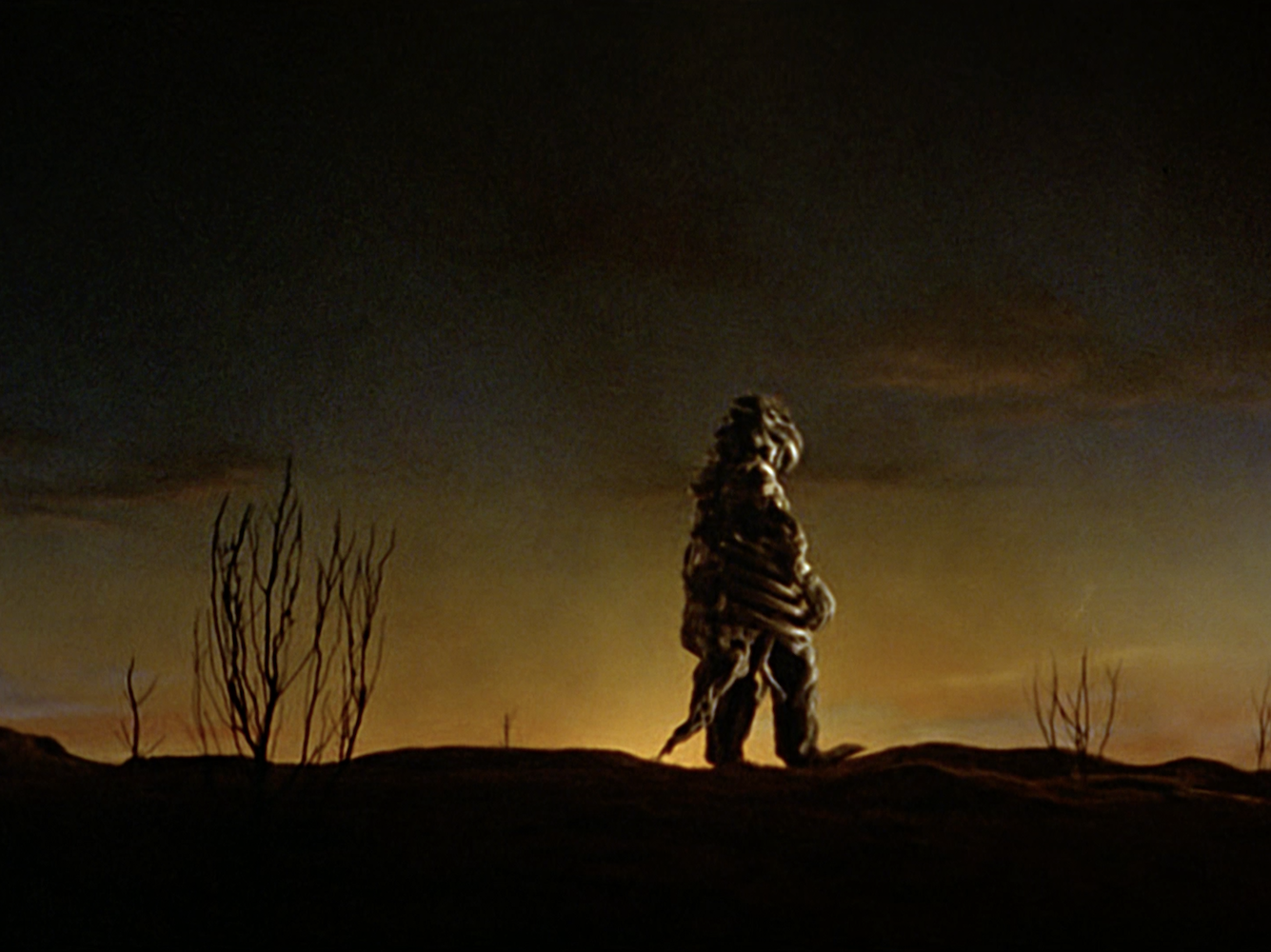
Directed by Akio Jissoji. Written by Mamoru Sasaki. Airdate March 12, 1967.
As soon as large numbers of children started to watch Ultra Q — a development TBS and Tsuburaya Productions didn’t predict — this episode was inevitable. Kids love monsters, and when Ultra Q changed into Ultraman, the kids got even more monsters. But as the youngsters rooted for Ultraman to defeat the monsters of the week, they also started to feel affection for those monsters. The show developed along with its young viewers, showing empathy toward these strange creatures in episodes like “Terrifying Cosmic Rays” and “Phantom of the Snow Mountains.” At last came “The Monster Graveyard,” a heartfelt and humorous memorial for all the innocent beasts who gave their lives in battle with Ultraman so children could be entertained.
Continue reading “Ultraman Ep. 35: The Monster Graveyard”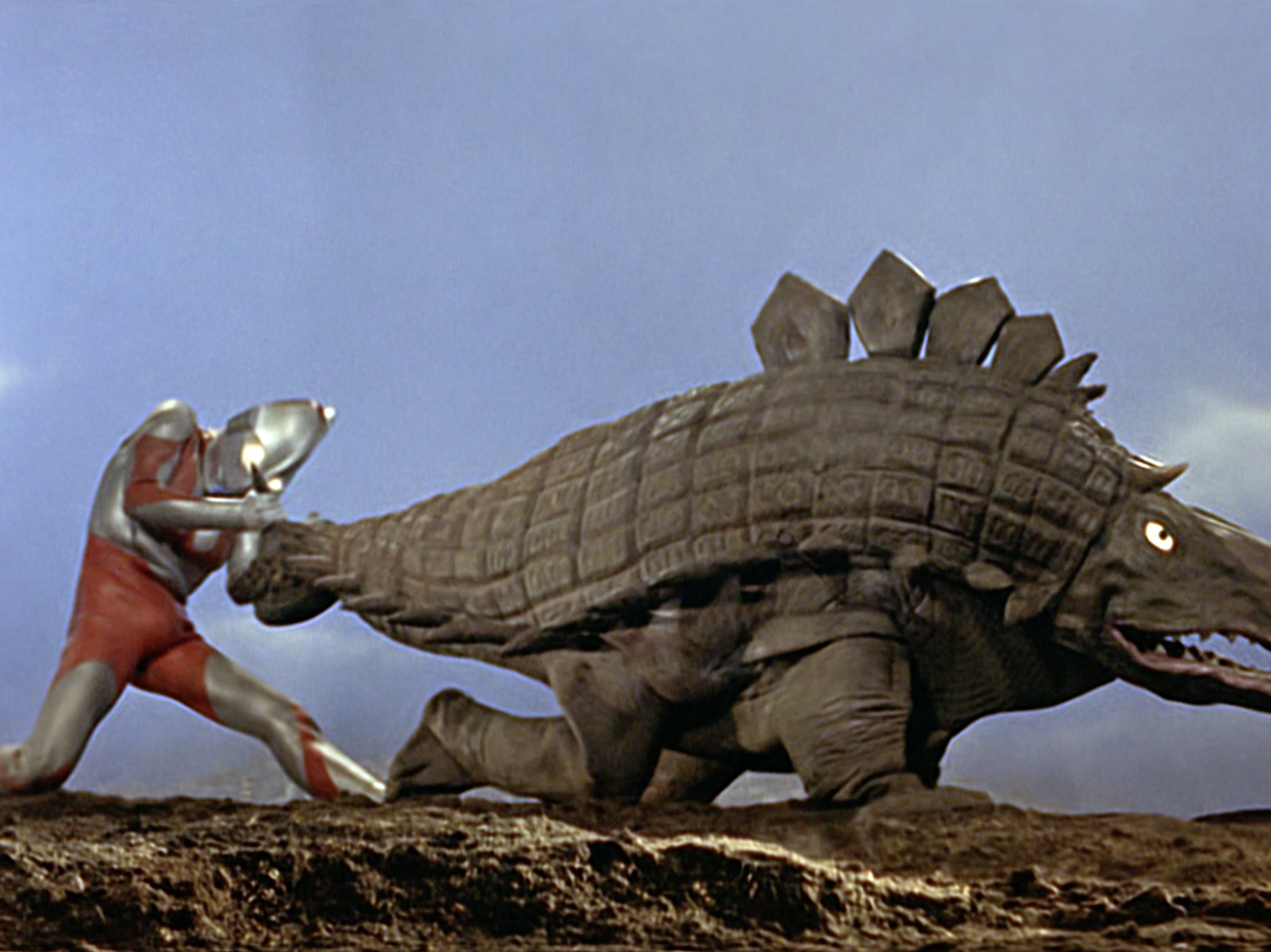
Directed by Akio Jissoji. Written by Mamoru Sasaki. Airdate March 5, 1967.
Have you ever watched an episode of Ultraman and thought, “This is fun, but I wish the show was structured more like a Road Runner cartoon?” Good news, there’s an episode just for you! Really, an episode for everyone, because “A Gift From the Sky” is a hilarious farce that flattens the show’s formula into a prolonged Sisyphean comedy. It’s the episode with the line “Aim for its butthole” and where Hayata mistakenly tries to use a spoon to transform into Ultraman.
Continue reading “Ultraman Ep. 34: A Gift From the Sky”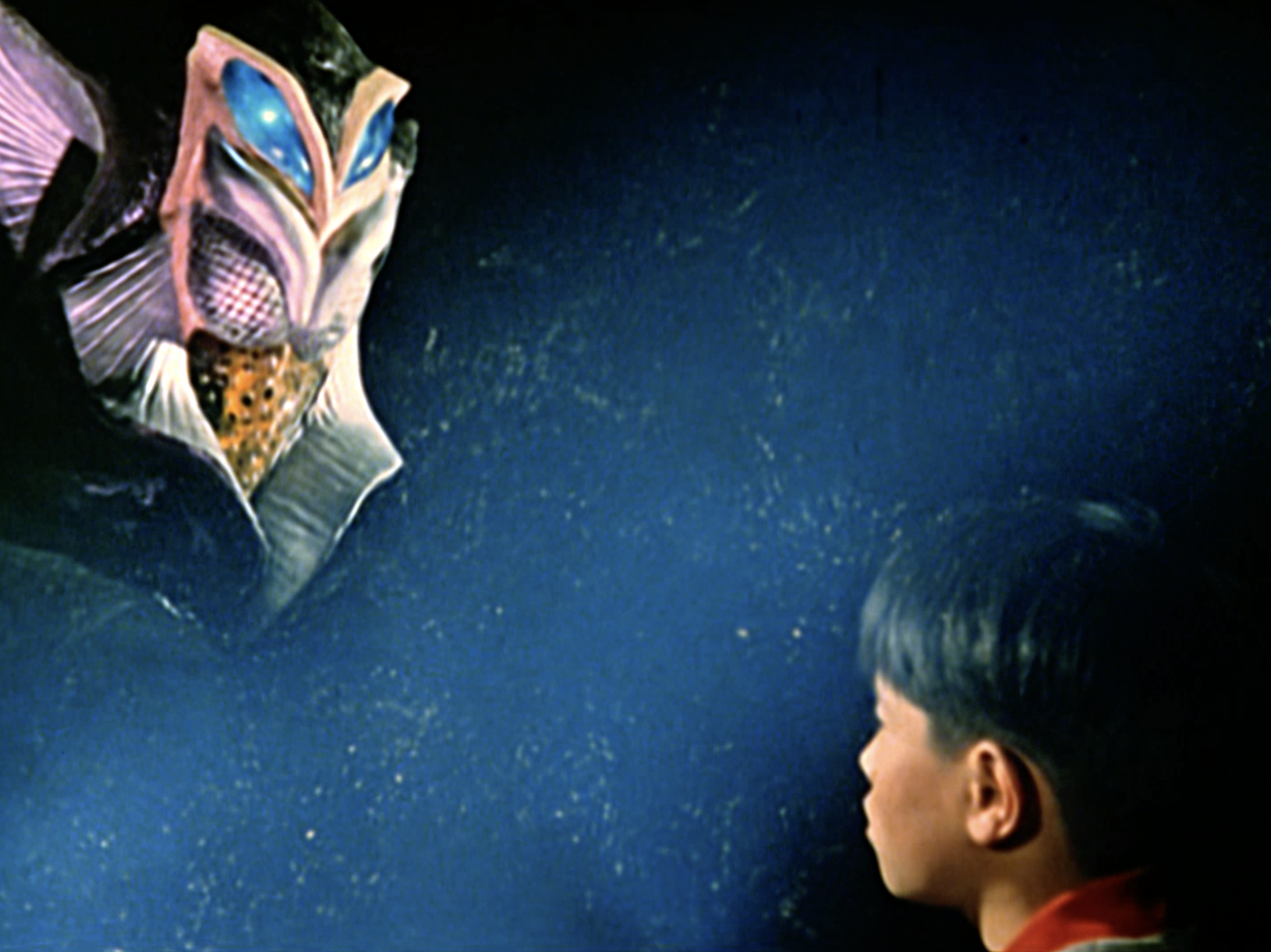
Directed by Toshitsugu Suzuki. Written by Tesuo Kinjo. Airdate Feb. 26, 1967.
Meet the third of the great trio of Ultraman alien villains: Alien Mefilas. Not as famous as Alien Baltan. Not as tricky as Alien Zarab. But he’s the top of the heap: a baddie who’s the Ultra Universe’s hybrid of Mister Mxyzptlk and Galactus. He’s here to play word games, tempt humans with power, and crush the spirit of an entire planet — and brute force may not be enough to stop him.
Continue reading “Ultraman Ep. 33: The Forbidden Words”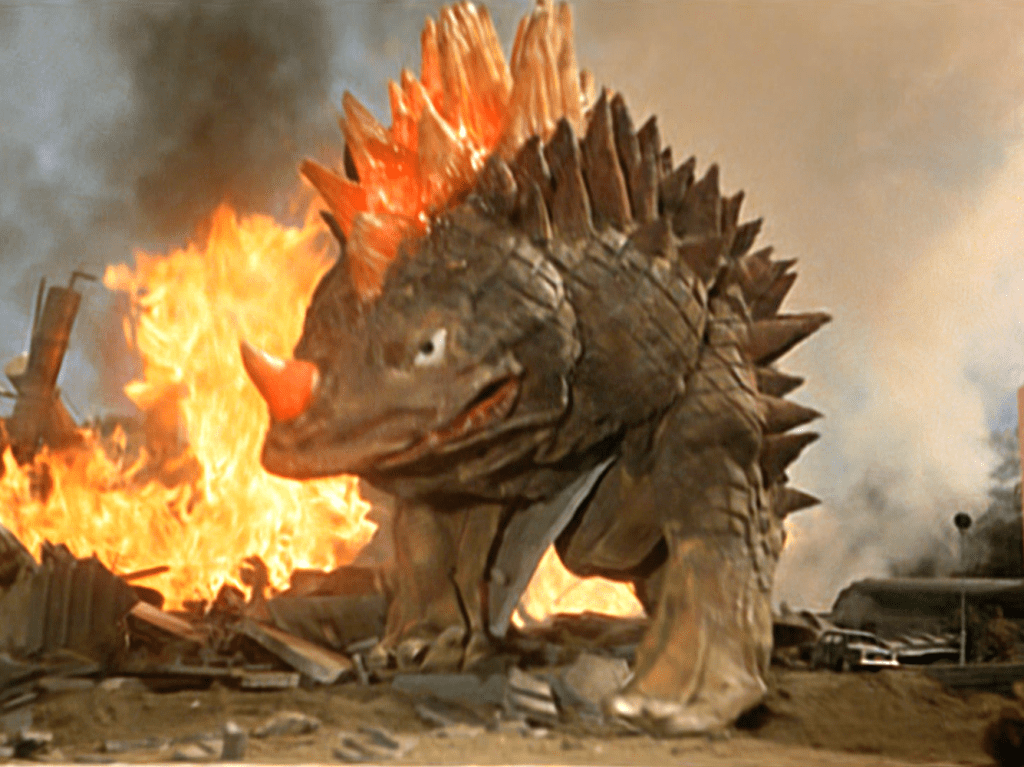
Directed by Toshitsugu Suzuki. Written by Keisuke Fujikawa. Airdate Feb. 19, 1967.
In what feels like a flashback to the earliest episodes, “Endless Counterattack” is a formulaic rampaging monster story with a structure similar to middle-of-the-road episodes like “Science Patrol, Move Out” and “Lightning Operation.” Giant monster Zumbolar appears in the wilds and causes massive destruction with its fiery powers. The Science Parol must find a way to stop it as it trundles toward Tokyo. Ide comes up with an invention, Hayata changes into Ultraman, and the problem is solved after a whole bunch of stuff goes kablooie.
Continue reading “Ultraman Ep. 32: Endless Counterattack” The Ultra Project