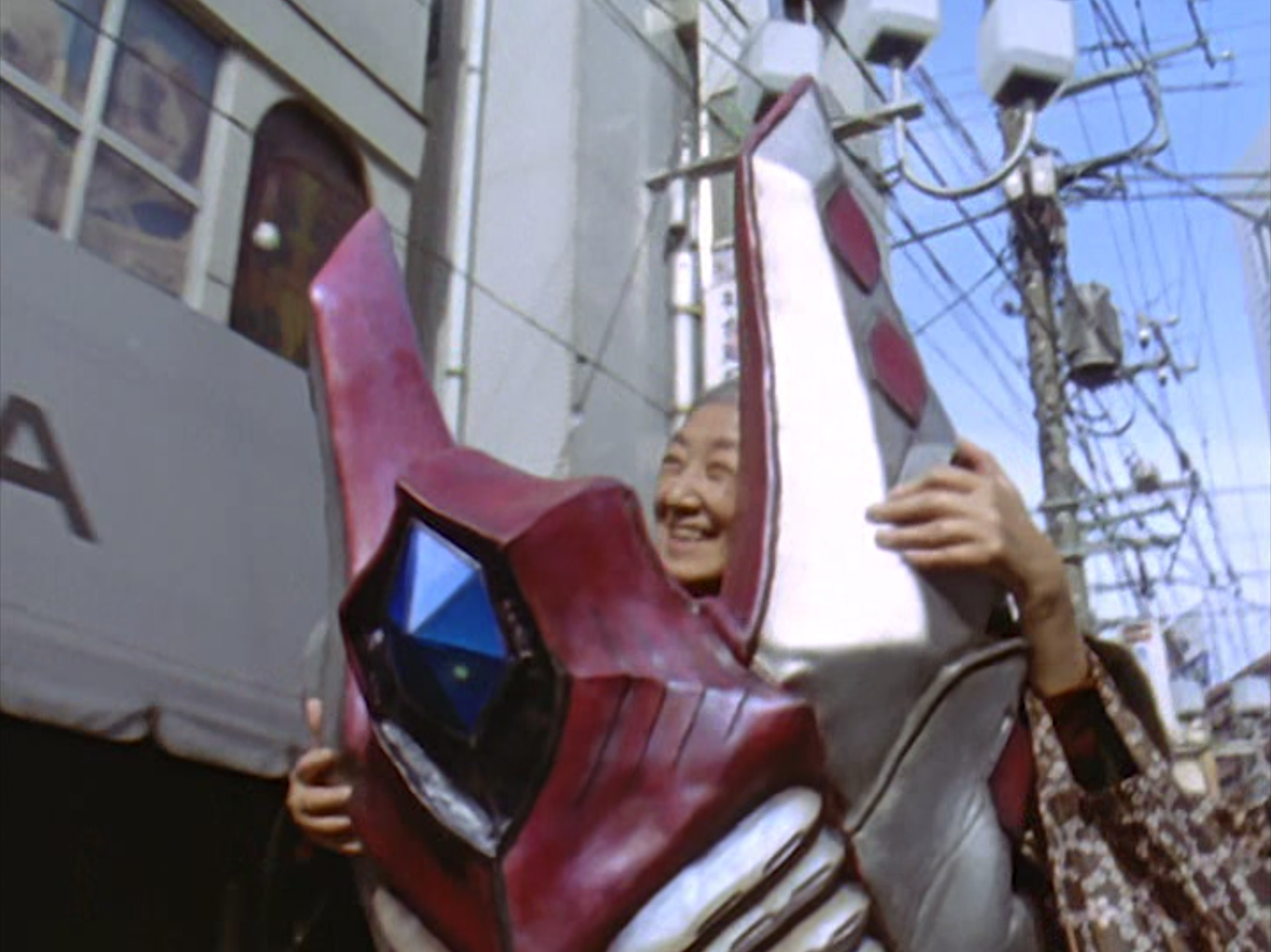
Ultraman Tiga Ep. 17: The Battle Between Red and Blue

Directed by Shinichi Kamizawa. Written by Hidenori Miyazawa and Shinichi Kamizawa. Airdate Dec. 28, 1996.

I have affection for the offbeat Ultra episodes: the ones that take unexpected trips to different genres or spotlight a quirky new character as protagonist of the week. Some of these episodes are among the best in the history of the franchise, such as “Kanegon’s Cocoon” and “The Monster Tamer and the Boy.” Others, like “The Battle Between Red and Blue,” are merely charming and put a smile on my face for a half hour. You can’t spend every episode beating up monsters and alien invaders to save the world. Sometimes you need to just sit down with a nice old lady and eat popcorn and watch some TV. 

Continue reading “Ultraman Tiga Ep. 17: The Battle Between Red and Blue”
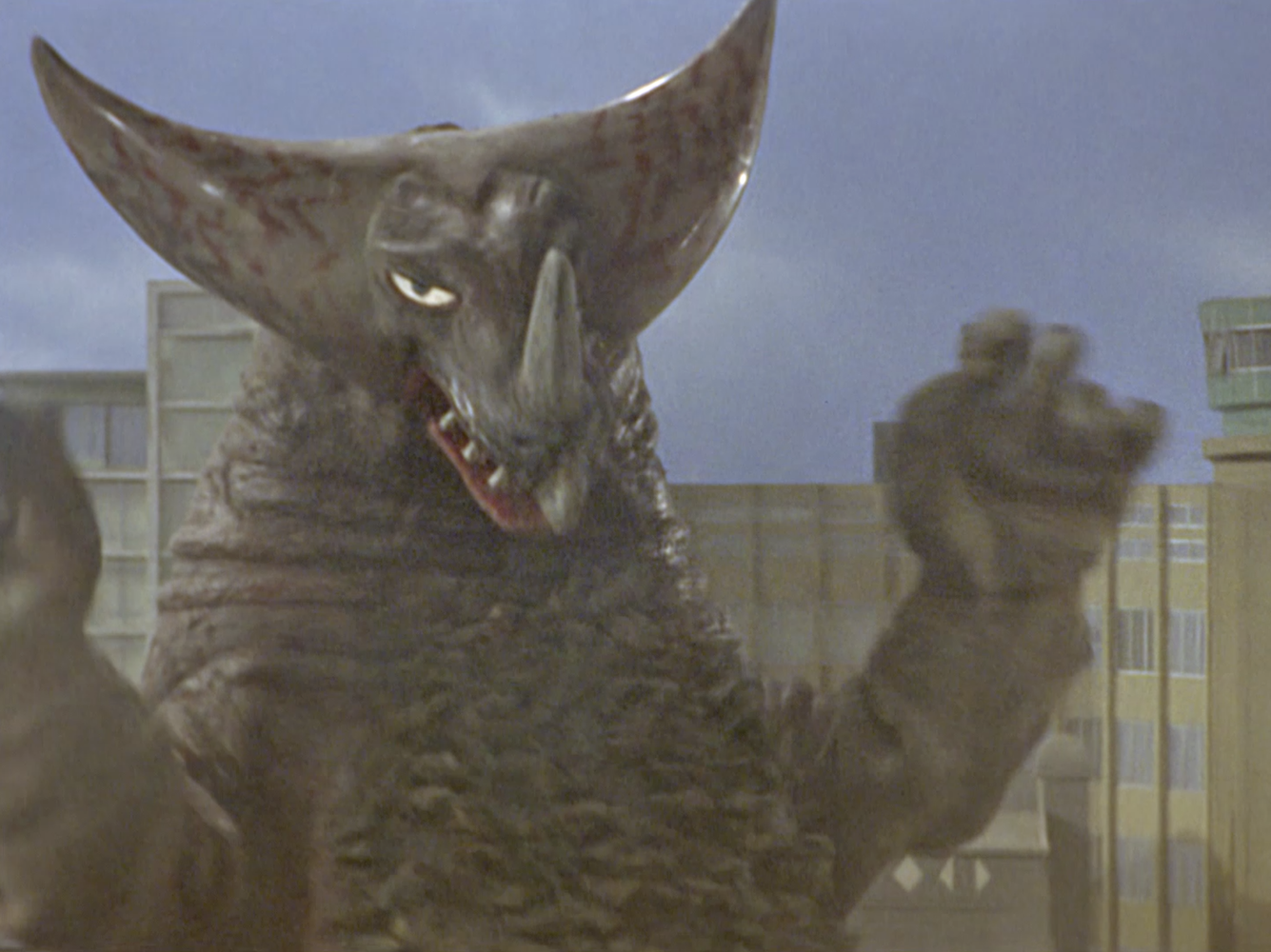
Ultraman Ep. 26 & 27: The Monster Highness

Directed by Hajime Tsuburaya. Written by Tetsuo Kinjo and Bunzo Wakatsuki. Airdate Jan. 8 & 15, 1967.

The unofficial promise Ultraman makes to viewers is that it will deliver the thrills of giant monster movies in a TV-sized package. No episodes achieve this better than the first two-parter1 in Ultra Series history. “The Monster Highness” is a VFX extravaganza that introduces the most famous kaiju in the franchise and smashes the thrill button as hard as it can with kinetic fights, heavy military action, and mass-scale urban destruction. Children all over Japan were on edge after the cliffhanger of Part 1 where Ultraman suffered a true defeat, ensuring that Part 2 would become one of the most viewed episodes of any Ultra show. 

Continue reading “Ultraman Ep. 26 & 27: The Monster Highness”

Ultraseven Ep. 23: Search for Tomorrow

Directed by Samaji Nonagase. Written by Shozo Uehara and Samaji Nonagase. Airdate March 10, 1968.

Captain Kiriyama takes center stage for an unusual episode that shows the Ultra Guard members acting as more than a stock hero team. Characterization in Ultraseven works differently than in Ultraman and other Ultra shows: scripts often downplay individuality in favor of larger science-fiction themes. It’s good to have a chance to settle in with a personal character drama like “Search for Tomorrow,” where Kiriyama reveals a side that puts him at odds with the rationalist approach of the Terran Defense Force and the Ultra Guard. It’s not a superlative action episode, but it has some crunchy ideas to chew on and a strong use of the ensemble.

Continue reading “Ultraseven Ep. 23: Search for Tomorrow”

Ultraman Ep. 25: Mysterious Comet Tsuifon

Directed by Toshihiro Iijima. Written by Bunzo Wakatsuki. Airdate Jan. 1, 1967.

In a scenario inspired by Ishiro Honda’s science-fiction epic Gorath (1962), a comet is hurtling toward Earth on a near-miss course. A near-miss is still too close: Comet Tsuifon’s cosmic rays may cause several missing older hydrogen bombs to detonate and annihilate life on the planet. After the comet makes its pass without causing an apocalypse, the Science Patrol determines there is still one missing bomb in danger of exploding. And that bomb was swallowed by a monster. And that monster is Red King. Oh dear gods, we’re all doomed…

Continue reading “Ultraman Ep. 25: Mysterious Comet Tsuifon”

Ultraseven Ep. 22: The Human Farm

Directed by Toshitsugu Suzuki. Written by Hiroyasu Yamaura. Airdate March 3, 1968.

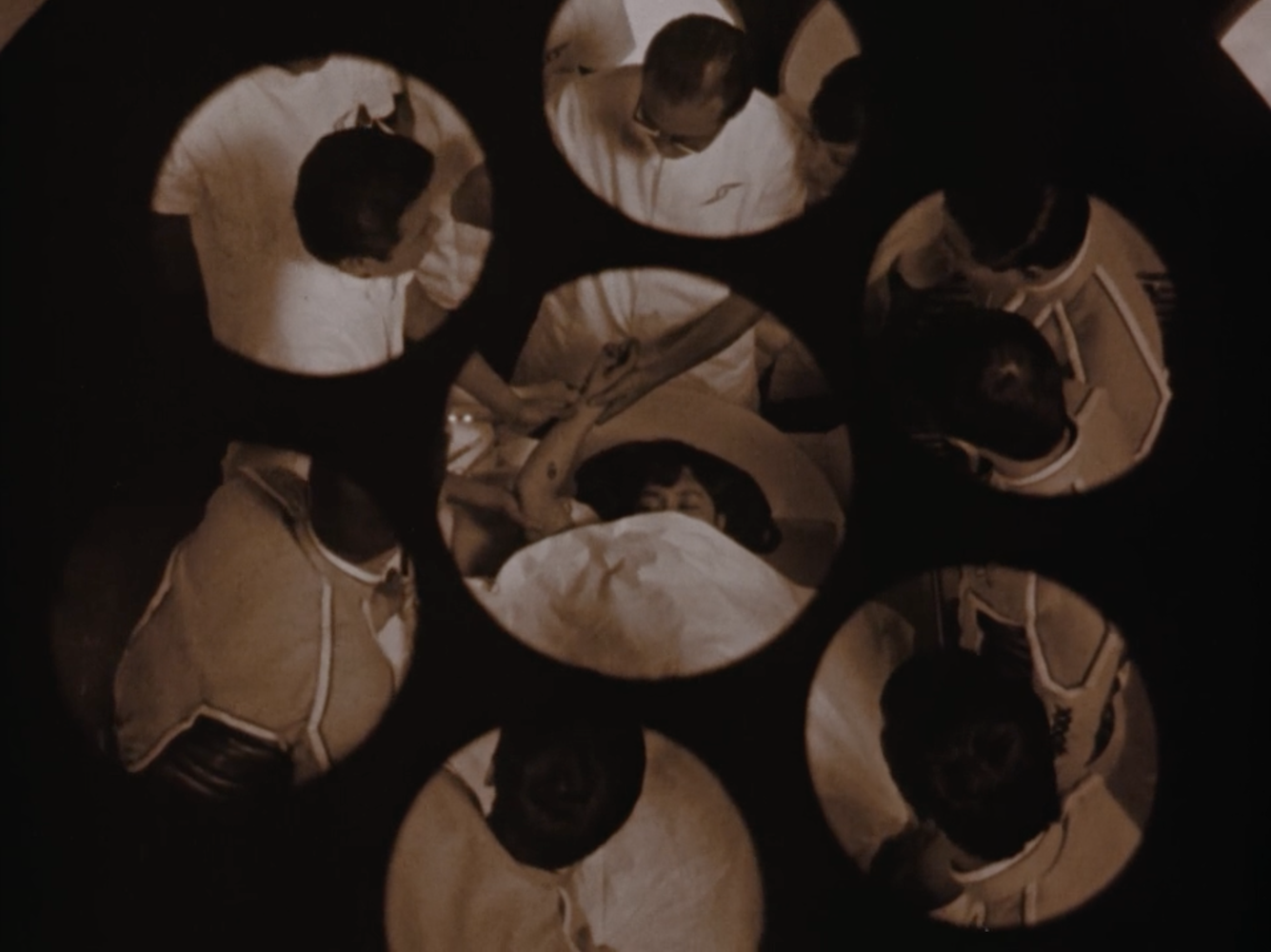
Ultraseven shifts to science-horror with an episode mirroring the more sober stories of Ultra Q. The general mood is subdued foreboding laced with body horror. Several unusual visual choices enhance the quiet dread. It’s ambitious, and the episode almost works — but the climax veers in a different direction that emphasizes big action. The finale may not include a giant monster fight, but it still feels like a conventional wrap-up, and that doesn’t gel with a story about aliens using women’s bodies as cultures for growing their food. 

Continue reading “Ultraseven Ep. 22: The Human Farm”

Ultraman Tiga Ep. 16: The Revived Demon

Directed by Kyota Kawasaki. Written by Hideyuki Kawakami. Airdate Dec. 21, 1996.

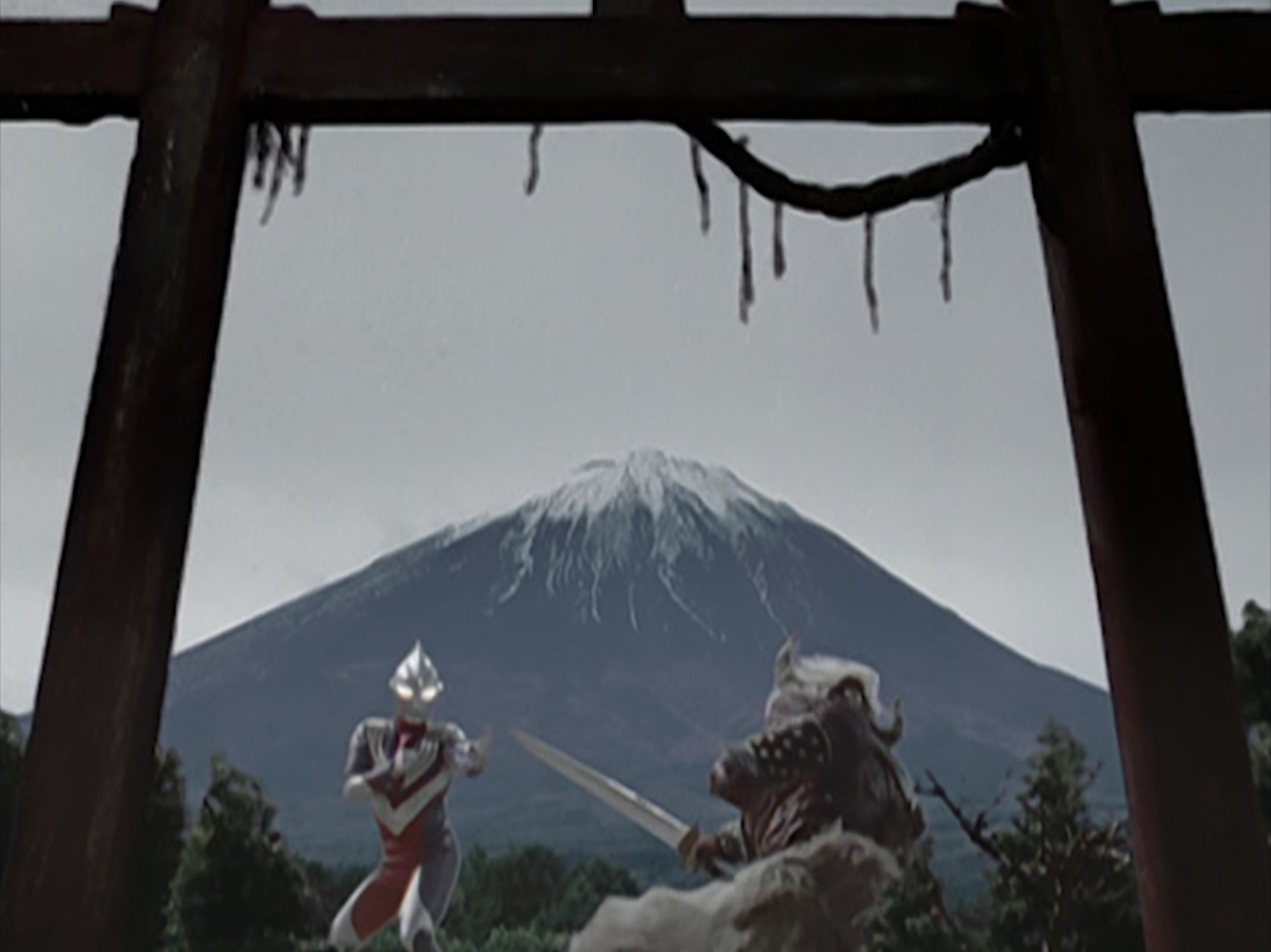
After a hint of the supernatural in the previous episode, Ultraman Tiga goes into a full-fledged fantasy drawn from Japanese legends and the country’s feudal era. The Showa era Ultra shows rarely visited this time period, mostly because the networks didn’t want to limit international sales by making the shows “too Japanese.” Thankfully, the Heisei era loosened up on this so that the more fantastical world of samurais, shoguns, ogres, and demons could burst through to Ultraman’s world. “The Revived Demon” is among the best of these types of episodes, and it’s one of director Kawasaki’s most impressive outings on Tiga

Continue reading “Ultraman Tiga Ep. 16: The Revived Demon”

Toku Theater: Gamera vs. Guiron (1969)

Directed by Noriaki Yuasa. Written by Niisan Takahashi.

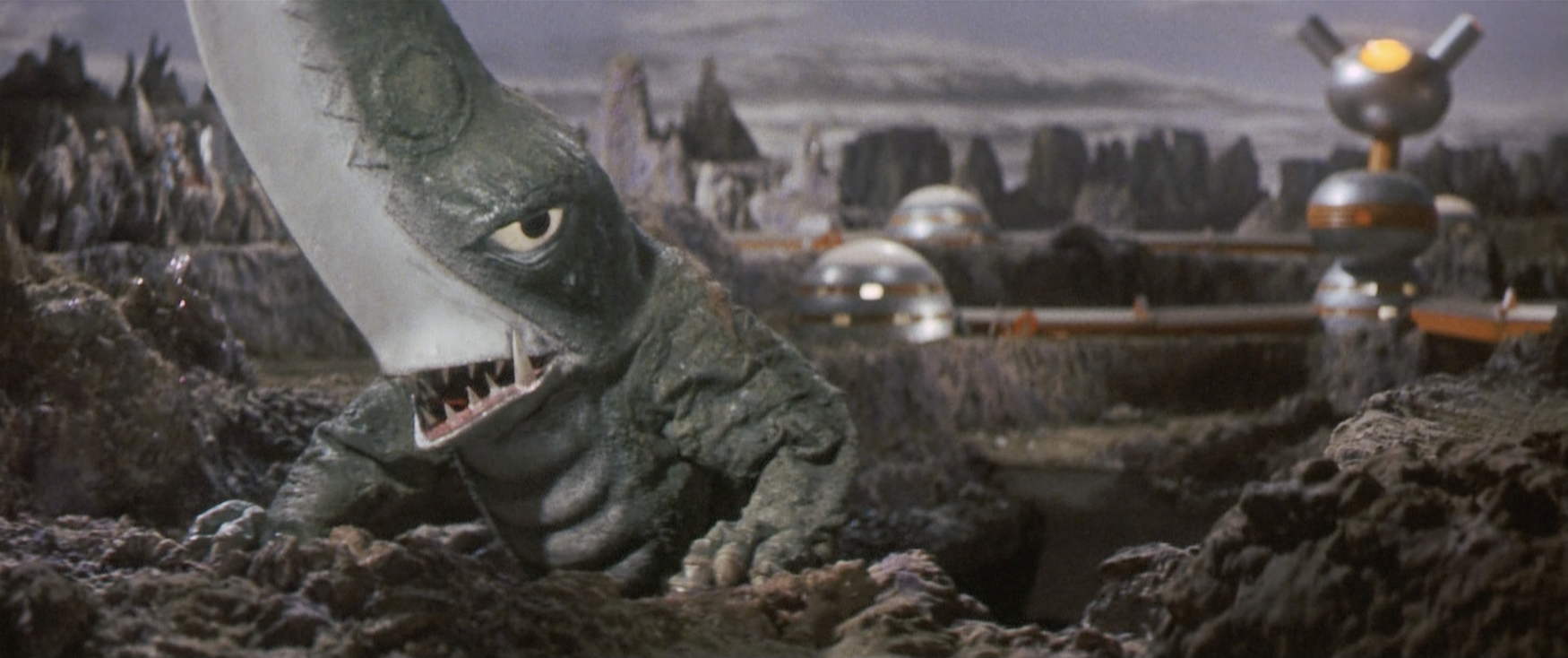
This is the Gamera movie with the alien women who shave a kid’s head so they can eat his brains, Gamera performing a men’s gymnastics routine, and a monster that looks like a letter opener. It’s also the Gamera movie that decides plot is optional when all it needs is kids wandering around science-fiction sets watching monsters have outlandish battles. Gamera vs. Viras did something similar, and Gamera vs. Guiron takes the next step of stretching out the “kids wandering around spaceship” section to fill most of the movie.

Continue reading “Toku Theater: Gamera vs. Guiron (1969)”

My Favorite Ultra Q Episodes

We’ve reached a major milestone at The Ultra Project: the first Ultra show reviewed from start to finish! I’ve examined all 28 episodes of the original Ultra Q, the 1966 show that started it all, so it’s time for a recap and a look back. The next post will be a full listing of all my Ultra Q reviews for easy reference. Right now, I’m pleased to present you a look at my personal favorite episodes.

Continue reading “My Favorite Ultra Q Episodes”

Ultra Q Ep. 28: Open Up!

Directed by Hajime Tsuburaya. Written by Mieko Osanai. Airdate Dec 14, 1967.

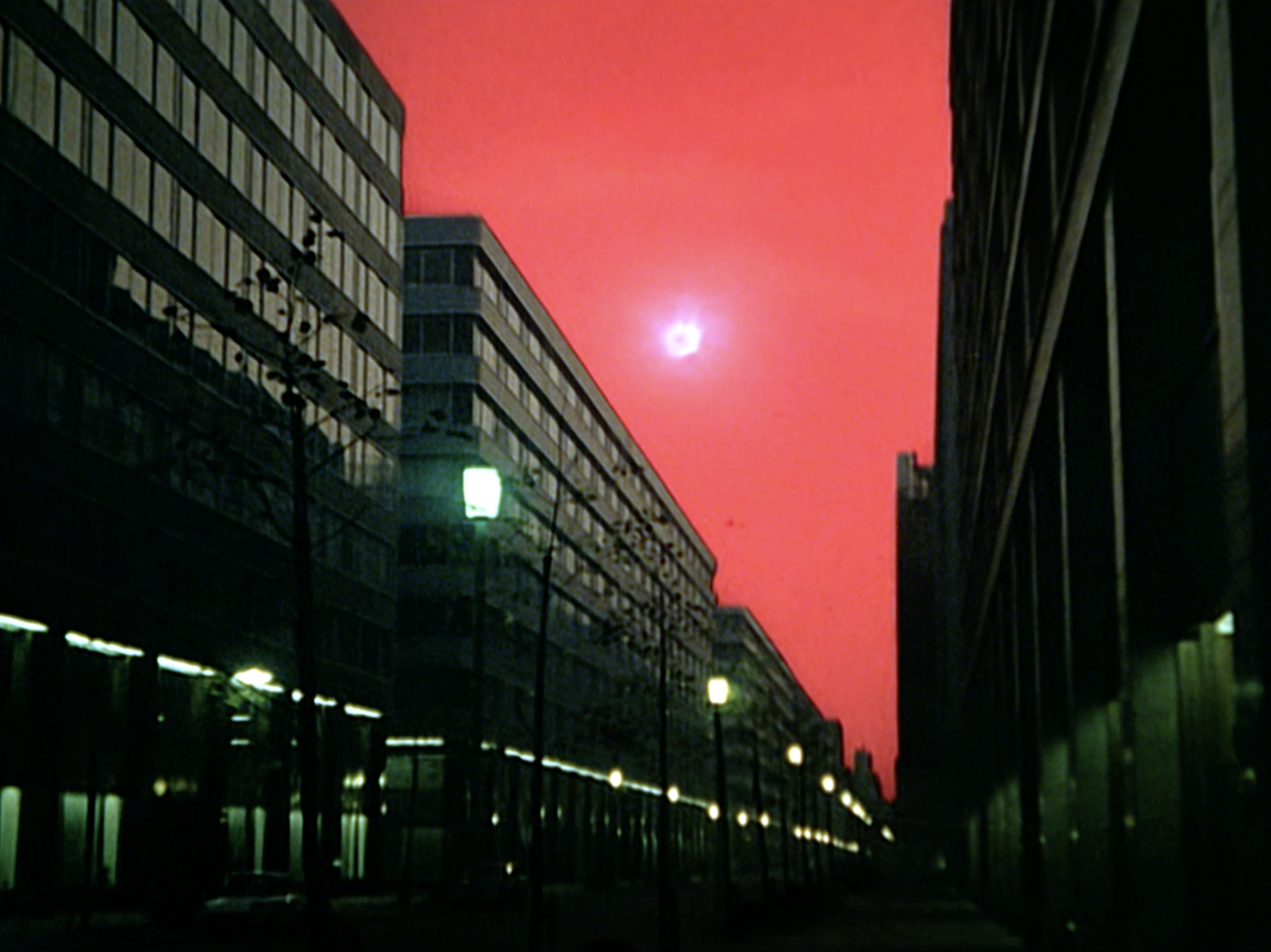
Ultra Q closes its original run with an ethereal episode, absent of monsters and high on postmodern angst. It’s hard to imagine an Ultra episode farther removed from the colorful heroics of Ultraman, so it isn’t surprising that TBS producer Takashi Kakoi decided that “Open Up!” was not a good lead-in for the new show. He removed the episode from the schedule and replaced it with the Ultraman preview special. “Open Up!” wouldn’t reach airwaves until the end of 1967, when Ultraman had finished its run and Ultraseven was already airing.

Continue reading “Ultra Q Ep. 28: Open Up!”