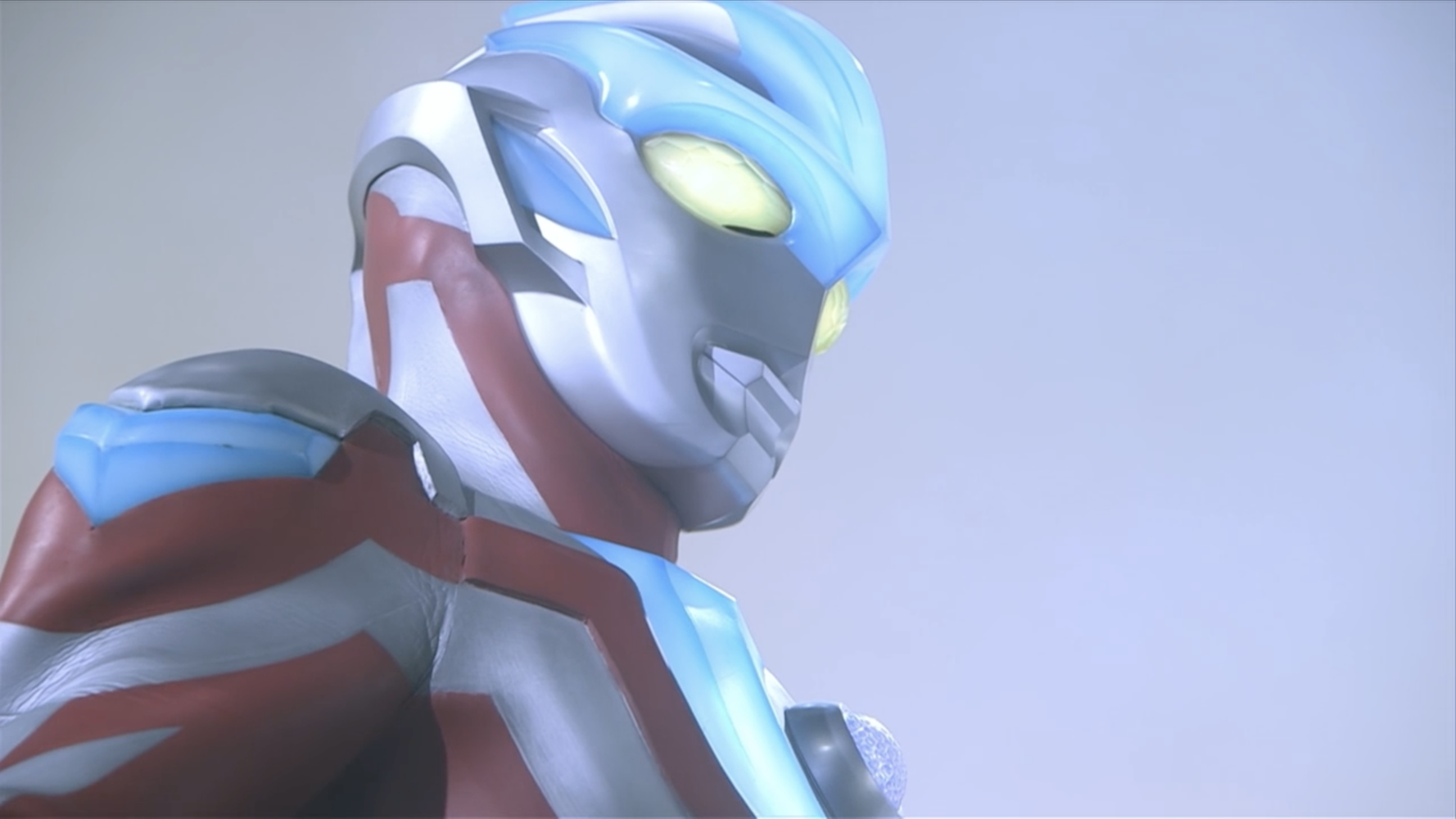
I’ve completed the reviews for Ultraman Ginga, but it doesn’t make sense for me to write a favorite episodes post for a show with only 12 episodes. Also, favorite isn’t a term I can use to describe any episode of this show when the best rating I handed out was “Good.” Besides, there’s more Ginga coming up: Ultraman Ginga S, a sequel show that’s basically a heavily revamped second season. Before I forge onward with Ultraman Ginga S — which comprises 16 episodes and a feature film — I’d like to take a break to gather my thoughts after reviewing Ultraman Ginga. (Spoilers for the whole show, of course.)
This is my second time watching all of Ultraman Ginga, so I’m interested in examining how my own opinions evolved throughout the show’s run. I stand by my original assessment that this is one of the least of the Ultra shows. But it’s not a disaster. Much of what works against it comes from the budget and a creative team trying to find their way through the labyrinth of an entirely new set of operations for Tsuburaya Productions.
Here’s a topic-by-topic breakdown of my Ultraman Ginga observations from this go-round, an uneven mix-up of the good and the bad.
It’s Cheap — But They Tried
The new corporate lords of Tsuburaya Pro were highly risk-averse when it came to restarting the Ultraman series, and they gave Ultraman Ginga one of the tiniest budgets in franchise history. Not a strategy I would’ve followed: why not try to make something impressive to ignite a new era? But this is what the creative team had to work with. It’s not much, and that “not much” is too often apparent on screen. Limited locations, no urban destruction, constantly reused costumes … all things I’ll mention again below. At times, the production poverty feels sad.
Yet, I can feel the effort from creative people who clearly cared. They weren’t just trying to push through it and move on. They refused to treat Ultraman Ginga as disposable, probably because they could envision a brighter, bigger-budgeted future ahead if they could entertain enough people. Team members like head writer Keiichi Hasegawa (who worked on numerous Heisei shows and wrote one of my favorite Tiga episodes, “Dear Mr. Ultraman”) and head director Yuichi Abe did what they could with meager means. I appreciate it. It didn’t always work, but thanks for the effort.
Repetitive Formula & Transformation Sequences
Formulas are a core element of the Ultra Series, but Ultraman Ginga settles into a rigid one that makes the first half of the show get quickly tedious. Dark Lugiel’s current lackey (Alien Valky or Alien Nackle) turns someone with a “dark heart” into a kaiju with a Spark Doll. Hikaru first battles the kaiju by transforming into the Spark Doll kaiju from the previous episode, then transforming into Ginga. Afterward, Hikaru collects the Spark Doll for use in the next episode. Repeat. The pattern eventually starts to vary, but it hurts the first half of the show.
Speaking of repetition: the transformation sequences. This will always be a problem with New Generation shows. To Ginga’s credit, these scenes aren’t as protracted and aggravating as they will become later. The first time I watched Ginga, the transformations irritated me, but now that I’ve seen more New Gen shows, their length feels almost tolerable.
Hikaru Is a Likable Hero
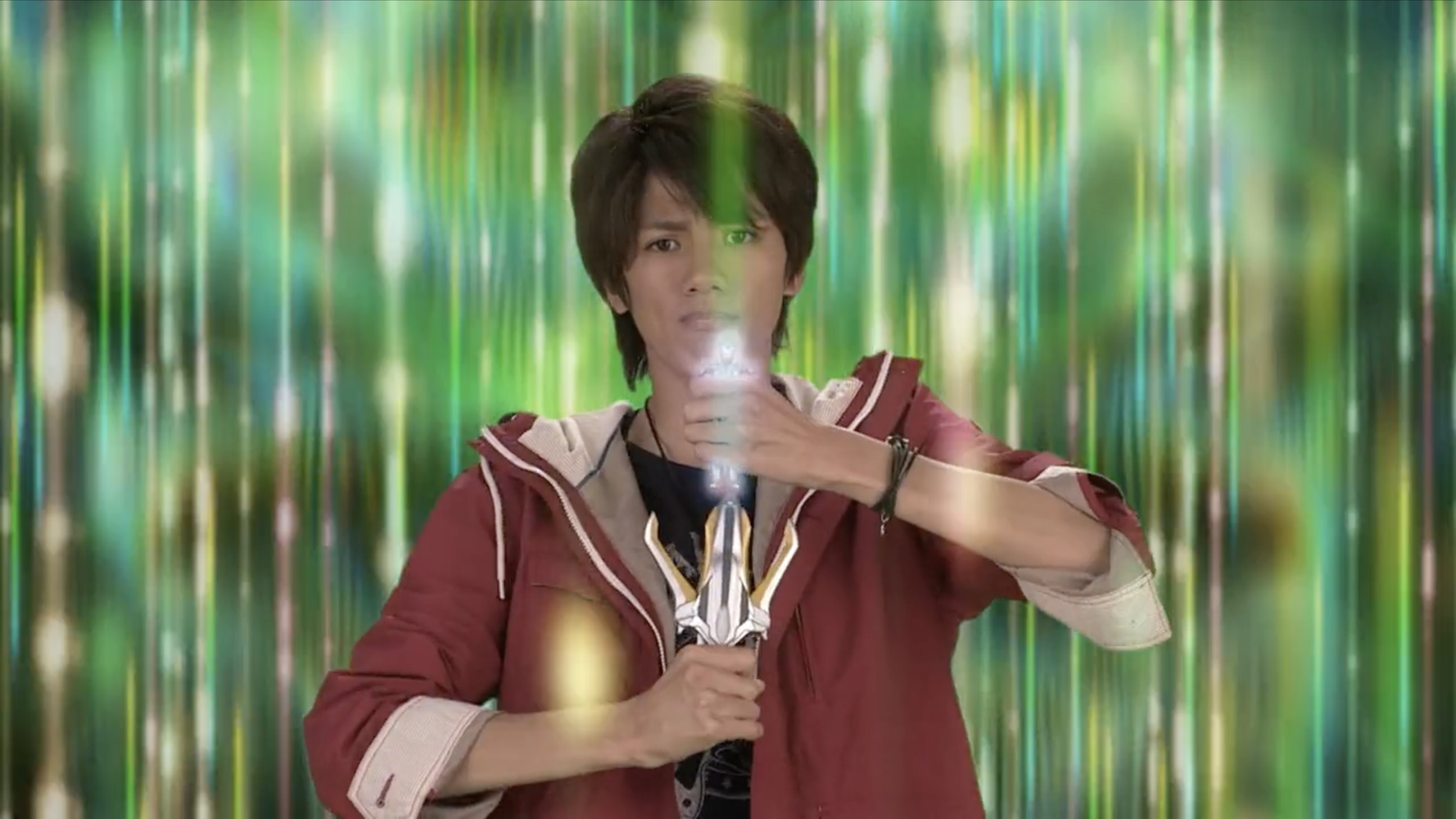
Although Hikaru Raido isn’t a particularly deep or reflective character, I can say the same about many of the leads who play Ultra warriors. Actor Takuya Negishi always seems to be having a good time in the role, thrilled to be part of this famous franchise, and his chemistry with the four other protagonists feels genuine. I sense that Hikaru really cares about helping people, both as a giant superhero and as someone who can help heal others’ sadness and pain.
Tomoya Is Underused
The most underused of the main cast is Kenta, easily. But Tomoya is the most disappointing. I mentioned in one of the reviews that he’s the most interesting character. He is — but after the big two-parter in the middle of the season, Tomoya shuffles to the back of the room and wallflowers, only stepping forward when Jean-Nine needs to go into action. This character could’ve done the most for the “dark heart” theme, and I wanted to see him maintain a major role. I also wanted to know more about Tomoya’s contentious relationship with his wealthy father, which would work as a reflection of Misuzu’s own paternal troubles.
That Stupid “Battle” Field
The show features a few good fight scenes. But even the best suffer from being trapped in the single special-effects set built for the production: an uninteresting field with a few trees next to an elementary school with a beige sky that looks nothing like the sky in any other footage. It’s the cheapest aspect of the show and the most harmful to its sense of scope. This, on its own, should’ve pushed Tsuburaya Pro’s parent companies to increase the allotted budget.
Recycled Costumes
New Generation Hero shows often rely on recycling classic kaiju to save money on the costume budget. Ginga trots out more reused costumes than any other show. There are only a few completely new creations (Dark Lugiel, Super Grand King). Some of the old costumes work (King Pandon, Galberos); others look lazy and out of place (Ragon, Alien Kemur). The returning monsters and aliens rarely mean anything; there’s no connection to their earlier mythos. They’re just whatever suits were available.
The “Dreams” Theme Is Superficial
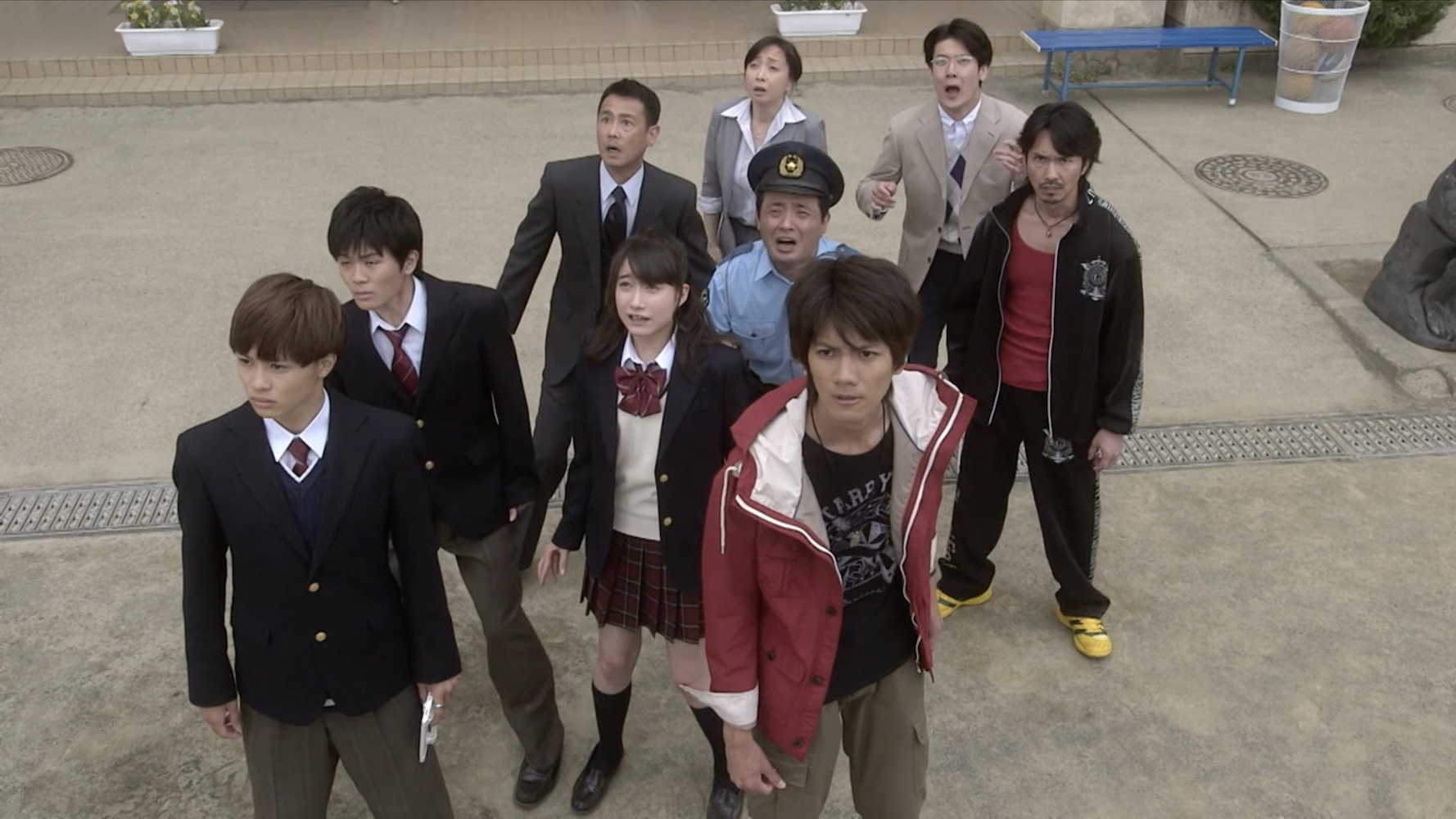
I believe Ginga’s writers hatched the theme of characters pursuing their dreams early on. Then, once Tomoya’s story was finished, they moved on from it because it had nowhere interesting to go. It’s surface-level and too “child-approved” in a Disney-like way. It also leads to pointless digressions, such as the character of Go, the boxer, who drops into the show and then does nearly nothing. Like Kuwabara and Kuroki, he hangs out in the background of the last few episodes, essentially functioning as scenery.
The one place where I think the dream theme works is with Chigusa and her yearning to become an idol. This will end up being more interesting in her guest appearance in Ultraman Ginga S (“To Meet You”).
The Horror of the Clip Show
The clip show — another tradition of the New Generation Shows that nobody likes. Ginga only has half a clip show, and because it came after several months of a hiatus, it’s semi-justifiable to want to catch viewers back up. It’s still not a great way to sprint out of the gate for the remainder of the show, and it sets a rotten precedent for future cost-cutting.
The Kaiju Boxing Match Is Well-Placed Weirdness
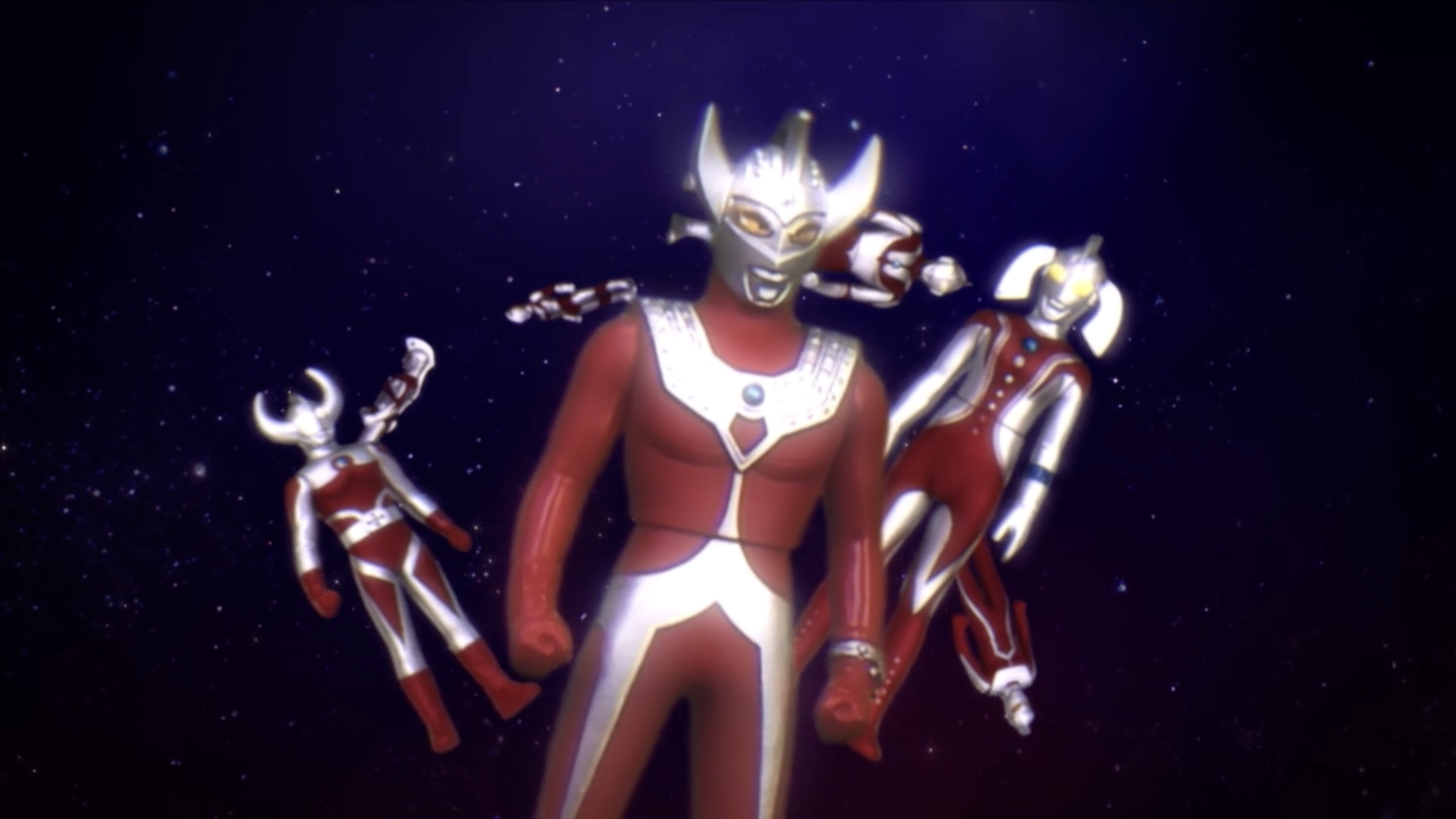
On the other hand, the second half of the clip show episode with new footage is a blast of silliness that works. Ultraman Ginga is a light show, but this is the only place where it leaps into the franchise’s absurdist side that I enjoy so much. It’s the Ultraman Taro segment of the show, and appropriately, the Taro doll provides the play-by-play for a kaiju boxing match framed like a video game and shown to an audience of cheering Spark Dolls. Big smiles from me.
It Closes Out Well
The last two episodes are probably the best, leaving Ultraman Ginga on a positive note. Not all the characters get a resolution, and the dream theme mostly sinks from sight, but the final battle moves out of that stupid field! Ginga and Dark Lugiel go to the Moon! A bit late to expand the show’s reach, but I’ll take it. As a finale for Hikaru and Misuzu, the two main characters, it’s satisfying enough.
So, like Hikaru, let’s get up, dust ourselves off, and leave school to head for the city to join a defense team in Ultraman Ginga S.
Previous: The Future of Yours
Next: The Power to Open the Way
 The Ultra Project